
2027 Easiest Online Bachelor's in Logistics Degree Programs Ranking in the South

Co-Founder and Chief Data Scientist
Considering a logistics degree but unsure where to start? This article presents the 2027 Easiest Online Bachelor's in Logistics Degree Programs Ranking in the South, carefully developed by the Research.com team of data scientists. It's designed to help you make an informed choice among the best programs available online.
Exploring these rankings can guide you to degrees that balance flexibility and quality, perfect for busy students. A logistics degree opens doors to growing career opportunities, making it a smart investment in your future.
Discover programs that fit your lifestyle and set you up for success!
Key benefits of getting online logistics degree in the South
- Graduates with an online logistics degree in the South can expect strong earning potential; for example, Logistics Coordinators and Specialists earn around $84,640 annually, while Customs Brokers make about $63,130.
- Career paths include roles like Transportation Planner and Supply Chain Coordinator, offering diverse opportunities as shown by successful graduates from universities such as the University of South Carolina.
- Completing a logistics degree online offers flexibility and convenience, allowing students like those from Florida State University to balance work and study while gaining the same respected credentials as traditional programs.
- Key benefits of getting online logistics degree in the South
- What can I expect from online logistics degree in the South?
- Where can I work with online logistics degree in the South?
- How much can I make with online logistics degree in the South?
- 2027 Easiest Online Bachelor's in Logistics Degree Programs Ranking in the South
- Key Findings
- How long does it take to complete online logistics degree in the South?
- Certifications and Professional Development After Graduation
- What's the difference between online and on-campus logistics degree?
- What is the average cost of online logistics degree in the South?
- What financial aid is available to online logistics degree students in the South?
- What are the prerequisites for enrolling in online logistics degree program in the South?
- Professional Certifications and Continuing Education
- What courses are typically in online logistics degree programs in the South?
- What types of specializations are available in online logistics degree programs in the South?
- How do you choose the best online logistics degree in the South?
- What career paths are available for online logistics degree students in the South?
- What is the job market for online logistics degree in the South?
- Top Trending Logistics Rankings
What can I expect from online logistics degree in the South?
The average cost of an online logistics degree in the South varies but tends to be quite reasonable, especially at public universities where in-state tuition often keeps prices competitive. Graduates from well-regarded programs in Southern schools often share how financial aid and employer tuition reimbursement made pursuing their degrees manageable. For example, many students at universities known for logistics, such as those in Texas or North Carolina, found that balancing work and study was smoother thanks to the affordable pricing combined with flexible online formats.
Because these programs usually require between 120 and 130 credit hours, tuition can add up, but the investment often feels worthwhile when students connect their education to the booming regional logistics economy. One graduate recalled leveraging internship opportunities tied to ports like Miami or Savannah, which helped justify the costs by opening doors to careers in supply chain management. Checking a program's accreditation ensures quality education and access to federal aid, making the financial journey more secure.
Where can I work with online logistics degree in the South?
Graduates with an online logistics degree from well-known Southern schools often find themselves thriving in diverse roles across the region's booming transportation and warehousing sectors. Imagine stepping into a role at the bustling Port of Savannah in Georgia, coordinating shipments that fuel the economy-many alumni have shared how this hands-on environment turns classroom theory into dynamic career success.
Others land positions in distribution centers for giants like Walmart or Amazon in Texas and Florida, where managing supply chains and streamlining warehouse operations become part of their daily impact. These opportunities let you apply your skills in real time, optimizing routes and ensuring products reach customers efficiently.
Manufacturing hubs in Alabama and South Carolina also welcome logistics professionals to oversee inventory and production schedules, blending technology with strategic planning. Many graduates describe the satisfaction of keeping complex operations running smoothly, a direct result of their online education.
Don't overlook public sector jobs, either-state transportation departments in the South often seek logistics experts to innovate and enhance sustainable cargo movement. With the South's infrastructure and growth, your logistics degree opens doors to meaningful work that shapes regional progress.
How much can I make with online logistics degree in the South?
Graduates with an online logistics degree from Southern institutions like the University of North Texas or Georgia Tech often find their efforts rewarded with competitive salaries in key roles. For example, Logistics Coordinators and Logistics Specialists, positions common among recent graduates, earn a mean annual wage around $84,640 according to the latest BLS data. This can translate into a rewarding career path right after graduation.
Entry-level roles such as Supply Chain Coordinators or Transportation Planners typically start lower, with mean salaries near $46,690 annually. However, many Southern grads leverage local industry hubs-like Houston's shipping ports or Atlanta's sprawling distribution networks-to quickly gain relevant experience and boost their earning potential beyond starting figures.
Graduates from programs in the South often report that combining their degree with certifications like CSCP amplifies their opportunities and salary outcomes. Real-life stories reveal that those who harness online flexibility to work and study simultaneously emerge with both knowledge and strong professional connections, creating a solid foundation for salaries exceeding $80,000 within a few years.
2027 Easiest Online Bachelor's in Logistics Degree Programs Ranking in the South
How do we rank schools?
Investing in your education is a significant decision that can shape your future, and the Research.com team understands the importance of making informed choices. To assist prospective students in the South, we have meticulously crafted the "2027 Easiest Online Bachelor's in Logistics Degree Programs Ranking in the South." Our commitment to quality, credibility, and accuracy is reflected in the extensive research and analysis conducted to compile this ranking.
We utilized the following reputable data sources to ensure a comprehensive evaluation of logistics degree programs:
By exploring this ranking, readers will gain valuable insights into the easiest online logistics bachelor's degree programs in the South, helping them make informed decisions that suit their educational and career goals. For more details on our methodology, please visit our Research.com methodology page.
# 1 position
Florida State College at Jacksonville
Bachelor of Logistics

# 2 position
Embry-Riddle Aeronautical University-Worldwide
Bachelor of Logistics and Supply Chain Management


Key Findings
- Online logistics degrees in the South cover supply chain management, transportation, warehousing, and inventory control.
- The total cost for a bachelor's degree ranges between $20,000 and $40,000, with public universities generally being more affordable for in-state students.
- Entry-level logistics coordinators earn between $45,000 and $55,000 annually, while experienced managers and directors can make $70,000 to $110,000 per year.
- Southern states like Texas, Georgia, and Florida have strong job growth in logistics due to their roles as transportation and distribution hubs.
- Important program accreditations include ACBSP and AACSB, which ensure quality education and employer recognition.
How long does it take to complete online logistics degree in the South?
Completing an online logistics degree in the South typically takes about four years for full-time students, mirroring the traditional undergraduate timeline. Graduates from well-known Southern institutions like the University of Alabama or Georgia Southern University often share how they balanced challenging coursework with real-world work experiences, especially when studying online. For motivated individuals, accelerated programs offer the chance to finish in three years or less by taking extra courses during summer sessions-an option embraced by many who want to jump sooner into rewarding logistics careers.
Part-time students, often professionals managing jobs and family, may find themselves completing degrees in five to six years. This slower pace still brings a deep sense of accomplishment, as these students skillfully navigate their busy lives while gaining valuable skills. The flexibility of online learning, with asynchronous classes, allows you to tailor your schedule-enabling progress even when life demands unpredictability.
Southern graduates frequently point to how credit transfers from community colleges helped shorten their path, especially when combining logistics with business or technology courses. This adaptability not only makes their degrees affordable but also relevant to the thriving logistics hubs across Texas, Georgia, and Florida.
Certifications and Professional Development After Graduation
Upon earning your online bachelor’s in Logistics, augment your degree with industry-recognized certifications that signal expertise and boost employability. Employers increasingly seek candidates who complement academic credentials with hands-on validation of skills. Key certifications to consider:
- APICS Certified Supply Chain Professional (CSCP) – Validates mastery of end-to-end supply chain best practices.
- APICS Certified in Logistics, Transportation and Distribution (CLTD) – Focuses on global logistics, transportation, and distribution management.
- Certified Professional in Supply Management (CPSM) – Offered by the Institute for Supply Management, emphasizing strategic sourcing and supplier relationship management.
- Lean Six Sigma Green Belt – Demonstrates proficiency in process improvement and waste reduction methodologies.
- Council of Supply Chain Management Professionals (CSCMP) SCPro™ – A three-tiered certification covering operational to strategic supply chain functions. Many online programs integrate exam prep modules, practice quizzes, and dedicated mentorship to streamline your path to certification. Earning these credentials typically requires a combination of self-study, documented professional experience, and passing a proctored exam. Pursuing certifications not only validates your skills but can also accelerate promotions and salary growth. For students balancing budget and certification prep, explore our Most Affordable Logistics Degree Programs to find cost-effective options that include robust professional development support.
What's the difference between online and on-campus logistics degree?
Choosing between an online and on-campus logistics degree in the South comes down to how you want to shape your learning journey. Graduates from universities in Texas or Florida often share how online programs gave them the freedom to balance work, family, and studies seamlessly, thanks to flexible schedules and lower tuition costs-typically ranging from $7,000 to $15,000 a year. Imagine being able to log in from home in Atlanta while managing your job, without worrying about commuting or housing expenses.
On-campus students at colleges in Nashville, for instance, often highlight the value of face-to-face interaction. They benefit from hands-on labs, immediate access to professors, and networking at local career fairs, which can lead to valuable internships in bustling Southern logistics hubs. This personal connection opens doors that online formats might not fully replicate, although online degrees often emphasize practical skills tailored to the Southern economy.
Both paths demand commitment, but deciding depends on your lifestyle and career goals. Reliable internet and self-discipline are crucial online, while on-campus life offers immersive collaboration and direct community engagement. Each experience equips you uniquely to thrive in the logistics field.
What is the average cost of online logistics degree in the South?
When considering the average cost of a online logistics degree in the South, you'll find that many students attending public universities pay significantly less compared to their counterparts at private institutions. Graduates from popular colleges in Georgia and North Carolina often share how managing tuition around $12,500 for in-state total costs allowed them to focus on studies without overwhelming financial stress. This affordability can make a real difference, especially when balancing work and family commitments while studying online.
Out-of-state students or those attending private schools in Texas typically encounter higher fees, sometimes closer to $48,000 in total. While this might seem daunting at first, many students have found scholarships, employer tuition programs, or even local partnerships between institutions and businesses that helped lower that burden. These financial options are vital to explore when seeking affordable online logistics bachelor's programs southern US.
One inspiring aspect many graduates mention is how earning their degree from a logistics-friendly hub helped them gain practical skills relevant to the regional economy. Several universities in the South offer accredited online programs that ensure quality education and align with industry needs. For those interested in pathways to strong careers, exploring best jobs with a online supply chain management bachelors degree can unlock rewarding opportunities while keeping educational investment within reach.
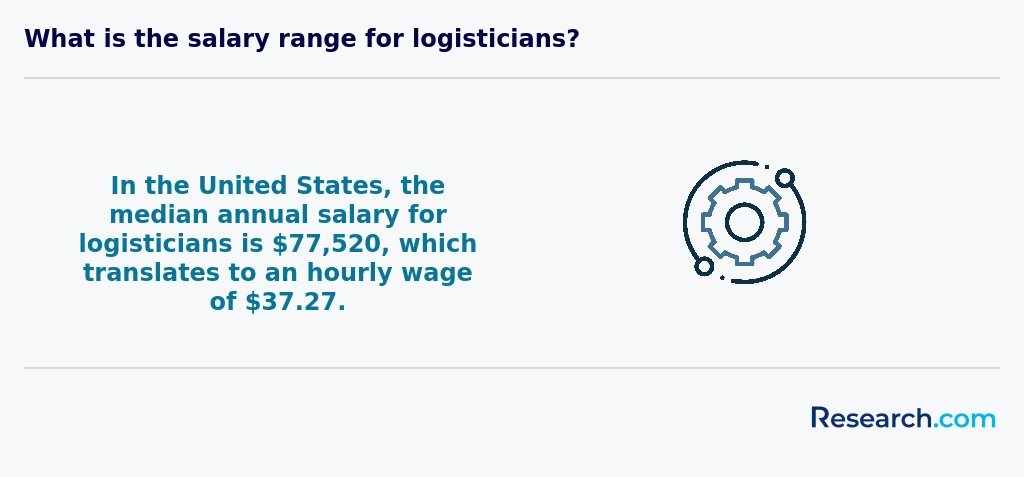
What financial aid is available to online logistics degree students in the South?
When pursuing an online logistics degree in the South, financial aid can be a true game-changer. Graduates from universities like the University of North Carolina or Georgia Southern University often share how completing the FAFSA opened doors to essential Pell Grants, covering thousands of dollars in tuition, sometimes up to $7,395 annually. This grant is a no-repayment lifeline that eases the financial load significantly.
State scholarships are another key opportunity. For instance, Texas students benefit from THECB grants designed specifically to support residents advancing their logistics careers. These programs turn dreams into reality by reducing cost barriers in states with booming logistics hubs.
Many Southern schools proudly offer merit-based scholarships for logistics students, rewarding leadership and dedication. Plus, working professionals tap into employer tuition assistance programs, transforming their jobs into stepping stones for career growth with partial or full funding.
Private scholarships from logistics groups like CSCMP further boost support, allowing you to focus on learning and mastering the supply chain field in a hands-on way.
What are the prerequisites for enrolling in online logistics degree program in the South?
To enroll in an online logistics degree program in the South, you need a solid foundation, starting with a high school diploma or GED. Graduates from well-regarded Southern universities often recall how meeting this simple requirement was their first step toward mastering supply chain complexities affecting ports like Savannah and Houston. Many programs ask for transcripts highlighting strengths in math, economics, or business, which sets you up for success given how these skills translate directly into real-world logistics challenges.
Test scores such as the SAT or ACT may be requested, but numerous Southern schools now embrace flexible, test-optional policies. This shift opens doors for many aspiring logisticians who can demonstrate grit and passion through their academic record and relevant experience instead.
Enrollment at an accredited institution is crucial. Graduates emphasize how earning a degree recognized by bodies like ACBSP or AACSB boosted their career trajectory in regional logistics hubs. Some programs even prefer applicants with work experience, which mirrors industry expectations and often accelerates learning through applied knowledge.
Planning financially is vital since typical tuition ranges between $15,000 and $30,000-an investment many find reasonable compared to traditional campuses. Scholarships and financial aid options provide welcome support for many Southern students embracing this exciting career path.

Professional Certifications and Continuing Education
A significant way to enhance the value of your Online Logistics degree in the South is by pursuing industry-recognized certifications and engaging in continuous learning. Employers increasingly seek candidates who complement their academic credentials with credentials such as APICS Certified in Planning and Inventory Management (CPIM), Certified Supply Chain Professional (CSCP), or Lean Six Sigma Green Belt. These credentials validate specialized expertise in areas like inventory optimization, process improvement, and global supply chain strategy, and they can translate into accelerated career progression and higher salary potential. Many graduates combine their bachelor’s curriculum with certification exam preparation courses, often available through professional associations such as the Council of Supply Chain Management Professionals (CSCMP) or APICS. Online certificate programs in areas like freight management, warehousing technology, and demand planning offer flexible modules that fit alongside full-time work or family commitments. By integrating certifications with your degree, you not only deepen practical skills but also expand your professional network through workshops, webinars, and local chapter events. Continuing education doesn’t stop with certifications. Subscribing to industry journals, attending virtual conferences, and completing short courses on emerging technologies-such as blockchain in logistics or AI-driven route optimization-ensures you stay ahead of evolving trends. Many universities and platforms offer stackable micro-credentials that can be applied toward a master’s degree, providing a clear pathway for lifelong learning and leadership roles in logistics and supply chain management. Finally, leveraging both your formal education and certifications can position you for some of the best jobs with a online supply chain management bachelors degree, from supply chain analyst to operations manager. By demonstrating a commitment to continuous improvement and professional excellence, you’ll distinguish yourself in a competitive job market and unlock greater opportunities across the diverse logistics industry in the South.
What courses are typically in online logistics degree programs in the South?
Students pursuing an online logistics degree in the South often dive into courses that blend practical skills with regional relevance, perfectly suited for the dynamic logistics sector here. Graduates from well-regarded programs at universities such as the University of North Carolina or Georgia Southern University frequently highlight their strong foundation in supply chain management fundamentals, where they learn to navigate the flow of goods, supplier coordination, and inventory control.
Transportation management stands out as a key course, especially given Southern states' extensive port systems like the Port of Savannah. Students gain hands-on knowledge about carrier selection and transportation regulations, skills that are immediately applicable to the bustling shipping and distribution hubs nearby.
Core courses also include warehouse operations, logistics information systems, and business analytics. Graduates often share how mastering these topics empowered them to work efficiently with cutting-edge software and use data analysis to optimize operations-essential abilities in today's logistics jobs.
Finally, soft skills like leadership and problem-solving are emphasized to prepare students for real-world challenges. This holistic approach ensures Southern students graduate both technically skilled and ready to lead in a competitive marketplace.
What types of specializations are available in online logistics degree programs in the South?
Many students pursuing online logistics degree specializations in the South find their path through concentrations like supply chain management, transportation management, and logistics analytics. Graduates from popular Southern universities often share how focusing on supply chain management gave them a clear understanding of coordinating materials and finances-from procurement to customer service-critical in states such as Texas and North Carolina where manufacturing thrives. Another rewarding option is transportation management, where learning to optimize trucking, rail, air, and sea logistics prepares you for roles near bustling hubs like the Port of Savannah in Georgia.
For those excited by technology and data, logistics analytics is an emerging specialization that equips students with skills in big data and predictive modeling to enhance efficiency-a growing focus in regions like the South known for automotive and aerospace industries. South region logistics degree concentration options also include warehouse and inventory management, where graduates optimize storage solutions, and global logistics, preparing students for the international trade opportunities expanding across the Southern economy. Exploring affordable options can be easy too; check out the Most Affordable Logistics Degree Programs to find your best fit.
How do you choose the best online logistics degree in the South?
Choosing the best online logistics degree in the South means focusing on accredited institutions known for strong programs, like some universities in Georgia and Texas that boast solid connections to major transportation hubs. Graduates often share how curriculum emphasizing real-world logistics challenges-from supply chain management to inventory control-prepared them for dynamic Southern markets. Look for programs that blend theory with practical skills, especially in emerging fields such as sustainability and data analytics, ensuring your education aligns with industry demands.
Cost plays a major role, with affordable logistics bachelor's degree South region options often found at reputable public universities. These programs can offer excellent value without sacrificing quality. Remember to investigate flexibility in course schedules and credit transfers, which many successful students appreciate when balancing life and work. Don't overlook the power of career services that build local industry ties or the importance of user-friendly online learning platforms that enhance your experience.
If speed is your goal, consider pathways like a fast associates degree to get started quickly in logistics and then advance. Hearing from Southern graduates who leveraged their degrees to secure positions at major ports or distribution centers is inspiring and highlights the impact of a thoughtfully chosen program.
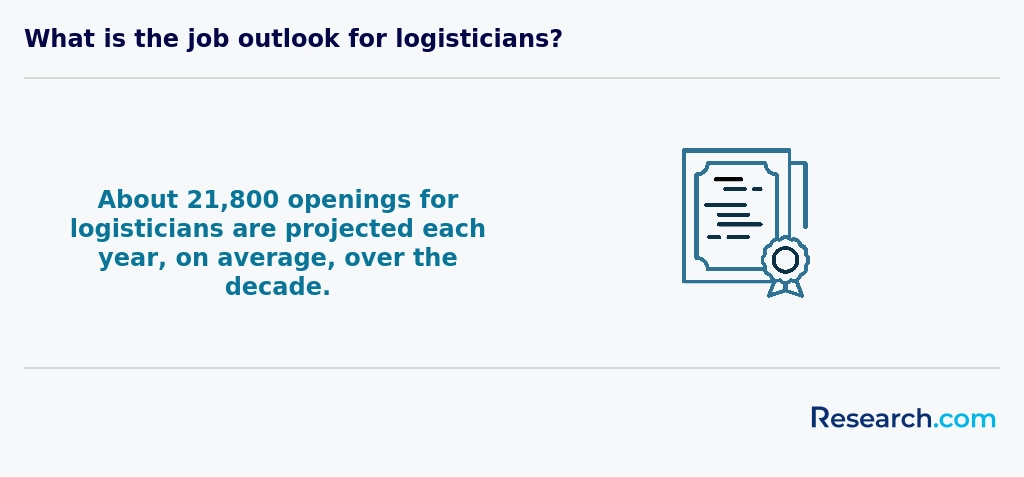
What career paths are available for online logistics degree students in the South?
Graduates who pursue an online logistics degree careers in the South discover diverse opportunities that align with the region's robust economy. Many alumni from well-known Southern universities land roles as logistics coordinators, where they manage shipping schedules and communication between suppliers and clients, making every shipment seamless. Others thrive as supply chain analysts, using data-driven strategies to cut costs and boost efficiency in bustling supply hubs like Charleston or Houston.
Warehouse managers and transportation managers find their calling overseeing operations across thriving manufacturing plants or major ports in the South, guiding teams to meet tight deadlines. Procurement specialists also play a key role, negotiating supplier deals that keep production lines moving smoothly. These roles reflect the dynamic nature of Southern US logistics job opportunities, shaped by the area's automotive, aerospace, and agricultural industries.
Many logistics students combine their degree with certifications like CSCP, unlocking even more doors across sectors. If you're curious about the pathways ahead, consider exploring what is the easiest phd degree to get to broaden your career outlook.
What is the job market for online logistics degree in the South?
The job outlook for logistics degree holders in the South is exceptionally promising, fueled by the region's vital transportation hubs like the Port of Savannah and PortMiami. Graduates from popular universities across Texas and Georgia often find themselves stepping into vibrant career opportunities where their skills in supply chain technology and management are highly valued. Many share stories of entering roles with starting salaries between $50,000 and $60,000 and quickly advancing as they gain experience. These real-life successes reflect the growing demand that stems from expanding e-commerce and large-scale distribution networks.
Southern online logistics degree career opportunities are particularly attractive due to affordable tuition rates between $15,000 and $30,000 and flexible learning options. This blend makes earning a degree possible even for working adults aiming to boost their careers. Graduates often comment on how well their programs prepared them for the intricacies of modern logistics, enhancing their value to employers in manufacturing, retail, and transportation sectors.
For those deciding which degree path to pursue, understanding what bachelor's degree pays the most can provide useful perspective, though Southern logistics remains a steadfast and rewarding choice for many aspiring professionals.
Frequently Asked Questions About logistics
Online logistics degree students in the South can maximize their learning experience by engaging with regional industry resources. The Southern United States hosts major logistics hubs like Atlanta and Houston, offering valuable networking and internship opportunities. According to the Bureau of Labor Statistics, the South accounts for a growing share of logistics-related jobs, which students can leverage for practical insights.
Utilizing technology effectively is essential. Active participation in virtual classrooms, discussion boards, and group projects helps deepen understanding. Students should also seek out online tutoring or mentorship from faculty experienced in Southern logistics markets to tailor their knowledge to regional trends.
Lastly, exploring certifications such as the Certified Supply Chain Professional (CSCP) can complement their degree and improve job prospects within the competitive Southern logistics sector.
Emerging niches within the logistics field reflect the growing complexity and technological advancement in supply chain management. In the South, the rise of e-commerce has driven demand for expertise in last-mile delivery logistics, focusing on efficient distribution in urban and rural areas. According to the Georgia Department of Economic Development, the Southeast is becoming a national hub for warehousing and distribution, which boosts opportunities in warehouse automation and inventory management.
Another key niche is sustainable logistics, where companies prioritize reducing carbon footprints through greener transportation methods. Additionally, logistics data analytics is gaining traction, helping businesses optimize routes and forecast demand. These areas represent promising paths for students pursuing online logistics degrees in the South.
To prepare for the job market after earning an online logistics degree in the South, students should focus on gaining practical experience alongside academic knowledge. Internships or cooperative education programs with regional logistics companies offer valuable hands-on skills.
The Southern United States benefits from major transportation hubs like the Port of Savannah and Memphis, which create numerous entry-level opportunities. According to the Bureau of Labor Statistics, logistics employment in the South is growing faster than the national average, making relevant local experience essential.
Networking through professional organizations such as the Council of Supply Chain Management Professionals (CSCMP) can provide industry connections. Additionally, earning certifications like Certified Supply Chain Professional (CSCP) can boost a graduate's resume and marketability.
Employers in the South prioritize several key skills when hiring logistics degree graduates. Critical thinking and problem-solving are essential, as logistics roles often require quick, effective decisions to manage supply chains. Communication skills also rank highly, with 67% of Southern logistics managers emphasizing the importance of clear coordination between teams and vendors, according to a 2023 report by the Council of Supply Chain Management Professionals (CSCMP).
Technical proficiency in logistics software and data analytics is increasingly demanded. The U.S. Bureau of Labor Statistics notes a 12% job growth in logistics careers by 2030, highlighting the need for digital literacy. Furthermore, knowledge of regional transportation regulations and sustainability practices helps graduates stand out in Southern markets.
Finding internships in logistics within the Southern United States involves targeted research and networking. Start by exploring partnerships your online degree program may offer; many Southern universities collaborate with companies like UPS, FedEx, and regional distribution centers.
The South is a growing hub for supply chain and logistics, hosting major ports such as Savannah, Georgia, ranked the third busiest in the U.S. (source: American Association of Port Authorities, 2023). This concentration offers students access to numerous internship opportunities.
Utilize online platforms specializing in internships, such as Handshake and LinkedIn, filtering for logistics roles in Southern states.
Additionally, joining professional organizations like the Council of Supply Chain Management Professionals (CSCMP) local chapters can provide valuable connections and internship leads.
An online logistics degree significantly enhances career mobility and advancement opportunities in the Southern United States. The region's growing transportation and distribution sectors rely on skilled professionals who understand supply chain management, freight coordination, and inventory control. According to the Bureau of Labor Statistics, logistics-related occupations in the South are projected to grow faster than the national average through 2030, offering increased job prospects for degree holders.
Employers in states such as Texas, Georgia, and Florida particularly value graduates with online credentials due to the flexibility and up-to-date knowledge these programs provide. Many online degrees also offer networking opportunities with industry leaders.
Studying for a logistics degree in the South equips students with versatile skills critical for interdisciplinary roles. Programs often combine supply chain management, business analytics, and information technology, fostering a broad understanding necessary for today's integrated industries. Southern universities emphasize practical learning, using case studies relevant to regional logistics hubs like Atlanta and Savannah, which rank among the top freight gateways in the US (Bureau of Transportation Statistics, 2023).
This regional focus helps students appreciate how logistics intersects with marketing, finance, and technology. They also gain exposure to emerging trends like sustainable transportation and digital supply chains, preparing them for roles that require collaboration across departments. Such comprehensive education supports careers beyond traditional logistics, including project management and operations strategy in diverse sectors. The South's growing logistics market and university partnerships with local businesses offer real-world applications, enhancing readiness for complex interdisciplinary challenges.
When choosing between a thesis and a non-thesis logistics degree program in the South, consider your career goals and learning preferences. Thesis programs typically focus on research and require a formal paper, which suits students planning to pursue graduate studies or research roles. Non-thesis programs emphasize practical skills and often include internships or capstone projects, ideal for those aiming to enter the workforce immediately.
In the Southern US, logistics is a growing field with supply chain hubs like Atlanta and Houston driving job demand. According to the Bureau of Labor Statistics, logistics-related roles in the South are projected to grow around 8% by 2030, reinforcing the value of practical experience in non-thesis tracks.
Thesis options may be less common among online offerings but provide a strong foundation for analytical skills. Non-thesis paths tend to have more flexibility, accommodating working professionals in the region.
Students in the Southern United States interested in studying logistics online have several notable options. Many accredited universities in the region offer fully online bachelor's degrees in logistics, supply chain management, or related fields. For instance, institutions in states like Texas, Georgia, and Florida provide flexible programs designed to accommodate working professionals.
According to the Bureau of Labor Statistics, the South houses key logistics hubs, making education in this field highly relevant locally. Online programs often include practical coursework tailored to these regional industry needs, boosting job readiness.
Students should look for programs with accreditation from bodies like the Council for Supply Chain Management Professionals to ensure quality education.
Part-time job opportunities in the South that complement logistics degree education often include roles in warehousing, transportation, and supply chain support. States like Georgia and Texas have major logistics hubs, creating demand for roles such as freight dispatcher, inventory control clerk, or warehouse associate. According to the Georgia Department of Economic Development, the state hosts over 400 logistics companies, offering practical experience.
Internships or part-time positions with third-party logistics providers help students apply classroom knowledge to real-world challenges. Transportation firms around the Port of Houston also hire students for part-time scheduling and route planning, key skills in logistics.
These roles reinforce technical coursework and build essential problem-solving and communication abilities, improving job readiness.
Online logistics students in the South have several networking opportunities designed to connect them with industry professionals and peers. Many Southern universities offer virtual career fairs and webinars focused on supply chain management and logistics. Organizations like the Council of Supply Chain Management Professionals (CSCMP) and the Southern Logistics Association frequently host regional events, providing valuable networking platforms.
Students can also join LinkedIn groups specific to Southern logistics professionals, which facilitate job leads and mentorship. According to the U.S. Bureau of Labor Statistics, logistics employment in Southern states is expected to grow by over 10% through 2030, making networking vital for career development. These resources help online students build connections despite geographical distances.
Alumni networks play a crucial role for online logistics degree students in the South by providing valuable connections within a growing regional industry. The Southern United States hosts major logistics hubs like the Port of Savannah, which supports thousands of logistics jobs, making networking essential for career advancement.
Through alumni groups, students gain access to mentorship, job opportunities, and industry insights from experienced professionals. These networks often host virtual events and forums tailored to the logistics sector, helping students build relationships despite distance.
Research from the Council of Supply Chain Management Professionals highlights that 70% of logistics professionals in the South find jobs through networking, underscoring alumni connections' importance in such programs.
Customizing an online logistics degree in the South begins with selecting programs that offer flexible elective courses aligned with your career aspirations. Many Southern universities provide concentrations such as supply chain management, transportation, or global logistics, allowing students to focus on specific industry segments. According to the Council of Supply Chain Management Professionals, regions like Texas and Georgia are logistics hubs, so tailoring your studies to these markets can enhance job prospects.
Internships and capstone projects offered online also help apply classroom knowledge to real-world challenges. Additionally, some schools enable students to blend technical skills like data analysis with management courses, fostering well-rounded professionals. Accredited programs by bodies such as the Accreditation Council for Business Schools and Programs (ACBSP) ensure quality instruction relevant to Southern industry needs.
Online logistics students in the South often face challenges related to reliable internet access, especially in rural areas. According to the Federal Communications Commission, about 22% of rural Southern residents lack high-speed internet, which can disrupt coursework and access to resources.
Another common difficulty is limited local industry connections. While the South hosts major logistics hubs like Savannah and Memphis, online students may struggle to secure internships or networking opportunities without being on campus.
Additionally, balancing work, family, and study commitments is a frequent challenge given the region's higher-than-average labor participation rates in logistics and transportation sectors. Time management skills become essential.
With an online logistics degree, you can pursue several professional certifications that enhance your career prospects in the supply chain and transportation sectors. Common certifications include the Certified Supply Chain Professional (CSCP) and the Certified in Logistics, Transportation, and Distribution (CLTD) offered by APICS. These are widely recognized across the United States, including the Southern states, where logistics plays a critical role due to the region's extensive ports and transportation hubs.
Additionally, the Certified Professional in Supply Management (CPSM) is another valuable credential for professionals aiming at procurement and supply management roles. According to the Council of Supply Chain Management Professionals (CSCMP), Southern states have seen a 7% growth in logistics jobs over recent years, increasing demand for certified experts.
These certifications typically require a mix of education and work experience, making an online logistics degree a strong foundation for eligibility.
To write a winning application for an online logistics program in the South, start by clearly demonstrating your passion for supply chain and transportation management. Highlight any relevant work experience, internships, or certifications that relate to logistics, as these strengthen your profile. Southern states like Texas and Georgia have booming logistics hubs, so mentioning knowledge of regional industry trends can help.
Be sure to meet all admission requirements precisely, including submitting transcripts and test scores on time. Craft a concise personal statement explaining your career goals and why an online program fits your needs. According to the Southern Association of Colleges and Schools, attention to detail in applications correlates with higher acceptance rates.
The logistics industry holds significant importance worldwide, with global supply chains growing more complex each year. For students pursuing online logistics degrees in the South, understanding this international scope is vital. According to the Bureau of Labor Statistics, logistics careers in the U.S. are expected to grow 11% from 2022 to 2032, faster than average. The Southern region, home to key ports like Savannah and Houston, plays a critical role in global trade and distribution.
Internationally, logistics professionals manage operations spanning multiple countries, requiring knowledge of customs, regulations, and cultural differences. This global outlook opens opportunities for careers in import/export, transportation, and supply chain management.
Gaining practical experience while studying for an online logistics degree in the South is essential to building career-ready skills. Many Southern universities partner with regional businesses, ports, and distribution centers, offering virtual internships or cooperative education programs. According to the Bureau of Labor Statistics, logistics and supply chain jobs in the South are growing by 5% annually, underscoring opportunities for hands-on learning.
Students can also join local logistics associations such as the Southeast Logistics Association, which provide networking, workshops, and mentoring. Additionally, leveraging virtual simulation tools and case studies incorporated into coursework helps develop real-world problem-solving abilities while studying online.
Choosing the right concentration within an online logistics degree program in the South involves evaluating your career goals and regional industry demands. The Southern U.S. hosts major logistics hubs like Atlanta, Memphis, and Houston, where concentrations in supply chain management or transportation may offer stronger job prospects. According to the U.S. Bureau of Labor Statistics, employment for logisticians in the South is expected to grow 5% through 2030, slightly higher than the national average.
Consider programs offering specialized tracks such as warehousing, global logistics, or technology integration. Research whether the curriculum aligns with certifications recognized by industry leaders in the region, such as CSCMP or APICS. Practical experience opportunities, like virtual internships or partnerships with Southern logistics firms, can also influence your choice.
Top Trending Logistics Rankings
References
- Online Degree vs. Traditional: Choosing the Right Path https://beal.edu/online-degree-vs-traditional/
- What are the Hottest Skill Niches in Supply Chain and Procurement? https://www.argentus.com/skill-niches-procurement/
- Supply Chain & Logistics Education: Ask the Professors | The Logistics Academy https://tla.edu.sg/supply-chain-logistics-education-ask-professors/
- Supply Chain and Logistics Career Paths: Explained https://www.logisticsbureau.com/jobs-and-career-paths-in-supply-chain-and-logistics/
- Logistics and Supply Chain Management - Open Learning Group - Distance Learning and Higher Education Specialists https://olg.co.za/bba-in-logistics-and-supply-chain-management/
- 60 Best Logistics courses In Europe 2026 https://www.hotcoursesabroad.com/study/training-degrees/europe/logistics-courses/continent/2/cgory/zm.-4/sin/ct/programs.html
- Developments & Logistics Concepts of the Future https://transportlogistic.de/en/industry-insights/detail/logistic-concepts-of-the-future.html
- 5 Reasons Why Choose to Study Sustainable Mobility & Logistics https://www.mynoa.com/en/post/5-reasons-why-choose-to-study-logistics
- Logistics Management Jobs in South Africa Submit CV ... https://www.executiveplacements.com/Jobs/logistics-jobs.asp
- SEO page Logistics and Supply Chain Management 2025 https://en.ism.de/logistics-and-supply-chain-management





