
2027 Most Affordable Logistics Degree Programs Ranking in Melbourne

Co-Founder and Chief Data Scientist
Choosing the right logistics degree program in Melbourne can feel overwhelming, especially when budget matters. That's why our 2027 Most Affordable Logistics Degree Programs Ranking in Melbourne was created by the Research.com team of data scientists-to guide you with reliable, data-driven insights.
This article makes it easier to compare affordable options so you can confidently select a program that fits your goals and finances. Earning a logistics degree opens doors to exciting careers, offering stability and growth.
Explore the ranking to find quality educational paths that align with your future ambitions.
Key benefits of getting logistics degree in Melbourne
- Logistics degree graduates can expect competitive salaries, such as $84,640 per year for roles like Logistics Coordinator and Logistics Specialist, or $63,130 for Customs Broker positions, providing strong financial stability in Melbourne's job market.
- Career paths are diverse, ranging from transportation planning to supply chain coordination, offering exciting opportunities for growth and specialization after graduating from top Melbourne universities.
- Completing a logistics degree online offers flexibility and convenience, allowing students to balance work and study while still gaining the valuable skills needed to thrive in Melbourne's dynamic logistics industry.
- 2027 Most Affordable Logistics Degree Programs Ranking in Melbourne
- What can I expect from logistics degree in Melbourne?
- Where can I work with logistics degree in Melbourne?
What can I expect from logistics degree in Melbourne?
The average cost of a logistics degree in Melbourne varies but generally falls between AUD 25,000 and AUD 40,000 per year for international students. Graduates from well-known universities and vocational colleges recall balancing this investment with the invaluable hands-on learning they received. Imagine walking through bustling warehouses or observing the Port of Melbourne's container operations firsthand as part of your coursework-these practical experiences bring theory to life, making every dollar worth it.
Many students describe feeling excited about being part of Melbourne's vibrant logistics community, where real-world projects and internships blend seamlessly with classroom lessons. This city's strong industry connections mean graduates don't just pay for education; they gain access to mentors and job prospects that help launch their careers. The cost may feel significant, but the adventurous path of studying here offers a rich, rewarding journey into supply chain management that's hard to find elsewhere.
Where can I work with logistics degree in Melbourne?
Graduates who earn a logistics degree from universities like RMIT or Deakin in Melbourne dive into an exciting array of career possibilities. Imagine stepping into the fast-paced world of supply chain management, where you're orchestrating the smooth flow of products from factory floors to retail shelves. Many graduates find themselves thriving in retail giants or manufacturing hubs, managing inventory and fine-tuning procurement strategies.
Others embark on journeys within Melbourne's busy transportation and warehousing sectors, navigating the impressive logistics of the Port of Melbourne. It's thrilling to picture coordinating shipments or optimizing warehouse operations in such a bustling environment. Some graduates share stories of shaping sustainable urban logistics through roles in government agencies or consulting firms, impacting how the city evolves.
With e-commerce booming, fresh grads often get hands-on experience in innovative tech roles, like launching automated warehousing systems or enhancing last-mile delivery networks. These career paths spark enthusiasm and offer real-world adventures, perfectly suited for anyone eager to blend logistics fundamentals with innovation in Melbourne's vibrant economy.
Picture yourself, freshly graduated from a top Melbourne university like RMIT or Monash, stepping into the bustling logistics scene where your skills quickly translate into rewarding pay. Entry-level roles such as a logistics coordinator can earn you around AUD 55,000 to AUD 70,000 annually, aligning well with US figures where similar professionals bring home about $84,640 USD per year. This jumpstart salary sparks excitement and sets the stage for growth.
As you dive deeper, roles like supply chain coordinator or logistics specialist beckon with competitive salaries near the USD $84,640 mark. Imagine collaborating on complex transport plans or inventory management while earning real-world wages that reflect your expertise. These experiences truly make your Melbourne education come alive.
For those adventurous graduates who master the art of customs brokerage, an average annual wage close to USD $63,130 awaits-offering a fascinating path into international trade and border logistics, areas Melbourne's port city thrives in.
Graduates often share stories of how hands-on projects and internships in Melbourne's vibrant logistics hubs unlocked opportunities, transforming academic theory into career reality and paychecks that excite future prospects.
- Logistics degrees in Melbourne usually cost between AUD 30,000 and AUD 45,000 per year for international students, excluding extra expenses like books and accommodation.
- The typical duration of these bachelor's programs is three years, with some options for accelerated study.
- Entry-level logistics jobs in Melbourne offer salaries from AUD 55,000 to AUD 65,000 annually, rising to around AUD 90,000 or more with experience.
- There is strong demand for logistics professionals due to growth in e-commerce, manufacturing, and international trade sectors.
- Many Melbourne universities require or encourage internships or cooperative education placements to help students gain practical experience.
Completing a logistics degree in Melbourne usually takes about three years for most undergraduates, whether at popular universities like RMIT or Victoria University. Graduates often share how the rhythm of their studies aligned perfectly with the vibrant city's pulse-full-time study immerses you deeply but still leaves room to explore Melbourne's dynamic transport networks and supply chain hubs firsthand.
For those diving into postgraduate studies, the journey can be as short as six months with a graduate certificate or stretch up to two years for a master's degree. Many students appreciate the flexibility, choosing part-time options that let them balance study with Melbourne's buzzing logistics industry jobs or internships.
Imagine joining a cohort where weekend classes and online lectures offer freedom, letting you gain experience during the day and join lively university discussions by night. Graduates find that practical internships embedded in these courses extend the timeline but open doors to real-world connections in this thriving sector.
As the logistics landscape rapidly evolves, staying abreast of industry trends is critical for students and professionals alike. Today's curriculum is not only focused on the fundamentals but also on preparing graduates for a future where technology, sustainability, and global trade redefine supply chain practices. Cutting-edge innovations such as automated warehousing, artificial intelligence, blockchain, and the increased emphasis on eco-friendly strategies are influencing how programs are structured and what skills are emphasized. Students are now encouraged to develop a mindset that embraces change and leverages data-driven decision-making, ensuring they remain competitive in the rapidly transforming logistics sector. Furthermore, emerging trends in remote work and digital collaboration have paved the way for innovative online learning models that provide flexible and accessible education. For those seeking a balance between quality and affordability, exploring the cheapest logistics programs in florida can offer a pathway to an education that integrates these forward-thinking trends without compromising on academic excellence. This evolving educational approach not only enhances technical competence but also equips graduates with the strategic vision required to lead future advancements in logistics and supply chain management.
Exploring logistics degrees in Melbourne reveals exciting contrasts between online and on-campus paths. Graduates from local universities often recall the thrill of hands-on workshops, like simulating supply chain operations in vibrant campus labs. These experiences, alive with face-to-face collaboration and spontaneous discussions, create a dynamic learning atmosphere that's hard to replicate online.
On the flip side, some Melbourne-based students cherish the freedom of online courses, juggling jobs and family while diving into logistics theory at their own pace. They appreciate the flexible schedules offered by institutions offering accredited online programs, which bring virtual simulations to life. One graduate described attending lectures from a cozy café, savoring the chance to blend study with everyday adventures around the city.
While on-campus programs often open doors to real-world internships nearby, online learners experience innovative virtual internships and tailored career support. Whether pacing through bustling Melbourne campuses or logging in from anywhere, students find their unique ways to immerse in logistics, crafting journeys filled with discovery and opportunity.
The average cost of a logistics degree in Melbourne can be quite an exciting figure to explore, especially for students coming from the United States eager to expand their horizons. For international learners, tuition typically centers around USD 45,780 in total, a figure that aligns well with top-tier logistics programs in the city's prominent institutions such as the University of Melbourne and RMIT University. These graduates often share how investing in their education here felt like unlocking new perspectives on supply chain dynamics unique to the Asia-Pacific region.
When considering logistics degree tuition and fees Melbourne students face, it's helpful to picture life beyond just classroom expenses. Think of the bustling campuses and the welcoming atmosphere where international peers thrive amid real-world case studies and industry partnerships. Living costs also play a role, with many students finding Melbourne's vibrant cityscape offers a dynamic lifestyle even within a reasonable budget.
One memorable example comes from recent graduates who described how overcoming the challenges of managing both studies and costs ultimately enriched their experience. They highlight that the median total cost complements a quality education with access to scholarship opportunities and student services. Curious individuals looking into logistics programs should also check resources like https://research.com/rankings/logistics/most-popular-logistics-melbourne-fl to gain a better idea of popular options.
The average cost of logistics degree in Melbourne reflects a balance of academic rigor and practical insights, fostering a fulfilling journey for those ready to dive into the world of global supply chains.

Evaluating the return on investment (ROI) of a logistics degree in Melbourne, FL, can help prospective students balance upfront costs with long-term earnings potential. By comparing average program expenses against median starting salaries, you can estimate how quickly your education “pays for itself.” Key ROI Metrics:
- Average Net Cost: After factoring in scholarships and grants, in-state students at public colleges spend roughly $8,500 per year, while private college attendees may invest up to $25,000 annually.
- Median Starting Salary: Logistics graduates in Melbourne report entry-level salaries around $50,000–$55,000, with rapid growth potential as they gain experience.
- Payback Period: Assuming full-time work at $55,000 per year and a total program cost of $34,000 (bachelor’s degree), many graduates recoup their investment within 2–3 years. Strategies to Maximize ROI: 1. Leverage Financial Aid Early: Apply for local scholarships like the Space Coast Chapter ISL Engineers Ed Gries Scholarship to reduce net tuition. 2. Combine Work and Study: Pursue paid internships or on-campus roles in supply chain analysis to earn income and build valuable skills simultaneously. 3. Compare Cost-Effective Programs: For comparative insights into affordable logistics programs in a neighboring state, explore our Most Affordable Logistics Degree Programs Ranking in Arkansas to see alternative models for minimizing debt. 4. Monitor Salary Trends: Track industry salary reports annually to ensure your projected earnings align with local job market data. By quantifying program costs, projected incomes, and payback timelines, you’ll gain a clearer picture of the true value of a logistics degree in Melbourne, FL-and make an informed investment in your career.
Exploring financial aid while diving into a logistics degree in Melbourne opens up a world of possibilities. Graduates from the University of Melbourne often recall the relief of securing international scholarships tailored for ambitious global students, making their academic journey more achievable. Similarly, students at RMIT University share stories of private scholarships from US-based organizations that recognize the value of supply chain expertise worldwide, easing worries about tuition fees that hover around AUD 30,000 to 45,000 annually.
Adventurous souls also find that some US lenders offer international student loans, providing a safety net with competitive interest rates-though a co-signer is usually part of the quest. Others have embraced Australian government scholarships, like the Australia Awards, which welcome international applicants, especially those pursuing postgraduate research in logistics. Connecting with financial aid offices in both Melbourne and back home often unearths personalized options, transforming daunting expenses into manageable stepping stones on the path to mastering global logistics.
Diving into a logistics degree in Melbourne means gearing up with some essential prerequisites that set the stage for an exciting academic journey. Graduates from well-regarded Melbourne universities often emphasize how preparing academically-especially excelling in Year 12 maths and English-gave them the confidence to tackle complex logistics challenges from day one.
English proficiency is another crucial piece of the puzzle. Imagine navigating lectures, group projects, and industry case studies with the reassurance that your IELTS score meets the typical 6.5 overall, with no band below 6.0. This opens doors to engaging fully with course materials and lively class discussions.
Many students share how prior experiences in business or supply chain basics, even if informal, enriched their understanding and made bridging any knowledge gaps easier. At Melbourne's top institutions, this preparation helps you join a dynamic cohort where diverse backgrounds spark creative problem-solving.
Submitting academic transcripts and sometimes a personal statement or resume showcasing internships or work in warehousing or procurement paints a vivid picture of your readiness. Melbourne's logistics programs reward this proactive spirit, setting you on a path ripe with opportunities.
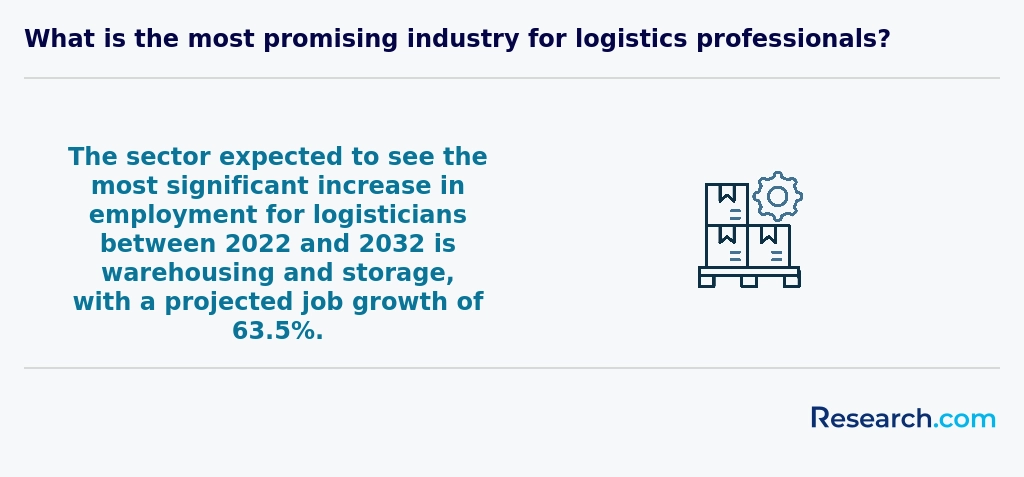
Earning industry-recognized certifications can dramatically boost your credentials and earning potential after completing a logistics degree in Melbourne, FL. Programs that integrate exam preparation for APICS credentials-such as Certified in Planning and Inventory Management (CPIM), Certified Supply Chain Professional (CSCP), and Certified in Logistics, Transportation and Distribution (CLTD)-offer students a competitive edge. According to industry data, CPIM holders can command up to 20% higher salaries, while CSCP certification demonstrates mastery of end-to-end processes aligned with global supply chain management best practices. Many logistics curricula now include targeted workshops and mock exams led by certified instructors, ensuring graduates feel confident on test day. Additional credentials-like Six Sigma Green Belt, Project Management Professional (PMP), and Lean Logistics-further distinguish candidates in a crowded job market. These certifications not only validate technical expertise but also reflect a commitment to continuous learning, highly valued by employers in manufacturing, e-commerce, and government sectors. To maximize career advancement, students should:
- Map certifications to their desired role (e.g., CLTD for distribution centers, CSCP for end-to-end network design)
- Leverage campus partnerships with certification bodies for discounted exam fees
- Participate in study groups and online forums to share best practices By strategically aligning your degree coursework with these professional credentials, you’ll accelerate your path from graduation to leadership positions within the logistics industry.
Diving into a logistics degree in Melbourne means embarking on a journey through courses that bring the city's bustling transport and trade scenes into sharp focus. Imagine mastering supply chain management, where you learn to orchestrate the seamless flow of goods-from port to doorstep-just like graduates from Melbourne's top universities describe feeling when they first connected theory with the city's real-world hubs.
Transportation management courses invite you to explore dynamic lessons on route planning and freight regulations, essential for understanding how Melbourne's extensive interstate connections keep Australia moving.
Warehouse and distribution management takes you behind-the-scenes into busy storage facilities, revealing the tech-driven efficiency that logistics grads admire when recalling their hands-on experiences at prominent Melbourne colleges.
Business analytics and procurement classes sharpen your ability to decode data and negotiate deals, skills graduates say unlocked exciting opportunities in Melbourne's vibrant supply chain industry.
International logistics courses complete the adventure, equipping you with insights into global trade vital for Melbourne's role as a key import-export gateway.
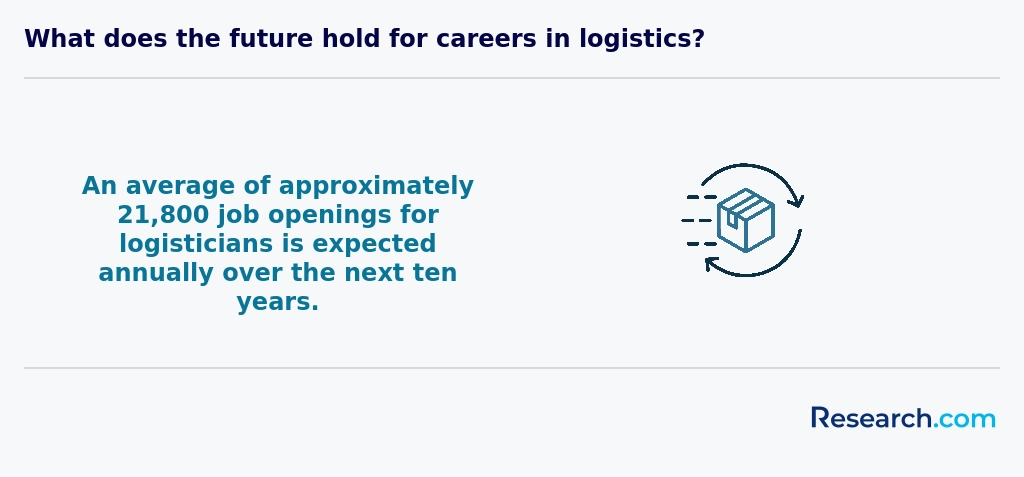
Exploring logistics degree specializations Melbourne opens a world of dynamic opportunities. Students discover tracks like Supply Chain Management, where graduates recall coordinating complex supplier networks with a thrill of strategic mastery. In bustling cities, Transportation and Distribution specialization feels alive-imagine optimizing freight routes through Melbourne's extensive ports and transport hubs, a real-world puzzle that energizes ambitious learners.
Warehouse and Inventory Management brings hands-on excitement, as graduates describe streamlining storage and cutting costs in busy warehouses, turning challenges into victories. Global Logistics captures the adventurous spirit, preparing students to navigate customs and international freight, a perfect fit for Melbourne's role in worldwide trade.
Melbourne logistics management programs at universities like RMIT and the University of Melbourne immerse students in cutting-edge Logistics Technology, from RFID to smart data analytics. Graduates often praise the blend of theory and practice, with real scenarios enhancing their readiness for global careers. For those looking for flexible study paths, many opt for accelerated online courses that complement these exciting specializations.
Choosing the best logistics degree programs Melbourne offers means diving into both course content and real-world opportunities. Graduates often recall how practical projects, internships, and hands-on experiences at popular universities in Melbourne helped bridge classroom theory with bustling freight terminals and supply hubs around the city. Imagine yourself navigating complex supply chains with confidence, thanks to a curriculum steeped in transportation, inventory control, and warehouse management.
Affordability also plays into the adventure-exploring affordable logistics degrees in Melbourne opens doors to quality education while balancing living expenses in this vibrant, cosmopolitan city. Many students find scholarships and support knocking just at the right moment, easing their financial worries as they study.
Career support is another treasure chest. Graduates rave about university connections that lead straight into Melbourne's thriving logistics sector, boosted by Asia-Pacific trade routes. For those eager for success, looking into high employment MBA programs nearby can be an inspiring next step on this journey.
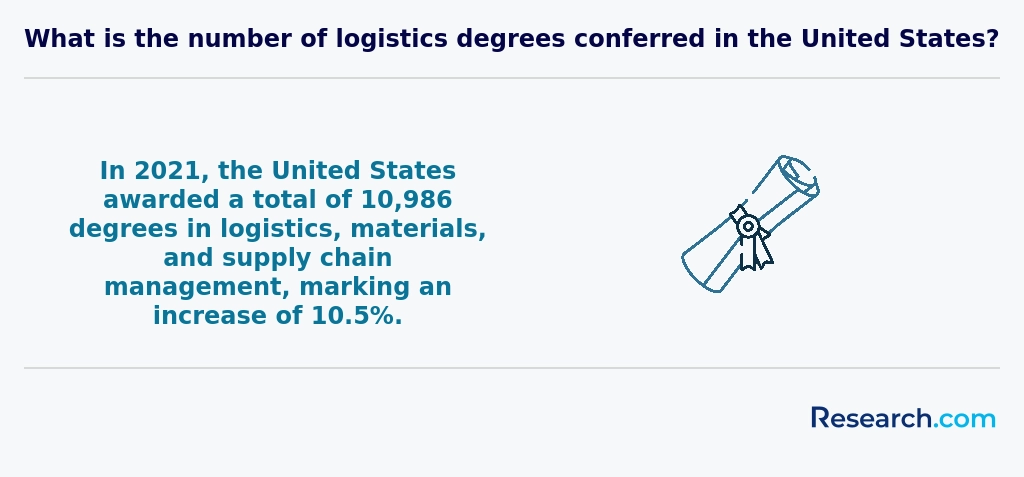
Graduates with a logistics degree in Melbourne often find themselves navigating a thrilling array of career paths, tapping into the city's vibrant role as a major logistics hub. From coordinating freight at bustling transport and warehousing companies to analyzing supply chains for retail giants, the options are as dynamic as Melbourne's economy itself. Many who studied logistics at popular local universities recall their excitement stepping into roles as logistics coordinators, supply chain analysts, or freight managers, experiencing firsthand the fast-paced environment shaped by landmarks like the Port of Melbourne.
For those looking to dive deeper, roles in procurement, demand planning, or operations planning open doors to managing complex international supply chains. The job prospects with logistics degree Melbourne graduates enjoy often involve hands-on challenges optimizing transportation schedules or adopting cutting-edge tech solutions like automation. Drawing on finance and data analytics skills learned at institutions known for logistics studies adds to their confidence in this evolving field.
Curious about expanding beyond logistics? Many explore adjacent options such as high-paying accounting careers, enriching their understanding of business operations and financial management, which only enhances their value in supply chain roles. Whether it's working for government agencies or consulting firms, the adventure of a logistics management career opportunities Melbourne offers never grows dull.

The job market for logistics degree job opportunities Melbourne offers is vibrant and expanding, with graduates from renowned institutions like RMIT University and Monash University sharing exciting stories of landing roles in supply chain planning and freight coordination soon after completing their studies. These bustling universities immerse students in real-world scenarios, such as managing efficiency at Melbourne's busy ports or optimizing warehouse systems, fueling a confident transition into the workforce.
Melbourne logistics graduate employment outlook is bright as companies-from local manufacturers to global distributors-seek fresh talent skilled in technology-driven logistics. Graduates often describe their experience as both challenging and rewarding, noting how Melbourne's dynamic environment sharpens their abilities in automation and sustainable supply chains. Many find unique value in exploring distance learning options alongside hands-on training, which help balance work and study while gaining practical knowledge.
2027 Most Affordable Logistics Degree Programs Ranking in Melbourne
Investing in your education is a significant decision, and the Research.com team recognizes the need for reliable and accurate information to guide this process. To support prospective students in Melbourne, we have carefully developed the "2027 Most Affordable Logistics Degree Programs Ranking in Melbourne." Our dedication to quality, credibility, and precision is demonstrated through thorough research and adherence to rigorous standards.
We utilized the following reputable data sources to ensure a comprehensive evaluation of logistics degree programs:
By consulting this ranking, readers will gain valuable insights into affordable and quality logistics programs tailored for Melbourne, facilitating well-informed educational decisions. For more information about our process, please visit our Research.com methodology page.
# 1 position
Florida Institute of Technology-Online
Logistics Management, M.S.


Frequently Asked Questions About logistics
Logistics degree students in Melbourne can maximize their learning by engaging in practical experiences alongside their studies. Many universities offer internships or cooperative education programs that allow students to work within Melbourne's bustling logistics sector, which handled over 600 million tonnes of freight in 2022, according to the Port of Melbourne data. Participating in these opportunities helps students apply theoretical knowledge to real-world supply chain challenges.
Additionally, students should leverage networking events hosted by local industry bodies such as the Australian Logistics Council. These forums provide insights into current trends and future demands in Melbourne's logistics industry.
Staying updated on software tools like warehouse management systems or transportation management systems, commonly used in Melbourne logistics businesses, is also essential for graduate readiness.
The logistics field is rapidly evolving, with new niches emerging to meet the demands of global trade and technology. One significant area is supply chain analytics, which uses data-driven tools to optimize operations and increase efficiency. Melbourne's growing port activity contributes to a high demand for professionals skilled in these technologies, according to the Port of Melbourne Corporation.
Another niche gaining traction is urban logistics, focused on solving challenges related to last-mile delivery in crowded cities. This is particularly relevant in Melbourne due to increasing e-commerce trends.
Green logistics is also expanding, emphasizing sustainable practices to reduce the environmental impact of transportation and warehousing. Industry reports highlight that companies in Melbourne are investing more in eco-friendly solutions to meet regulatory standards and consumer expectations.
Preparing for the job market after completing a logistics degree in Melbourne requires practical experience combined with strong networking. Engaging in internships or cooperative education programs provides hands-on skills and industry connections highly valued by employers. According to the Australian Industry Group, over 70% of logistics employers prefer candidates with real-world experience.
Students should also develop proficiency in supply chain software like SAP or Oracle, as digital tools are essential in modern logistics roles. Joining professional bodies such as the Logistics Association of Australia can open doors to mentoring and job opportunities.
Furthermore, polishing soft skills like communication and problem-solving enhances employability.
Employers in Melbourne value logistics degree graduates who possess strong analytical and problem-solving skills. These abilities help manage complex supply chains efficiently, a critical factor as Melbourne is a major Australian logistics hub. According to the Australian Government's Job Outlook, skills in data analysis and technology use are increasingly sought after due to growing digitalization in the industry.
Communication skills are also important because logistics professionals need to coordinate with multiple stakeholders, including suppliers and customers. Furthermore, proficiency in project management and an understanding of sustainability practices are becoming essential, reflecting trends in Melbourne's focus on eco-friendly logistics solutions.
Adaptability and critical thinking rank highly, as the sector faces constant changes due to global trade dynamics and emerging technologies. These skills equip graduates to innovate and maintain efficient operations in Melbourne's competitive market.
Finding internships in Melbourne that are relevant to a logistics degree requires targeted effort. Many students start by exploring opportunities through their university's career center, which often partners with local logistics companies. According to the National Logistics Research Center, Melbourne hosts a growing supply chain sector valued at over AUD 20 billion annually, offering diverse internship roles.
Networking plays a crucial role; attending industry events like the Victorian Supply Chain Forum can connect students with professionals. Online job portals also list internships, but filtering by keywords like "logistics," "supply chain," and "warehouse management" improves results. Finally, contacting large logistics firms headquartered in Melbourne, such as Linfox or Toll Group, directly can lead to internship openings.
A logistics degree can significantly enhance career mobility and advancement for students in Melbourne, a city known as a major logistics and transport hub in Australia. Graduates with this qualification often find opportunities in supply chain management, distribution, and transport planning sectors.
According to the Australian Government's Job Outlook, employment in logistics-related fields in Victoria, where Melbourne is located, is expected to grow by 8% over the next five years. This growth supports career stability and upward mobility for degree holders.
Holding a logistics degree also increases access to managerial roles, with many companies in Melbourne preferring candidates who demonstrate technical knowledge and strategic planning skills. Additionally, networking opportunities through local industry bodies, such as the Supply Chain & Logistics Association of Australia, further support professional advancement.
Studying for a logistics degree in Melbourne equips students with skills applicable across multiple disciplines. The curriculum typically integrates supply chain management, transportation, technology, and business analytics, fostering a broad understanding of interconnected fields.
Melbourne's logistics programs emphasize practical experience through internships and industry collaborations, reflecting the city's role as a major Australian logistics hub. According to Logistics Australia, Melbourne handles over 35% of the nation's freight, providing real-world contexts for students.
This interdisciplinary approach prepares graduates for roles involving operations, procurement, IT systems, and strategic planning, enhancing adaptability in diverse workplaces.
Choosing between a thesis and a non-thesis logistics degree program in Melbourne depends on your career goals and learning preferences. A thesis option typically involves conducting original research, which is ideal for students considering a career in academia or specialized research roles.
Non-thesis programs emphasize practical skills and coursework, better suited for professionals aiming to enter or advance in the logistics industry quickly. In Melbourne, where logistics supports major sectors like manufacturing and freight transport, hands-on knowledge is highly valued.
According to recent government reports, Melbourne is a logistics hub employing over 100,000 professionals, encouraging practical experience. Evaluating program structures and career outcomes can guide your decision between these two paths.
Students based in Melbourne interested in studying logistics abroad have several options within the US higher education system. Many American universities offer specialized logistics and supply chain management degrees at undergraduate and postgraduate levels. These programs often incorporate practical elements, including internships and partnerships with industry leaders.
Schools such as Michigan State University and Pennsylvania State University are renowned for their logistics curricula. They provide access to cutting-edge research, technology, and career networks beneficial for logistics professionals.
Prospective students should also consider exchange programs or joint degrees, facilitating study both in Melbourne and the US. According to the US Department of Education, over 300,000 international students enroll annually, indicating robust support systems for overseas learners.
Part-time job opportunities in Melbourne that complement a logistics degree include roles in supply chain coordination, warehouse operations, and transportation management. These positions allow students to gain practical experience alongside their studies, enhancing skills critical to logistics careers.
Melbourne is a major hub for Australia's freight and logistics industry, accounting for over 30% of national freight movement according to Infrastructure Victoria. Working part-time with local freight companies or distribution centers offers insight into real-world supply chain challenges.
Additionally, students can explore internships or part-time roles in procurement or inventory management with retail companies based in Melbourne. The practical exposure helps develop analytical and organizational abilities, which are highly valued in logistics roles.
Research from the Australian Bureau of Statistics highlights that logistics and supply chain positions in Melbourne have grown by 7% over the past five years, indicating increasing opportunities for students seeking part-time work. Such jobs support academic learning by bridging theory with industry practice.
Logistics students in Melbourne benefit from various networking opportunities that help bridge academic learning with industry practice. Universities often host career fairs and industry panels where students can connect with leading logistics companies such as Toll Group and Linfox, significant players within Australia's $102 billion logistics sector (IBISWorld, 2023).
Professional organizations like the Logistics Association of Australia (LAA) offer student memberships, providing access to conferences, workshops, and mentoring programs. These events foster valuable relationships with practitioners and potential employers.
Additionally, Melbourne's status as a key transport and logistics hub in the Asia-Pacific region allows students to participate in internships and cooperative education placements, delivering hands-on experience and expanding professional networks crucial for future career advancement.
Alumni networks are valuable resources for logistics degree students in Melbourne, connecting them to experienced professionals and industry leaders. These networks often provide mentorship, career advice, and exclusive job opportunities, helping students transition smoothly into the workforce. According to a 2023 report by the Australian Logistics Council, connections made through alumni associations can increase job placement rates by up to 20% in Melbourne's competitive logistics sector.
Students also gain access to workshops and networking events, which build their professional skills and industry knowledge. Additionally, alumni can offer insights into local market trends, vital for navigating Melbourne's growing logistics hubs like the Port of Melbourne.
Customizing a logistics degree program in Melbourne allows students to align their education with specific career goals within supply chain management, transportation, or warehousing. Many universities offer elective courses enabling focus on areas like international logistics, procurement, or data analytics. Students may also choose internships available through industry partnerships in Melbourne's busy port and transport hubs. According to the Victorian Government's data, Melbourne handles over 37 million tonnes of freight annually, highlighting practical opportunities. Additionally, incorporating certifications such as Certified Supply Chain Professional (CSCP) alongside academic study enhances employability in the competitive logistics sector.
Logistics students in Melbourne often encounter several key challenges that shape their academic experience. One major difficulty is balancing theoretical knowledge with practical application. Since Melbourne is a global hub for trade, students must grasp complex supply chain systems while adapting to rapid technological changes, such as automation and AI integration.
Another challenge lies in securing relevant internships or work placements. According to a 2023 report by the Victorian Department of Jobs, only 60% of logistics students in the region find industry placements within their study period. This limits hands-on experience crucial for employability.
Additionally, understanding international trade regulations and their implications on local logistics remains a demanding area of study due to Melbourne's role as a major port city.
A logistics degree opens doors to several respected professional certifications that can enhance your career prospects. In the US context, popular certifications include the Certified Supply Chain Professional (CSCP) offered by APICS, which focuses on end-to-end supply chain management. Additionally, the Certified Professional in Supply Management (CPSM) from the Institute for Supply Management is widely recognized for procurement and supply expertise.
Another option is the Certified in Logistics, Transportation, and Distribution (CLTD) credential, also from APICS, emphasizing logistics and distribution skills. These certifications demonstrate advanced knowledge and commitment, often leading to higher salaries and leadership roles.
While specific Melbourne logistics market statistics are limited to local institutions, US certifications remain globally respected, including in Melbourne's growing logistics sector.
Writing a winning application for a logistics program in Melbourne requires clear focus and relevant details. Start by highlighting your academic background, especially any coursework or experience related to supply chain management, transportation, or business. Australian universities value practical experience, so emphasize internships or work in logistics roles.
Show awareness of Melbourne's role as a major logistics hub, ranked among Australia's top cities for freight and distribution, per the Department of Infrastructure and Transport 2023 report. Mentioning local industry trends, such as the rise of e-commerce logistics, can strengthen your statement.
Finally, ensure your application aligns with program prerequisites and addresses your career goals clearly and concisely.
The global logistics industry is rapidly evolving, driven by international trade growth and technological advancements. Careers in logistics offer diverse opportunities, including supply chain management, transportation, and inventory control. According to the U.S. Bureau of Labor Statistics, employment in logisticians is projected to grow 11% from 2022 to 2032, faster than many other occupations.
For students in Melbourne, understanding global supply chain dynamics is essential, as Australia's trade connections to Asia and beyond impact logistics roles. Melbourne, a key logistics hub, supports many multinational companies requiring skilled professionals. The World Bank's Logistics Performance Index highlights Australia's strong ranking, reinforcing the demand for qualified logistics graduates.
Logistics careers often involve international collaboration and offer competitive salaries, with the average U.S. logistics manager earning around $77,000 annually. Studying logistics in Melbourne prepares students to enter global markets with strong analytical and operational skills.
Gaining practical experience while studying for a logistics degree in Melbourne can significantly enhance your career prospects. Many universities collaborate with local industries, offering internship programs that provide hands-on exposure to supply chain management, warehousing, and transportation. According to the Victorian Government Department of Jobs, Precincts and Regions, Melbourne's logistics sector employs over 130,000 people, creating numerous internship opportunities.
Students can also benefit from industry-led projects and work-integrated learning units embedded in degree programs. These experiences help develop real-world skills in demand by employers. Professional networking events and student associations further support practical learning alongside academic studies.
Choosing the right concentration within a logistics degree program in Melbourne requires careful consideration of your career goals and industry trends. Specializations such as supply chain management, transport logistics, and warehouse operations are common options. According to the Australian Logistics Council, Melbourne is a key logistics hub, especially in freight and supply chain management, offering strong job prospects in these areas.
Review program curricula to ensure they cover relevant skills like data analytics and sustainability, which are increasingly important. Additionally, consider internships or industry partnerships offered by the university to gain real-world experience. Research local demand for various logistics roles to align your concentration choice with market needs.
- Engaging Process for Supply Chain Learning | SCM Globe https://www.scmglobe.com/engaging-process-for-teaching-supply-chains/
- Master's Degree in Logistics in Spain: Key Factors for Choosing a Leading Program https://www.enae.com/blog/masters-degree-logistics-spain-key-factors-choosing-leading-program
- Logistics Courses in Melbourne - Online, TAFE Courses https://www.tafecourses.com.au/courses/logistics/melbourne/
- Supply Chain and Logistics Career Paths: Explained https://www.logisticsbureau.com/jobs-and-career-paths-in-supply-chain-and-logistics/
- Alumni https://www.scm-network.com/alumni/
- Succeed in Logistics & Supply Chain Management Career https://ga.edu/blog/navigating-the-global-flow-your-blueprint-for-success-in-logistics-supply-chain-
- What are the Hottest Skill Niches in Supply Chain and Procurement? https://www.argentus.com/skill-niches-procurement/
- 3+ Logistics Cover Letter Examples (with In-Depth Guidance) https://www.tealhq.com/cover-letter-examples/logistics
- Studying for a Career in Logistics https://www.shippingcollege.com/blog/studying-for-a-career-in-logistics-unlocking-opportunities-and-enjoyment
- Warehousing & Logistics Courses https://www.nationalfoodinstitute.com.au/course-warehousing-logistics.html





