
2027 Best Online Logistics Degree Programs Ranking in the South

Co-Founder and Chief Data Scientist
Choosing the right logistics degree program can shape your future career opportunities. For students in the South, finding quality online options is easier when you have reliable information.
This article features the 2027 Best Online Logistics Degree Programs Ranking in the South, created by the Research.com team of data scientists. Their thorough analysis helps you understand which programs stand out based on relevant factors, so you can make an informed decision.
Reading this ranking empowers you to find a program that fits your goals and unlocks exciting possibilities in a growing field.
Key benefits of getting online logistics degree in the South
- Competitive salaries: Graduates with a logistics degree in the South can expect strong earning potential, with roles like Logistics Coordinator and Logistics Specialist averaging around $84,640 annually, offering financial stability.
- Diverse career options: A logistics degree opens doors to various careers such as Transportation Planner and Customs Broker, providing flexibility and opportunities to find the best fit for your interests.
- Convenience of online learning: Earning a logistics degree online from a respected Southern university allows you to balance work and study while gaining skills needed to advance quickly in the logistics field without relocating.
- Key benefits of getting online logistics degree in the South
- What can I expect from online logistics degree in the South?
- Where can I work with online logistics degree in the South?
- How much can I make with online logistics degree in the South?
- 2027 Best Online Logistics Degree Programs Ranking in the South
- Key Findings
- How long does it take to complete online logistics degree in the South?
- What's the difference between online and on-campus logistics degree?
- What is the average cost of online logistics degree in the South?
- Accreditation and Professional Certifications
- What financial aid is available to online logistics degree students in the South?
- Industry Trends and Future Outlook
- What are the prerequisites for enrolling in online logistics degree program in the South?
- Accreditation and Quality Assurance
- What courses are typically in online logistics degree programs in the South?
- What types of specializations are available in online logistics degree programs in the South?
- How do you choose the best online logistics degree in the South?
- What career paths are available for online logistics degree students in the South?
- What is the job market for online logistics degree in the South?
- Top Trending Logistics Rankings
What can I expect from online logistics degree in the South?
The average cost of an online logistics degree in the South typically ranges from $7,000 to $15,000 per year at public universities for in-state students. Graduates from institutions like those in Georgia or Texas often find that this pricing balances affordability with strong regional recognition. Many students appreciate how their investment translates into practical skills directly applicable to jobs near major logistics hubs such as Savannah or Houston.
Students report that financial aid options, including state scholarships and workforce development grants, help reduce out-of-pocket costs. For example, some receive assistance tailored specifically to supply chain fields, making the financial commitment more manageable. This support encourages working professionals to pursue degrees without interrupting their careers.
Alumni frequently mention that affordable tuition combined with flexible schedules and relevant coursework-covering topics like transportation management and ERP systems-creates a rewarding educational experience. Their ability to apply lessons in real-time projects or virtual internships with local companies enhances job readiness and confidence in this growing Southern industry.
Where can I work with online logistics degree in the South?
Graduates with an online logistics degree in the South find abundant career opportunities in major hubs like Texas, Georgia, Florida, and North Carolina. Many land roles with leading companies such as FedEx, DHL, and UPS, working in logistics coordination, inventory management, and freight operations. For example, graduates from prominent southern universities often secure positions in bustling cities like Atlanta and Houston, where logistics centers drive the local economy.
Logistics students report thriving in specialized fields such as port logistics at the Port of Savannah or intermodal freight transport in Houston. They develop practical skills that translate directly into managing customs compliance or optimizing cargo handling, making them valuable team members in fast-paced environments.
Others leverage their degree to enter the growing e-commerce sector, supporting last-mile delivery and fulfillment centers in Florida and North Carolina. This hands-on experience, gained through internships or university-led projects, builds confidence and positions graduates for steady career growth.
Local workforce data confirms these paths often start with competitive salaries near $50,000 and open doors to management roles. By choosing southern institutions known for strong logistics programs, students tap into a robust market that rewards their expertise with real-world success.
How much can I make with online logistics degree in the South?
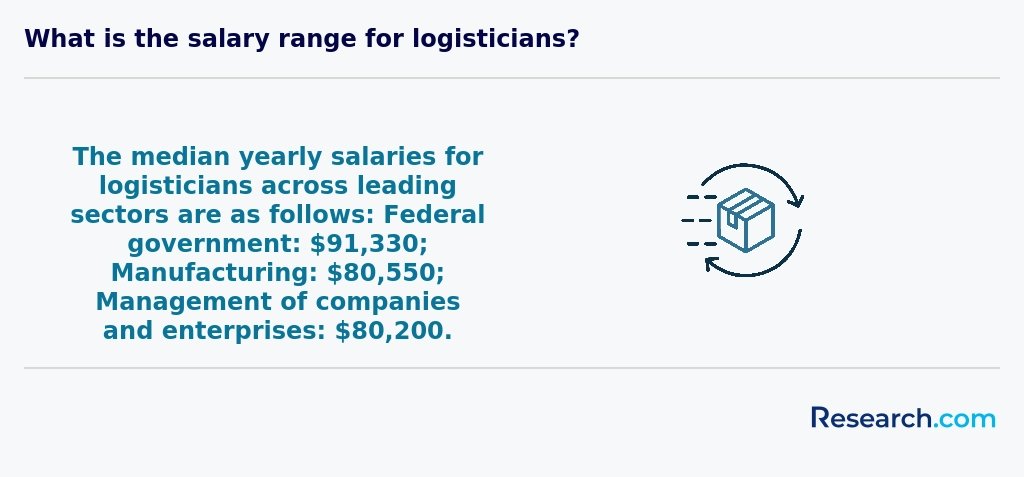
Graduates holding an online logistics degree in the South can anticipate strong earnings that align with regional industry growth. For example, logistics coordinators, common entry points for online degree holders, earn a mean annual wage of about $84,640 according to the latest U.S. Bureau of Labor Statistics data. This is particularly promising for graduates from institutions like the University of Alabama or Georgia Southern University, where flexible online programs prepare students for hands-on roles in distribution and supply chain operations.
Those moving into specialized roles such as logistics specialists also see comparable salaries near $84,640 per year, reflecting the high demand in Southern logistics hubs like Houston and Atlanta. Entry-level transportation planners and supply chain coordinators earn around $46,690 annually, offering solid starting salaries with room for growth.
Graduates who pursue additional certifications alongside their degree often secure higher pay and improved job stability. Custom brokers, for instance, earn around $63,130 annually, a figure that can increase with experience in Southern ports and trade centers. Leveraging these credentials alongside a respected online program can open rewarding career paths in the South's expanding logistics sector.
2027 Best Online Logistics Degree Programs Ranking in the South
How do we rank schools?
Investing in your education is a significant decision that can shape your future, and the Research.com team understands the importance of making informed choices. To assist prospective students in the South, we have meticulously crafted the "2027 Best Online Logistics Degree Programs Ranking in the South." Our commitment to quality, credibility, and accuracy is reflected in the extensive research and analysis conducted to compile this ranking.
We utilized the following reputable data sources to ensure a comprehensive evaluation of logistics programs:
By exploring this ranking, readers will gain valuable insights into the top online logistics degree programs in the South, empowering them to make well-informed decisions about their educational pursuits. For more details on our methodology, please visit our Research.com methodology page.


# 8 position
Florida State College at Jacksonville
Bachelor of Logistics


# 10 position
Embry-Riddle Aeronautical University-Worldwide
Master of Logistics and Supply Chain Management

Key Findings
- The South offers many accredited online logistics degree programs focused on supply chain management, transportation, and operations.
- Tuition for online bachelor's logistics degrees ranges from $15,000 to $35,000, with public universities generally offering lower rates for in-state students.
- The logistics job market in the South grows about 5% annually, benefiting from strong transportation hubs like major ports and highways.
- Entry-level salaries range from $50,000 to $60,000, with mid-career professionals earning $75,000 to $90,000 and senior roles reaching six figures.
- Job opportunities exist in manufacturing, retail distribution, transportation, and third-party logistics, with many employers valuing practical internships in online programs.
How long does it take to complete online logistics degree in the South?
Completing an online logistics degree in the South typically takes about four years for a full-time bachelor's student, especially at popular schools like the University of Texas or Florida State University. Many graduates appreciate how flexible pacing options allow them to tailor their schedules, accelerating the process if they have transfer credits or prior experience. For example, a working professional balancing family and job commitments found that asynchronous courses made steady progress possible without feeling overwhelmed.
Part-time students often take five to six years but enjoy the freedom to manage coursework at their own pace, which suits those juggling employment in bustling Southern cities like Atlanta or Miami. Graduates of these programs often value how they could maintain steady employment while advancing academically.
Associate degree holders typically finish in two years and benefit from quick entry into the workforce or a clear pathway to a bachelor's later, as seen at community colleges in Georgia and North Carolina. Online master's students in the South often finish between 12 and 18 months, encouraged by accelerated options designed for those eager to advance swiftly in supply chain leadership roles.
What's the difference between online and on-campus logistics degree?
Online logistics degrees in the South offer unmatched flexibility, allowing working adults and busy professionals to pursue education without relocating. Graduates from programs at universities like the University of North Texas appreciate staying local in cities such as Dallas while completing coursework on their own schedules. This format often leads to cost savings, as students avoid expenses tied to commuting, housing, and campus fees.
Conversely, on-campus degrees at institutions like Georgia Southern University provide valuable hands-on experiences, from lab sessions to in-person networking with regional logistics leaders like FedEx. Graduates emphasize how face-to-face interactions and internships solidify professional relationships, opening doors to local job opportunities.
Both pathways maintain strong academic quality thanks to accreditation by organizations such as AACSB and CSCMP. Ultimately, Southern students can choose remote learning for convenience and affordability or dive into campus life to deepen industry connections.
What is the average cost of online logistics degree in the South?
The average cost of an online logistics degree in the South typically centers around $19,800, with in-state students often paying about $16,192, while out-of-state students may see costs closer to $33,976. These figures reflect total expenses, making it easier for prospective students to plan their budgets realistically. Graduates from popular Southern universities, including those at Alabama and Florida State, often share positive experiences about balancing affordability with quality.
Many students appreciate how in-state tuition rates make pursuing degrees in logistics more accessible, especially when considering the additional costs of books and technology. One graduate recalled that choosing a Southern Association of Colleges and Schools Commission on Colleges (SACSCOC) accredited program gave them confidence in the education's value even if the tuition was slightly higher. This balance between cost and accreditation is a common theme among logistics students.
When reviewing the average cost of online logistics degree in the South, considering financing options is crucial. Scholarships, employer tuition assistance, and accelerated programs that reduce the number of credit hours can significantly lower total expenses for Southern online logistics programs. For further research and comparison, prospective students can explore valuable logistics programs in Alabama to find options that fit their financial and career goals.
Accreditation and Professional Certifications
Ensuring an online logistics degree program carries the right accreditation is crucial for both academic credibility and career advancement. Regional accreditation-such as from the Southern Association of Colleges and Schools Commission on Colleges (SACSCOC) or the Higher Learning Commission (HLC)-validates institutional quality, while programmatic accreditation from bodies like the Accreditation Council for Business Schools and Programs (ACBSP) or the Association to Advance Collegiate Schools of Business (AACSB) demonstrates specialized rigor in logistics and supply chain education. Beyond institutional endorsements, top programs often integrate preparation for industry-recognized certifications. Look for curricula aligned with the Association for Supply Chain Management (ASCM) certifications-Certified in Planning and Inventory Management (CPIM), Certified Supply Chain Professional (CSCP), and Certified in Logistics, Transportation and Distribution (CLTD)-as well as the Council of Supply Chain Management Professionals’ (CSCMP) SCPro™ certification. These credentials signal to employers that graduates possess up-to-date competencies in strategic sourcing, demand planning, and global trade regulations. When evaluating cost-effective options that don’t sacrifice quality, compare accredited programs on our sister ranking, the 2025 Most Inexpensive Online Logistics Degree Programs Ranking in Lebanon, IL. Whether you prioritize AACSB accreditation or a direct pathway to ASCM exam preparation, verifying both institutional and programmatic credentials will ensure your investment translates into industry recognition and long-term career growth.
What financial aid is available to online logistics degree students in the South?
Students pursuing an online logistics degree in the South can access a range of financial aid options tailored to ease educational costs. Federal aid, unlocked through the FAFSA, is the primary source, with Pell Grants offering up to $7,395 annually to eligible low-income students-ideal for those balancing work and study at schools like the University of North Texas or Georgia Southern University. Many graduates share how these grants made completing their degree manageable without adding debt.
State-funded scholarships, such as Texas's TEXAS Grant or Georgia's HOPE Scholarship, provide critical support for residents attending southern colleges known for logistics programs. These awards often reduce tuition bills significantly, giving students peace of mind as they focus on coursework.
Institution-specific scholarships at universities with strong logistics departments reward academic excellence and leadership. Graduates recall how such funding made the difference, especially when juggling family and part-time jobs.
For working professionals, employer tuition assistance and scholarships from groups like the Council of Supply Chain Management Professionals offer targeted aid, helping many achieve career advancement without financial strain.
Military-affiliated students benefit from the GI Bill and Yellow Ribbon Program, which cover substantial tuition costs, enabling veterans to thrive in logistics careers through flexible online programs offered by southern institutions.
Industry Trends and Future Outlook
The logistics industry is evolving rapidly, and understanding these trends is crucial for both current students and graduates. Emerging technologies such as automation, artificial intelligence, and blockchain are reshaping supply chain operations, making advanced analytical skills increasingly valuable. With innovations streamlining operations and reducing costs, online logistics degree programs are adapting their curricula to incorporate these developments, ensuring graduates are well-prepared for future challenges. In addition to technological advancements, sustainability has become a cornerstone in logistics strategies, with companies placing a stronger emphasis on eco-friendly practices and green supply chains. This shift not only opens new career pathways but also influences the long-term growth of the industry. As more institutions update their courses to reflect these trends, prospective students are encouraged to explore programs that emphasize both technical expertise and future-driven strategies. For insights on how these trends are integrated into coursework, consider reviewing valuable logistics programs in alabama, which offer comprehensive approaches to modern logistics challenges. Staying informed about industry trends can provide you with a significant competitive edge, allowing you to anticipate market shifts and capitalize on emerging opportunities in the dynamic world of logistics.
What are the prerequisites for enrolling in online logistics degree program in the South?
To enroll in an online logistics degree program in the South, you typically need a high school diploma or its equivalent, such as a GED. Many universities in states like Texas and Georgia require official transcripts from your previous schools to verify your academic background. Some graduates from Southern community colleges found that their associate degrees or completed coursework helped them earn credit, speeding up their path to a bachelor's degree.
While SAT or ACT scores are less frequently required, checking the specific admissions policies of schools like those in Florida is crucial, as test-optional policies vary. Applicants should also demonstrate basic math skills, essential for handling supply chain data and logistics modeling. Graduates often highlight how strong communication abilities-vital for coordinating with teams and suppliers-made their studies and job searches smoother.
Work experience in logistics-related jobs can be advantageous, especially for advanced programs, and familiarity with software tools is highly recommended. Non-native English speakers usually provide TOEFL or IELTS scores to prove proficiency, ensuring they can handle coursework and professional interactions confidently.

Accreditation and Quality Assurance
When evaluating an online logistics degree in the South, accreditation serves as the cornerstone of program quality and recognition. Regional accreditation-such as that granted by the Southern Association of Colleges and Schools Commission on Colleges (SACSCOC)-ensures that an institution meets rigorous academic standards, while specialized accrediting bodies like the Accreditation Council for Business Schools and Programs (ACBSP) or the Association to Advance Collegiate Schools of Business (AACSB) attest to the program’s excellence in business and supply chain education. Employers and graduate programs alike often prioritize degrees from accredited schools, making this a critical factor in your decision-making process. Accredited programs also impact financial aid eligibility and credit transferability. Federal grants, loans, and many institutional scholarships require enrollment in a regionally accredited institution, and most universities will only accept transfer credits from similarly accredited schools. To verify accreditation, consult the U.S. Department of Education’s database or the accrediting agency’s website. Quality assurance goes beyond accreditation: look for metrics such as graduation rates, student-faculty ratios, and third-party outcome assessments. Student satisfaction surveys and employment placement statistics provide additional insight into a program’s real-world impact. For a comprehensive overview of accredited logistics programs, explore our curated list of logistics degrees, where accreditation status and performance metrics are clearly outlined. Ensuring your chosen program holds the appropriate credentials will safeguard your investment and lay a strong foundation for a successful logistics career.
What courses are typically in online logistics degree programs in the South?
Online logistics degrees in the South typically include practical courses like Supply Chain Management, where graduates learn how to efficiently coordinate the flow of goods from manufacturers to consumers. Many students from well-known Southern universities often share how studying Transportation and Distribution helped them understand routing and carrier selection-key skills when managing real-world shipping challenges.
Inventory Management courses teach how to balance stock levels to avoid costly shortages or surpluses. Logistics Technology classes introduce modern software and data analytics, which some graduates say made planning and forecasting feel more intuitive and actionable.
Courses in Operations Management equip students with strategies to improve productivity, often linking concepts directly to Southern manufacturing hubs. Procurement and Purchasing lessons guide students through supplier negotiation techniques that professionals use daily in this region's dynamic markets.
Additionally, students at prominent schools mention that learning about global logistics and risk management, especially with Georgia's strong port operations focus, helps them confidently tackle international trade issues. This blend of regional expertise and practical coursework makes Southern online logistics programs both relevant and inspiring.
What types of specializations are available in online logistics degree programs in the South?
Online logistics degree specializations in the South offer targeted expertise to meet regional industry demands. Popular options include Supply Chain Management, where students learn to control the entire flow of goods efficiently, and Transportation and Distribution, which focuses on the vital movement of products across major Southern ports like Savannah. Graduates from universities known for logistics degrees in the South often share how this specialization helped them navigate careers in bustling transport hubs or regional distribution centers.
Another key specialization is Logistics Operations and Planning, ideal for those wanting to master inventory systems and warehouse management, a skill highly sought after by Southern manufacturers and retailers. Global Logistics and International Trade courses prepare students to handle customs and cross-border shipping, essential in a region thriving on international commerce. Prospective students can explore further details on these best logistics concentration options Southern US at logistics degrees offered by several accredited Southern institutions.
How do you choose the best online logistics degree in the South?
To choose the best online logistics degree in the South, start by verifying the program's accreditation, ideally from SACSCOC. This ensures your degree holds value with employers and other institutions. Graduates from institutions in states like Texas and Georgia often praise how their accredited programs combined rigorous curriculum with real-world relevance.
Focus on programs offering strong curriculum options, including supply chain management and specialized tracks like e-commerce logistics. These specializations help graduates stand out in the competitive Southern logistics market. Flexibility is crucial-many Southern students appreciate asynchronous courses that fit around demanding work schedules.
Cost efficiency matters. Southern universities and community colleges frequently provide affordable online logistics degrees Southern US residents can access, often well below national averages. For detailed cost comparisons, consider checking the 2025 Most Inexpensive Online Logistics Degree Programs Ranking in Lebanon, IL.
Finally, prioritize programs with strong career services and industry connections. Partnerships with companies like UPS or FedEx, or local manufacturers, can open doors to internships and jobs, as many Southern graduates have experienced firsthand.
What career paths are available for online logistics degree students in the South?
Graduates of an online logistics degree in the South find strong career paths in fields like supply chain analysis, logistics coordination, and operations management. Many logistics students from universities such as the University of Tennessee or Georgia Southern University report securing roles as transportation managers or procurement specialists soon after graduation. These positions benefit from the South's dynamic freight hubs in cities like Memphis and Savannah, offering hands-on experience with real-world supply chain challenges. The region's growing manufacturing and distribution centers further support job prospects for logistics graduates in Southern states.
Warehouse management and inventory control are additional avenues that require skills emphasized in Southern online programs, including supply chain software proficiency and data analytics. Students often share how internships with local logistics firms translate into rewarding jobs with competitive salaries reflective of the national median wage. For those balancing work and study, exploring accelerated bachelor degree programs provides a practical way to advance quickly in this promising career market.
What is the job market for online logistics degree in the South?
The job outlook for logistics graduates in the South is strong, driven by booming transportation hubs and expanding e-commerce. Graduates from popular Southern universities often find themselves quickly employed in thriving ports like Houston and Savannah, where they manage supply chains and optimize freight operations. One graduate shared how their online logistics degree helped them secure a role coordinating multi-modal transport for a major manufacturing firm in Texas.
Employment opportunities with online logistics degrees southern states come from diverse sectors such as warehousing, public infrastructure agencies, and fast-growing e-commerce businesses. Practical skills in data analytics and inventory management gained through these programs align well with market demands, making graduates highly competitive. Public universities in the South offer accessible tuition, encouraging many students to pursue these programs while balancing other commitments.
For those worried about cost, consider exploring an easy associates degree before advancing to logistics to build foundational knowledge affordably. Many graduates report that starting salaries of $50,000 to $60,000 reflect regional demand and provide a satisfying career launch in this dynamic field.
Frequently Asked Questions About logistics
Students pursuing online logistics degrees in the South can enhance their learning by engaging actively with digital resources and regional networking opportunities. The Southern Logistics Association reports that nearly 30% of U.S. supply chain jobs are concentrated in this region, highlighting the importance of local industry connections. Utilizing virtual internships with Southern companies can provide practical experience aligned with coursework.
Additionally, students should participate in online forums and webinars hosted by Southern universities or logistics organizations. These platforms allow interaction with peers and professionals, enriching understanding of regional supply chain challenges.
Staying current with industry trends through sources like the Council of Supply Chain Management Professionals ensures curriculum relevance and career readiness.
The logistics field is rapidly evolving, especially in the Southern United States, where its strategic location supports key transportation hubs and ports. Emerging niches include supply chain sustainability, which focuses on reducing environmental impacts while optimizing operations. Another growing area is e-commerce logistics, driven by a surge in online shopping that demands efficient last-mile delivery solutions.
Technology integration, such as automation and data analytics, is reshaping warehouse management and transportation planning. The Port of Savannah in Georgia, one of the busiest in the nation, exemplifies this trend by investing heavily in smart logistics systems. According to the Georgia Department of Economic Development, logistics jobs in the South are expected to grow by over 10% through 2030, highlighting strong demand in these specialized fields.
After completing an online logistics degree in the South, graduates should focus on gaining relevant experience and networking to enhance job prospects. The Southeastern U.S. is a logistics hub, with major ports like Savannah and Charleston driving high demand for skilled professionals, according to the American Transportation Research Institute (ATRI).
Internships and cooperative education opportunities, even virtual ones, offer practical insight into supply chain operations. Also, obtaining certifications such as Certified Supply Chain Professional (CSCP) can boost credibility.
Building relationships with regional employers through professional associations like the Council of Supply Chain Management Professionals (CSCMP) can open doors to job opportunities.
Strong communication and technology skills remain essential in this dynamic field.
Employers in the South prioritize several key skills when hiring logistics degree graduates. Strong analytical abilities top the list, enabling graduates to optimize supply chains and reduce costs effectively. Communication skills are equally critical, as professionals must coordinate with diverse teams and stakeholders.
Technical proficiency, particularly with software used in logistics management like WMS and ERP systems, is highly valued. According to the Bureau of Labor Statistics, the Southeast accounts for over 20% of U.S. logistics jobs, increasing demand for practical skills in regional distribution hubs such as Atlanta and Dallas.
Additionally, problem-solving and adaptability are essential due to the fast-paced nature of logistics. Employers also seek graduates familiar with regulatory compliance, given the South's significant transportation infrastructure. These combined skills ensure graduates are equipped to meet industry demands.
Finding internships in the South related to a logistics degree involves proactive research and networking. Start by exploring career services of Southern universities offering online logistics programs, as they often list local internship opportunities. Companies in key Southern logistics hubs-such as Atlanta, Savannah, and Houston-frequently offer internships due to their major ports and transportation centers. The Georgia Ports Authority and Houston Logistics Council are examples where students can search for openings or networking events.
Internships in logistics sectors like supply chain management or transportation typically increase employability. According to the Bureau of Labor Statistics, the Southern states show steady growth in transportation and warehousing jobs, indicating rising internship availability. Use professional sites and local chambers of commerce to connect with regional logistics firms. Early application is crucial since Southern logistics markets can be competitive.
An online logistics degree significantly enhances career mobility and advancement opportunities for professionals in the South. The region's logistics sector is rapidly growing, driven by key transportation hubs in states like Texas, Georgia, and Tennessee, which host some of the nation's busiest ports and distribution centers. According to the U.S. Bureau of Labor Statistics, logistics employment in southern states is projected to grow faster than the national average through 2030.
Graduates with an online logistics degree possess critical skills in supply chain management, transportation, and inventory control, making them valuable assets for employers. This education often leads to higher earning potential and eligibility for leadership roles. Additionally, the flexibility of online programs allows students to balance work and study, facilitating career progression without pausing employment.
Studying for a logistics degree in the South equips students with skills that span multiple disciplines, reflecting the region's diverse economy. Programs often integrate coursework in supply chain management, information technology, and business analytics, enabling graduates to tackle complex problems in various industries.
Southern states like Texas and Georgia are logistics hubs, with billions in annual freight flow, driving demand for professionals who understand transportation, warehousing, and data analysis. According to the U.S. Bureau of Labor Statistics, Tennessee's logistics sector is projected to grow faster than the national average through 2030, highlighting the need for versatile skills.
This interdisciplinary focus prepares students for roles that require collaboration across engineering, finance, and IT departments, essential in today's interconnected supply chains.
Choosing between a thesis and a non-thesis online logistics degree program in the South depends on your career goals and learning preferences. Thesis programs usually focus on research, requiring students to complete an original study, which suits those aiming for doctoral studies or research roles. Non-thesis programs emphasize practical knowledge through coursework and often include internships, ideal for professionals seeking direct industry application.
According to the Southern Association of Colleges and Schools (SACS), many Southern universities offer both options, reflecting local industry needs in logistics hubs like Atlanta and Houston. The U.S. Bureau of Labor Statistics notes a growing demand for supply chain managers, emphasizing practical skills.
Your choice should consider time commitment too, as thesis paths often take longer. Ultimately, evaluate your long-term plans and preferred learning style when deciding.
Students based in the South seeking online logistics degrees have several options from accredited institutions throughout the region. Many Southern universities offer fully online logistics and supply chain management programs tailored to working professionals and recent graduates. For example, Georgia Southern University and the University of Alabama at Birmingham provide flexible online degrees with curriculum aligned to industry standards. According to the Council of Supply Chain Management Professionals, Southern states lead in logistics employment, supporting strong local demand for qualified graduates.
Students may also access regional collaborations that extend opportunities abroad, such as virtual internships and exchange programs with global companies. This practical exposure complements academic learning while allowing students to study remotely.
Part-time job opportunities in the South that complement logistics degree education often focus on roles involving supply chain management, transportation, and warehouse operations. Students can seek positions as logistics coordinators, inventory clerks, or shipping assistants, gaining hands-on experience alongside their studies.
According to the U.S. Bureau of Labor Statistics, states like Texas, Georgia, and Florida have some of the highest concentrations of logistics jobs nationwide, supporting robust regional demand for skilled workers. This creates diverse part-time openings in ports, distribution centers, and transportation companies.
Many Southern logistics hubs, including the Port of Savannah and Dallas-Fort Worth, offer students chances to engage with advanced logistics technologies and practices while studying online.
Online logistics students in the South benefit from diverse networking opportunities despite remote learning. Many Southern universities offer virtual events, webinars, and career fairs connecting students with local industry leaders and alumni. Associations like the Council of Supply Chain Management Professionals (CSCMP) have active Southern chapters hosting regional meetups and conferences, fostering professional connections.
According to the Bureau of Labor Statistics, the logistics industry in Southern states like Georgia and Texas is projected to grow by over 10% by 2030, increasing demand for skilled professionals and networking prospects. Online students can leverage LinkedIn groups and regional job boards focused on Southern logistics markets for additional networking.
Alumni networks offer significant advantages to online logistics degree students in the South by providing valuable professional connections. Southern states, such as Georgia and Texas, are logistics hubs, with areas like Atlanta and Houston ranking among the top U.S. logistics centers (Logistics Management, 2023). Alumni from regional programs often work in these key markets, offering mentorship, internship opportunities, and job leads.
These networks help students navigate the complex logistics industry, connecting them with experienced professionals who understand regional trends and challenges. Studies show that 70% of jobs are found through networking, emphasizing the importance of strong alumni ties (National Association of Colleges and Employers, 2023).
Alumni events and online platforms also facilitate ongoing learning and collaboration, which are crucial in a fast-evolving field like logistics.
Students pursuing online logistics degrees in the South can often tailor their programs through elective courses and specialization tracks. Many Southern universities offer options such as supply chain management, transportation, or procurement, enabling learners to focus on areas aligned with their career goals. For example, Georgia, Texas, and Florida-key logistics hubs-provide programs emphasizing regional industry needs, like port operations or interstate freight management.
Additionally, some schools include internships or capstone projects that can be customized to gain experience in targeted sectors. According to the Council of Supply Chain Management Professionals, over 30% of logistics jobs in the South are concentrated around Atlanta, Dallas, and Miami, making location-specific courses valuable for employment prospects.
Advising services also help design individualized study plans that fit professional schedules and goals, promoting both flexibility and relevance in these online programs.
Online logistics students in the South face unique challenges related to technology access and regional infrastructure. Rural areas often experience slower internet speeds, which can disrupt participation in live lectures and timely submission of assignments. According to the Federal Communications Commission, about 22% of Southern households lack high-speed internet compared to the national average of 14%.
Additionally, limited local networking opportunities can hinder students' ability to connect with industry professionals and secure internships close to home. The supply chain industry's rapid evolution requires students to continually update skills, which some programs may struggle to keep pace with. Balancing work, family, and study remains another common difficulty reported across online learners in this region.
With an online logistics degree, students in the South can pursue several respected professional certifications that enhance career prospects. The Certified Supply Chain Professional (CSCP) from APICS is widely recognized and focuses on end-to-end supply chain management. Another key credential is the Certified Logistics, Transportation and Distribution (CLTD) certification, which emphasizes distribution and transportation skills.
The Southern region's growing logistics industry, fueled by major ports and distribution centers, increases the value of these certifications. According to the Bureau of Labor Statistics, logistics jobs in Southern states like Georgia and Texas are expected to grow by over 10% through 2030.
Other valuable certifications include the Six Sigma Green Belt and the Project Management Professional (PMP), which help logistics professionals improve processes and manage projects effectively.
When applying for an online logistics program in the South, focus on clearly demonstrating your understanding of supply chain challenges unique to the region. Logistics hubs like Savannah and Atlanta make this area critical for national distribution, so highlighting any relevant regional experience can strengthen your application.
Emphasize your quantitative skills and familiarity with technology, as many Southern programs prioritize candidates who can manage data analytics and supply chain software effectively. According to the Bureau of Labor Statistics, logistics job growth in the South continues to outpace the national average, making strong applications competitive.
Finally, craft a concise personal statement showcasing your career goals and explain how the program's curriculum aligns with your professional aspirations in the Southern logistics sector.
The field of logistics is increasingly global, reflecting the interconnected nature of supply chains. Professionals with logistics degrees in the South benefit from this worldwide scope, as many southern ports-like Savannah and Houston-are among the busiest in the US. According to the Bureau of Labor Statistics, logistics careers are expected to grow by 28% nationally through 2031, driven by international trade demands.
Global awareness is essential; understanding customs regulations, international shipping, and cross-border transport is critical. Many online logistics programs in the South emphasize these areas, preparing students for roles in multinational companies. This global perspective enhances career flexibility and advances opportunities beyond regional markets.
Gaining practical experience while studying for an online logistics degree in the South is vital for career readiness. Many universities partner with regional companies in transportation, warehousing, and supply chain management, offering internships or cooperative education opportunities. These partnerships help students apply classroom theories to real-world logistics challenges.
Additionally, online students can participate in virtual simulations and case studies tailored to Southern logistics hubs like Savannah, Atlanta, and Houston, where 42% of U.S. freight tonnage is processed according to the U.S. Bureau of Transportation Statistics. Engaging in local professional associations, such as the Council of Supply Chain Management Professionals (CSCMP), also enhances networking and hands-on learning.
Choosing the right concentration within an online logistics degree program in the South depends on your career goals and the regional industry strengths. The South is a hub for transportation, warehousing, and supply chain management, with states like Georgia and Texas leading in logistics employment (Bureau of Labor Statistics, 2023).
Popular concentrations include supply chain management, transportation, and procurement. Supply chain management is ideal if you want to oversee end-to-end operations. Transportation focuses on managing the movement of goods, while procurement centers on purchasing and vendor relations.
Review curriculum details to ensure alignment with growing sectors in the South, such as e-commerce logistics and port operations.
Consider programs with strong connections to local industries for networking and internship opportunities.
Top Trending Logistics Rankings
References
- Certificate | Logistics Qualifications | CILT International https://ciltinternational.org/education-training/international-qualifications/certificate-logistics-qualifications-cilt-international/
- For students https://careers.hellmann.com/en/germany/students
- 13 Free online logistics courses with certificates | SC Training https://training.safetyculture.com/course-collection/free-online-logistics-courses-with-certificates/
- Business Administration (BBA) - Logistics and Supply Chain Management Concentration https://www.uagrantham.edu/online-degrees/business-administration-bba-logistics-and-supply-chain-management-concentration/
- Logistics and Supply Chain Management https://www.onlinebusinessschool.com/logistics-and-chain-supply-management/
- 2025 Most Affordable Online Supply Chain Management Degrees https://www.onlineu.com/most-affordable-colleges/supply-chain-management-degrees
- Rosebank College https://www.rosebankcollege.co.za/qualifications/iie-diploma-in-logistics-and-supply-chain-management-online/
- Top Insights On Studying Logistics In South Africa For Future Success https://scmerpsm.com/studying-logistics-in-south-africa-courses-requirements-and-careers/
- How to Get Your First Logistics & Supply Chain Job https://www.logisticsbureau.com/how-to-secure-your-first-supply-chain-or-logistics-job/
- Why Attend – transport logistic SEA https://transportlogisticsea.com/why-attend/


