2027 Most Valuable Online Logistics Degree Programs Ranking in Florida

Co-Founder and Chief Data Scientist
Choosing the right logistics degree program can feel overwhelming, especially when considering your future career in Florida's growing industry. This article presents the 2027 Most Valuable Online Logistics Degree Programs Ranking in Florida, created by the Research.com team of data scientists to guide you in making an informed decision.
Discover programs that combine quality education with strong career outcomes. Reading this ranking helps you focus on options that truly add value to your goals.
Pursuing a logistics degree opens doors to rewarding opportunities, and this guide is here to support your success.
Key benefits of getting online logistics degree in Florida
- Graduates with an online logistics degree in Florida can expect strong salary prospects, such as Logistics Coordinators and Specialists earning around $84,640 annually, while Customs Brokers make about $63,130 per year.
- Career paths for logistics graduates are diverse, including roles like Transportation Planner or Supply Chain Coordinator, offering dynamic opportunities in Florida's growing supply chain and transportation industries.
- Completing a logistics degree online provides flexibility and convenience, allowing students to balance work and study effectively, just like many successful online graduates from Florida's well-known universities.
- 2027 Most Valuable Online Logistics Degree Programs Ranking in Florida
- What can I expect from online logistics degree in Florida?
- Where can I work with online logistics degree in Florida?
What can I expect from online logistics degree in Florida?
The average cost of an online logistics degree in Florida typically ranges from $15,000 to $40,000, depending on the institution and degree level. Many students find programs at popular colleges like the University of North Florida or Florida State College to be affordable while still delivering strong industry connections and practical experiences. Graduates often share how their programs, rich in case studies and virtual simulations, helped them feel prepared to tackle real-world supply chain challenges from day one.
Think of the investment as a gateway to Florida's thriving logistics sector; with ports bustling in Miami or logistics hubs in Jacksonville, your education becomes a powerful tool to join these dynamic environments. Many students appreciate that the affordability paired with accredited curricula and internship opportunities creates both flexibility and value, letting them study while advancing careers or managing family commitments.
Where can I work with online logistics degree in Florida?
Graduates with an online logistics degree in Florida often find exciting opportunities in vibrant sectors like port operations, transportation, and supply chain management. Imagine working at one of Florida's bustling ports-such as Miami or Jacksonville-where managing cargo flow and customs compliance directly impacts international trade. Many students from popular institutions like the University of Florida or Florida State University have successfully entered these roles, fueling their passion for logistics with real-world impact.
Others thrive in transportation hubs, including Miami International Airport, coordinating air freight and optimizing supply chains. These roles offer dynamic challenges that graduates from schools like Florida International University embrace enthusiastically, turning classroom knowledge into career growth. The state's position as a gateway to Latin America also creates abundant paths in supply chain analysis, retail, and manufacturing logistics-fields where innovation and problem-solving are essential.
Moreover, logistics graduates frequently find meaningful work in Florida's expanding healthcare industry, managing vital medical supplies and equipment. This variety ensures that your degree can lead you to fulfilling careers in diverse, high-growth industries across the state.
Graduates from online logistics programs in Florida often find encouraging salary prospects that reflect the state's vibrant trade and transportation sectors. For example, a logistics specialist can expect a mean annual wage of around $84,640, which aligns well with what many Florida-based employers offer. Similarly, positions like logistics coordinator share this promising salary level, making it clear that the skills you gain are highly valued.
Many who studied at popular institutions such as the University of North Florida or Florida International University have landed roles as customs brokers, earning an average of $63,130 per year, or as supply chain coordinators and transportation planners, both averaging about $46,690. These figures represent solid starting points, especially when combined with Florida's growing logistics markets in cities like Miami and Tampa.
Graduates who embrace certifications like the Certified Supply Chain Professional often see their earnings rise quickly. Imagine managing the flow of goods through bustling Florida ports and airports, knowing your expertise is not only appreciated but rewarded with competitive pay. The road ahead is bright for those ready to take advantage of these dynamic opportunities.
- Tuition for online logistics bachelor's degrees in Florida ranges from $15,000 to $30,000, with lower rates for in-state students at public universities.
- Entry-level logistics jobs in Florida typically start around $50,000 per year, increasing to about $75,000 or more with experience.
- Florida's job market for logistics roles is growing, with some areas expecting job growth over 10% in the coming years.
- Programs often cover transportation, warehousing, inventory control, and procurement through flexible distance learning formats.
- Many online logistics programs in Florida are accredited by agencies like the Accreditation Council for Business Schools and Programs (ACBSP).
Completing an online logistics degree in Florida typically ranges from two to four years, depending on your pace and program choice. Many graduates from universities like the University of Central Florida or Florida International University share how a full-time Bachelor of Science in Logistics or Supply Chain Management took them about four years, mirroring the traditional route but with the flexibility to study from home.
If you're eager to finish faster, accelerated programs in Florida can help you complete your degree in as little as two to three years by taking fuller course loads or attending summer sessions. Some graduates have successfully used transfer credits or prior work experience to shorten their path, turning their professional background into a strong academic advantage.
For those balancing work and family, part-time options offer a customizable approach-though this may extend your timeline beyond five years. Yet, many find this flexibility empowering, allowing them to gain valuable skills without sacrificing their other commitments.
Associates degrees, often completed in around two years, provide an affordable and speedy entry into logistics, especially popular among students from colleges like Valencia College. Whether you're building a foundation or fast-tracking a career change, Florida's online programs adapt to your unique journey.
Florida’s leading online logistics programs often collaborate with major industry players to offer structured internship opportunities that bridge classroom theory with hands-on practice. Partnerships with organizations such as Port Miami Authority, Amazon, DHL, and regional distribution hubs allow students to work on real-world projects-optimizing freight scheduling, managing warehouse operations, and tackling last-mile delivery challenges. These collaborations not only deepen technical knowledge in areas like transportation management and inventory control but also foster professional networks that can lead to full-time employment. Internships are typically integrated into degree requirements as credit-bearing practicum courses, ensuring alignment with academic frameworks. Common internship rotations include: • Freight operations analysis at Port Miami, focusing on customs clearance and vessel scheduling • Warehouse optimization projects with Amazon, improving pick-and-pack workflows using advanced logistics software • Last-mile delivery strategy planning at regional distribution centers, applying data-driven routing techniques Such experiences bolster resumes and have resulted in high conversion rates to permanent roles. When weighing program costs and outcomes, students often compare internship support alongside affordability metrics-especially when considering options like the most affordable supply chain management degree online in tandem with Florida’s top institutions. Complementing these partnerships, dedicated career services teams provide virtual job fairs, resume workshops, and alumni mentoring. Prospective employers attend regular online recruitment events, giving students direct access to hiring managers. Graduates frequently cite these resources as critical in securing positions as logistics coordinators, supply chain analysts, and procurement specialists across Florida’s dynamic market.
Online and on-campus logistics degrees in Florida each offer unique experiences that suit different lifestyles and goals. Graduates from the University of Central Florida often praise the flexibility of online programs, which let them balance work and family while earning their degree. This asynchronous format means you can study late at night or during lunch breaks, a lifesaver for busy adults.
On the other hand, students at Florida State University highlight the energizing atmosphere of on-campus classes-where face-to-face interaction brings immediate feedback and hands-on internships with Miami or Jacksonville ports. Being physically present fosters camaraderie and networking opportunities that many find invaluable when starting their careers.
Both pathways maintain strong accreditation and a solid curriculum, ensuring your degree holds weight with Florida employers. So if you thrive in self-paced learning and need flexibility, online is ideal. But if immersive campus life and local connections light your fire, on-campus delivers a powerful experience tailored to Florida's vibrant logistics industry.
The average cost of online logistics degree programs in Florida typically reflects the state's balance between quality education and affordability. For many students, the median in-state total tuition hovers around $16,192, making it an accessible option compared to out-of-state rates near $33,976. Graduates from institutions like the University of Central Florida often share how this affordability, paired with program flexibility, allowed them to focus on their studies without overwhelming financial stress.
Florida online logistics degree tuition and fees vary by degree level, but most students find the investment rewarding. For example, associate degrees generally cost less, but bachelor's and master's programs offer deeper expertise and typically fall closer to the median total cost of $33,375. Students taking advantage of online formats enjoy significant savings on commuting and housing, which adds to their overall positive experience.
Many students also mention how exploring options like the best online bachelor's degree in project management helped complement their logistics education, giving them versatile career skills. When planning your path, keep in mind that financial aid, scholarships, and employer support can further ease the financial commitment. Understanding these elements helps demystify the cost and encourages motivated students across Florida to pursue their logistics degrees confidently and optimistically.
Investing in an online logistics degree in Florida requires careful consideration of tuition costs, potential earnings, and the time needed to recoup your educational expenses. On average, Florida’s online logistics programs carry a median total cost of approximately $48,152, while graduates entering roles such as Customs Broker report a mean annual salary of $59,200. Based on these figures, most students can expect a payback period of under two years-a strong indicator of high return on investment compared to many other fields. Beyond salary data, it’s crucial to weigh program features that enhance ROI, such as accelerated pathways, internship placements, and career services. For cost-conscious students, our Low Cost Logistics Degree Programs Ranking in Jacksonville, FL highlights top-value options, ensuring you minimize debt while maximizing professional growth. When calculating ROI, factor in additional benefits like networking opportunities with Florida’s ports and distribution centers, mentorship from industry-experienced faculty, and access to virtual simulations that build in-demand skills. Graduates who leverage these resources often report faster promotions and broader career mobility, further accelerating the return on their educational investment. Ultimately, a strong ROI aligns program cost with tangible career outcomes. By selecting an accredited online logistics degree in Florida that balances affordability, flexible learning, and robust support, you position yourself for both immediate financial gains and long-term professional success in a dynamic industry.
Pursuing an online logistics degree in Florida opens doors to several financial aid options that can ease the journey. Many graduates from universities like the University of Central Florida or Florida International University share how applying for the FAFSA unlocked access to the Federal Pell Grant, offering up to $7,395 annually, which made a real difference in covering tuition costs.
Florida's state programs such as the Bright Futures Scholarship and the Florida Student Assistance Grant also uplift students who demonstrate strong academic promise or financial need. These scholarships can feel like a lifeline, especially when balancing school with family or work commitments.
Institutional scholarships at schools like the University of Florida reward merit and experience, sometimes targeting supply chain or business students specifically. Many working professionals tap into employer tuition assistance programs, turning workplace support into a powerful ally on their educational path.
Additionally, private scholarships from supply chain organizations offer competitive yet impactful funding, helping students reduce financial stress and focus on excelling in their studies.
To enroll in an online logistics degree program in Florida, you typically need a high school diploma or GED, which lays the foundation for your academic journey. Many graduates from institutions like the University of Central Florida or Florida International University recall submitting their official transcripts and, occasionally, SAT or ACT scores-though test-optional policies have made this process more flexible recently.
For associate degrees or certificate programs, demonstrate your readiness through basic coursework in math or English, which many students found approachable while balancing work and family life.
Transfer students often benefit from having completed college credits in related areas like business or supply chain management, which can accelerate their degree progress and reduce tuition costs at schools such as Florida Atlantic University.
Beyond academics, practical skills like basic computer literacy and reliable internet are essential, given that the entire experience unfolds online. Many successful graduates also emphasize the value of English proficiency and prior logistics-related experience, which boost confidence when tackling real-world challenges tied to Florida's dynamic ports and distribution centers.
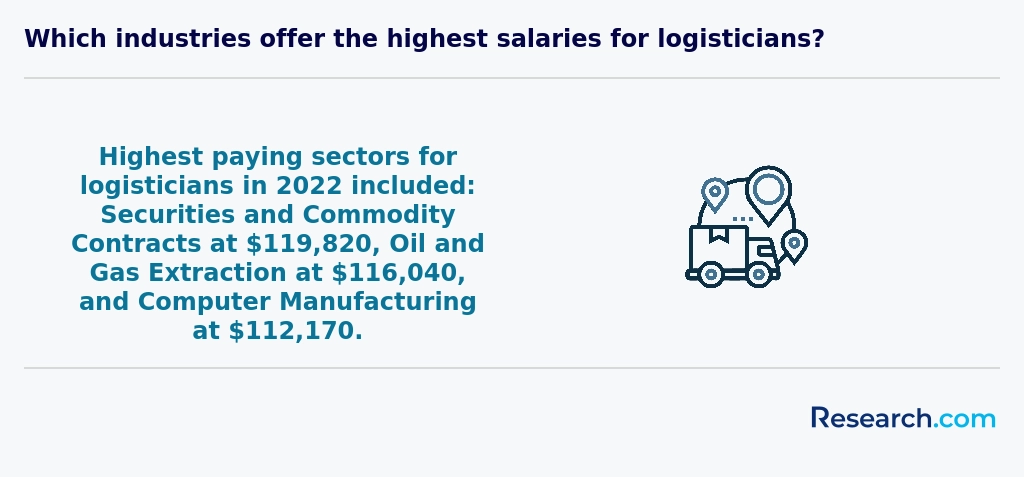
Online logistics degree programs in Florida are designed with a comprehensive curriculum that blends theoretical foundations with practical, real-world applications. Students can expect to engage in courses that cover every facet of logistics and supply chain management, ensuring they build a robust skill set to tackle industry challenges. Key courses often include: • Introduction to Logistics and Supply Chain Management – Laying the groundwork for understanding core principles, industry terminology, and the flow of goods from manufacturer to consumer. • Transportation and Distribution Management – Focusing on the strategies used to optimize fleet operations, route planning, and distribution efficiency across various regions within Florida. • Inventory and Warehouse Management – Exploring techniques for efficient storage solutions, inventory tracking, and inventory control to reduce costs and improve operational effectiveness. • Supply Chain Analytics and Operations Research – Introducing data-driven decision-making and analytical methods to solve logistical challenges and drive strategic business decisions. • International Trade and Compliance – Covering customs regulations, trade policies, and the legal aspects of international logistics, which are essential for roles such as Customs Brokers. • E-commerce and Retail Logistics – Examining the unique challenges of managing supply chains in the booming digital marketplace, with special emphasis on last-mile delivery and real-time inventory systems. Through interactive virtual simulations, case studies based on Florida’s dynamic logistics environment, and project-based assignments, students gain hands-on experience that directly translates to industry readiness. This curriculum structure not only improves academic outcomes but also equips graduates with the competitive edge necessary for leadership roles in today’s logistics and supply chain sectors.
When pursuing an online logistics degree in Florida, you'll dive into courses that build practical expertise vital for thriving in this vibrant industry. Graduates from well-regarded programs at institutions like the University of Central Florida or Florida International University often highlight foundational classes such as Introduction to Logistics and Supply Chain Management, which unlocks understanding of how goods move through global and local markets. Imagine mastering transportation management concepts that help you optimize freight routes and reduce costs in bustling ports like Miami's.
Courses like Warehouse and Inventory Management teach strategies for efficient storage that directly impact businesses' bottom lines, while Procurement and Sourcing prepare you to negotiate with suppliers confidently. Many students appreciate the hands-on nature of Logistics Information Systems, where they learn to use tools like ERP and TMS software-skills highly valued in Florida's tech-forward logistics firms.
Graduates also find International Logistics crucial for understanding cross-border challenges, especially given Florida's status as a trade gateway. These courses equip you to make smart, ethical decisions, balancing business goals with sustainability-a priority near Florida's busy ports and airports.
When exploring an online logistics degree specializations Florida offers, students often find their path among several focused areas that directly connect to the state's dynamic economy. Graduates from universities like Florida State University often highlight how specializing in Supply Chain Management helped them understand the critical flow of goods through ports such as Miami and Everglades, turning classroom theory into practical career skills.
Another common focus is Transportation and Distribution, ideal for those wanting to dive into the complex movement of goods via trucking, shipping, and freight. Students studying in Florida appreciate how their programs emphasize the state's robust transportation networks, preparing them for rewarding roles in local logistics companies.
For tech-savvy learners, specializations in Logistics Technology and Information Systems are game changers. These programs, often featured in Florida's top online logistics programs, teach cutting-edge tools like GPS tracking and warehouse management software, which modern logistics professionals rely on daily.
Students interested in international markets may choose Global Logistics and International Trade, perfectly aligned with Florida's status as a major import-export hub. Here, logistics graduates learn to navigate customs and global shipping challenges, boosting their career prospects globally. For those curious about related fields, an economics degree careergrowth can also complement these specializations beautifully.
When choosing the best online logistics degree programs in Florida, start by assessing accreditation to ensure the quality of your education. Graduates from well-accredited schools like the University of Central Florida often share how confident they felt entering the workforce knowing their degree met rigorous standards. Consider cost carefully; many students find affordable logistics degrees Florida online at public universities, benefiting from lower in-state tuition rates without sacrificing quality.
Look for programs that offer flexible, asynchronous learning tailored to busy professionals. This flexibility allows students to balance work and study while engaging with real-world logistics challenges. Graduates frequently praise how internships and industry partnerships in Miami or Tampa gave them hands-on experience that employers value highly.
Finally, pay close attention to job placement rates and local industry connections, as these are vital for launching a successful career. Many find that understanding related fields can also help; for example, exploring a marketing major industry growth can widen your perspective on supply chain roles.
Graduates with an online logistics degree in Florida step into a dynamic field where career paths span supply chain analyst, logistics coordinator, and inventory manager roles. These positions demand managing efficient movement of goods and inventory, skills honed at well-regarded institutions like the University of Central Florida and Florida State University. Many graduates describe the satisfaction of optimizing operations at bustling hubs such as the Port of Miami, where real-world logistics challenges bring classroom theory to life.
Exploring specialized roles like transportation management or supply chain consulting opens doors to exciting opportunities, especially as e-commerce continues to expand across Florida. Career options with online logistics degree Florida often include tech-focused positions, where data analysis and logistics software expertise are invaluable. Graduates frequently share how certifications, paired with practical internships offered by their colleges, have propelled their careers forward.
For those balancing various interests, understanding the best jobs for entrepreneurs can inspire logistics graduates to innovate within supply chain frameworks, blending business savvy with logistical know-how to lead in this essential industry.
The job market for online logistics degree jobs in Florida is vibrant and expanding, driven by the state's pivotal role in global trade and distribution. Graduates from popular Florida institutions often find themselves managing supply chains for busy ports in Miami or supporting aerospace logistics in Jacksonville. One graduate shared how their online degree enabled them to quickly transition into a role handling inventory for retail giants, showcasing how practical skills learned through these programs align perfectly with local employer needs.
Florida's logistics degree employment opportunities are especially strong in sectors like maritime operations, aerospace, and retail distribution, where technical expertise and adaptability are prized. Many graduates appreciate the affordable yet comprehensive nature of Florida's online programs. These programs prepare students to thrive in diverse environments, blending theory with hands-on technology use, which employers highly value. Those seeking cost-effective options might consider exploring the most affordable supply chain management degree online, helping them enter this dynamic field with confidence.
2027 Most Valuable Online Logistics Degree Programs Ranking in Florida
Investing in your education is a significant decision that can shape your future, and the Research.com team understands the importance of making informed choices. To assist prospective students in Florida, we have meticulously crafted the "2027 Most Valuable Online Logistics Degree Programs Ranking in Florida." Our commitment to quality, credibility, and accuracy is reflected in the extensive research and analysis conducted to compile this ranking.
We utilized the following reputable data sources to ensure a comprehensive evaluation of logistics programs:
By exploring this ranking, readers will gain valuable insights into the most valuable online logistics degree programs in Florida, enabling informed decisions about their education and career goals. For more details on our methodology, please visit our Research.com methodology page.
# 1 position
Embry-Riddle Aeronautical University-Worldwide
Master of Logistics and Supply Chain Management


# 3 position
Florida State College at Jacksonville
Bachelor of Logistics

# 4 position
Embry-Riddle Aeronautical University-Worldwide
Bachelor of Logistics and Supply Chain Management
Frequently Asked Questions About logistics
Online logistics degree students in Florida can maximize their learning experience by actively engaging with course materials and instructors. Florida's robust logistics industry, supported by major ports like Miami and Jacksonville, offers unique opportunities for practical application. Students should seek out internships or virtual networking events linked to local companies, enhancing real-world understanding.
Utilizing Florida's extensive library and research resources, including those from the University of North Florida and Florida State University, can deepen knowledge of supply chain strategies. Additionally, time management is crucial; setting a consistent study schedule helps balance coursework and professional responsibilities.
Finally, taking advantage of technology such as simulation tools and logistics software prepares students for industry demands. According to the Florida Department of Economic Opportunity, logistics-related jobs are projected to grow significantly, making practical skills essential for success.
The logistics field is rapidly evolving, with several emerging niches gaining traction in Florida and across the United States. One prominent area is supply chain analytics, where professionals use data analysis to optimize routes, reduce costs, and forecast demand more accurately. According to the Florida Department of Economic Opportunity, demand for such analytical skills in logistics is expected to grow by over 15% by 2030.
Another key niche is e-commerce logistics, driven by Florida's growing role as a distribution hub for major online retailers. This sector focuses on fast and efficient last-mile delivery solutions. In addition, sustainable logistics is becoming critical, with companies adopting greener technologies and energy-efficient transport to meet environmental regulations.
Experts also highlight automation and robotics as transforming warehouses and freight handling, increasing efficiency while reducing errors. Florida's ports and logistics firms are investing heavily in these technologies.
After completing an online logistics degree in Florida, preparing for the job market involves several strategic steps. Begin by gaining relevant experience through internships or part-time work with local ports, distribution centers, or transportation companies. Florida's logistics sector is strong due to major hubs like the Port of Miami and Port Everglades, which contribute significantly to the state's economy, supporting over 600,000 jobs according to the Florida Chamber Foundation.
Networking is vital; join professional organizations such as the Council of Supply Chain Management Professionals (CSCMP) Florida roundtables. Certification can also boost employability; consider credentials like the Certified Supply Chain Professional (CSCP) offered by APICS.
Finally, tailor your resume to highlight both technical skills and knowledge of Florida's logistics landscape, emphasizing software proficiency and regulatory understanding relevant to the region.
Employers in Florida highly value logistics degree graduates who demonstrate strong analytical skills and problem-solving abilities. The ability to optimize supply chains and manage transportation efficiently is crucial in this fast-growing industry. According to the Florida Department of Economic Opportunity, demand for logistics professionals is expected to grow by over 10% through 2028, emphasizing the need for candidates with data analysis and technology skills.
Communication and teamwork are also essential, as logistics roles often involve coordinating with diverse teams and external partners. Familiarity with logistics software, such as ERP systems and inventory management tools, further strengthens a graduate's profile.
Understanding regulations, safety standards, and environmental impact plays an important role in Florida's port and distribution center operations.
Finding internships in Florida relevant to a logistics degree involves targeted research and leveraging local industry connections. Florida's logistics sector is large, with over 400,000 workers in transportation and warehousing as of 2023, according to the Bureau of Labor Statistics. Students should use university career centers offering virtual support to locate opportunities with companies specializing in freight, supply chain management, and distribution.
Networking through platforms like LinkedIn and attending local logistics events or job fairs can also be beneficial. Florida has key logistics hubs such as the Port of Miami and Miami International Airport, where businesses often seek interns.
Additionally, connecting with statewide organizations like the Council of Supply Chain Management Professionals (CSCMP) Florida Roundtable provides access to internships and mentorship opportunities.
Obtaining an online logistics degree in Florida can significantly enhance career mobility and advancement opportunities. The logistics industry in Florida is growing rapidly due to the state's strategic position as a major transportation hub, including ports like Miami and Jacksonville. According to the Florida Department of Economic Opportunity, logistics and supply chain management jobs are expected to increase by nearly 10% through 2030.
Online logistics programs equip students with skills in inventory management, transportation coordination, and supply chain analytics-key competencies in Florida's competitive job market. Employers often prefer candidates with formal education, which can lead to higher salaries and leadership roles.
Additionally, an accredited online degree offers flexibility for working professionals to gain credentials without interrupting their careers. This accessibility supports ongoing professional development, which is crucial as Florida's logistics sector evolves with technology advancements.
Studying for an online logistics degree in Florida equips students with diverse skills applicable to interdisciplinary roles across industries. Programs often integrate supply chain management, business analytics, and information technology, reflecting the complexity of modern logistics operations.
Florida's logistics sector is robust, with over 100,000 workers in transportation and warehousing as of 2023, according to the Florida Department of Economic Opportunity. This growth demands professionals who can collaborate across finance, marketing, and technology.
Online logistics degrees in Florida emphasize critical thinking, data analysis, and project management, preparing graduates to adapt to roles blending operations, finance, and IT functions. Florida's strategic position as a trade hub further enriches students' understanding of global and local logistics.
Choosing between a thesis and a non-thesis online logistics degree in Florida depends on your career goals and learning preferences. A thesis program typically involves original research and is ideal if you plan to pursue a doctoral degree or a research-oriented role. It develops strong analytical skills and contributes to academic knowledge.
In contrast, a non-thesis program emphasizes practical skills and coursework, often preferred by those aiming for immediate industry positions. With Florida's growing logistics sector-boosted by major ports like Miami and Jacksonville-practical skills in supply chain management are highly valued, as reported by the Florida Department of Economic Opportunity.
Consider your professional objectives and the time commitment each option requires before deciding.
Students based in Florida interested in studying logistics abroad through online programs have several pathways to consider. While fully international online logistics degrees are rare, many Florida institutions partner with global universities to offer coursework that includes international supply chain concepts. This hybrid approach helps students gain a global perspective without leaving the state.
According to the Florida Department of Education, over 50% of logistics graduates remain employed within the state's extensive transportation and warehousing sectors, highlighting the value of localized knowledge combined with international logistics principles.
Additionally, students can pursue accredited online degrees recognized nationwide, allowing future opportunities abroad. Professional certifications, such as those from the Council of Supply Chain Management Professionals (CSCMP), complement academic study and emphasize international logistics competencies.
Florida's robust logistics industry offers numerous part-time job opportunities that complement an online logistics degree. Popular roles include warehouse associate, inventory clerk, and transportation coordinator. These positions provide valuable hands-on experience with supply chain processes, improving skills in inventory management and distribution.
The state's strategic location as a major hub for ports like PortMiami and Port Everglades creates demand for logistics support roles. According to the Florida Department of Economic Opportunity, transportation and warehousing jobs are projected to grow by 6.5% through 2030, offering ample openings for part-time work.
Additionally, roles in customer service and procurement at local logistics companies help students develop negotiation and communication skills crucial for their careers. These job opportunities enable students to apply theoretical knowledge in real-world settings, enhancing their employability after graduation.
Online logistics students in Florida have several networking opportunities despite studying remotely. Many universities offer virtual career fairs and online meetups where students can connect with industry professionals. For example, the Florida Institute of Supply Management hosts events featuring logistics experts and recruiters tailored to statewide students.
Florida's logistics sector is booming, with the Port of Miami and Port Everglades generating thousands of jobs. Students often benefit from alumni networks and partnerships between schools and local logistics companies.
Additionally, professional organizations like the Council of Supply Chain Management Professionals (CSCMP) have Florida chapters offering online and in-person networking events that online students can join.
Alumni networks play a crucial role for online logistics degree students in Florida by providing valuable professional connections. These networks give students access to industry professionals who understand Florida's unique logistics market, such as its extensive port operations and transportation hubs. According to the Florida Department of Transportation, the state ranks among the top logistics hubs nationally, making these connections especially beneficial.
Through alumni events and online platforms, students can find mentors, internships, and job opportunities that align with Florida's growing supply chain sector. Networking increases chances of employment in companies like J.B. Hunt and Florida East Coast Railway.
Engaging with alumni also offers insights into regional trends, salary expectations, and career advancement strategies, enhancing students' readiness for Florida's competitive logistics industry.
Customizing an online logistics degree program in Florida allows students to align their education with their unique career ambitions. Many Florida universities offer elective courses and specialized tracks focused on areas such as supply chain management, transportation, or warehousing. This flexibility helps learners tailor their studies to industries like aerospace, healthcare, or retail logistics prevalent in Florida's economy.
Students can also gain practical experience through virtual internships or industry partnerships, enhancing their professional networks within the state. According to the Florida Department of Economic Opportunity, logistics-related jobs are expected to grow by nearly 10% through 2030, underscoring the importance of targeted skills.
Additionally, some programs permit dual degrees or certificates, enabling further customization
Online logistics students in Florida often face several challenges unique to their mode of study and the state's specific industry demands. One major issue is balancing coursework with professional and personal commitments, as many students pursue these degrees alongside full-time jobs. Time management becomes crucial for success.
Another challenge is limited access to hands-on experiences. Logistics relies heavily on practical skills like supply chain management and transportation coordination, which are harder to simulate online. Florida's growing ports and transportation hubs offer opportunities, but online students may struggle to connect with local internships or fieldwork.
Technology access and digital literacy also affect many students, especially those in rural areas. Reliable internet access is vital for interactive learning and video lectures, which some Florida residents find inconsistent.
Finally, navigating accreditation and program quality is critical. Students must ensure their chosen online program meets Florida state standards and industry expectations to enhance job prospects in a competitive market.
With an online logistics degree in Florida, graduates can pursue several respected professional certifications to enhance their careers. Popular certifications include the Certified Supply Chain Professional (CSCP) from APICS and the Certified in Logistics, Transportation and Distribution (CLTD). These are highly regarded in the industry and valued by employers across Florida's growing logistics hubs like Miami and Jacksonville.
Florida's strategic location as a trade gateway raises demand for certified logistics professionals. Additionally, the Certified Professional Logistician (CPL) credential from SOLE offers recognition for advanced skills.
These certifications typically require passing exams and meeting experience criteria, which online logistics graduates can prepare for through their degree coursework and related internships.
To write a winning application for an online logistics program in Florida, start by highlighting your relevant experience and career goals clearly. Emphasize knowledge of Florida's logistics industry, which supports over 1.2 million jobs and contributes $189 billion annually (Florida Chamber Foundation, 2023). Demonstrate an understanding of key sectors such as shipping, warehousing, and supply chain management within the state.
Include strong letters of recommendation that speak to your work ethic and problem-solving skills. Tailor your personal statement to explain why an online program fits your lifestyle and how it aligns with Florida's growing logistics market. Finally, maintain a competitive GPA, ideally 3.0 or higher, to strengthen your chances.
The global perspective on a logistics career highlights its critical role in international trade and supply chain management. Logistics professionals are essential for managing the flow of goods across borders, making them vital to the global economy. According to the U.S. Bureau of Labor Statistics, employment in logistics-related fields is expected to grow 16% nationwide from 2020 to 2030, reflecting increasing demand.
Florida benefits greatly from its strategic location as a logistics hub, particularly due to its major ports like Miami and Jacksonville. These ports handle significant volumes of international cargo, supporting logistics careers with a focus on global trade.
Many online logistics degrees in Florida integrate global supply chain concepts, preparing students for positions in multinational companies. This reflects broader trends where employers seek graduates who understand worldwide regulations, cultural differences, and technological advances in logistics. The global outlook on this career is promising, especially for those with a robust education linked to international commerce.
Gaining practical experience while studying for an online logistics degree in Florida is essential for career success. Many Florida universities partner with local businesses and ports to offer remote internships. For example, the Port of Miami and Jacksonville logistics firms frequently collaborate with schools to provide virtual projects and case studies.
Students may also engage in simulation software and supply chain management tools that replicate real-world scenarios. According to the Florida Department of Economic Opportunity, logistics and transportation employ over 500,000 workers in the state, highlighting ample opportunities for internships.
Additionally, networking through online forums and professional associations like the Council of Supply Chain Management Professionals (CSCMP) Florida Roundtable can connect students to mentors and job shadowing possibilities.
Choosing the right concentration within an online logistics degree program in Florida depends on your career goals and the state's industry trends. Florida hosts major ports and distribution centers, making supply chain management and transportation specialties particularly valuable. According to the Florida Department of Economic Opportunity, logistics-related occupations are projected to grow by 8% through 2030, faster than the national average.
Consider concentrations such as supply chain analytics, transportation management, or global logistics. Reflect on your interest in technology, operations, or international trade, as these areas shape each focus. Research program curricula to ensure alignment with Florida's market demands, especially if you want to work in sectors like e-commerce or import/export industries.
Consult resources like the Council of Supply Chain Management Professionals for up-to-date industry insights relevant to Florida logistics careers.
- 2027 Most Valuable Online Logistics Degree Programs Ranking in Georgia
- 2027 Most Valuable Logistics Degree Programs Ranking in Georgia
- 2027 Most Valuable Logistics Degree Programs Ranking in Alabama
- 2027 Most Valuable Logistics Degree Programs Ranking in South Carolina
- 2027 Most Valuable Logistics Degree Programs Ranking in Tennessee
- 2027 Most Valuable Logistics Degree Programs Ranking in North Carolina
- 2027 Most Valuable Logistics Degree Programs Ranking in Arkansas
- 2027 Most Valuable Logistics Degree Programs Ranking in West Virginia
- 2027 Most Valuable Logistics Degree Programs Ranking in Missouri
- 2027 Most Valuable Logistics Degree Programs Ranking in Ohio
- Events and networking https://logistics.org.uk/executivemembership/events-and-networking
- Transportation and Logistics A.S. Degree | Eastern Florida State College https://www.easternflorida.edu/academics/transportation-and-logistics/index.php
- Alumni Network - Global SCLM https://global-sclm.com/index.php/alumni-network/
- Top 5 Logistics And Supply Chain Management Degrees https://www.searates.com/blog/post/top-5-logistics-and-supply-chain-management-degrees
- Logistics challenges and overcoming them - Mecalux.com https://www.mecalux.com/blog/logistics-challenges
- Engaging Process for Supply Chain Learning | SCM Globe https://www.scmglobe.com/engaging-process-for-teaching-supply-chains/
- CA25 - Supply Chain & Logistics https://www.pgcareers.com/pl/en/supply-chain-logistics
- Requirements For A Transportation And Logistics Degree - Logistics Degree https://logisticsdegree.net/requirements-for-earning-a-degree-in-transportation-and-logistics/
- Master's Degree in Logistics in Spain: Key Factors for Choosing a Leading Program https://www.enae.com/blog/masters-degree-logistics-spain-key-factors-choosing-leading-program
- 8 Critical Challenges in Logistics (And How to Overcome Them) | Load One Transportation https://load1.com/8-critical-logistics-challenges-and-how-to-overcome-them/