2027 Most Valuable Logistics Degree Programs Ranking in Pennsylvania

Co-Founder and Chief Data Scientist
Choosing the right logistics degree program can be a game changer for your future career, especially in Pennsylvania's growing market. This article introduces the 2027 Most Valuable Logistics Degree Programs Ranking in Pennsylvania, crafted by the Research.com team of data scientists to help you make an informed decision.
By exploring this ranking, you'll discover which programs offer the best value, helping you invest your time and resources wisely. A logistics degree opens many doors, and this guide is here to support your next step forward confidently.
Key benefits of getting logistics degree in Pennsylvania
- Logistics degree graduates in Pennsylvania can earn competitive salaries, with roles like Logistics Coordinator and Logistics Specialist earning a mean annual wage of $84,640, while Customs Brokers make about $63,130.
- Career paths include working as a Transportation Planner, Supply Chain Coordinator, or Customs Broker, offering diverse opportunities to apply logistics skills in various industries.
- Completing an online logistics degree offers flexibility and accessibility, making it easier for working adults in Pennsylvania to advance their careers without disrupting their daily lives.
- Key benefits of getting logistics degree in Pennsylvania
- What can I expect from logistics degree in Pennsylvania?
- Where can I work with logistics degree in Pennsylvania?
- How much can I make with logistics degree in Pennsylvania?
- 2027 Most Valuable Logistics Degree Programs Ranking in Pennsylvania
- Key Findings
- How long does it take to complete logistics degree in Pennsylvania?
- What's the difference between online and on-campus logistics degree?
- Emerging Trends and Technologies in Logistics
- What is the average cost of logistics degree in Pennsylvania?
- Return on Investment (ROI) for Logistics Degrees in Pennsylvania
- What financial aid is available to logistics degree students in Pennsylvania?
- What are the prerequisites for enrolling in logistics degree program in Pennsylvania?
- Emerging Trends & Future Opportunities in Logistics
- What courses are typically in logistics degree programs in Pennsylvania?
- What types of specializations are available in logistics degree programs in Pennsylvania?
- How do you choose the best logistics degree in Pennsylvania?
- What career paths are available for logistics degree students in Pennsylvania?
- What is the job market for logistics degree in Pennsylvania?
- Related Logistics Rankings for Nearby States
- Top Trending Logistics Rankings
What can I expect from logistics degree in Pennsylvania?
The average cost of pursuing a logistics degree in Pennsylvania typically ranges between $15,000 and $35,000 per year, depending on whether the institution is public or private. For example, graduates from well-known public universities in Pennsylvania report manageable tuition fees combined with access to state-funded financial aid, making the investment more affordable. On the other hand, private colleges with specialized logistics programs often have higher tuition but offer enhanced technology training and internship partnerships that many students find invaluable.
Students frequently describe balancing tuition costs with hands-on opportunities such as internships at Philadelphia International Airport or local distribution centers. These real-world experiences supplement classroom learning on supply chain management and warehouse software, helping graduates feel confident about their job prospects. This practical approach, typical in Pennsylvania logistics programs, aligns well with the sector's hiring demand, supported by over 600,000 jobs statewide.
Graduates often share positive reflections on how their education combined cost-efficiency with access to industry connections, making their logistics degree a worthwhile investment in Pennsylvania's dynamic economic landscape.
Where can I work with logistics degree in Pennsylvania?
Graduates with logistics degrees from institutions like Penn State or Temple University find diverse employment opportunities throughout Pennsylvania's transportation and manufacturing hubs. Many secure roles in warehousing, supply chain management, and transportation planning, leveraging the state's strategic location near major highways such as I-95 and key ports including the Port of Philadelphia. For example, a graduate might start as a logistics technician at a Philadelphia distribution center, quickly advancing as they gain expertise.
Manufacturing companies in Pittsburgh and surrounding areas frequently hire supply chain analysts and logistics coordinators to optimize operations. According to the Pennsylvania Department of Labor & Industry, logistics employment is expected to grow by 6% through 2030, signaling a steady demand that reassures many graduates as they enter the workforce.
Public sector opportunities also attract those interested in government roles, where logistics degree holders manage transportation infrastructure or emergency supply chains. Graduates often share how the dynamic career paths, ranging from entry-level procurement specialists to logistics directors, make studying logistics in Pennsylvania a rewarding and practical choice.
How much can I make with logistics degree in Pennsylvania?
Graduates with a logistics degree in Pennsylvania often start with roles such as Logistics Coordinator or Logistics Specialist, positions that report a mean annual salary of around $84,640 according to recent Bureau of Labor Statistics data. This salary level reflects the strong regional demand fueled by Pennsylvania's robust transportation and manufacturing sectors. For instance, graduates from well-known local programs at universities like Penn State or Temple University frequently secure these competitive starting wages, enabling early financial stability.
Other entry-level positions such as Supply Chain Coordinator or Transportation Planner show mean salaries closer to $46,690 annually. Although these roles pay less initially, gaining relevant experience and certifications can lead to rapid income growth. One might imagine a college graduate in Philadelphia managing citywide transport logistics while earning these salaries and benefiting from local industry connections.
Customs Brokers earn a mean annual wage of $63,130, reflecting specialized expertise valuable in Pennsylvania's busy port regions. Many graduates find that these figures align well with the positive career trajectory they envisioned when pursuing their degrees, reinforcing the practical value of logistics education in the state's dynamic job market.
2027 Most Valuable Logistics Degree Programs Ranking in Pennsylvania
How do we rank schools?
Investing in your education is a significant decision that can shape your future, and the Research.com team understands the importance of making informed choices. To assist prospective students in Pennsylvania, we have meticulously crafted the "2027 Most Valuable Logistics Degree Programs Ranking in Pennsylvania." Our commitment to quality, credibility, and accuracy is reflected in the extensive research and analysis conducted to compile this ranking.
We utilized the following reputable data sources to ensure a comprehensive evaluation of logistics degree programs:
By exploring this ranking, readers will gain valuable insights into the most valuable logistics degree programs available in Pennsylvania, helping them make well-informed decisions about their educational and professional paths. For more details on our methodology, please visit our Research.com methodology page.


Key Findings
- Logistics degree programs in Pennsylvania are available at associate, bachelor's, and sometimes master's levels through community colleges and universities.
- Tuition costs range from under $5,000 per year at community colleges to $10,000-$20,000 at public universities and over $30,000 at private institutions.
- Starting salaries for logistics graduates in Pennsylvania are around $50,000 annually, with mid-career salaries between $70,000 and $90,000.
- Senior logistics roles can earn over $100,000, especially in cities like Philadelphia and Pittsburgh.
- The job market is growing faster than the national average, supported by Pennsylvania's location and industries such as manufacturing, retail, and healthcare.
How long does it take to complete logistics degree in Pennsylvania?
Completing a logistics degree in Pennsylvania typically takes about four years for a bachelor's program, the most frequent choice among students. For example, learners at institutions like Penn State or Temple University follow a structured 120 to 130 credit hour curriculum, aligning with standard full-time enrollment. Graduates often share how this timeframe allowed them to balance rigorous coursework with internship opportunities in Philadelphia's thriving logistics sector.
Associate degrees, offered by community colleges such as Harrisburg Area Community College, generally require around two years. These programs demand 60 to 65 credits, providing a quicker route into the workforce or a stepping stone toward a bachelor's degree. Many graduates appreciate the affordability and practical skills gained within this shorter duration.
For those pursuing graduate study, master's programs in supply chain or logistics typically range from one to two years, depending on full- or part-time study. Students at universities offering flexible schedules often praise the ability to manage careers alongside their education, even if completion extends beyond two years.
What's the difference between online and on-campus logistics degree?
Online and on-campus logistics degrees in Pennsylvania differ primarily in delivery, cost, and student experience. On-campus students at universities like Penn State and Temple University benefit from direct interaction with faculty, hands-on labs, and networking events. These in-person opportunities foster practical skills highly valued by regional employers and create a strong sense of community among graduates.
Conversely, online programs cater to working professionals and those with scheduling constraints, offering flexibility through asynchronous classes or virtual sessions. Graduates of online logistics degrees often appreciate the ability to balance work and study without commuting. Schools such as California University of Pennsylvania highlight reduced costs due to lower housing and transportation expenses, with yearly tuition averaging $6,000 to $7,500 online compared to about $9,000 on-campus for in-state students.
- Online learners must be self-disciplined and comfortable with digital platforms.
- On-campus students enjoy richer networking from frequent, face-to-face interactions.
- Some employers in Pennsylvania prefer on-campus graduates for their hands-on training.
Emerging Trends and Technologies in Logistics
In today’s rapidly evolving logistics landscape, degree programs in Pennsylvania are integrating cutting-edge topics such as artificial intelligence (AI), Internet of Things (IoT), and blockchain to prepare students for Industry 4.0 challenges. Coursework now often includes modules on AI-driven demand forecasting, which leverages machine learning to optimize inventory levels, and IoT-enabled asset tracking that offers real-time visibility across complex supply chains. Blockchain applications in logistics are also gaining traction, ensuring transparent and tamper-proof documentation of goods movement, while autonomous vehicles and drones promise to revolutionize last-mile delivery. Programs emphasizing sustainability are teaching students how to implement green logistics strategies-like carbon footprint modeling and reverse logistics processes-addressing both economic efficiency and environmental responsibility. As digital transformation accelerates, familiarity with warehouse automation systems and robotics has become a key differentiator; graduates skilled in programming automated guided vehicles (AGVs) or managing robot-assisted picking systems are increasingly in demand. For those interested in flexible, technology-focused study options, consider exploring our Cheapest Online Logistics Degree Programs Ranking in the West, which highlights affordable programs that integrate the latest digital tools. By choosing a curriculum that balances foundational logistics principles with emerging technologies, prospective students can ensure they’re equipped to lead in the next generation of supply chain innovation.
What is the average cost of logistics degree in Pennsylvania?
The average cost of a logistics degree in Pennsylvania varies significantly depending on the type of institution and residency status. For in-state students attending public universities like Penn State or Temple University, the median total cost is approximately $21,926. These institutions offer respected logistics programs where graduates often highlight the value of balancing quality education with reasonable tuition and fees. Out-of-state students face a higher cost, with median total expenses reaching $42,325, reflecting the premium for non-resident tuition and associated fees.
Community colleges provide an affordable alternative for students seeking foundational logistics knowledge, with total program costs ranging from $5,000 to $10,000. For example, a graduate from the Community College of Philadelphia shares that starting at a community college minimized debt while still preparing strongly for transfer into a four-year logistics program.
Private universities tend to be more expensive, frequently charging between $35,000 and $50,000 annually, excluding living costs and additional fees. These figures are important for a student budget planning logistics degree tuition and fees Pennsylvania. Students often account for extra expenses such as technology fees, lab costs, and living expenses in cities like Philadelphia, which can greatly influence the total cost of attendance.
Prospective students keen on finding the most budget-friendly path could explore options such as the cheapest logistics school in pennsylvania to manage costs effectively while pursuing their degree goals.
Return on Investment (ROI) for Logistics Degrees in Pennsylvania
Understanding the return on investment (ROI) of a logistics degree is essential for weighing tuition costs against career earnings and long-term growth. In Pennsylvania, the average total cost for a four-year bachelor’s in logistics ranges from $40,000 (in-state public) to $180,000 (private), while average starting salaries fall between $50,000 and $60,000. Here’s how to assess ROI: • Break-Even Timeline: – Public bachelor’s graduates typically recoup tuition within 2–3 years, based on a median salary of $55,000 and annual income growth. – Private degree holders may require 4–5 years to break even, though strong alumni networks often accelerate promotions. • Scholarships and Financial Aid Impact: – Leveraging grants (e.g., Pennsylvania State Grant) and merit scholarships can reduce payback time by up to 30%. – Work-study and co-op programs add practical experience without extra debt, boosting early-career earnings. • Online vs. On-Campus Comparison: – Online programs often charge flat tuition rates and offer accelerated tracks, shortening degree time by 6–12 months. For a comprehensive comparison of flexible learning options, explore our list of the best online logistics degree programs. – On-campus degrees provide face-to-face networking but may carry higher living expenses near major logistics hubs like Philadelphia or Pittsburgh. • Long-Term Earnings: – With a projected 18% growth in logistics roles through 2032, mid-career salaries average $80,000–$90,000, improving lifetime earnings substantially. By mapping tuition, debt, and expected salary trajectories, prospective students can pinpoint which program delivers the optimal ROI and fastest path to profitability.
What financial aid is available to logistics degree students in Pennsylvania?
Logistics students in Pennsylvania benefit from a variety of financial aid options that significantly ease tuition expenses, which range from about $10,000 annually at public universities to over $30,000 at private institutions. Many rely on federal aid via FAFSA, securing Pell Grants that cover up to $7,395 per year, drastically reducing loan dependency. Graduates from Pennsylvania State University and similar schools often mention how this federal support helped them focus on their studies without overwhelming debt.
State aid is also critical; the Pennsylvania State Grant Program offers need-based awards averaging $4,000 annually, directly benefiting logistics students at schools like Temple University. This funding is vital for those managing tight budgets while pursuing degrees in supply chain management.
Institutional scholarships further boost affordability. Colleges frequently reward academic excellence and leadership in logistics fields. Internships connected to industry hubs near Philadelphia or Pittsburgh often come with scholarships, providing both financial support and career network advantages. Graduates report feeling empowered by these opportunities to advance both educationally and professionally.
Additionally, professional organizations like CSCMP and WERC provide private scholarships ranging from $1,000 to $5,000, which many students find instrumental in bridging financial gaps. Employer tuition assistance also plays a pivotal role, especially for part-time students working in Pennsylvania's robust logistics sector, enabling them to grow their careers without financial strain.
What are the prerequisites for enrolling in logistics degree program in Pennsylvania?
Enrolling in a logistics degree program in Pennsylvania typically requires a high school diploma or GED, with many applicants benefiting from strong backgrounds in math, economics, or business. For example, graduates from Penn State's logistics programs often emphasize how their early coursework in algebra and statistics boosted their confidence during admissions. Pennsylvania institutions like Temple University may request SAT or ACT scores, although test-optional policies have become more common. Maintaining a GPA around 2.5 to 3.0 is generally expected to remain competitive for admissions.
Graduate programs at universities such as Drexel University require a bachelor's degree, often in business or supply chain fields, plus relevant work experience. Many students report that crafting a compelling statement of purpose and securing recommendation letters were key steps in overcoming application hurdles. GRE scores might also be requested but vary by program. These prerequisites help ensure students are well-prepared to handle Pennsylvania's dynamic logistics industry, which supports nearly 300,000 jobs statewide.

Emerging Trends & Future Opportunities in Logistics
As the logistics landscape continues to evolve, staying ahead of emerging trends is crucial for students and professionals alike. Recent advancements underscore the transformation driven by digital technology, sustainability, and automation. For instance, the implementation of AI-powered supply chain solutions and real-time tracking systems is reshaping operational efficiencies and decision-making processes. Logistics degree programs in Pennsylvania are increasingly incorporating these innovations into their curricula, ensuring that graduates are well-equipped to tackle future challenges. Furthermore, companies are prioritizing eco-friendly practices and sustainable supply chain management as consumer demand shifts towards greener initiatives. This trend not only opens up new career opportunities but also encourages academic programs to integrate courses on environmental impact and sustainable logistics strategies. For those evaluating education options for a future in this dynamic field, exploring opportunities at the cheapest logistics school in pennsylvania can provide access to cost-effective yet comprehensive learning experiences that emphasize these cutting-edge developments. Embracing these trends helps students and professionals remain competitive, confident, and capable of leveraging new technologies and innovations that define the future of the logistics industry.
What courses are typically in logistics degree programs in Pennsylvania?
Logistics degree programs in Pennsylvania typically include comprehensive courses such as Introduction to Logistics and Supply Chain Management, which grounds students in essential supply chain structures and processes. Transportation Management covers routing and freight operations, crucial for navigating Pennsylvania's extensive transport networks.
Students gain expertise in Inventory Control and Warehousing, learning efficient management of distribution centers-a key skill for graduates entering the state's robust logistics sector. Operations Management teaches optimizing production systems, while Procurement and Purchasing develop practical negotiation skills with suppliers.
At institutions like Penn State and Temple University, graduates report that courses in Data Analytics and Decision Support Systems have been instrumental for data-driven decision-making on real projects, enhancing their confidence in managing supply chains. Lean Logistics and Six Sigma classes emphasize continuous improvement, which many students find directly applicable during internships in Pennsylvania's transport and warehousing companies.
Logistics Law and Ethics is another vital course, preparing students to navigate compliance and ethical challenges in a complex regulatory environment. Business courses in finance and marketing further round out the curriculum, enabling graduates to approach logistics strategically within broader organizational goals.
What types of specializations are available in logistics degree programs in Pennsylvania?
Logistics degree specializations in Pennsylvania commonly include Supply Chain Management, Transportation and Distribution, Logistics Technology and Data Analytics, Warehouse and Inventory Management, and Global Logistics and International Trade. These focus areas align closely with Pennsylvania's strategic position, featuring major transportation hubs like Philadelphia and Pittsburgh. Graduates from well-known Pennsylvania colleges often highlight how their coursework in Supply Chain Management directly prepared them to manage complex operations involving procurement and delivery across regional and global networks.
Pennsylvania logistics management programs frequently emphasize hands-on learning through internships connected to local industries. Practical experience in Transportation and Distribution is particularly valued due to the state's extensive manufacturing sectors. Many students also choose Logistics Technology and Data Analytics, reflecting a growing trend to leverage digital tools for efficiency. Those specializing in Global Logistics find opportunities to navigate international trade regulations, which is becoming increasingly relevant.
For students exploring options, reviewing a list of the best online logistics degree programs can provide insights on flexible courses that match Pennsylvania's dynamic logistics market.
How do you choose the best logistics degree in Pennsylvania?
Choosing the best logistics degree programs Pennsylvania offers involves examining curriculum depth and program alignment with regional industry demands. Graduates from local universities report high satisfaction with courses covering supply chain management, transportation, and logistics analytics, which reflect Pennsylvania's strong manufacturing and distribution sectors. Accreditation by bodies like ACBSP or AACSB indicates a rigorous program, important for ensuring quality education.
Affordability remains central. Public institutions typically charge between $10,000 and $15,000 annually for in-state students, making them attractive for cost-conscious learners. Graduates often emphasize the value of programs with financial aid options and realistic tuition compared to out-of-state or private schools. For reference, those seeking affordable logistics degrees in Pennsylvania should also consider internship costs and certificate fees to gauge total expenses.
Practical experience is another key factor. Many students benefit from internships in Philadelphia or Pittsburgh's logistics hubs, gaining hands-on skills that boost early career success. Flexibility through online or part-time formats helps working professionals balance study and job responsibilities. For additional guidance on affordable options, students can refer to the Cheapest Online Logistics Degree Programs Ranking in the West.

What career paths are available for logistics degree students in Pennsylvania?
Graduates pursuing logistics degrees in Pennsylvania typically find a diverse range of logistics management jobs in Pennsylvania across industries like manufacturing, retail, and transportation. Popular roles include supply chain analysts who leverage data analytics to refine operations, logistics coordinators managing daily shipment schedules, transportation managers overseeing carriers and regulatory compliance, and inventory planners forecasting stock needs. For example, students from well-regarded programs at universities like Penn State or Temple University often share positive experiences about applying classroom knowledge to real-world supply chain challenges, enhancing their confidence and career readiness.
The state's strategic location fuels opportunities, with established e-commerce and manufacturing sectors driving demand. Many graduates highlight the value of combining their degree with certifications such as Certified Supply Chain Professional (CSCP) to increase employability. For those considering flexible education paths, Pennsylvania students often explore an accelerated bachelors degree online to enter the workforce faster while maintaining strong academic foundations.
Pennsylvania's Department of Labor forecasts 6% growth in this field by 2030, confirming bright prospects for graduates eager to build careers in logistics and supply chain management.
What is the job market for logistics degree in Pennsylvania?
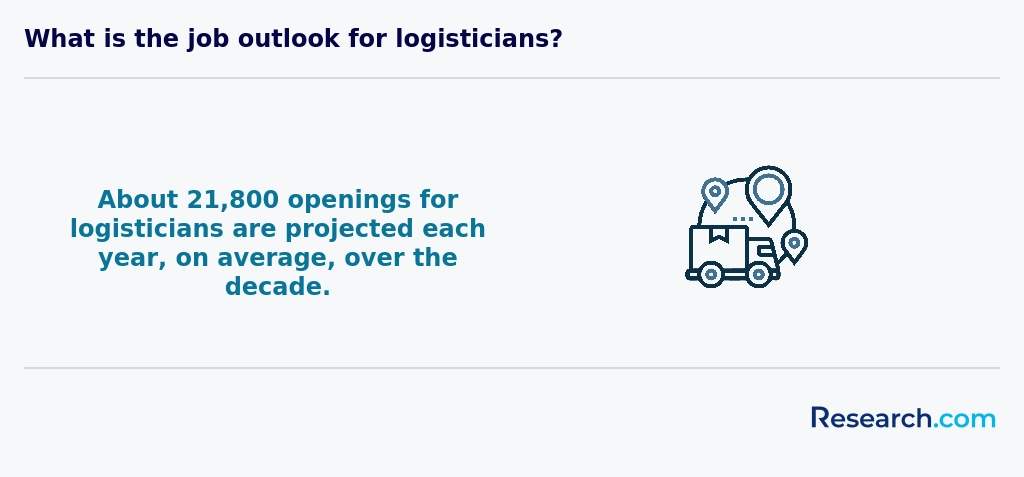
The job market for graduates with a logistics degree in Pennsylvania is robust, benefiting from the state's strategic location and well-developed transportation infrastructure. With approximately 43,000 logisticians employed statewide as of 2022, opportunities exist in sectors such as manufacturing, warehouse management, and freight companies. Graduates from universities like Penn State and Temple University often secure positions quickly, owing to industry demand for skilled supply chain professionals.
Many careers with a logistics degree in Pennsylvania provide competitive salaries, generally ranging from $60,000 to $80,000 annually. Entry-level roles typically start near $50,000, while experienced professionals in management can exceed $90,000. These figures reflect both the cost of living and the economic strength of the region's logistics sector.
Students pursuing logistics degrees in Pennsylvania often leverage internships and cooperative education programs to gain relevant experience. Access to scholarships and infrastructure-focused government initiatives further supports employment potential. For those seeking additional career advancement, exploring certifications that pay well through programs like certifications that pay well enhances job readiness in this growing field.
Frequently Asked Questions About logistics
Logistics degree students in Pennsylvania can enhance their learning by engaging with the state's robust supply chain industry, which is valued at over $200 billion annually according to the Pennsylvania Department of Community & Economic Development. Practical experience through internships with major companies such as FedEx, Amazon, and regional distribution centers offers invaluable insight into real-world logistics operations. Additionally, many Pennsylvania universities partner with local businesses, providing students access to networking events and hands-on projects.
Students should also take advantage of career services and attend industry conferences like the Pennsylvania Logistics Summit to stay current on trends. Joining professional organizations such as the Council of Supply Chain Management Professionals (CSCMP) can further expand knowledge and opportunities.
The logistics field is evolving rapidly, creating new opportunities for students pursuing logistics degrees in Pennsylvania. One emerging niche is sustainable logistics, which focuses on reducing environmental impact through green transportation and efficient supply chains. This aligns with Pennsylvania's growing push for eco-friendly business practices.
Another fast-growing area is e-commerce logistics. With online retail sales in Pennsylvania increasing by over 20% annually, there is high demand for expertise in last-mile delivery and warehouse automation. Additionally, cold chain logistics is expanding, driven by Pennsylvania's strong pharmaceutical and food industries requiring precise temperature control during transport.
Data analytics and logistics technology also offer promising paths. Employers seek professionals capable of using software to optimize routes and manage inventory accurately. According to the Pennsylvania Department of Labor, jobs involving logistics technology are expected to grow 8% between 2022 and 2032, highlighting the importance of tech skills in the field.
After earning a logistics degree in Pennsylvania, preparing for the job market involves several strategic steps. First, gaining practical experience through internships is essential. Many Pennsylvania universities collaborate with local distribution centers and manufacturing firms, offering students hands-on opportunities. According to the Pennsylvania Department of Labor & Industry, logistics jobs grew by nearly 5% from 2019 to 2023, highlighting a competitive yet expanding sector.
Networking also plays a key role. Joining professional organizations such as the Council of Supply Chain Management Professionals (CSCMP) helps students connect with industry leaders. Additionally, acquiring certifications like the Certified Supply Chain Professional (CSCP) improves employability and salary potential. Finally, tailoring resumes to emphasize skills in data analysis and supply chain software is recommended, as these are highly valued in Pennsylvania's logistics market.
Employers in Pennsylvania highly value logistics graduates who demonstrate strong analytical and problem-solving skills. With the state's significant manufacturing and transportation sectors, graduates must efficiently manage supply chains and optimize distribution networks. According to the Pennsylvania Department of Labor & Industry, logistics roles increasingly demand proficiency in data analysis tools and inventory management software to improve operational efficiency.
Communication and teamwork are essential, as logistics professionals often coordinate across multiple departments and external partners. Additionally, Pennsylvania's logistics industry places emphasis on understanding regulatory compliance and safety standards to navigate complex transportation laws.
Technical skills, combined with adaptability and leadership capabilities, position graduates for success in this growing field.
Finding internships in Pennsylvania for logistics degree students involves a strategic approach combining research and networking. Pennsylvania's strong logistics sector, worth billions annually, includes hubs like Philadelphia, Pittsburgh, and the Lehigh Valley, offering many internship opportunities.
Start by exploring university career centers, which often partner with regional companies such as UPS, FedEx, and local logistics firms. Websites like the Pennsylvania Department of Labor & Industry can help locate openings.
Leverage professional organizations like the Council of Supply Chain Management Professionals (CSCMP) Philadelphia Roundtable for networking events. Additionally, online platforms like Handshake and LinkedIn provide listings tailored to Pennsylvania students.
Many internships are competitive; early application and targeted resumes highlighting logistics skills improve chances. According to the National Association of Colleges and Employers (NACE), over 60% of logistics interns in Pennsylvania receive full-time job offers post-internship.
A logistics degree in Pennsylvania significantly enhances career mobility and advancement opportunities within the state's robust supply chain and transportation industry. According to the Pennsylvania Department of Labor & Industry, employment in logistics-related fields is projected to grow by 6% through 2030, faster than the average for all occupations. This growth is driven by Pennsylvania's strategic location as a transportation hub, with major highways, ports, and rail connections.
Graduates with logistics degrees often start in roles such as supply chain analysts or distribution managers and can advance to senior management or specialized positions in operations and procurement. Many employers in Pennsylvania prioritize candidates with formal education and hands-on experience. Additionally, professional certifications paired with a degree improve upward mobility and salary potential within the state's competitive job market.
Studying for a logistics degree in Pennsylvania equips students with skills that cross multiple disciplines, including supply chain management, business analytics, and information technology. Pennsylvania's logistics programs often integrate courses in operations, transportation, and data analysis to address complex industry challenges. According to the Pennsylvania State Data Center, over 300,000 jobs relate to logistics and transportation in the state, demonstrating demand for versatile professionals.
Many universities emphasize collaboration between engineering, business, and computer science departments. This approach helps students develop problem-solving abilities applicable to interdisciplinary roles.
Additionally, hands-on internships and partnerships with local industries provide real-world experience, enhancing adaptability in diverse work environments.
Choosing between a thesis and a non-thesis logistics degree program in Pennsylvania depends largely on your career goals and academic interests. Thesis programs emphasize research and are often preferred if you plan to pursue a PhD or work in research-heavy roles within supply chain management.
Non-thesis options focus more on practical skills and coursework, which suits students aiming for immediate entry or advancement in logistics industries like warehousing and transportation. Pennsylvania's 2023 labor report shows a growing demand for logistics managers with hands-on expertise, supporting non-thesis paths.
Consider also the time commitment: thesis programs typically require more months to complete. Check university resources like Penn State and Temple for specific offerings and faculty expertise before deciding.
Students based in Pennsylvania who wish to study logistics abroad have several options through exchange programs and international partnerships. Many Pennsylvania universities, such as Penn State and Temple University, offer study abroad opportunities with institutions in Europe and Asia, focusing on global supply chain management and transportation. These programs often last a semester or a year and provide valuable international experience in logistics.
According to the Bureau of Labor Statistics, Pennsylvania's logistics sector grows steadily, making global exposure beneficial for future career prospects. Students can also consider accredited online degrees with international modules, allowing remote access to global logistics education.
Students pursuing logistics degrees in Pennsylvania can benefit greatly from part-time jobs that offer practical experience aligned with their studies. Positions such as warehouse associates, inventory clerks, and supply chain coordinators provide hands-on knowledge of inventory management and distribution processes. According to the Pennsylvania Department of Labor & Industry, logistics-related roles in warehouses are growing steadily, reflecting the state's role as a distribution hub in the Northeast.
Internships or part-time roles with local transportation companies, ports, or third-party logistics providers also enhance learning by exposing students to real-world supply chain challenges. Such experience complements academic coursework and improves employability after graduation.
Additionally, part-time roles in data analysis or procurement departments help develop critical skills in demand forecasting and purchasing, crucial areas in logistics management.
Logistics students in Pennsylvania have access to numerous networking opportunities that can enhance their career prospects. Many universities in the state collaborate with industry organizations such as the Pennsylvania Logistics Association and the Council of Supply Chain Management Professionals (CSCMP) Philadelphia Roundtable. These groups host regular events, workshops, and conferences specifically tailored for logistics and supply chain professionals.
Students often benefit from campus career fairs where local companies like UPS, FedEx, and Amazon recruit interns and entry-level employees. Additionally, Pennsylvania's central location within the Northeast logistics corridor offers valuable connections to major ports and distribution centers.
Internships and cooperative education programs are common, providing practical experience and professional contacts. According to the Pennsylvania Department of Labor & Industry, the logistics sector employs over 220,000 people statewide, indicating a robust job market for connected graduates.
Alumni networks offer significant advantages for logistics degree students in Pennsylvania. These networks connect current students with graduates working across key industries like manufacturing, transportation, and distribution, which are vital to Pennsylvania's economy. According to the Pennsylvania Department of Labor & Industry, logistics and warehousing jobs are expected to grow by 7% through 2030, making these connections valuable for career placement.
Students benefit from mentorship opportunities, gaining insights into industry trends and practical skills. Alumni also facilitate internships and job placements by sharing openings within established companies. Moreover, networking events sponsored by universities help students build professional relationships early, improving their job prospects after graduation.
Customizing a logistics degree program in Pennsylvania involves selecting courses and experiences that align with your career goals. Many institutions offer concentrations such as supply chain management, transportation, or warehouse operations, allowing you to focus on specific industry sectors. Electives and internships provide practical exposure and networking opportunities, which are critical in a state where logistics supports over 250,000 jobs, as reported by the Pennsylvania Department of Labor. Additionally, Pennsylvania's strategic location as a transportation hub offers unique opportunities for hands-on learning with major firms. Certifications like APICS can also enhance your degree's value to employers in the region.
Logistics students in Pennsylvania often face challenges balancing demanding coursework with real-world applications. The state's complex transportation networks, including roads, rail, and ports, require students to understand multifaceted supply chains.
Many programs emphasize technology and data analysis, which some students find challenging due to the rapid advancement of tools like warehouse management systems and demand forecasting software. According to the Pennsylvania Department of Labor & Industry, the logistics sector is expected to grow by 7% through 2030, increasing the demand for skilled workers familiar with these technologies.
Additionally, students must navigate internships and cooperative education opportunities that provide practical experience but can be competitive and geographically limited. This is often intensified in rural areas with fewer logistics companies compared to urban centers like Philadelphia and Pittsburgh.
With a logistics degree in Pennsylvania, graduates can pursue several respected professional certifications to enhance their career prospects. One popular option is the Certified Supply Chain Professional (CSCP) credential offered by APICS, which demonstrates expertise in supply chain management. Another key certification is the Certified in Logistics, Transportation, and Distribution (CLTD), also from APICS, focusing on logistics operations and transportation.
The Transportation Management Certification from the American Society of Transportation and Logistics (ASTL) is another recognized credential. Pennsylvania's strong transportation and warehousing sector, employing over 150,000 workers statewide as reported by the Pennsylvania Department of Labor & Industry, values such certifications highly.
Additionally, the Certified Professional in Supply Management (CPSM) from the Institute for Supply Management offers a broader procurement focus relevant to logistics professionals seeking advancement in the region.
When applying to logistics programs in Pennsylvania, begin by highlighting relevant experience in supply chain management or transportation. Admissions committees value practical knowledge combined with academic performance. Pennsylvania hosts several strong logistics programs, including at Penn State and Temple University, which emphasize analytical skills and technology proficiency.
Applicants should showcase their understanding of Pennsylvania's logistics sector, a key regional hub featuring major ports like the Port of Philadelphia and extensive rail connections, contributing nearly $230 billion to the state economy annually (Pennsylvania Department of Transportation, 2023).
Strong letters of recommendation from professionals in related fields significantly boost your application. Additionally, tailor your personal statement to explain how a logistics degree aligns with Pennsylvania's growing market needs and your career goals.
Logistics careers offer a global outlook, especially relevant to students in Pennsylvania. The state's strategic location, with major ports and highways, connects the U.S. to international trade routes. According to the Pennsylvania Department of Labor, the logistics sector is expected to grow by 7% through 2030, driven by global supply chain demands. A degree in logistics prepares graduates to manage worldwide distribution networks, import-export regulations, and international transportation challenges.
Understanding global trends in technology, sustainability, and regulatory environments is key for logistics professionals. Pennsylvania's education institutions often include these global perspectives in their curricula to equip students for careers beyond U.S. borders.
Gaining practical experience while studying for a logistics degree in Pennsylvania is essential for career readiness. Many Pennsylvania universities and colleges partner with local businesses to offer internships, providing hands-on experience in supply chain management, transportation, and warehousing. For example, the state's strong manufacturing and distribution sectors, including companies in Pittsburgh and Philadelphia, create ample internship opportunities.
Students can also benefit from cooperative education (co-op) programs, which alternate semesters of classroom study with paid work placements. Additionally, joining student organizations like the Council of Supply Chain Management Professionals (CSCMP) local chapters helps build networks and participate in industry events.
According to the Pennsylvania Department of Labor & Industry, internships improve post-graduation employment rates by up to 30%, making these experiences valuable for logistics students.
Choosing the right concentration within a logistics degree program in Pennsylvania depends on your career goals and the industry demands. Key concentrations include supply chain management, transportation, and inventory control. According to the Pennsylvania Department of Labor & Industry, sectors like manufacturing and wholesale trade, which heavily rely on logistics professionals, are major employers in the state.
Consider concentrations that align with these industries to improve job prospects. Research individual programs' course offerings and internship opportunities, especially those connected with Pennsylvania's major hubs like Philadelphia and Pittsburgh. Accreditation and faculty expertise also play vital roles in the quality of education. Finally, review labor market trends on government sites to identify high-demand skills within logistics in Pennsylvania.
Related Logistics Rankings for Nearby States
- 2027 Most Valuable Logistics Degree Programs Ranking in New Jersey
- 2027 Most Valuable Logistics Degree Programs Ranking in New York
- 2027 Most Valuable Logistics Degree Programs Ranking in West Virginia
- 2027 Most Valuable Logistics Degree Programs Ranking in Ohio
- 2027 Most Valuable Logistics Degree Programs Ranking in Rhode Island
- 2027 Most Valuable Logistics Degree Programs Ranking in Tennessee
- 2027 Most Valuable Logistics Degree Programs Ranking in South Carolina
- 2027 Most Valuable Logistics Degree Programs Ranking in Michigan
- 2027 Most Valuable Logistics Degree Programs Ranking in Georgia
- 2027 Most Valuable Logistics Degree Programs Ranking in Illinois
Top Trending Logistics Rankings
References
- Studying for a Career in Logistics https://www.shippingcollege.com/blog/studying-for-a-career-in-logistics-unlocking-opportunities-and-enjoyment
- For students https://careers.hellmann.com/en/germany/students
- 5 Key Logistics Management Challenges - PLS Logistic Services https://www.plslogistics.com/blog/5-challenges-that-logistics-managers-face-every-day/
- Engaging Process for Supply Chain Learning | SCM Globe https://www.scmglobe.com/engaging-process-for-teaching-supply-chains/
- Logistics and Supply Chain Jobs https://www.expresspros.com/us-pennsylvania-harrisburg-lebanon/job-seekers/types-of-jobs/logistics
- Career Goals: 17 Inspirational Examples for you in 2026 https://www.imd.org/blog/learning-and-development/career-goals/
- 1. Online registration https://moderna.edu.pl/majors/management/bachelor-of-management/logistics-management/
- Blog - Mastering Niche Talent Acquisition: Securing Top Talent in Logistics and Supply Chain https://www.mvp-search.com/insight/mastering-niche-talent-acquisition-securing-top-talent-in-logistics-and-supply-chain
- Logistics Distance Learning Master’s Degree Program Without Thesis | IKU Graduate School http://enstitu.iku.edu.tr/en/masters-degree/logistics-distance-education-non-thesis-master-program
- CA25 - Supply Chain & Logistics https://www.pgcareers.com/pl/en/supply-chain-logistics