
2027 Most Valuable Logistics Degree Programs Ranking in Rhode Island

Co-Founder and Chief Data Scientist
Choosing the right logistics degree program in Rhode Island can feel overwhelming, but you're not alone. This article features the 2027 Most Valuable Logistics Degree Programs Ranking in Rhode Island, created by the Research.com team of data scientists to help you make an informed decision.
By exploring these ranked programs, you'll discover which options offer the best opportunities for your future career. Earning a logistics degree can open doors in a growing industry with real-world impact.
Take a step closer to your goals with insights designed just for Rhode Island students.
Key benefits of getting logistics degree in Rhode Island
- Logistics degree graduates in Rhode Island can expect competitive salaries, with roles like Logistics Coordinator and Logistics Specialist earning a mean annual wage of around $84,640 and hourly wages over $40, reflecting strong financial rewards.
- Career paths include becoming a Transportation Planner or Customs Broker, offering diverse opportunities in supply chain management, transportation, and customs, inspired by graduates from local universities such as the University of Rhode Island.
- Online logistics degrees provide flexible learning options, allowing students to balance work and study easily, as experienced by graduates from programs like the University of Rhode Island's online platform, making education accessible and convenient.
- Key benefits of getting logistics degree in Rhode Island
- What can I expect from logistics degree in Rhode Island?
- Where can I work with logistics degree in Rhode Island?
- How much can I make with logistics degree in Rhode Island?
- 2027 Most Valuable Logistics Degree Programs Ranking in Rhode Island
- Key Findings
- How long does it take to complete logistics degree in Rhode Island?
- Professional Certifications and Key Skills for Logistics Graduates
- What's the difference between online and on-campus logistics degree?
- Emerging Trends and Innovations in Logistics Education
- What is the average cost of logistics degree in Rhode Island?
- Professional Certifications to Advance Your Logistics Career
- What financial aid is available to logistics degree students in Rhode Island?
- What are the prerequisites for enrolling in logistics degree program in Rhode Island?
- What courses are typically in logistics degree programs in Rhode Island?
- What types of specializations are available in logistics degree programs in Rhode Island?
- How do you choose the best logistics degree in Rhode Island?
- What career paths are available for logistics degree students in Rhode Island?
- What is the job market for logistics degree in Rhode Island?
- Related Logistics Rankings for Nearby States
- Top Trending Logistics Rankings
What can I expect from logistics degree in Rhode Island?
The average cost of pursuing a logistics degree in Rhode Island typically ranges from $8,000 to $12,000 per year for in-state students attending schools like Rhode Island College or the University of Rhode Island. Graduates often recall balancing tuition fees with hands-on experiences, such as internships at local ports or distribution centers, which added significant value beyond classroom learning.
Many students find that combining financial aid options with practical internships helps manage expenses while gaining industry-relevant skills in supply chain software and data analysis. For example, a graduate at the University of Rhode Island shared how their cooperative education program was integral-not only for work experience but also as a source of income during studies.
Out-of-state tuition can be higher, but the strong connections with local businesses and maritime hubs often justify this investment through job placement opportunities post-graduation. Planning ahead to use scholarships, on-campus employment, and part-time internships can make the overall cost more manageable and rewarding in Rhode Island's logistics field.
Where can I work with logistics degree in Rhode Island?
Graduates with a logistics degree in Rhode Island often find secure roles starting in transportation firms near the Port of Providence, where managing cargo schedules and coordinating shipments are daily tasks. For example, students from well-regarded programs at Rhode Island College have landed positions as logistics coordinators at regional shipping companies, benefiting from the state's vital Northeastern port access.
Many alumni work in warehousing and distribution centers, overseeing inventory and streamlining supply chains for retail chains with local warehouses. These roles often involve hands-on problem-solving and collaboration, allowing graduates to see the direct impact of their work in reducing costs and improving delivery times.
Manufacturing is another strong sector, with logistics professionals supporting industries like pharmaceuticals and food processing through materials planning and procurement duties. Graduates from logistics programs at the University of Rhode Island report quickly adapting to these roles thanks to practical coursework and internships.
Healthcare logistics is growing, too, with opportunities managing the flow of medical supplies-critical in times of crisis. In all these paths, Rhode Island's concentrated industries and strategic location provide graduates with clear, rewarding career trajectories close to home.
How much can I make with logistics degree in Rhode Island?
Graduates with a logistics degree in Rhode Island often start their careers with roles like Logistics Coordinator or Logistics Specialist, earning a mean annual wage of about $84,640. For instance, many students from Rhode Island College have found that their practical training helped them secure positions where this salary level is quite attainable early on.
Others may enter as Supply Chain Coordinators or Transportation Planners, with typical earnings around $46,690 per year. These roles offer a solid starting point to build experience in critical areas like inventory control and route planning, common focuses in the University of Rhode Island's logistics curriculum.
Customs Brokers in the state earn approximately $63,130 annually, a figure that appeals to graduates interested in import-export operations near Rhode Island's ports. Several alumni note that specializing in customs regulations after graduation has opened doors to roles with higher pay and steady growth.
Overall, the combination of hands-on experience at local colleges and Rhode Island's strategic location fosters strong earning potential for logistics graduates, making these salary figures both realistic and motivating.
2027 Most Valuable Logistics Degree Programs Ranking in Rhode Island
How do we rank schools?
Investing in your education is a significant decision that can shape your future, and the Research.com team recognizes the importance of making well-informed choices. To support prospective students interested in logistics, we have meticulously developed the "2027 Most Valuable Logistics Degree Programs Ranking in Rhode Island." Our dedication to quality, credibility, and accuracy is demonstrated through thorough research and analysis performed to create this ranking. We utilized the following reputable data sources to ensure a comprehensive evaluation of logistics degree programs:
By consulting this ranking, readers will obtain valuable insights into Rhode Island's most valuable logistics degree programs, empowering them to make educated decisions about their educational and career objectives. For more information about how this ranking was created, please visit our Research.com methodology page.


Key Findings
- Tuition for a bachelor's in logistics in Rhode Island costs between $10,000 and $15,000 per year at public universities for in-state students and $25,000 to $35,000 at private schools.
- Job growth in logistics and related fields in Rhode Island is expected to increase by about 6% over the next decade.
- Entry-level logistics salaries typically range from $45,000 to $55,000 annually, with mid-career salaries between $70,000 and $85,000.
- Senior logistics roles in management or supply chain strategy can earn over $100,000 per year.
- Many programs include internships and co-op placements, and some align with industry certifications like the Certified Supply Chain Professional (CSCP).
How long does it take to complete logistics degree in Rhode Island?
Completing a logistics degree in Rhode Island typically takes two to four years, depending on the level and format of study. For example, students pursuing an associate degree at community colleges often finish in about two years, balancing hands-on learning with foundational skills. Graduates frequently share how starting with an associate degree at institutions like the Community College of Rhode Island provided a strong entry point into logistics careers quickly.
Bachelor's degrees at universities such as the University of Rhode Island usually require a full four years of study. These programs cover essential topics like transportation systems and inventory control, and many students appreciate how the immersive, on-campus experience helps them build valuable industry connections while progressing steadily.
Those with a bachelor's degree often opt for master's programs offered part-time or full-time by schools like Bryant University. These programs take one to two years and cater well to working professionals wanting to advance without pausing their careers. Flexible options such as online or hybrid courses let students extend their timeline while maintaining balance.
Graduates commonly highlight the importance of selecting a program that fits their lifestyle and career stage, as this directly influences completion time and satisfaction with the learning journey in Rhode Island.
Professional Certifications and Key Skills for Logistics Graduates
Earning industry-recognized certifications and developing targeted skill sets can significantly enhance the value of your degree in logistics and supply chain management and boost employability. Beyond core coursework, reputable programs often integrate preparation for leading credentials that validate your expertise and signal your commitment to continuous learning. Key industry certifications to consider:
- APICS CPIM (Certified in Production and Inventory Management): Demonstrates mastery of production planning, inventory control, and supply chain optimization.
- APICS CSCP (Certified Supply Chain Professional): Focuses on end-to-end supply chain design, implementation, and improvement.
- CSCA (Certified Supply Chain Analyst): Ideal for entry-level professionals looking to showcase analytical skills in forecasting, demand planning, and logistics analytics.
- Lean Six Sigma Green/Black Belt: Equips graduates with process-improvement methodologies to eliminate waste and drive operational efficiency.
- NCBFAA Customs Broker License: Essential for those pursuing international trade and customs compliance roles. Core technical and soft skills every logistics graduate should cultivate:
- Data Analytics & ERP Systems: Proficiency with tools like SAP, Oracle, or JDA for demand forecasting, order management, and real-time tracking.
- Transportation Management Software (TMS) & Warehouse Management Systems (WMS): Hands-on experience configuring routes, managing fleets, and optimizing warehouse layouts.
- Project Management & Leadership: Ability to lead cross-functional teams, manage budgets, and deliver projects on time.
- Communication & Negotiation: Strong written and verbal skills for vendor negotiations, stakeholder presentations, and collaborative problem-solving.
- Adaptability & Critical Thinking: Capacity to navigate disruptions, implement contingency plans, and innovate under pressure. By strategically combining these certifications and skills with your academic foundation, you’ll position yourself for accelerated career growth and stand out in a competitive logistics job market.
What's the difference between online and on-campus logistics degree?
Online and on-campus logistics degrees in Rhode Island differ mainly in how you engage with the material and the local community. Graduates from universities like the University of Rhode Island often praise on-campus programs for their hands-on opportunities, such as internships with nearby ports or supply companies. These students benefit from face-to-face discussions, lab work, and direct access to faculty, which helps build strong professional networks right in Rhode Island's transportation hub.
In contrast, online programs provide flexibility ideal for working adults or parents managing schedules around family. Graduates from online logistics tracks appreciate the ability to study asynchronously, watching recorded lectures when convenient and avoiding daily commutes to Providence or other campus locations. This flexibility comes with the challenge of maintaining discipline but reduces costs like transportation and housing.
Both paths cover core topics like supply chain management and inventory control, but if you want to tap into local internships or networking events tied to Rhode Island's ports, traditional on-campus programs might offer an edge. Choosing depends on your ability to balance time, costs, and career goals within Rhode Island's busy logistics sector.
Emerging Trends and Innovations in Logistics Education
As the logistics industry evolves with advances in technology and shifting global dynamics, degree programs in Rhode Island are rapidly adapting to prepare students for the future. Educational institutions are increasingly incorporating cutting-edge subjects such as blockchain technology, automation, and advanced data analytics into their curricula. These innovations not only enhance classroom learning through real-world case studies and simulation exercises but also empower graduates with the skills needed to navigate and lead in a modern, digitalized supply chain environment. Moreover, collaborative partnerships with industry leaders are on the rise, providing students with unique opportunities for internships, live projects, and mentorship programs that complement their academic journey. For those seeking affordable ways to kick-start their careers, exploring the cheapest logistics programs in rhode island can offer valuable insights into budget-friendly yet robust educational options. By staying attuned to emerging trends, prospective students can choose programs that align not only with current market demands but also with future industry shifts, ensuring a sustainable and innovative career path in logistics.
What is the average cost of logistics degree in Rhode Island?
The average logistics degree cost Rhode Island students face generally centers around $52,677 for in-state tuition at public universities like the University of Rhode Island. This figure covers a typical four-year bachelor's degree requiring about 120 credit hours. Graduates often reflect positively on their investment, highlighting how the balanced tuition and practical education they received have opened doors in supply chain roles locally and beyond.
Out-of-state students, however, should budget closer to $64,077 in total, which reflects higher tuition fees but still remains competitive compared to private institutions elsewhere. Many students appreciate that Rhode Island's public options offer quality programs without the financial strain common in more expensive states.
For those seeking a more affordable route, community colleges such as the Community College of Rhode Island provide associate degrees and certificates in logistics and supply chain management, with costs significantly lower. These programs, typically costing under $15,000, offer practical skills and a stepping stone to a bachelor's program. Graduates from CCRI often mention how their choice helped them enter the workforce faster without heavy debt, making the cost of logistics degree programs in Rhode Island manageable.
When planning your studies, consider additional expenses beyond tuition, including textbooks, technology fees, and internships that might require local travel or housing. To explore options, you can review the cheapest logistics programs in rhode island for tailored recommendations that fit your budget and career goals.

Professional Certifications to Advance Your Logistics Career
Earning industry-recognized certifications can significantly boost your employability and demonstrate specialized expertise in logistics and supply chain management. Here are key certifications that logistics graduates should consider: • APICS Certified in Production and Inventory Management (CPIM): Focuses on inventory control, materials planning, and quality assurance. Employers value CPIM holders for their ability to optimize production flows and reduce operational costs. • APICS Certified Supply Chain Professional (CSCP): Covers end-to-end supply chain management, including supplier relationships, logistics processes, and technology integration. CSCP certification signals to recruiters that you can manage complex, global supply chains. • Certified Transportation and Logistics (CTL) by the American Society of Transportation and Logistics (ASTL): Emphasizes transportation operations, freight management, and regulatory compliance. CTL holders often secure roles in freight brokerage and carrier management. • Certified Professional Logistician (CPL) from the International Society of Logistics (SOLE): Recognizes comprehensive knowledge across all logistics disciplines, from procurement to distribution. CPL is ideal for graduates aiming for leadership positions. • SCPro™ Certification by the Council of Supply Chain Management Professionals (CSCMP): A three-level program addressing supply chain fundamentals, design, and implementation. SCPro™ demonstrates your ability to drive strategic improvements and lead cross-functional teams. In addition to certifications, exploring affordable degree options can help you maximize return on investment. If you’re also evaluating cost-effective programs outside Rhode Island, check out our Cheapest Logistics Degree Programs Ranking in Illinois to compare tuition rates and program value. Pursuing these credentials alongside your degree not only strengthens your resume but also equips you with practical skills that employers actively seek in today’s competitive logistics job market.
What financial aid is available to logistics degree students in Rhode Island?
When planning to study logistics in Rhode Island, start by completing the FAFSA to access federal financial aid like Pell Grants, which provide up to $7,395 yearly without repayment. Many logistics students at the University of Rhode Island have relied on these grants to manage tuition costs, especially since technology fees can add up.
Next, explore state-specific aid through the Rhode Island Higher Education Assistance Authority (RIHEAA). RIHEAA offers grants targeting students in fields such as logistics, helping to lower expenses at public colleges nearby. Graduates often share how this combined aid made their education affordable while keeping them close to home.
Scholarships are another practical resource. Local colleges frequently partner with transportation companies to offer merit-based scholarships recognizing academic achievement and leadership. These scholarships boost students' confidence and reduce debt, making it easier to focus on gaining real-world skills.
Finally, consider work-study opportunities and part-time jobs within logistics sectors near Providence and Quonset Port. Many logistics students appreciate earning income while gaining industry experience that employers highly value after graduation.
What are the prerequisites for enrolling in logistics degree program in Rhode Island?
To enroll in a logistics degree program in Rhode Island, you'll first need to complete high school or hold an equivalent diploma such as a GED, with strong emphasis on math and English skills. Graduates from schools like the University of Rhode Island or Rhode Island College often mention that these foundational courses helped them tackle logistics concepts smoothly.
Next, maintain a GPA around 2.5 to 3.0 to meet common admission thresholds. This shows you're academically prepared, which admissions officers appreciate. Some Rhode Island schools may request SAT or ACT scores, though many have moved to test-optional policies recently, easing that burden.
Real-world experience or demonstrated interest in supply chain or business fields can give you an edge. For example, internships or part-time roles in transportation or related areas have been crucial for successful applicants at Rhode Island institutions. Sharing your motivation clearly in personal statements also resonates well.
Finances play a key role, so be ready to prove your ability to fund your education or qualify for aid. With tuition around $13,000 annually at public Rhode Island schools, planning ahead can reduce stress and keep you focused on your studies.

What courses are typically in logistics degree programs in Rhode Island?
In Rhode Island, logistics degree programs typically include a mix of practical courses designed to build real-world skills. Graduates from local universities often highlight courses like Introduction to Supply Chain Management, which lays the foundation by explaining how goods move from suppliers to consumers-a crucial step for anyone planning to enter the field. Following that, Transportation and Distribution Management teaches how to efficiently move products, a skill reinforced by internships near key Rhode Island ports.
Other essential courses include Inventory Control and Warehousing, where students learn to maintain stock and storage systems, often applying these lessons in hands-on projects. Operations Management dives into planning and resource allocation, helping students handle the complexities of real logistics operations. Programs at Rhode Island colleges also emphasize Logistics Information Systems, allowing students to work with the technologies that track shipments and optimize routes, replicating tasks they'll face after graduation.
Students appreciate electives like Project Management and Business Analytics, which sharpen decision-making skills through data and planning-tools vital for successful careers in Rhode Island's growing logistics sector.
What types of specializations are available in logistics degree programs in Rhode Island?
Students in Rhode Island pursuing a logistics degree often choose specializations that align with the state's strategic location and industry needs. Common tracks include Supply Chain Management, where graduates from local universities learn to optimize procurement and inventory-essential skills for Rhode Island's manufacturing businesses. Transportation Management is another vital focus, leveraging the state's maritime infrastructure and ports, preparing students to manage freight and routing for regional commerce.
Other practical specializations include Logistics Analytics and Technology, a growing field where students gain experience with software and data modeling to improve supply chain efficiency, reflecting trends several graduates have praised for boosting their employability. Warehouse and Inventory Management courses teach efficient storage and lean practices crucial for scaling distribution centers around Rhode Island.
Global Logistics is also popular, as graduates often reference how understanding international trade laws helped them work with companies involved in cross-border operations through New England ports. Those exploring options might consider enrolling in a degree in logistics and supply chain management, which covers these essential specializations, positioning students for a range of careers in the state's vibrant logistics sector.
How do you choose the best logistics degree in Rhode Island?
When choosing the best logistics degree programs Rhode Island offers, prioritize accredited programs from institutions like Rhode Island College or the University of Rhode Island, where graduates often highlight strong industry connections. Look for curricula that focus on practical skills such as supply chain management and transportation logistics, especially given the state's maritime industry near the Port of Providence. Many alumni emphasize how hands-on internships in local transportation and warehousing companies boosted their confidence and job readiness.
Cost is a critical factor. Recent graduates share how comparing tuition alongside financial aid helped them avoid excessive debt, as logistics degrees can vary widely in price. For those seeking affordable logistics colleges in Rhode Island, research programs carefully and consider online or evening classes if flexibility is needed. To further aid your decision, explore data on job placement and graduation rates from these schools.
For a broader comparison of costs beyond Rhode Island, consult resources such as the Cheapest Logistics Degree Programs Ranking in Illinois to understand how tuition might differ elsewhere and confirm your choice makes financial sense.
What career paths are available for logistics degree students in Rhode Island?
Graduates holding a logistics degree from institutions like the University of Rhode Island or Rhode Island College often find themselves working as supply chain analysts, where their skills in data and process optimization help companies reduce costs and improve efficiency. Others move into transportation management within the state's busy ports and highways, overseeing shipment coordination by road, rail, or sea. These practical roles thrive in Rhode Island's robust logistics sector, offering steady employment options.
Many have gained hands-on experience managing warehouse inventory systems and procurement processes, essential for retail and manufacturing companies concentrated in the region. Those interested in advice and strategy usually become logistics consultants, supporting businesses with new tech solutions. Exploring logistics management careers in Rhode Island through internships or cooperative education programs helps clarify which path fits best. Understanding your options early aligns your career trajectory precisely.
For students aiming to expand their qualifications, learning about what is the easiest masters degree can be a practical step toward advancement in competitive roles. Rhode Island logistics degree job opportunities are growing, making choosing the right specialization crucial for your success and professional satisfaction.
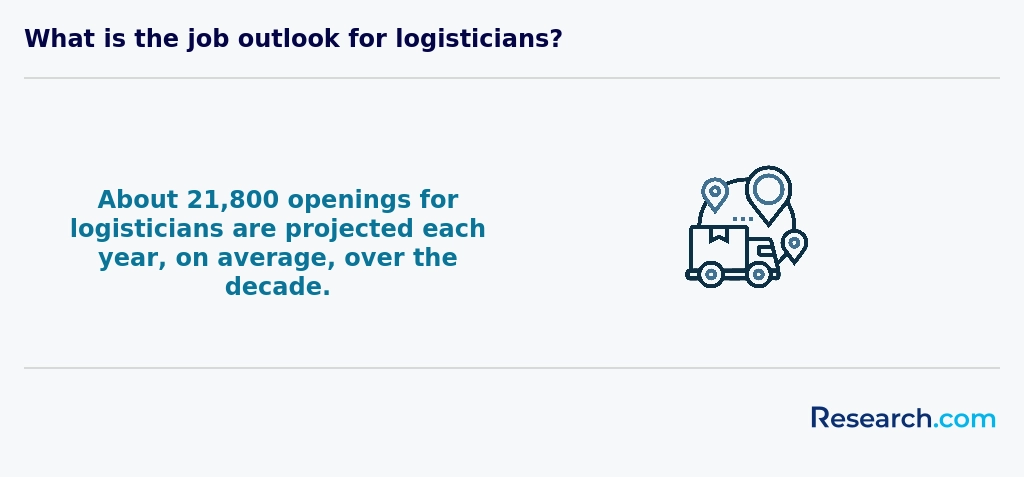
What is the job market for logistics degree in Rhode Island?
Graduates with a logistics degree in Rhode Island find a growing job market driven by the state's strategic location and thriving regional industries. Logistics degree employment opportunities Rhode Island revolve around sectors like healthcare, retail, and manufacturing, where roles such as supply chain coordinators and logistics managers are in steady demand. For example, graduates from local colleges often land positions managing inventory and optimizing delivery routes for manufacturing firms near the Port of Providence, benefiting from Rhode Island's importance as a New England logistics hub.
Entry-level salaries range from $50,000 to $65,000 annually, while experienced professionals can earn above $80,000, reflecting the state's competitive pay scale compared to national averages. The cost of obtaining a degree here varies, but the return on investment is promising given the expanding job market. Many graduates appreciate how their logistics education directly applies to real-world challenges in local businesses.
For those planning their future in logistics in Rhode Island, considering programs at prominent colleges and understanding the local market helps ensure a strong career path. Students researching degrees should also look into what majors make the most money out of college to align career goals with growth industries.
Rhode Island logistics career outlook 2027 remains positive, supported by the state's infrastructure improvements and increasing e-commerce needs, creating solid opportunities for aspiring logistics professionals.
Frequently Asked Questions About logistics
Logistics degree students in Rhode Island can enhance their learning by engaging with the state's strong maritime and manufacturing sectors. Rhode Island's strategic location in New England offers access to key ports, such as the Port of Providence, increasing opportunities for internships and hands-on experience.
Students should seek internships with local companies involved in shipping, warehousing, or supply chain management to gain practical skills during their studies. According to the Rhode Island Commerce Corporation, logistics and transportation jobs have grown by over 5% since 2020, showing a demand for skilled professionals.
Additionally, taking advantage of cooperative education programs and networking events hosted by regional industry associations can provide valuable contacts and industry insights.
The logistics field is evolving rapidly, offering new niches that appeal to students pursuing logistics degrees in Rhode Island. One emerging area is supply chain technology and automation, where professionals use AI and robotics to improve warehouse and distribution efficiency. According to the Rhode Island Commerce Corporation, automation adoption in local logistics firms has risen by 15% since 2020.
Another growing niche is sustainable logistics, focusing on reducing the environmental footprint of transportation and warehousing. With Rhode Island's emphasis on green initiatives, this niche is gaining support.
Additionally, e-commerce logistics continues to expand due to increasing online shopping trends, requiring skilled managers to optimize last-mile deliveries in urban areas like Providence.
After completing a logistics degree in Rhode Island, preparing for the job market involves combining academic knowledge with practical experience. Students should pursue internships or cooperative education opportunities with local industries such as manufacturing, shipping, or healthcare logistics. Rhode Island's strategic location near ports and major highways supports jobs in supply chain management, with companies like CVS Health and Hasbro emphasizing logistics roles.
Networking is essential; attending industry events and joining professional organizations like the Council of Supply Chain Management Professionals (CSCMP) can open doors to career opportunities. Additionally, earning certifications such as the Certified Supply Chain Professional (CSCP) enhances employability. The Rhode Island Department of Labor notes an expected 6% growth in logistics-related jobs through 2030, making skill development crucial.
Employers in Rhode Island value logistics degree graduates who demonstrate strong analytical and problem-solving abilities. These skills are essential for managing complex supply chains and optimizing operations efficiently. According to the Rhode Island Department of Labor and Training, proficiency in data analysis tools and software like Excel and enterprise resource planning (ERP) systems is increasingly sought after.
Communication skills are crucial as logistics professionals regularly coordinate between suppliers, clients, and transport teams. Attention to detail helps reduce costly errors in inventory management and shipping. Additionally, understanding regulatory compliance, including customs and transportation laws relevant to Rhode Island's port activities, is highly advantageous.
Leadership and team collaboration are also important, as many logistics roles require managing diverse workgroups and resolving operational challenges promptly. Rhode Island's logistics sector, influenced by ports such as Providence, demands adaptability and a strong grasp of local and national supply chain trends, making these skills vital for career success.
Finding internships in Rhode Island relevant to a logistics degree involves exploring opportunities with local companies and industry organizations. Logistics plays a crucial role in Rhode Island's economy, especially in sectors such as shipping, distribution, and manufacturing.
Students should start by contacting career services at local institutions like the University of Rhode Island, which maintains partnerships with regional employers. Additionally, Rhode Island's Strategic Transport sector, valued at over $5 billion annually according to the Rhode Island Department of Labor and Training, offers internship openings in ports, warehouses, and supply chain firms.
Online platforms such as Handshake and internships.com can list openings specific to Rhode Island's logistics field. Networking through professional groups like the Rhode Island Economic Development Corporation also helps connect with industry insiders.
A logistics degree in Rhode Island significantly enhances career mobility and advancement by equipping graduates with specialized skills. The state has a growing logistics sector, supported by its strategic location near major ports and highways. According to the U.S. Bureau of Labor Statistics, employment for logisticians in the New England region is expected to grow by 7% through 2031, reflecting steady demand.
Graduates often find opportunities in supply chain management, transportation, and inventory control within Rhode Island's expanding industries. Employers value graduates' understanding of distribution networks and technology integration, key for promotions and leadership roles. Higher education institutions in Rhode Island also collaborate with local businesses, facilitating valuable internships that boost practical experience and job placement.
Studying for a logistics degree in Rhode Island equips students with skills that cross multiple disciplines, essential for today's complex supply chains. Programs often integrate business management, information technology, and transportation principles to build a broad knowledge base. This interdisciplinary approach helps graduates adapt to roles requiring coordination between manufacturing, warehousing, and distribution.
Rhode Island's strategic location within the Northeast supply network allows students to engage with real-world logistics challenges, often through internships with local ports and distribution centers. According to the Rhode Island Commerce Corporation, the logistics sector employs over 13,000 workers statewide, illustrating strong job connections.
Additionally, coursework covers data analysis and project management, enabling students to solve efficiency and sustainability issues creatively. These combined skills prepare graduates for roles ranging from operations management to logistics consulting across various industries.
Choosing between a thesis and a non-thesis logistics degree program in Rhode Island depends on your career goals and learning preferences. A thesis program involves conducting original research, which can be beneficial if you aim to pursue a doctoral degree or a research-based role. It typically requires more time and strong analytical skills.
Non-thesis programs focus on coursework and practical skills, ideal for students targeting immediate employment in Rhode Island's logistics sector, which includes significant opportunities in transportation, warehousing, and supply chain management. According to the Rhode Island Department of Labor, logistics-related jobs are expected to grow steadily by 5% through 2030.
Consider academic interests, available faculty expertise, and your long-term plans when deciding. Most Rhode Island institutions offer advisors to help evaluate the best path for you.
Students based in Rhode Island seeking to study logistics abroad have several options through US higher education partnerships. Many universities in Rhode Island, including the University of Rhode Island, offer programs with exchange agreements or dual degrees involving institutions overseas. These collaborations allow students to gain international experience while earning credits toward their logistics degree.
Programs often focus on global supply chain management, reflecting logistics trends crucial for Rhode Island's economy, notably its shipping and manufacturing sectors. According to the Rhode Island Department of Labor and Training, logistics employment in the state is expected to grow by 6% through 2030, increasing demand for advanced global logistics skills.
Students interested in logistics abroad should explore study abroad programs approved by their home institution's academic advisors to ensure credit transfer and degree completion on schedule.
Students pursuing a logistics degree in Rhode Island can benefit from various part-time job opportunities that provide valuable practical experience. Roles such as warehouse associates, inventory clerks, and supply chain assistants are common and accessible in the state's growing distribution centers and manufacturing hubs.
Rhode Island's strategic location near major ports and transportation corridors offers internships and part-time work in freight handling and transportation planning. For instance, companies in the Providence metropolitan area frequently seek part-time help in logistics coordination, offering students hands-on exposure to real-world challenges.
According to the Bureau of Labor Statistics, positions related to logistics and material moving in Rhode Island have been projected to grow by 5% over the next decade, reinforcing the value of such practical roles for students. Taking such jobs not only enhances resumes but also helps develop critical skills aligned with the logistics curriculum.
Logistics students in Rhode Island benefit from a variety of networking opportunities that can enhance their career prospects. Local universities, such as the University of Rhode Island, often host industry events and career fairs focused on supply chain and logistics management. These events connect students with regional employers active in sectors like shipping, manufacturing, and distribution.
The state's proximity to major transportation hubs, including Providence and its port facilities, provides access to professional organizations like the Rhode Island Economic Development Corporation and the Council of Supply Chain Management Professionals (CSCMP) Rhode Island Roundtable, where students can join meetings and workshops.
Internships and cooperative education programs with local companies are widely available, allowing students to build contacts in the logistics field. According to the Rhode Island Department of Labor and Training, logistics-related employment in the state is expected to grow by 7% over the next decade, increasing demand for well-connected graduates.
Alumni networks play a significant role in supporting logistics degree students in Rhode Island by offering valuable career connections and industry insights. Graduates from Rhode Island institutions often join these networks, which help current students access job opportunities in a state where logistics and transportation sectors contribute notably to the economy. According to the Rhode Island Department of Labor and Training, the logistics field is growing steadily, making professional relationships key for employment.
Alumni can provide mentorship, advice on navigating the local job market, and referrals to companies involved in shipping, warehousing, and supply chain management. Networking events and online platforms maintained by alumni associations enhance students' chances of successful internships and positions after graduation.
In Rhode Island, customizing your logistics degree to align with career goals involves selecting electives and concentrations that match industry needs. Many institutions offer courses in supply chain management, transportation, and inventory control, allowing you to focus on areas like maritime logistics, which is significant given Rhode Island's strong port activities.
Internships and cooperative education programs with local companies enhance practical experience. For example, Providence and Port of Quonset Bay provide opportunities tied to maritime and distribution sectors.
Advisors can help tailor your curriculum by integrating business, technology, and data analytics courses, crucial for modern logistics roles. According to the Rhode Island Department of Labor, logistics employment is expected to grow 8% by 2030, supporting varied career pathways.
Logistics students in Rhode Island often face the challenge of limited local internship opportunities due to the state's smaller industrial base compared to larger states. While Providence and surrounding areas host several warehouses and distribution centers, the scale is relatively modest, which can restrict practical, hands-on experience essential for job readiness. According to the Rhode Island Department of Labor and Training, logistics employers in the state often seek candidates with broad tech skills, adding pressure on students to master advanced supply chain software alongside core concepts.
Additionally, the competitive nature of the supply chain job market requires students to develop both analytical and soft skills, such as communication and problem-solving. Balancing rigorous coursework with these development demands adds to student stress. Furthermore, fluctuating national trade policies can create uncertainty in logistics education focus areas.
With a logistics degree in Rhode Island, graduates can enhance their career prospects by pursuing several professional certifications. Among the most recognized are the Certified Supply Chain Professional (CSCP) and Certified in Logistics, Transportation and Distribution (CLTD), both offered by APICS. These certifications validate expertise in supply chain and logistics management, which are crucial in Rhode Island's growing transportation sector.
Additionally, the Council of Supply Chain Management Professionals (CSCMP) offers the SCPro certification, emphasizing strategic supply chain skills. Rhode Island's proximity to major ports and distribution centers increases demand for such credentials.
Pursuing these certifications can lead to higher earning potential and better job opportunities across industries like manufacturing, warehousing, and retail, which are significant employers in the state.
To write a winning application for a logistics program in Rhode Island, start by understanding the state's unique industry landscape. Rhode Island's strategic location in New England and its ports, such as the Port of Providence, support a growing logistics sector. Admissions committees value applicants who demonstrate knowledge of local supply chain challenges and opportunities.
Highlight relevant experience or coursework in transportation, supply chain management, or operations. Use clear examples to show problem-solving skills and teamwork, crucial for logistics roles. According to the Rhode Island Commerce Corporation, logistics employment is projected to grow steadily, increasing the demand for qualified graduates.
Make sure to customize your personal statement to reflect how attending a program in Rhode Island aligns with your career goals in the regional logistics industry. Also, maintain a strong academic record, especially in math and business-related subjects, which are key for success in these programs.
The logistics field is increasingly viewed through a global lens, reflecting the interconnected nature of supply chains today. For students in Rhode Island considering a logistics degree, understanding international trends is crucial. Globally, companies seek professionals skilled in managing complex distribution channels that span continents.
U.S. logistics hubs, including those near Rhode Island's ports and transportation networks, contribute to a $1.9 trillion industry, according to the Council of Supply Chain Management Professionals (CSCMP) 2023 report. Demand for logistics experts with global insight is rising, as 79% of firms need supply chain professionals adept in cross-border issues.
Studying logistics in Rhode Island offers a chance to engage with regional businesses that participate in global commerce, preparing students for careers that extend beyond U.S. borders.
Gaining practical experience while studying for a logistics degree in Rhode Island is vital for career readiness. Many regional institutions partner with local companies in transportation, warehousing, and supply chain sectors to offer internships. For example, the Port of Providence, a key distribution hub, provides opportunities for hands-on learning in freight and inventory management.
Additionally, co-op programs combining classroom study with paid work experiences allow students to build professional networks. Participating in case competitions or student-led logistics clubs can also develop problem-solving skills.
According to the Rhode Island Department of Labor and Training, internships in logistics-related fields have grown by 12% since 2020, reflecting increasing industry demand.
Choosing the right concentration within a logistics degree program in Rhode Island involves considering local industry demands and personal career goals. The state's growing manufacturing and shipping sectors emphasize supply chain optimization and transportation management, making these popular concentrations. According to the Rhode Island Department of Labor and Training, logistics-related jobs are expected to grow by 8% through 2030, highlighting opportunities in warehouse management and freight coordination.
Students should evaluate programs based on course offerings that align with these growth areas. Researching internships or partnerships with local firms can also provide practical experience.
Related Logistics Rankings for Nearby States
- 2027 Most Valuable Logistics Degree Programs Ranking in New York
- 2027 Most Valuable Logistics Degree Programs Ranking in New Jersey
- 2027 Most Valuable Logistics Degree Programs Ranking in Pennsylvania
- 2027 Most Valuable Logistics Degree Programs Ranking in Ohio
- 2027 Most Valuable Logistics Degree Programs Ranking in West Virginia
- 2027 Most Valuable Logistics Degree Programs Ranking in South Carolina
- 2027 Most Valuable Logistics Degree Programs Ranking in Tennessee
- 2027 Most Valuable Logistics Degree Programs Ranking in Michigan
- 2027 Most Valuable Logistics Degree Programs Ranking in Georgia
- 2027 Most Valuable Logistics Degree Programs Ranking in Illinois
Top Trending Logistics Rankings
References
- Logistics Manager Certifications: Best Credentials to Advance Your Career | Teal https://www.tealhq.com/career-paths/logistics-manager-certifications
- Explore More https://aast.edu/en/colleges/citl/alex/dept/contenttemp.php
- CA25 - Supply Chain & Logistics https://www.pgcareers.com/pl/en/supply-chain-logistics
- Logistics challenges and overcoming them - Mecalux.com https://www.mecalux.com/blog/logistics-challenges
- Global Logistics: The Top 5 Emerging Markets You Shouldn’t Ignore - Global 3PL Network https://www.global3plnetwork.com/global-logistics-the-top-5-emerging-markets-you-shouldnt-ignore/
- Trends Driving Growth in Logistics and Supply Chain Roles https://www.jusdaglobal.com/en/article/trends-in-logistics-occupations-careers/
- Advance Your Career in Logistics and Supply Chain Management | CCU Online https://www.ccu.edu/blogs/cags/category/business/advance-your-career-in-logistics-and-supply-chain-management/
- Supply Chain and Logistics | EICC https://eicc.edu/classes-programs/pathway/business/supply-chain-logistics/default.aspx
- Continuing Education in Global Logistics: A Powerful Catalyst for Career Growth https://gofreightpath.com/continuing-education-in-global-logistics-a-powerful-catalyst-for-career-growth/
- Networking Strategies for the Logistics Industry | DF Alliance https://www.df-alliance.com/blog/your-guide-to-networking-in-the-logistics-industry-9-proven-strategies-from-dfa


