
2027 Most Affordable Logistics Degree Programs Ranking in the Northeast

Co-Founder and Chief Data Scientist
Exploring logistics as a career path can open doors to many exciting opportunities, especially for students in the Northeast. Finding an affordable and reputable program is key to starting strong.
This article features the 2027 Most Affordable Logistics Degree Programs Ranking in the Northeast, developed by the Research.com team of data scientists. It aims to guide you in making informed decisions about which programs offer the best value and education.
By reading this, you'll gain clarity on quality options that fit your budget and goals, helping you pursue a rewarding logistics career with confidence.
Key benefits of getting logistics degree in the Northeast
- Logistics degree graduates in the Northeast can earn competitive salaries, with positions like Logistics Coordinator and Logistics Specialist offering mean annual wages around $84,640, while Supply Chain Coordinator and Transportation Planner roles average about $46,690.
- A graduate from a popular Northeast university might explore diverse career paths such as customs brokerage, transportation planning, or supply chain management, providing flexibility and growth in regional industries.
- Online logistics degrees from reputable Northeastern schools offer convenience and the ability to balance work and study, helping students quickly apply skills in real-world settings and advance their careers without disrupting their lives.
- Key benefits of getting logistics degree in the Northeast
- What can I expect from logistics degree in the Northeast?
- Where can I work with logistics degree in the Northeast?
- How much can I make with logistics degree in the Northeast?
- 2027 Most Affordable Logistics Degree Programs Ranking in the Northeast
- Key Findings
- How long does it take to complete logistics degree in the Northeast?
- What's the difference between online and on-campus logistics degree?
- What is the average cost of logistics degree in the Northeast?
- Return on Investment for Logistics Degrees in the Northeast
- What financial aid is available to logistics degree students in the Northeast?
- What are the prerequisites for enrolling in logistics degree program in the Northeast?
- Industry Trends and Emerging Technologies in Logistics
- What courses are typically in logistics degree programs in the Northeast?
- What types of specializations are available in logistics degree programs in the Northeast?
- How do you choose the best logistics degree in the Northeast?
- What career paths are available for logistics degree students in the Northeast?
- What is the job market for logistics degree in the Northeast?
- Top Trending Logistics Rankings
What can I expect from logistics degree in the Northeast?
The average cost of a logistics degree in the Northeast can vary significantly, often reflecting the type of institution and residency status. Graduates from public universities like the University of Massachusetts Amherst or Penn State report feeling financially relieved by lower in-state tuition rates, which make pursuing a logistics degree more accessible. This contrasts with private schools, where higher tuition often correlates with broader networks and comprehensive career support, factors many students appreciate despite the cost.
Some students recall budgeting carefully while taking internships near busy ports such as New York or New Jersey, where hands-on learning enhances their educational experience but sometimes adds living expenses. These real-world opportunities frequently justify the investment, as graduates often find themselves well-prepared for urban logistics careers in cities like Boston and Philadelphia.
It's important for prospective students to weigh tuition against these practical benefits, considering how program reputation, regional industry connections, and financial aid options can shape overall value. While costs may seem daunting initially, many find the blend of affordable public options and enriched private programs offers a range of choices suited to diverse needs and goals.
Where can I work with logistics degree in the Northeast?
Graduates holding logistics degrees from well-regarded institutions like Penn State or Rutgers often find themselves drawn to diverse career paths throughout the Northeast. Many have reported starting their careers in bustling port cities such as New York and New Jersey, where the complexity of managing cargo, customs, and shipping operations offers both challenge and excitement. These roles demand sharp analytical skills and adaptability, qualities emphasized in classroom simulations and internships at these universities.
Others have secured positions with third-party logistics providers in metropolitan hubs like Boston and Philadelphia, where hands-on experience with freight forwarding and inventory systems translates directly into workplace confidence and satisfaction. Students from Northeastern University, for example, frequently cite real-world project collaborations with these firms as key to their smooth transition into operational roles.
Manufacturing centers in Pennsylvania and Connecticut provide another pathway, appealing to graduates seeking steady demand and above-average wages. Here, logistics knowledge supports industries producing electronics and machinery, where managing supply chains can feel like orchestrating a complex symphony.
Meanwhile, some alumni pursue public sector logistics roles addressing emergency management or transit planning, finding personal fulfillment in contributing to community resilience in states like Massachusetts or New Jersey. These examples highlight how Northeast-based logistics graduates can leverage specialized regional opportunities to build rewarding, dynamic careers.
How much can I make with logistics degree in the Northeast?
Graduates with logistics degrees in the Northeast often find salaries reflecting the region's robust commercial activity and dense transportation networks. For instance, logistics specialists and coordinators, common roles for new graduates, have mean annual wages around $84,640 according to recent data. Entry-level graduates from institutions like Penn State or Rutgers sometimes start near $55,000-$65,000 but see substantial growth with experience, aligning well with these averages.
Conversely, roles such as transportation planners and supply chain coordinators report lower mean wages, near $46,690 annually, reminding graduates that specific job choice heavily impacts earnings. Customs brokers earn about $63,130 on average, demonstrating that specialized certifications and industry sectors in the Northeast-such as pharmaceuticals or port operations-can lift salary potential.
Graduates recount that internships with New York-Newark companies often lead to offers closer to or above these benchmarks, emphasizing how regional opportunities influence income. While promising, prospective students should weigh that salary also depends on educational advancements, certifications, and local demand fluctuations in dynamic Northeastern markets.
2027 Most Affordable Logistics Degree Programs Ranking in the Northeast
How do we rank schools?
Investing in your education is a significant decision that can shape your future, and the Research.com team understands the importance of making informed choices. To assist prospective students in the Northeast, we have meticulously crafted the "2027 Most Affordable Logistics Degree Programs Ranking in the Northeast." Our commitment to quality, credibility, and accuracy is reflected in the extensive research and analysis conducted to compile this ranking.
We utilized the following reputable data sources to ensure a comprehensive evaluation of logistics programs:
By exploring this ranking, readers will gain valuable insights into the most affordable and credible logistics degree programs available in the Northeast, enabling them to make well-informed decisions about their educational paths. For more details on our methodology, please visit our Research.com methodology page.
# 1 position
Grove City College
B.S. in Supply Chain Management


# 4 position
State University of New York at Plattsburgh
Bachelor of Science in Global Supply Chain Management



# 7 position
New Jersey City University
Bachelor of Science in Logistics and Maritime Port Management


# 14 position
Niagara University
Master of Science in Logistics


Key Findings
- Tuition for logistics bachelor's degrees in the Northeast ranges from $10,000 to $22,000 per year for in-state students and $25,000 to $40,000 for out-of-state students at public universities.
- Private universities typically charge between $40,000 and $55,000 annually for logistics programs.
- Employment in transportation, warehousing, and logistics occupations in the Northeast is projected to grow by about 5% over the next decade.
- Starting salaries for logistics graduates usually fall between $50,000 and $60,000, while mid-career professionals earn $70,000 to $90,000 annually.
- Senior logistics roles can pay more than $100,000, especially in major cities like New York, Boston, and Philadelphia.
- Many Northeast universities offer combined logistics and business or engineering programs with strong industry partnerships for internships and cooperative education.
How long does it take to complete logistics degree in the Northeast?
Completing a logistics degree in the Northeast typically takes around four years for full-time bachelor's students, mirroring the standard undergraduate timeline across the region's well-known institutions such as those in Boston or New York City. Graduates often recall balancing rigorous coursework with valuable internships, which, while sometimes extending the total duration slightly, greatly enhance job readiness.
For those entering with prior credits or an associate degree, accelerated programs offer a faster route, often finishing within two to three years. This flexibility appeals to working adults juggling jobs and studies in urban centers who appreciate how programs at schools like Rutgers or Northeastern make practical learning accessible without long delays.
Part-time enrollment, common among professionals in the Northeast's busy metropolitan areas, can extend completion to six years or more, highlighting the real challenge of balancing life responsibilities. Graduate logistics degrees generally take one to two years full-time, yet part-time or online choices stretch from three to four years, serving those who value steady progress over speed.
These timeframes reflect a dynamic educational landscape where students weigh accelerated careers against enriching experiences, demonstrating the Northeast's commitment to thoughtful, adaptable learning paths.
What's the difference between online and on-campus logistics degree?
Online logistics degrees in the Northeast offer flexibility that suits working adults or those managing family commitments, allowing students to study at their own pace. Graduates from programs at universities like Pennsylvania State often praise the ability to balance coursework with job responsibilities without sacrificing learning quality. However, some note the challenge of limited spontaneous interaction compared to on-campus experiences.
Conversely, students attending on-campus programs at schools such as the University of Massachusetts Amherst appreciate structured schedules and face-to-face networking. These environments provide access to supply chain labs and internship opportunities through campus career centers, which graduates often describe as invaluable for professional growth and local industry connections.
Both formats emphasize a strong curriculum, but on-campus settings may facilitate more immediate collaboration and relationship building, which employers in the Northeast's logistics hub tend to value. Ultimately, online programs leverage digital tools to simulate teamwork, yet the in-person dynamics seen on campuses remain a key factor for some students seeking immersive experiences.
What is the average cost of logistics degree in the Northeast?
The average cost of a logistics degree in the Northeast varies widely based on residency and institution type, but data suggests a median total cost around $56,902 for out-of-state students, while in-state students often face a median of approximately $21,813. Graduates from well-known universities in the region frequently share how these costs influenced their educational choices, balancing aspirations with financial reality. For example, attending a public university in the Northeast as an in-state student offers a more affordable path, with tuition closer to the $11,000-$13,000 annual range, which helps reduce overall debt without compromising program quality.
Conversely, private colleges, popular for their specialized logistics offerings, typically cost significantly more, sometimes over $35,000 yearly, which can feel daunting but often comes with enhanced resources and networking opportunities that students appreciate. Those pursuing more budget-friendly options might begin with an associate degree in logistics at local community colleges, which averages about $4,000-$6,000 annually, before transferring to a four-year university. Many students find this approach practical and emotionally rewarding, as it allows for manageable expenses while steadily advancing their careers.
Other expenses such as textbooks, lab fees, and commuting, common for logistics students in the Northeast, add to the total financial commitment. Scholarships and financial aid remain vital for offsetting these costs, and prospective students are encouraged to explore aid packages carefully. Additionally, students considering affordable logistics degree programs Northeast 2027 should explore options like the associate degree in logistics as a viable stepping stone toward a bachelor's degree.
Return on Investment for Logistics Degrees in the Northeast
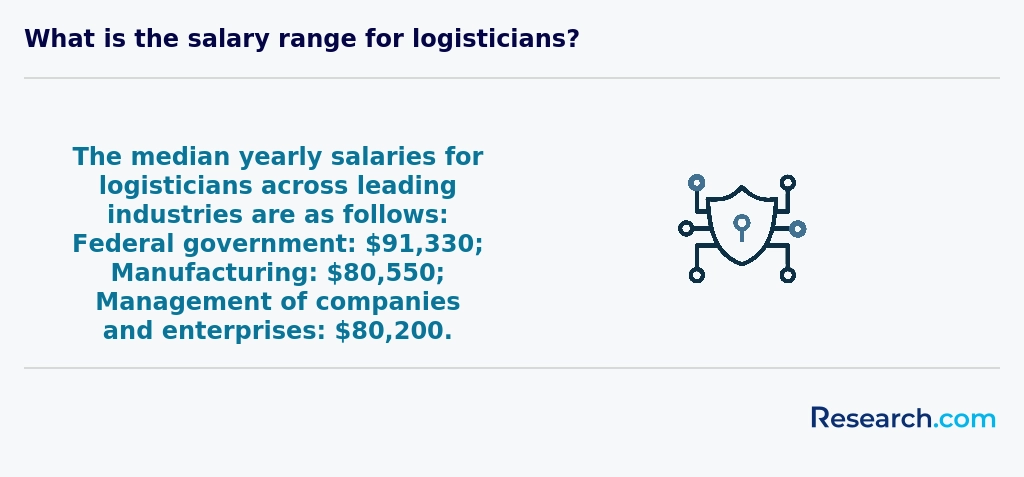
Investing in a logistics degree demands careful consideration of both upfront costs and long-term earnings potential. On average, in-state tuition for public universities in the Northeast ranges from $10,000 to $30,000 per year, while out-of-state and private institutions may charge $20,000 to $50,000 annually. When compared against the median annual wage for logisticians-approximately $77,030 nationally and often higher in metropolitan hubs like Boston or New York-the payback period for a bachelor’s degree typically spans three to five years post-graduation. Factoring in financial aid, scholarships, and work-study earnings can further shorten this timeline. For students seeking cost-effective alternatives, accredited online programs provide comparable ROI with lower tuition and flexible schedules. Prospective applicants should explore the latest rankings, such as the 2025 Most Cheapest Online Bachelor's in Logistics Degree Programs Ranking in Lebanon, IL, to identify high-quality yet affordable options. Online learning not only reduces living expenses but also allows employed learners to maintain income streams while completing coursework, accelerating debt repayment and enhancing net returns. Beyond salary, ROI also encompasses career growth and professional development. Graduates who pursue specialized certifications-like the Certified Supply Chain Professional (CSCP)-often see salary increases of 10% to 15% within two years. Additionally, internship experience secured through co-op programs or partnerships with logistics firms can lead to full-time offers, effectively subsidizing education costs. By evaluating tuition, potential earnings, and professional milestones, students can make data-driven decisions that maximize both financial and career rewards in logistics.
What financial aid is available to logistics degree students in the Northeast?
Students pursuing logistics degrees in the Northeast often rely on a combination of federal, state, and institutional aid to manage tuition, which can be substantial at schools like the University of Pennsylvania and Northeastern University. Federal aid through FAFSA unlocks Pell Grants that offer up to $7,395 annually without repayment, which recent graduates found essential for easing financial pressure. Federal Direct Loans, both subsidized and unsubsidized, complement grants by covering gaps in funding, though loans add future repayment responsibilities that require careful consideration.
State grants like New York's TAP program provide significant support-up to $5,665 annually-for in-state students at institutions such as SUNY campuses, making these options particularly appealing to local residents. Merit scholarships at universities with strong logistics programs reward academic performance, sometimes covering partial or full tuition, which encourages students to maintain high standards.
Additionally, graduates often recall that private scholarships from groups like the Council of Supply Chain Management Professionals not only offered financial relief but also connected them with industry networks. Work-study roles linked to their studies helped many balance earning with gaining practical experience, reinforcing a sense of accomplishment.
What are the prerequisites for enrolling in logistics degree program in the Northeast?
Enrolling in a logistics degree program in the Northeast commonly requires at least a high school diploma or equivalent, reflecting a baseline academic readiness. Graduates from well-known institutions in the region recall the importance of strong math and economics backgrounds, which equipped them to handle the analytical challenges logistics presents. Some campuses also emphasize a minimum GPA around 2.5 to 3.0, acknowledging that academic consistency supports success in demanding coursework.
While certain schools still request SAT or ACT scores, many have embraced test-optional policies, allowing candidates to highlight practical experiences instead. For example, students with associate degrees or industry experience often find accelerated pathways appealing, offering both savings and a smoother transition into four-year programs common in the Northeast.
Admissions committees frequently ask for letters of recommendation and personal statements to better understand applicants' aspirations. Considering one graduate's experience, crafting a focused statement on career goals in supply chain management made the application stand out among peers competing for limited spots.
Additionally, prerequisites for advanced courses often include basics like statistics or accounting, underscoring the blend of theory and practice essential for this field. Prospective students navigating popular Northeast colleges benefit from recognizing how these requirements prepare them for real-world logistics challenges.

Industry Trends and Emerging Technologies in Logistics
The logistics industry is undergoing a rapid transformation driven by digital innovation and sustainability initiatives. Graduates who understand trends like artificial intelligence (AI), the Internet of Things (IoT), and blockchain are highly sought after, as these technologies streamline supply chains and reduce operational costs. For example, AI-powered demand forecasting tools can predict inventory needs with up to 95% accuracy, while IoT-enabled sensors provide real-time visibility into shipment conditions, minimizing delays and losses. Blockchain is another game-changer, offering tamper-proof transaction records that boost transparency across international supply chains. Sustainable logistics practices-such as electric vehicle fleets and carbon-neutral warehouses-are also gaining traction, with many companies pledging to cut greenhouse gas emissions by 50% by 2030. Understanding these developments is crucial whether you’re pursuing a bachelor’s program or even an associate degree in logistics, as courses increasingly integrate hands-on labs featuring digital twins and logistics simulation software. Academic programs in the Northeast are responding by offering specialized modules in: • AI and Machine Learning Applications: Use case studies to optimize routing and warehouse automation. • IoT and Sensor Networks: Monitor cargo conditions and fleet performance in real time. • Blockchain for Supply Chain Security: Implement distributed ledger projects in classroom settings. • Green Logistics Strategies: Develop sustainability plans to meet corporate social responsibility goals. By staying ahead of these trends, graduates can position themselves as innovators who drive efficiency, resilience, and environmental stewardship in a competitive global market.
What courses are typically in logistics degree programs in the Northeast?
Logistics degree programs in the Northeast typically include courses that blend theory with practical application, reflecting the region's status as a major logistics hub. Graduates from well-known universities often mention core classes like Supply Chain Management Fundamentals, where they learn to optimize procurement and inventory, directly relating to port operations in New York and New Jersey. Transportation Management courses frequently engage students with real-world challenges of selecting modes and routing shipments through congested urban areas.
Warehouse and Distribution Center Management is another common course that students find valuable when visualizing the layout and efficiency of major regional fulfillment centers. For example, alumni recall project work involving logistics software studied in Logistics Information Systems, which is essential for tracking shipments from docks to doorsteps. These experiences create positive anticipation as students see their coursework mirrored in local industry practices.
Some students also appreciate electives like Global Logistics and International Trade, which clarify cross-border complexities essential to Northeast ports. This focus highlights a practical dimension often absent in generic programs, making their education feel immediately relevant and motivating.
What types of specializations are available in logistics degree programs in the Northeast?
Logistics degree specializations Northeast students often choose reflect the region's dynamic supply chain landscape. Among these, Supply Chain Management stands out, emphasizing strategic planning and relationships with suppliers. Graduates from universities in cities like Philadelphia talk about the satisfaction of directly impacting inventory control and distribution efficiency, highlighting real-world challenges at ports and warehouses nearby.
Northeast logistics program concentration options also typically include Transportation and Distribution, focusing on multimodal freight movement. Students at colleges near the Port of New York and New Jersey describe hands-on learning experiences that enhance their understanding of complex regional transportation infrastructures. This specialization prepares them for careers managing trucking, rail, air, or ocean freight operations.
Technology-savvy graduates appreciate the Logistics Technology and Analytics track, which equips them with skills in data analysis and software tools. Such expertise has been pivotal for students navigating rapidly evolving logistics environments. To explore cost-effective options aligned with your specialization interests, consider reviewing the 2025 Most Cheapest Online Bachelor's in Logistics Degree Programs Ranking in Lebanon, IL.
How do you choose the best logistics degree in the Northeast?
Choosing the best affordable logistics degree programs Northeast means balancing curriculum depth, accreditation, cost, and industry connections carefully. Graduates from well-known universities in the region often reflect on how hands-on experiences, like internships with New York's major distribution centers, enriched their understanding far beyond textbooks. While some programs emphasize theory, others prioritize practical skills in supply chain analytics and transportation management, so reviewing course offerings critically is essential.
Many students find that accreditation by bodies such as AACSB signals a higher standard, which positively influences hiring prospects, though some strong programs without these credentials still offer valuable local industry ties in Pennsylvania or New Jersey. Given the high tuition rates in Northeast colleges, it's wise to explore options at state schools or community colleges that provide quality education paired with financial aid. For those seeking a cost-effective path, the best accelerated associate degree routes may also be viable.
Finally, leveraging local industry connections can transform learning into opportunity. Logistics programs linked with organizations like CSCMP provide access to internships and networking that graduates consistently praise for jumpstarting their careers. Reflecting on their experiences, many recommend prioritizing practical exposure alongside academic rigor when selecting top logistics colleges with lowest tuition Northeast.

What career paths are available for logistics degree students in the Northeast?
Graduates with logistics degrees in the Northeast often find diverse career paths shaped by the region's complex economy and dense urban centers. A popular route is becoming a Logistics Manager, especially near major hubs like the Port of New York and New Jersey, where coordinating imports and exports is critical. Many graduates from prominent universities report gaining valuable hands-on experience through internships at such logistics centers, reinforcing their career readiness.
Another evolving path involves Supply Chain Analyst roles, utilizing data to enhance efficiency and cut costs. Northeast institutions emphasize applied analytics in their curricula, aligning with the projected 27% national growth in supply chain jobs. Some graduates from these programs highlight the excitement and challenges of optimizing delivery timelines in rapidly changing markets.
Transportation Planners, dealing with urban traffic and infrastructure, provide another option, particularly relevant in cities like Boston and Philadelphia. Graduates often engage with real-world projects, appreciating the impact of their work on daily commuting and freight movement.
For those interested in hands-on operational leadership, roles such as Warehouse Operations Managers are abundant. Growth in e-commerce fulfillment centers, especially with Amazon's regional expansion, creates opportunities documented by students who valued learning about scalable inventory management during their studies.
Government positions, including Military Logistics Officers and disaster relief coordinators, also appeal to some logistics degree holders seeking public service. Considering the cost of logistics education in the Northeast, potential students weighing career return on investment might explore quickest certifications to get that pay well alongside their degree programs.
What is the job market for logistics degree in the Northeast?
The job market for logistics degree holders in the Northeast remains strong, fueled by the region's dense urban centers and critical transportation infrastructure. Graduates from popular programs at universities like those in New Jersey or Massachusetts often find diverse roles in logistics analysis, supply chain coordination, and operations planning, reflecting the practical skills emphasized in their curricula. Many graduates share positive experiences about internships that connect them directly with prominent e-commerce and pharmaceutical companies, key sectors driving growth. This aligns well with the logistics degree job outlook Northeast, where the demand for skilled professionals is particularly high.
Entry-level salaries in the region commonly start around $50,000, increasing with experience and certifications to about $76,000 or more. Costs of education vary; students often weigh these figures against potential earnings, with public institutions offering more affordable tuition options. Those interested in cost-effective pathways might explore the cheapest online associate degree programs in logistics to gain foundational skills before pursuing advanced degrees.
Networking events, internships, and certification opportunities available in metropolitan hubs provide real-world experience that many graduates find invaluable for career opportunities for logistics graduates Northeast. This holistic approach to education and professional engagement helps ensure that skills match market needs in one of the nation's most dynamic logistics job markets.
Frequently Asked Questions About logistics
Logistics degree students in the Northeast can maximize their learning by engaging with both academic and practical experiences. Many universities in this region offer strong connections to major ports, such as the Port of New York and New Jersey, providing valuable internship opportunities. According to the U.S. Bureau of Labor Statistics, the Northeast hosts a high concentration of logistics and supply chain companies, enabling students to network and gain real-world insights.
Joining professional associations like the Council of Supply Chain Management Professionals (CSCMP) chapters nearby helps students access workshops and mentorships. Combining classroom theory with hands-on projects and regional industry partnerships enhances understanding and employability in this competitive field.
The logistics field in the Northeast is evolving rapidly, creating new niches for students pursuing logistics degrees. One emerging area is e-commerce fulfillment, driven by the region's dense population and growing online shopping trends. According to a 2023 report by the Northeast Supply Chain Council, nearly 40% of logistics firms here have expanded into this sector.
Another key niche is sustainable logistics, where companies focus on reducing carbon footprints and implementing green supply chain practices. The Northeast's commitment to environmental policies has accelerated growth in this area.
Cold chain logistics is also expanding, especially with pharmaceutical and food industries increasing demand for temperature-controlled transportation and storage.
After completing a logistics degree in the Northeast, graduates should focus on gaining practical experience and building professional networks. Internships with major regional firms-such as those in New York or Massachusetts-offer valuable hands-on learning. The Bureau of Labor Statistics notes that the Northeast has a higher concentration of logistics hubs, increasing job opportunities in supply chain management and transportation.
Joining industry organizations like the Council of Supply Chain Management Professionals (CSCMP) can connect new graduates with mentors and job openings. Additionally, obtaining certifications such as the Certified Supply Chain Professional (CSCP) can improve employability. Staying informed about regional trends, including port activity and e-commerce growth, helps graduates tailor their skills to in-demand roles.
Employers in the Northeast prioritize several key skills when hiring logistics degree graduates. Strong analytical abilities are crucial, as logistics professionals must manage complex supply chains and optimize operations. According to the U.S. Bureau of Labor Statistics, problem-solving skills rank among the top competencies in this field nationwide, including the Northeast.
Communication is equally vital, with firms seeking graduates who can clearly coordinate between suppliers, customers, and internal teams. Additionally, proficiency in logistics software and data analysis tools, such as ERP systems, is increasingly important due to growing reliance on technology in supply chain management.
Knowledge of regional transportation regulations and sustainability practices is another valued asset in the Northeast, where environmental standards are evolving rapidly. Overall, adaptability combined with strong organizational skills prepares graduates to meet employer demands in the dynamic logistics sector.
Finding internships in the Northeast relevant to a logistics degree starts with researching companies that have strong supply chain operations in the region. The Northeast is home to major logistics hubs including ports like New York and New Jersey, which handle over 30% of U.S. container traffic according to the Port Authority of New York and New Jersey. Targeting firms in transportation, warehousing, and distribution can increase internship opportunities.
Students should utilize university career centers, many of which maintain partnerships with local employers offering internships. Professional organizations like the Council of Supply Chain Management Professionals (CSCMP) also provide networking events and internship listings tailored to logistics students.
Online platforms such as Handshake and LinkedIn can help identify internships with firms based in the Northeast states, including Massachusetts, Pennsylvania, and Connecticut-states with growing logistics sectors per U.S. Bureau of Labor Statistics data. Applying early and tailoring resumes to emphasize coursework and relevant skills boosts chances of selection.
A logistics degree significantly enhances career mobility and advancement opportunities in the Northeast. The region is a major hub for transportation, warehousing, and supply chain management, with Boston, New York, and Philadelphia hosting numerous companies requiring skilled logistics professionals. According to the U.S. Bureau of Labor Statistics, the Northeast saw a 6% growth in logistics-related jobs from 2019 to 2023, outpacing the national average.
Graduates with logistics degrees can access diverse roles, including supply chain analyst, operations manager, and transportation coordinator. Many employers prioritize candidates with formal education due to the complex analytical and technological skills required.
Additionally, several Northeastern universities have partnerships with local industries, facilitating internships and networking, which are crucial for career advancement in this competitive market.
Studying for a logistics degree in the Northeast equips students with interdisciplinary skills by combining supply chain management, technology, and business principles. Northeastern universities often integrate courses in data analytics, transportation economics, and information systems, reflecting the region's diverse industrial base.
Many programs emphasize collaboration with industries such as manufacturing, retail, and ports like the Port of New York and New Jersey, the busiest on the East Coast. This real-world exposure allows students to apply theory across multiple fields. According to the U.S. Bureau of Labor Statistics, the Northeast logistics sector employed over 350,000 workers in 2023, highlighting strong regional demand for versatile professionals.
Additionally, interdisciplinary teamwork and communication are foundational in these programs, preparing graduates for roles requiring coordination across departments such as procurement, operations, and IT. The integration of sustainability and regulatory frameworks also broadens student expertise relevant to contemporary logistics challenges.
Choosing between a thesis and a non-thesis logistics degree program in the Northeast depends on your career goals and learning preferences. Thesis programs typically suit students interested in research or pursuing a PhD, as they emphasize critical thinking and original contributions to logistics knowledge.
Non-thesis options focus more on practical skills and coursework, ideal for professionals aiming to enter or advance within the logistics industry quickly. According to the National Center for Education Statistics, about 60% of graduate students in logistics-related fields opt for non-thesis tracks.
The Northeast's logistics sector, which includes major hubs like New York and New Jersey, values applied skills and industry experience-often aligned with non-thesis curricula. However, academic institutions such as Rutgers University offer strong thesis programs, balancing research and practice.
Ultimately, consider program flexibility, faculty expertise, and alignment with your long-term plans when making your choice.
Students in the Northeast interested in studying logistics abroad have several opportunities through US institutions offering exchange programs and dual degrees. Many universities partner with European schools renowned for supply chain management, such as those in the Netherlands and Germany. These partnerships allow students to gain international experience while earning credits toward their degree.
According to the National Center for Education Statistics, about 25% of Northeast colleges with logistics programs offer study abroad options, often lasting one semester or a summer. Programs typically focus on global supply chain strategies, international transportation, and logistics technology.
Additionally, organizations like the Council of Supply Chain Management Professionals provide guidance and scholarships to support overseas study. Students should explore institutional websites and consult advisors early to plan these valuable international experiences.
Students pursuing logistics degrees in the Northeast can benefit from numerous part-time job opportunities that complement their academic studies. Positions such as warehouse assistants, inventory clerks, and supply chain coordinators provide practical experience aligned with logistics concepts. These roles often exist in the region's robust distribution centers and ports, including facilities around the Port of New York and New Jersey, the largest on the East Coast.
According to the U.S. Bureau of Labor Statistics, the Northeast has a growing demand for logistics professionals, with part-time roles serving as a gateway to full-time employment. Additionally, internships or part-time work with transportation companies, retail chains, or manufacturing firms provide hands-on knowledge in freight management, route planning, and procurement processes.
Such opportunities not only enhance resumes but also build networks within the industry, crucial for post-graduation placement in this competitive job market.
Logistics students in the Northeast benefit from extensive networking opportunities due to the region's dense concentration of transportation hubs and supply chain companies. Major metropolitan areas like New York City, Boston, and Philadelphia host numerous industry conferences and job fairs annually, connecting students with top employers. The Northeast also features active chapters of professional organizations such as the Council of Supply Chain Management Professionals (CSCMP) and the Institute for Supply Management (ISM).
Many universities partner with local businesses to offer internships and cooperative education programs, giving students practical experience and professional contacts. According to the Bureau of Labor Statistics, the Northeast employs over 15% of the nation's logistics professionals, further increasing networking chances in this region.
Alumni networks offer significant advantages to logistics degree students in the Northeast by providing strong professional connections and career support. According to the Council of Supply Chain Management Professionals, the logistics sector in this region is growing steadily, increasing demand for skilled professionals. Alumni from Northeast institutions often work in key industries like transportation, warehousing, and distribution hubs.
Being part of an alumni network gives students access to mentorship opportunities, internships, and job openings not always advertised publicly. These networks can also facilitate industry events and workshops tailored to the Northeast's logistic market trends.
Moreover, universities in this region often have established alumni chapters, making networking more accessible, which is crucial when more than 30% of logistics jobs in the U.S. cluster in the Northeast corridor (Bureau of Labor Statistics, 2023).
Customizing a logistics degree in the Northeast allows students to align their education with specific career goals. Many institutions offer concentrations such as supply chain management, transportation, or inventory control, enabling focus on areas of particular industry demand. According to the Council of Supply Chain Management Professionals (CSCMP), the Northeast hosts over 15% of the nation's logistics jobs, reflecting strong regional opportunities.
Students can also pursue internships with local firms near major ports like New York and Boston, gaining practical experience tailored to sectors such as international shipping or urban distribution. Elective courses in data analytics or sustainability help develop skills vital for emerging trends in the industry.
Additionally, some programs partner with regional employers, offering cooperative education or certification options accredited by APICS, which enhances employability in competitive Northeast markets.
Logistics students in the Northeast often face challenges related to high tuition costs and living expenses, which rank among the highest nationally. According to the College Board, average in-state tuition for public universities in the region exceeds $11,000 per year, making affordability a key concern. Additionally, securing internships can be competitive due to the dense population of top-tier firms vying for limited positions in transportation hubs like New York City and Boston.
Students must also adapt to rapidly changing technologies in supply chain management, requiring continuous learning beyond formal coursework. Research by the Northeast Transportation Association highlights a skills gap, emphasizing demand for knowledge in data analytics and sustainability practices. Finally, balancing academic rigor with opportunities for practical experience remains a persistent challenge in preparing for logistics careers in this busy economic corridor.
A logistics degree from a Northeast institution opens the door to numerous professional certifications that enhance career opportunities. One of the most recognized is the Certified Supply Chain Professional (CSCP) offered by APICS, which focuses on end-to-end supply chain management. Many Northeast employers, especially in major hubs like New York and Boston, value this credential highly.
Another popular certification is the Certified Professional in Logistics Management (CPLM) from the International Society of Logistics. It covers logistics strategy, operations, and distribution.
Additionally, the Six Sigma Green Belt certification is sought after for process improvement roles in logistics firms across the region.
Writing a winning application for a logistics program in the Northeast requires clear focus and preparation. Start by researching the specific schools, as many regional programs emphasize supply chain management due to the area's strong port and transportation industries. According to the National Association of Colleges and Employers, demonstrating relevant skills like data analysis or project management can boost your chances.
Highlight any internships or work experience connected to logistics, especially within major Northeastern hubs such as New York or Boston, where demand for logistics professionals is high. Also, tailor your personal statement to reflect an understanding of regional challenges, such as urban distribution or port operations. Including verifiable achievements and clear career goals tied to logistics will make your application stand out.
The logistics industry is increasingly global, with the U.S. Northeast playing a significant role due to its dense population and major ports. According to the Council of Supply Chain Management Professionals, the demand for skilled logistics professionals is projected to grow by 22% nationally through 2030, supported by international trade and e-commerce expansion.
Graduates with logistics degrees from Northeast institutions often find global opportunities, especially in supply chain management across North America, Europe, and Asia. The region's proximity to key international hubs like New York and Boston enables collaborations with multinational companies.
Moreover, global logistics trends emphasize sustainability and technology integration, which Northeast programs are increasingly incorporating into their curricula to prepare students for worldwide challenges.
Gaining practical experience while studying for a logistics degree in the Northeast is essential to building a strong career foundation. Many universities offer internship programs that connect students with regional companies active in supply chain and transportation sectors. For example, internships with port authorities or distribution centers near major hubs like the Port of New York and New Jersey provide hands-on exposure.
Cooperative education (co-op) programs are another valuable option, allowing students to alternate semesters of work and study. According to the National Association of Colleges and Employers, students completing internships or co-ops are 20% more likely to receive job offers upon graduation.
Additionally, some schools collaborate with local businesses to simulate real-world logistics challenges as part of their curriculum. Joining professional organizations such as the Northeast chapter of APICS can also facilitate networking and experiential learning.
Choosing the right concentration within a logistics degree program in the Northeast requires understanding regional industry demands and your career goals. The Northeast, with major hubs like New York and Boston, excels in supply chain management, transportation, and e-commerce logistics. According to the Bureau of Labor Statistics, demand for logisticians is projected to grow 12% nationally through 2031, with strong opportunities in Northeastern metropolitan areas.
Evaluate concentrations such as supply chain analytics, transportation management, or warehouse operations, aligning with key sectors like retail, manufacturing, and port logistics. Research local employers' preferences and internship availability as hands-on experience is critical in this field. Selecting a program with industry connections in the Northeast can significantly boost job prospects.
Top Trending Logistics Rankings
References
- 2025 Most Affordable Online Supply Chain Management Degrees https://www.onlineu.com/most-affordable-colleges/supply-chain-management-degrees
- Job Opportunities After Completing a Logistics Course - International School of Skill Development https://issd.org.in/blog/job-opportunities-after-completing-a-logistics-course/
- Under Graduate https://iil.edu.in/alumni-connect/
- Global Logistics: The Top 5 Emerging Markets You Shouldn’t Ignore - Global 3PL Network https://www.global3plnetwork.com/global-logistics-the-top-5-emerging-markets-you-shouldnt-ignore/
- Top Soft Skills Employers Look for in Logistics & Supply Chain Graduates https://imsgroupofinstitutions.com/top-soft-skills-employers-look-for-in-logistics-supply-chain-graduates/
- Your Guide to a Career in Transportation & Logistics Management. MANCOSA https://www.mancosa.co.za/blog/career-in-transportation-and-logistics-management/
- Top Skills Employers Look for In Supply Chain Students https://scmtalent.com/top-skills-employers-look-for-in-supply-chain-students/
- Certificate | Logistics Qualifications | CILT International https://ciltinternational.org/education-training/international-qualifications/certificate-logistics-qualifications-cilt-international/
- 5 Strategies to Land a Stable, High-Paying Logistics Career - The Job Center https://thejobcenterstaffing.com/5-strategies-stable-logistics-career/
- How much does a logistician earn and what do they do? | Antal.pl https://antal.pl/en/insights/article/how-much-does-a-logistician-earn-and-what-do-they-do


