2027 Most Valuable Logistics Degree Programs Ranking in Michigan

Co-Founder and Chief Data Scientist
Choosing the right logistics degree program can shape your future career and open doors to exciting opportunities. This article introduces the 2027 Most Valuable Logistics Degree Programs Ranking in Michigan, created by the Research.com team of data scientists to guide students in making informed decisions.
By exploring this ranking, you'll discover programs that offer strong value and prepare you for success in a growing industry. Whether you're just starting or considering a change, a logistics degree can be a smart step toward a rewarding career.
Key benefits of getting logistics degree in Michigan
- Graduates with a logistics degree in Michigan can expect strong earning potential, such as Logistics Coordinators and Specialists earning about $84,640 annually, while Customs Brokers make around $63,130 per year.
- Career paths are diverse, including roles like Transportation Planner or Supply Chain Coordinator, offering flexibility and opportunities to work in growing industries statewide.
- Completing a logistics degree online in Michigan allows for flexible scheduling and remote learning, making it easier to balance work and study while still gaining valuable skills for in-demand jobs.
- Key benefits of getting logistics degree in Michigan
- What can I expect from logistics degree in Michigan?
- Where can I work with logistics degree in Michigan?
- How much can I make with logistics degree in Michigan?
- 2027 Most Valuable Logistics Degree Programs Ranking in Michigan
- Key Findings
- How long does it take to complete logistics degree in Michigan?
- Industry Trends and Future Outlook
- What's the difference between online and on-campus logistics degree?
- What is the average cost of logistics degree in Michigan?
- Return on Investment for Michigan Logistics Degrees
- What financial aid is available to logistics degree students in Michigan?
- What are the prerequisites for enrolling in logistics degree program in Michigan?
- Professional Certifications to Enhance Your Logistics Career
- What courses are typically in logistics degree programs in Michigan?
- What types of specializations are available in logistics degree programs in Michigan?
- How do you choose the best logistics degree in Michigan?
- What career paths are available for logistics degree students in Michigan?
- What is the job market for logistics degree in Michigan?
- Related Logistics Rankings for Nearby States
- Top Trending Logistics Rankings
What can I expect from logistics degree in Michigan?
In Michigan, the average cost of a logistics degree varies significantly depending on residency status and the institution. For in-state students attending public universities like Michigan State University, tuition tends to be more affordable, often ranging from $13,000 to $15,000 per year. Graduates from these programs frequently mention how this pricing helped them manage education expenses without excessive debt.
Out-of-state students can expect higher tuition rates, sometimes doubling the cost, which highlights the value of establishing residency or seeking financial aid early. Many logistics students benefit from scholarships, grants, or employer-sponsored internships that offset expenses while building industry experience at places like the University of Michigan.
The combination of relatively low tuition and rich internship opportunities in Michigan's automotive and manufacturing hubs allows students to gain practical skills without overwhelming financial burdens. These graduates often highlight relief and confidence knowing their investments positioned them well for growing logistics careers focused on supply chain optimization and advanced technology integration.
Where can I work with logistics degree in Michigan?
Graduates from logistics programs at well-known Michigan institutions like Michigan State University and Western Michigan University often find employment in manufacturing hubs such as the automotive plants of Detroit and Flint. These roles involve managing parts supply chains and ensuring timely distribution, perfectly applying classroom lessons to real-world challenges.
Many graduates report landing jobs in warehousing and distribution centers near major interstates and Great Lakes ports. Here, logistics professionals optimize inventory and streamline shipment processes, which is especially vital with the growing demand driven by e-commerce in cities like Grand Rapids.
Transportation companies also provide promising careers. Working for trucking firms or freight forwarders, logistics graduates handle routing and fleet operations to meet tight delivery schedules-skills honed through internships and cooperative education at Michigan colleges.
Retail corporations in Michigan employ graduates to coordinate supply chains, demand planning, and inventory control, roles that bring satisfaction through visible, measurable impact on company efficiency.
For those interested in consulting, graduates leverage data analysis skills acquired in their studies to improve client supply chains, making tangible differences in multiple industries across the state.
How much can I make with logistics degree in Michigan?
Graduates with a logistics degree in Michigan can realistically expect starting salaries around $50,000 to $65,000, aligning with roles such as Supply Chain Coordinators and Transportation Planners, whose mean annual wages stand near $46,690 according to the latest data. Those beginning careers at institutions like Michigan State University or the University of Michigan often find entry-level roles matching these figures, enabling them to cover living costs while gaining practical experience in supply chain and transportation sectors.
With a few years of experience, stepping into positions like Logistics Specialists or Logistics Coordinators can increase earnings significantly, with mean annual wages reaching approximately $84,640. Graduates from programs at colleges such as Oakland University report moving into these roles within two to three years, benefiting from Michigan's strong automotive and manufacturing industries. This progression reflects effort, certifications, and on-the-job skills, making the salary growth both achievable and rewarding.
Customs Broker positions also offer a promising salary path with a mean wage of $63,130, often accessible following additional certifications. Practical involvement during internships or cooperative education at Michigan-based companies helps logistics graduates apply classroom knowledge efficiently, boosting confidence and salary potential early in their careers.
2027 Most Valuable Logistics Degree Programs Ranking in Michigan
How do we rank schools?
Investing in your education is a significant decision that can influence your career path, and the Research.com team understands the importance of making well-informed choices. To support prospective students in Michigan, we have carefully developed the "2027 Most Valuable Logistics Degree Programs Ranking in Michigan." Our dedication to quality, credibility, and accuracy is demonstrated through thorough research and analysis.
We utilized the following reputable data sources to ensure a comprehensive evaluation of logistics programs:
By consulting this ranking, readers will receive valuable insights into the top logistics degree programs in Michigan, empowering them to make informed educational decisions. For a detailed explanation of our process, please visit our Research.com methodology page.


Key Findings
- Tuition for a bachelor's logistics degree in Michigan public universities ranges from $13,000 to $16,000 per year for in-state students, while private schools charge over $30,000 annually.
- Associate degrees or certificates at community colleges cost between $5,000 and $8,000 for the full program.
- Starting salaries for new logistics graduates in Michigan average $50,000 to $55,000 per year, increasing to $70,000-$85,000 mid-career and over $100,000 for senior roles.
- Job growth for logisticians and supply chain analysts in Michigan is projected at 4% to 6% over the next decade, with strong demand in manufacturing, retail distribution, and automotive sectors.
- Many universities include internships and industry partnerships in their logistics programs, and certifications like CSCP and CLTD are valued by employers in Michigan.
How long does it take to complete logistics degree in Michigan?
Completing a logistics degree in Michigan usually takes about four years if you're pursuing a bachelor's full-time. Graduates from schools like Michigan State University and Wayne State University often mention how the structured four-year timeline kept them on track while balancing internships and part-time jobs. The curriculum typically requires 120 to 130 credit hours, allowing students to gain both theoretical knowledge and practical skills.
If you choose an associate degree, often available at community colleges or technical institutes, expect around two years of study. This path is great for students eager to quickly step into entry-level roles in distribution or inventory management.
For those who've completed a bachelor's and aim for a master's, it usually adds one to two years. Many students appreciate part-time or accelerated master's options in Michigan that fit their work schedules, letting them grow professionally without pausing their careers.
Part-time students should plan for longer completion times but benefit from spreading out tuition costs and balancing work-life commitments.
Industry Trends and Future Outlook
The logistics industry is evolving rapidly as technological advancements and global market shifts set new performance standards. Students and professionals alike are witnessing an increasing integration of artificial intelligence, automation, and data analytics in supply chain management. Future logistics programs are expected to further emphasize digital transformation, sustainability practices, and risk management strategies in response to global uncertainties. Emerging trends such as real-time tracking systems, blockchain applications for secure transactions, and eco-friendly transportation methods are reshaping the industry's framework. These changes not only offer exciting career opportunities but also underscore the importance of selecting a degree program that equips graduates with both foundational knowledge and innovative, forward-thinking skills. For those researching cost-effective ways to keep pace with these trends, exploring options like the cheapest logistics programs in michigan can provide a strategic balance of affordability and cutting-edge curriculum. This approach ensures that students remain competitive in a landscape driven by continuous technological and environmental advancements. Staying informed about these trends will empower aspiring logisticians to make educated decisions and prepare for a future where adaptability and specialized expertise are key to long-term career success.
What's the difference between online and on-campus logistics degree?
Choosing between online and on-campus logistics degrees in Michigan comes down to your lifestyle and career goals. Online programs offer flexibility, perfect if you're working or managing family commitments. Many students appreciate being able to study on their own schedule while still covering core topics like supply chain management and transportation. Graduates from online tracks at schools like Central Michigan University mention the convenience of virtual discussions and digital assignments, which help balance busy lives without sacrificing progress.
On-campus programs at universities such as Michigan State University provide valuable face-to-face interaction and hands-on learning. Students gain direct access to internships and co-op opportunities within Michigan's manufacturing and automotive hubs. This real-world experience often leads to stronger local industry connections and job prospects. Some graduates highlight the confidence built through in-person networking and use of industry-grade software.
Cost varies too: in-person tuition typically runs around $15,000 annually for in-state students, but online learners save on housing and commuting. Evaluate which style fits your practical needs and enhances your career pathway.
What is the average cost of logistics degree in Michigan?
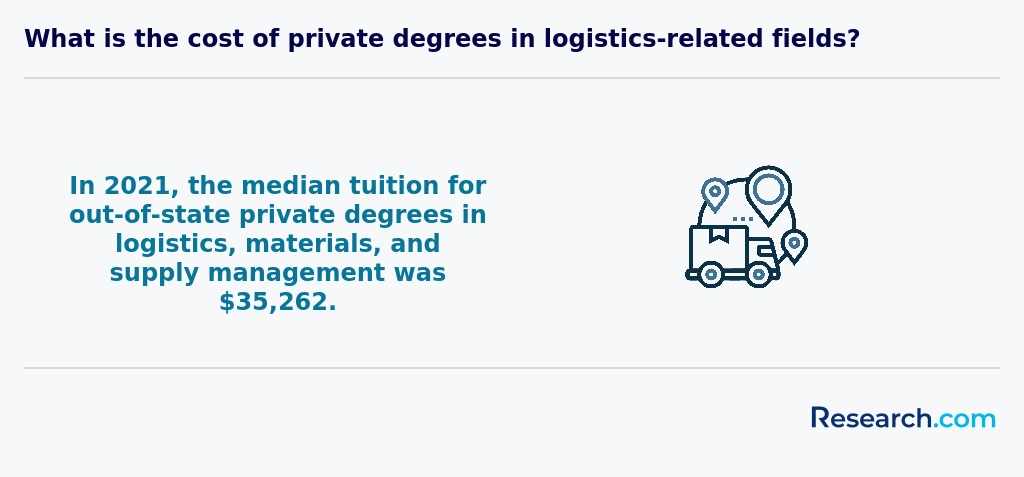
The average cost of a logistics degree in Michigan varies depending largely on whether you attend a public or private institution and if you qualify for in-state tuition. For in-state students at public universities, the median total cost sits around $15,252, making these programs quite affordable compared to private colleges. Out-of-state students usually face a similar median total cost of about $32,392. Graduates from popular Michigan universities, known for their strong logistics curricula, often remark on how manageable tuition was when paired with scholarships and financial aid.
Considering the average cost of logistics degree programs in Michigan helps set realistic expectations. Many students start their education at well-established public schools close to major logistics hubs like Detroit Metro Airport, benefiting not just from cost savings but from internship opportunities that make their tuition investment feel worthwhile. These graduates often share that securing on-campus jobs and grants was essential in minimizing debt while finishing their degree in supply chain management or related fields.
It's important to note that while tuition is a major expense, extra costs such as textbooks and fees add up-textbook expenses can total between $1,000 and $2,500, and fees for technology and labs may add several hundred dollars per semester. Prospective students often turn to Michigan's Tuition Grant program or consult financial aid advisors to lessen their out-of-pocket expenses.
Those looking for more budget-conscious options can explore the cheapest logistics programs in michigan, which offer solid education without the premium price. Planning with a clear understanding of the Michigan logistics degree tuition and fees overview allows you to balance quality and cost effectively, turning your academic goals into achievable realities.

Return on Investment for Michigan Logistics Degrees
When evaluating a Logistics degree in Michigan, understanding the return on investment (ROI) is crucial for making an informed decision. By comparing program costs with expected earnings and career advancement, prospective students can determine which pathways offer the best long-term value. Average Cost vs. Expected Earnings • Median total cost of a four-year Logistics degree in Michigan: \$80,000–\$120,000 • Median starting salary for logistics graduates: \$55,000–\$65,000 per year • Mid-career median salary: \$80,000–\$95,000 per year Based on these figures, most students recoup tuition and related expenses within three to five years of employment. Factors such as in-state tuition discounts, scholarships, and internships can shorten this payback period significantly. Maximizing ROI Through Program Choice • Accredited online programs often reduce living and commuting expenses without compromising quality. For cost-conscious students, explore the Cheapest Online Bachelor's in Logistics Degree Programs to identify budget-friendly options. • Universities with strong industry partnerships may provide higher placement rates and faster salary growth. • Flexible learning formats (evening, weekend, hybrid) enable students to work part-time, further offsetting tuition through income. Key Considerations for Prospective Students 1. Scholarship and grant availability-reduce upfront costs 2. Internship-to-job conversion rates-accelerate career entry 3. Alumni salary growth-measure long-term earning potential By analyzing program expenses alongside salary trajectories and financial aid, students can choose a Michigan Logistics degree that delivers the strongest ROI and aligns with both their budget and career goals.
What financial aid is available to logistics degree students in Michigan?
To manage the cost of a logistics degree in Michigan, start by applying for federal aid through the FAFSA. Many students have found Pell Grants especially helpful, providing up to $7,395 annually without the need to repay. For example, graduates from Michigan State University often rely on these grants combined with low-interest Direct Subsidized Loans to cover tuition gaps.
Next, explore Michigan-specific state aid programs. The Michigan Competitive Scholarship rewards students who demonstrate strong academics and financial need, while the Tuition Incentive Program supports families with limited incomes attending public colleges like Central Michigan University. These funds have been critical for many logistics students balancing part-time jobs and studies.
Don't overlook institutional scholarships, which focus on merit and leadership in supply chain management. Many students report that these targeted awards make a big difference, helping them focus on internships and networking opportunities rather than financial stress.
Lastly, consider work-study or employer tuition reimbursement if you're already working in Michigan's automotive or manufacturing sectors. Graduates often share that this practical support made earning their degree feasible while gaining valuable industry experience.
What are the prerequisites for enrolling in logistics degree program in Michigan?
To enroll in a logistics degree program in Michigan, you need at least a high school diploma or GED. Admissions focus heavily on your math and English skills because these are essential for tackling logistics challenges like data analysis and clear communication. For example, students from well-known Michigan community colleges often recall how their algebra and statistics classes prepared them for interpreting supply chain data.
Many programs require transcripts and sometimes test scores like the SAT or ACT, though some have adopted test-optional policies. This shift has helped applicants who've gained relevant work experience in warehouses or transportation to still secure admission.
Completing courses in algebra, basic statistics, and English communication is a smart move. Graduates from popular Michigan universities often share that their preparation in these subjects made writing reports and presenting logistics strategies much easier throughout their studies.
Finally, some programs may ask you to take placement tests to confirm your readiness, especially in math and English. If you're starting at a community college, certificates or associate degrees can be a practical step before pursuing a bachelor's degree in logistics.

Professional Certifications to Enhance Your Logistics Career
Earning a logistics degree lays the groundwork for a successful supply chain career, but pairing your degree with industry-recognized certifications can dramatically boost your marketability and salary potential. Many hiring managers in Michigan and beyond look for candidates holding credentials such as: • APICS Certified in Planning and Inventory Management (CPIM): Focuses on demand management, procurement, and supplier planning-ideal for graduates aiming at inventory control or production planning roles. • APICS Certified Supply Chain Professional (CSCP): Covers end-to-end supply chain processes and technology, perfect for Bachelor’s or Master’s graduates targeting global logistics management. • APICS Certified in Logistics, Transportation and Distribution (CLTD): Specializes in transportation, warehouse operations, and reverse logistics, equipping you to oversee multi-modal distribution networks. • Lean Six Sigma Green Belt: Emphasizes waste reduction and process optimization-valuable for logistics analysts and continuous improvement specialists. • Certified Customs Specialist (CCS): Offered by the National Customs Brokers & Forwarders Association, this certification validates expertise in import/export regulations and compliance. Before pursuing advanced credentials, many students build a solid foundation through an associate degree. For those seeking a flexible start, the best rated associate in logistics program online provides core coursework in transportation management, inventory control, and supply chain information systems. Preparation tips: 1. Leverage university partnerships-some Michigan institutions offer APICS study groups or exam vouchers. 2. Gain hands-on experience-internships or part-time roles sharpen practical understanding of logistics workflows. 3. Register early-seats for exams can fill quickly, so plan 3–6 months of study and practice tests. 4. Join professional networks-the Michigan chapter of APICS and local supply chain meetups facilitate mentorship and job leads. By combining a Michigan logistics degree with targeted certifications, you demonstrate both academic rigor and specialized expertise-positioning yourself as a top candidate in a competitive job market.
What courses are typically in logistics degree programs in Michigan?
Logistics degree programs in Michigan commonly include courses that prepare you for the state's unique supply chain environment. For instance, graduates from universities like Michigan State or Eastern Michigan University often mention taking Introduction to Logistics and Supply Chain Management, which covers inventory control, warehousing, and transportation basics-key in Michigan's bustling manufacturing hubs.
Hands-on classes such as Operations Management dive into production processes, helping students understand the flow of goods and quality control-skills critical for companies in Detroit's automotive industry. Courses like Transportation Systems and Management highlight trucking, rail, and maritime logistics, crucial along Michigan's Great Lakes shipping routes, giving students real-world insight.
Other essential courses include Procurement and Supplier Management, teaching negotiation strategies, and Logistics Information Systems, where students learn software used for tracking shipments. Many graduates recall how Warehouse and Distribution Center Management classes helped them grasp layout planning and hands-on handling, directly applicable in local distribution centers.
What types of specializations are available in logistics degree programs in Michigan?
Logistics degree specializations in Michigan often include Supply Chain Management, Transportation and Distribution, Operations Management, Global Logistics, and Warehouse Management with Automation. Graduates from popular Michigan colleges highlight that focusing on Supply Chain Management prepares them well for automotive industry roles, a major employer in the state.
For those interested in hands-on skills, Transportation and Distribution specializations align well with Michigan's unique position as a Great Lakes shipping hub. Operations Management appeals to students aiming to optimize manufacturing processes, often drawing positive feedback from graduates who land jobs in Detroit's industrial sector.
Global Logistics specialization is ideal for students targeting companies with international trade connections. One graduate shared how understanding cross-border regulations boosted their career in import/export firms. Warehouse Management with Automation is fast-growing, reflecting the surge of automated facilities in Michigan distribution centers.
If you're exploring options, consider programs at well-known institutions offering diverse curriculum-some even offer financial aid tailored to logistics students. For more resources, check the best rated associate in logistics program online for flexible learning paths to fit your lifestyle.
How do you choose the best logistics degree in Michigan?
Start by examining the curriculum of logistics programs at Michigan institutions. Focus on those offering courses in supply chain analytics, transportation systems, and technologies like automation-graduates from popular Michigan colleges often highlight how these subjects prepared them for real-world challenges. Choosing from the best logistics degree programs in Michigan means prioritizing schools with strong ties to local industries; many students benefit from internships that turn into job offers, thanks to partnerships between universities and manufacturing or Great Lakes port companies.
Next, weigh the cost carefully. Public universities in Michigan typically charge between $13,000 and $28,000 per year for logistics degrees, depending on residency, while private colleges might exceed $35,000 annually. Graduates recommend exploring financial aid options and checking for affordable logistics colleges Michigan offers. A useful step is reviewing Cheapest Online Bachelor's in Logistics Degree Programs to find budget-friendly options without sacrificing quality.
Also, look for programs that support certifications like CSCMP or APICS. Many alumni find these credentials boost confidence and open doors to careers in supply chain management. Finally, consider graduate outcomes; students from programs with strong alumni networks report higher job placement and salaries around $70,000 to $90,000 annually, making the investment in a Michigan logistics degree worthwhile.
What career paths are available for logistics degree students in Michigan?
Graduates with a logistics degree in Michigan often find promising job opportunities in supply chain management careers in Michigan, especially given the state's strong industrial and transportation sectors. For example, many graduates from well-known institutions such as Michigan State University or Wayne State University step into roles like Supply Chain Analyst, where they optimize product flows in the Detroit manufacturing corridor. Others pursue positions as Transportation Managers, leveraging Michigan's proximity to Great Lakes ports and interstate highways to ensure smooth goods movement.
Logistics graduates also frequently become Warehouse Operations Managers, handling inventory and distribution in Michigan's busy logistics hubs. Procurement Specialists are another common path, coordinating purchasing in industries like automotive and aerospace. Many alumni share how internships during their studies provided real-world insights and helped them secure positions quickly. Pursuing logistics management careers in Michigan can be even more accessible through fast online degree completion programs for working adults, blending work and study efficiently.
What is the job market for logistics degree in Michigan?
The job market for logistics degree holders in Michigan is actively expanding, driven by strong demand in automotive manufacturing, warehousing, and distribution sectors. Graduates from prominent Michigan universities often find themselves recruited by Detroit-based automotive supply chains or Grand Rapids distribution centers, where their skills are immediately applicable. Many logistics students describe feeling optimistic as they step into roles managing freight operations or optimizing inventory for regional retailers.
With Michigan's strategic location and growing e-commerce hubs, logistics degree employment opportunities in Michigan continue to broaden, offering roles in transportation firms and consultancy for supply chain improvements. Recent graduates emphasize the value of combining classroom knowledge with internships and co-op programs available through local institutions, which prepare them for hands-on challenges.
Students should also consider investment in education carefully, as tuition at Michigan colleges ranges widely. Exploring scholarships and practical experiences can ease costs. For those considering further study, an easy online masters degree can enhance career prospects without disrupting work experience.
Frequently Asked Questions About logistics
Logistics degree students in Michigan can maximize their learning experience by taking advantage of internships with major companies located in the state, such as Ford, General Motors, and DHL Supply Chain. These firms offer valuable real-world experience crucial for understanding supply chain management and distribution.
Enrolling in programs that align with the Michigan Supply Chain Forum's recommendations helps students gain skills relevant to the region's industry demands. According to the Michigan Economic Development Corporation, the logistics sector is growing steadily, offering strong job prospects for graduates.
Students should also engage in networking events and professional associations like the Council of Supply Chain Management Professionals (CSCMP) Midwest Roundtable to build industry connections essential for career advancement.
The logistics field in Michigan is evolving rapidly, with several emerging niches gaining importance. One key area is e-commerce logistics, driven by Michigan's growing online retail sector and its strategic location near major transportation corridors like I-75 and I-94. This niche focuses on efficient order fulfillment and last-mile delivery solutions.
Another significant niche is supply chain sustainability, as Michigan businesses increasingly adopt green logistics practices to reduce environmental impact. Programs often emphasize sustainable transportation methods and waste reduction.
Additionally, advanced data analytics and automation are becoming crucial. Companies need logistics professionals skilled in using AI and IoT technologies to optimize supply chain efficiency. According to the Michigan Economic Development Corporation, demand for such expertise in logistics is expected to grow by over 10% through 2028.
After completing a logistics degree in Michigan, students should focus on gaining practical experience to boost their employability. Internships and co-op programs with local companies like General Motors and Ford provide hands-on knowledge and networking opportunities. Michigan's strategic location in the Great Lakes region makes logistics professionals highly sought after, especially in transportation and supply chain management.
Certifications like APICS Certified in Production and Inventory Management (CPIM) or Certified Supply Chain Professional (CSCP) can enhance job prospects. According to the Michigan Economic Development Corporation, the state's logistics sector is expected to grow by 10% through 2028, offering strong career opportunities.
Additionally, building skills in data analysis and familiarity with logistics software is crucial in today's job market.
Employers in Michigan highly value logistics graduates who possess strong analytical skills. The ability to assess supply chain data and optimize processes is crucial in the state's robust manufacturing and automotive sectors, which rely heavily on efficient logistics operations.
Communication skills are also essential, as logistics professionals coordinate with multiple teams and external partners. Clear, concise communication helps prevent delays and misalignments in supply chains.
Additionally, proficiency in technology, including familiarity with transportation management systems (TMS) and enterprise resource planning (ERP) software, is in demand. According to the Michigan Economic Development Corporation, employers seek candidates who can leverage technology to improve operational efficiency.
Problem-solving and adaptability are other key skills, enabling graduates to manage disruptions and changing market conditions effectively.
Finding internships in Michigan related to a logistics degree involves leveraging both academic and industry resources. Many universities with logistics programs maintain partnerships with local companies in Detroit, Grand Rapids, and other key cities. According to the Michigan Economic Development Corporation, Michigan hosts a growing logistics sector supporting automotive, manufacturing, and e-commerce industries. This growth creates frequent internship openings.
Students should explore university career centers, which often list internships and provide resume assistance. Additionally, professional organizations like the Council of Supply Chain Management Professionals (CSCMP) have Michigan chapters that offer networking events.
Online job portals such as Handshake and LinkedIn are essential tools for internship searches, focusing on Michigan-based logistics roles. Early application is critical due to competitive demand.
A logistics degree significantly enhances career mobility and advancement opportunities in Michigan's dynamic supply chain sector. According to the Michigan Economic Development Corporation, the state's logistics industry employs over 500,000 workers, reflecting strong demand for skilled professionals.
Graduates with a logistics degree gain knowledge in supply chain management, transportation, and inventory control, making them valuable to employers such as automotive manufacturers and distribution centers prominent in Michigan. This expertise often leads to faster promotions and access to managerial roles.
Furthermore, data from the U.S. Bureau of Labor Statistics highlights that logistics-related roles in Michigan can offer competitive salaries and steady job growth, encouraging career stability and upward mobility for degree holders.
Studying for a logistics degree in Michigan equips students with skills that cross multiple disciplines, such as supply chain management, data analysis, and business strategy. Michigan's strong manufacturing and automotive sectors provide practical learning environments that emphasize collaboration between engineering, IT, and business fields.
Programs often include courses in operations management, transportation, and information systems, ensuring graduates understand both technical and managerial perspectives. This interdisciplinary approach is vital as 2023 data from the Michigan Economic Development Corporation highlights a 5% growth in logistics jobs requiring diverse skill sets.
Graduates are prepared to work in roles that integrate technology, economics, and communication, meeting evolving industry demands.
Choosing between a thesis and a non-thesis logistics degree program in Michigan depends on your career goals and learning preferences. Thesis options often appeal to students interested in research or pursuing a PhD, as they involve conducting original studies and writing a detailed paper. Non-thesis programs typically focus on practical skills through coursework and internships, suitable for those aiming to enter the workforce directly.
Michigan's logistics sector, valued at over $20 billion annually, emphasizes hands-on experience, making non-thesis routes popular in many local universities, according to the Michigan Economic Development Corporation.
Consider your future plans carefully when selecting a program format.
Students based in Michigan who wish to study logistics abroad have several pathways to consider. Many universities in Michigan, such as Michigan State University and the University of Michigan, offer study abroad programs linked with partner institutions worldwide. These programs often include exchanges or short-term courses focused on global supply chain management.
Additionally, students may explore international internships or cooperative education placements through university career centers. The Michigan Logistics Center reports that, as of 2023, nearly 20% of logistics graduates engage in international experience during their studies, reflecting growing industry demand for global skills.
Choosing accredited programs abroad and ensuring credit transferability remain critical for a smooth academic progression.
Students pursuing logistics degrees in Michigan can benefit from various part-time job opportunities that enhance their educational experience. Warehouse associate positions are widely available in Michigan due to the state's strong manufacturing and distribution sectors, offering practical exposure to supply chain management. According to the Michigan Department of Labor, logistics and transportation sectors grew by 3.2% from 2021 to 2023, increasing demand for entry-level roles.
Internships or part-time jobs with local freight companies or third-party logistics providers offer hands-on learning in inventory control and transportation planning. Additionally, campus roles in data analysis or operations support provide valuable insight into logistics software systems commonly used in the industry. These positions help students apply theoretical knowledge in real-world settings without conflicting with their academic schedules.
Logistics students in Michigan benefit from a variety of networking opportunities that connect them to the state's robust manufacturing and transportation industries. Many universities, such as Western Michigan University and Michigan State University, offer student chapters of professional organizations like the Council of Supply Chain Management Professionals (CSCMP), which hosts local events and workshops. These organizations provide direct access to industry leaders and alumni working in Michigan's logistics and distribution sectors.
Michigan's strategic location in the Great Lakes region means strong ties to major distribution centers and automotive companies, creating internships and job fairs focused on logistics careers. According to the Michigan Economic Development Corporation, logistics and transportation contribute over $20 billion to the state's economy, highlighting the importance of professional connections for students entering this field.
Additionally, industry conferences and regional supply chain meetups are regularly held in Detroit and Lansing, offering students occasions to expand their professional networks. These events enhance career prospects by facilitating mentorships and collaborative projects.
Alumni networks play a critical role for logistics degree students in Michigan by opening doors to industry connections and career opportunities. The state's strong presence in manufacturing and transportation sectors means alumni can provide valuable insights and mentorship linked to these local industries. According to the Michigan Economic Development Corporation, logistics jobs in Michigan are expected to grow 7% through 2030, highlighting the importance of professional connections.
These networks often facilitate internships, job placements, and collaborative projects, giving students practical experience. Additionally, alumni events and online platforms help students stay updated on regional logistics trends and emerging technologies, enhancing their employability within Michigan's competitive job market.
Students pursuing logistics degrees in Michigan can customize their programs by selecting specialized courses aligned with their career goals. Many Michigan institutions offer electives in supply chain management, transportation, procurement, and warehousing. This allows students to build expertise in areas such as automotive logistics, a major industry in the state.
Internships and cooperative education programs provide practical experience at companies like General Motors and Ford, enhancing job readiness. Additionally, pursuing certifications such as APICS Certified Supply Chain Professional (CSCP) alongside a degree is common among Michigan students.
Data from the Michigan Department of Labor shows that tailored skills in logistics can increase employability in a state with over 150,000 logistics-related jobs.
Logistics students in Michigan often face challenges related to the rapidly evolving supply chain industry. One significant difficulty is keeping up with technological advancements such as automation and data analytics. Michigan's strong automotive and manufacturing sectors demand that students master both traditional logistics skills and cutting-edge digital tools.
Another challenge is gaining practical experience. Internships and cooperative education opportunities can be limited by competitive placements, especially in major hubs like Detroit and Grand Rapids. According to the Michigan Works! Agency, there is growing demand for skilled logistics professionals, which increases pressure on students to stand out.
Additionally, managing coursework alongside part-time employment is common. The cost of higher education, as reported by the Michigan Department of Treasury, adds financial strain to many students, making balancing work and studies essential yet difficult.
These factors combined make pursuing a logistics degree in Michigan a demanding but potentially rewarding endeavor.
With a logistics degree in Michigan, you can pursue several professional certifications to enhance your career prospects. One widely recognized certification is the Certified Supply Chain Professional (CSCP) offered by APICS. This credential validates your knowledge of supply chain management and logistics operations.
Another valuable option is the Certified Logistics, Transportation and Distribution (CLTD) certification, also from APICS, which focuses specifically on logistics, transportation, and distribution management. These certifications can help Michigan graduates qualify for roles in automotive, manufacturing, and distribution industries, key sectors in the state's economy.
Additionally, the Michigan Manufacturing Technology Center highlights that professionals with certifications often see improved job placement and higher salaries within the region.
Writing a winning application for a logistics program in Michigan starts with understanding what local universities value. Admissions committees typically look for candidates with a strong foundation in math, economics, and problem-solving skills. Highlight any relevant experience, such as internships or part-time jobs in supply chain or transportation sectors.
Michigan's economy heavily relies on manufacturing and automotive industries, so demonstrating knowledge of these sectors can strengthen your application. According to the Michigan Economic Development Corporation, logistics supports over 330,000 jobs statewide, making practical experience highly relevant.
Ensure your personal statement clearly explains why you want to pursue logistics, focusing on career goals and how specific Michigan programs align with them. Strong letters of recommendation from industry professionals or professors add credibility.
Finally, submitting transcripts that reflect strong academic performance and preparing for possible interviews can improve your chances significantly.
The logistics industry is increasingly global, and careers in this field benefit from understanding worldwide supply chains and trade networks. In Michigan, logistics degree programs emphasize skills that are relevant worldwide, such as international shipping, customs regulations, and global inventory management.
According to the Michigan Logistics Report 2023, Michigan's strategic location near the Canadian border and major Great Lakes ports creates vast opportunities for logistics professionals engaged in cross-border trade. Employers seek graduates proficient in technology and data analysis to optimize international operations.
Globally, logistics careers offer strong growth potential, with the U.S. Bureau of Labor Statistics projecting a 27% increase in logistics jobs by 2031. This trend is supported by Michigan's position as a transportation hub, making logistics education locally relevant and globally applicable.
Students pursuing a logistics degree in Michigan can gain practical experience through internships offered by many universities. These internships often partner with Detroit's significant automotive and manufacturing industries, providing hands-on learning in supply chain and distribution management. According to the Michigan Economic Development Corporation, logistics accounts for over 300,000 jobs statewide, creating ample opportunities for student placement.
Additionally, cooperative education programs, or co-ops, combine classroom study with paid work experience, enhancing students' real-world skills. Many institutions also host career fairs connecting students with local employers such as General Motors and Amazon distribution centers in Michigan. Engaging in these experiences helps prepare graduates for the evolving logistics workforce.
Choosing the right concentration within a logistics degree program in Michigan requires understanding both your career goals and the state's industry demands. Michigan's economy is heavily centered on automotive manufacturing, supply chain management, and warehousing, which influence popular concentrations like supply chain analytics, transportation management, and inventory control.
Research by the Michigan Economic Development Corporation shows logistics jobs growing 8% over the next five years, especially in tech-driven supply chains. Students should evaluate which concentration aligns with these trends.
Consider programs offering internships or partnerships with local companies such as General Motors or Ryder System, which help develop relevant skills and job placement opportunities.
Finally, examine the curriculum and faculty expertise to ensure strong foundational knowledge alongside specialized training in your chosen path.
Related Logistics Rankings for Nearby States
- 2027 Most Valuable Logistics Degree Programs Ranking in Ohio
- 2027 Most Valuable Logistics Degree Programs Ranking in Wisconsin
- 2027 Most Valuable Logistics Degree Programs Ranking in Illinois
- 2027 Most Valuable Logistics Degree Programs Ranking in Pennsylvania
- 2027 Most Valuable Logistics Degree Programs Ranking in West Virginia
- 2027 Most Valuable Logistics Degree Programs Ranking in Missouri
- 2027 Most Valuable Logistics Degree Programs Ranking in New York
- 2027 Most Valuable Logistics Degree Programs Ranking in Tennessee
- 2027 Most Valuable Logistics Degree Programs Ranking in New Jersey
- 2027 Most Valuable Logistics Degree Programs Ranking in Rhode Island
Top Trending Logistics Rankings
References
- Continuing Education in Global Logistics: A Powerful Catalyst for Career Growth https://gofreightpath.com/continuing-education-in-global-logistics-a-powerful-catalyst-for-career-growth/
- Supply Chain Management Course | MSU Online https://www.michiganstateuniversityonline.com/programs/course/supply-chain-management-i/
- Explore More https://aast.edu/en/colleges/citl/alex/dept/contenttemp.php
- Logistics - Vistula University https://vistula.edu.pl/en/major/logistics
- Top Skills Employers Look for In Supply Chain Students https://scmtalent.com/top-skills-employers-look-for-in-supply-chain-students/
- Find Your Path | Starting Your Career in Logistics | Generation Logistics https://generationlogistics.org/find-your-path/
- What are the Hottest Skill Niches in Supply Chain and Procurement? https://www.argentus.com/skill-niches-procurement/
- Online vs. On-Campus: Choosing the Right Format for Your Supply Chain Degree https://www.ucumberlands.edu/blog/online-vs-on-campus-choose-your-supply-chain-degree-format
- Logistics & Supply Chain Management | Oakland County, MI | Oakland Community College https://www.oaklandcc.edu/workforce-development/course-catalog/logistics-supply-chain-management
- Answer: Logistics Degree Salary With A Bachelor vs. Master’s Degree? https://logisticsdegree.net/logistics-degree-salary-with-a-bachelor-vs-masters-degree/