
2027 Best Logistics Degree Programs Ranking in Florida

Co-Founder and Chief Data Scientist
Choosing the right logistics degree program in Florida can feel overwhelming. To make it easier, this article presents the 2027 Best Logistics Degree Programs Ranking in Florida, developed by the Research.com team of data scientists. This carefully crafted ranking helps you identify programs that truly stand out.
Exploring this guide will give you confidence in finding a program that matches your goals and sets you up for success. Earning a logistics degree opens doors to rewarding careers in a growing industry, offering you stability and growth opportunities.
Key benefits of getting logistics degree in Florida
- Graduates with a logistics degree in Florida can expect competitive salaries, such as $84,640 annually for Logistics Coordinators or Specialists and $63,130 for Customs Brokers, reflecting strong earning potential.
- A logistics degree opens doors to diverse careers, from transportation planning to supply chain coordination, as seen in graduates from the University of Florida who successfully enter dynamic roles in the industry.
- Online logistics degrees, like those offered by Florida State University, provide flexible learning that fits busy schedules and allows students to gain practical skills without sacrificing work or personal life.
- Key benefits of getting logistics degree in Florida
- What can I expect from logistics degree in Florida?
- Where can I work with logistics degree in Florida?
- How much can I make with logistics degree in Florida?
- 2027 Best Logistics Degree Programs Ranking in Florida
- Key Findings
- How long does it take to complete logistics degree in Florida?
- What's the difference between online and on-campus logistics degree?
- Return on Investment: Evaluating the Value of a Logistics Degree in Florida
- What is the average cost of logistics degree in Florida?
- Campus Life and Student Support Services
- What financial aid is available to logistics degree students in Florida?
- What are the prerequisites for enrolling in logistics degree program in Florida?
- Industry Partnerships and Experiential Learning Opportunities
- What courses are typically in logistics degree programs in Florida?
- What types of specializations are available in logistics degree programs in Florida?
- How do you choose the best logistics degree in Florida?
- What career paths are available for logistics degree students in Florida?
- What is the job market for logistics degree in Florida?
- Related Logistics Rankings for Nearby States
- Top Trending Logistics Rankings
What can I expect from logistics degree in Florida?
The average cost of earning a logistics degree in Florida varies depending on the type of institution you choose. Community colleges typically offer associate degrees in logistics or supply chain management at a more affordable rate, often between $4,000 and $8,000 for the full program. This price point appeals to students seeking a budget-friendly way to enter the logistics field quickly.
On the other hand, state universities offering bachelor's degrees can cost anywhere from $20,000 to $40,000 for the entire program, depending on residency status and specific school fees. Graduates from these programs often mention that the investment feels worthwhile given the strong internship opportunities with major Florida ports and international shipping companies. They appreciate hands-on experiences that connect classroom concepts with real-world logistics challenges.
Private institutions usually have higher tuition costs but may offer scholarships or financial aid packages tailored to supply chain students. Many alumni describe feeling confident about the return on investment, citing Florida's booming logistics job market and competitive salaries as major motivating factors.
To manage costs, prospective students should explore financial aid options and consider starting at a community college before transferring to a university. This strategy helps balance quality education with affordability while positioning graduates to succeed in Florida's dynamic logistics sector.
Where can I work with logistics degree in Florida?
With a logistics degree in Florida, graduates find rewarding careers across transportation, warehousing, and supply chain management, thanks to the state's status as a major trade hub. For example, graduates from the University of Florida often secure roles at ports like Miami and Jacksonville, handling freight coordination or customs brokerage, which directly impact billions of dollars in cargo annually.
Many alumni from Florida State University report thriving in the booming e-commerce sector, optimizing last-mile delivery and inventory systems for regional distributors. Their hands-on training in logistics software proves invaluable in fast-paced warehouse environments.
Others gravitate toward aerospace and defense industries near Florida's manufacturing plants, working as operations managers or procurement specialists who keep government contracts on schedule. Additionally, graduates frequently join third-party logistics firms, leveraging data analysis skills to improve client supply chains.
Florida International University students appreciate the variety of roles available, such as freight forwarding and distribution management, supported by Florida's extensive highway and airport network. This versatility keeps their career options both exciting and stable.
How much can I make with logistics degree in Florida?
Graduates with a logistics degree in Florida typically start with roles such as Logistics Coordinator or Logistics Specialist, earning a mean annual wage of about $84,640 according to the U.S. Bureau of Labor Statistics. For those aiming to enter supply chain roles, the Supply Chain Coordinator position offers an average yearly salary of approximately $46,690. Entry-level jobs might start lower, but graduates from institutions like the University of Florida or Florida State University find that gaining hands-on experience through internships in Miami or Jacksonville ports boosts their earning potential quickly.
Transport-related roles, such as Transportation Planner, have a mean salary near $46,690 annually, reflecting Florida's diverse logistics landscape. Graduates who pursue certifications like CSCMP or advanced degrees often move into higher-paying supervisory roles, where salaries can surpass $90,000. Those becoming Customs Brokers can anticipate around $63,130 per year, benefiting from Florida's strong international trade presence.
Overall, Florida's robust freight and supply chain networks create multiple pathways for logistics graduates to increase their income while building careers that feel rewarding and dynamic.
2027 Best Logistics Degree Programs Ranking in Florida
How do we rank schools?
Investing in your education is a significant decision that can shape your future, and the Research.com team understands the importance of making informed choices. To assist prospective students in Florida, we have meticulously crafted the "2027 Best Logistics Degree Programs Ranking." Our commitment to quality, credibility, and accuracy is reflected in the extensive research and analysis conducted to compile this ranking.
We utilized the following reputable data sources to ensure a comprehensive evaluation of logistics degree programs:
By exploring this ranking, readers will gain valuable insights into the best logistics degree programs available in Florida, helping them make well-informed decisions about their educational and professional futures. For more details on our methodology, please visit our Research.com methodology page.


# 4 position
Florida International University
Bachelor of Business Administration in Logistics and Supply Chain

# 6 position
Florida Southern College
Master of Business Administration in MBA: Supply Chain Management


# 13 position
Embry-Riddle Aeronautical University-Worldwide
Bachelor of Science in Logistics and Supply Chain Management

# 14 position
Embry-Riddle Aeronautical University-Worldwide
Master of Science in Logistics and Supply Chain Management
# 15 position
Florida State College at Jacksonville
Bachelor of Logistics

# 16 position
Ana G. Mendez University
Master of Business Administration with specialization in Supply Chain

# 17 position
Rasmussen University-Florida
Bachelor of Science in Logistics

# 18 position
Florida Institute of Technology-Online
Logistics Management, M.S.

# 19 position
Broward College
Supply Chain Management, Bachelor of Applied Science

# 20 position
Miami Dade College
Supply Chain Management Bachelor of Applied Science

Key Findings
- Florida's logistics degree programs are available at public universities, community colleges, and private schools, covering supply chain management and transportation topics.
- In-state tuition for a four-year public university ranges from $6,500 to $8,000 per year, while community colleges charge between $2,500 and $4,000 annually for associate degrees.
- Entry-level salaries for logistics professionals in Florida start between $45,000 and $52,000 per year.
- Mid-career salaries average $75,000 to $85,000 annually, with top logistics managers earning over $100,000.
- Employment in Florida's transportation and distribution sectors is projected to grow by about 5% through 2030, slightly faster than the national average.
- Many programs offer internships or cooperative education opportunities to help students gain practical experience and improve job placement rates.
How long does it take to complete logistics degree in Florida?
Completing a logistics degree in Florida usually takes about four years for full-time students pursuing a bachelor's degree, aligning with institutions like the University of Central Florida and Florida State University. Graduates often share how sticking to a regular fall and spring semester schedule made their path straightforward and manageable.
For those balancing work or family, part-time programs extend this timeline to around six years, as seen at community colleges such as Miami Dade College. These students appreciate the flexibility, which allows steady progress without sacrificing other responsibilities.
Accelerated options are also available at some Florida universities, enabling motivated students to finish in roughly three years by attending summer terms or intensive sessions. Graduates from these programs often highlight how this fast-track route kept their momentum high and helped them enter the workforce sooner.
Associate degrees, popular at many community colleges, typically require two years, offering a quicker launch into entry-level roles or a solid foundation for a later bachelor's degree.
What's the difference between online and on-campus logistics degree?
On-campus logistics degrees in Florida, like those at the University of North Florida or Florida State University, immerse students in direct interaction and hands-on experiences. Graduates often recall gaining valuable connections through face-to-face networking at job fairs or via internships tied to local industries. This in-person environment helps many feel more engaged and supported during their studies.
In contrast, online logistics programs offer flexibility ideal for busy professionals or parents. Florida students studying online appreciate being able to complete coursework on their own schedules without commuting. Many find that asynchronous classes let them balance work, family, and school while accessing the same core curriculum as on-campus peers.
Tuition is usually similar between both formats in Florida's public universities, with in-state rates around $6,500 to $8,500 annually. However, on-campus learners should budget for housing and commuting, while online students may face extra technology fees but save on travel.
Choosing between formats depends on your lifestyle: those seeking active campus involvement may thrive on-site, while others value the convenience and accessibility of online learning.
Return on Investment: Evaluating the Value of a Logistics Degree in Florida
Investing in a Logistics degree in Florida goes beyond tuition and classroom hours-it’s a strategic decision that can yield substantial financial and professional rewards. On average, graduates report starting salaries near $59,200, with mid-career earnings climbing to around $79,400. When juxtaposed against in-state tuition costs ranging from $4,000 to $10,000 per year, the break-even point for most bachelor’s degree holders can occur within four to six years of full-time employment. Several factors influence this timeline: the availability of employer-sponsored tuition assistance, scholarship awards, and internship stipends. Students who leverage federal aid and merit-based scholarships often reduce their out-of-pocket expenses by up to 30%, accelerating their return on investment. Moreover, programs that integrate capstone projects and industry partnerships frequently lead to paid co-ops, further offsetting educational costs. Long-term ROI also encompasses career progression. Logistics Coordinators typically advance to managerial roles within three to five years, with corresponding salary increases of 15–25%. Graduates who pursue professional certifications-such as APICS CSCP or CLTD-often see an additional 10% salary premium, reinforcing the value of combining academic credentials with industry-recognized credentials. For students prioritizing affordability without sacrificing quality, it’s worth exploring similar rankings beyond Florida. For example, our Most Affordable Logistics Degree Programs Ranking in Georgia highlights institutions with lower tuition rates and robust placement outcomes, offering a comparative benchmark for cost-conscious decision-making. Ultimately, a clear assessment of total investment versus projected earnings empowers prospective logisticians to choose the path that maximizes both career satisfaction and financial gain.
What is the average cost of logistics degree in Florida?
The average logistics degree cost in Florida varies widely depending on residency and institution type. For in-state students, the median total expense of logistics degree Florida is about $6,410, making public universities such as the University of Florida and the University of Central Florida attractive options for affordable education. Graduates from these schools often note how the lower tuition helped them focus on gaining practical skills without excessive financial stress.
Out-of-state students face significantly higher costs, with a median total around $32,677. Many who choose to study at private institutions like the Florida Institute of Technology pay close to this amount due to higher tuition and fees. These students often highlight the value of specialized programs and networking opportunities that justify the investment, even with the increased price.
Beyond tuition, textbooks and supplies usually add $1,000 to $2,000 annually, so budgeting for these is important. Many students in Florida find that combining financial aid, scholarships, and employer tuition assistance can reduce their out-of-pocket expenses substantially. For those interested, locating an affordable logistics school in florida that matches their residency and career goals is essential to managing costs effectively.

Campus Life and Student Support Services
Prospective students of Florida's logistics degree programs benefit greatly from understanding the campus culture, student support initiatives, and extracurricular opportunities that complement academic learning. A vibrant campus life enriches the educational experience through access to modern facilities, dedicated career services, mentorship programs, and networking events-all of which foster growth and help students transition smoothly into the professional world. Many institutions offer robust student centers, counseling, and alumni networks that not only provide academic assistance but also build a sense of community and belonging. Furthermore, initiatives like internships and co-op partnerships with industry leaders are integral to these programs. For example, some campuses have established formal collaborations with major logistics companies, ensuring that students are well-prepared for real-world challenges through hands-on projects and summer internships. Those looking into an affordable logistics school in florida may also find that the commitment to student success extends beyond the classroom, offering career fairs, dedicated job placement support, and workshops that enhance soft skills such as leadership and communication. This comprehensive support system plays a pivotal role in shaping future professionals who are both academically accomplished and industry-ready.
What financial aid is available to logistics degree students in Florida?
Students pursuing logistics degrees in Florida benefit from several financial aid options tailored to their needs. Federal aid is often the first step; many logistics students at the University of Florida and Florida State University successfully use Pell Grants, which can cover up to $7,395 annually without repayment obligations. These grants dramatically reduce the financial burden, making it possible to focus on coursework and internships.
In addition to federal options, Florida's Bright Futures Scholarship program offers merit-based awards that cover a significant share of tuition for qualifying students at public universities like the University of Central Florida. Graduates frequently highlight how this scholarship enabled them to afford their education while gaining hands-on experience in supply chain management.
Many schools also provide logistics-specific scholarships through their financial aid offices, sometimes aimed at students with work experience or from underrepresented groups. Employers in Florida's extensive logistics sector, such as those connected to the Council of Supply Chain Management Professionals, occasionally offer scholarships or tuition reimbursement, making it easier for students to balance work and study.
Work-study and part-time jobs are practical solutions too, with many logistics students finding internships or roles near campus that help cover costs while building valuable industry connections.
What are the prerequisites for enrolling in logistics degree program in Florida?
To enroll in a logistics degree program in Florida, applicants typically need a high school diploma or GED, ensuring basic skills in reading, writing, and math. Many students at well-known institutions like the University of Central Florida share that strong performance in subjects like algebra and statistics helped them confidently tackle logistics courses demanding quantitative thinking.
Standardized tests such as the SAT or ACT may be required, but an increasing number of Florida colleges have adopted test-optional policies, responding to student feedback and broader admission trends. Graduates from popular community colleges often note how meeting a minimum GPA of around 2.5 to 3.0 was important, especially for progressing smoothly through the rigorous curriculum.
Applicants should expect to complete application forms, pay fees, and submit recommendation letters or personal statements, which offer a chance to express genuine passion for logistics. Some universities also ask for prerequisite classes in business or economics, allowing students to build a solid foundation before joining core logistics courses.
Checking each school's specific requirements and speaking with advisors can help you prepare effectively, turning initial challenges into rewarding achievements throughout your Florida logistics degree journey.
Industry Partnerships and Experiential Learning Opportunities
Florida’s leading logistics programs distinguish themselves through robust collaborations with industry partners, providing students with hands-on learning and real-world insights. From semester-long co-op placements to intensive summer internships, these partnerships ensure that graduates enter the workforce with practical expertise and valuable professional networks. • Co-op and Internship Programs: Institutions like the University of Central Florida and Florida International University maintain formal agreements with major employers-such as PortMiami, JAXPORT, Amazon, and CSX Transportation-allowing students to rotate through logistics operations, supply chain analytics labs, and distribution centers. • Simulation Centers and Case Competitions: State–of–the–art facilities at Florida State University and University of South Florida enable students to manage virtual supply chains under realistic constraints. Annual case competitions, sponsored by Schneider National and UPS, challenge teams to optimize transportation routes and inventory levels, fostering critical thinking and collaboration. • Mentorship and Networking Events: Through alumni panels, corporate site visits, and logistics club meet-ups, students gain exposure to industry best practices and emerging technologies like RFID tracking and AI-driven demand forecasting. These connections often translate into full-time job offers upon graduation. To assess long-term benefits and the potential return on your investment, explore whether is a logistics degree worth it and how experiential learning influences earning potential. By engaging directly with employers and applying classroom theory to tangible challenges, Florida’s logistics degree students build both confidence and competence-key differentiators in a competitive job market.
What courses are typically in logistics degree programs in Florida?
Logistics degree programs in Florida typically include courses designed to equip students with skills directly applicable to the vibrant supply chain industry in the state. Key classes often start with Introduction to Logistics and Supply Chain Management, helping students grasp how goods move through major Florida ports like Miami and Jacksonville. Graduates recall how this foundation made industry challenges easier to understand during internships.
Courses such as Transportation Management teach practical strategies for optimizing freight movement, drawing on local examples like air and ground transport logistics prevalent across Florida's diverse economy. Learners at well-known Florida colleges find this particularly energizing as it translates theory into real-world problem-solving.
Other critical classes include Inventory Control and Warehousing and Procurement and Strategic Sourcing, where students develop cost-saving tactics and supplier negotiation skills. Recent graduates highlight how hands-on projects with regional companies enhanced their confidence and job readiness.
Students also engage with Logistics Information Systems to master ERP software widely used in Florida's industry. Electives like green logistics and supply chain analytics reflect growing tech and sustainability trends, keeping studies current and exciting.
What types of specializations are available in logistics degree programs in Florida?
Logistics degree specializations in Florida typically include Supply Chain Management, Transportation and Distribution, Logistics Analytics, and International Logistics. Graduates from popular colleges in Florida often highlight how focusing on Supply Chain Management helped them master procurement and inventory control-key skills for managing operations around major trade hubs like Miami and Jacksonville. Another concentration, Transportation and Distribution, equips students with practical knowledge of carrier operations and freight management, essential for Florida's diverse transportation landscape involving air, sea, and road.
Students pursuing a Florida logistics management concentration options find Logistics Analytics especially valuable, as it teaches data analysis and forecasting techniques that lead to more efficient supply chains. Those interested in global commerce benefit from International Logistics, which covers navigating customs and cross-border shipping challenges prevalent in Florida's bustling international trade environment.
If you wonder whether investing time and effort in these pathways makes sense, reading about success stories encourages many prospective learners that is a logistics degree worth it.
How do you choose the best logistics degree in Florida?
To choose the best logistics degree in Florida, start by checking if the program holds accreditation from reputable bodies like AACSB or ACBSP, as graduates from such programs often feel confident entering Florida's vigorous logistics job market. Many students at universities near Miami and Jacksonville highlight how curriculum focused on port operations and transportation management aligns perfectly with local industry demands, giving them a clear edge.
Internships and industry ties are essential; graduates from Florida colleges close to Tampa's distribution hubs frequently share how real-world experience with shipping and freight companies boosted their skills and employment chances. Also, consider tuition costs carefully-public university logistics programs offering affordable logistics degrees Florida students value have an average tuition between $6,000 and $12,000, balancing quality and cost effectively.
If you want to explore cost comparisons when deciding on logistics degrees, check out the Most Affordable Logistics Degree Programs Ranking in Georgia. Reviewing job placement rates and alumni networks in Florida's logistics field will help you pick a program that supports your career growth confidently.
What career paths are available for logistics degree students in Florida?
Graduates with a logistics degree in Florida find diverse career paths due to the state's role as a transportation and distribution hub. Popular jobs include logistics manager roles at busy ports like Miami, Jacksonville, or Tampa, where overseeing smooth operations brings daily challenges and rewards. Supply chain analysts focus on optimizing procurement and delivery processes, a role familiar to many graduates from Florida's top universities, who feel energized by solving real-time logistical puzzles.
Students from well-known Florida colleges often secure internships that lead to positions as transportation planners, improving route efficiency and freight management in crowded urban areas. Inventory control specialists, another common path, manage warehouse stock, a role that many students find gratifying for its hands-on problem-solving nature. Procurement specialists negotiate contracts, combining interpersonal skills with analytical thinking.
Exploring logistics degree career opportunities in Florida also means considering sectors like manufacturing, retail, and healthcare, where graduates apply their knowledge daily. To understand which majors align best with your goals, review the most valuable college majors in this field.
What is the job market for logistics degree in Florida?
The logistics job opportunities in Florida are strong and growing, benefiting from the state's extensive transport infrastructure and booming trade sectors. Graduates from logistics programs at popular Florida universities find themselves well-positioned in cities like Tampa and Miami, where distribution centers and shipping companies actively seek skilled professionals. Recent graduates often share how their hands-on experience through internships connected with local businesses immediately opened doors to employment, reinforcing the value of targeted education combined with real-world application.
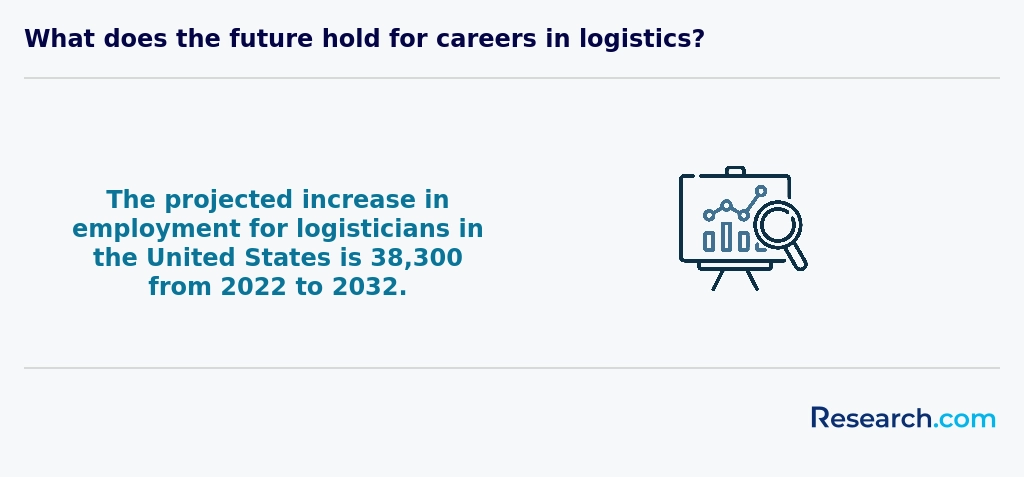
In Florida, the logistics degree career outlook is highly favorable, supported by national data projecting an 11% employment growth for logisticians through 2032. Entry-level salaries in the state typically range from $45,000 to $55,000, with mid-career roles exceeding $70,000, motivating many students to pursue certifications like Certified Supply Chain Professional (CSCP) to boost earning potential and job security. For students considering cost-effective educational paths, exploring choices such as an easy online degree can be a smart strategy to balance tuition costs and career ambitions.
Frequently Asked Questions About logistics
Logistics degree students in Florida can enhance their learning by engaging with the state's robust transportation and distribution networks. Florida hosts major ports like Port of Miami and Port Everglades, which handle billions in cargo annually, providing vital case studies and internship opportunities. Connecting with industry partners through internships or cooperative education programs is key. According to the Florida Department of Economic Opportunity, logistics-related jobs are projected to grow 12% by 2030, underlining the value of practical experience.
Students should also join professional organizations such as the Council of Supply Chain Management Professionals (CSCMP) Florida Roundtable. This helps them network and access webinars tailored to Florida's logistics issues. Leveraging Florida's growing e-commerce sector by studying integration of technology and supply chain analytics will add competitive advantage.
The logistics field is evolving rapidly, opening new career opportunities in Florida, a key hub for trade and transportation. Emerging niches include supply chain analytics, where data-driven decision-making improves efficiency. According to FloridaMakes, demand for professionals skilled in advanced analytics is growing by over 8% annually.
Another expanding area is sustainable logistics, focusing on greener transportation and packaging solutions. Florida's ports, such as PortMiami, are investing in eco-friendly technologies, creating jobs in this sector.
Additionally, e-commerce fulfillment and last-mile delivery services are booming due to Florida's growing population, requiring experts in warehouse automation and route optimization.
These niches reflect broader national trends while aligning specifically with Florida's strategic trade position and technological advancements.
Preparing for the job market after completing a logistics degree in Florida involves gaining practical experience and networking within the industry. Students should seek internships or cooperative education programs offered by many Florida universities, which often connect them to major regional employers like PortMiami and Amazon distribution centers.
Additionally, obtaining certifications such as the Certified Supply Chain Professional (CSCP) can improve employability. Florida's logistics sector is growing, driven by its status as a major trade hub; the Bureau of Labor Statistics projects a 6% growth in transportation and logistics jobs in Florida through 2032.
Building skills in data analysis, supply chain software, and communication is also crucial. Joining local professional groups like the Council of Supply Chain Management Professionals (CSCMP) Florida chapter provides valuable networking opportunities and industry insights.
Employers in Florida's logistics sector highly value graduates who demonstrate strong analytical skills. This is crucial for optimizing supply chains that support the state's major ports, like the Port of Miami and Port Everglades. According to the Florida Logistics Council, proficiency in data analysis tools is increasingly important for improving efficiency and reducing costs.
Communication and teamwork also remain top priorities, as logistics professionals must coordinate across multiple departments and stakeholders. Additionally, knowledge of transportation regulations and sustainability practices is gaining traction due to Florida's emphasis on environmentally responsible operations.
Technology literacy, especially with warehouse management systems and GPS tracking, is another skill that employers frequently seek, reflecting the digital modernization of Florida's logistics industry.
Finding internships in Florida related to logistics degrees involves a strategic approach combining academic resources and industry engagement. Many Florida universities with logistics programs offer dedicated career centers that connect students to internship opportunities with local companies in transportation, warehousing, and supply chain sectors.
Additionally, Florida's strategic location as a trade hub, particularly through the Port of Miami and Port Everglades, creates numerous internship openings. According to the Florida Department of Economic Opportunity, the logistics sector employs over 250,000 people statewide, highlighting the availability of practical training opportunities.
Students should also explore job fairs, professional organizations like the Council of Supply Chain Management Professionals (CSCMP) Florida Roundtable, and online platforms tailored to supply chain roles in Florida. Networking through these channels often leads to internships that enhance real-world experience.
A logistics degree in Florida significantly boosts career mobility and advancement opportunities within the state's thriving transportation and distribution industries. According to the Florida Department of Economic Opportunity, employment in logistics-related fields is projected to grow by 8% from 2022 to 2032, faster than the national average. This growth creates demand for skilled professionals with degrees in supply chain management, transportation, and logistics.
Graduates with a logistics degree often gain access to higher-paying roles, such as logistics managers or operations analysts. They also benefit from Florida's key position as a transportation hub, including major ports like Miami and Jacksonville, offering diverse job prospects.
Educational programs in Florida frequently include internships and partnerships with local businesses, which enhances practical experience and networking opportunities, crucial for career advancement.
Studying for a logistics degree in Florida equips students with skills that cross multiple disciplines, such as supply chain management, business analytics, and information technology. Florida's position as a major trade hub-with the Port of Miami ranking among the top container ports in the U.S.-means graduates engage with real-world challenges involving transportation, finance, and international commerce.
Programs often combine coursework in economics, operations management, and data analysis, fostering versatile problem-solving abilities needed in diverse industries. According to the Florida Department of Economic Opportunity, logistics-related jobs in the state are projected to grow by over 7% through 2030, highlighting the demand for interdisciplinary expertise.
This educational approach prepares students to work seamlessly in roles bridging technology, business strategy, and operational logistics.
When choosing between a thesis and a non-thesis logistics degree program in Florida, consider your career goals and learning preferences. Thesis programs typically involve conducting original research, which can prepare students for roles in academia or advanced analytical positions. Non-thesis options often emphasize practical skills and coursework, ideal for professionals aiming to enter the logistics industry quickly. In Florida, a major logistics hub due to its ports and distribution centers, practical experience is highly valued by employers.
Thesis programs may take longer, sometimes 2-3 years, while non-thesis tracks can often be completed faster. According to the Florida Department of Education, logistics and supply chain roles grew by 14% from 2018 to 2023, prompting increased demand for skilled professionals. Prospective students should also consider faculty expertise and available resources when making their decision.
Students based in Florida who want to study logistics abroad have several pathways through partnerships between Florida universities and foreign institutions. Many Florida schools offer exchange programs or dual degrees that allow students to spend a semester or year studying logistics in countries with strong supply chain industries, such as Germany or the Netherlands.
According to the Florida Department of Education, these programs are designed to provide international experience and exposure to global logistics practices, valuable in a state that handles over 800 million tons of freight annually per the Florida Chamber Foundation.
Students can also consider accredited online logistics degrees with international components, enabling them to gain global perspectives without leaving the U.S. Such options are increasingly popular for Florida students juggling work or family commitments.
Part-time job opportunities in Florida that complement logistics degree education include warehouse associate roles, supply chain assistant positions, and inventory control jobs. These roles provide practical experience with inventory management and order fulfillment, critical skills for logistics professionals. The Port of Miami, handling over $125 billion in cargo annually, offers internships and part-time jobs that expose students to maritime logistics and transportation management.
Additionally, distribution centers in Florida's growing e-commerce sector often seek part-time employees to support shipping and receiving tasks. According to the Florida Department of Economic Opportunity, logistics-related jobs in the state are projected to grow 7% by 2030, underscoring the value of work experience in this field.
Logistics students in Florida benefit from numerous networking opportunities that connect them with industry professionals and potential employers. Major ports like the Port of Miami and Port Everglades support vibrant logistics communities, where students can attend career fairs and workshops sponsored by local universities and industry groups.
Professional organizations such as the Council of Supply Chain Management Professionals (CSCMP) have active Florida chapters that host events, webinars, and conferences. These gatherings allow students to meet logistics managers and supply chain experts working in the state's thriving trade and transportation sectors.
Additionally, many Florida colleges have partnerships with regional companies, enabling internships and mentorship programs. Such experiences help students build valuable contacts and gain practical insights into the logistics field.
Alumni networks play an important role for logistics degree students in Florida by providing access to industry connections and job opportunities. Graduates from Florida's logistics programs often stay involved, creating a strong professional community that supports new students. According to the Florida Logistics Hub, networking through alumni can increase job placement rates by connecting students with internships and entry-level positions.
These networks also facilitate mentorship, offering guidance on navigating the logistics sector, which is vital in Florida due to its major ports and transportation hubs. Students benefit from real-world insights shared by experienced alumni across companies like J.B. Hunt and Crowley.
Additionally, alumni events and online platforms foster valuable collaborations, helping students stay informed about trends in supply chain management. This active network support enhances career readiness and long-term growth within Florida's logistics industry.
Customizing a logistics degree program in Florida allows students to focus on areas that align with their career goals. Many Florida universities offer elective courses in supply chain management, transportation, and inventory control, enabling students to tailor their curriculum.
Internships and cooperative education opportunities with companies in Florida's vibrant logistics sector, such as ports and distribution centers, provide practical experience and professional networking.
Students can also choose certificate programs alongside their degree, including logistics analytics or global trade compliance, to enhance specialized skills.
According to the Florida Department of Economic Opportunity, logistics-related jobs in Florida are expected to grow by 6.5% through 2030, underscoring the importance of relevant expertise.
Logistics students in Florida often face several challenges during their studies. One major hurdle is balancing theoretical knowledge with practical experience, as Florida's logistics industry heavily relies on hands-on skills due to its role as a key hub for international trade and shipping.
Additionally, many students struggle with the fast-paced nature of supply chain management courses, which require strong analytical and problem-solving abilities. According to the Florida Department of Economic Opportunity, transportation and logistics jobs in Florida are projected to grow by 8.2% through 2032, intensifying competition for internships and job placements.
Financial constraints also pose challenges, especially since some programs can be costly and financial aid may not fully cover tuition for specialized logistics degrees.
Lastly, adapting to evolving technologies like automation and data analytics is essential but demanding, requiring students to continuously update their technical skills.
With a logistics degree in Florida, pursuing professional certifications can significantly enhance your career prospects. Common certifications include the Certified Supply Chain Professional (CSCP) and Certified in Logistics, Transportation and Distribution (CLTD), both offered by APICS, a leading organization in supply chain education.
Additionally, the Certified Professional Logistician (CPL) credential through the International Society of Logistics (SOLE) is well-regarded in the industry. Florida's growing port activities, such as the Port of Miami and Port Everglades, create strong demand for certified professionals skilled in supply chain and transportation management.
Obtaining these certifications typically requires meeting education and experience criteria, as well as passing an exam. According to the Bureau of Labor Statistics, logistics-related jobs in Florida have projected growth of 7% through 2031, indicating expanding opportunities for certified graduates.
Applying to a logistics degree program in Florida requires clear focus and preparation. Start by researching programs accredited by bodies like the Council on Supply Chain Management Professionals (CSCMP) or the Accreditation Council for Business Schools and Programs (ACBSP), which signal quality education.
Highlight relevant experience or coursework in supply chain, transportation, or business management. Florida's logistics sector is booming, driven by ports like Miami and Jacksonville handling over $200 billion in trade annually (Florida Ports Council, 2023), so showing awareness of industry trends strengthens your application.
Craft a strong personal statement explaining your interest in logistics and career goals. Include any internships or work in related fields. Finally, ensure all academic records and test scores meet program requirements, and request solid letters of recommendation.
The logistics field is globally recognized as essential to efficient supply chains and trade, with career opportunities expanding rapidly. In the United States, including Florida, logistics careers benefit from the state's strategic location as a gateway to Latin America and its large ports like Miami and Jacksonville. According to the Florida Department of Economic Opportunity, logistics employment has grown by over 10% in recent years, reflecting the global demand for transport and distribution professionals.
Internationally, logistics careers focus on sustainability, technology integration, and global trade compliance. Florida's logistics programs often emphasize these areas, preparing students for global challenges and opportunities. The Council of Supply Chain Management Professionals highlights that skills in global logistics management are increasingly sought after across industries, underscoring the worldwide relevance of logistics expertise.
Gaining practical experience while studying for a logistics degree in Florida is essential for career readiness. Many universities in Florida offer internship programs that connect students with local companies in key logistics hubs such as Miami, Orlando, and Jacksonville. These internships provide hands-on experience in supply chain management, transportation, and warehousing.
The Florida Department of Economic Opportunity highlights that logistics is a growing sector, creating thousands of job opportunities annually. Participating in co-op programs, which combine coursework with work experience, is another effective way to apply classroom knowledge.
Additionally, students can join logistics clubs and attend industry conferences in Florida to network and learn about real-world challenges.
Choosing the right concentration within a logistics degree in Florida involves understanding the state's economic landscape. Florida's logistics sector supports over 800,000 jobs and contributes approximately $160 billion to the economy, making it vital to select a focus that aligns with regional demand, such as supply chain management, transportation, or warehousing.
Consider your career goals alongside program offerings at local institutions like the University of Florida or Florida State University, which provide specialized tracks in areas such as international logistics or freight management.
Review curriculum details, industry connections, and internship opportunities to ensure practical experience.
Data from the Florida Department of Economic Opportunity highlights high growth in e-commerce logistics, which may influence your choice.
Related Logistics Rankings for Nearby States
- 2027 Best Logistics Degree Programs Ranking in Georgia
- 2027 Best Logistics Degree Programs Ranking in Alabama
- 2027 Best Logistics Degree Programs Ranking in South Carolina
- 2027 Best Logistics Degree Programs Ranking in Tennessee
- 2027 Best Logistics Degree Programs Ranking in Arkansas
- 2027 Best Logistics Degree Programs Ranking in West Virginia
- 2027 Best Logistics Degree Programs Ranking in Missouri
- 2027 Best Logistics Degree Programs Ranking in Ohio
- 2027 Best Logistics Degree Programs Ranking in Illinois
- 2027 Best Logistics Degree Programs Ranking in Pennsylvania
Top Trending Logistics Rankings
References
- Developments & Logistics Concepts of the Future https://transportlogistic.de/en/industry-insights/detail/logistic-concepts-of-the-future.html
- Why Attend – transport logistic SEA https://transportlogisticsea.com/why-attend/
- Careers - Logistics Degree https://logisticsdegree.net/programs/
- SEO page Logistics and Supply Chain Management 2025 https://en.ism.de/logistics-and-supply-chain-management
- Trends Driving Growth in Logistics and Supply Chain Roles https://www.jusdaglobal.com/en/article/trends-in-logistics-occupations-careers/
- Career Goals: 17 Inspirational Examples for you in 2026 https://www.imd.org/blog/learning-and-development/career-goals/
- Engaging Process for Supply Chain Learning | SCM Globe https://www.scmglobe.com/engaging-process-for-teaching-supply-chains/
- Online UG/PG/IT Courses | MBA TopUp , DBA | OTHM | SQA Authorized https://www.edubex.com/blog/the-benefits-of-pursuing-a-career-in-logistics-and-supply-chain-management-in-the-uk
- Certificate | Logistics Qualifications | CILT International https://ciltinternational.org/education-training/international-qualifications/certificate-logistics-qualifications-cilt-international/
- For students https://careers.hellmann.com/en/germany/students


