
2027 Most Valuable Online Master's in Logistics Degree Programs Ranking in the Midwest

Co-Founder and Chief Data Scientist
For students in the Midwest considering advancing their careers, choosing the right online master's program in logistics can be a game changer. This article introduces the 2027 Most Valuable Online Master's in Logistics Degree Programs Ranking in the Midwest, created by the Research.com team of data scientists to guide you in making a well-informed decision.
Discover which programs offer the best value, combining quality education with career potential. Whether you seek flexibility or expertise, a logistics degree opens doors to exciting opportunities in a growing field.
Key benefits of getting online logistics degree in the Midwest
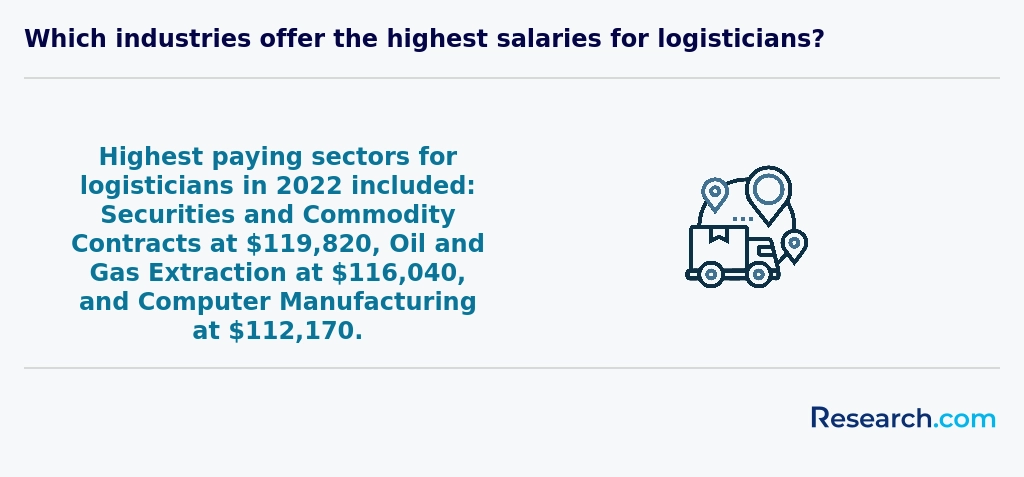
- Logistics degree graduates in the Midwest can earn strong salaries, such as Operations Managers making around $129,330 annually and Transportation or Warehouse Managers earning about $111,870 each year.
- A logistics graduate from a well-known Midwest university often explores careers in operations, supply chain, or transportation management, with many paths leading to leadership roles in growing industries.
- Choosing an online logistics degree offers flexibility to balance work and study, making it easier for Midwest students to advance their career without relocating or interrupting their income.
- Key benefits of getting online logistics degree in the Midwest
- What can I expect from online logistics degree in the Midwest?
- Where can I work with online logistics degree in the Midwest?
- How much can I make with online logistics degree in the Midwest?
- 2027 Most Valuable Online Master's in Logistics Degree Programs Ranking in the Midwest
- Key Findings
- How long does it take to complete online logistics degree in the Midwest?
- Tips for Success in Your Online Logistics Degree
- What's the difference between online and on-campus logistics degree?
- What is the average cost of online logistics degree in the Midwest?
- Practical Experience and Capstone Projects
- What financial aid is available to online logistics degree students in the Midwest?
- Related Rankings and Resources
- What are the prerequisites for enrolling in online logistics degree program in the Midwest?
- What courses are typically in online logistics degree programs in the Midwest?
- What types of specializations are available in online logistics degree programs in the Midwest?
- How do you choose the best online logistics degree in the Midwest?
- What career paths are available for online logistics degree students in the Midwest?
- What is the job market for online logistics degree in the Midwest?
- Top Trending Logistics Rankings
What can I expect from online logistics degree in the Midwest?
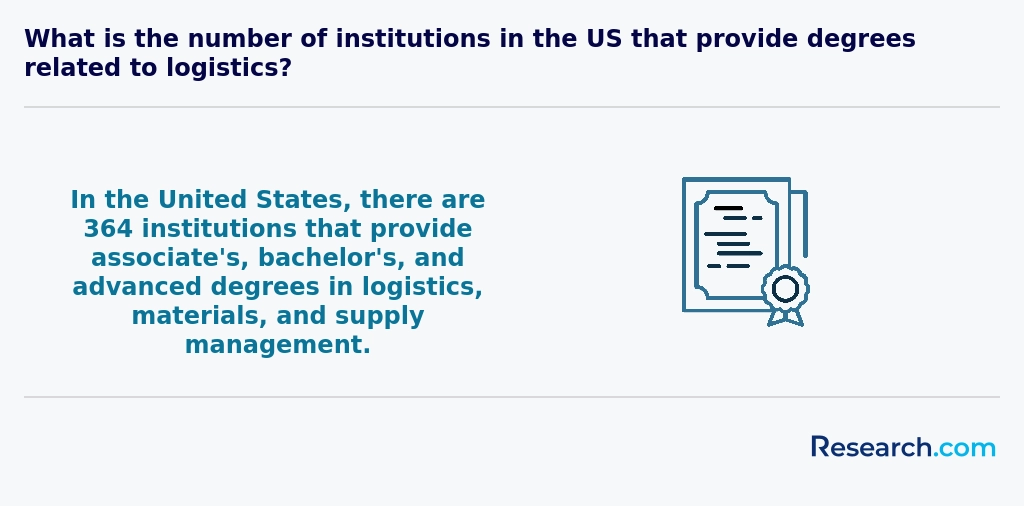
If you're wondering about the average cost of an online logistics degree in the Midwest, you can generally expect tuition to fall somewhere between $15,000 and $30,000 for the whole program. Most folks studying online at popular Midwest schools, whether it's a big university in Illinois or a well-known college in Ohio, find that the cost stays reasonable compared to on-campus options.
Graduates often share how this investment feels totally worth it-especially when they land jobs in trucking hubs or distribution centers nearby, where salaries can be quite competitive. Students love that they can study at their own pace without missing out on interactive coursework tailored to Midwest logistics challenges, like navigating winter storms or highway freight flows along I-90 and I-80.
Beyond tuition, there might be small fees for materials or software used in classes, but many programs keep those minimal. When you think about balancing work and studies, having an affordable, flexible online option close to home really takes the pressure off.
Where can I work with online logistics degree in the Midwest?
If you're thinking about where to work with an online logistics degree in the Midwest, there are plenty of exciting places waiting for you. Graduates from schools like Purdue or the University of Wisconsin often find themselves stepping right into roles with big companies like Amazon, Walmart, or FedEx. These companies have huge distribution centers in Indiana and Illinois, so logistics pros are always in demand to keep things running smoothly.
Then there's the auto industry, especially around Michigan. Logistics grads tell stories about getting involved in coordinating parts for big names like Ford or GM-helping keep cars rolling off assembly lines without a hitch.
Food and agriculture also open cool doors. Imagine managing supply chains for fresh produce moving through Iowa or Minnesota, making sure everything arrives on time and in great shape.
Even ports along the Great Lakes offer unique career paths. Some grads love working in Cleveland or Duluth handling shipping logistics and freight, enjoying the buzz of maritime transport.
How much can I make with online logistics degree in the Midwest?
If you're diving into an online logistics degree in the Midwest, you're looking at some solid earning potential right out of the gate. Many grads from well-known programs at universities in states like Illinois and Michigan report starting salaries around $45,000 to $55,000, often landing roles such as logistics analysts or coordinators. But here's the exciting part: with a few years under your belt, you could be managing operations where the paycheck really shines.
Take transportation or warehouse managers, for example. The U.S. Bureau of Labor Statistics shows the mean annual wage for these jobs in the Midwest clocks in around $111,870. Imagine overseeing the flow of goods in major distribution centers and earning a salary like that-it's a real boost! On the higher end, positions like operations managers can earn an average of $129,330, while international trade managers hit even higher, with a mean wage of about $146,710.
Graduates often tell stories of how their online studies combined with hands-on internships helped them confidently step into these roles. Whether at universities in Ohio, Missouri, or Indiana, the blend of practical skills and competitive salaries makes pursing this degree feel like a smart move for the future.
2027 Most Valuable Online Master's in Logistics Degree Programs Ranking in the Midwest
How do we rank schools?
Investing in your education is a significant decision that can shape your career, and the Research.com team is deeply aware of the importance of making well-informed choices. To guide prospective students seeking a master's degree in logistics in the Midwest, we have carefully developed the "2027 Most Valuable Online Master's in Logistics Degree Programs Ranking in the Midwest." Our dedication to quality, credibility, and accuracy is demonstrated through thorough research and rigorous analysis. We used the following reputable data sources to create a reliable and comprehensive ranking:
By consulting this ranking, readers will gain valuable insights into the most worthwhile online logistics master's programs in the Midwest, enabling more confident and strategic decisions about their education. For a detailed explanation of our ranking process, please visit our Research.com methodology page.


Key Findings
- Online logistics degrees in the Midwest typically cost between $15,000 and $35,000 for a bachelor's and $20,000 to $45,000 for graduate programs.
- The Midwest is a key logistics region with a projected job growth of about 7% over the next decade in logistics-related fields.
- Entry-level salaries for logistics graduates usually range from $50,000 to $65,000 annually in the Midwest.
- Mid-career professionals in logistics can earn between $80,000 and $100,000, with senior managers earning over $120,000 in some Midwest cities.
- Many programs include internships or capstone projects to boost practical skills and job readiness.
- Accreditation and employer partnerships are important factors to consider when choosing an online logistics degree program.
How long does it take to complete online logistics degree in the Midwest?
If you're thinking about getting an online logistics degree in the Midwest, here's the scoop on how long it usually takes. Most folks aiming for an associate degree finish up in about two years. This is perfect if you want to jump into entry-level jobs quickly or start building your skills without a huge time commitment. For example, graduates from popular Midwestern schools often mention how this timeline helped them balance work and family.
Bachelor's degrees typically take around four years if you're studying full-time, but many people stretch it out a bit longer by going part-time. This flexibility is a lifesaver for busy professionals, and it's common at universities in the Midwest to tailor schedules around your life. Some grads say they appreciated how they could manage their jobs while taking classes online.
If you're eyeing a master's, expect about 1.5 to 2 years full-time. Some universities even offer fast-track options you can zip through in just 12 to 18 months! And if you have transfer credits or real-world experience, you might finish sooner. That extra credit really helped some former students speed things along while staying focused on their careers.
Tips for Success in Your Online Logistics Degree
Embarking on an online logistics program is not only about choosing the right curriculum but also about developing the habits and strategies that ensure academic and career success. Here are some actionable tips to help you thrive in your studies and future career: • Stay organized by creating a detailed study schedule and setting realistic weekly goals. Tracking assignments and milestones can help you maintain focus despite the flexibility of an online program. • Leverage available resources such as virtual tutoring, online libraries, and discussion forums. Engaging regularly with these tools can deepen your understanding of complex logistics concepts. • Build your network by connecting with peers, professors, and industry professionals. For instance, exploring the top online logistics programs in illinois can offer opportunities to interact with alumni who share valuable insights and practical advice. • Take advantage of hands-on projects and case studies offered in your courses. Applying theoretical knowledge in a practical context not only cements learning but also prepares you for real-world challenges in the logistics field. • Maintain a proactive attitude by seeking feedback on your work and continuously assessing your progress. Regular self-evaluation can help you identify areas for improvement and adapt your learning strategies accordingly. By following these success strategies, you’ll be better equipped to manage the demands of an online environment and position yourself for a thriving career in logistics.
What's the difference between online and on-campus logistics degree?
If you're eyeing a logistics degree in the Midwest, the biggest difference between online and on-campus programs comes down to how you learn and connect. Picture this: a graduate from a well-known Midwest college juggling their 9-to-5 job while studying logistics courses online on weekends or late at night. That flexibility is a huge win for busy folks. They appreciate being able to log in whenever suits them without missing their daily grind.
On the flip side, graduates from traditional on-campus programs often talk about the buzz of walking through campus hallways and grabbing coffee with professors or classmates after class. For example, students at universities near Chicago or Indianapolis really benefit from face-to-face labs and career fairs where local logistics companies show up, making it easier to build connections.
Both paths share solid curriculum standards thanks to regional accreditation, so quality isn't lost. But online learners usually need to be more self-driven, managing deadlines solo, which some find empowering while others miss the immediate support found on campus.
What is the average cost of online logistics degree in the Midwest?
The average cost of an online logistics degree in the Midwest generally falls around $25,000, which is pretty reasonable compared to other parts of the country. Many students find this makes pursuing an online logistics degree expenses in Midwest much more manageable, especially when balancing work and study. For example, graduates from well-known universities like the University of Michigan have shared that the tuition price, combined with flexible online schedules, gave them a great return on investment without breaking the bank.
Most programs you'll find in the Midwest last about two years, so the total tuition reflects that timeline. Public in-state schools tend to charge around $21,000 in total, which feels like a smart choice for locals looking to keep costs down. Out-of-state students often pay a bit more, but it's still within a reasonable range near $21,000 to $25,000 overall. Private colleges usually run higher, often approaching $50,000 or even $70,000 depending on the school, but they often come with scholarships or payment plans that can soften the initial hit.
One of the perks for many Midwest students is support from local industries. Some manufacturing or distribution companies in big hubs like Chicago and Minneapolis offer tuition assistance, making the financial side even easier. If you want to see which schools rank highly for logistics in this region, check out https://research.com/rankings/logistics/best-online-logistics-midwest for more details on programs and pricing.
The bottom line? Exploring the average cost of an online logistics degree Midwest students face means weighing in residency, school type, and program length-but many find a strong, budget-friendly option here that opens doors in a booming industry.

Practical Experience and Capstone Projects
One of the most valuable components of an online logistics master’s program in the Midwest is the hands-on learning through internships, practicum courses, and capstone projects. These experiential elements bridge theory and real-world application, equipping students with practical skills that employers demand. Many programs partner with leading logistics firms-ranging from third-party carriers to e-commerce giants-to offer virtual or in-person internships where students tackle live cases such as route optimization, inventory forecasting, and supply chain risk assessments. Capstone projects often serve as the culmination of coursework, requiring students to analyze and solve complex logistics challenges. For example, a capstone team at a Midwestern university collaborated with a regional manufacturer to reengineer its distribution network, achieving a 15% reduction in delivery lead times. These projects sharpen strategic thinking, data analysis, and stakeholder communication skills, while also generating tangible outcomes that students can showcase on their resumes. Beyond traditional internships and capstones, some online programs incorporate simulation software and virtual labs, allowing students to manage warehouse operations, transportation networks, and reverse logistics scenarios in a risk-free environment. Access to these cutting-edge tools complements coursework in logistics technology and global supply chain management, reinforcing a practical understanding of industry-standard systems. For prospective students seeking programs that excel in experiential learning, our ranking of the best rated logistics degree programs online highlights institutions with strong employer partnerships, robust capstone offerings, and high internship placement rates. By prioritizing practical experience, graduates enter the workforce ready to lead complex logistics initiatives from day one.
What financial aid is available to online logistics degree students in the Midwest?
If you're studying an online logistics degree in the Midwest, financial aid is definitely within reach and can make a huge difference. Many students at places like Indiana State University or the University of Wisconsin-Madison tap into federal aid by filling out the FAFSA. This opens doors to Pell Grants, which some grads found super helpful since these don't have to be paid back and can cover a big chunk of tuition depending on income.
Loans are another go-to, with federal Direct Loans offering pretty low-interest rates. Graduate students diving into master's programs often borrow up to $20,500 a year, which can really ease the financial squeeze while balancing work and classes.
State grants are also a big deal, especially in Illinois or Ohio, where programs like the Illinois MAP grant or Ohio College Opportunity Grant gave many online logistics students that extra boost to afford school without stressing finances.
On top of that, a lot of Midwestern universities throw in scholarships or assistantships that reward hard work and sometimes include fun teaching or research gigs-great for experience and money.
And don't forget employers! Many grads studying logistics while working say their companies chipped in through tuition reimbursement, which makes juggling work and school way less stressful in regions buzzing with supply chain jobs.
Related Rankings and Resources
To complement your exploration of the most valuable online master’s in logistics programs in the Midwest, you may also want to review other data-driven rankings focusing on affordability and regional options. For example, our analysis of cost-effective programs in neighboring states highlights alternative pathways to a logistics degree without compromising quality. Dive deeper into budget-friendly offerings by visiting the 2025 Most Inexpensive Online Logistics Degree Programs Ranking in Kentucky, which showcases rigorously evaluated programs designed for students prioritizing both cost savings and career outcomes. In addition to regional rankings, consider these resources to enhance your decision-making process:
- Our methodology overview for evaluating online logistics degrees, ensuring transparency in how programs are scored.
- A comprehensive FAQ on application deadlines, prerequisite waivers, and credit transfer policies across Midwest institutions.
- Student success stories detailing strategies for balancing coursework with professional responsibilities. By leveraging these supplemental rankings and guides, you’ll gain a holistic view of the online logistics education landscape and confidently select the program that best aligns with your career goals and financial considerations.
What are the prerequisites for enrolling in online logistics degree program in the Midwest?
If you're thinking about jumping into an online logistics degree in the Midwest, you'll usually need at least a high school diploma or GED to get started. For your bachelor's degree, that's pretty much the baseline. But if you're aiming higher-like a master's degree-most programs want to see a bachelor's under your belt first. It doesn't always have to be in business or logistics; some graduates from other fields have successfully gotten accepted by showing relevant work experience or a solid understanding of the basics.
For example, lots of folks who enrolled in the University of Wisconsin-Madison's online logistics master's program shared that professional experience mattered more than test scores like the GRE, which is often optional these days. Having a year or two of hands-on work in supply chain or transportation tends to give you a real edge, especially since Midwest employers are looking for people who know the ropes.
Also, don't forget tech skills! Since everything's online, being comfy with computers and managing your own schedule will make your life way easier. Many students say getting used to the platforms early saved them a lot of headaches later on.
What courses are typically in online logistics degree programs in the Midwest?
If you're diving into an online logistics degree in the Midwest, expect a lineup of courses that really get to the heart of how supply chains tick in this region. Graduates from popular Midwest schools often rave about classes like Supply Chain Management Fundamentals, which breaks down everything from suppliers to customers. Imagine learning how your favorite local retail store keeps shelves stocked-that's the kind of practical insight these courses offer.
Transportation and Distribution Management is another must, focusing on the nitty-gritty of moving goods efficiently across highways and railroads that crisscross the Midwest. Many alumni mention how they instantly connected what they learned to real-world trucking routes and shipping hubs.
Inventory Control and Warehouse Management courses teach you how to keep warehouses running smoothly-picture optimizing a busy warehouse at a Midwestern agricultural processing plant. Other courses, like Procurement Strategies and Operations Management, cover supplier deals and smooth production flows, which grads say helped them ace logistics roles shortly after finishing their degree.
Plus, with courses on Data Analytics and IT systems, you'll get hands-on with tools real logistics pros use to streamline operations. Many students love how the curriculum feels tailored to the Midwest's unique industry mix, from farming to manufacturing, making each lesson feel relevant and ready to apply.
What types of specializations are available in online logistics degree programs in the Midwest?
If you're diving into an online logistics degree in the Midwest, you'll find some pretty cool specializations that fit the region's unique vibe. For instance, many grads from well-known colleges love focusing on Supply Chain Management, which is all about keeping goods moving smoothly from factories around here to customers everywhere. It's the go-to for students excited about working close to home in places like Illinois or Ohio.
Then there's Transportation and Distribution Logistics - super popular thanks to the Midwest's huge networks of highways and railroads. Graduates in this field often share how cool it is to optimize routes for trucking or rail, making sure everything arrives on time.
Another favorite is Logistics Analytics, where students get hands-on with big data and predictive tools. This is perfect for those tech-savvy folks looking to stand out in the growing market.
You'll also find grads diving into Global Logistics Management, especially with the Midwest being a big export hub. It's a real eye-opener learning about trade rules and international transport.
These Midwest logistics master's program concentrations really help students find their niche-and if you're curious about career earnings, check out the highest-paying bachelor's degree careers to see how logistics can stack up!
How do you choose the best online logistics degree in the Midwest?
When choosing the best online logistics degree programs Midwest, start by checking accreditation-it's a game changer. Graduates from popular Midwest universities often mention how knowing their degree was AACSB-accredited gave them confidence and helped open doors to employers around Chicago and Minneapolis. Look closely at the curriculum too; you want courses that cover real-world skills like transportation management and inventory control, just like busy pros juggling logistics careers praised in Indianapolis.
Affordability is another big deal. Many students balance work and family, so finding affordable logistics master's degrees Midwest is key to avoiding stress over tuition. Some even find creative ways to save, like scholarships or employer tuition assistance. If flexibility matters, prioritize programs with asynchronous classes so you can study on your own time without missing out on helpful career services.
And hey, if you're thinking about branching into other fields, some grads recommend checking out an affordable online bachelor's in hospitality management for extra versatility.
What career paths are available for online logistics degree students in the Midwest?
If you're diving into an online logistics degree jobs in the Midwest, you're stepping into a field packed with opportunities. Graduates from schools like Purdue or the University of Wisconsin often find themselves managing supply chains for big names in the region, optimizing everything from procurement to delivery. It's pretty exciting to be part of ensuring products move smoothly across states, especially with Midwest hubs like Chicago and Indianapolis buzzing with transport and manufacturing activity.
Career opportunities with Midwest logistics degree online aren't limited to just supply chain roles. You'll also hear from grads who are thriving as transportation managers, warehouse supervisors, or inventory experts. The hands-on projects and courses at popular colleges prepare you well to tackle real-world problems, making it easier to hit the ground running once you finish your degree.
For those curious about expanding beyond traditional roles, many grads leverage their Midwest logistics backgrounds into customs brokerage or international trade, thanks in part to the region's rail networks and border links. If you're eyeing a solid career path while studying, don't forget to check out resources like North Carolina business school faculty for additional insights and advice.

What is the job market for online logistics degree in the Midwest?
The Midwest online logistics job market is really thriving right now. Graduates from popular schools like Michigan State University or Ohio State often find themselves snapped up by companies in automotive hubs or massive warehouse operations scattered across Illinois and Indiana. Many grads share how their online degree helped them land roles like supply chain managers or transportation coordinators within months of finishing. This region's strategic location makes it a go-to for supply chain jobs, mixing urban corporate offices with hands-on warehouse environments.
Career opportunities logistics degree Midwest holders enjoy include positions in manufacturing, food production, and retail sectors, where demand is steady and growing. The adoption of data analytics and automation also means grads can bring fresh, tech-savvy skills to the table. Thinking of leveling up? Some students complement their logistics degree by exploring related fields like marketing master's degrees to boost their versatility and career prospects.
Frequently Asked Questions About logistics
Online logistics degree students in the Midwest can maximize their learning by actively engaging with coursework and practical projects. The region's strong manufacturing and transportation sectors provide excellent opportunities for virtual networking and internships. According to the Council of Supply Chain Management Professionals, over 40% of U.S. freight flows through Midwest hubs like Chicago and Indianapolis, underscoring local industry relevance.
Students should leverage online resources such as webinars, industry reports, and case studies tailored to Midwest logistics trends. Joining professional organizations like the Midwest Supply Chain Association can enhance connections and career prospects. Additionally, scheduling regular meetings with academic advisors ensures alignment between coursework and career goals, reinforcing real-world applicability.
The logistics field is rapidly evolving, with several emerging niches gaining prominence, especially in the Midwest. One key area is supply chain sustainability, driven by growing environmental concerns. Companies increasingly seek professionals who can implement green logistics strategies.
Another expanding niche is e-commerce fulfillment. Midwest hubs like Chicago and Indianapolis serve as critical centers for online retail distribution, creating demand for expertise in last-mile delivery and warehouse automation.
Data analytics and technology integration also play a vital role, as firms adopt AI and IoT to enhance route optimization and inventory management. According to the Council of Supply Chain Management Professionals, these technology-driven roles in the Midwest have grown over 15% since 2020.
Finally, healthcare logistics is growing due to the region's extensive medical manufacturing and distribution networks, requiring specialists adept at managing sensitive shipments.
Preparing for the job market after completing an online logistics degree in the Midwest involves several strategic steps. Graduates should focus on building strong practical skills, such as supply chain management software proficiency, which is highly valued by local employers. According to the U.S. Bureau of Labor Statistics, logistics and supply chain management jobs in the Midwest are expected to grow by 7% through 2031.
Networking plays a crucial role. Joining regional logistics associations like the Council of Supply Chain Management Professionals (CSCMP) Midwest Roundtable can provide access to job leads and industry insights. Internships or cooperative education programs with Midwestern companies also enhance employability.
Certifications such as the Certified Supply Chain Professional (CSCP) can further increase marketability and earning potential.
Employers in the Midwest highly value logistics graduates who demonstrate strong analytical and problem-solving skills. Given the region's critical role in national supply chains, graduates must be proficient in data analysis and inventory management. According to the Council of Supply Chain Management Professionals (CSCMP), over 70% of Midwest logistics firms prioritize candidates with expertise in supply chain software and technology.
Effective communication and teamwork are also essential, as logistics roles frequently require coordination across departments and with external partners. Employers look for graduates familiar with regulatory compliance and safety standards, reflecting the Midwest's heavy manufacturing and transportation industries.
Additionally, adaptability and project management skills are critical to handle disruptions, a growing concern highlighted by recent supply chain challenges documented by the National Association of State Procurement Officials (NASPO).
Finding internships in the Midwest relevant to a logistics degree involves targeting industries such as manufacturing, transportation, and supply chain management. States like Illinois, Ohio, and Michigan host major logistics hubs supporting companies like Amazon, UPS, and Ford, which frequently offer internship positions. According to the Council of Supply Chain Management Professionals (CSCMP), the Midwest has seen a 7% annual growth in supply chain roles, highlighting strong opportunities.
Students should explore university career centers, which often have partnerships with regional firms. Additionally, platforms like Handshake and LinkedIn list internships specifically for logistics students. Networking at local industry events and joining Midwest logistics associations can further connect students with internship openings.
An online logistics degree significantly enhances career mobility and advancement opportunities in the Midwest's growing supply chain sector. According to the Council of Supply Chain Management Professionals (CSCMP), the Midwest accounts for a large share of U.S. logistics employment, with states like Illinois and Ohio hosting major distribution hubs. An advanced degree equips graduates with skills in transportation management, inventory control, and data analytics, which are highly valued by employers.
Data from the Bureau of Labor Statistics (BLS) indicate that logistics managers in the region earn a median annual wage surpassing $90,000, reflecting the specialized expertise degree holders bring. Online programs also offer flexibility, allowing working professionals to upskill without relocating, which is crucial in this geographically diverse area.
The ability to access accredited Midwest institutions remotely fosters networking with regional industry leaders, increasing job placement and promotion chances. Ultimately, this credential supports upward mobility in roles like supply chain analyst, operations manager, or logistics director.
Studying for a logistics degree in the Midwest equips students with versatile skills essential for interdisciplinary roles. Midwest programs often integrate supply chain management, data analytics, and business strategy, reflecting the region's strong manufacturing and transportation sectors. According to the Council of Supply Chain Management Professionals, 40% of U.S. manufacturing output is in the Midwest, creating robust demand for logistics experts who understand cross-functional challenges.
Online Midwest degrees emphasize real-world application, combining technology, economics, and operations management. This prepares graduates to collaborate across departments such as IT, finance, and marketing. Additionally, many programs partner with local industries, providing valuable networking and experiential learning opportunities.
These interdisciplinary skills increase employability in roles requiring coordination between diverse teams, critical for optimizing complex supply chains prevalent in the region.
Choosing between a thesis and a non-thesis logistics degree program in the Midwest depends on your career goals and learning preferences. A thesis program involves conducting original research and is ideal if you plan to pursue a PhD or work in research-driven roles. It typically requires more time commitment and strong writing skills.
Non-thesis programs focus on practical skills and coursework, preparing students for immediate employment in logistics management, supply chain coordination, or operations.
According to the Council of Supply Chain Management Professionals, the Midwest hosts many logistics hubs, increasing demand for practical logistics skills.
Consider your career plans, time availability, and desire for research when deciding.
Students in the Midwest seeking online logistics degrees with an international focus have growing options through US institutions offering global logistics curricula. While fully online degrees rarely require physical attendance abroad, many schools integrate study abroad opportunities or international case studies, enabling exposure to global supply chains.
The Midwest's strategic location as a transportation hub-with major logistics centers in Chicago and St. Louis-means many programs emphasize global logistics challenges relevant to this region. Universities like Michigan State and Indiana University offer online logistics courses highlighting international trade and cross-border transportation.
Additionally, partnerships with foreign universities occasionally allow Midwest students to participate in short-term global seminars or research projects abroad, complementing their online studies. According to the Council of Supply Chain Management Professionals, such international exposure enhances career prospects in multinational logistics firms headquartered in the US.
Students pursuing online logistics degrees in the Midwest can benefit from part-time jobs in warehousing, transportation, and supply chain management. The Midwest's central location supports a large distribution network, offering roles like inventory clerks and shipping coordinators. According to the Bureau of Labor Statistics, the region's logistics sector is projected to grow by 7% through 2030, creating diverse job openings.
Opportunities at major Midwest hubs, such as Chicago and Indianapolis, often include part-time work with third-party logistics companies and freight carriers. These roles provide hands-on experience with inventory systems and delivery scheduling, directly complementing logistics coursework.
Additionally, internships or assistantships at manufacturing firms or retail chains help students apply supply chain theories in real-world settings, enhancing their understanding of distribution challenges and solutions common to the region's economy.
Online logistics students in the Midwest benefit from diverse networking opportunities despite their remote status. Many universities host virtual career fairs, connecting students with leading regional employers in states like Illinois and Ohio, which are logistics hubs due to their central location and robust transportation infrastructure.
Professional organizations such as the Council of Supply Chain Management Professionals (CSCMP) and the Midwest Logistics Association hold conferences and webinars throughout the year. These events allow online students to engage with industry experts, stay updated on trends, and build professional contacts.
Additionally, some Midwestern schools partner with local businesses to offer internships and mentorship programs tailored for online learners, enhancing real-world experience and networking potential.
Alumni networks offer significant benefits to students pursuing online logistics degrees in the Midwest. These networks provide access to a broad community of logistics professionals who can offer career advice, mentorship, and job leads. According to the Council of Supply Chain Management Professionals, the Midwest remains a central hub for logistics, with over 30% of U.S. freight passing through this region annually. By connecting with graduates working in key industries like manufacturing, transportation, and warehousing, students gain insight into local market trends and hiring practices.
Such networks often facilitate exclusive events and workshops tailored to logistics innovations and regional challenges. Participation helps students build professional relationships that can lead to internships and employment opportunities in major Midwestern cities like Chicago, Indianapolis, and Minneapolis.
Customizing your online logistics degree in the Midwest often starts with selecting electives aligned with your career goals. Many universities allow students to focus on areas such as supply chain management, transportation, or inventory control. This flexibility helps tailor your expertise to specific industries prevalent in the region, like manufacturing and agriculture.
Internship opportunities and virtual practicums are increasingly available, enabling practical experience while studying remotely. According to the Council of Supply Chain Management Professionals, Midwestern logistics hubs like Chicago and Indianapolis contribute to 20% of the nation's freight movement, which emphasizes regional relevance in coursework.
Additionally, some programs offer certifications embedded within the degree, such as Six Sigma or APICS, enhancing professional credentials. Careful program choice and advisor collaboration can ensure your degree supports your intended career path effectively.
Online logistics students in the Midwest often face challenges related to balancing work, family, and coursework. Many students are working professionals in sectors like manufacturing and transportation, which can be demanding and make time management difficult. According to the National Industry-Industry Council, nearly 30% of Midwest logistics roles require advanced skills, increasing pressure on students to learn complex supply chain concepts remotely.
Another challenge is limited access to local internships or hands-on experiences, which are essential for logistics careers. Although online programs offer flexibility, students sometimes struggle to network effectively with regional employers.
Additionally, inconsistent internet access in rural Midwestern areas can affect participation in live lectures or timely submission of assignments, a point highlighted by the Federal Communications Commission's broadband report.
Graduates with an online logistics degree in the Midwest are well-positioned to pursue several respected professional certifications that enhance career prospects. One of the most recognized certifications is the Certified Supply Chain Professional (CSCP) offered by APICS, which focuses on end-to-end supply chain management. Another valuable credential is the Certified in Logistics, Transportation and Distribution (CLTD), also from APICS, designed for professionals managing transportation and distribution operations.
Additionally, the Six Sigma Green Belt certification helps logistics professionals improve processes and reduce waste. The Midwest's strong transportation network, especially in states like Illinois and Ohio, makes these certifications highly relevant for careers here. According to the Council of Supply Chain Management Professionals (CSCMP), certified professionals in logistics earn up to 20% more than non-certified peers.
Applying to an online logistics program in the Midwest requires a clear, focused approach. Start by highlighting relevant experience in supply chain management or transportation to demonstrate your commitment. Many Midwest states, including Illinois and Indiana, house major logistics hubs-mention how your location offers unique industry insights. Include measurable achievements, such as improving delivery times or reducing costs, to impress admissions committees.
Strong letters of recommendation, preferably from employers in logistics fields, can significantly boost your application. Address why you chose an online format, emphasizing flexibility while maintaining academic rigor. Finally, research programs accredited by recognized bodies like the Accreditation Council for Business Schools and Programs (ACBSP) to ensure quality education.
Logistics is a career with increasing global importance, driven by international trade and supply chain complexity. In the Midwest, often called the heartland of U.S. logistics, online degree programs prepare students to manage global operations efficiently. The region's central location makes it a major hub for distribution and transportation, connecting North America to international markets.
Globally, logistics roles demand an understanding of cross-border regulations, technology, and sustainability. According to the Council of Supply Chain Management Professionals, logistics jobs grew by 5% nationwide in recent years, with the Midwest contributing significantly due to its manufacturing and agricultural exports.
Students pursuing online logistics degrees benefit from courses that emphasize global supply chain management strategies, preparing them for careers that require collaboration across countries. The U.S. Bureau of Labor Statistics also projects a 28% growth rate in logistics-related occupations by 2031, reflecting worldwide demand for qualified professionals.
Gaining practical experience while pursuing an online logistics degree in the Midwest is essential. Many programs encourage internships with regional companies tied to the Midwest's strong manufacturing and transportation sectors. For example, states like Illinois and Ohio host major distribution centers where students can apply classroom knowledge in real-world settings.
In addition, some universities collaborate with local businesses to offer virtual simulations and project-based learning. These experiences mimic real logistics challenges, allowing students to develop critical problem-solving skills.
The Midwest's central location and its role in U.S. supply chains provide ample opportunities for networking, including virtual job fairs and professional associations like the Council of Supply Chain Management Professionals (CSCMP).
According to the Bureau of Labor Statistics, demand for logisticians is expected to grow by 30% in the Midwest through 2030, underscoring the value of hands-on experience during study.
Choosing the right concentration within an online logistics degree in the Midwest depends on your career goals and the region's economic demands. The Midwest is a transportation hub, with industries such as manufacturing, agriculture, and automotive relying heavily on logistics. Specializations like supply chain management, transportation management, and operations analytics are popular. According to the Bureau of Labor Statistics, Midwest logistics roles are projected to grow by 6% through 2030, especially in warehousing and distribution.
Consider concentrations that emphasize technology and data analysis, as companies increasingly use automation and AI. Research programs that offer internships or partnerships with local businesses to gain relevant experience in the Midwest market.
Top Trending Logistics Rankings
References
- Events and networking https://logistics.org.uk/executivemembership/events-and-networking
- International Trade and Logistics Graduate Program (With / Non-Thesis) | Beykoz Üniversitesi https://www.beykoz.edu.tr/icerik/2251-international-trade-and-logistics-graduate-program-with-without-thesis
- 8 Critical Challenges in Logistics (And How to Overcome Them) | Load One Transportation https://load1.com/8-critical-logistics-challenges-and-how-to-overcome-them/
- Why Attend – transport logistic SEA https://transportlogisticsea.com/why-attend/
- 5 Reasons Why Choose to Study Sustainable Mobility & Logistics https://www.mynoa.com/en/post/5-reasons-why-choose-to-study-logistics
- Study Logistics Abroad - Top Universities for Masters, MBA, PhD Degree Programs https://studee.com/degree/abroad/logistics
- Essential Skills Employers Look for in Logistics and Supply Chain Candidates in Australia - Vectura Recruitment https://vecturarecruitment.com.au/essential-skills-employers-look-for-in-logistics-and-supply-chain-candidates-in-australia/
- 1. Online registration https://moderna.edu.pl/majors/management/bachelor-of-management/logistics-management/
- 2025 Most Affordable Online Supply Chain Management Degrees https://www.onlineu.com/most-affordable-colleges/supply-chain-management-degrees
- Continuing Education in Global Logistics: A Powerful Catalyst for Career Growth https://gofreightpath.com/continuing-education-in-global-logistics-a-powerful-catalyst-for-career-growth/


