2027 Fastest Online Logistics Degree Programs Ranking in the South

Co-Founder and Chief Data Scientist
Choosing the right online logistics degree program can feel overwhelming, especially when you want to finish quickly and build a strong career.
This article presents the 2027 Fastest Online Logistics Degree Programs Ranking in the South, created by the Research.com team of data scientists to guide you toward the best options available.
By exploring these top programs, you'll find paths that save time without sacrificing quality, helping you enter the workforce faster with confidence.
Getting a logistics degree opens doors to growing industries and rewarding opportunities-your future starts here.
Key benefits of getting online logistics degree in the South
- Graduates with a logistics degree can expect strong earning potential, with jobs like Logistics Coordinator and Logistics Specialist offering mean annual wages around $84,640, and roles such as Customs Broker averaging about $63,130.
- Career paths for logistics graduates from Southern universities include roles in transportation planning, supply chain coordination, and customs brokerage, providing diverse opportunities to find rewarding, in-demand work.
- Completing a logistics degree online from a respected Southern university offers flexibility and convenience, making it easier to balance studies with work or family while gaining the same valuable knowledge and credentials as traditional programs.
- Key benefits of getting online logistics degree in the South
- What can I expect from online logistics degree in the South?
- Where can I work with online logistics degree in the South?
- How much can I make with online logistics degree in the South?
- 2027 Fastest Online Logistics Degree Programs Ranking in the South
- Key Findings
- How long does it take to complete online logistics degree in the South?
- What's the difference between online and on-campus logistics degree?
- Practical Experience and Industry Partnerships
- What is the average cost of online logistics degree in the South?
- Emerging Trends in Logistics Education and Career Opportunities
- What financial aid is available to online logistics degree students in the South?
- What are the prerequisites for enrolling in online logistics degree program in the South?
- Accreditation and Quality Assurance
- What courses are typically in online logistics degree programs in the South?
- What types of specializations are available in online logistics degree programs in the South?
- How do you choose the best online logistics degree in the South?
- What career paths are available for online logistics degree students in the South?
- What is the job market for online logistics degree in the South?
- Top Trending Logistics Rankings
What can I expect from online logistics degree in the South?
Determining the average cost of an online logistics degree in the South can be challenging due to variations among institutions, but many programs cost between $15,000 and $35,000 in total tuition. Graduates from well-known schools such as those in Texas or Georgia often describe their investment as worthwhile, citing flexible schedules that allow them to balance work and study while gaining relevant skills.
Some Southern colleges offer accelerated or competency-based formats that reduce time-to-degree, potentially lowering expenses. However, it's important to consider additional fees for technology, textbooks, and certification exam preparation, which may not be included in quoted tuition. For example, graduates from institutions near major logistics hubs like the Port of Savannah mention how certifications aligned with their degrees enhanced their career prospects but sometimes required extra costs.
While more affordable options exist, students should critically evaluate programs' accreditation and industry connections to ensure their degree holds value in the competitive Southern job market. Real-life reports from graduates indicate that paying a premium often correlates with better career support and networking opportunities in this region's dynamic logistics sector.
Where can I work with online logistics degree in the South?
Graduates from online logistics programs at Southern institutions like the University of Alabama or Georgia Southern University often find themselves drawn to a diverse range of career paths thanks to the region's robust transportation and manufacturing sectors. Many secure positions in major freight and shipping companies such as FedEx or UPS, where they manage complex supply chains, optimize delivery routes, or analyze shipping data to reduce costs. For example, graduates have shared that working at facilities near the Port of Savannah provides continuous learning through hands-on challenges in maritime logistics.
Others pursue careers within the manufacturing or retail sectors, with companies in automotive and aerospace industries offering opportunities in inventory control and production scheduling. Graduates from programs at institutions like Auburn University note the satisfaction of supporting companies such as Toyota or Lockheed Martin in Alabama, where logistics roles have a direct impact on meeting production deadlines.
Warehouse management and e-commerce logistics are also growing fields, especially with companies like Amazon expanding fulfillment centers in states like Texas and Florida. Some graduates appreciate the dynamic environment these roles offer, blending technology with operational strategy.
While public sector jobs in transportation infrastructure and emergency logistics planning exist, they can vary in availability and may require additional certifications or experience. Nevertheless, students appreciate that logistics expertise in the South opens doors to multiple sectors, each offering unique challenges and rewards grounded in the region's economic landscape.
How much can I make with online logistics degree in the South?
Graduates with an online logistics degree in the South can anticipate starting salaries reflecting regional economic dynamics. For entry-level roles like Supply Chain Coordinator or Transportation Planner, the mean annual wage hovers around $46,690, according to the U.S. Bureau of Labor Statistics. This aligns with many southern logistics graduates who find positions in states such as Texas and Georgia, where logistics hubs generate steady demand.
Mid-career roles such as Logistics Coordinator or Logistics Specialist offer higher earnings, with mean wages near $84,640 annually. Graduates from southern universities with strong supply chain programs have shared how this jump supports improved lifestyles, enabling choices like purchasing homes near growing urban centers like Charlotte or Houston.
Customs Broker positions typically pay around $63,130 and represent specialized pathways for some graduates, emphasizing the benefit of certifications or focused study. Although salary ranges vary, online logistics degree holders in the South often leverage flexible work options and regional growth to exceed local averages, especially in metropolitan freight corridors.
2027 Fastest Online Logistics Degree Programs Ranking in the South
How do we rank schools?
Investing in your education is a significant decision that can shape your future, and the Research.com team understands the importance of making informed choices. To assist prospective students interested in logistics, we have meticulously crafted the "2027 Fastest Online Logistics Degree Programs Ranking in the South." Our commitment to quality, credibility, and accuracy is reflected in the extensive research and analysis conducted to compile this ranking.
We utilized the following reputable data sources to ensure a comprehensive evaluation of logistics degree programs:
By exploring this ranking, readers will gain valuable insights into the fastest online logistics degree programs in the South, empowering them to make well-informed decisions about their educational future. For more details on our methodology, please visit our Research.com methodology page.


# 3 position
Florida State College at Jacksonville
Bachelor of Logistics


# 10 position
Embry-Riddle Aeronautical University-Worldwide
Master of Logistics and Supply Chain Management

Key Findings
- Tuition for online logistics bachelor's degrees in the Southern US typically ranges from $10,000 to $25,000, with public universities generally offering lower rates for in-state students.
- Starting salaries for graduates average around $50,000 per year, with potential growth up to $80,000 to $100,000 within five to ten years.
- Employment in transportation, storage, and distribution is expected to grow by about 6% over the next decade, matching the average job growth across all occupations.
- Most online logistics programs require about 120 credit hours and can be completed in four years full-time, with part-time and accelerated options available.
- Programs often include certifications like the Certified Supply Chain Professional (CSCP) to improve job prospects.
How long does it take to complete online logistics degree in the South?
Completing an online logistics degree in the South generally requires between two to four years, but individual experiences show a wider spectrum depending on commitment and program type. Graduates from institutions like the University of North Texas or Florida State University often report finishing associate degrees in around two years when enrolled full-time, perfect for launching careers in warehousing or transportation.
Bachelor's programs, common throughout Southern states, typically demand about four years of study, though many students appreciate the flexibility of part-time or accelerated tracks. For example, some graduates from Georgia Southern University have taken advantage of accelerated online options to complete their degrees in as few as three years by utilizing summer terms and transfer credits.
Graduate students pursuing a master's in logistics usually expect 18 to 24 months for full-time study, but working professionals often stretch this timeline to accommodate their schedules without sacrificing career progress. In all cases, factors like transfer credits, course load, and institutional design shape pacing, enabling students to tailor their journeys according to their unique life situations and aspirations.
What's the difference between online and on-campus logistics degree?
Online logistics degrees in the South appeal to students seeking flexibility, especially those balancing work or family. Graduates from popular institutions report that asynchronous courses allowed them to study after work hours without sacrificing income. This flexibility saves commuting time and lowers tuition costs, typically ranging from $12,000 to $18,000 annually, compared to $15,000 to $25,000 for on-campus options at Southern universities like those in Georgia or Texas.
Conversely, on-campus programs offer immersive, face-to-face learning. Graduates often highlight how in-person networking and hands-on experiences at Southern logistics hubs provided valuable internships and job leads. For example, students studying at Texas universities appreciated access to specialized labs and direct collaboration with local supply chain companies.
Both formats cover core topics like transportation systems and inventory control, yet the tangible engagement differs. While some online programs use virtual simulations and remote internships aligned with Southern markets, the in-person community remains a strong draw for those valuing direct interaction. Employers increasingly respect accredited online credentials, but many students still find on-campus connections uniquely rewarding.
Practical Experience and Industry Partnerships
Online logistics degree programs in the South distinguish themselves by integrating hands-on learning experiences and strategic industry collaborations that bridge theory with real-world applications. Students pursuing a major in logistics benefit from structured internships, live case studies, and capstone projects developed in partnership with leading supply chain firms, transportation carriers, and port authorities across the region. Many universities partner with global logistics companies-such as Amazon, FedEx, and regional distribution hubs-to offer virtual simulations and supervised field assignments. These immersive opportunities enable students to optimize routing algorithms, manage inventory systems, and negotiate supplier contracts under professional mentorship. Such direct exposure ensures graduates possess both the technical proficiency and problem-solving mindset demanded by today’s employers. Capstone projects often tackle actual challenges faced by partner organizations. For example, one cohort collaborated with a Southern port authority to design a sustainability plan that reduced container dwell time by 15%. Another group developed a predictive analytics dashboard for a major retailer’s warehouse operations. These signature experiences not only enrich resumes but also foster valuable industry connections that can lead to full-time roles. Prospective students should evaluate programs based on the depth and variety of experiential offerings. Look for clear descriptions of internship placements, capstone sponsors, and alumni success metrics in job placements. By selecting a program with robust industry partnerships, you’ll graduate not just with knowledge, but with proven skills and a professional network ready to propel your logistics career forward.
What is the average cost of online logistics degree in the South?
The average cost of online logistics degree programs in the South varies significantly based on residency and institution type. Median total costs show a clear distinction between in-state and out-of-state students, with typical in-state tuition around $16,192 and out-of-state tuition nearing $33,976. Graduates from well-known Southern universities emphasize how choosing to attend public institutions as in-state students can result in considerably lower expenses, making the degree more accessible and reducing financial stress.
Many students pursuing an affordable online logistics degree tuition Southern US highlight that these costs align with expectations when balancing quality, flexibility, and affordability. For example, while private institutions often promise prestigious credentials, their tuition can double or triple the median rates, which might discourage some from enrolling. On the other hand, students attending public universities in the South often appreciate the affordability and even benefit from flat tuition rates or additional discounts offered to online learners.
One common experience among graduates includes managing tuition costs alongside other expenses like technology and course materials. Despite these added costs, many express satisfaction with their investment, especially when considering regional job markets in logistics. Southern universities that offer competitive programs attract students seeking value, often described as finding a meaningful education without overwhelming debt.
Understanding these dynamics is critical when deciding where to enroll. Prospective students interested in a logistics career might explore options thoroughly, including programs ranked among the best popular logistics degree offerings in the region, to secure an optimal balance of cost and educational benefits.

Emerging Trends in Logistics Education and Career Opportunities
As the logistics industry evolves rapidly, it is crucial for prospective students to stay informed about emerging trends that shape both education and career paths. Recent developments-such as the integration of AI, automation in warehousing, and blockchain for supply chain transparency-are transforming traditional logistics practices. Educational programs are now increasingly incorporating courses on data analytics, Internet of Things (IoT) applications, and sustainable logistics, preparing graduates for a future where technology drives efficiency and innovation. By focusing on these trends, students can gain a competitive edge and align their learning with industry demands. Moreover, modern curricula are highlighting the importance of digital transformation, ensuring that graduates not only receive academic knowledge but also acquire practical skills that are immediately applicable on the job. For more insights into how innovative programs are equipping students for tomorrow’s challenges, check out the best popular logistics degree ranking. Embracing these forward-thinking approaches is essential for those who aspire to become leaders in a field that is consistently evolving to meet the demands of a global market.
What financial aid is available to online logistics degree students in the South?
Students pursuing online logistics degrees in the South often rely heavily on federal financial aid to manage costs, which can range widely from $15,000 to $40,000 depending on their school. Applying for the Free Application for Federal Student Aid (FAFSA) is a crucial first step, enabling access to Pell Grants that can cover up to $7,395 annually without requiring repayment. Graduates from institutions like the University of Tennessee have found this aid pivotal in reducing debt and staying focused on studies rather than financial stress.
State-specific grants, such as Texas's Educational Opportunity Grant or Florida's Bright Futures Scholarship, also provide meaningful support for those enrolled in in-state online logistics programs. These opportunities, while potentially competitive, are life-changing for students balancing work and education.
Many Southern universities, including Georgia Southern University, offer scholarships tied directly to logistics and supply chain management. Graduates often speak positively about how these awards acknowledge professional experience or academic merit and foster a strong sense of community.
Employer tuition assistance programs are another valuable resource, especially in logistics hubs like Atlanta and Houston, enabling working students to upgrade skills without sacrificing income. Additionally, professional bodies like the Council of Supply Chain Management Professionals (CSCMP) provide grants that, although competitive, open doors to both financial help and meaningful networking.
What are the prerequisites for enrolling in online logistics degree program in the South?
Enrolling in an online logistics degree program in the South typically requires a high school diploma or equivalent, coupled with a GPA around 2.5 to 3.0. Graduates from well-known Southern institutions often recall that meeting this baseline helped ensure they were academically prepared for the rigor of logistics coursework. While some programs may still request SAT or ACT scores, many Southern schools have made these optional, reflecting evolving admissions policies and reducing barriers for motivated students.
Technical readiness is another crucial prerequisite, as successful online learning depends on functional hardware and a reliable internet connection. For example, students at prominent Southern colleges in logistics recount how having a stable setup allowed them to participate fully and stay engaged during interactive assignments and virtual discussions.
Additionally, some programs favor applicants who submit letters of recommendation or personal statements. These documents enable admissions teams to appreciate applicants' enthusiasm and commitment, which many graduates describe as a meaningful way to showcase their real-world interest in supply chains.
Lastly, preparatory courses in math, economics, or business are sometimes recommended, particularly to provide a foundation for complex logistics topics. Those who took such courses at Southern universities often highlight how this early preparation boosted their confidence and academic performance.

Accreditation and Quality Assurance
When evaluating online logistics degrees in the South, accreditation is your first indicator of quality and credibility. Accredited programs meet rigorous standards set by regional bodies such as the Southern Association of Colleges and Schools Commission on Colleges (SACSCOC) or specialized accreditors like the Accreditation Council for Business Schools and Programs (ACBSP). These endorsements ensure that curriculum, faculty expertise, and student support services align with industry expectations. Programs with specialized accreditation often maintain advisory boards comprising logistics professionals, which keeps coursework current with real-world trends-from blockchain-enabled supply chains to sustainable distribution practices. Before applying, verify that your chosen institution publishes transparency reports on graduation rates, job placement statistics, and student satisfaction surveys. Cost-conscious students who prioritize both value and accreditation can consult the Inexpensive Online Logistics Degree Programs Ranking in Georgia, which highlights accredited Southern schools offering affordable tuition without sacrificing academic rigor. Finally, look for evidence of continuous improvement, such as annual program reviews or input from external evaluators. This commitment to quality assurance not only enhances your learning experience but also boosts employer confidence in your credential-ultimately supporting faster career advancement in the dynamic logistics sector.
What courses are typically in online logistics degree programs in the South?
Online logistics degree programs in the South commonly include courses focusing on core areas such as supply chain management principles, transportation and distribution management, and inventory control. Graduates from prominent Southern universities often recall how classes like transportation management provided vivid, real-world scenarios involving trucking and rail operations essential to regional hubs like Atlanta or Dallas. This grounding helps students appreciate the complexity of regional freight movement.
Many programs also emphasize technology through logistics information systems and data analytics coursework, reflecting the growing importance of software tools in managing supply chains efficiently. Some graduates describe how practical assignments using these systems made abstract concepts tangible, directly linking theory to daily logistics challenges in Southern markets.
Financial management courses, including logistics cost analysis and budgeting, equip students to tackle operational expenses critically-skills praised by alumni who now analyze budgets for firms based in Nashville or Charlotte. Additionally, business courses such as marketing and management principles round out the curriculum by fostering leadership and problem-solving abilities tailored to the vibrant Southern logistics sector.
What types of specializations are available in online logistics degree programs in the South?
Online logistics degree specializations in the South often reflect the region's unique economic landscape, focusing on areas like Supply Chain Management and Transportation Management. Graduates from prominent southern universities appreciate how coursework directly relates to real-world settings such as Memphis's freight hubs or Texas's extensive highway systems, making learning both practical and engaging. One graduate noted that understanding supply chain intricacies felt especially rewarding when visualizing goods moving through Savannah's busy port.
Southern online logistics program concentration options also include Warehouse and Distribution Management and Global Logistics. The rapid growth of e-commerce in the South makes warehouse expertise essential, while global logistics highlights international trade surrounding big ports like Houston. Students often share enthusiasm about mastering logistics technology and analytics, skills in increasing demand as companies automate and digitize operations.
For those considering a major in logistics, these specializations offer pathways tailored to the South's dynamic industry. While the focus is practical, students are encouraged to critically assess how evolving global trends might reshape these areas, ensuring their education remains relevant and adaptable.
How do you choose the best online logistics degree in the South?
Choosing the best online logistics degree in the South involves more than just finding a program that sounds good on paper. Graduates from universities like those in Atlanta or Charlotte often mention how accreditation from agencies such as the ACBSP provides confidence that their education met robust standards, which employers recognize. However, not all accredited programs are equal-curriculum relevancy matters just as much. Programs focusing on transportation, warehouse management, or inventory control tailored to Southern logistics hubs can significantly enhance practical knowledge and open doors for internships.
Cost frequently weighs heavily in decisions too. Many students appreciate programs that balance affordability and quality, especially those seeking Inexpensive Online Logistics Degree Programs Ranking in Georgia. Yet, focusing solely on tuition may ignore added expenses like technology fees or books. Flexibility is another critical factor-graduates juggling full-time jobs find value in asynchronous classes that fit diverse schedules.
Lastly, consider alumni success and employer ties. Southern universities with strong logistics company networks, including UPS and FedEx, create opportunities that help recent graduates feel optimistic and supported when launching their careers. For those seeking the best online logistics degree programs in the South, weighing these interconnected factors with a critical eye is key to making a durable educational investment.
What career paths are available for online logistics degree students in the South?
Graduates pursuing an online logistics degree careers in the South often find themselves stepping into roles such as logistics coordinator or supply chain analyst, where managing inventory and transportation are daily challenges. Many students from well-known Southern universities remark on the practicality of their education, directly relating coursework to the bustling port activities in cities like Charleston or Houston. This regional dynamic opens numerous job opportunities with Southern logistics degree holders, especially as industries in automotive manufacturing and aerospace rely heavily on supply chain experts.
Some graduates share positive experiences advancing into management positions, like logistics manager or distribution center manager, citing strong local economies as key factors in career growth. Others explore procurement or inventory management, where effective negotiation and product flow coordination become vital. Realistic career expectations are essential, but those who invest effort often find fulfillment supporting the region's diverse transportation networks. For those seeking accelerated progress, programs such as the quickest online degree for working adults offer flexible paths without sacrificing quality.
What is the job market for online logistics degree in the South?
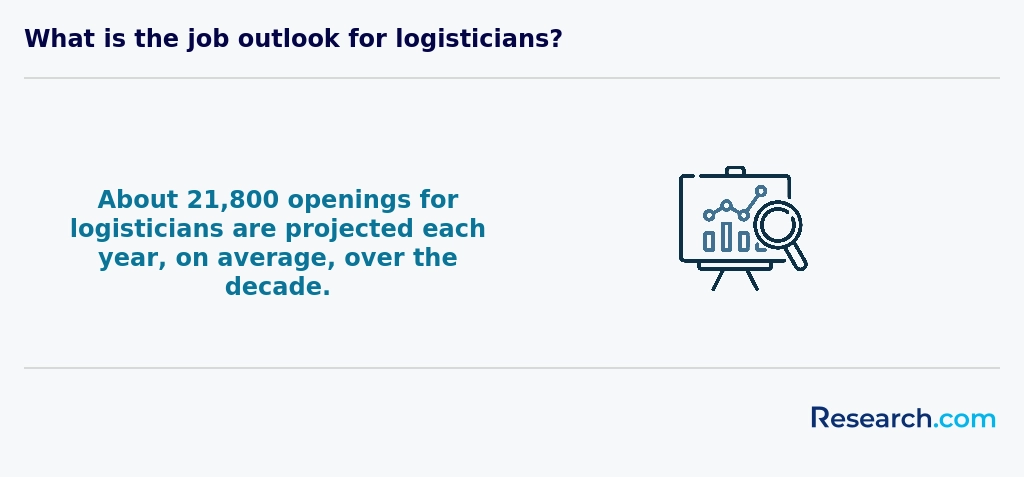
The online logistics degree job outlook in the South remains optimistic due to the region's expanding transportation hubs and growing e-commerce sectors. Graduates from universities known for logistics programs report finding roles such as supply chain analyst or warehouse supervisor in cities like Dallas and Atlanta, where demand is strong. However, while many experience satisfaction with their roles and salary potential, it's important to weigh this against the local economic conditions that can cause salary variations across different Southern states.
Southern logistics degree employment opportunities reflect both opportunity and competition. Some graduates note that proximity to major ports and corporations aids job placement by providing practical internship options during studies, enriching their resumes. Yet, not all find immediate high-paying jobs, making it crucial to consider the cost and duration of online degrees carefully. For those still exploring options, understanding what is the easiest degree to get online? may also help inform decisions.
Frequently Asked Questions About logistics
Online logistics degree students in the South can enhance their learning by engaging actively with interactive course materials and virtual simulations. Participating in discussion forums allows students to connect with peers and industry professionals, enriching their understanding of real-world logistics challenges.
Leveraging local industry contacts is crucial, as the Southern US hosts major logistics hubs like the Port of Savannah, which handled 37.3 million tons of cargo in 2023 (ATA report). Internships or virtual projects with companies in this region provide invaluable practical experience.
Additionally, students should utilize university career services and attend regional logistics webinars to stay updated on industry trends specific to the South.
The logistics field is evolving rapidly, with several emerging niches gaining prominence, especially in the Southern United States. One key area is supply chain sustainability, where companies focus on reducing environmental impacts. This aligns with growing regional manufacturing and distribution centers aiming for greener practices.
Another niche is e-commerce fulfillment logistics, driven by the Southeast's expanding online retail market. States like Georgia and Florida see rising demand for efficient last-mile delivery strategies. Additionally, automated logistics and robotics are becoming integral, improving speed and accuracy in warehouses.
The adoption of data analytics for optimizing routes and inventory is also a leading trend. According to the Council of Supply Chain Management Professionals, such tech-driven roles are expanding fast in Southern logistics hubs.
Preparing for the job market after earning an online logistics degree in the South requires strategic planning. Graduates should leverage regional opportunities, as Southern states like Texas, Georgia, and Florida host major logistics hubs due to large ports and distribution centers. According to the Bureau of Labor Statistics, logistics employment in these states is expected to grow faster than the national average through 2030.
Networking is critical. Joining professional organizations such as the Council of Supply Chain Management Professionals (CSCMP) can connect graduates with local employers. Internships, even virtual ones, enhance practical skills valued by Southern employers.
Additionally, focusing on gaining certifications like APICS's Certified Supply Chain Professional can improve job prospects and earning potential in this competitive field.
Employers in the South prioritize several key skills when hiring logistics degree graduates. Strong analytical abilities top the list, enabling graduates to optimize supply chains and reduce costs in a region known for its transportation hubs like Atlanta and the Port of Savannah. Communication skills are also crucial, as logistics professionals must coordinate across diverse teams and external partners.
Technical proficiency with logistics software and data management tools is highly valued. According to the Bureau of Labor Statistics, demand for these skills in Southern states is growing due to increasing e-commerce and manufacturing activities.
Additionally, problem-solving and adaptability are important, given the dynamic nature of supply chain disruptions. Employers often look for graduates who demonstrate leadership potential and a solid understanding of regional logistics challenges.
Finding internships in the South relevant to a logistics degree involves targeted research and leveraging regional resources. Start by exploring partnerships between online logistics programs and companies in Southern logistics hubs like Atlanta, Dallas, and Charlotte, where distribution centers and transportation firms are concentrated.
Use university career services that often provide access to exclusive internship listings and employer contacts. National organizations such as the Council of Supply Chain Management Professionals (CSCMP) also maintain internship databases and networking events relevant to logistics students.
Additionally, websites like the Georgia Department of Economic Development highlight top employers in logistics, which can serve as key internship targets.
According to Logistics Management, the South spent approximately $1.3 trillion on logistics operations in 2022, reflecting a robust demand for logistics talent in the region.
An online logistics degree offers significant career mobility and advancement opportunities for professionals in the South. The region's strong presence in manufacturing, transportation, and distribution sectors creates growing demand for skilled logistics managers. According to the U.S. Bureau of Labor Statistics (BLS), employment in logisticians is expected to grow faster than average, particularly in Southern states like Texas and Georgia, due to expanding port operations and e-commerce.
Online programs provide flexible access to education, allowing working professionals to build relevant skills without pausing their careers. Graduates often qualify for roles in supply chain management, procurement, and operations supervision, which typically feature salary increases and leadership prospects.
Additionally, Southern companies value degrees from accredited online programs, which emphasize technologies and practices tailored to regional industry trends, boosting employment competitiveness.
Studying for an online logistics degree in the South equips students with skills that extend beyond traditional supply chain management. Programs often integrate coursework in business, information technology, and transportation management, fostering interdisciplinary expertise. According to the Bureau of Labor Statistics, Southeast states like Texas and Georgia rank among the top for logistics employment, highlighting regional demand for versatile professionals.
Southern universities emphasize real-world applications, combining logistics with data analysis and project management. This approach prepares graduates to collaborate across departments and industries, such as manufacturing, retail, and transportation.
Students also benefit from networking opportunities with Southern logistics hubs like Savannah and Dallas, enhancing their understanding of complex supply chains.
When choosing between a thesis and a non-thesis online logistics degree program in the South, consider your career goals. Thesis programs focus on original research, suiting students aiming for advanced roles or doctoral studies. Non-thesis options emphasize practical skills, ideal for professionals seeking quicker entry into the workforce.
The Southern region hosts major logistics hubs like Atlanta and Houston, with growing demand for skilled managers. According to the U.S. Bureau of Labor Statistics, logistics careers in the South are expected to grow faster than the national average.
Thesis programs typically require 30-36 credit hours plus research, lasting longer. Non-thesis paths may finish in 24-30 credit hours, emphasizing applied projects. Cost and time commitments vary accordingly.
Students based in the South interested in studying logistics abroad have several online options through U.S. institutions with global partnerships. Many Southern universities offer fully online logistics degrees, allowing students to access international curricula without relocating. Programs from schools like Georgia Southern University and the University of Memphis emphasize supply chain management with global perspectives.
Southern ports such as Savannah and Charleston underscore the regional economic focus on logistics, making degree programs particularly relevant. According to the Bureau of Labor Statistics, logistics employment in Southern states is growing faster than the national average, supporting demand for skilled graduates.
Students can also explore study-abroad opportunities linked to their online degrees, often involving short-term international residencies or virtual global projects, broadening their exposure to worldwide logistics practices without full relocation.
Part-time job opportunities that complement online logistics degrees in the South often include roles in warehousing, transportation coordination, and supply chain support. Southern states like Texas and Georgia host major logistics hubs, including the ports of Houston and Savannah, driving demand for entry-level logistics positions.
Working as a logistics assistant or inventory clerk can provide practical experience with supply chain software and inventory management systems. According to the Bureau of Labor Statistics, these roles are expected to grow by 11% nationally through 2032, with southern distribution centers playing a significant role.
Internships or part-time jobs in freight brokerage or customer service within logistics firms can also enrich your understanding of transportation planning and carrier relations. Gaining hands-on experience while studying online enhances both academic and career prospects in the region's growing logistics sector.
Online logistics students in the South have several valuable networking opportunities despite the remote nature of their studies. Many Southern universities offer virtual networking events, webinars, and career fairs specifically tailored to supply chain and logistics sectors. For example, programs often connect students with regional logistics associations such as the Council of Supply Chain Management Professionals (CSCMP) chapters active in Georgia, Texas, and Florida.
Additionally, students can join industry-focused LinkedIn groups and participate in online forums to engage with professionals across the Southern states. Research from the Georgia Logistics Innovation Center highlights that nearly 70% of logistics companies in the South actively seek graduates with strong digital connections.
Some online programs also facilitate internships and mentorships with Southern-based companies, enhancing real-world experience and professional contacts in key logistics hubs like Savannah and Dallas.
Alumni networks offer substantial benefits to students pursuing online logistics degrees in the South. These networks provide valuable professional connections in a region that hosts several major distribution hubs, such as Savannah, Atlanta, and Dallas, all critical for logistics careers. According to the Council of Supply Chain Management Professionals, Southern states account for nearly 40% of all logistics employment nationwide.
Students gain access to mentorship, internship opportunities, and job referrals through alumni connections. Many Southern universities maintain active online platforms where graduates share industry insights and regional job leads, enhancing career prospects. This ongoing support helps students navigate the competitive logistics sector more effectively.
Moreover, alumni networks facilitate participation in regional conferences and workshops, allowing students to stay informed about the latest trends directly affecting Southern logistics operations. Such engagement builds both knowledge and credibility within local supply chain industries.
Many online logistics degree programs in the South offer customizable options to align with your career goals. Students can select electives focused on supply chain management, transportation, or inventory control. Some schools provide specializations such as global logistics or warehouse operations, enabling you to target specific industry sectors.
Additionally, programs often allow for internships or project-based learning with regional companies. The Southern Logistics Association reports that states like Georgia and Texas lead in logistics employment, presenting valuable local partnership opportunities. Customizing your curriculum with real-world experience and regional focus enhances job readiness in the competitive Southern market.
Choosing accredited programs with flexible scheduling supports working professionals aiming to advance efficiently.
Students pursuing online logistics degrees in the South often encounter challenges related to technology access and internet connectivity. Rural areas, particularly in states like Mississippi and Arkansas, report lower broadband availability, which can hinder participation in synchronous classes or timely submission of assignments. According to the Federal Communications Commission, about 22% of Southern rural households lack high-speed internet, complicating digital learning.
Another challenge is balancing work and study. The logistics sector in the South is growing rapidly, and many students juggle full-time jobs with coursework. Data from the Bureau of Labor Statistics highlights that Southern states like Texas and Georgia have robust transportation and warehousing industries, increasing pressure on working students.
Finally, limited local networking opportunities present a hurdle. Online students miss face-to-face interaction with industry professionals, which can affect career advancement in the competitive logistics field.
Graduates with an online logistics degree in the South can pursue several recognized professional certifications to enhance their careers. Among the most respected is the Certified Supply Chain Professional (CSCP) credential offered by APICS, which validates advanced knowledge in supply chain management.
The region's growing transport hubs, like those in Atlanta and Memphis, increase demand for Certified Professional Logistician (CPL) holders, a certification provided by the International Society of Logistics (SOLE).
Additionally, the Council of Supply Chain Management Professionals (CSCMP) offers the SCPro certification, which is gaining traction in Southern logistics sectors due to its practical focus on supply chain optimization.
These certifications can improve job prospects and earning potential, with logistics roles in the South expected to grow by 6% through 2030, according to the U.S. Bureau of Labor Statistics.
To write a winning application for an online logistics program in the South, start by showcasing your understanding of the region's logistics industry. The South hosts major transportation hubs like the Port of Savannah, which is one of the fastest-growing in the U.S., according to the Georgia Ports Authority. Highlight relevant experience or coursework related to supply chain management or transportation.
Emphasize your career goals and how the specific online program aligns with those goals. Southern logistics programs often focus on practical skills such as freight management and distribution strategies, so mention any related skills you possess.
Include strong letters of recommendation from professionals or instructors familiar with your abilities.
Finally, write a clear, concise personal statement that reflects your motivation and commitment to succeed in this evolving industry.
Logistics careers have a growing global impact, influenced by expanding international trade and supply chain complexity. For students pursuing online logistics degrees in the South, understanding global perspectives is vital to remain competitive.
The United States plays a significant role in global logistics, with Southern states such as Georgia and Texas hosting major ports and distribution centers. According to the Bureau of Labor Statistics (BLS), logistics occupations in the South are expected to grow faster than the national average due to increased trade activity.
Globally, logistics professionals manage diverse challenges, including customs regulations and international shipping standards. The Southern U.S., benefiting from its access to the Panama Canal and major airports, prepares graduates to work in these multinational environments.
Studies from the Council of Supply Chain Management Professionals highlight that professionals with global logistics knowledge command higher salaries and more leadership opportunities, emphasizing the importance of incorporating international logistics in education.
Gaining practical experience while studying an online logistics degree in the South is achievable through internships, cooperative education (co-op) programs, and project-based coursework offered by many institutions. Several Southern universities collaborate with local businesses and ports, such as the Port of Savannah, a major logistics hub, to provide students real-world exposure.
Internships are often flexible, allowing remote participation or local engagement near your residence. According to the Georgia Logistics Report 2023, more than 70% of logistics employers in the South prefer candidates with hands-on experience.
Additionally, virtual simulations and case studies integrated into coursework help students apply theory to practice.
Choosing the right concentration within an online logistics degree in the South depends on your career goals and regional industry demands. The Southern U.S. is a thriving hub for transportation, warehousing, and supply chain management, with major ports like Savannah and Houston shaping job opportunities. According to the Bureau of Labor Statistics, logistics-related jobs in this region are projected to grow about 8% through 2031, faster than the national average.
Concentrations such as supply chain analytics, transportation management, or warehouse operations align closely with Southern industry strengths. Research labor market trends and seek programs offering specialization in these fields to maximize local employment prospects.
Additionally, consider programs that provide internship partnerships and hands-on virtual training with Southern companies, enhancing job readiness in this competitive market.
Top Trending Logistics Rankings
References
- 21 Best Online Logistics Bachelor's Degrees of 2025 https://www.supplychainguide.org/degrees/online-bachelors-in-logistics/
- Top 5 Logistics And Supply Chain Management Degrees https://www.searates.com/blog/post/top-5-logistics-and-supply-chain-management-degrees
- Logistics and Supply Chain Management (B.S.) https://uscupstate.edu/programs/logistics-and-supply-chain-management/
- 4 Reasons Why Supply Chain Management is a Good Career Path https://www.michiganstateuniversityonline.com/resources/supply-chain/4-reasons-to-choose-career-in-supply-chain/
- Certificate | Logistics Qualifications | CILT International https://ciltinternational.org/education-training/international-qualifications/certificate-logistics-qualifications-cilt-international/
- Online Degree vs. Traditional: Choosing the Right Path https://beal.edu/online-degree-vs-traditional/
- Logistics Intern Cover Letter - AutoApplier https://get.autoapplier.com/position/logistics-intern
- 4 logistics challenges in 2024 https://www.dhl.com/discover/en-nz/logistics-advice/logistics-insights/logistics-challenges-and-supply-chain-solutions
- 3+ Logistics Cover Letter Examples (with In-Depth Guidance) https://www.tealhq.com/cover-letter-examples/logistics
- Studying for a Career in Logistics https://www.shippingcollege.com/blog/studying-for-a-career-in-logistics-unlocking-opportunities-and-enjoyment