2027 Fastest Online Library Science Degree Programs Ranking in the Northeast

Co-Founder and Chief Data Scientist
Choosing the right library science degree program can feel overwhelming, especially with so many options available online. For students in the Northeast, this article offers valuable guidance by presenting the 2027 Fastest Online Library Science Degree Programs Ranking in the Northeast, developed by the Research.com team of data scientists.
This ranking helps you find programs that combine speed with quality, so you can confidently select the best fit for your goals. Pursuing a library science degree opens doors to rewarding careers in information management, research, and more.
Exploring these top programs can inspire your next educational journey.
Key benefits of getting online library science degree in the Northeast
- Graduates with a library science degree can earn rewarding salaries, such as Librarians making a mean annual wage of $68,570, and Library Technicians earning around $42,570, offering strong financial stability in the Northeast job market.
- Career paths are diverse, ranging from becoming a Librarian to roles like Library Assistant or Cataloging Assistant, allowing flexibility to find a position that fits your passion and skills based on examples from Northeastern universities.
- Obtaining your library science degree online gives you the freedom to study at your own pace and balance life commitments, as demonstrated by online graduates from popular Northeastern schools who successfully advance their careers without relocating.
- 2027 Fastest Online Library Science Degree Programs Ranking in the Northeast
- What can I expect from online library science degree in the Northeast?
- Where can I work with online library science degree in the Northeast?
What can I expect from online library science degree in the Northeast?
The average cost of an online library science degree in the Northeast typically ranges between $20,000 and $40,000, depending on the institution and program length. For example, graduates of Drexel University's online program in Pennsylvania often report tuition costs near the higher end of this spectrum but emphasize the value of flexible schedules and strong faculty support as worth the investment.
Similarly, online learners at the University at Albany in New York experience tuition closer to the mid-range, appreciating the balance between affordability and accreditation by the American Library Association. These graduates highlight the advantage of rigorous coursework that blends both asynchronous flexibility and synchronous interaction, which helps them stay connected with peers while managing work and life commitments.
Financial aid and scholarships are commonly accessible, significantly easing overall expenses for many students. Those pursuing part-time study can spread out costs over a longer timeline, typically 12 to 24 months, making the degree more manageable financially. This affordability, combined with projected job growth in the region, often makes their investment a positive and practical choice.
Where can I work with online library science degree in the Northeast?
Graduates from online library science programs in the Northeast frequently find employment in public libraries across states like New York, Massachusetts, and Pennsylvania. These large public systems seek professionals to manage collections and develop community programs, reflecting real-world roles held by alumni from institutions such as Syracuse University and Rutgers. Many describe the rewarding experience of organizing literacy efforts that directly impact their local communities.
Academic libraries at prestigious universities-Harvard, Yale, and Columbia-offer diverse career paths beyond traditional librarianship. Graduates often engage in digital library management and research support, helping students and faculty navigate expanding online collections. Those interviewed highlight the satisfaction of facilitating academic success in rapidly evolving library environments.
Special libraries in government agencies, healthcare, and corporate sectors provide additional opportunities. With New York City and Boston as central hubs, graduates find roles requiring advanced skills in specialized information retrieval, especially within legal and medical institutions. Overall, the Northeast's combination of large public, academic, and special libraries creates vibrant career opportunities for online degree holders eager to apply their expertise.
Graduates with an online library science degree in the Northeast can expect competitive salaries that reflect the region's strong academic and public library presence. For instance, librarians typically earn a mean annual wage of around $68,570, according to recent BLS data, with salaries often ranging from $60,000 to $70,000 in states like Massachusetts and New York. Graduates working in public library systems, including those near recognized institutions like Simmons University or SUNY Albany, may begin with salaries closer to $35,970 to $42,570, depending on their role, such as library assistants or technicians.
Experienced graduates specializing in areas like digital librarianship or archival management, increasingly valued in Northeast universities, often earn above $75,000. Many find rewarding positions in bustling urban centers, where institutions prioritize advanced qualifications from online Master of Library and Information Science programs. These roles offer not only financial stability but also professional growth, as digital resource management skills become more essential in libraries across the region.
- Online master's degrees in library science in the Northeast typically cost between $20,000 and $40,000, with public universities being more affordable than private ones.
- Many programs offer part-time study and flexible pacing to help manage costs while working.
- Entry-level salaries for graduates range from $45,000 to $55,000, with mid-career salaries between $60,000 and $75,000 depending on the sector.
- New York, Massachusetts, and Pennsylvania have the highest employment levels for library science professionals in the region.
- Programs are often ALA-accredited, which is important for certification and better job prospects.
Completing an online library science degree in the Northeast generally takes between one and two years for full-time students, with master's programs requiring 36 to 48 credit hours. Graduates from schools like Simmons University in Boston and Drexel University in Philadelphia often report finishing in around two years, balancing coursework with work or family responsibilities.
Part-time enrollment is common among working professionals, extending completion to three or four years, which can provide valuable flexibility. Some students share that transferring graduate credits or professional experience accelerated their progress, allowing them to complete their degrees faster than expected.
Accelerated programs available at select Northeast institutions enable completion in as few as 12 to 18 months, though they demand a more intensive workload. Students appreciate these options for their ability to fast-track career advancement while maintaining a positive, manageable experience.
State requirements such as internships or practicums may add to program length but also offer rewarding real-world experience, enriching students' education and enhancing employment readiness.
Accreditation ensures your online library science degree meets industry and academic standards critical for career success. Programs may hold:
- American Library Association (ALA) accreditation for curriculum and professional competencies
- Regional institutional accreditation recognized by the U.S. Department of Education
Verify accreditation by:
- Checking the ALA’s directory of accredited programs
- Confirming your school’s regional accreditation via the U.S. Department of Education
- Ensuring eligibility for federal financial aid and smooth credit transfer
Choosing an accredited degree safeguards quality, strengthens employability, and may affect licensure. To compare costs across reputable programs, see the cheapest mlis degree online.
Online and on-campus library science degrees in the Northeast differ mainly in delivery and student experience. On-campus programs, such as those at Simmons University or Pratt Institute, require in-person attendance, offering direct interactions with faculty and peers. Graduates often recall the benefits of campus study groups and access to Boston or Brooklyn libraries, which enriched their learning and networking.
In contrast, online degrees provide flexibility, ideal for working professionals or those managing family life in busy Northeastern cities like New York or Philadelphia. Coursework is typically asynchronous, allowing students to study on their own schedules, though many programs include live webinars and collaborative projects to maintain connection and reduce feelings of isolation.
Cost differences are notable: in-state tuition for on-campus master's programs ranges from $15,000 to $30,000 annually, while online programs can be several thousand dollars cheaper, reflecting savings on commuting and campus fees. However, prestigious institutions may charge similar tuition regardless of format.
Practicum placements remain a requirement for all students, but online learners must independently secure local sites, which Northeastern students find easier thanks to extensive regional library networks spanning Boston to Newark.
Navigating the application process for online library science degree programs in the Northeast can be seamless when you follow a clear, structured approach. Follow these steps to maximize your chances of acceptance and ensure you meet all requirements on time: 1. Research and Shortlist Programs • Verify ALA accreditation and regional recognition for each institution. • Compare curricula, tuition, and support services-before finalizing your list, you may also review our Affordable Library Science Degree Programs Ranking in the Midwest for cost-effective alternatives. • Read student reviews and alumni outcomes to gauge satisfaction and career impact. 2. Prepare Application Materials • Official Transcripts: Request electronic or hard-copy transcripts from every postsecondary institution attended. • Personal Statement: Draft a concise essay (500–750 words) outlining your passion for library science, relevant experience, and career goals. Tailor this to reflect each program’s unique strengths. • Letters of Recommendation: Secure 2–3 strong endorsements from academic mentors or professional supervisors who can attest to your research, leadership, and information-management skills. 3. Complete and Submit Online Forms • Create applicant accounts on each university portal and save login credentials securely. • Carefully enter personal data, educational history, and contact information, double-checking for typos. • Upload your statement, résumé, and transcripts according to file-type and size guidelines. 4. Meet Testing and Interview Requirements • Some master’s programs may request GRE scores or conduct virtual interviews. Register for exams at least six weeks in advance and prepare using official practice materials. • Schedule interviews promptly, and review common questions about digital archiving, cataloging systems, and your long-term vision in the field. 5. Monitor Deadlines and Follow Up • Create a calendar with each program’s priority, regular, and rolling deadlines. • After submission, verify receipt of all materials and reach out to admissions offices if any documents are pending. • Consider submitting applications two weeks before deadlines to account for technical delays. 6. Evaluate Admission Offers • Compare financial aid packages, tuition rates, and program start dates. • Assess opportunities for graduate assistantships, internships, or partnerships with local libraries. • Confirm your enrollment by the deadline, submit deposits, and complete any orientation requirements. By following this step-by-step guide, you’ll present a polished, comprehensive application that highlights your commitment to library science and positions you for success in an online degree program in the Northeast.
The average cost of an online library science degree in the Northeast typically centers around $39,636 for total tuition, with in-state students often benefiting from significantly lower tuition averaging about $20,250. Out-of-state students usually see costs closer to $29,844 due to higher tuition rates. These figures align with the Northeast online library science tuition and fees landscape, reflecting the balance between public and private institutions offering competitive pricing.
Graduates from well-known programs report that the investment feels worthwhile, especially when attending schools such as the University of Rhode Island, where total tuition nears $37,000, or Syracuse University, where the more extensive offerings push tuition toward $55,000. These examples provide prospective students a realistic view of where their expenses may lie and reinforce the value of degrees earned from reputable Northeast institutions.
For students budgeting their studies, considering per-credit-hour costs is critical, as many programs require between 30 and 40 credit hours. The average ranges from $700 to $1,200 per credit hour in this region, with public universities offering meaningful discounts to residents. Alongside tuition, smaller fees like technology and materials costs usually add modestly to the total.
Those eager to explore more affordable options or prioritize return on investment might find useful insights by reviewing the valuable library science programs in pennsylvania, which feature prominently among cost-conscious choices in the Northeast.
- Transfer eligible graduate credits or professional certifications to reduce required coursework
- Enroll full-time and leverage summer or winter sessions to shorten overall duration
- Select programs offering competency-based or self-paced modules for faster progress
- Apply for credit recognition based on prior library or information-science experience
- Work closely with academic advisors to create an intensive, back-to-back course schedule
- Compare tuition and value to find the cheapest mlis degree online that supports accelerated completion
Online library science students in the Northeast benefit from diverse financial aid options tailored to offset tuition costs, which nationally range between $15,000 and $30,000 annually-and often trend higher regionally due to prestigious institutions. Many rely on federal aid, including the Pell Grant, which offers up to $7,395 annually without repayment, and Direct Unsubsidized Loans featuring fixed interest and deferred payments. Graduates from programs like Syracuse University's School of Information Studies share how graduate assistantships with tuition remission and stipends significantly eased their financial burden while gaining practical experience.
State-funded grants and scholarships in New York and Massachusetts further support residents pursuing library science degrees online through regional universities. The New York State Higher Education Services Corporation (HESC) provides additional aid, which many online learners successfully access. Moreover, scholarships from the American Library Association reward leadership and commitment, encouraging diverse enrollment. Working professionals often report that employer tuition reimbursement programs, common in Northeast library systems, create a viable path to advancing education without sacrificing income.
To enroll in an online library science degree program in the Northeast, candidates must typically hold at least a bachelor's degree from an accredited institution. This baseline ensures students have proven academic skills necessary for graduate-level studies. Graduates from universities such as Simmons University and the University of Pittsburgh often recall submitting official transcripts that confirm their undergraduate education, frequently in humanities, social sciences, or education, though diverse academic backgrounds are accepted with demonstrated enthusiasm for library science.
Applicants should expect to provide letters of recommendation highlighting their academic or professional strengths, along with a personal statement that clarifies their career goals and passion for the field-steps that many Northeast graduates find valuable for reflecting on their motivations. Though not universally required, GRE scores may still be asked by some competitive Northeast programs, but this trend is declining to increase accessibility for working professionals balancing study and career.
- Experience with digital technologies integral to library management systems;
- Proof of English proficiency for international students;
- Commitment to internships or fieldwork components;
- Preferably, but not necessarily, prior library or information services work experience.
These prerequisites reflect a balance of academic rigor and practical skills, shaping graduates who feel prepared and confident as they advance their careers within the dynamic information science landscape of the Northeast.
Navigating the admissions process for an online library science degree in the Northeast can feel complex, but breaking it down into clear steps ensures you submit a competitive application on time. Follow these best practices: 1. Research Programs and Accreditation - Verify that each program holds ALA or regional accreditation. - Compare curricula, deadlines, and tuition using our detailed overview of masters in library and information science programs. 2. Prepare Required Documents - Official Transcripts: Request sealed copies from every post-secondary institution attended. - Personal Statement: Craft a 500–750 word essay that highlights your passion for library science, relevant work or volunteer experiences, and career goals. - Letters of Recommendation: Secure two to three professional or academic references who can attest to your research skills, teamwork, and commitment. 3. Complete Standardized Tests (If Required) - Some programs waive GRE scores; confirm requirements early. If needed, register at least two months in advance to allow for score reporting. 4. Submit Online Application - Create an applicant portal account and upload all materials: transcripts, test scores, essay, resume, and recommendations. - Pay the non-refundable application fee, or request a waiver if eligible. 5. Track Deadlines and Follow Up - Note priority and final deadlines on a shared calendar. - Check your portal weekly to ensure all items are received and processed. 6. Financial Aid and Scholarships - Complete the FAFSA as soon as possible. - Explore institutional grants, ALA scholarships, and graduate assistantships, noting separate application processes and deadlines. 7. Interview or Writing Sample (If Invited) - Prepare talking points on your experience with digital resources or community outreach. - Provide a writing sample-such as a cataloging project or research summary-that showcases your analytical and organizational skills. By organizing each step and adhering to deadlines, you’ll strengthen your candidacy and confidently enroll in a program that aligns with your professional aspirations.
Online library science degrees in the Northeast typically consist of comprehensive courses designed to prepare students for dynamic roles in information management. Graduates from programs like Simmons University and the University of Rhode Island describe gaining in-depth knowledge in cataloging and classification, crucial for organizing library materials with precision using metadata standards.
They also highlight coursework in information retrieval, which equips them with strategies to efficiently locate resources, a key skill for assisting library patrons. Reference and research services classes focus on sharpening their ability to support diverse user inquiries, enhancing their confidence in real-world library settings.
Students appreciate training in collection development and library management, as it imparts practical skills in resource acquisition and administration tailored to regional library needs. Digital libraries and archiving courses emphasize preserving digital content, reflecting the Northeast's focus on integrating technology with traditional librarianship.
The curriculum also covers information technology, ethics, and legal issues, essential for navigating today's digital landscape responsibly. Electives in specialized areas such as youth services or medical librarianship allow students to align studies with personal career goals, fostering a strong sense of professional fulfillment.
Online library science specializations Northeast programs typically include Digital Libraries and Archives, Information Technology and Data Management, Academic Librarianship, School Library Media, and Archival Studies. Graduates from prominent Northeast universities often highlight how Digital Libraries and Archives specialization equips them to handle complex metadata and preservation challenges, vital for institutions like historical societies and museums common in the region.
Information Technology and Data Management courses focus on developing expertise in database systems and retrieval technologies, critical for modern information centers. Those pursuing Academic Librarianship frequently praise its emphasis on supporting research and instructional services in colleges, reflecting the needs of the Boston and New York academic hubs.
School Library Media is especially popular for students aiming for K-12 settings, providing certification aligned with Northeast state requirements. Archival Studies appeal to those interested in government or corporate archives, where managing historical records is essential. Many students opt for a masters in library and information science online to tailor their skills directly to these focused career paths.
Choosing the best online library science degree in the Northeast starts with verifying program accreditation by the American Library Association (ALA), which remains the essential benchmark for professional credibility. Graduates from ALA-accredited programs at notable Northeastern universities often report increased confidence entering regional job markets, appreciating the alignment with employer expectations. Tuition costs in this region commonly range near the higher end of the national average-between $20,000 and $45,000-prompting prospective students to assess financial aid carefully and compare overall value.
Flexibility is a decisive factor for working professionals; many students have praised programs that offer asynchronous online courses, enabling study schedules that accommodate full-time jobs or family commitments. When exploring curriculum focus, consider whether a program emphasizes traditional librarian skills or integrates digital libraries and information technology, matching your career interests. Northeast-based graduates frequently highlight the benefit of faculty involved in active research and professional networks, which enhances learning and post-graduate opportunities.
Employment outlooks in the Northeast show modest growth in librarian roles, thus programs with robust career services and employer connections are advantageous. For those seeking cost-effective options within the region, comparing alternatives can be aided by resources like the Affordable Library Science Degree Programs Ranking in the Midwest, providing financial perspective. Overall, a data-driven review of accreditation, cost, flexibility, curriculum, and career outcomes ensures alignment with your goals and their practical fulfillment.
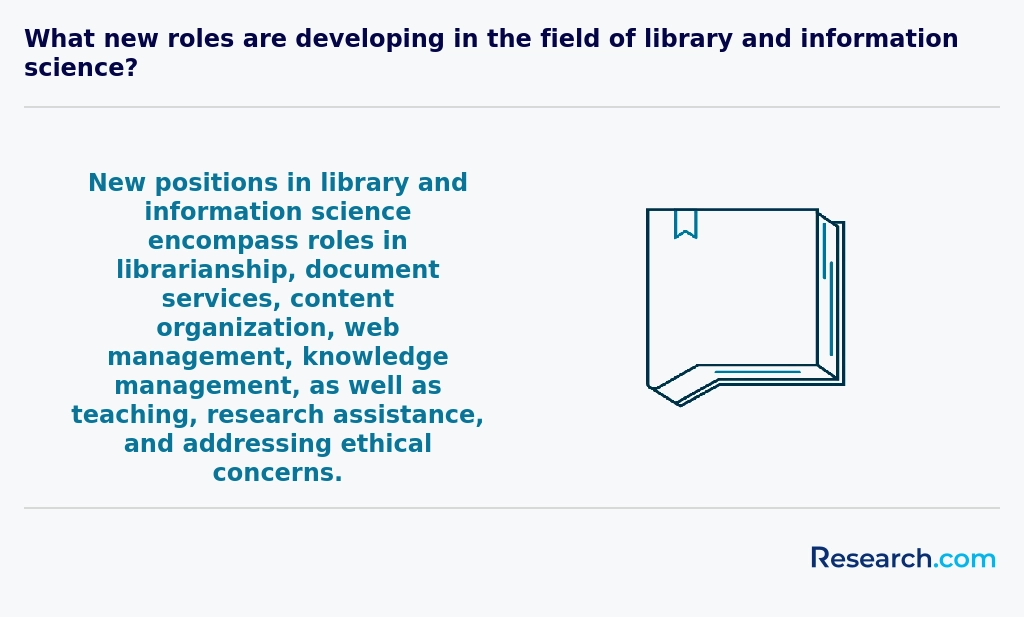
Graduates with an online library science degree in the Northeast have access to diverse career paths that reflect the region's rich network of public, academic, and special libraries. Common roles include public librarians who support community engagement and resource accessibility, earning a competitive average salary near $63,000 annually. Many graduates from prominent Northeast institutions pursue careers as academic librarians, especially at universities in New York, Massachusetts, or Pennsylvania, where programs emphasize American Library Association accreditation and developing skills in digital repository management and research support.
Special librarian positions offer engaging opportunities in sectors such as legal, corporate, and healthcare environments, combining specialized subject knowledge with advanced information management. These roles exemplify the growing need for curated data expertise. Graduates also find promising openings in archival science and digital curation, often working in government agencies or museums, managing metadata, and preserving digital records.
Entry-level roles like library technicians or assistants serve as stepping stones, but the median wages highlight the benefits of advanced credentials. To align costs with opportunities, prospective students can explore typical tuition ranging from $15,000 to $30,000. Many students at colleges noted for online programs celebrate their ability to balance study and work life while gaining practical skills. For practical guidance on advancing your career, consider exploring highest paying certifications that complement a library science degree job opportunities Northeast.
The job market for online library science degree graduates in the Northeast remains stable with steady growth, reflecting national trends. Graduates from programs at universities such as Simmons University in Boston and the University of Pittsburgh find opportunities in urban centers like New York City and Philadelphia, where large public and academic library systems are actively hiring. In these areas, salaries often range from $65,000 to over $85,000, higher than the national median, reflecting the region's cost of living and the demand for skilled professionals.
Many graduates report positive experiences securing roles as reference librarians, digital resources managers, or archivists, benefiting from strong local alumni networks and the ability to work remotely or hybrid. The easiest bachelor's degrees pathway complements these online programs by offering foundational knowledge useful for entry-level library roles. The job outlook for library science graduates Northeast continues to improve, especially for those with strong digital competencies, as libraries increasingly focus on managing digital archives and supporting online research platforms.
2027 Fastest Online Library Science Degree Programs Ranking in the Northeast
Investing in your education is a significant decision that can profoundly impact your future, and the Research.com team is keenly aware of the importance of making well-informed choices. To support students seeking the best opportunities, we have carefully developed the "2027 Fastest Online Library Science Degree Programs Ranking in the Northeast." Our dedication to quality, credibility, and accuracy is demonstrated by the rigorous research and analysis behind this ranking.
We utilized the following reputable data sources to ensure a comprehensive evaluation of online library science programs:
By reviewing this ranking, readers will gain valuable insights into the fastest programs available in the Northeast, enabling them to choose educational paths that balance speed and quality. For a detailed explanation of our approach, please visit our Research.com methodology page.



Frequently Asked Questions About library science
Students pursuing online library science degrees in the Northeast can enhance their learning by actively engaging with digital resources offered by their institutions. Many accredited programs provide access to extensive databases and local archives, essential for research and practical assignments. According to the American Library Association, Northeastern states host over 30% of the country's public libraries, offering internship opportunities that allow students to apply their knowledge in real-world settings.
Participating in virtual study groups and webinars focused on regional library trends can deepen understanding. Additionally, connecting with professional organizations like the New England Library Association helps students stay informed about industry developments and network effectively.
Emerging niches within the library science field reflect the evolving role of information professionals. In the Northeast, growing demand exists for expertise in digital librarianship, which focuses on managing electronic resources and archives. According to the American Library Association, digital collections and metadata specialists are increasingly sought after, especially by research universities and public libraries.
Another expanding area is data curation and management, responding to rising needs in academic research and government agencies. Professionals skilled in organizing, preserving, and providing access to large data sets are becoming crucial.
Community engagement and outreach librarianship also shows growth, emphasizing support for diverse populations and promoting digital literacy. These niches demonstrate how library science careers are adapting to technology and societal changes.
Graduates with an online library science degree in the Northeast can strengthen their job prospects by acquiring relevant certifications such as the American Library Association's (ALA) certification. Networking is vital; joining regional groups like the New England Library Association offers access to local job leads and professional development. Internships or volunteer roles at nearby public, academic, or special libraries provide practical experience valued by employers. According to the Bureau of Labor Statistics, librarian employment in the Northeast is expected to grow modestly, emphasizing the need for hands-on skills and technology proficiency. Staying current with digital resource management can further improve employability in this evolving field.
Employers in the Northeast value library science graduates who possess strong information management skills. These include expertise in digital archiving, metadata standards, and cataloging, which are essential for modern libraries adapting to technological change.
Communication skills are also critical, as librarians often collaborate with diverse community groups and patrons. According to the American Library Association, 75% of Northeast employers prioritize candidates with excellent interpersonal abilities.
Additionally, proficiency in emerging technologies like integrated library systems and data analysis enhances a graduate's employability. Adaptability and a commitment to lifelong learning are frequently cited as well.
To find internships in the Northeast relevant to a library science degree, start by exploring local library systems, universities, and cultural institutions offering internship programs. Many large public libraries in cities such as Boston, New York, and Philadelphia partner with nearby schools to provide hands-on experience. The New York Public Library and Boston Public Library often list internships on their websites.
Additionally, professional organizations like the New England Library Association (NELA) and the Metropolitan New York Library Council (METRO) offer internship listings and career resources specifically for library science students.
Students should also contact their online program's career services or academic advisors, as many schools maintain partnerships with regional institutions. According to the American Library Association, internships enhance practical skills crucial for library careers and increase job placement chances.
An online library science degree can significantly enhance career mobility and advancement for professionals in the Northeast. According to recent data from the Bureau of Labor Statistics, employment for librarians and information specialists in this region is expected to grow steadily, driven by public and academic library demand.
The flexibility of completing a degree online allows students to maintain current employment while gaining new skills, making it easier to pursue promotions or specialized roles. Graduates often qualify for positions such as digital archivists, data curators, or academic librarians, which tend to offer higher salaries and more responsibility.
Many Northeast employers value degrees accredited by the American Library Association, ensuring recognized standards. This accreditation helps graduates access competitive job markets and professional networks, further boosting career opportunities.
Studying for a library science degree online in the Northeast equips students with skills relevant to a variety of interdisciplinary roles. Programs often emphasize collaboration with fields such as information technology, education, and public policy. This regional focus is supported by partnerships with local archives, schools, and cultural institutions, providing real-world applications.
According to the American Library Association, Northeastern programs graduate professionals who adeptly manage digital resources and community engagement. Students learn metadata standards, digital curation, and data analytics, preparing them for roles beyond traditional librarianship.
This training fosters adaptability, a key asset in evolving information environments across sectors.
When choosing between a thesis and a non-thesis library science degree in the Northeast, consider your career goals and learning style. Thesis programs typically require original research and are suited for students aiming for academic or research roles. Non-thesis options focus more on practical skills and coursework, ideal for those seeking direct entry into library or information science jobs.
According to the 2023 Northeastern Library Education Report, about 40% of regional programs offer thesis tracks, with many citing higher research skill demands in academia. Costs and time vary; thesis paths may take longer due to research requirements. Evaluate your readiness for extended research and consult program specifics before deciding.
Students based in the Northeast interested in studying library science abroad have limited direct options due to the specific accreditation requirements of U.S. degrees. Most fully online library science programs from the Northeast's accredited universities, such as the University of Pittsburgh or Simmons University, focus on domestic education frameworks. However, students may explore international exchange programs or dual-degree options that allow partial study overseas while maintaining enrollment at a U.S. institution.
Some programs encourage students to participate in virtual internships or research collaborations with libraries abroad. The American Library Association (ALA) accredits Northeastern programs, which may restrict direct foreign degree recognition but supports global learning opportunities.
Part-time job opportunities in the Northeast that complement library science degree education often include roles such as library assistants, archival technicians, and research aides. According to the U.S. Bureau of Labor Statistics (2023), New York and Massachusetts employ the highest numbers of library science professionals, providing ample part-time work options in public and academic libraries.
Many students find internships or positions at local museums, historical societies, and university libraries valuable for gaining hands-on experience. These roles help develop cataloging, reference service, and digital resource management skills crucial for future librarianship.
Additionally, part-time jobs in information centers or community organizations often provide practical exposure to emerging library technologies commonly used in the Northeast region.
Online library science students in the Northeast benefit from diverse networking opportunities despite studying remotely. Many universities offer virtual career fairs and alumni networking events tailored to library and information science fields. The Northeast is home to active chapters of the American Library Association and the New England Library Association, which host conferences, webinars, and regional meetups accessible to online students.
Additionally, online students can participate in internships and practicum placements through partnerships with local public and academic libraries, enhancing professional connections. According to the 2023 U.S. News & World Report, the Northeast has one of the highest concentrations of library science employers, increasing chances for meaningful networking.
Alumni networks play a vital role for online library science students in the Northeast by providing access to professional connections across public, academic, and special libraries. Membership in these networks often leads to mentorship opportunities, helping recent graduates navigate career paths in a competitive job market.
Many Northeast programs boast alumni working in influential institutions such as the New York Public Library and Boston Public Library, which increases prospects for internships and job referrals. According to the American Library Association, networking remains a key factor in employment success for 78% of library science graduates nationwide.
Additionally, alumni events and online forums foster continuous learning and collaboration among professionals regionally.
Customizing your online library science degree in the Northeast allows you to align your education with specific career goals. Many programs offer elective courses in areas such as digital libraries, archival studies, or youth services, enabling specialization.
Some universities provide certificate options or dual-degree paths in related fields like information technology or education. This flexibility helps you build skills tailored to roles in academic, public, or special libraries.
The Northeast hosts several accredited programs through the American Library Association (ALA), ensuring standards that employers recognize. According to the U.S. Bureau of Labor Statistics, library science jobs in this region are expected to grow moderately through 2030, highlighting the importance of relevant specialization.
Additionally, online internships and practicum placements within local institutions often complement coursework, offering practical experience in your chosen focus.
Online library science students in the Northeast often face challenges related to balancing coursework with professional and personal responsibilities. Many are working librarians or full-time employees, which makes time management critical. A 2023 report from the American Library Association highlights that 65% of online students in this region juggle studies alongside jobs and families.
Additionally, limited in-person networking opportunities can hinder relationship-building with peers and faculty, which is important in a field that values collaboration. Regional accreditation and ensuring programs meet state licensure or certification requirements also present difficulties. Students must verify these details carefully, as New York and Massachusetts have specific standards for school librarians.
Graduates with an online library science degree in the Northeast can pursue several respected professional certifications to enhance their careers. The Certified Public Librarian (CPL) credential is widely recognized and often required for public library positions. Offered by the American Library Association (ALA), it validates skills in information organization and management.
Another significant certification is the Certified Archivist, especially valuable in academic or governmental archives, relevant due to Northeast states' rich historical collections. Additionally, the Medical Library Association's Certified Health Information Professional (CHIP) certification suits those interested in health sciences librarianship.
According to the New York State Library and related regional bodies, these certifications improve hiring prospects and salary potential.
To write a winning application for an online library science program in the Northeast, start by thoroughly researching each school's specific admission requirements. Many accredited programs, such as those listed by the American Library Association (ALA), emphasize a strong academic background and relevant work experience.
Highlight any previous experience in libraries, archives, or related fields, as this demonstrates practical skills. Clearly explain your motivation for pursuing a library science degree and how you plan to contribute to the profession.
Additionally, tailor your personal statement to address the unique opportunities in the Northeast, referencing regional library trends or community needs when possible.
Ensure all application materials are well-organized, error-free, and submitted before deadlines, which typically fall between December and February for fall admissions.
The global perspective on library science careers highlights growing opportunities as information management becomes essential worldwide. In the United States, and particularly in the Northeast, the demand for skilled library professionals is influenced by advancements in digital technologies and data curation. According to the Bureau of Labor Statistics, employment for librarians is projected to grow 9% from 2020 to 2030, faster than average for all occupations.
Internationally, the profession is evolving to include digital librarianship and information science, emphasizing skills in managing electronic resources. This trend aligns with U.S. educational programs.
Institutions in the Northeast, like the University at Albany and Simmons University, offer accredited online degrees that reflect these global shifts. Regional data supports an increase in online library science enrollment, catering to working professionals seeking flexibility.
Gaining practical experience while pursuing an online library science degree in the Northeast is essential. Many accredited programs require or encourage internships, allowing students to work in academic, public, or special libraries. These placements provide hands-on opportunities to apply cataloging, reference, and information management skills.
Several universities partner with libraries in states like New York, Massachusetts, and Pennsylvania to offer local internship options, making it easier for online students to gain real-world experience. According to the American Library Association, 75% of library science programs in the Northeast incorporate fieldwork as a core component.
Additionally, virtual practicums and remote projects are increasingly available, reflecting the growing use of digital libraries and online resources.
Choosing the right concentration within an online library science degree program in the Northeast depends on your career goals and interests. Common concentrations include school librarianship, archival management, and digital librarianship. The American Library Association (ALA) accredits several Northeastern institutions offering specialized tracks that align with regional job markets.
Data from the Bureau of Labor Statistics show the Northeast has strong demand for digital archivists and information specialists, reflecting growing investments in technology by libraries and cultural institutions. Consider concentrations offering hands-on experience with digital collections if technology interests you.
Additionally, evaluate programs' partnerships with local libraries and archives to gain practical experience. This can improve employability in competitive state job markets like New York and Massachusetts.
Review course offerings and speak with advisors to ensure the concentration matches both your passion and regional employment trends.
See What Experts Have To Say About Studying Library Science
Read our interview with Library Science experts

Edward Benoit III
Library Science Expert
Associate Director, School of Information Studies
Louisiana State University

Maura Madigan
Library Science Expert
School Librarian
Book Author
Book Author

Beatrice C. Baaden
Library Science Expert
Associate Professor
Long Island University

- Library Science Degrees https://mlsa.ma.aft.org/library-science-degrees
- Massachusetts Library Science Degree Programs https://librarysciencedegreesonline.org/massachusetts/
- Beyond graduation: The critical role of institution-owned ... https://hivebrite.io/blog/institutions-role-in-alumni-networks/
- 2026 Most Affordable Online Master's Degrees in Library ... https://www.onlineu.com/most-affordable-colleges/library-science-masters-degrees
- Tips for Networking - Core News https://alacorenews.org/2021/12/07/tips-for-networking/
- Choosing the Right Library Science Program: Factors to ... https://www.librariancertification.com/choosing-the-right-library-science-program-factors-to-consider/
- The Next Chapter: Career Advice for Freshly Minted Library ... https://librarianship.ca/blog/next-chapter/
- Six Library Challenges (and Training Solutions) https://www.nicheacademy.com/blog/challenges-facing-libraries-today
- Library and Information Science: The Good Fight https://www.libraryjournal.com/story/library-and-information-science-the-good-fight-lj250513
- Massachusetts Library Science Degree Programs, Online ... https://www.librarysciencedegrees.org/schools-by-state/massachusetts