2027 Most Popular Library Science Degree Programs Ranking in New York

Co-Founder and Chief Data Scientist
Choosing the right library science degree program is a big step toward a rewarding career in New York's vibrant information field. Our 2027 Most Popular Library Science Degree Programs Ranking in New York, created by the Research.com team of data scientists, helps you make an informed choice by highlighting programs that stand out.
Reading this article will give you a clear view of your options, making it easier to find a program that fits your goals and interests. A degree in library science opens doors to meaningful work organizing knowledge and connecting communities.
Key benefits of getting library science degree in New York
- Salary for library science degree graduates: Graduates can expect competitive salaries, such as $68,570 annually for librarians and around $42,570 for library technicians, offering financial stability in rewarding roles.
- Career paths: A graduate from a top New York university might explore roles like librarian, cataloging assistant, or library associate, enjoying diverse opportunities in public, academic, or special libraries.
- Benefits of an online degree: Completing a library science degree online from a recognized New York institution offers flexibility and convenience, allowing students to balance work or family while gaining essential skills without commuting.
- 2027 Most Popular Library Science Degree Programs Ranking in New York
- What can I expect from library science degree in New York?
- Where can I work with library science degree in New York?
What can I expect from library science degree in New York?
The average cost of a library science degree in New York hovers around $30,000 to $50,000, depending on the program and institution. Graduates from SUNY Albany and the Pratt Institute often recall balancing tuition expenses with the priceless experience of hands-on internships nestled within New York's vibrant library ecosystems. Imagine spending afternoons deep in the stacks of a Brooklyn public library, transforming dusty archives into digital treasures-this practical immersion adds irreplaceable value beyond dollars and cents.
Many students find financial aid and scholarships specific to these ALA-accredited schools, which soften the weight of tuition fees while fueling their passion for information management. The cost reflects not just classes, but access to cutting-edge technologies and networking opportunities vital for careers in archives, digital curation, or school librarianship. As one graduate put it, "Investing in my degree was investing in future-proof skills."
For a two-year, 36- to 42-credit-hour program, the financial commitment unlocks a gateway to New York's rich library landscape and a flourishing professional network-an exhilarating journey worth every penny.
Where can I work with library science degree in New York?
Graduates of New York's top library science programs-from Columbia's historic campus to SUNY's bustling academic hubs-step into careers where each day feels like unlocking a new chapter of possibility. Imagine starting your morning at the New York Public Library, guiding eager readers through labyrinths of knowledge or curating digital archives that preserve stories for generations. These roles blend technology with tradition, sparking joy in community engagement and research assistance.
Others find themselves amidst the buzzing energy of academic libraries at NYU or Cornell, where managing digital resources and fostering information literacy become your superpowers. The thrill of supporting groundbreaking research here electrifies your work life, while the paychecks reflect the specialized expertise you bring.
In a different rhythm, some graduates thrive in law firms or government agencies in Albany, marshaling data like a detective piecing together vital clues. Whether handling sensitive records or orchestrating archives at museums and historical societies, library science professionals in New York navigate diverse terrains where every byte and book matters.
Graduates from library science programs in New York, including those from renowned schools like Syracuse University and Queens College, often step into a world where their expertise is rewarded with solid incomes. For example, a newly minted MLS holder could expect an entry-level librarian salary around $68,570 annually, quite a jump compared to the national average.
Those starting as library technicians might earn roughly $42,570 per year, a practical start that blends hands-on skills with exposure to evolving information landscapes at places like New York Public Library.
Library assistants and cataloging assistants, essential in organizing knowledge behind the scenes, typically make about $35,970 annually, a figure reflecting steady demand in both public and academic libraries throughout the state.
Imagine a recent graduate wielding digital tools alongside traditional cataloging skills, commanding salaries closer to the $70,000 mark or beyond as they navigate New York's vibrant information hubs. These roles do more than pay-they open doors to passionate stewardship of knowledge in the city that never sleeps.
- Master of Library Science (MLS) or Master of Library and Information Science (MLIS) are the most common degrees required for librarian positions in New York.
- Annual tuition for master's programs ranges from $15,000 to $30,000 for in-state students, with higher costs for out-of-state students.
- Entry-level librarian salaries average around $55,000 per year, increasing to $70,000-$80,000 with experience and certifications.
- Job opportunities exist in libraries, archives, museums, digital resource management, and information technology sectors.
- New York's programs are accredited by the American Library Association, ensuring quality education.
Dreaming of holding a Master of Library Science diploma in New York? Expect to spend about two full years immersed in study if you're enrolled full-time. Imagine yourself walking the halls of Syracuse University or the University at Albany, SUNY-spaces buzzing with fellow students balancing busy lives, all united in their quest for that MLIS credential.
Graduates often share how stretching their program over three or more years, through part-time or online courses, transforms their journey into a tailored adventure, fitting seamlessly with work and life. Picture evenings dedicated to absorbing digital librarianship lessons from your cozy home, while juggling day jobs and family.
Undergraduates might take the classic four-year route in related fields before stepping into the MLIS arena, building a sturdy foundation. The clock ticks differently depending on if you tackle courses head-on or savor them at a deliberate pace, influenced by class availability and your chosen campus rhythm.
Choosing an ALA-accredited program is crucial for licensure and career advancement in New York. Accreditation and certification ensure your degree meets state and national standards.
- ALA accreditation: required for most public and academic librarian roles
- NYSED certification: necessary for school librarian positions in New York State
- Specialized credentials: consider archives or digital curation certifications to boost employability
- Flexible options: explore our masters in library science online for ALA-accredited online study
Imagine diving into library mysteries from your own couch or wandering the hallowed stacks of SUNY's campus-both roads lead to a Master's in Library Science in New York but offer wildly different vibes. Online programs, like those at the University at Albany, hand you the reins of time, letting you binge lectures after bedtime or squeeze assignments between work meetings. This flexibility lights a spark for graduates juggling families or jobs, turning study stress into manageable puzzles.
On the flip side, stepping onto a bustling campus means real-time chatter with professors, spontaneous hallway wisdom, and the comforting scent of ancient books. In-person learning at SUNY or Albany fuels a sense of belonging, making networking an organic dance rather than a pixelated connection. Tuition differs too-public in-state rates hover around $10,000-$20,000, often more affordable than some online programs, which can edge toward $30,000.
Whichever route, New York's graduates cherish accredited programs ensuring their degree's muscle, cultivating librarians ready to turn knowledge into magic, no matter the classroom's address.
The field of Library Science in New York is undergoing a profound transformation driven by digital innovation, data analytics, and evolving community needs. As libraries shift beyond traditional book preservation to become dynamic information hubs, graduates must master new technologies-such as AI-powered cataloging tools, digital asset management platforms, and immersive virtual reality experiences-to remain competitive. Libraries are increasingly adopting data-driven decision-making, leveraging usage statistics and patron feedback to tailor collections and programs that better serve diverse urban populations. Another key trend is the expansion of remote and hybrid services. Virtual reference desks, online learning modules, and digital archives now complement in-person engagements, enabling libraries to reach underserved communities across New York’s boroughs. This evolution underscores the importance of flexible program formats: students balancing work and study can benefit from online pathways that combine synchronous workshops with asynchronous coursework. For those seeking both quality and value, our 2025 Most Most Affordable Online Master's in Library Science Degree Programs Ranking in San Jose, CA offers a model of how institutions nationwide are lowering barriers to advanced training while maintaining rigorous standards. Sustainability and social equity initiatives are also redefining professional roles. Librarians are curating collections that reflect multicultural narratives, championing digital inclusion projects, and coordinating pop-up community events in partnership with schools, nonprofits, and cultural institutions. This collaborative ethos signals a shift toward interdisciplinary expertise-combining information science, education, and project management-to drive community impact. As technology continues to reshape information access, prospective Library Science students in New York should look for programs that integrate emerging toolsets, emphasize experiential learning, and foster partnerships with local libraries. By aligning their education with these forward-looking trends, graduates will be well-positioned to lead the next generation of library professionals who balance tradition with innovation.
The average cost of a library science degree in New York dances vividly between the numbers $42,432 for in-state students and $69,432 for out-of-state learners, forming a financial landscape that many graduates remember as both a challenge and an investment in their passion for knowledge. Picture a graduate from a well-known New York public university, who juggled evening classes alongside a part-time job, feeling the weight of tuition balanced by dreams of shaping future library spaces. The total expenses for library science programs New York statewide echo these figures, reminding prospective students to plan beyond tuition-think books, tech fees, and even the hustle of New York City living.
Those enrolling at respected institutions like SUNY's MLIS program often find solace in financial aid or assistantships, which can soften the cost's sharp edges. Another graduate from a private university recalled the higher tuition but cherished the close mentorship and networking opportunities that campus life offered, proving value isn't held only in digits. Tailoring your path by exploring the most affordable library science programs in new york can unlock flexible and budget-conscious routes to earning your degree.
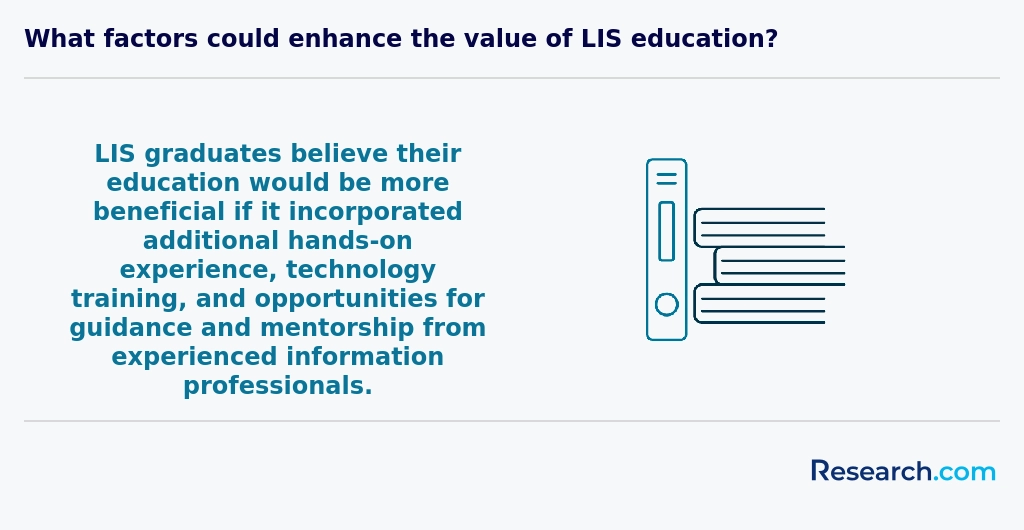
In New York, professional practice as a public or school librarian requires state certification, ensuring that graduates meet rigorous standards for information access and community service. To qualify for New York State Public Librarian certification, applicants typically must: • Hold a master’s degree in Library Science from an American Library Association–accredited program. • Complete at least 400 hours of supervised librarian experience (practicum or internship) in a public library setting. • Submit official transcripts, verification of practicum hours, and a completed application to the New York State Education Department (NYSED) Office of Teaching Initiatives. • Pay the required application fee and pass any additional NYSED requirements, such as fingerprinting and background checks. For those pursuing School Library Media Specialist certification, candidates should also: • Earn a New York State–approved teaching certificate or complete a transitional B certification program. • Fulfill 30 credit hours of coursework in school library media, child/adolescent development, and information literacy instruction. • Demonstrate teaching proficiency through supervised practice in a K–12 school library. While many graduates focus on certification requirements, they also ask is a library science degree worth it? to understand how licensure can enhance career mobility and salary potential. By securing New York State certification, librarians not only validate their expertise but also gain eligibility for leadership roles, grant opportunities, and specialized positions in archives, special libraries, and educational institutions. Prospective students should consult the NYSED website for the most current regulations and begin planning practicum placements early to streamline their path from graduation to full professional licensure.
Imagine starting your master's in library science at Syracuse University with a pocket full of hope-and a hefty tuition bill. Thankfully, the Free Application for Federal Student Aid (FAFSA) is like your trusty map through financial fog, unlocking Pell Grants that can lighten your load by up to $7,395 a year. Those graduates from University at Albany often rave about TAP, New York's Tuition Assistance Program, which swoops in to cover up to $5,665 annually, making in-state tuition less of a mountain to climb.
Picture walking into campus offices where librarians-cum-mentors share tales of snagging scholarships from the American Library Association-prizes fought for but worth every moment, slicing through debt like a hot knife through butter. Some find hidden treasure in employer-sponsored tuition help, with public libraries rewarding dedication by easing education expenses. Then there's the magic of graduate assistantships, turning passion into paychecks with stipends and tuition waivers that transform research gigs into financial lifelines or portals to career growth.
As the field of Library Science evolves, staying abreast of emerging trends is essential for students and professionals alike. In today’s digital era, libraries are transforming into dynamic hubs of technology and community engagement. Graduates are increasingly expected to master digital archiving, data analytics, and AI-powered cataloguing systems. Moreover, a shift toward community-oriented programs means that future librarians must not only manage collections but also drive digital literacy and lifelong learning initiatives. Innovations such as remote access to digital resources, virtual reality-enhanced learning, and integrated e-learning platforms point to an exciting future that challenges traditional library practices. Institutions are adapting by blending on-campus experiences with flexible online options, allowing students to benefit from diverse learning environments. For example, exploring programs like the most affordable library science programs in new york can provide insights into how affordability meets innovation in today’s competitive educational landscape. Staying informed about these trends equips aspiring professionals with the ability to navigate a rapidly changing job market, ensuring they are ready to take on roles that require both expertise in traditional library functions and a forward-thinking approach to technological advancements.
Diving into a library science degree in New York means stepping into a world where your past academic journey becomes your launching pad. Graduates from schools like Queens College or SUNY Albany often recall how simply holding a bachelor's degree-whether in English, sociology, or even computer science-opened doors to MLS or MLIS programs. Official transcripts are your golden ticket, proving you've mastered the foundational knowledge needed to thrive.
Many remember the nervous anticipation around GRE scores, though nowadays some programs relinquish this hurdle, making the path smoother for eager learners. Letters of recommendation? Think of them as heartfelt character references, coming from professors or employers who spotlight your potential and passion. In bustling New York libraries or university archives, students with hands-on experience-whether from internships or volunteer stints-feel this practical background truly sets them apart.
And personal statements aren't just essays; they're storytelling moments where you express your library dreams and ambitions, resonating with admissions committees hungry for genuine motivation. This blend of credentials and personal touch is the ticket to turning your New York library science aspirations into reality.
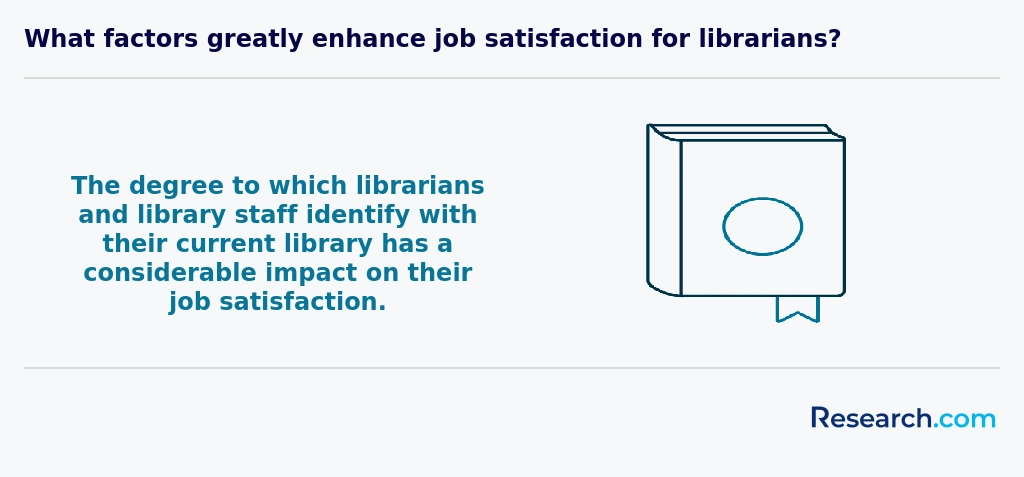
Choosing an ALA-accredited program ensures your degree meets industry standards and unlocks key professional credentials in New York.
- Look for programs accredited by the American Library Association (ALA) to qualify for most librarian roles.
- Verify New York State certification requirements if you plan to work as a school or public librarian.
- Pursue specialized certificates-such as digital preservation or metadata management-to enhance your expertise.
- Explore accredited online options like masters in library science online for flexible, high-quality learning.
In New York, diving into a library science degree means embracing a mosaic of courses that spark both curiosity and practical mastery. Imagine walking through the hallways of a renowned New York university, where a graduate recalls how Cataloging and Classification transformed dusty stacks into living, breathing maps of knowledge, guiding users effortlessly through labyrinths of books. Another often praises the Digital Libraries and Information Technology course, a gateway to mastering cutting-edge tools that bring archives to life with virtual accessibility.
A staple course, Introduction to Library and Information Science, engages students deeply with the philosophy and ethics behind librarianship-fueling passion for community service. For many in bustling New York, Information Retrieval and Reference Services is a revelation, equipping them to become expert navigators of questions amid the city's vibrant cultural tapestry. Internships add flavor to these lessons, anchoring theory in reality as students blend into the rhythm of real library environments, from urban public hubs to historic university collections.
Imagine the buzzing corridors of a New York university where library science graduates eagerly explore their futures through diverse specializations. Some dive into Archival Studies, preserving priceless cultural tapestries amid the city's historic museums, while others embrace the Digital Libraries and Information Technology track, mastering metadata and digital archives to revolutionize access in tech-driven hubs. School Library Media graduates take pride in empowering young minds across sprawling public schools by curating vibrant, multimedia learning experiences. Those drawn to Public Library Services flourish by creating dynamic community programs that enliven New York neighborhoods. Meanwhile, Health Sciences Librarianship graduates support vital research in bustling medical centers, navigating the pulse of healthcare information. These varied paths shine brightest in New York's unique educational landscape, where library science degree specializations in New York are as rich and diverse as the city itself. Students inspired by this variety often ask if a library science degree is worth it?, discovering that the tailored career focus options here make every specialization a thrilling journey.
Imagine stepping into the vibrant world of New York's library science schools, where the choice isn't just about picking a program, but crafting your future. For those chasing the best library science degrees in New York, the secret lies in pairing accreditation with real-life flexibility. Graduates from Queens College rave about the pride that comes with ALA-accredited credentials, helping them glide smoothly into New York's diverse library scene. Meanwhile, an alum from Syracuse University often recalls juggling late-night shifts while advancing through their online Master's, perfectly timed with their city life hustle.
Cost can feel like a labyrinth, but smart seekers know public universities offer a financial oasis for in-state residents, keeping dreams affordable without sacrificing quality. Others explore specialization paths, channeling passion into digital librarianship or archival wizardry, sharpening skills that align with New York's tech-forward libraries. For a taste of how affordability meets accessibility, check out the 2025 Most Most Affordable Online Master's in Library Science Degree Programs Ranking in San Jose, CA-an eye-opener for budget-savvy students everywhere.
Successful graduates highlight career support as a game-changer, citing networks and internships as bridges to bustling New York job markets. Embracing these elements transforms your library science journey from uncertainty to a thrilling map of opportunity.

Graduates with a library science degree in New York find themselves stepping into a vibrant mosaic of career possibilities that stretch far beyond the dusty shelves of traditional libraries. In bustling New York City, many have thrived as public librarians, orchestrating community stories and weaving digital access into the cultural fabric of neighborhoods. At renowned institutions like Columbia University, academic librarians navigate complex research ecosystems, transforming data labyrinths into clear pathways for students and professors alike. Others dive into the fast-paced world of special librarianship, merging domain expertise with library science in medical centers or corporate towers, turning information into powerful decisions.
For those drawn to creative innovation, careers in digital curation and information architecture unfold among New York's cultural institutions, where preserving heritage meets futuristic tech. Many graduates love sharing how their path intertwined with studies at local universities, fueling careers in this expanding field. Considering a associates degree online fast may also spark new avenues for entry into this evolving profession. Library science careers in New York brim with promise, embracing both tradition and transformation.
Exploring these diverse job opportunities within library science degree job opportunities New York reveals a landscape rich with dynamic roles-each pulsing with the city's unique energy and endless intellectual adventure.
The library science degree job opportunities New York offers feel like stepping into a vibrant mosaic of culture and knowledge. Graduates from well-known institutions in the city find themselves weaving through the expansive New York Public Library system or securing roles in academic powerhouses where digitization and community programs redefine traditional librarian roles. Many recall their first days navigating the stacks at these universities-where practical skills in electronic resource management met their passion for preserving history and fostering education.
New York library science career outlook sparkles with promise, as the state's evolving educational landscape constantly demands experts who blend archival wizardry and digital fluency. Graduates relish how these roles aren't just about books-they're about shaping community learning and access in innovative ways. Tuition costs ranging widely in the state encourage aspiring students to consider options carefully, with some exploring the easiest associate's degree online for a flexible start.
2027 Most Popular Library Science Degree Programs Ranking in New York
Investing in your education is a significant decision that can shape your future, and the Research.com team understands the importance of making informed choices. To assist prospective students, we have meticulously crafted the "2027 Most Popular Library Science Degree Programs Ranking in New York." Our commitment to quality, credibility, and accuracy is reflected in the extensive research and analysis conducted to compile this ranking.
We utilized the following reputable data sources to ensure a comprehensive evaluation of library science programs:
By exploring this ranking, readers will gain valuable insights into the best library science degree programs available in New York, helping them make well-informed decisions about their educational paths. For more details on our methodology, please visit our Research.com methodology page.


Frequently Asked Questions About library science
Library science students in New York can maximize their learning by engaging with local public and academic libraries for internships. These experiences offer practical skills essential for future employment, as New York hosts over 700 public library branches, providing diverse opportunities (New York State Library, 2023).
Additionally, joining professional organizations such as the New York Library Association connects students with networking events and workshops. This involvement enhances understanding of regional library issues and trends.
Utilizing New York's extensive digital resources, including SUNY and CUNY library collections, also strengthens research abilities. Students should seek mentorship from experienced librarians to gain insights into advancing careers in this evolving field.
The field of library science in New York is evolving, with several emerging niches gaining attention. One notable area is digital librarianship, which focuses on managing electronic resources and digital archives. This niche responds to the increasing demand for digital content management in libraries and cultural institutions. According to the American Library Association, digital resource management jobs have grown by 12% nationally over the past five years, with New York libraries leading adoption rates.
Another growing specialty is data curation, involving the organization and preservation of large data sets for academic and government use. This role is crucial as New York's research universities expand their digital research initiatives. Additionally, roles in information technology support within libraries are expanding, addressing the technical needs of modern library systems.
After earning a library science degree in New York, graduates should focus on gaining practical experience. Internships and volunteer roles at local libraries or information centers can build valuable skills and professional contacts. The New York State Library Association emphasizes networking through conferences and workshops as key to entering the job market.
Certification such as the New York State Permanent Library Certification can improve job prospects. According to the U.S. Bureau of Labor Statistics, employment for librarians is projected to grow 9% through 2032, with New York showing steady demand in urban and academic libraries.
Developing technical skills in digital archives and data management is also vital, as many New York libraries expand their technology use.
Employers in New York value library science graduates who demonstrate strong information management skills. These include cataloging, archiving, and digital resource organization, which are essential in modern libraries adapting to technological change.
Communication skills rank highly, as librarians often work with diverse communities and need to convey information clearly. According to the American Library Association, soft skills like customer service and collaboration are increasingly important.
Technical proficiency with integrated library systems and data analytics is also in demand. New York's large public and academic libraries use advanced software, making digital literacy a key asset.
Finally, knowledge of copyright laws and preservation techniques is critical, given New York's extensive cultural institutions and rare collections.
Finding internships in New York relevant to a library science degree involves several strategic steps. Start by exploring partnerships between universities and local libraries, such as those offered by the School of Information at the University at Albany or Syracuse University. These schools often have established connections with public, academic, and special libraries, facilitating internship placements.
New York Public Library and Brooklyn Public Library also provide internship opportunities for library science students. Checking their official websites and career pages regularly can help identify openings.
Additionally, consider joining professional organizations like the New York Library Association (NYLA), which posts internships and offers networking events.
Leveraging job platforms of associations such as the American Library Association (ALA) can also help discover internships specific to New York. According to NYLA, approximately 40% of the state's library science students secure internships through these channels annually, enhancing practical learning and career prospects.
A library science degree in New York significantly enhances career mobility and advancement opportunities. Graduates are qualified for various roles, including librarians, archivists, and information specialists, with the New York State Department of Labor projecting a steady job growth of around 7% in these fields through 2030.
Possessing a Master of Library Science (MLS) or Master of Library and Information Science (MLIS) can lead to higher salaries and leadership positions within public, academic, and special libraries. According to the American Library Association, New York libraries often prefer candidates with accredited degrees for promotional roles.
Networking through state organizations like the New York Library Association also supports career growth by offering professional development and job leads tailored to the region.
Studying for a library science degree in New York equips students with diverse skills that extend beyond traditional librarianship. Programs often emphasize interdisciplinary learning, combining information management with areas like digital technology, education, and public policy. This approach prepares graduates to work in varied environments, from academic institutions to corporate settings.
New York universities, such as SUNY and Pratt Institute, integrate courses on data curation, user experience, and archival science, reflecting evolving industry needs. According to the American Library Association, nearly 60% of library science roles now intersect with IT and community outreach functions.
Through practical internships and cross-department collaborations, students gain real-world experience handling multiple disciplines simultaneously, enhancing their adaptability and problem-solving skills.
When choosing between a thesis and a non-thesis library science degree in New York, consider your career goals and time commitment. Thesis programs typically require conducting original research and writing a substantial paper, which can prepare students for doctoral study or research-based roles in academia and special libraries. Non-thesis options often focus more on coursework and practical skills, appealing to students aiming for professional positions such as school or public librarians.
New York hosts several accredited programs offering both paths, with graduation rates varying between 70-85% (NCES, 2023). Thesis tracks may take longer, averaging 3 years versus 2 for non-thesis.
Financial aid availability and internship opportunities in NYC libraries also influence this choice and should be reviewed carefully.
Students based in New York who want to study library science abroad have several options through U.S. university partnerships and exchange programs. Many top library science schools in New York, such as Syracuse University and Queens College, participate in study abroad initiatives that allow students to earn credits overseas while maintaining their U.S. degree progress.
Typically, these programs focus on European and Canadian institutions with strong library science departments, expanding students' understanding of international information management practices. The American Library Association (ALA) encourages global learning experiences as part of accredited programs, ensuring quality education.
Financial aid and scholarships may be available for eligible students through federal programs or specific university funding. It's important to consult academic advisors to align study abroad opportunities with career goals and degree requirements.
Students pursuing a library science degree in New York have several part-time job opportunities to enhance their education and career prospects. Working as a library assistant or clerk in public or university libraries provides hands-on experience with cataloging, archival work, and patron services. According to the New York State Department of Labor, library assistant roles are expected to grow steadily, reflecting ongoing demand.
Archive technician positions in museums or historical societies offer exposure to preservation and digital archiving, complementing academic learning. Additionally, part-time roles in bookstores or information centers help develop customer service and organizational skills vital for future librarianship.
Internships or temporary posts at institutions like the New York Public Library can also provide valuable networking and practical experience while studying.
Library science students in New York have access to a range of valuable networking opportunities that can enhance their education and career prospects. Professional organizations like the New York Library Association (NYLA), which has over 3,000 members, offer events, workshops, and conferences specifically designed for students and new professionals.
Universities such as Syracuse University and Pratt Institute actively facilitate connections through alumni networks and career fairs, giving students direct access to experienced librarians and industry leaders.
Additionally, many students participate in internships at prominent New York institutions like the New York Public Library, gaining hands-on experience and professional contacts. These networks often lead to job placements and mentorships, essential in the competitive library science field.
Alumni networks play a crucial role for students pursuing library science degrees in New York. These networks provide valuable connections to professionals working in diverse library settings across the state, including public libraries, academic institutions, and special collections. According to the New York Library Association, strong alumni ties can increase internship and job placement opportunities by up to 30%.
Students benefit from mentorship programs where experienced graduates offer guidance on career paths and industry trends. Networking events, often organized by schools and alumni groups, enable students to learn about evolving technologies in information management and resources funding in New York libraries.
Additionally, alumni networks facilitate access to exclusive workshops and job listings, helping students transition smoothly into the workforce. These connections can be particularly vital in New York's competitive job market for library professionals, enhancing employment prospects and professional growth.
Customizing a library science degree program in New York allows students to target specific career paths such as archival work, digital librarianship, or school library media. Many New York institutions offer elective courses and specializations to align with these interests. For example, Syracuse University provides options in data curation and information management, which are crucial in today's digital information landscape.
Additionally, internships and practicum experiences in New York public or academic libraries help tailor practical skills and local networking opportunities. According to the New York State Library Association, these experiences are highly valued by employers in the state. Choosing coursework related to emerging technology and community engagement prepares graduates for a diverse workforce.
Library science students in New York face several challenges as they pursue their degrees. A primary difficulty is balancing rigorous coursework with practical fieldwork, especially since internships often require placements in busy urban libraries. These placements, while valuable, can be competitive due to the demand among students statewide.
Additionally, students must often navigate the evolving role of technology in libraries. Keeping up with digital cataloging systems, data management, and emerging information technologies requires continuous learning beyond standard curricula.
Financial strain is another hurdle. Tuition at New York's top library science programs can exceed $30,000 annually, according to the National Center for Education Statistics, and finding scholarships specifically for this field is limited.
Furthermore, networking opportunities, vital for career placement, may be restricted by the tight schedules many students keep while working part-time jobs or supporting families.
With a library science degree in New York, you can pursue several professional certifications that enhance your career prospects. The most recognized is the School Library Media Specialist certification issued by the New York State Education Department. It qualifies graduates to work in K-12 school libraries throughout the state. Additionally, the Certified Archivist credential, administered by the Academy of Certified Archivists, is valued for those interested in archival management.
For public and academic librarians, the American Library Association (ALA) offers certifications like the Certified Public Library Administrator (CPLA). These certifications demonstrate expertise and commitment to the field.
Obtaining these credentials often requires passing exams or meeting work experience standards, supporting employability and professional development in New York's competitive library market according to the New York State Library statistics.
Applying to a library science program in New York requires clear demonstration of your passion for information management and community service. Start with a strong personal statement that highlights relevant experience, such as internships or volunteer work in libraries. Many New York programs, including those accredited by the American Library Association, value applicants who show commitment to diversity and digital literacy.
Make sure to submit transcripts showing a solid academic record, especially in courses related to research and technology. According to the New York State Education Department, competitive applicants often have a GPA above 3.0.
Letters of recommendation should come from academic or professional contacts who can attest to your skills and character. Finally, tailor your application to each specific program's focus, whether it's public libraries, archives, or digital resources.
Library science careers in New York reflect broader global trends emphasizing digital literacy and information management skills. According to the American Library Association, professionals in this field increasingly support data curation, digital archives, and community engagement worldwide. In New York, top-ranking programs integrate global perspectives by incorporating multicultural and multilingual resources in their curricula.
Globally, library science professionals adapt to new technologies and evolving information needs, which is mirrored in New York's educational approaches. The U.S. Bureau of Labor Statistics projects a 9% growth in librarian jobs nationally from 2020 to 2030, driven by digital advancements and public demand for information access.
Students in New York benefit from networking opportunities with international organizations like UNESCO and participate in research addressing global information equity issues.
Gaining practical experience while studying for a library science degree in New York is essential to enhance your skills and employability. Many programs emphasize internships or fieldwork as part of their curriculum. For example, the School of Information Studies at Syracuse University offers practicum opportunities with local libraries and archives.
Students can also pursue part-time work or volunteer positions in New York's diverse library systems, such as the New York Public Library, which offers internships tailored to library science students. These experiences provide hands-on training in cataloging, digital services, and community engagement.
Additionally, participating in professional associations like the New York Library Association can help you network and find mentorship opportunities. According to the Bureau of Labor Statistics, practical experience significantly improves job prospects in this competitive field.
Choosing the right concentration within a library science degree in New York depends on your career goals and interests. Popular options include archival studies, digital librarianship, school librarianship, and information management. According to the New York State Education Department, demand for digital librarians is growing by over 10% annually, reflecting the rise of digital information access.
Evaluate programs offered by schools like Syracuse University or the University at Albany, which provide specialized tracks aligning with New York's diverse library environments. Consider practical experience opportunities, such as internships at the New York Public Library, to gain relevant skills.
Research accreditation status and faculty expertise to ensure quality education.
- 2027 Most Popular Library Science Degree Programs Ranking in Pennsylvania
- 2027 Most Popular Library Science Degree Programs Ranking in North Carolina
- 2027 Most Popular Library Science Degree Programs Ranking in Tennessee
- 2027 Most Popular Library Science Degree Programs Ranking in Texas
- 2027 Most Popular Library Science Degree Programs Ranking in California
See What Experts Have To Say About Studying Library Science
Read our interview with Library Science experts

Beatrice C. Baaden
Library Science Expert
Associate Professor
Long Island University

Kay Anne Cassell
Library Science Expert
Professor Emerita of Library and Information Science
Rutgers University

Maura Madigan
Library Science Expert
School Librarian
Book Author
Book Author

- Alternative Career Paths Utilizing Library Science Skills https://www.librariancertification.com/alternative-career-paths-utilizing-library-science-skills/
- New York Library Science Degree | ALA MLIS Programs Online https://librarysciencedegreesonline.org/new-york/
- Client Challenge https://www.slideshare.net/slideshow/the-future-of-library-and-information-science-education-a-global-perspective-by-clara-m-chu/53908262
- Six Library Challenges (and Training Solutions) - Niche Academy https://www.nicheacademy.com/blog/challenges-facing-libraries-today
- Tips for Networking – Core News https://alacorenews.org/2021/12/07/tips-for-networking/
- Library and Information Science: The Good Fight https://www.libraryjournal.com/story/library-and-information-science-the-good-fight-lj250513
- Global Perspectives on Library and Information Science https://www.routledge.com/Global-Perspectives-on-Library-and-Information-Science/book-series/GPLIS
- Know more about thesis vs non- thesis: what is the difference? https://studyfans.com/en/blogs/816
- Best New York Library Science Degree Programs Online 2025-26 https://www.librarysciencedegrees.org/schools-by-state/new-york
- Master in Library Information Science (Non-Thesis) https://mseuf.edu.ph/programs/lucena/mlis-non-thesis