2027 Fastest Online Information Technology Degree Programs Ranking in Georgia

Co-Founder and Chief Data Scientist
Are you considering advancing your career with a degree in information technology? Choosing the right program can be overwhelming, especially when you want to balance quality and speed. This article introduces the 2027 Fastest Online Information Technology Degree Programs Ranking in Georgia, crafted by the Research.com team of data scientists.
By exploring this ranking, you'll find trustworthy insights to help decide which programs fit your goals and lifestyle. Earning an IT degree opens doors to exciting opportunities in a growing field-let's make your journey easier and more rewarding.
Key benefits of getting online information technology degree in Georgia
- Information technology graduates in Georgia often pursue careers in fields like software development, cybersecurity, and network administration, with national average salaries ranging from $80,000 to $120,000 per year.
- A graduate from Georgia Tech with an IT degree may explore diverse career paths, including data analysis, IT consulting, and systems management, enabling exciting job flexibility and growth.
- Completing an IT degree online from the University of Georgia offers the convenience of balancing work and study, while gaining the same quality education and networking opportunities as traditional programs.
- 2027 Fastest Online Information Technology Degree Programs Ranking in Georgia
- What can I expect from online information technology degree in Georgia?
- Where can I work with online information technology degree in Georgia?
What can I expect from online information technology degree in Georgia?
The average cost of pursuing an online information technology degree in Georgia generally falls between $5,000 and $15,000 per year for in-state students. This range reflects the diverse offerings at institutions like the University of Georgia and Kennesaw State University, which balance affordability with strong program quality. Graduates often recall how accessible tuition allowed them to invest more in technology resources and certifications without overwhelming debt.
Many online learners appreciate the flexibility to work while studying, easing financial pressure. For example, some graduates shared that being able to continue their jobs-whether in IT support or networking-meant tuition felt less like a burden and more like a strategic investment in their future. This practical balance is a key reason why Georgia's online IT programs attract so many working adults and military personnel.
Moreover, the cost often includes access to cutting-edge virtual labs and software, mirroring the hands-on experience found on campus. This real-world application makes the tuition feel justified and empowers students to confidently step into Georgia's thriving tech marketplace. Scholarships and payment plans offered by these colleges further ease the financial commitment, making an IT degree both a reachable and rewarding goal.
Where can I work with online information technology degree in Georgia?
Graduates from online information technology programs in Georgia often find themselves well-positioned for a range of rewarding careers. Many from institutions like Georgia Tech and Kennesaw State University confidently step into roles within Atlanta's vibrant tech scene, joining companies such as Microsoft or Cisco. Their daily work might involve software development, IT project management, or systems analysis-tasks that blend technical skill with collaboration and creativity.
Others discover fulfillment working in healthcare, where IT expertise supports critical systems for patient care. Imagine managing electronic health records at Emory Healthcare, improving how doctors access vital information, or deploying secure networks that enable telemedicine visits. These careers offer a meaningful way to impact people's lives directly.
Financial services and government sectors also frequently employ IT graduates. Working to protect sensitive data for SunTrust Bank or supporting cybersecurity at the Georgia Technology Authority brings a sense of purpose and responsibility. The steady growth in these fields assures graduates that their skills remain in high demand, reflecting the positive energy expressed by many alumni who appreciate Georgia's dynamic technology ecosystem.
Graduates holding online information technology degrees in Georgia often find promising salary prospects that reflect both their dedication and the state's robust tech environment. For instance, recent alumni from established programs at institutions like Kennesaw State University or Georgia State University typically start with roles such as IT support specialists, earning between $40,000 and $60,000 annually. This initial range offers a secure foundation while gaining practical experience in real-world settings like Atlanta's corporate offices or local government IT departments.
As graduates deepen their expertise, especially in sought-after skills like cybersecurity or cloud computing, they often advance to positions that command $70,000 to $90,000 per year. Those who pursue further specialization, such as systems architecture or IT project management, see salaries exceeding $100,000, reflecting both their skill growth and the high demand within Georgia's expanding tech hubs.
Many graduates express satisfaction in leveraging accredited online degrees, noting these credentials are well regarded by employers across the state. The increasing availability of IT roles and competitive pay scales make this a rewarding path for Georgians aiming to combine flexibility in education with tangible financial returns.
- Georgia offers fully online IT degree programs covering cybersecurity, network administration, software development, and data analytics.
- Tuition for online undergraduate IT degrees in Georgia ranges from $7,000 to $15,000 per year, with public universities generally being more affordable for in-state students.
- The IT job market in Georgia is growing at 13-15%, faster than the national average, driven by strong technology sectors in cities like Atlanta.
- Starting salaries for IT graduates in Georgia average between $55,000 and $65,000, increasing to $85,000 to $105,000 with experience in specialized fields.
- Common career options include systems analyst, network administrator, cybersecurity specialist, and software developer, with many programs aligning with industry certifications.
Completing an online information technology degree in Georgia typically depends on whether you pursue an associate or bachelor's degree and how you balance your studies with life's demands. Many graduates from schools like Georgia Institute of Technology share that a full-time associate degree can be wrapped up in about two years, while a bachelor's degree generally takes around four years when studying full-time. This aligns with the standard academic requirements but still allows room for personal pacing.
Several graduates appreciate the flexibility of accelerated programs offered by universities here, which can reduce the usual four-year timeline to as little as 18 to 36 months for a bachelor's, especially when using credit transfers or year-round classes. For those managing work and family, part-time options extend the journey but make the experience accessible, typically between 5 to 7 years.
Students often reflect that choosing the right program with manageable tuition and supportive credit policies lets them stay motivated and finish on time. Institutions in Georgia understand these challenges and tailor online IT paths to help balance ambition with life's realities, creating an encouraging environment to succeed.
The fundamental difference between online and on-campus information technology degrees in Georgia centers on how you engage with your studies. Graduates from universities like Georgia Tech often recall the vibrant energy of attending classes in person, benefiting from spontaneous discussions and access to hands-on labs. This environment fosters immediate connections and mentorship that can feel deeply rewarding.
In contrast, many online students appreciate the flexibility to balance work, family, and study. For instance, those enrolled in online programs at institutions throughout Georgia describe the freedom to access lectures anytime, allowing them to learn without sacrificing job responsibilities. This model fits well for self-motivated learners who value managing their own pace.
Cost is another notable factor. Online tuition often comes lower, reflecting savings on housing and commuting, which eases financial pressure. Yet, on-campus programs provide direct networking events and specialized facilities that many find invaluable for career growth in IT.
Both paths share rigorous curricula accredited by Georgia's universities, ensuring employers recognize your degree's worth regardless of format. Choosing between them means aligning your learning style and lifestyle with the unique benefits each offers.
The average cost of an online information technology degree in Georgia varies significantly based on residency status and institution type. For in-state students, the median total cost is about $9,144, making it an accessible option for many pursuing their career goals. This affordability is reflected in popular state universities where graduates often share that investing in an online IT degree has opened doors to rewarding opportunities without the crushing financial burden of out-of-state tuition.
Out-of-state students, however, face a higher median cost near $32,940, highlighting the importance of carefully considering residency benefits when searching for affordable online IT degree programs Georgia 2027. Graduates recall balancing study with work and appreciate how the cost-effectiveness of their program allowed them to focus more on gaining practical skills than worrying over mounting debt.
Many who have completed their degrees from well-known Georgia institutions find that beyond tuition, fees for technology and materials add modest expenses but do not overshadow the overall value of their education. For those seeking advanced roles, pursuing an information technology management mba jobs pathway is an excellent next step that builds on affordable undergraduate foundations while enhancing career potential.

Many students pursuing online information technology degrees in Georgia find that financial aid significantly eases their educational journey. Federal aid through FAFSA opens doors to Pell Grants and low-interest loans, which many graduates recall as lifelines during challenging times. For instance, those enrolled at Georgia Tech or Kennesaw State University often leverage these options to manage tuition costs without overwhelming debt.
State-level support via the HOPE Scholarship and HOPE Grant is especially meaningful for residents. Graduates frequently mention how HOPE funding helped them stay motivated, as maintaining GPA thresholds translated into tangible financial rewards at schools like the University of Georgia or Georgia State University. These programs are tailored not only for traditional degree paths but for certificate programs vital to IT specialization.
Institutional scholarships and employer tuition reimbursements also play a vital role. Many IT students appreciate how technical colleges partner with providers for dual enrollment, easing transitions and providing merit-based aid. Working professionals often find encouragement through employer programs, turning financial support into career growth opportunities within Georgia's booming tech industry.
Veterans attending institutions such as Augusta University emphasize the value of GI Bill benefits, often covering full tuition and fostering a sense of gratitude and confidence as they advance in IT fields from online platforms.
Meeting the prerequisites for online information technology degrees in Georgia is a crucial first step that often reflects real readiness for the program's challenges. Graduates from well-known institutions in Atlanta recall how having a high school diploma or GED was just the beginning. They emphasize that a strong grasp of math and English laid the foundation for their success, especially when tackling complex coding tasks or technical documentation.
At schools like Georgia State University and Georgia Tech, applicants pursuing bachelor's degrees found that submitting transcripts and thoughtful personal statements helped admissions teams understand their passion and potential. This personalized approach made the application feel like a genuine introduction rather than a formality.
Those aiming for master's degrees shared how holding a relevant bachelor's degree was essential, and adding certifications or industry experience increased confidence during the application process. Many appreciated that Georgia's affordability and supportive admissions requirements created a welcoming, achievable path to advancing their IT careers online.
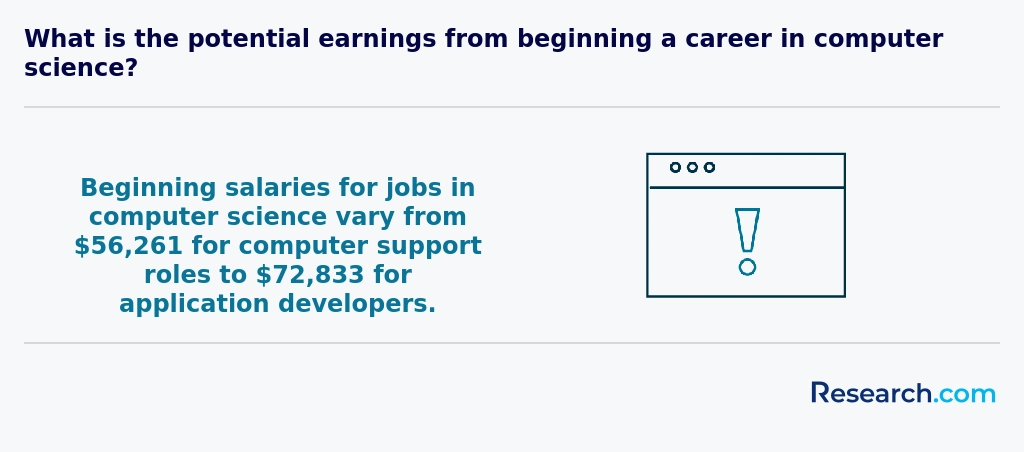
Students pursuing online IT degrees in Georgia often find themselves diving into core courses like programming with languages such as Python, Java, or C++. Graduates from popular institutions like the University of Georgia recall how mastering these languages built their confidence to tackle complex projects, making abstract code feel applicable to real-world problems.
Networking courses here go beyond theory. Many describe hands-on experiences configuring virtual networks, a skill crucial in today's cloud-driven workplaces. For those studying at Georgia Tech, for example, learning to manage network systems closely mirrored their internship tasks, sparking excitement about future roles in IT infrastructure.
Cybersecurity classes stand out as vital, especially with Georgia's booming tech sector. Graduates often highlight how training in ethical hacking and risk management felt empowering, equipping them to protect critical digital assets in their communities and industries.
Additional courses, like systems analysis or IT governance, help students think strategically. In schools like Kennesaw State University, these subjects helped graduates transition from technical tasks to leadership roles, making them feel ready to influence organizational decisions.
Many programs in Georgia integrate preparation for certifications such as CompTIA A+ or CCNA, which students find motivating as these credentials open doors to exciting career paths while studying.
Online information technology degree specializations Georgia offer are thoughtfully designed to prepare students for dynamic roles in the tech industry. Graduates from institutions like Georgia Tech and Kennesaw State often reflect on how focusing on Cybersecurity gave them the confidence to tackle real-world digital threats, a skill in high demand throughout the state. Others find their passion in Network Administration, learning to manage complex cloud networks that power growing businesses in Atlanta's vibrant tech hub.
Many students appreciate the practical approach to Data Science and Analytics, turning raw data into meaningful insights that drive innovation. Software Development concentrations equip learners with programming skills applicable to creating impactful applications, a path frequently praised by alumni for its blend of creativity and logic. Information Systems Management remains a favored choice, integrating business acumen with IT expertise, making graduates valuable assets in any corporate environment.
For those exploring the best fit, the landscape of information technology concentration options Georgia presents a range of exciting avenues, and exploring an easiest online information technology degree can be a strategic starting point to find a specialization aligned with personal strengths and career goals.
Choosing the best online information technology degree in Georgia often starts with considering accreditation; many graduates emphasize how programs accredited by regional entities like SACSCOC provided them with recognized credentials that opened doors professionally. Schools such as Georgia Tech and Kennesaw State University have proven reputations, offering specialized tracks that resonate with real-world job market needs, which adds confidence when selecting a curriculum aligned with personal career goals.
Affordability also plays a vital role. Reflecting on the experiences of those pursuing affordable IT degree programs Georgia-wide, many found that comparing costs between public and private institutions-and factoring in financial aid-made a big difference in managing their investment. Online formats often reduce expenses while maintaining quality, helping students balance work, life, and study effectively.
Beyond tuition, strong support systems and resources enhance the journey. Graduates recount how access to robust online platforms and career services connected them to internships and jobs within Georgia's thriving tech scene. For those still unsure about the difference between fields, exploring the computer science and information technology difference can clarify pathways and expectations.
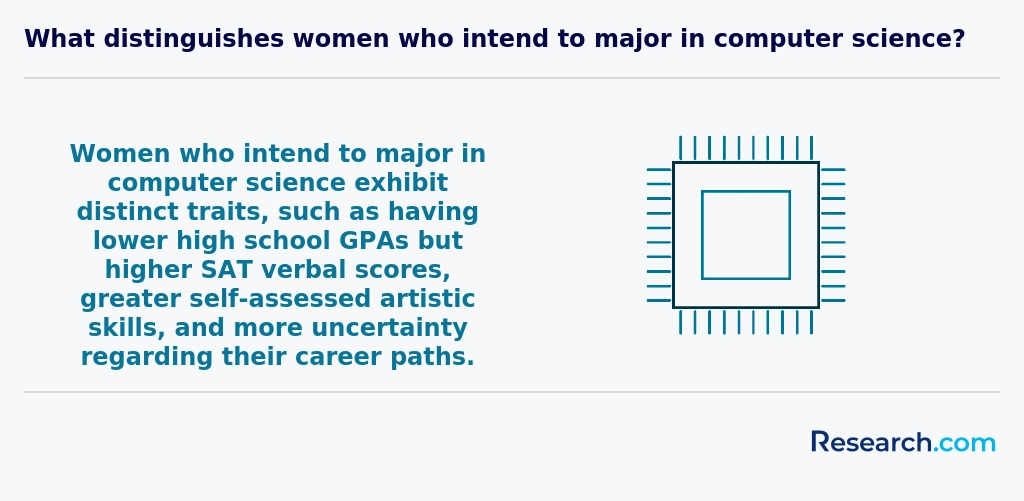
Graduates with an online information technology degree in Georgia often discover a broad range of career opportunities that extend across technical and leadership roles. Many find themselves thriving as Network Administrators or Cybersecurity Analysts, addressing real-world challenges in Atlanta's booming tech scene or at institutions like Georgia Tech. Others pursue roles such as Database Managers or Systems Analysts, leveraging skills gained through hands-on projects during their studies at popular Georgia colleges.
The diversity of paths can feel both inspiring and overwhelming. One graduate, for instance, transitioned from an IT Support Specialist to a Cloud Engineer within a year, demonstrating how adaptable the degree is. For those interested in security, the experience of working near the Georgia Cyber Center enriches their understanding and opens doors to fast-growing cybersecurity careers. These real options illustrate the advantages of online information technology careers in Georgia.
Considering affordability alongside these opportunities, many students choose programs wisely, exploring options for a affordable information technology degree usa to balance cost and quality education.
The job market for online information technology jobs in Georgia is notably vibrant, supported by Atlanta's dynamic economy and top-tier institutions like Georgia Tech and Kennesaw State University. Graduates frequently share how their degree opened doors to roles in software development and cybersecurity within some of Atlanta's Fortune 500 companies. This steady demand reflects a regional commitment to technology innovation and cybersecurity improvements driven by both private and public sectors.
Georgia IT degree employment outlook continues to improve, as students witness firsthand how their credentials translate into competitive salaries and career growth. Many graduates report feeling confident securing positions shortly after graduation, thanks to the state's growing tech hubs and startup culture, which prioritize IT skills.
For students weighing costs and benefits, Georgia's online IT programs offer a compelling balance of affordability and quality. Exploring options through affordable information systems mba programs also enhances long-term earning potential and career flexibility.
2027 Fastest Online Information Technology Degree Programs Ranking in Georgia
Investing in your education is a significant decision that can shape your future, and the Research.com team understands the importance of making informed choices. To assist prospective students in Georgia, we have meticulously created the "2027 Fastest Online Information Technology Degree Programs Ranking in Georgia." Our commitment to quality, credibility, and accuracy is reflected in the thorough research and analysis behind this ranking.
We utilized the following reputable data sources to ensure a comprehensive evaluation of information technology programs:
By exploring this ranking, readers will gain valuable insights into the fastest online IT degree programs available in Georgia, empowering them to make well-informed decisions about their educational journey. For more details on our methodology, please visit our Research.com methodology page.


Frequently Asked Questions About information technology
Students pursuing online information technology degrees in Georgia can maximize their learning by actively engaging with course materials and participating in virtual discussions. According to the Georgia Department of Education, applying practical skills through labs and project-based assignments enhances retention of IT concepts.
Using campus resources such as career services and online tutoring can provide additional support. Georgia's growing tech industry, especially in Atlanta, offers opportunities for internships, which are critical for hands-on experience. Connecting with local professional groups like the Georgia Technology Council helps students network and stay updated on industry trends.
Completing certifications alongside the degree increases job prospects, as IT roles in Georgia often require skills in cybersecurity and cloud computing. Time management and setting a consistent study schedule help students balance work and study effectively.
The information technology field is evolving rapidly, with several emerging niches gaining prominence. In Georgia, demand is growing especially in cybersecurity, driven by increased cyber threats and the state's investment in defense and technology sectors.
Another key area is data science and analytics. Georgia's growing business hubs require skilled professionals to interpret large data sets for decision-making.
Cloud computing also remains a critical niche, as companies move operations to cloud platforms to enhance flexibility and reduce costs.
Lastly, artificial intelligence and machine learning are expanding fields, with applications in healthcare, logistics, and financial services across the state.
Graduates of online information technology degrees in Georgia should begin preparing for the job market by developing both technical and soft skills. Enhancing expertise in programming languages, cybersecurity, and cloud computing is essential, as these areas show growth in Georgia's IT sector, which employs over 87,000 professionals as reported by the Georgia Department of Labor in 2023.
Networking is also key; joining local tech groups and attending industry events can connect graduates with employers. Additionally, obtaining certifications such as CompTIA or AWS can boost credentials. Many employers in Georgia value practical experience, so completing internships or freelance projects strengthens resumes and improves job prospects.
Employers in Georgia value a combination of technical and soft skills for graduates with online information technology degrees. Key technical skills include proficiency in programming languages such as Python, Java, and SQL, along with experience in cybersecurity and cloud computing. According to the Georgia Department of Labor, demand for IT professionals with cloud skills is growing by 15% annually.
Strong problem-solving abilities and familiarity with systems analysis are also critical. Additionally, communication skills and teamwork are highly sought after, as IT roles often require collaboration across departments.
Understanding data analytics and having hands-on experience with real-world projects can significantly improve job prospects.
Finding internships in Georgia relevant to an information technology degree involves exploring multiple approaches. Start by connecting with career services provided by your online institution, as many colleges partner with local businesses for internship placements.
The Atlanta metro area, home to over 15,000 tech companies, offers numerous opportunities, particularly in cybersecurity, software development, and IT support (Georgia Department of Economic Development, 2023).
Utilize platforms like Handshake and LinkedIn to search for internships specifically listed in Georgia. Networking at local tech meetups or Georgia Tech's online career fairs can also open doors.
Additionally, consider applying to government programs or large tech employers such as NCR, Cox Enterprises, or the Centers for Disease Control and Prevention, which regularly offer IT internships.
Obtaining an online information technology degree in Georgia significantly enhances career mobility and advancement opportunities. The state's growing IT sector employs over 230,000 workers, with a projected job growth rate of 12% through 2030, according to the Georgia Department of Labor. This demand favors candidates with formal education, such as online IT degrees, which provide foundational knowledge and technical skills required by employers.
Online degrees offer flexibility for working professionals seeking promotions or career changes without disrupting their current employment. Graduates often qualify for roles in cybersecurity, software development, and network administration, fields that see above-average salary growth in Georgia.
Additionally, Georgia's diverse tech hubs, including Atlanta and Augusta, provide ample networking and internship opportunities, boosting graduates' chances of upward career movement.
Studying for an information technology degree online in Georgia equips students for interdisciplinary roles by integrating core IT skills with knowledge from other fields such as business, healthcare, and cybersecurity. Many programs emphasize teamwork, problem-solving, and communication, which are crucial for collaborating across diverse professional areas.
Georgia's growing tech industry, ranked among the top in the Southeast, supports a dynamic curriculum designed to meet evolving employer demands. According to the Georgia Department of Economic Development, the IT sector is expected to grow 15% by 2030. This growth encourages programs to include wider skill sets, like data analytics and project management, preparing graduates for roles that require both technical and cross-industry expertise.
Furthermore, accredited online programs often incorporate real-world projects and internships with local businesses, allowing students to apply IT knowledge in various contexts. This hands-on experience bridges theory with practical interdisciplinary application needed in today's job market.
When choosing between a thesis and a non-thesis online information technology degree in Georgia, consider your career goals and time commitments. Thesis programs typically require original research and a written thesis, which suits students aiming for research roles or further graduate study. Non-thesis options often emphasize practical skills through coursework and projects, appealing to professionals seeking immediate job advancement.
Georgia's IT industry grew by 8% in 2023, according to the Georgia Department of Economic Development, increasing demand for skilled practitioners. Thesis paths can be more time-consuming, usually extending program length, while non-thesis pathways often allow faster completion.
Review specific program requirements and faculty expertise to align with your professional aspirations and schedule.
Students based in Georgia seeking to study information technology abroad have several pathways through US universities offering international online IT degrees. Many American institutions partner with foreign universities or provide fully accredited online IT programs accessible worldwide. This approach allows Georgian students to benefit from global curricula without relocating.
Additionally, some universities, such as Georgia Tech, have strong international recognition, opening opportunities for credit transfer and dual degree options with overseas institutions. According to the National Center for Education Statistics, over 30% of students enrolled in IT-related programs engage in online learning, making cross-border education increasingly feasible.
Students should explore programs accredited by ABET for assured quality and consider scholarship opportunities that support international online study.
Students pursuing online information technology degrees in Georgia have various part-time job options that complement their studies. Roles such as IT support technician, help desk analyst, and junior network administrator provide practical experience while studying. According to the Georgia Department of Labor, IT support roles in the state grew by 9% between 2020 and 2023, reflecting strong demand.
Many local businesses and universities in Atlanta and other tech hubs offer internships and part-time work tailored for IT students. These positions often involve troubleshooting, system maintenance, and software testing, which align closely with typical degree coursework.
Additionally, freelance opportunities in web development and cybersecurity are accessible through online platforms, allowing flexible hours to match academic commitments.
Online information technology students in Georgia have multiple networking opportunities despite studying remotely. Many universities offering online IT degrees also provide virtual career fairs and alumni networking events. For instance, Georgia Institute of Technology's online programs connect students to a strong professional network in Atlanta's growing tech sector, which employs over 80,000 IT professionals according to the Metro Atlanta Chamber.
Students can join local chapters of national organizations like the Georgia Technology Summit or the Association for Computing Machinery (ACM), which hold events and webinars to foster industry connections. Additionally, tech hubs such as Atlanta Tech Village offer virtual meetups accessible to online students statewide. Engaging in these communities helps students build valuable professional contacts that aid career advancement in Georgia's expanding technology market.
Alumni networks provide significant advantages for students pursuing online information technology degrees in Georgia. These networks connect current students with graduates who work in Georgia's growing IT sector, which employed over 90,000 professionals as of 2023, according to the Georgia Department of Labor.
Networking through alumni enables access to job opportunities not always publicly advertised. It also offers mentorship, guidance, and firsthand insights into local companies such as NCR, Cox Communications, and smaller tech startups. This relationship helps students understand workplace expectations and industry trends.
Many Georgia universities' alumni associations host virtual events, career fairs, and workshops tailored to IT students. Participation in these activities can improve candidates' employability and professional skills, providing a competitive edge in the state's tech job market.
Students pursuing online information technology degrees in Georgia can tailor their programs by selecting electives and specializations that align with their career goals. Many Georgia colleges offer concentrations such as cybersecurity, data analytics, or network administration, allowing learners to focus on high-demand areas within IT.
Additionally, students may choose flexible course schedules to balance work and study. Georgia's tech industry continues to grow, with IT employment projected to rise 15% by 2030 according to the U.S. Bureau of Labor Statistics, creating opportunities in various IT sectors.
Internships and certifications integrated into degree pathways further customize learning to enhance practical skills and job readiness. This approach supports students aiming for roles in Atlanta's expanding tech market or statewide IT firms.
Online information technology students in Georgia often face challenges related to time management. Balancing coursework with work and family commitments can be difficult, especially as many learners are adult students or professionals. Additionally, access to reliable high-speed internet remains a barrier for some, particularly in rural areas of the state.
Another challenge is the lack of hands-on experience, which is critical in IT fields. Georgia's institutions are working to incorporate virtual labs and simulations, but some students still find these insufficient.
Retention rates for online IT programs in Georgia tend to be lower than in-person classes, reflecting difficulties with motivation and engagement.
With an online information technology degree in Georgia, graduates can pursue several respected professional certifications that enhance their career prospects. Popular certifications include the CompTIA A+, ideal for foundational IT skills, and Certified Information Systems Security Professional (CISSP), which is valued in cybersecurity roles. Georgia's growing tech industry supports demand for Project Management Professional (PMP) and Certified Ethical Hacker (CEH) credentials, helping professionals stand out.
The Georgia Department of Labor reports that IT roles requiring certifications often offer salaries 15-20% higher than non-certified positions. These certifications validate skills and meet employer expectations nationwide, making them valuable complements to an online degree.
When applying to an online information technology program in Georgia, start with a clear, concise personal statement. Explain your motivation, relevant experience, and career goals. Admissions committees value applicants who demonstrate a genuine passion for IT and an understanding of Georgia's tech industry.
Highlight any technical skills or certifications you hold, such as CompTIA or Cisco credentials. Georgia's growing IT sector, including hubs like Atlanta, demands up-to-date technical knowledge (Georgia Department of Economic Development, 2023).
Include strong letters of recommendation from professors or employers familiar with your IT abilities. Finally, ensure your application is error-free and well-organized. Attention to detail reflects your professionalism and readiness for an IT career.
The global perspective on an information technology (IT) career emphasizes strong demand and continuous growth. According to the U.S. Bureau of Labor Statistics, IT occupations are expected to grow 15% from 2021 to 2031, much faster than average.
For students in Georgia pursuing online IT degrees, this trend aligns with job opportunities worldwide, as technology drives innovation across industries. Georgia's tech sector has been expanding, with Atlanta recognized as a growing tech hub hosting over 5,000 IT companies (source: Georgia Department of Economic Development).
An IT career offers worldwide mobility since skills learned are applicable globally. Certifications and degree programs from accredited U.S. institutions, including those in Georgia, meet international standards and attract employers worldwide.
Understanding global trends, such as cybersecurity threats and cloud computing adoption, is essential for IT professionals to remain competitive. This makes an IT degree from Georgia's reputable online programs a strategic choice for a global career.
Students pursuing an online information technology degree in Georgia can gain practical experience through internships offered by the state's growing tech sector. Companies in Atlanta and surrounding areas frequently partner with universities to provide remote internships, allowing students to apply classroom knowledge in real-world settings. According to the Georgia Department of Economic Development, the tech industry in Georgia employed over 370,000 professionals in 2023, highlighting abundant opportunities.
Many accredited online programs also incorporate capstone projects or virtual labs that simulate IT environments. Additionally, students can engage with professional organizations such as the Georgia chapter of ISACA or CompTIA for networking and hands-on workshops.
Choosing the right concentration within an online information technology degree program in Georgia depends on your career goals and industry demand. Georgia's tech sector is growing, with jobs in cybersecurity, software development, and data analytics rising significantly, according to the Georgia Department of Labor. Research potential concentrations by considering job growth data and median salaries in the state. For example, cybersecurity specialists in Georgia earn a median annual wage above the national average. Look for programs that offer updated curriculum aligned with current technologies and certifications recognized in the field. Also, consider your interests and strengths to select a concentration you will excel in professionally.
- 2027 Fastest Online Information Technology Degree Programs Ranking in South Carolina
- 2027 Fastest Online Information Technology Degree Programs Ranking in Florida
- 2027 Fastest Online Information Technology Degree Programs Ranking in Alabama
- 2027 Fastest Online Information Technology Degree Programs Ranking in Kentucky
- 2027 Fastest Online Information Technology Degree Programs Ranking in Virginia
- 2027 Fastest Online Information Technology Degree Programs Ranking in West Virginia
- 2027 Fastest Online Information Technology Degree Programs Ranking in Arkansas
- 2027 Fastest Online Information Technology Degree Programs Ranking in Missouri
- 2027 Fastest Online Information Technology Degree Programs Ranking in Ohio
- 2027 Fastest Online Information Technology Degree Programs Ranking in Maryland
- Best Information Technology Degree Programs in Georgia, ... https://hakia.com/degrees/information-technology/georgia/
- How Technology Enhances Career Development Strategies | Manpower Ireland https://www.manpower.ie/blog/2024/02/how-technology-can-enhance-your-career-development-strategy
- Georgia Standards of Excellence: Career Cluster https://case.georgiastandards.org/a1215918-318b-4773-9229-26a266e3ad62/b9257a7d-0322-42ef-a9bc-eee7b2304851/978
- Which Tech Career Fits You? How to Choose the Right Path https://flatironschool.com/blog/which-tech-career-fits-you-how-to-choose-the-right-path
- How to Start an IT Career: A Beginner's Roadmap | Mindmesh Academy https://www.mindmeshacademy.com/blog/articles/how-to-start-it-career
- Breaking into IT: How to Gain Experience Without a Formal Degree https://gdhinc.com/breaking-into-it/
- Information Technology Degree Jobs: 5 In-Demand Careers to Consider https://www.umassglobal.edu/blog-news/information-technology-degree-jobs-5-demand-careers-consider
- Best Online Bachelor's in Information Technology Programs I Computerscience.org https://www.cyberdegrees.org/listings/best-online-bachelors-in-information-technology-programs/
- IT Certification Training & Career Programs | Global IT https://www.global-itech.com/
- 2. How to Chart Your Connections https://ohioemploymentfirst.org/expanding-your-opportunities-through-networking-pre-ets/activity-2