2027 Fastest Online Information Technology Degree Programs Ranking in Virginia

Co-Founder and Chief Data Scientist
Choosing the right online Information Technology degree program in Virginia can feel overwhelming. That's why we're sharing the 2027 Fastest Online Information Technology Degree Programs Ranking in Virginia, crafted by the Research.com team of data scientists. This ranking helps you identify programs that combine quality and speed, so you can make a well-informed decision.
Reading this article will guide you toward programs that fit your goals and lifestyle. Earning an IT degree can open doors to exciting career opportunities and personal growth, making it a valuable investment in your future.
Key benefits of getting online information technology degree in Virginia
- Information technology graduates in the US often enjoy strong earning potential, with typical roles like software developers earning median salaries around $120,730 per year, offering financial stability and growth.
- Career paths are diverse, ranging from cybersecurity analyst to network architect, similar to graduates from Virginia tech schools who find exciting opportunities in fast-growing tech fields.
- Completing an IT degree online provides flexibility for busy students, allowing graduates from Virginia-based programs to balance work and study while gaining skills recognized by employers nationwide.
- 2027 Fastest Online Information Technology Degree Programs Ranking in Virginia
- What can I expect from online information technology degree in Virginia?
- Where can I work with online information technology degree in Virginia?
What can I expect from online information technology degree in Virginia?
When diving into an online information technology degree in Virginia, you'll quickly discover that cost plays a surprisingly manageable role in the adventure. For many students at well-known institutions like George Mason University or Virginia Tech, in-state tuition rates hover around $8,000 to $12,000 per year for undergraduate online IT programs. Graduates often recall how this affordability helped ease financial stress, allowing them to focus on immersive courses and hands-on labs that truly sparked their passion for tech exploration.
Out-of-state students may pay more, sometimes up to double, but many Virginian learners find scholarships and financial aid are well within reach-turning the dream of an IT career into a practical next step. Imagine balancing work and studies smoothly, thanks to the flexible online schedules that these colleges offer, making the investment in your future feel more like an exciting opportunity than a burden.
Where can I work with online information technology degree in Virginia?
Graduates with an online information technology degree in Virginia often find themselves stepping into vibrant career landscapes buzzing with opportunity. Imagine finishing your studies at a university like George Mason or Virginia Tech, then landing a role collaborating with federal agencies in Northern Virginia. Here, working as a cybersecurity analyst or network engineer means contributing to national security with agencies such as the Department of Defense or the NSA-exciting, high-impact work that keeps you on the cutting edge of IT.
Other graduates describe their journey into fast-paced private sector companies, especially in tech hubs around Arlington or Reston. Whether developing innovative software solutions or managing cloud infrastructure, these roles bring a sense of adventure in solving real-world problems. Healthcare and education sectors also beckon, with graduates supporting hospitals and universities in safeguarding and optimizing vital information systems, blending technology and service.
Many students appreciate how their online degree opens doors to diverse paths-all accessible without leaving Virginia, turning their career exploration into a thrilling voyage through multiple industries.
Graduates from online information technology programs in Virginia often find themselves stepping into roles that offer rewarding salaries and exciting career paths. Picture a new graduate from Virginia Tech diving into a software developer position, earning around $110,000 annually-a solid reward for their dedication. Another might be managing networks as a systems administrator near George Mason University, taking home close to $85,000 each year. With cybersecurity growing rapidly in areas like Northern Virginia, many graduates find positions as information security analysts earning about $102,000, blending thrill and financial growth.
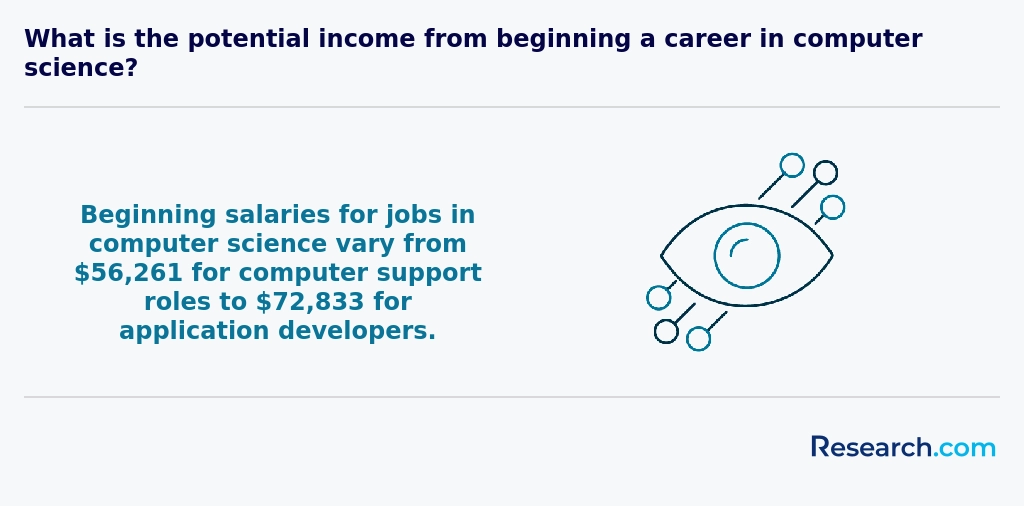
Starting salaries typically range from $55,000 to $75,000, giving new grads a strong footing. Experienced professionals with earned certifications see this climb well above six figures, making the state's tech scene a thrilling playground for ambition. Imagine the blend of innovation and steady growth that Virginia's robust tech sector and proximity to government agencies provide - it's an open door to adventure for IT grads eager to make their mark.
- Online IT degrees in Virginia are available at associate's, bachelor's, and master's levels from accredited public and private universities.
- In-state tuition for public online undergraduate IT programs ranges from $8,000 to $12,000 annually, while private institutions charge between $20,000 and $35,000 per year.
- Entry-level IT professionals in Virginia earn around $60,000 per year, with salaries increasing to $90,000-$110,000 after five to ten years of experience.
- Virginia's IT job market is growing approximately 10% over the next decade, driven by sectors like government, healthcare, finance, and technology.
- Many programs include virtual labs and internships, and universities often partner with local employers to support career growth.
Completing an online information technology degree in Virginia often feels like embarking on a tailored adventure-one that can take anywhere from two to four years depending on your pace and program choice. Many graduates from well-known Virginia institutions like George Mason University or Old Dominion University recall starting their associate degrees and wrapping them up in about two years, fueled by a clear goal and steady study.
Others pursuing bachelor's degrees experience the flexibility of online learning schedules that break the traditional mold-some accelerated programs let students finish in just three years. Imagine taking 8- to 12-week terms year-round, continuously building skills and unlocking new opportunities without the long wait.
This adaptability means students working full-time or juggling family duties can make steady progress without sacrificing their lives. Graduates often describe a feeling of empowerment, knowing their efforts align closely with Virginia's vibrant tech sector, ready to welcome them when coursework and capstones conclude.
Imagine diving into your IT degree at Old Dominion University, where on-campus students thrive on hands-on experiences with real lab equipment and the buzz of face-to-face collaboration. These students often describe the thrill of immediate feedback from professors and spontaneous study sessions in campus libraries, fueling their passion for technology in a tangible way.
On the flip side, online learners from George Mason University savor the freedom to balance coding assignments with their busy lives. They appreciate logging in late at night to virtual labs or discussing projects through video calls, feeling empowered by this flexible approach. Many online graduates share how this format effortlessly fits around work or family, making the journey feel less like a sacrifice and more like an adventure.
Cost-wise, online and on-campus options in Virginia generally align around $4,500 to $6,000 per year, but skipping the commute and campus fees often makes online study feel like a smart, personal choice. Whether you crave buzzing campus energy or the freedom to learn anywhere, Virginia's IT programs spark inspiration for every explorer of knowledge.
Exploring the average cost of an online information technology degree in Virginia reveals a landscape where opportunity meets investment. The median total cost lands around $46,800, but for in-state students, the journey often feels more accessible with an approximate $29,865 total, reflecting the advantage of Virginia residency. Imagine a graduate from a university like Old Dominion managing their tuition with per-credit rates between $300 and $450, combining smart budgeting with the flexible pace of online learning to navigate expenses confidently. This balance is essential when considering Virginia online IT degree tuition and fees, which can vary yet generally remain competitive compared to national averages.
Private institutions add a splash of variety to this financial adventure, where tuition can be higher but also offers tailored payment plans that fit individual needs. Graduates from schools such as Liberty University appreciate the chance to engage deeply with their studies without the pressures of rigid campus schedules or unexpected fees, thanks to waived campus fees for online learners. Many share stories of leveraging financial aid and scholarships, easing the journey as they chase their tech dreams. These real experiences highlight the positive emotions tied to overcoming financial hurdles in pursuit of cutting-edge skills.
For those balancing work and study, knowledge about how how do you become an it manager pathways relate to tuition and investment offers practical motivation. With an adventurous mindset, approaching Virginia's online IT degree costs feels less like a barrier and more like a gateway to endless possibilities.
Imagine a graduate from George Mason University, juggling work while pursuing an online IT degree, discovering the relief of federal Pell Grants-free money up to $7,395 for the 2023-2024 year-making their tuition feel less daunting. Many students find that Direct Subsidized and Unsubsidized Loans also help bridge the gap, offering manageable repayment plans tailored to those balancing life and study.
At Virginia Tech, online learners tap into state-specific gems like the Virginia Tuition Assistance Grant for private colleges or the Virginia Commonwealth Award, providing extra support where it's needed most. Some adventurous adults seize Workforce Credential Grants to achieve valuable IT certifications, easing costs while boosting job prospects.
Beyond federal and state aid, universities sprinkle in merit-based and need-driven scholarships, recognizing dedication and unique circumstances-from military service to academic excellence. Working professionals in Northern Virginia's tech corridors often benefit from employer tuition reimbursements, a game-changer for those blending career growth with education.
Finally, countless private scholarships offered by tech organizations and associations fuel dreams, turning persistence into opportunity. Online IT students in Virginia move forward with enthusiasm, empowered by a rich mix of financial support tailored to their journey.
Diving into an online information technology degree in Virginia means starting with a solid foundation, like holding a high school diploma or GED. Many eager learners at places like Virginia Tech or George Mason University have shared how this credential felt like the key unlocking their digital future. Some schools might ask for SAT or ACT scores, but increasingly, these tests are optional-a relief for those who prefer showcasing their passion and real-world know-how over test day nerves.
Imagine a student who's spent hours tinkering with code or assisting in a network setup-Virginia's programs value this kind of tech experience, whether formal or self-taught. Transcripts often reveal math skills and programming basics, crucial for tackling IT challenges. Reliable internet and comfort with virtual learning platforms are expected too, ensuring every student can navigate their coursework smoothly.
In every step, Virginia's universities blend rigorous standards with a welcoming vibe, encouraging adventurous spirits ready to embrace the evolving world of technology.
Diving into an online information technology degree in Virginia opens the door to an exciting curriculum designed to spark curiosity and build strong skills. Imagine yourself mastering programming fundamentals through Python or Java at Northern Virginia Community College, crafting solutions that come to life through code. Graduates recall how hands-on networking courses felt like assembling a digital puzzle, connecting devices and troubleshooting real-world problems remotely.
The journey doesn't stop there. Courses in cybersecurity invite you to play the role of a digital detective, protecting sensitive data and navigating compliance regulations-skills highly valued by Virginia's thriving tech employers. Database management modules offer a concrete way to organize information, powering everything from friendly apps to complex systems.
Many find the systems analysis and operating systems lessons especially empowering, as they learn to design IT projects and manage Windows or Linux environments, just like professionals do in bustling Richmond or Fairfax tech hubs. These programs blend theory and practice, giving you confidence to embark on an IT career adventure right from your own home.
Diving into online information technology specializations Virginia offers a vibrant array of options for curious learners eager to explore new career pathways. Imagine yourself mastering cybersecurity, where you protect vital systems from cyber threats-a field especially alive in Virginia, with its proximity to federal agencies and defense sectors.
Graduates from popular Virginia colleges often share how specializing in network administration felt like solving an exciting puzzle daily, managing and troubleshooting complex networks as data centers rapidly expand across the state. Others revel in database management, developing skills to organize and analyze data crucial for decision-making in dynamic companies.
Software development sparks creativity for many students, turning ideas into powerful applications, while information systems management blends tech savvy with leadership, preparing students to steer technology strategies in bustling organizations. These options make Virginia's online IT degrees genuinely adventurous, perfectly aligned with the state's tech-driven environment and promising for those pursuing information technology careers in this evolving landscape. For a deeper dive into these paths, check out information technology careers.
Choosing the best online IT degree in Virginia is an adventure in itself, where accreditation is your compass. Graduates from popular universities in Virginia often share how the Southern Association of Colleges and Schools Commission on Colleges (SACSCOC) accreditation gave them confidence in their education quality. Imagine navigating a curriculum rich with options-cybersecurity, software development, or network administration-all tailored to Virginia's booming tech scene. This flexibility is what makes the best online IT degree programs Virginia so sought after.
Many students find that faculty blending academic rigor with real-world industry experience brings lessons to life. Picture learning from instructors who understand Northern Virginia's cybersecurity demands, transforming classes into vibrant, practical sessions. Career support also plays a starring role; internships and job boards help graduates leap into thriving IT roles in urban hubs.
For many, discovering affordable mba in information technology online options adds an exciting new dimension to their educational journey, making advanced IT studies accessible without compromise.
Earning an online information technology degree in Virginia opens doors to dynamic career paths peppered with excitement and growth. Picture yourself as a cybersecurity analyst defending Virginia's vital government agencies from cyber threats or a software developer crafting innovative applications in bustling hubs like Fairfax or Arlington. Graduates from popular Virginia colleges often share stories of landing roles managing intricate network systems or steering ambitious IT projects, experiencing the thrill of real-world problem-solving every day. Dive deeper, and you'll also find opportunities as database administrators organizing the treasure troves of data powering local businesses or IT project managers leading teams to tech breakthroughs with a satisfying mix of strategy and creativity.
These online information technology careers in Virginia aren't just about jobs-they're adventures into constantly evolving tech landscapes. Many students find tailored programs a perfect fit, sometimes exploring accelerated online technology programs that let them leap faster into their futures. Whether you crave innovation or reliability, the state's tech ecosystem offers a playground of possibilities.
Virginia's online information technology job outlook Virginia is thriving, fueled by its strategic proximity to the nation's capital and a vibrant tech ecosystem. Graduates from popular institutions like George Mason University or Virginia Tech find themselves stepping into roles such as cybersecurity analysts or IT project managers with enthusiasm. They often share how balancing work and study online allowed them to gain real-world experience while advancing their education, making their transition to full-time tech careers smoother and exciting.
Virginia IT degree employment opportunities stretch across government agencies, private cloud computing firms, and innovative startups. With an expected growth rate near 11% over the next decade, the demand is palpable. Graduates report feeling empowered by competitive salaries ranging from $75,000 to over $110,000, motivating them to pursue advanced skills confidently.
Exploring further, many consider enhancing their qualifications by pursuing an information technology masters, opening even more doors within this dynamic market.
2027 Fastest Online Information Technology Degree Programs Ranking in Virginia
Investing in your education is a significant decision that can shape your future, and the Research.com team understands the importance of making informed choices. To assist prospective students, we have meticulously crafted the "2027 Fastest Online Information Technology Degree Programs Ranking in Virginia." Our commitment to quality, credibility, and accuracy is reflected in the extensive research and analysis conducted to compile this ranking.
We utilized the following reputable data sources to ensure a comprehensive evaluation of online IT degree programs:
By exploring this ranking, readers will gain valuable insights into the fastest online IT degree programs available in Virginia, helping them make informed decisions about their educational paths. For more details on how this ranking was created, please visit our Research.com methodology page.



Frequently Asked Questions About information technology
Online information technology degree students in Virginia can maximize their learning by actively engaging with their coursework and utilizing campus resources remotely. Research shows that Virginia hosts over 100 IT employers, making local networking valuable even for online students (Virginia Economic Development Partnership, 2023). Joining online cohorts and discussion forums fosters collaboration, which enhances understanding and problem-solving skills.
Additionally, students should seek internships or part-time work with Virginia-based tech companies to gain practical experience. Many universities in Virginia offer career services tailored to IT programs, providing resume reviews, interview prep, and job placement assistance.
Finally, staying current with certifications like CompTIA or Cisco can complement degree studies and improve employment prospects in Virginia's competitive IT sector.
Emerging niches within the information technology field reflect the rapid technological changes shaping Virginia's economy. Cybersecurity remains a critical area, with the Commonwealth increasingly recognized as a hub for government and defense cybersecurity operations, supporting over 90,000 IT jobs as reported by the Virginia Economic Development Partnership. Cloud computing is another key niche, driven by the rise of Norfolk and Northern Virginia as major data center locations.
Additionally, fields like artificial intelligence (AI) and machine learning are growing, especially in sectors such as finance and health technology. Blockchain technology is gaining attention for secure transactions. Students pursuing online IT degrees in Virginia benefit from programs aligned with these industry trends, improving their career prospects.
Preparing for the job market after earning an online information technology degree in Virginia involves several key steps. First, gaining relevant certifications such as CompTIA Security+ or Cisco's CCNA can boost employability, as Virginia employers value recognized credentials. According to the Virginia Employment Commission, IT roles in the state are projected to grow by nearly 10% through 2030.
Networking is essential. Engaging with local tech groups like the Northern Virginia Technology Council helps graduates connect with industry professionals and learn about job openings.
Internships and practical experience also improve job prospects, with many Virginia IT companies offering remote internship opportunities tailored for online students.
Employers in Virginia seek information technology graduates with strong technical and soft skills. Key technical proficiencies include programming languages like Python and Java, cybersecurity knowledge, and database management. According to the Virginia Economic Development Partnership, cybersecurity roles have grown by over 20% in recent years, emphasizing security skills.
Beyond technical ability, employers value problem-solving, communication, and teamwork. The Virginia Board for Contractors notes clear communication helps IT professionals explain complex concepts to non-technical stakeholders.
Familiarity with cloud computing platforms such as AWS or Azure is increasingly important, reflecting industry trends in Virginia's expanding tech sector.
Finding internships in Virginia related to an online information technology degree involves leveraging both university resources and local industry connections. Many Virginia universities offer career services that connect students with internships through job fairs and online portals. For example, George Mason University and Virginia Tech have strong IT internship programs supported by their career centers.
Virginia's tech industry is robust, with over 50,000 IT workers in the Northern Virginia region, home to many federal agencies and tech companies. Sites like Handshake and Internships.com also list numerous IT internship opportunities specifically within Virginia.
Networking through professional associations such as the Virginia Tech Information Technology Association can provide valuable industry contacts. Additionally, applying early and tailoring resumes to highlight IT skills increases chances of securing competitive internships.
Obtaining an online information technology degree in Virginia can significantly enhance career mobility and advancement. According to the Virginia Employment Commission, tech-related occupations in the state are projected to grow faster than the average for all jobs through 2030. This growth creates opportunities for IT graduates to enter diverse fields such as cybersecurity, software development, and network administration.
The flexibility of online programs allows working professionals to upskill without interrupting their careers, improving their chances for promotions or transitions into higher-paying roles. Additionally, Virginia's proximity to federal agencies and tech-driven businesses amplifies job prospects for IT graduates.
Employers increasingly value the combination of practical skills and formal education that online IT degrees offer, making these degrees a strategic asset.
Studying for an information technology degree online in Virginia equips students with skills that span multiple disciplines, fostering adaptability in various professional roles. Virginia's IT programs often integrate coursework in business, cybersecurity, and data analytics, reflecting the state's diverse economy and growing tech sector. According to the Bureau of Labor Statistics, Virginia is among the top states for IT employment, increasing demand for professionals with interdisciplinary expertise.
Many Virginia institutions emphasize practical projects and collaboration, enhancing problem-solving abilities in team environments. This prepares students for roles that combine IT knowledge with management, healthcare, or finance. The state's connection to federal agencies and technology firms also offers opportunities to apply IT skills in varied contexts, supporting career flexibility.
Choosing between a thesis and a non-thesis information technology degree program in Virginia depends largely on your career goals and learning preferences. Thesis programs typically involve conducting original research, which can be beneficial if you plan to pursue a doctoral degree or work in research-heavy roles. According to the National Center for Education Statistics, about 30% of IT master's students nationwide opt for thesis paths.
Non-thesis programs focus more on practical skills and coursework, appealing to professionals seeking to advance in industry or management roles quickly. Many Virginia universities align non-thesis curricula with current IT market demands, including cybersecurity and data analytics. Reviewing program structures and speaking with advisors can clarify the best fit for your future.
Students based in Virginia who wish to study information technology abroad through online programs have notable options due to partnerships between Virginia institutions and international universities. Many Virginia universities offer exchange programs or dual-degree opportunities that allow students to take IT courses from foreign partner schools remotely. According to the Virginia Community College System, over 40% of online learners engage in some form of international study or coursework, reflecting growing global trends.
Additionally, Virginia's strategic location and strong IT sector-ranked among the top 10 in the U.S. by CompTIA-encourage collaborations, enabling students to access diverse curricula without leaving home. These international connections often provide exposure to global IT standards and practices, enhancing students' employability.
Virginia offers various part-time job opportunities that can complement online information technology (IT) degree education effectively. Roles like IT support specialist, web developer, and cybersecurity technician are commonly available in both private and public sectors. According to Virginia's Workforce Connection data, IT support roles grew 8% between 2020 and 2023, reflecting strong demand.
Many students find internships with tech companies or government agencies valuable. Northern Virginia, a tech hub, hosts many firms needing part-time help, offering experience in cloud computing and network administration. These jobs provide hands-on skills aligned with IT curricula.
Additionally, remote freelance work in software development or database management is increasingly accessible to students, providing flexibility alongside coursework.
Online information technology students in Virginia have access to a variety of networking opportunities that can enhance their careers. Many universities and colleges offer virtual career fairs and alumni networking events specifically tailored for IT students. These events connect students with local employers, industry leaders, and IT professionals within Virginia's growing tech sector.
Virginia is home to numerous technology hubs, including Northern Virginia, which hosts over 400,000 tech workers, according to the Virginia Technology Partnership. This concentration creates strong regional demand and opportunities for online students to engage with professional groups like CompTIA and local chapters of the Association for Computing Machinery (ACM).
Additionally, organizations such as Virginia Cyber Range provide platforms for students to collaborate on cybersecurity projects, building both skills and contacts in the industry.
Alumni networks offer significant advantages to online information technology degree students in Virginia. These networks connect current students with graduates working in various IT sectors, enhancing professional opportunities. According to the Virginia Economic Development Partnership, Northern Virginia alone hosts over 5,000 tech firms, making local connections invaluable for internships and job referrals.
Many Virginia universities maintain active online alumni communities, allowing students to seek mentorship, advice, and industry insights. This support is crucial for navigating the competitive IT job market, especially for remote learners who might lack campus networking access.
Research from the National Association of Colleges and Employers shows that alumni referrals can increase hiring chances by up to 25%, underscoring the value of these connections. Strong alumni ties also promote continuous learning through workshops and events, enhancing career growth in fast-evolving IT fields.
Students pursuing online information technology degrees in Virginia can tailor their programs by selecting concentrations such as cybersecurity, data management, or software development. Many Virginia institutions offer flexible electives that align with evolving industry demands.
Virginia's tech industry is growing rapidly, with the Bureau of Labor Statistics projecting a 12% increase in IT jobs through 2031, creating diverse career paths. Accredited programs often provide options for internships or capstone projects, enabling practical experience tailored to individual goals.
Advisors at Virginia colleges assist students in customizing course sequences, ensuring alignment with certifications like CompTIA or Cisco, which enhance employability.
Online information technology students in Virginia face several common challenges. One major issue is maintaining motivation and time management when balancing studies with work or family commitments. A 2023 Virginia Tech report noted that nearly 45% of IT students juggle full-time jobs alongside their coursework, increasing stress levels.
Access to reliable technology and high-speed internet is another hurdle. Rural areas in Virginia often experience slower connections, which can disrupt virtual learning and lab access, according to data from the Virginia Broadband Initiative.
Additionally, some students struggle with limited opportunities for hands-on experience and networking compared to on-campus programs. This affects practical skill development and career connections, which are crucial in the fast-evolving IT sector.
With an online information technology degree from Virginia, graduates can pursue several key professional certifications to enhance their career prospects. Common certifications include the CompTIA A+, Network+, and Security+, which verify foundational IT skills and cybersecurity knowledge. Many employers in Virginia's growing tech sector value these credentials for roles in network administration and IT support, as reported by the Virginia Employment Commission. Additionally, certifications from Cisco, such as CCNA, are popular for networking professionals. For advanced careers, graduates might consider Certified Information Systems Security Professional (CISSP) or Microsoft Certified: Azure Fundamentals, reflecting Virginia's expanding cloud computing market.
To write a winning application for an online information technology program in Virginia, begin by thoroughly researching the schools and their specific IT offerings. Highlight relevant experience, such as prior coursework or work in cybersecurity, programming, or networking. Virginia's tech sector is growing, with a 5% increase in IT employment from 2021 to 2023 according to the Virginia Employment Commission, so emphasize your commitment to contribute to this strong job market.
Showcase your technical skills clearly, including certifications like CompTIA or Cisco when possible. Tailor your personal statement to reflect your career goals and explain why an online program fits your learning style. Finally, ensure letters of recommendation come from credible sources who can vouch for your academic or professional abilities.
The global demand for information technology (IT) professionals continues to rise, reflecting the increasing reliance on digital infrastructure worldwide. In the United States, including Virginia, the IT sector is one of the fastest growing fields. According to the Bureau of Labor Statistics, employment in computer and information technology occupations is projected to grow 15% from 2021 to 2031, much faster than average.
Virginia hosts a strong IT job market, due in part to numerous government agencies and tech companies headquartered there. The state's Northern Virginia region particularly stands out, employing over 200,000 IT workers as of recent reports by the Virginia Employment Commission.
Globally, IT careers offer diverse opportunities in cybersecurity, software development, and data management. For Virginia students pursuing online IT degrees, this means flexible access to education that aligns with worldwide industry trends and regional workforce demands.
Gaining practical experience while studying for an online information technology degree in Virginia is essential for career readiness. Many programs encourage participation in virtual internships, which allow students to apply skills in real-world settings without relocating. Virginia's IT industry, concentrated in areas like Northern Virginia, offers numerous remote internship opportunities through companies and government contractors.
Students can also engage in project-based courses that simulate IT workflows, enhancing hands-on learning. Additionally, joining professional organizations such as the Virginia Tech IT Student Association can provide networking and mentorship.
Combining these opportunities with online learning helps build a strong, practical IT portfolio.
Choosing the right concentration within an online information technology degree program in Virginia requires understanding your career goals and the local job market. Virginia hosts a robust tech industry, especially in Northern Virginia, which is home to many cybersecurity and cloud computing firms. According to the Virginia Economic Development Partnership, cybersecurity roles are expected to grow 31% by 2030 in the region.
Consider concentrations such as cybersecurity, data analytics, or network administration that align with these growth areas. Research course content and seek programs offering hands-on labs or industry certifications. This approach ensures your education fits employer demand and your professional interests.
- 2027 Fastest Online Information Technology Degree Programs Ranking in West Virginia
- 2027 Fastest Online Information Technology Degree Programs Ranking in Maryland
- 2027 Fastest Online Information Technology Degree Programs Ranking in Tennessee
- 2027 Fastest Online Information Technology Degree Programs Ranking in Kentucky
- 2027 Fastest Online Information Technology Degree Programs Ranking in Pennsylvania
- 2027 Fastest Online Information Technology Degree Programs Ranking in South Carolina
- 2027 Fastest Online Information Technology Degree Programs Ranking in Ohio
- 2027 Fastest Online Information Technology Degree Programs Ranking in New Jersey
- 2027 Fastest Online Information Technology Degree Programs Ranking in Georgia
- 2027 Fastest Online Information Technology Degree Programs Ranking in Indiana
- Online Technology Degree Programs | University of Phoenix https://www.phoenix.edu/online-information-technology-degrees.html
- How to Maximize the Impact of Alumni Networks https://www.careeros.com/resources/how-to-maximize-the-impact-of-alumni-networks
- How to Get Started in Information Technology https://www.straighterline.com/blog/how-to-get-started-in-information-technology
- Best Entry-Level IT Certifications for Beginners - ONLC https://www.onlc.com/blog/best-beginners-entry-level-it-certifications/
- (apply for a place in the Bachelor of Information Technology) Letter of Motivation https://essayforum.com/letters/apply-place-bachelor-information-technology-39720/
- Academic experiences of information technology students - JYX https://jyx.jyu.fi/bitstreams/2ecaf277-b7be-416f-8ee4-d35afdf2ab67/download
- Why You Should Start Networking as a Student – and How to Do It https://amplifyme.com/blog/why-you-should-start-networking-as-a-student
- Using Technology to Transform Higher Education - UPCEA https://upcea.edu/using-technology-to-transform-higher-education/
- Study Information Technology Abroad: Top Colleges and Careers https://www.aeccglobal.com/study-abroad/courses/information-technology
- The Top Information Technology Skills Employers Want | AIU https://www.aiuniv.edu/degrees/information-technology/articles/top-information-technology-skills-employers-want