2027 Best Online Information Technology Degree Programs Ranking in the Northeast

Co-Founder and Chief Data Scientist
Choosing the right online information technology degree program can feel overwhelming, especially with so many options in the Northeast. This article features the 2027 Best Online Information Technology Degree Programs Ranking in the Northeast, developed by the Research.com team of data scientists to guide you in making a confident decision.
Exploring these top programs helps you discover opportunities tailored to your goals and lifestyle. Earning an IT degree opens doors to exciting careers, growth, and long-term success in a rapidly evolving field. Let this ranking be your trusted starting point on the path to achieving your ambitions.
Key benefits of getting online information technology degree in the Northeast
- Information technology graduates in the Northeast can expect competitive salaries typically ranging from $60,000 to $90,000 annually, depending on experience and specialization, offering strong financial stability.
- Career paths often include roles like software developer, network administrator, or cybersecurity analyst, with many graduates from schools like Northeastern University finding exciting opportunities in thriving tech hubs.
- Online IT degrees from universities such as the University of Massachusetts allow for flexible scheduling and lower costs, making it easier for students to balance work, family, and study while gaining valuable skills.
- 2027 Best Online Information Technology Degree Programs Ranking in the Northeast
- What can I expect from online information technology degree in the Northeast?
- Where can I work with online information technology degree in the Northeast?
What can I expect from online information technology degree in the Northeast?
Online information technology degree programs in the Northeast typically cost between $10,000 and $30,000 per year, depending on the institution and residency status. Public universities like the University of Massachusetts and the State University of New York (SUNY) system offer more affordable tuition rates, especially for in-state students, making quality education accessible without excessive debt. Graduates often reflect on the value gained from these programs, citing flexible schedules and strong regional industry connections as key benefits that enhance their learning experience.
Many students appreciate how rigorous coursework in areas such as cybersecurity and cloud computing is paired with practical internship opportunities in major tech hubs like Boston and New York City. These immersive experiences help bridge theory and real-world application, which graduates frequently highlight as a crucial factor for their career success. For working professionals balancing jobs and studies, asynchronous classes offered by these schools provide the flexibility needed to thrive.
Where can I work with online information technology degree in the Northeast?
Graduates with online information technology degrees from prestigious institutions in the Northeast, such as Northeastern University and Boston University, find abundant career opportunities across multiple industries. Many enter financial firms in New York City, where roles in cybersecurity and data management are vital to supporting complex banking systems. Graduates describe a sense of fulfillment working on projects that protect sensitive financial information while developing innovative software solutions.
Others secure positions in Boston's thriving healthcare IT sector, supporting medical data systems and telemedicine technologies. Alumni from regional universities express pride in contributing to advancements that improve patient care and operational efficiency within hospitals and research centers.
In Philadelphia and neighboring areas, graduates engage with educational institutions and manufacturing companies, maintaining online platforms and digital infrastructure. The flexibility of remote work also allows many graduates to join Northeastern's network of IT professionals who collaborate nationwide, fostering rewarding experiences balancing career growth with personal life.
The dynamic Northeast market enables IT graduates to pursue roles like network administrator, systems analyst, and software developer in environments that continuously evolve with emerging technologies.
Graduates with an online information technology degree in the Northeast can expect competitive salaries that reflect the region's strong tech demand. Entry-level roles such as IT support analysts or junior network administrators typically offer starting salaries ranging from $60,000 to $75,000 annually. These figures align with experiences shared by graduates from prominent institutions in the region, such as Northeastern University and Rutgers University, who have successfully transitioned into these positions.
As professionals gain experience and earn certifications, their earning potential increases notably. Mid-career IT specialists, including cybersecurity analysts and software developers, often earn between $90,000 and $120,000. This progression is reinforced by the Northeast's focus on cutting-edge fields like cloud computing and data analytics.
Senior-level roles and management positions in major metropolitan areas such as Boston and New York City can exceed $130,000, especially within finance and healthcare sectors. Graduates consistently express confidence in their degrees leading to rewarding careers with strong upward mobility throughout the Northeast job market.
- Tuition for online IT degrees in the Northeast ranges from $10,000 to $20,000 per year at public universities for in-state students.
- Private or out-of-state institutions may charge $25,000 or more annually for online IT programs.
- Starting salaries for IT graduates in the Northeast typically range between $60,000 and $75,000 per year.
- Mid-career and senior IT professionals can expect salaries from $90,000 to $130,000 depending on experience and specialization.
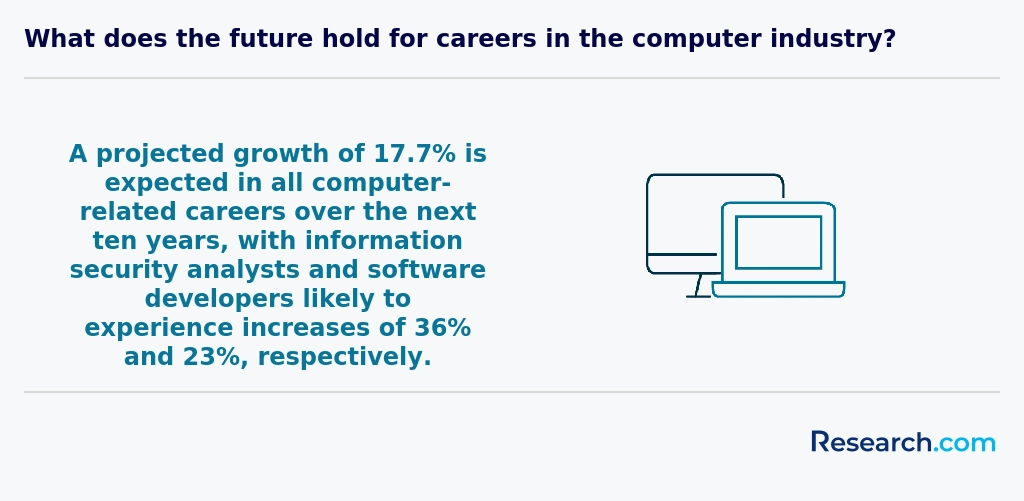
- Employment growth for IT jobs in the Northeast is projected at 5% to 7% annually, driven by demand in tech, finance, and healthcare sectors.
Completing an online information technology degree in the Northeast typically ranges from two to four years, depending largely on the program level and enrollment status. Online associate degrees, like those offered by community colleges in New York and Pennsylvania, are often finished in about two years when studied full-time. Bachelor's degree students at institutions such as Northeastern University frequently complete their programs within four years, although accelerated options allow some graduates to finish in as little as three years by leveraging transfer credits and intensive course loads.
Many online IT learners in the region report feeling empowered by flexible scheduling and program designs that accommodate working adults. Part-time students may take longer-sometimes up to twice the length of full-time study-but benefit from balancing education with personal and professional commitments. Hands-on projects and internships included within these programs, while occasionally extending completion time, greatly enhance graduates' confidence and readiness to enter the competitive IT workforce.
Online and on-campus information technology degrees in the Northeast differ mainly in flexibility, cost, and student engagement. Graduates from prominent universities in Massachusetts or New York often recall the convenience of online programs, which allow them to balance work and study without daily commutes. This flexibility suits busy professionals and those living far from campus, highlighting why nearly one-third of students nationwide choose distance education.
Conversely, on-campus students emphasize the value of face-to-face interaction, immediate feedback, and hands-on experiences in state-of-the-art labs widely available at regional colleges. These immersive environments foster collaboration and personal connections, often enhancing networking and internship opportunities. Many students at northeastern schools appreciate access to career fairs and specialized IT organizations unavailable to online learners.
Financially, online degrees tend to be more affordable, as graduates save on housing, commuting, and campus fees typical of in-person programs. However, some on-campus programs justify higher tuition through personalized support and enhanced career services, offering a distinct educational atmosphere.
The average cost of an online information technology degree in the Northeast reflects the region's diverse range of institutions and their varying tuition rates. According to recent data, median total tuition and fees for IT degree programs Northeast typically fall around $37,245. In-state students at public universities often pay approximately $34,095, while out-of-state students may incur similar or slightly higher costs, with a median out-of-state total around $34,380. These figures underscore the premium nature of education in this area, where private schools and prestigious universities impact the overall average cost.
Graduates from well-known online IT programs at Northeastern University or New York-based institutions often describe their investment as worthwhile due to access to cutting-edge technology, expert faculty, and robust career services. Many highlight how these experiences provide a significant advantage in a competitive job market, justifying the financial commitment. For students exploring budget-conscious pathways, community colleges and technical schools offer online IT certificates and associate degrees at a fraction of the cost, presenting a viable alternative while maintaining quality education.
When planning for the average cost of online information technology degree in the Northeast, students should also consider additional expenses related to textbooks, software, and hardware. Financial aid programs including scholarships and employer assistance play a critical role in managing these costs effectively. Prospective students may also benefit from reviewing the it manager education requirements to align their educational investments with career goals.
Overall, understanding the total tuition and fees for IT degree programs Northeast equips students with practical insights to navigate their funding options and maximize their educational outcomes.
Students pursuing online information technology degrees in the Northeast often rely on a combination of federal, state, and private financial aid to manage tuition costs. Many graduates from well-known institutions like Northeastern University and New York University share how FAFSA-enabled Pell Grants, offering up to $7,395 annually, significantly lowered their financial burden during their studies. State-based programs, such as New York's Tuition Assistance Program (TAP) or Massachusetts' MASSGrant, further enhance affordability by providing awards up to several thousand dollars for eligible residents.
Scholarships also play a crucial role. IT students often find encouragement and support through dedicated awards like the Women in Technology Scholarship or the CyberCorps Scholarship for Service, which provide both financial relief and motivation to excel. Graduates recall how employer tuition reimbursement programs-covering 50% to 100% of costs-empowered them to pursue degrees while working full-time jobs in the thriving Northeast tech sector.
These accessible financial aid options make online IT education attainable and foster optimism among students aiming to advance their careers without overwhelming debt.
Prospective students enrolling in online information technology degree programs in the Northeast must typically hold a high school diploma or equivalent, such as a GED. Graduates from well-regarded institutions in the region often recall that demonstrating competency in key subjects-particularly mathematics and computer literacy-was essential to their admission. This foundation enables students to confidently engage with technical coursework and complex problem-solving tasks.
Many universities in the Northeast require either SAT or ACT scores for bachelor's degree applicants, though an increasing number have adopted test-optional policies, which has made access to these programs more inclusive and encouraged diverse participation. Graduate-level online IT programs may demand prior academic achievement like an associate degree or relevant work experience in technology, ensuring students are well-prepared for advanced study.
Technical prerequisites demand reliable internet access and current hardware capable of running software tools for programming or data analysis. Students frequently find that having a computer with Windows, macOS, or Linux installed, along with the ability to install necessary software independently, is vital for success in courses offered by universities such as Northeastern or Boston University.

Online information technology degree programs in the Northeast commonly encompass core courses such as computer programming, database management, and networking. Graduates from prominent institutions report gaining proficiency in programming languages like Python, Java, or C++, enabling them to develop software solutions and automate processes effectively.
Networking and cybersecurity receive considerable emphasis, reflecting industry demands in the region's robust tech and financial sectors. Courses on network design, security protocols, ethical hacking, and incident response equip students with practical skills and prepare them for certifications like CompTIA Security+ or Cisco's CCNA, greatly enhancing their employability.
Data management and systems analysis also form pivotal components. For instance, graduates from respected Northeastern colleges have described their success in mastering database design and data organization, crucial for roles involving data analysis and IT infrastructure management.
Additionally, project management and IT governance coursework introduce students to methodologies such as Agile and frameworks like ITIL, which are widely adopted in local firms. Specialized electives in cloud computing, AI fundamentals, and mobile app development further reflect the cutting-edge trends embraced by online IT programs in this region.
Students pursuing online information technology degrees in the Northeast often choose from a diverse array of specializations tailored to regional industry demands. Cybersecurity remains a top focus due to the strong finance and government presence in states like New York and Massachusetts, where graduates report confidence in entering rapidly expanding job markets. Data analytics is another preferred concentration, especially given the area's technology hubs and financial centers. Graduates describe gaining hands-on experience interpreting complex data sets, a skill highly sought after by employers. Software development programs prepare students with practical coding and project management expertise, critical for thriving in Massachusetts' robust tech environment. These examples illustrate typical online information technology specializations in the Northeast, which also often include network administration, cloud computing, IT project management, and health informatics.
Graduates from popular universities and colleges attest that these focused tracks create a sense of accomplishment and readiness, fueling their passion to excel. For those looking to explore opportunities further, institutions offering these programs often highlight the benefits of online it degrees strong job prospects.
Choosing the best online information technology degree programs Northeast involves prioritizing regional accreditation, which guarantees academic rigor recognized by employers and academic institutions. Graduates from top Northeastern universities often highlight how their programs' connection to thriving tech hubs like Boston and New York City enriched their learning experience through internships and real-world projects. Such industry partnerships increase job placement rates and ensure curriculum relevance in areas like cybersecurity and data analytics.
Affordability remains crucial when selecting an affordable online IT degrees in the Northeast. Students report that balancing cost with strong faculty credentials and program flexibility enhances both their academic success and work-life balance. Many value online IT degrees featuring comprehensive support services, including career counseling and certification prep, which improve outcomes in competitive tech fields.
For those seeking options that blend quality and cost-effectiveness, it's worth exploring the cheapest information technology online mba, which can provide accessible pathways to advanced IT careers while maintaining strong industry connections.

Graduates pursuing online information technology careers in the Northeast frequently find diverse opportunities across thriving sectors such as finance, healthcare, and government, especially in urban centers like Boston and New York City. Popular career paths include roles like network and computer systems administrator, information security analyst, software developer, IT project manager, and database administrator, all essential for maintaining robust IT infrastructures. Graduates from renowned institutions around the region describe rewarding experiences applying their skills in fast-paced environments, ranging from managing complex data systems at Boston universities to overseeing cybersecurity projects within New York's financial firms.
Many students developing an information technology degree job opportunities Northeast appreciate the practical advantages of programs incorporating virtual internships, which connect them directly to local employers. This practical experience, alongside certifications in cybersecurity and cloud computing, enhances their market readiness. For those seeking accelerated credentials, a variety of options exist, including fastest online technology degree programs that align well with demanding schedules and career goals.
The job market for graduates with an online information technology degree in the Northeast is thriving, driven by rapid digital transformation across industries such as finance, healthcare, and education. Graduates from renowned universities in metropolitan areas like Boston and New York City report competitive hiring environments, especially in roles like software development and cybersecurity. These graduates often recount feeling optimistic about their career prospects, motivated by the region's strong concentration of Fortune 500 companies and innovative startups.
Opportunities in online information technology jobs in the Northeast are abundant, with continuous demand for skills in cloud computing, data analytics, and network administration. For instance, alumni from prestigious colleges note the advantage of being in an ecosystem supported by leading tech councils, which fosters networking and professional growth. Salary ranges for entry-level positions typically fall between $65,000 and $80,000, reflecting the high value employers place on regional IT talent.
Students pursuing their online degree benefit from affordable tuition options and financial aid, often enabling them to balance work and study effectively. Many seize pathways to advanced roles while enrolled, leveraging internship connections in cities with robust tech infrastructures. Those interested can explore the best programs in the field at masters information technology to find programs optimized for their career ambitions in the Northeast.
2027 Best Online Information Technology Degree Programs Ranking in the Northeast
Investing in your education is a significant decision that can shape your future, and the Research.com team understands the importance of making informed choices. To assist prospective students in the Northeast, we have meticulously crafted the "2027 Best Online Information Technology Degree Programs Ranking in the Northeast." Our commitment to quality, credibility, and accuracy is reflected in the extensive research and analysis conducted to compile this ranking.
We utilized the following reputable data sources to ensure a comprehensive evaluation of IT programs:
By exploring this ranking, readers will gain valuable insights into the top online IT degree programs available in the Northeast, empowering them to make confident educational decisions. For more details on our methodology, please visit our Research.com methodology page.


# 8 position
Penn State University Park
Master of Artificial Intelligence

# 11 position
Penn State University Park
Bachelor of Information Sciences and Technology


Frequently Asked Questions About information technology
Online information technology degree students in the Northeast can maximize their learning experience by engaging actively in virtual labs and collaborative projects. Utilizing resources offered by accredited institutions ensures access to up-to-date technology and coursework aligned with industry needs. According to the National Center for Education Statistics, many Northeastern schools incorporate practical IT training through cloud-based simulations.
Students should also participate in regional tech forums and networking events hosted online to connect with local professionals. Balancing coursework with internships in Northeast tech hubs like Boston or New York City can enhance skills and employment prospects.
Regular communication with professors and peer study groups significantly improves comprehension and retention in virtual settings.
The information technology field is rapidly evolving, with several emerging niches gaining traction in the Northeast. Cybersecurity remains a top priority, driven by the region's concentration of financial institutions and government agencies. According to CyberSeek data, demand for cybersecurity professionals in states like New York and Massachusetts is projected to grow over 30% through 2029. Another growing area is data science and analytics, fueled by companies in Boston's technology corridor and New York City's finance sector. Cloud computing, especially skills related to AWS and Microsoft Azure, is also expanding quickly as organizations shift to hybrid work models. These niches offer promising career paths for IT students in the Northeast.
Graduates of online information technology degrees in the Northeast can enhance employability by gaining relevant certifications such as CompTIA Security+, Cisco's CCNA, or AWS Certified Solutions Architect. These credentials are highly valued by regional employers. According to the U.S. Bureau of Labor Statistics, IT jobs in the Northeast are projected to grow by 15% through 2030, underscoring the importance of staying current with technology trends.
Networking is crucial; joining local chapters of professional groups like the New England Technology Network can open doors to job opportunities. Internships and remote projects also provide practical experience that complements online learning.
Employers in the Northeast seeking information technology graduates prioritize a combination of technical skills and practical experience. Proficiency in cybersecurity, cloud computing, and data analytics remains crucial, as these areas are expected to grow significantly in the coming years according to the U.S. Bureau of Labor Statistics. Additionally, knowledge of programming languages such as Python, Java, and SQL is highly valued. Soft skills like problem solving, communication, and teamwork are also emphasized, reflecting workplace demands.
Regional surveys, including those from the New England Tech Network, highlight that over 70% of employers prefer candidates with real-world project experience or internships. This blend of strong technical knowledge and applied skills makes graduates more competitive in the Northeast's evolving IT job market.
Finding internships in the Northeast relevant to an information technology degree involves targeted research and networking. Many technology companies in this region, including hubs in Boston, New York City, and Philadelphia, offer internship programs focused on IT. According to the Massachusetts Technology Collaborative, over 80% of tech firms in the region actively recruit interns each year.
Online platforms like Handshake and LinkedIn provide access to internship postings from local employers and universities. Additionally, students should leverage their school's career services, which often have industry-specific connections. Joining professional organizations such as the Northeast chapter of the Association for Computing Machinery (ACM) can also increase internship opportunities through events and job boards.
Obtaining an online information technology degree significantly enhances career mobility and advancement opportunities in the Northeast. The region hosts a dense concentration of technology firms, startups, and financial institutions, creating a favorable job market for IT graduates. According to the U.S. Bureau of Labor Statistics, IT employment in states like New York, Massachusetts, and New Jersey is expected to grow by 13% through 2030, outpacing many other sectors.
Employers in the Northeast increasingly value accredited online degrees, recognizing their rigor and flexibility. Graduates can quickly upskill or shift roles within organizations, benefiting from strong alumni networks of regional universities. Online programs also support professionals balancing work and study, facilitating continuous career progression without geographic constraints.
In summary, an online IT degree from the Northeast's institutions opens doors to diverse roles and competitive salaries in a rapidly evolving technological landscape.
Studying for an information technology degree in the Northeast equips students with skills that extend beyond traditional IT roles, preparing them for interdisciplinary careers. Many programs emphasize collaboration with fields like business, healthcare, and data science, reflecting regional industry demands. According to the National Center for Education Statistics, Northeast schools award over 20% of the nation's IT bachelor's degrees, often integrating coursework in project management, cybersecurity, and analytics.
Institutions commonly partner with local industries, fostering practical experience that blends IT knowledge with sector-specific challenges. This approach produces graduates ready to support diverse roles such as IT consulting, health informatics, and financial technology.
Choosing between a thesis and a non-thesis information technology degree program in the Northeast depends on your career goals and learning preferences. Thesis programs emphasize research, requiring students to complete an extensive project that contributes new knowledge to the field. These are ideal for those considering a PhD or roles in research and development. Non-thesis programs focus more on practical skills and coursework, appealing to professionals aiming to enter or advance in the IT industry quickly.
According to the National Center for Education Statistics, about 40% of Northeast IT graduate programs offer both options, reflecting regional demand for flexibility.
When deciding, consider your professional plans, time commitment, and interest in research.
Students based in the Northeast seeking to study information technology (IT) abroad generally explore options through exchange programs or partnerships established by their home institutions. Many universities in the region, such as Northeastern University and Boston University, offer collaborations with international schools that allow credits to transfer. However, fully online IT degrees with international accreditation remain limited.
The U.S. Department of Education and the Institute of International Education report that while study abroad opportunities surged post-pandemic, students pursuing STEM fields like IT participate less frequently than in humanities. For IT-focused students, remote internships or virtual joint programs may complement abroad study for global exposure without relocating.
Given the Northeast's strong tech economy, students can also leverage local networks with multinational firms to gain international experience digitally, which can substitute some abroad study benefits while completing online IT degrees regionally.
Part-time job opportunities in the Northeast that complement an online information technology degree are diverse and growing. Many students find roles as IT support specialists, a position expected to grow 8% nationally through 2030, according to the U.S. Bureau of Labor Statistics. These roles often offer flexible hours suitable for students.
Other options include web development assistant positions or internships with local tech firms in cities like Boston and New York, which host numerous startups and established IT companies. Data entry and cybersecurity internships also provide practical skills aligned with IT coursework.
Many universities in the Northeast maintain partnerships with local businesses, creating job pipelines for students seeking real-world experience while studying online.
Online information technology students in the Northeast have access to a variety of networking opportunities designed to connect them with industry professionals and peers. Many universities host virtual career fairs and webinars featuring IT employers from major tech hubs like Boston, New York City, and Philadelphia. According to the Cybersecurity and IT Association of New England, these events attract over 2,000 participants annually.
Regional chapters of organizations such as CompTIA and ISACA also offer online and hybrid meetings. Students can join professional groups and attend conferences that allow networking without geographic barriers.
Alumni networks in the Northeast are particularly active, often providing mentorship and job leads. Additionally, local IT incubators and coworking spaces frequently hold virtual meetups that welcome online students, fostering connections within the thriving Northeast tech community.
Alumni networks offer significant benefits to online information technology degree students in the Northeast. These networks connect students to professionals who have already navigated the local job market, which is especially valuable in tech hubs like Boston and New York City. Through mentoring, job referrals, and career advice, students gain insider knowledge and access to opportunities otherwise difficult to find. According to the National Association of Colleges and Employers, strong alumni engagement can increase graduate employment rates by up to 25% within regional industries.
Additionally, many universities in the Northeast facilitate exclusive online platforms where alumni share job openings and industry trends. This ongoing support helps students build professional relationships that extend beyond graduation. For those pursuing IT careers, leveraging such networks is a crucial advantage in a competitive field heavily influenced by regional connections and expertise.
Customizing an online information technology degree in the Northeast allows students to align their education with specific career goals. Most programs offer elective courses or concentrations in areas like cybersecurity, data analytics, or software development. This flexibility helps tailor skills to industry demands, which are robust in Northeastern tech hubs such as Boston and New York City.
Additionally, many schools provide options for capstone projects or internships that connect theory with practical experience. Accreditation from bodies like ABET ensures curriculum quality and relevance to current IT standards. According to the National Center for Education Statistics, about 65% of Northeastern IT programs include these customizable features, supporting career readiness.
Students should also consider online programs that partner with local businesses and technology firms, enhancing networking and job prospects. Such integration of coursework and professional development is crucial in the dynamic IT field of the Northeast.
Online information technology students in the Northeast often face challenges like balancing coursework with demanding work schedules. Many learners are working professionals, making time management a critical concern. According to the National Center for Education Statistics, nearly 40% of online IT students nationwide juggle full-time jobs while studying. Technical issues also impact some students, especially those in rural or underserved areas of states like Maine or New Hampshire, where broadband access can be limited.
Another challenge is the lack of in-person interaction, which can affect networking opportunities and hands-on learning essential in IT fields. Furthermore, adapting to self-directed learning requires strong motivation and discipline, which not all students find easy to maintain.
Graduates with an online information technology degree in the Northeast can pursue a variety of professional certifications to enhance their career prospects. Popular options include the CompTIA A+ and Network+ certifications, which validate foundational IT skills and networking knowledge. Many also aim for the Certified Information Systems Security Professional (CISSP), especially given the rising cybersecurity demand in cities like Boston and New York. According to CyberSeek, these areas show strong growth in IT jobs requiring security expertise.
Other certifications such as Microsoft Certified: Azure Fundamentals and Certified Ethical Hacker (CEH) are valuable for specialized roles. These qualifications help graduates meet employer needs across sectors in the Northeast's technology-driven economy.
To write a winning application for an online information technology program in the Northeast, focus on clarity and relevance. Start with a strong personal statement that highlights your passion for IT and any related experience. Many programs value professional certifications such as CompTIA or Cisco, so mention these if applicable. According to the National Center for Education Statistics, enrollment in online IT programs in the Northeast grew by 15% between 2019 and 2022, increasing competition.
Be sure to include clear academic records, emphasizing relevant coursework or degrees. Tailoring your application to highlight your understanding of current IT trends in the region may also help, given the Northeast's role as a technology hub impacting nearly 800,000 IT job openings annually, per the Bureau of Labor Statistics.
Information technology (IT) careers have strong global significance, reflecting rapid growth and innovation worldwide. In the United States, and particularly in the Northeast, IT professionals are in high demand due to the region's dense concentration of tech companies, financial institutions, and research centers.
The U.S. Bureau of Labor Statistics projects a 13% growth in computer and information technology jobs from 2022 to 2032, faster than the average for all occupations. Many Northeastern states, such as New York and Massachusetts, have notable technology hubs, offering competitive salaries and diverse opportunities.
Globally, IT skills are essential for digital transformation across industries. Employers value degrees from accredited U.S. institutions, which emphasize problem-solving and emerging technologies. This creates career mobility both within the Northeast and internationally.
Gaining practical experience while studying for an online information technology degree in the Northeast is crucial for career readiness. Many programs incorporate virtual labs and simulation tools that mimic real-world IT environments, allowing students to apply theoretical knowledge immediately.
Internships and cooperative education opportunities are increasingly available even to online students, often facilitated by partnerships between schools and local tech companies in major Northeast hubs like Boston and New York City. According to the National Center for Education Statistics, internships improve employment outcomes by 20% for IT students.
Additionally, students can engage in remote freelance projects or participate in hackathons and online coding challenges to build portfolios. These activities enhance technical skills and professional networks without geographic constraints.
Choosing the right concentration within an online information technology degree in the Northeast requires careful consideration of your career goals and the regional job market. Emerging fields like cybersecurity and data analytics are in high demand; the Bureau of Labor Statistics projects a 31% growth in computer and information research science jobs nationwide by 2031.
Northeastern states such as New York and Massachusetts host numerous tech firms, increasing opportunities in software development and network administration. Research local industry trends through job boards and regional employment reports. Accreditation and faculty expertise in your chosen concentration are also vital to ensure quality education and future employability.
- FAFSA/PELL Information https://www.netech.edu/page/fafsapell-information
- Information Technology Assistant Cover Letter Sample https://www.kickresume.com/en/help-center/information-technology-assistant-1-cover-letter-sample/
- Best Computer Sciene Certifications to Boost Your Career https://www.computerscience.org/resources/top-it-certifications/
- How to Start an IT Career: A Beginner's Roadmap | Mindmesh Academy https://www.mindmeshacademy.com/blog/articles/how-to-start-it-career
- 2. How to Chart Your Connections https://ohioemploymentfirst.org/expanding-your-opportunities-through-networking-pre-ets/activity-2
- Information Technology Master's Program (without Thesis) | Eastern Mediterranean University Cyprus https://www.emu.edu.tr/en/programs/information-technology-masters-program-without-thesis/1070
- Academic experiences of information technology students - JYX https://jyx.jyu.fi/bitstreams/2ecaf277-b7be-416f-8ee4-d35afdf2ab67/download
- IT Schools Online | Information Technology Careers | OEDb https://www.oedb.org/rankings/online-it-programs/
- Jobs you can get with an IT degree | Monroe University https://www.monroeu.edu/academics/undergraduate-programs/school-information-technology/jobs-with-degree-in-it
- The Top Information Technology Skills Employers Want | AIU https://www.aiuniv.edu/degrees/information-technology/articles/top-information-technology-skills-employers-want