2027 Fastest Online Human Services Degree Programs Ranking in St. Paul, MN

Co-Founder and Chief Data Scientist
Are you considering pursuing a human services degree in St. Paul, MN? Choosing the right online program can feel overwhelming, but it doesn't have to be. This article introduces the 2027 Fastest Online Human Services Degree Programs Ranking in St. Paul, MN, created by the Research.com team of data scientists to guide you toward the best options.
By exploring this ranking, you'll discover programs that prioritize both quality and speed, helping you achieve your career goals efficiently. Earning a human services degree opens doors to rewarding opportunities where you can make a positive impact in your community.
Key benefits of getting online human services degree in St. Paul
- Human services degree graduates in St. Paul often start with salaries around $35,000 to $45,000 annually, reflecting steady income while making a positive impact in community roles.
- Graduates from local institutions, like Metropolitan State University, can pursue diverse careers such as case management, social work, or counseling, offering rewarding opportunities to support individuals and families.
- Online human services degrees provide flexible scheduling and accessibility, allowing working adults in St. Paul to balance education with personal and professional commitments more easily than traditional programs.
- 2027 Fastest Online Human Services Degree Programs Ranking in St. Paul, MN
- What can I expect from online human services degree in St. Paul?
- Where can I work with online human services degree in St. Paul?
What can I expect from online human services degree in St. Paul?
The average cost of an online human services degree in St. Paul typically ranges from $15,000 to $35,000 for a full program, depending on the school and degree level. Graduates from well-regarded institutions in the area often mention how balancing affordability with quality education was key to their success. For example, many students attending local colleges found financial aid and scholarships valuable, making this investment manageable.
In practical terms, students appreciate that tuition covers comprehensive coursework in counseling, psychology, and social welfare policy, directly preparing them to serve St. Paul's diverse communities. One graduate described how remote learning allowed them to maintain a job while gaining hands-on experience through local internships, which many programs require.
Choosing a program with accreditation recognized by St. Paul's employers also adds long-term value and confidence. Graduates often feel empowered by their education's relevance to the city's social service landscape, seeing it as a meaningful step toward impactful, community-centered careers.
Where can I work with online human services degree in St. Paul?
Graduates from online human services programs at institutions like Hamline University and St. Catherine University in St. Paul find meaningful career paths that truly impact community well-being. Many secure roles with local government agencies, where they work closely with vulnerable populations-imagine supporting children, elderly residents, or those experiencing homelessness through Ramsey County programs. This work not only offers stable income, reflecting average wages around $67,000, but also daily fulfillment.
Others thrive in nonprofit organizations dedicated to mental health, substance abuse, and youth development. These graduates often recall the rewarding moments of counseling or coordinating services that create tangible change in people's lives. Healthcare facilities also welcome human services professionals to assist patients in navigating care plans, a vital role as integrated health increases in importance.
Some find their niche in schools within the St. Paul Public Schools system, helping students cope with academic and personal challenges. Others explore emerging private sector roles in corporate wellness, seeing firsthand how employee support boosts workplace morale. These varied paths prove that a human services degree from St. Paul opens doors to careers rooted in compassion and community upliftment.
Graduates from online human services programs in St. Paul often find encouraging salary prospects that reflect their dedication and local demand. For instance, entry-level social and human service assistants typically earn around $39,000 nationwide, but in the Twin Cities, including St. Paul, wages are notably higher-closer to $42,000 annually. Many graduates from institutions like Metropolitan State University or Saint Paul College share how their initial roles started near $30,000 to $35,000, yet steady advancement and certifications boosted their incomes.
Human services alumni with bachelor's degrees often step into roles such as case managers or social workers, with median salaries reaching between $50,000 and $65,000 locally. Those pursuing clinical social work with a master's degree have reported earnings well over $70,000. These figures reflect real opportunities for passionate students committed to making an impact while supporting themselves financially.
Many graduates emphasize how studying human services online in St. Paul allowed them to balance work and life while building a rewarding career that grows with experience and ongoing education.
- The total cost for a bachelor's degree in human services in St. Paul ranges from $25,000 to $40,000, including tuition and fees.
- Starting salaries for graduates average between $38,000 and $42,000 per year, with mid-career earnings rising to $50,000 to $60,000 annually.
- Employment growth in human services is projected at about 5% over the next decade, supporting job opportunities in various sectors.
- Many programs require fieldwork or practicum placements, often arranged with local community agencies in St. Paul.
- Accreditation by bodies like the Council for Standards in Human Service Education (CSHSE) is important for education quality and financial aid eligibility.
Completing an online human services degree in St. Paul typically takes about two to four years, depending on whether you're pursuing an associate, bachelor's, or graduate degree. For example, graduates from well-known institutions like the University of St. Thomas often share how their bachelor's degree journey took around four years of full-time study. Meanwhile, those enrolled part-time at community colleges such as Century College appreciated the flexibility but noted their path extended closer to three years.
Many students find accelerated programs appealing; some have completed their degree in just three years by leveraging condensed courses and prior credits. A graduate degree, like a master's from Metropolitan State University, generally requires around two years of focused study, opening doors to advanced roles in counseling or social work.
For busy professionals balancing work and family, part-time study at St. Paul institutions helps manage commitments, though it can lengthen completion time. Transferring credits can significantly speed up your progress, making prior learning and military experience valuable. St. Paul students often feel empowered knowing many local colleges support credit transfer, helping them reach their goals sooner.
Choosing between an online and on-campus human services degree in St. Paul depends on how you want to learn and live your daily life. Graduates from popular St. Paul universities often reflect on how online programs gave them the freedom to study after work or manage family needs, allowing lectures and assignments to fit into their unique schedules without losing momentum. This flexibility is a game-changer for many who juggle busy lives.
Conversely, those who chose on-campus programs treasure the deep connections built with classmates and professors through face-to-face interaction. Picture walking through campus at the University of St. Thomas, joining vibrant discussions, and collaborating in real time. These moments can fuel motivation and confidence, especially when preparing for internships locally with organizations like the Minnesota Department of Human Services.
Both paths require hands-on internships, but on-campus students often find it easier to access nearby placements. Online learners appreciate the convenience yet still engage fully through virtual support networks. This balance ensures every student in St. Paul can advance their human services career with quality and community.
The average cost of an online human services degree in St. Paul typically centers around $18,870, though this figure can vary depending on the program and institution. Many students find that public colleges offer a valuable balance between quality and affordability, especially with in-state tuition discounts available to Minnesota residents. For example, graduates from Metropolitan State University often reflect on how paying about $344 per credit hour made completing their bachelor's degree manageable while gaining practical skills.
When considering tuition and fees for human services degree programs in St Paul, it's important to factor in more than just the sticker price. Graduates frequently mention extra expenses like textbooks, technology needs, and sometimes clinical or fieldwork fees, which are vital parts of building hands-on experience for a rewarding career. These costs add up but are often offset by scholarships, federal grants, and state-specific financial aid designed to support students pursuing social service fields.
Choosing an online program in St. Paul allows flexibility without sacrificing community connection. Many find that this balance encourages strong engagement, even from a distance. Plus, it's comforting to know that the cost aligns well with national trends, offering competitive options whether you aim for an associate, bachelor's, or master's degree.
Exploring career paths through jobs for masters in human services can motivate students further, turning education costs into a lifelong investment in meaningful work.
If you're eyeing an online human services degree in St. Paul, tapping into financial aid can truly transform your educational journey. Many students at well-known schools like Metropolitan State University find the Federal Pell Grants invaluable-these grants don't need repayment and can provide up to $7,395 annually, giving you breathing room to focus on your studies. Completing the FAFSA is your first crucial step to unlock these funds.
Federal loans with flexible repayment plans also helped graduates balance work and study while keeping costs manageable. Beyond federal aid, Minnesota's State Grant Program is a real game-changer for local students demonstrating financial need, with awards sometimes exceeding $5,000 per year.
Remember, some St. Paul colleges offer merit scholarships for dedicated human services students, rewarding academic excellence and passion for social impact. Plus, many employers in the area support tuition reimbursement, making it easier for working students to advance without financial strain.
To enroll in an online human services degree in St. Paul, you'll first need a high school diploma or GED-this foundational step opens doors to colleges like Metropolitan State or Hamline University. Graduates often share how this simple requirement was their stepping stone toward helping vulnerable communities with confidence.
Expect to submit transcripts as proof of your prior academic work; many students find that sharing their journey, through personal essays or recommendation letters, helps admissions see their passion for human services more clearly.
Since trustworthiness is essential in this field, a background check is usually required, ensuring you're prepared to work ethically with diverse populations. Flexible programs often waive standardized tests, focusing instead on real-life experiences and your academic record.
Lastly, reliable internet and technology are crucial. Online learners at popular St. Paul institutions often mention how setting up a dedicated, distraction-free study space helped them engage fully in their classes and community discussions.
When you enroll in an online human services degree program in St. Paul, expect a curriculum designed to equip you with both essential knowledge and practical skills. Graduates from local institutions often speak about courses like Case Management Techniques, where they learn how to coordinate vital services for community members facing challenges. Imagine preparing to support a family navigating social assistance systems-that's the real impact of this training.
Other courses such as Human Behavior and Development dive into understanding people across all life stages, enabling you to approach clients with empathy and insight. A standout component is Crisis Intervention, where students practice responding calmly and effectively during emergencies, a skill highly valued in St. Paul's mental health network.
Programs also emphasize Community Resources and Social Policy to help you advocate for vulnerable populations, connecting theory with local realities. Many graduates cherish the hands-on learning from these courses, which prepares them to make a meaningful difference in St. Paul's diverse communities.
If you're exploring an online human services degree in St. Paul, you'll find several specializations designed to match your passion with community impact. Graduates from local colleges often highlight the addiction counseling specialization, prepared to help those facing substance abuse challenges-a critical need reflected in the city's overdose statistics. Many find this work deeply rewarding, knowing their efforts can turn lives around.
Mental health services is another meaningful focus, responding to the high demand in Minnesota for skilled professionals who support emotional and cognitive wellness. Students often share how training in this area at well-regarded St. Paul institutions opens doors to roles in hospitals and community agencies.
Specializations such as gerontology appeal to those driven by serving the aging population, projected to grow significantly in Minnesota by 2030. Child and family services also attract students wanting to strengthen vulnerable families, built on practical experiences offered by St. Paul programs. When exploring human services career focus options St. Paul Minnesota offers, consider these pathways carefully and explore resources like affordable human services online programs that fit your goals and budget.
When choosing the best online human services degree in St. Paul, prioritize accreditation as your foundation. Graduates from well-known programs at local universities share how accreditation by bodies like the Council for Standards in Human Service Education (CSHSE) gave their education credibility, making job hunting smoother in Minnesota's competitive market. Flexibility also matters greatly-many students juggling work and family found programs offering asynchronous classes and hybrid formats essential for maintaining balance. If you're exploring affordable online human services degrees St. Paul offers, consider public institutions known for reasonable tuition and available scholarships, which have helped many lower the financial load while still gaining quality education. Networking deeply within the local context is vital; successful alumni often mention how coursework tailored to Minnesota's human services landscape prepared them for roles in mental health and community outreach. For a comprehensive overview, explore this master's in human services online resource that highlights top programs aligned with your goals.

Graduates with an online human services degree in St. Paul find themselves stepping into meaningful roles such as case managers, social service coordinators, and community outreach specialists. Many have shared how studying at popular local institutions like the University of St. Thomas or Hamline University gave them practical insights into the unique social dynamics of the city, helping them engage effectively with diverse communities. The best job opportunities with human services degree St. Paul MN often include working in government agencies, non-profits, and healthcare settings, where strong communication and empathy are essential.
Some graduates choose to specialize further, becoming mental health technicians or addiction counselors, roles that bring daily fulfillment by directly supporting individuals facing challenges. Others benefit from tailoring their expertise to gerontology or youth services, reflecting personal passions uncovered during their studies. For those exploring careers, staying informed about jobs in social services nationally and locally can provide clarity and encouragement toward impactful professions.
The job market for those pursuing an online human services degree in St. Paul is robust and full of opportunity. Graduates from local institutions often find rewarding work with nonprofits, government agencies, and healthcare providers throughout the city. These roles commonly involve case management, community outreach, and advocacy, aligning well with the city's strong focus on social equity and mental health programs. Students from popular colleges in St. Paul share how their degrees prepared them to step confidently into these positions, where they make a real difference in people's lives.
The St. Paul human services career outlook is supported by steady growth, with demand fueled by local initiatives addressing homelessness, substance abuse, and family services. Entry-level wages typically range between $40,000 and $45,000, reflecting Minnesota's commitment to fair pay in social service jobs. For students weighing options, cost remains manageable, with many online programs offering financial aid to offset tuition.
Exploring further education or certifications often opens doors to leadership roles and higher salaries. For students focused on lasting impact and sustainable careers, understanding human services careers salary trends in St. Paul helps set realistic goals and inspires long-term commitment to the field.
2027 Fastest Online Human Services Degree Programs Ranking in St. Paul, MN
Investing in your education is a significant decision that can shape your future, and the Research.com team understands the importance of making informed choices. To assist prospective students in St. Paul, MN, we have meticulously crafted the "2027 Fastest Online Human Services Degree Programs Ranking in St. Paul, MN." Our commitment to quality, credibility, and accuracy is reflected in the extensive research and analysis conducted to compile this ranking.
We utilized the following reputable data sources to ensure a comprehensive evaluation of human services degree programs:
By exploring this ranking, readers will gain valuable insights into the fastest online human services degree programs available in St. Paul, MN, empowering them to make well-informed decisions about their educational journeys. For more details on our methodology, please visit our Research.com methodology page.
# 1 position
Bethel University, Minnesota
Bachelor of Human Services


Frequently Asked Questions About human services
Students pursuing online human services degrees in St. Paul can enhance their learning by engaging actively with course materials and participating in virtual discussions. Utilizing St. Paul's local resources, such as community organizations and social service agencies, for internships or volunteer work adds practical experience to theoretical knowledge.
Access to Minnesota's Department of Human Services data and reports can deepen understanding of regional challenges and initiatives. Additionally, networking with local professionals through online platforms or local events helps build connections that support career growth.
Studies show that students who combine online coursework with hands-on experiences achieve higher satisfaction and employment rates. Staying disciplined with a study schedule and seeking academic advising available through most accredited online programs also contributes to success.
Emerging niches within the human services field reflect evolving community needs and technological advances. One growing area is gerontology, focusing on services for an aging population, which is particularly relevant in Minnesota where seniors represent over 15% of residents, according to the U.S. Census Bureau. Another expanding niche is behavioral health coordination, addressing mental health and substance use disorders through integrated care approaches favored by local health agencies in St. Paul.
Digital human services is also gaining traction as online counseling and support platforms increase access to care. Additionally, trauma-informed care specialists are in demand, with agencies emphasizing this approach to support diverse populations affected by systemic challenges. These niches offer promising career pathways for online human services students in St. Paul.
After completing an online human services degree in St. Paul, preparing for the job market involves several key steps. First, gaining relevant experience through internships or volunteer work helps build practical skills and local connections. The Minnesota Department of Employment and Economic Development reports steady growth in human services jobs, with a 6% increase expected by 2030, highlighting opportunities in social work, counseling, and case management.
Networking with local organizations, such as Ramsey County Social Services, can provide valuable contacts. Additionally, obtaining certifications like the Certified Alcohol and Drug Counselor (CADC) enhances employability. Staying informed about local job trends and continuously developing soft skills, such as communication and empathy, is crucial for success in St. Paul's human services sector.
Employers in St. Paul seek human services graduates who demonstrate strong communication skills, empathy, and cultural competence. These qualities are essential for supporting the city's diverse populations, including immigrant and Indigenous communities. According to the Minnesota Department of Employment and Economic Development, effective crisis intervention and case management skills rank highly among desired competencies.
Additionally, proficiency in program planning and knowledge of social welfare policies enhance employability. Data from local nonprofits indicate that candidates who show adaptability and teamwork are often preferred, given the collaborative nature of human services roles in the region.
Technical skills such as data collection and familiarity with electronic case management systems are increasingly valued, reflecting broader trends in social service organizations.
Finding internships in St. Paul relevant to a human services degree involves exploring local agencies, nonprofits, and government programs. Organizations like the Ramsey County Social Services and the Minnesota Department of Human Services often offer internship opportunities designed for students. Universities with online human services programs may also provide tailored placement assistance.
Networking through local professional groups such as the Minnesota Human Services Association can increase access to internship openings. According to the U.S. Bureau of Labor Statistics, practical experience significantly enhances employment prospects in social services fields.
Additionally, using online platforms focused on internships in St. Paul and contacting your program's career center are essential steps to find suitable placements.
Obtaining an online human services degree in St. Paul can significantly enhance career mobility and professional advancement. The degree equips graduates with skills sought by local employers such as government agencies, non-profits, and healthcare providers. According to the Minnesota Department of Employment and Economic Development, job openings in social and human service assistant roles in the Minneapolis-St. Paul area are projected to grow by 8% through 2030, signaling steady demand.
Graduates with this degree often qualify for higher-level positions, including case management, program coordination, and advocacy roles. Online programs offer flexibility for working adults, supporting career transitions or promotions without pausing employment. Additionally, credentials from accredited online programs meet Minnesota licensing requirements for many human services careers, helping graduates stay competitive in the regional job market.
Studying for an online human services degree in St. Paul equips students with skills essential for interdisciplinary roles in social work, counseling, and public health. The curriculum often integrates psychology, sociology, and healthcare, reflecting the collaborative nature of human services professions.
St. Paul's community organizations highlight the need for professionals who understand diverse client backgrounds, legal aspects, and healthcare systems. According to the Minnesota Department of Employment and Economic Development, human services careers in the Twin Cities are expected to grow by 10% through 2030, emphasizing teamwork across multiple disciplines.
Online programs in St. Paul prepare graduates to work effectively with varied professionals, addressing complex social challenges holistically.
Choosing between a thesis and a non-thesis human services degree program in St. Paul depends on your career goals and learning preferences. A thesis option typically suits students interested in research, advanced study, or academic careers, requiring a significant project and closer faculty mentorship. The non-thesis path often appeals to working professionals focused on practical skills, coursework, and faster program completion.
St. Paul's job market for human services graduates shows steady growth, with Minnesota's Department of Employment estimating a 10% increase in social and human service assistant roles by 2030. Non-thesis programs can offer flexibility suitable for those already employed in local agencies.
Consider also program format and faculty expertise at St. Paul schools. Institutions like Metropolitan State University provide online options tailored to both thesis and non-thesis tracks, accommodating diverse student needs.
Students based in St. Paul interested in studying human services abroad have several options, primarily through online degree programs offered by accredited U.S. institutions with international partnerships. While few foreign universities offer fully online human services degrees accessible from the U.S., many American colleges provide study-abroad opportunities or global internships embedded within their human services curriculum.
According to the National Organization for Human Services, online programs frequently include practicum placements that can involve international or cross-cultural experiences, supporting students seeking global exposure while based in St. Paul.
Additionally, students can explore dual-degree or exchange programs facilitated by Minnesota universities hosting human services tracks, which align with U.S. accreditation standards. This approach ensures credits are transferable and degrees remain recognized domestically.
St. Paul offers several part-time job opportunities that align well with human services degree education. Positions such as case aides, community outreach workers, and peer support specialists provide practical experience alongside academic studies. According to the Minnesota Department of Employment and Economic Development, social and human service assistants in the Twin Cities Metro, including St. Paul, earned a median hourly wage of $17.50 in 2023.
These roles help build skills in client communication, crisis intervention, and resource coordination-key components of human services programs. Many nonprofits and government agencies in St. Paul actively seek part-time staff, making these jobs accessible to students.
Additionally, volunteering at local shelters or youth centers is a valuable way to gain relevant exposure. Engaging in such roles can enhance both resume credentials and understanding of community needs.
Online human services students in St. Paul benefit from various local networking opportunities despite their remote studies. Many area universities, including those offering online degrees, host virtual and in-person events to connect students with peers and industry professionals. The Minnesota Association for Human Services, headquartered nearby, frequently organizes workshops and conferences that welcome students.
Additionally, St. Paul's diverse social services sector provides internship placements, which are valuable for building local connections. According to the Minnesota Department of Employment and Economic Development, the region expects a 9% growth in human services jobs by 2030, increasing networking chances. Students can also engage with local nonprofit groups and online alumni networks for professional growth.
Alumni networks play a crucial role for online human services degree students in St. Paul by offering strong professional connections. These networks connect students with graduates who work in social work, counseling, and community programs locally, increasing job placement opportunities.
In St. Paul, where the human services sector is growing, alumni can provide mentorship, guidance on career paths, and insights about employers like Ramsey County Health and Human Services. According to the Minnesota Department of Employment and Economic Development, local social assistance jobs are expected to grow by 8% through 2028.
Such networks often share exclusive internships and job leads, enhancing real-world experience while students study remotely.
Customizing your online human services degree program in St. Paul allows you to tailor your education to meet specific career goals. Many programs offer concentrations such as addiction counseling, social work, or community outreach, helping students gain specialized skills. You can often select electives that align with local workforce needs, especially given St. Paul's focus on social welfare and public health sectors.
Advisors typically assist students in choosing coursework and internships that fit personal interests and job market demands. According to the Minnesota Department of Employment and Economic Development, the human services field in St. Paul is projected to grow by 8% between 2022 and 2032, highlighting opportunities in mental health and youth services.
Flexible scheduling and experiential learning, including fieldwork placements in St. Paul agencies, further support customization. This approach ensures your degree matches both your ambitions and regional human services priorities.
Online human services students in St. Paul often face challenges related to balancing coursework with work and family responsibilities. Many students juggle full-time jobs, which can complicate meeting deadlines in demanding programs. Additionally, access to reliable internet and technology can be an issue, especially for those in lower-income households.
Unlike traditional students, online learners may experience feelings of isolation due to limited face-to-face interaction with peers and instructors. This lack of in-person support can affect motivation and engagement.
Practical fieldwork or internships required by many human services programs can also be difficult to coordinate remotely.
According to the Minnesota Office of Higher Education, nearly 35% of human services students in the state work over 30 hours weekly, underlining the time-management challenges they face.
An online human services degree in St. Paul opens the door to several recognized professional certifications. Graduates often pursue the Certified Human Services Professional (CHSP) credential, offered by the National Organization for Human Services, which validates expertise and commitment to the field. Another popular option is the Certified Addiction Counselor (CAC), especially relevant given Minnesota's focus on substance abuse treatment programs.
Many human services professionals in St. Paul also earn certifications in case management or mental health, such as the Certified Case Manager (CCM) or Mental Health Rehabilitation Technician (MHRT). These credentials enhance job prospects and reflect specialized skills valued by local employers.
According to the Minnesota Department of Employment and Economic Development, certified professionals typically see higher wages and greater employment opportunities in human services roles across the Twin Cities region.
Writing a winning application for an online human services program in St. Paul requires clear focus and preparation. Start by researching programs fully to match your goals with their curriculum and values. Strong applications highlight relevant volunteer or work experience, especially in local social service agencies, as Minnesota's Department of Human Services often emphasizes practical knowledge.
Personal statements should connect your passion for helping communities with specific human services challenges in St. Paul, referencing local needs such as mental health support or homelessness services, according to recent city reports. Be concise but sincere, showing awareness of regional issues.
Submit all required documents early, including transcripts and letters of recommendation that emphasize your interpersonal skills. Adhering to application deadlines used by Minnesota's colleges improves your chances significantly.
Human services careers examine social challenges from a global viewpoint, emphasizing cultural competence and diverse populations. In St. Paul, online human services programs reflect these global perspectives by integrating international best practices with local community needs. According to the National Organization for Human Services, professionals emphasize collaboration across borders to address issues like poverty, mental health, and substance abuse.
Globally, human services roles focus on advocacy, counseling, and policy development, adapting skills to fit different cultural contexts. U.S. Bureau of Labor Statistics data shows a growing demand for human services workers nationwide, including Minnesota, where employment is expected to increase by 11% from 2022 to 2032. This growth highlights the relevance of global insights applied locally.
For students in St. Paul pursuing online degrees, understanding these global frameworks can improve their career readiness and impact at home and abroad.
Gaining practical experience while studying for an online human services degree in St. Paul is crucial for career readiness. Many programs encourage students to complete internships or practicum placements with local agencies. St. Paul offers a variety of opportunities at social service organizations, mental health centers, and nonprofit groups, which provide hands-on experience.
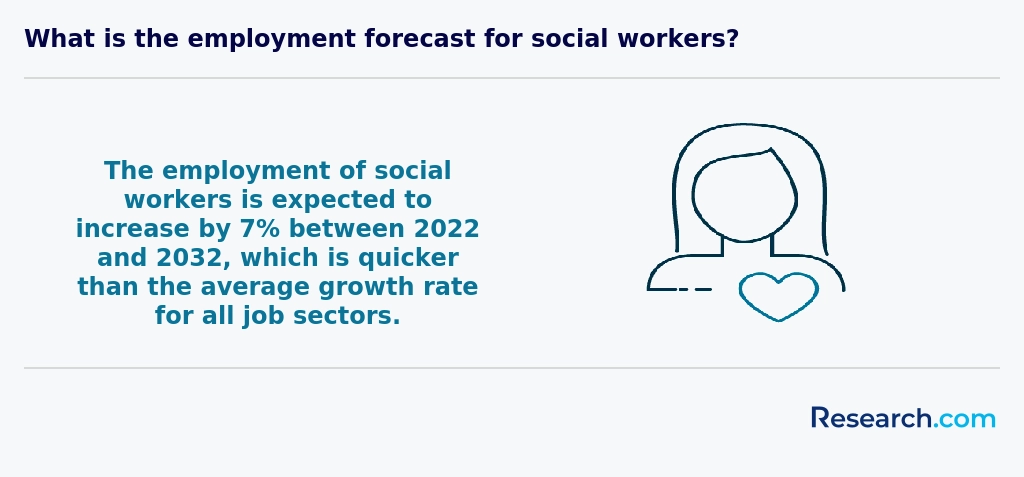
Students can often collaborate remotely or attend in-person sessions safely, depending on the agency's policies. According to the Minnesota Department of Employment and Economic Development, social and human service assistants in the St. Paul area are expected to grow by 7% from 2022 to 2032, highlighting demand for skilled practitioners.
Additionally, virtual volunteering and project-based learning may supplement fieldwork. Networking within St. Paul's human services community helps secure placements tailored to academic goals.
Choosing the right concentration within an online human services degree program in St. Paul requires understanding your career goals and local community needs. St. Paul has diverse populations, including significant immigrant and low-income groups, which influence demand for specialties like mental health, substance abuse, and social work.
Research regional job trends through the Minnesota Department of Employment and Economic Development, which projects steady growth in social service roles through 2030. Concentrations in behavioral health or case management often align with these trends.
Also consider program flexibility, internships with local agencies, and licensure pathways relevant to Minnesota's regulations. Reflect on which populations or challenges you feel passionate about to ensure long-term professional satisfaction.
- Humanity in Action: Understanding Human Services Degrees https://www.ucumberlands.edu/blog/humanity-in-action-understanding-human-services-degrees
- HS-BCP Credential https://www.nationalhumanservices.org/hs-bcp-credential/
- What Are My Career Options After a Course in Human Services? https://columbia.ca/career-options-after-a-course-in-human-services/
- Is a thesis always mandatory in a master's degree program? - EFMU: The Euler-Franeker Memorial University and Institute https://euler.euclid.int/is-a-thesis-always-mandatory-in-masters-degree-program/
- Guide to bachelor's in human services | edX https://www.edx.org/bachelors/human-services
- How to Overcome the Top Challenges Social Workers Face https://www.pacificoaks.edu/voices/social-work/social-work-challenges/
- 25 Best Online Human Services Degree Programs - Social Work Degree Center https://www.socialworkdegreecenter.com/best-online-human-services-bachelors/
- Key Trends for Social Work and Human Services in 2026 https://nctinc.com/blog/key-trends-for-social-work-and-human-services-in-2026/
- Bachelor of Human Services https://applyzones.com/bachelor-of-human-services-cou5523
- How To Solve the Key Challenges Faced by Community Social Workers https://www.casebook.net/blog/how-to-solve-the-key-challenges-faced-by-community-social-workers/