2027 Best Online Bachelor's in Human Services Degree Programs Ranking in Missouri

Co-Founder and Chief Data Scientist
Choosing the right online bachelor's degree can feel overwhelming, especially when it comes to human services programs. This article presents the 2027 Best Online Bachelor's in Human Services Degree Programs Ranking in Missouri, created by the Research.com team of data scientists. It's designed to help Missouri students like you make an informed choice about your education path.
Discover programs that match your goals and lifestyle while preparing for a rewarding career. Earning a human services degree not only opens doors to impactful work but also personal growth and fulfillment.
Key benefits of getting online human services degree in Missouri
- Human services graduates in Missouri can expect average salaries around $40,000 to $50,000 annually, which reflects typical earnings for social and community service managers nationwide.
- Graduates from Missouri State University often find diverse career paths such as case management, counseling, and nonprofit work, showcasing broad opportunities in public and private sectors.
- Completing a human services degree online from the University of Missouri offers flexibility and the ability to balance work and study, making it easier to gain experience while earning your degree.
- 2027 Best Online Bachelor's in Human Services Degree Programs Ranking in Missouri
- What can I expect from online human services degree in Missouri?
- Where can I work with online human services degree in Missouri?
What can I expect from online human services degree in Missouri?
The average cost of an online human services degree in Missouri usually hovers around $10,000 to $15,000 per year, depending on the school and how many credits you take. For example, graduates from popular programs at Missouri State University or University of Missouri often share how budgeting for tuition felt manageable thanks to in-state rates and financial aid options. Many find comfort knowing these programs balance affordability with quality, giving real value for your investment.
One student mentioned how taking classes online allowed them to keep working part-time and avoid extra costs like commuting or housing. Another graduate appreciated that schools often offer scholarships or grants geared specifically toward human services majors, which helped ease some financial stress. Overall, choosing an online program in Missouri means you can get a recognized degree without breaking the bank, all while fitting school into your busy life.
Where can I work with online human services degree in Missouri?
If you're earning an online human services degree in Missouri, expect doors to open in places like local government agencies, nonprofits, healthcare, and private social service firms. Graduates from schools like the University of Missouri or Missouri State University often land roles with the Department of Social Services, helping with child welfare or public assistance programs-really hands-on work that makes a real impact in communities.
Other grads find themselves working in hospitals or rehab centers, connecting patients to counseling or support groups. Imagine being the person who helps someone navigate tough times by linking them with the right resources-that's the kind of fulfilling role many Missouri human services alumni talk about.
Nonprofits focused on issues like homelessness or substance abuse also hire human services pros, where you might coordinate outreach or volunteer programs. Many students at popular Missouri colleges highlight how the flexibility of their online program prepared them for these varied career paths while balancing life.
And hey, with the state projecting steady growth, plus median salaries around $37,000, it's a solid path that blends meaningful work with good prospects.
If you're thinking about what you can earn with an online human services degree in Missouri, the numbers paint a friendly picture. Many grads from schools like the University of Missouri or Missouri State University land jobs that start around $35,000 to $50,000 a year, especially in entry-level roles like social service assistants. It might not be sky-high at first, but it's a solid start, especially since these positions let you build hands-on experience.
Move up a bit, and you're looking at careers like community service managers, where the paycheck typically jumps toward $65,000 annually. That's what many grads who stick with it enjoy, particularly if they grab extra certifications or specialize in areas like mental health or addiction counseling.
Working for local government agencies often means steadier salary ranges in the $40,000 to $60,000 zone, which is great for those craving stability. Plus, Missouri grads often share how their online learning fits right around their busy lives, making it easier to focus on growing their career and income without stepping away from daily responsibilities.
- Missouri offers fully or partially online human services degrees, typically resulting in a Bachelor of Science or Bachelor of Arts.
- Tuition for public universities ranges from $7,000 to $12,000 per year for in-state students, while private schools cost between $15,000 and $25,000 annually.
- Starting salaries for graduates average between $38,000 and $42,000 per year, with mid-career salaries rising to $45,000-$55,000.
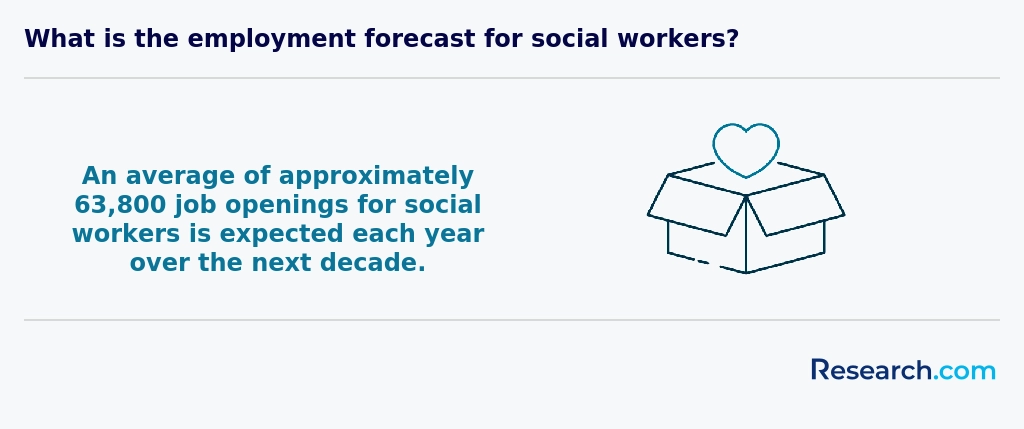
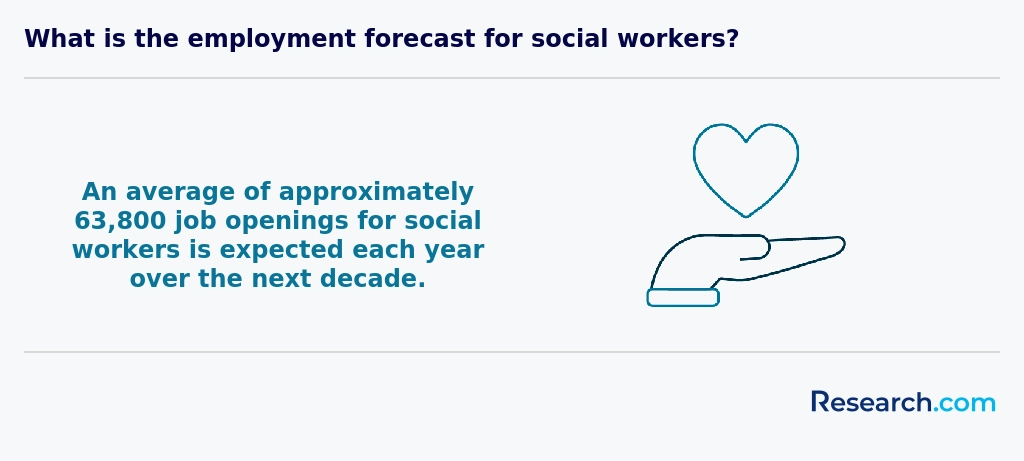
- Job growth in human services is projected at about 8% over the next decade, with demand in urban and rural areas across Missouri.
- Licensing is required for clinical or counseling roles, but many entry-level jobs like case managers only need a bachelor's degree.
If you're thinking about finishing an online human services degree in Missouri, plan on about four years if you're studying full-time. That's pretty much the same as most schools across the U.S. For example, many students at well-known places like the University of Missouri or Missouri State University find that sticking to a steady course load gets them done right on time.
But life happens, right? Lots of folks balance work and family, so they take fewer classes each semester and stretch their degree out to six years or so. One graduate shared how juggling a full-time job while going part-time online took longer but made the whole process way less stressful.
Then there's the bonus for transfer students: Missouri schools typically accept up to 60 credits from past college work. That can chop your time down to around two years, which sounds pretty awesome if you've got credits sitting around after a previous program.
And if you're really motivated, some colleges offer accelerated tracks. Imagine finishing everything in just three years by loading up on classes year-round - no summer breaks! It's intense but totally doable if you're ready for the challenge.
Overall, whether you're the steady type or someone who likes to speed through, Missouri's online human services programs offer flexibility that fits real life.
Choosing between an online and on-campus human services degree in Missouri really comes down to your lifestyle and what fits you best. Picture this: a busy parent juggling work and family can find huge relief in an online program from Missouri State University, where lectures and assignments are accessible anytime. It's all about flexibility-no stressful commutes or fixed class times.
On the flip side, if you thrive by being around people and enjoy hands-on learning, attending classes on campus at a school like the University of Missouri might feel more rewarding. The face-to-face interactions with professors and classmates can make networking easier and classes more engaging.
Tuition costs are pretty similar either way, but online students often save by skipping housing and transportation expenses. Most graduates appreciate that both paths require fieldwork in local communities, which means you gain real-world experience no matter where you study.
The average cost of an online human services degree in Missouri can vary quite a bit depending on where you study and whether you're an in-state or out-of-state student. On average, Missouri online bachelor's degree tuition fees human services programs run about $34,800 for in-state students, which feels reasonable for many who want to keep expenses manageable. Out-of-state students often face higher fees, sometimes reaching around $74,520, which definitely makes budgeting a bigger challenge but not impossible with the right resources.
Graduates from popular universities in Missouri often share how their programs balanced quality and affordability. Many mention that the online format helped them save on commuting and housing, so even with tuition, overall costs felt doable. Schools like these sometimes offer flat-rate tuition plans or financial aid, making it easier to plan expenses for a full course load. Plus, the human services field has scholarships tailored to students just like you, which can be a great help.
One recent graduate recalled weighing the different tuition fees and realizing that state programs made their degree affordable enough to pursue without taking overwhelming loans. If you want to dig deeper into career options and funding, check out what can you do with a master's in human services-it's a helpful resource to see how the investment can pay off.
When you're exploring the average cost of online human services degree in Missouri, it really helps to consider these real-life experiences and the fact that many students find ways to make it work without breaking the bank.
If you're eyeing an online human services degree in Missouri, you've got some great financial aid options to make things easier. Many students at popular spots like the University of Missouri or Missouri State University tap into federal aid by filling out the FAFSA. This opens doors to Pell Grants, which are amazing since you don't have to pay them back-some graduates say it covered a big chunk of their tuition!
Plus, the state backs you with programs like Access Missouri Financial Assistance, which helped several graduates who needed a little boost to manage costs. It's all about showing some financial need and getting support directly from the state.
Then there are school-based scholarships. Lots of folks studying human services at smaller Missouri colleges have found merit and community service awards through their campus financial aid offices. It's worth reaching out and asking because those funds aren't always widely advertised.
Another perk? Private scholarships from groups like the Missouri Association for Social Welfare often reward passion and commitment to helping others-something every human services student understands well.
And if you do need a loan, Missouri grads have told me they carefully balanced federal and private loans knowing public service loan forgiveness might be a reality after they start working.
If you're thinking about enrolling in an online human services degree in Missouri, you'll first need a high school diploma or something like a GED. Most programs at places like the University of Missouri or Missouri State University expect this as the basic starting point. Graduates often say having official transcripts from your previous schooling really helps, especially if you've taken classes related to social sciences, psychology, or counseling.
While test scores such as the SAT or ACT used to be a big deal, many programs now treat them as optional. But if you're eyeing a specific school, it's smart to double-check if they want those scores.
One key thing graduates remember is the background check. Because human services work with vulnerable people, Missouri schools usually require clearances to make sure you're good to go for fieldwork or practicum. Letters of recommendation or a personal essay about why you want to help others also boost your application, showing you're not just ready but passionate.
If you're diving into an online human services degree in Missouri, you'll find courses that really prepare you for the day-to-day work of helping others. Many graduates from popular schools like the University of Missouri or Missouri State share how foundational classes, like human behavior and social welfare policy, gave them a real understanding of the challenges people face and the systems that support them.
Case management techniques? That's a favorite because it teaches you how to assess client needs and develop practical plans-skills that feel huge when you're helping real people navigate tough situations. Plus, courses on substance abuse counseling and mental health provide tools to make a genuine difference, like supporting someone through a crisis or addiction recovery.
Most programs also focus on cultural competency, which graduates say helped them work respectfully with diverse communities right here in Missouri. And virtual internships connect your learning to local agencies, making it feel like you're already part of the human services scene before you even graduate.
Another specialization worth noting is Gerontology. With Missouri's growing senior population, this focus opens doors to rewarding careers helping older adults stay connected and cared for. A lot of graduates who studied here say they find real satisfaction working closely with elderly clients in community settings.
Plus, there's Child and Family Services, which is perfect if you want to support vulnerable kids and families-a big need in the state. Many find this path deeply meaningful, especially working with foster care agencies.
For those curious about human services career options in Missouri, Substance Abuse Counseling and Community Development are also popular. Folks appreciate how these specializations prepare them for real-world impact.
If affordability is on your mind, you might want to check out the cheapest online degree for human services-many Missouri residents find it fits their budget while providing solid education.
Picking the best online human services degree in Missouri means zeroing in on what really matters to you. Graduates from popular universities in Missouri often share that accreditation is key-make sure the school is regionally accredited by the Higher Learning Commission. It makes transferring credits smoother and shows the program meets solid academic standards.
Curriculum quality is another biggie. Look for programs offering deep dives into social welfare policy, counseling, and ethical practices, with chances to get real-world experience through internships or virtual fieldwork. Many who've chosen affordable human services programs Missouri rave about how these hands-on opportunities helped them feel ready for their careers.
Flexibility is a lifesaver, especially if you're juggling work or family. Missouri schools often offer asynchronous courses that fit your schedule, plus options for part-time study. Don't forget to check tuition costs and financial aid; local public universities usually provide better rates.
For career-focused students, exploring the human services job market in Missouri is a must. The state's growing demand combined with strong job placement support from your program makes a huge difference. If you want to compare programs, consider checking out this online masters in human services degree list for more info.

If you're pursuing an online human services degree in Missouri, you've got a bunch of meaningful career paths ahead. Many graduates from popular colleges in Missouri find themselves working as case managers, helping folks dealing with homelessness or addiction get back on their feet. Others become social services specialists, connecting families to community resources they didn't even know existed. Imagine supporting someone through tough times while studying at a school like the University of Missouri-St. Louis-graduates often say the hands-on practicum experiences there made all the difference. There are also opportunities as counselors or behavioral health technicians, where you get to provide real emotional support in mental health or substance abuse programs.
Missouri's job market for human services is thriving, so if you want a leg up, check out the types of degrees in social service to see what direction fits you best. Many online human services degree jobs Missouri offer rewarding work that truly changes lives.
The job market for online human services degree Missouri grads is pretty encouraging, especially if you're looking at colleges like the University of Missouri or Missouri State University. Graduates often find themselves working in familiar places like social service agencies or community outreach centers around St. Louis or Kansas City, where there's steady growth in roles like counseling support and case management.
One thing recent grads mention is how the state's focus on expanding social programs really helps create job openings. Because Missouri's population is diversifying and healthcare needs are rising, there's a real demand for human services professionals. This makes the Missouri human services degree employment outlook quite bright for anyone eager to jump into mental health support, substance abuse counseling, or family services.
Bachelor's degrees earned online also give flexibility, cutting down on costs while keeping options open. If you want a sense of what what job can you get with a human services degree, many grads share how with the right certifications-sometimes needed on top of the degree-they've landed great roles funded by local government or nonprofit organizations.
Overall, online human services jobs Missouri students find show a solid mix of meaningful work and steady income, making it a popular choice for those wanting a career with heart and impact.
2027 Best Online Bachelor's in Human Services Degree Programs Ranking in Missouri
Investing in your education is a significant decision that can shape your future, and the Research.com team understands the importance of making informed choices. To assist prospective students in Missouri, we have meticulously crafted the "2027 Best Online Bachelor's in Human Services Degree Programs Ranking in Missouri." Our commitment to quality, credibility, and accuracy is reflected in the extensive research and analysis conducted to compile this ranking.
We utilized the following reputable data sources to ensure a comprehensive evaluation of human services programs:
By exploring this ranking, readers will gain valuable insights into the best online human services degree programs in Missouri, helping them make confident and well-informed decisions about their educational journeys. For more details on our methodology, please visit our Research.com methodology page.


Frequently Asked Questions About human services
Online human services degree students in Missouri can maximize their learning by actively engaging with course materials and participating in virtual discussions. Consistent time management is essential, as balancing studies with personal and professional responsibilities improves retention and success. Missouri's online programs often include community-based practicum or internships; securing these opportunities within local agencies offers practical experience and networking possibilities.
Utilizing campus resources, such as academic advising and career services-offered remotely by many Missouri institutions-can guide students through their educational journey. Staying informed about Missouri's human services job market, which is expected to grow by 12% through 2031 according to the U.S. Bureau of Labor Statistics, helps align learning with career goals.
The human services field is rapidly evolving, with emerging niches that reflect societal and technological changes. In Missouri, growing demand is seen in areas like telehealth support, which connects clients with counselors remotely. This niche became especially important after the COVID-19 pandemic expanded remote care access.
Another expanding area is trauma-informed care, focusing on helping individuals affected by adverse experiences. Missouri organizations increasingly prioritize this approach to improve client outcomes.
Workforce development and aging services also show growth due to Missouri's aging population, according to the Missouri Economic Research and Information Center. Professionals skilled in assisting older adults and helping them navigate community resources are in higher demand.
Understanding these niches can help prospective students tailor their education for Missouri's evolving human services job market.
After completing an online human services degree in Missouri, it is important to build practical experience. Many programs encourage internships or volunteer work to develop hands-on skills. The Missouri Department of Social Services reports increasing demand for qualified human services professionals, highlighting the value of relevant experience.
Networking is also crucial. Joining state organizations like the Missouri College Association for Human Services can connect graduates with job opportunities. Additionally, obtaining certifications such as the Certified Human Services Professional (CHSP) can improve job prospects.
Familiarize yourself with Missouri's licensing requirements, which vary depending on the specific career path. Tracking local employment trends through the Missouri Economic Research and Information Center can help target growing sectors within human services.
Employers in Missouri value several key skills in graduates with online human services degrees. Strong communication abilities are essential, as professionals must effectively interact with diverse populations and community resources. According to the Missouri Department of Elementary and Secondary Education, critical thinking and problem-solving skills are highly sought after to address complex social issues.
Additionally, empathy and cultural competence stand out because Missouri's population includes various ethnic groups and vulnerable communities. Familiarity with case management and knowledge of local social service systems are practical skills that improve employment prospects. Leadership and teamwork skills also rank high, as many human services roles require collaboration within multidisciplinary teams.
Finding internships in Missouri related to a human services degree involves targeting agencies and organizations that focus on social services, mental health, and community support. The Missouri Department of Social Services and local nonprofits often offer internship opportunities for students seeking practical experience. Many universities with online human services programs have partnerships or career centers that can help connect students to internships in cities like St. Louis or Kansas City.
The Council for Accreditation of Counseling and Related Educational Programs highlights the importance of hands-on experience, which internships provide. Students should also check Missouri's Workforce Development offices, which maintain listings of human services internships statewide. Networking with professionals through state-focused groups, such as the Missouri Chapter of the National Association of Social Workers, can be beneficial.
An online human services degree in Missouri can significantly enhance career mobility and advancement. Missouri's growing demand for social and human service professionals, expected to rise by 12% through 2030 according to the U.S. Bureau of Labor Statistics, creates opportunities for graduates to enter fields such as counseling, community outreach, and case management.
Completing an accredited online program provides foundational knowledge and essential skills, making candidates more competitive for promotions and specialized roles. Many employers in Missouri value the flexibility and updated training offered by online degrees, especially those aligned with state certification requirements.
Furthermore, an online degree supports career changers or working adults seeking advancement without interrupting employment. Networking possibilities through online platforms can also connect students with Missouri-based organizations, fostering professional growth within the state's social services network.
Studying for an online human services degree in Missouri equips students with skills vital for interdisciplinary roles across healthcare, social work, and community organizations. Missouri programs emphasize collaboration, teaching students how to work with professionals in psychology, education, and public health. This approach reflects state workforce needs, as the Missouri Economic Research and Information Center (MERIC) projects a 12% growth in human services jobs by 2030.
The curriculum typically includes courses in counseling, ethics, and case management, fostering a broad understanding of social systems. Students also gain experience in cultural competency, preparing them to serve diverse populations effectively. This interdisciplinary training aligns with real-world demands in Missouri's integrated care and social support sectors.
When choosing between a thesis and a non-thesis human services degree program in Missouri, consider your career goals and learning preferences. Thesis programs generally emphasize research skills and are ideal if you plan to pursue graduate studies or roles that require advanced analysis. Non-thesis options focus more on practical training and applied knowledge, fitting those aiming to enter the workforce directly.
Missouri's Department of Higher Education reports growing demand for human services professionals, especially in community support roles. Programs often reflect this trend by offering flexible online non-thesis tracks.
Review program curricula and speak with advisors to align your choice with professional licensing or credentialing you seek in Missouri.
Students based in Missouri interested in studying human services abroad have limited options within the traditional U.S. higher education system. Most online human services programs from Missouri institutions focus on domestic coursework without study abroad components. However, some universities with broad international partnerships offer virtual internships or remote cultural studies to provide global perspectives.
Missouri students can also explore international human services topics through online courses offered by accredited universities outside the U.S., though credit transfer requires careful coordination. According to the Missouri Department of Higher Education, less than 10% of students pursue formal study abroad in human services, often due to program constraints and licensing requirements in Missouri.
Therefore, students should consider programs that integrate global human services practices digitally rather than traditional abroad attendance to maximize educational value while maintaining state licensure eligibility.
Part-time job opportunities in Missouri that complement human services degree education are plentiful and practical for students. Common roles include case aides, social work assistants, and community outreach workers. These positions offer valuable experience in client interaction and resource coordination, both essential skills for human services professionals.
According to the Missouri Department of Social Services, nearly 20% of human services workers begin their careers through entry-level support roles. Additionally, jobs in nonprofit organizations and local government agencies often provide flexible schedules suited for part-time work.
Working in these roles helps students build important networks and gain firsthand knowledge of issues like mental health, addiction, and child welfare, which are focal points in Missouri's human services sector.
Online human services students in Missouri have several networking opportunities that enhance their educational experience. Many Missouri colleges offering online programs organize virtual meetups, discussion forums, and group projects that connect students with peers and faculty nationwide. Professional organizations such as the Missouri Human Services Council provide events and seminars that students can attend virtually to build contacts.
Statewide internships and practicum placements in agencies across Missouri allow students to gain real-world experience and professional connections. According to the Missouri Department of Social Services, over 45,000 social service jobs exist statewide, creating ample opportunities for networking in human services fields.
Additionally, students often access career services that include networking workshops and job fairs tailored to Missouri's human services sector.
Alumni networks play a crucial role for online human services degree students in Missouri by offering valuable connections. These networks can provide mentoring and career advice from graduates who understand the local job market and professional expectations.
Missouri's human services sector is growing, with the Bureau of Labor Statistics forecasting a 9% increase in social and community service jobs through 2031. Alumni can help students navigate this expanding job field by sharing job leads and internship opportunities.
Additionally, strong alumni networks often facilitate access to local organizations and agencies, enhancing practical training and employment possibilities. Missouri-based universities typically maintain active alumni groups that foster a sense of community and professional support essential for online students.
Customizing an online human services degree in Missouri allows students to align their education with specific career goals. Many Missouri universities offer elective courses focusing on areas like addiction counseling, social work, or community outreach. Choosing relevant electives tailors your learning toward your intended job.
Additionally, some programs include practicum or internship opportunities in Missouri's human services agencies. These hands-on experiences build practical skills and professional networks in local communities. In 2023, the Missouri Department of Social Services emphasized the growing demand for trained human service professionals, especially in rural areas.
Students should also consider programs accredited by the Council for Standards in Human Service Education (CSHSE), ensuring quality and career recognition. Missouri colleges often provide academic advisors to help plan a curriculum suited to your future role, supporting your success in this expanding field.
Online human services students in Missouri often face several challenges that can affect their academic success. One common difficulty is balancing coursework with personal and professional responsibilities, as many students work while studying. According to the Missouri Department of Higher Education, about 60% of online learners are employed full-time, which adds to their stress.
Another challenge is limited access to in-person networking and practical experiences, which are crucial in human services careers. Students may find it harder to connect with local agencies for internships or fieldwork remotely.
Technical issues also pose barriers, especially in rural areas where broadband access lags behind urban centers. The Federal Communications Commission reports that 12% of Missouri households lack high-speed internet, which can disrupt learning.
Finally, staying motivated without face-to-face support can be tough. Many students cite a need for better online advising and peer engagement to stay on track.
Graduates with an online human services degree in Missouri have several professional certification options to enhance their careers. Common certifications include the Certified Alcohol and Drug Counselor (CADC) and the National Certified Counselor (NCC). These credentials are valuable for those seeking roles in substance abuse treatment and counseling services.
The Missouri Certification Board (MCB) offers state-specific certifications like the Certified Prevention Specialist (CPS), which is recognized statewide and supports prevention professionals. Pursuing these certifications often requires supervised work experience and passing an exam.
Data from the Missouri Department of Mental Health indicate that certified professionals typically see better job prospects and higher salaries. Additionally, certifications improve credibility and demonstrate commitment to ethical practices in human services fields.
For detailed certification requirements, prospective students should consult organizations such as the Missouri Certification Board and the National Board for Certified Counselors.
Writing a winning application for an online human services program in Missouri begins with understanding program requirements. Most schools require a personal statement explaining your motivation for entering human services, highlighting relevant experience or volunteer work. Missouri's job market for human services is expected to grow by 8% through 2030, according to the U.S. Bureau of Labor Statistics, making it critical to show your commitment.
Include details about your career goals and how the program aligns with Missouri's community needs, such as mental health or substance abuse services. Strong letters of recommendation from professionals familiar with your skills can enhance your application significantly.
A human services career is often viewed through a global lens that values cultural competence and adaptability. Professionals in this field address diverse community needs such as mental health, social welfare, and crisis intervention.
In the U.S., including Missouri, human services roles emphasize understanding both local and international social issues. According to the Missouri Economic Research and Information Center, employment in social and community service occupations is expected to grow by 14% from 2020 to 2030, reflecting rising demand.
Globally, human services workers often collaborate on issues like immigration, poverty, and public health, requiring knowledge of global trends alongside local expertise.
Students pursuing an online human services degree in Missouri can gain practical experience through local internships and field placements, often required by accredited programs. Missouri's Department of Mental Health and community organizations frequently offer opportunities for hands-on work in social services. These placements allow students to apply classroom knowledge in real-world settings, such as shelters, rehabilitation centers, and counseling agencies.
Many online programs collaborate with Missouri-based agencies to help students secure relevant positions close to home. The Missouri Economic Research and Information Center reported steady growth in human services jobs, highlighting increasing internship availability. Students should consult their program advisors for tailored placement assistance and verification of site appropriateness for licensure purposes.
Choosing the right concentration within an online human services degree in Missouri depends on your career goals and local workforce needs. Popular areas include addiction counseling, social work, and community outreach. Missouri's Department of Mental Health emphasizes a growing need for professionals specializing in substance abuse and behavioral health, reflecting statewide trends.
Research salary and job growth data from the U.S. Bureau of Labor Statistics, which shows human services roles in Missouri growing by 11% through 2030, faster than average. Consider concentrations offering Missouri licensure or certification opportunities, such as Licensed Professional Counselors (LPC) to enhance employability.
Also, review program curriculum and practicum options carefully to ensure they align with local agencies and your intended focus within human services.
- 2027 Best Online Bachelor's in Human Services Degree Programs Ranking in Iowa
- 2027 Best Online Bachelor's in Human Services Degree Programs Ranking in Kentucky
- 2027 Best Online Bachelor's in Human Services Degree Programs Ranking in Ohio
- 2027 Best Online Bachelor's in Human Services Degree Programs Ranking in Florida
- 2027 Best Online Bachelor's in Human Services Degree Programs Ranking in Virginia
- 2027 Best Online Bachelor's in Human Services Degree Programs Ranking in Pennsylvania
- 2027 Best Online Bachelor's in Human Services Degree Programs Ranking in New York
- 2027 Best Online Bachelor's in Human Services Degree Programs Ranking in California
- What Are My Career Options After a Course in Human Services? https://columbia.ca/career-options-after-a-course-in-human-services/
- How To Solve the Key Challenges Faced by Community Social Workers https://www.casebook.net/blog/how-to-solve-the-key-challenges-faced-by-community-social-workers/
- Careers with a Degree in Human Services https://www.mhaonline.com/faq/careers-with-degree-in-human-services
- 6 Challenges of the Human Services Worker | Relias https://www.relias.com/blog/6-challenges-of-the-human-services-worker
- Become a Social Worker in Missouri https://socialworklicensemap.com/social-work-licensure/become-a-social-worker-in-missouri/
- How To Navigate Human Services Challenges in 2026 https://nctinc.com/blog/how-to-navigate-human-services-challenges-in-2026/
- Human Service Week - List of ideas for topics for student groups https://www.human-service-week.org/past-human-service-weeks/human-service-week-2024/list-of-ideas-for-topics-for-student-groups
- Utilize Your Alumni Networks https://www.keg.com/news/ways-to-use-your-alumni-networks-for-the-better
- Online Bachelor’s Degree in Human Services https://www.monroeu.edu/academics/undergraduate-programs/school-criminal-justice/online-bachelors-degree-human-services
- Humanity in Action: Understanding Human Services Degrees https://www.ucumberlands.edu/blog/humanity-in-action-understanding-human-services-degrees