2027 Best Online Bachelor's in Human Services Degree Programs Ranking in Florida

Co-Founder and Chief Data Scientist
If you're considering advancing your career with a human services degree, this article is here to guide you. The 2027 Best Online Bachelor's in Human Services Degree Programs Ranking in Florida was carefully developed by the Research.com team of data scientists to help you find programs that truly stand out.
Exploring this ranking can simplify your decision-making process and ensure you invest in a degree that fits your goals. Earning a human services diploma opens doors to meaningful work helping others and building a rewarding future.
Key benefits of getting online human services degree in Florida
- The average salary for human services-related jobs in Florida varies, but many graduates find careers with starting wages around $30,000 to $40,000 annually, offering a stable income while making a positive impact on communities.
- Graduates from schools like the University of Central Florida often pursue diverse careers such as social work, case management, or community outreach, providing rewarding opportunities to support others.
- Online degrees from institutions like Florida International University offer flexibility, allowing students to balance studies with personal commitments while gaining valuable skills through virtual internships and networking.
- 2027 Best Online Bachelor's in Human Services Degree Programs Ranking in Florida
- What can I expect from online human services degree in Florida?
- Where can I work with online human services degree in Florida?
What can I expect from online human services degree in Florida?
The average cost of an online human services degree in Florida can vary widely depending on the institution and residency status. Public universities like the University of Central Florida and Florida State University typically offer tuition rates ranging from $4,000 to $7,000 per year for in-state online students, which many graduates find affordable compared to private counterparts. However, out-of-state students may face higher fees, sometimes doubling the cost. Graduates often share that balancing tuition expenses with work and family commitments requires careful budgeting, but the financial investment feels worthwhile given their subsequent job opportunities.
Some students note the availability of financial aid and scholarships helps alleviate the cost burden, yet it's important not to assume these options are guaranteed. The overall value is often connected not just to price but to the program's accreditation and practical components, such as local internships that enhance employment prospects. One graduate from a well-regarded Florida college emphasized feeling supported by faculty who understood the online learning challenges while ensuring the program's affordability remained within reach.
Where can I work with online human services degree in Florida?
Graduates with an online human services degree in Florida often find a wide variety of career paths, though outcomes depend greatly on individual choices and local job markets. Many begin their careers in government agencies, such as those involved in child welfare or disability support, where they make meaningful differences in families' lives-something graduates from institutions like the University of Central Florida frequently report as deeply fulfilling.
Others move into healthcare settings, including hospitals or rehabilitation centers, coordinating care and support for patients facing behavioral health challenges. Students from Florida State University note the rewarding nature of helping individuals navigate complex healthcare systems, though these roles can demand resilience and strong interpersonal skills.
Nonprofits focused on homelessness and youth services also attract many graduates, especially from schools like Florida International University, where students gain hands-on experience through community outreach. While nonprofit roles offer personal satisfaction, wages may initially be modest compared to private sector opportunities.
Educational institutions and private care providers round out potential employers, providing support services to diverse populations. Graduates often emphasize the positive impact of their work, even as they balance challenges like varying regional demand and salary differences across urban and rural areas.
Graduates with an online human services degree in Florida generally see starting salaries around $35,000 to $55,000 annually, reflecting roles such as social work assistants, case managers, or community outreach coordinators. For example, graduates from well-regarded programs in Florida like the University of Central Florida and Florida International University often report entry-level wages near $38,000, especially as social and human service assistants.
Many find that wages improve significantly with experience and certification. Those who move into specialized roles like substance abuse or behavioral disorder counseling can expect salaries around $48,000 to $52,000 annually. Graduates working in larger metropolitan areas such as Miami or Tampa often experience higher wages due to demand and living costs, sometimes surpassing $60,000 with supervisory or licensed counselor designations.
Students at Florida colleges frequently share that ongoing training and professional development play crucial roles in unlocking higher salaries. While the initial pay might feel modest, the ability to advance into managerial or healthcare-related human services roles is a motivating factor influencing their career plans.
- In-state tuition for online human services degrees at public universities in Florida ranges from $6,000 to $10,000 per year, while private institutions may charge over $20,000 annually.
- Graduates with a bachelor's degree in human services in Florida typically start with salaries between $35,000 and $42,000 per year.
- With experience, median salaries for human services professionals in Florida can increase to approximately $50,000 to $55,000 within five to ten years.
- The demand for human services workers in Florida is steady, with roles available in mental health, substance abuse counseling, and community services.
- Many online programs include practicum or internships needed for licensure and certification in fields such as social work and behavioral health.
- Regional accreditation of the program is essential to ensure credit transfer and employer recognition in Florida and beyond.
Completing an online human services degree in Florida most commonly takes about four years for full-time students, closely mirroring the typical duration for traditional bachelor's degrees. Graduates from popular institutions like the University of Central Florida and Florida State University often recount balancing their studies with work and family, finding the standard timeline achievable yet demanding.
However, not all students follow the same pace. For example, part-time learners frequently extend their programs to five or six years to accommodate personal commitments or job responsibilities. Many of these students appreciate the flexibility of online options that allow them to take fewer classes each term while managing life's unpredictabilities.
Some institutions offer accelerated tracks, enabling motivated students to graduate in about three years by taking heavier course loads and shorter breaks. Graduates who chose such paths describe a rewarding, immersive experience but caution that the intensity requires strong time management and consistent dedication.
Fieldwork is a significant factor as well-typically 6-12 credit hours of internships or practicum are required. Students often share that coordinating these experiences with their schedules provides valuable real-world skills but occasionally adds to the time needed to finish their degrees.
Ultimately, the time it takes depends on a balance of academic rigor, personal circumstances, and financial considerations notable in Florida's human services programs.
The primary distinction between online and on-campus human services degrees in Florida lies in how students engage with their education. Graduates from programs at institutions like the University of Central Florida often praise online learning for its flexibility, allowing them to balance coursework with jobs or family commitments by accessing lectures and assignments anytime. This fits well with Florida's diverse student population who need to study around unpredictable schedules.
Conversely, students attending on-campus programs at colleges such as Florida State University frequently highlight the benefits of face-to-face interaction. They describe how in-person discussions and immediate access to campus resources, like career counseling and libraries, enhance their understanding and build strong professional networks.
Cost considerations also factor in. Many Florida universities maintain comparable tuition for both formats, although online students sometimes pay extra technology fees. Regardless of delivery, practical experiences through internships remain vital, with many local agencies partnering with both online and on-campus programs to help students gain real-world skills.
- Online degrees offer increased flexibility and convenience for diverse student populations.
- On-campus programs provide more direct interpersonal engagement and access to campus resources.
- Tuition costs vary but are often similar with minor added fees for online learning.
- Florida programs maintain accreditation standards regardless of delivery method.
- Practical training remains a crucial component, frequently facilitated through local internships in both online and on-campus tracks.
The average cost of an online human services degree in Florida varies significantly depending on residency and institution type, but median data suggests that in-state students can expect to pay around $22,814 for the full program. This aligns with tuition rates seen at public universities like the University of West Florida, where graduates recall feeling reassured that their investment was reasonable and aligned with their financial plans.
Out-of-state students face a steeper financial commitment, with a median total cost near $40,598, reflecting higher credit-hour charges and limited access to in-state scholarships. However, some students at schools such as Florida State College at Jacksonville note that certain universities offer special tuition considerations or scholarships for online learners, which can ease out-of-state tuition burdens.
Private institutions, popular among students seeking flexibility, typically charge between $300 and $700 per credit hour, often regardless of residency. This approach can lead to a median total cost around $48,120, as experienced by some graduates who value the convenience and comprehensive resources provided despite the higher price.
It is important to consider additional expenses beyond tuition, such as textbooks and technology fees, which Florida students should budget approximately $1,000 to $2,000 for throughout their studies. Those weighing their options often explore the broader cost of a social service degree to contextualize these expenses within the scope of their career goals in human services.
Understanding Florida online human services degree tuition and fees in this nuanced way helps prospective students make well-informed financial decisions without overlooking the value and positive outcomes graduates attribute to these programs.
Financial aid for online human services degree students in Florida includes several accessible options, though navigating them thoughtfully is essential. Many graduates from institutions like the University of Central Florida recall relying on the Federal Pell Grant, which can cover up to $7,395 per year for qualifying undergraduates. This grant significantly eases tuition burdens, especially when combined with federal student loans offering manageable repayment plans.
State-level support also plays a role. The Bright Futures Scholarship Program, primarily merit-based, helps reduce costs at public Florida universities and is often accepted by online programs, benefiting students at universities such as Florida State University. However, as this program favors high-achieving applicants, it may not be universally accessible, pushing some students to seek alternative funding.
In practice, many students find scholarships from Florida-based organizations, like the Florida Association of Human Services, pivotal. They highlight how such targeted scholarships, sometimes tied to community service commitment, create meaningful pathways to afford their education.
Additionally, employer tuition reimbursements have empowered working students, especially those employed by social service agencies, to advance their credentials without financial stress. Ensuring timely FAFSA submission remains crucial, as it unlocks both federal and institutional aid opportunities, a strategy praised by numerous graduates from Florida International University who felt relief and encouragement from their financial aid packages.
To enroll in an online human services degree program in Florida, meeting foundational prerequisites is essential. Most universities, including well-known institutions like the University of Central Florida or Florida State College at Jacksonville, require applicants to have a high school diploma or GED. Graduates often recall the reassurance this baseline provided, confirming they were ready for college-level challenges.
Many programs ask for official transcripts to verify academic history, helping admissions officials tailor support to each student's needs. Some students share how submitting these documents felt like a first step toward their goals. While standardized tests such as the SAT or ACT have become mostly optional, particularly after evolving admissions policies during the pandemic, a few schools still factor them into scholarship decisions or admissions.
Applicants may also need to submit personal statements or letters of recommendation that reveal their passion for human services. For example, students have reflected on how writing these essays helped clarify their career ambitions and deepened their commitment. Additionally, placement tests in English and math are common, ensuring learners have the skills required to succeed online.
Reliable internet access and technological confidence are often unstated prerequisites but crucial, as many graduates highlight the smoothness of their journey depended on steady connectivity and digital skills. These layers of prerequisites underscore the thoughtful preparation Florida institutions expect to support committed and capable human services students.

Online human services degree programs in Florida typically feature courses that blend theory with practical application, addressing the real challenges faced by professionals. Graduates from popular institutions such as the University of Central Florida often reflect on courses like Human Behavior and the Social Environment, which explores how social and psychological factors affect clients, helping students develop empathy through case simulations.
Common coursework also includes Case Management, where students learn to coordinate services-a skill praised by many graduates who found it relevant during internships at local social service agencies. The course on Community Resources and Social Policy offers insight into the state's social programs, equipping students to navigate the complex policy landscape in Florida, which is crucial for effective advocacy.
Counseling and ethics classes stand out for their focus on communication and professional dilemmas, making the learning experience relatable to real-world client interactions. Research methods courses further allow students to evaluate program outcomes critically, ensuring they can contribute meaningfully to evidence-based practices within Florida's social services sector.
Students pursuing an online human services degree in Florida often choose from several specializations, each designed to address distinct community needs. Common tracks include mental health and substance abuse counseling, which prepares graduates to support individuals facing addiction and behavioral challenges-a pressing concern in many Florida communities. Graduates from popular Florida colleges report strong feelings of fulfillment when applying these skills in real-world crisis settings.
Another specialization, community services and advocacy, emphasizes working with diverse populations such as low-income families or at-risk youth. Learners in these programs, offered by well-known Florida universities, appreciate how hands-on projects connect classroom theory to local nonprofit and government roles. These programs reflect the varied concentrations available in Florida online human services programs.
Given Florida's significant elderly population, gerontology remains a practical focus. Graduates describe rewarding experiences assisting seniors through healthcare navigation and tailored social services. Some students also explore crisis intervention and case management, training for immediate response roles or complex client coordination.
Those weighing options will want to consider career outcomes carefully; according to the Bureau of Labor Statistics, specialized expertise can lead to better earnings, supporting the value of these tailored paths. For insights on highest paying jobs with a human services degree, students find examining specialization impact essential.
Choosing the best online human services degree in Florida requires examining several factors with a critical eye. Accreditation is crucial; graduates from well-known Florida universities often emphasize how programs accredited by agencies like CSHSE or SACSCOC ensured that their credits transferred smoothly for advanced study or professional licensing. Affordability also plays a big role. Many report relief when enrolling in affordable human services bachelor's programs Florida, as public universities here tend to offer significantly less expensive tuition than private options, easing financial stress without sacrificing quality.
Flexibility matters deeply for online learners balancing work or family. Graduates frequently praise programs offering asynchronous courses or hybrid formats at popular Florida colleges, allowing them to study on their own schedule. Still, some caution that required in-person sessions can complicate this balance.
Curriculum relevance is another key consideration; ensuring courses include social welfare, ethics, and hands-on internships helps prepare students for real-world challenges in community services. Understanding post-graduation pathways is equally important. Prospective students should explore career options for an ms in human services to align their degree choice with career ambitions and the needs of Florida's growing human services workforce.

Graduates with an online human services degree in Florida commonly find roles in social and community service management or as community health workers, fields that directly impact local populations. For example, graduates from popular programs at the University of Central Florida often describe rewarding experiences coordinating public welfare programs, which reflects the strong job outlook in the state. While many envision becoming social workers, those pursuing Licensed Clinical Social Worker status face additional graduate education and clinical hours, making entry-level human services roles more immediately accessible for many.
Florida's diverse population creates unique challenges that workers in rehabilitation centers, child welfare agencies, and substance abuse programs need to navigate daily. Graduates from schools like Florida International University have reported valuing the hands-on community outreach roles that connect individuals to resources, showing the variety of options available in this field. Such experiences highlight the real-life impact of these careers while pointing to the important consideration of whether to pursue graduate licensure.
Students seeking flexible pathways often explore an accelerated human services degree online accredited to enter the workforce sooner and address Florida's ongoing demand for qualified professionals. This pathway underscores the practical balance between education and immediate career opportunity in human services.
The job market for graduates of online human services degrees in Florida shows promising growth, driven by the state's diverse population and expanding social service needs. For those exploring online human services careers in Florida, the demand spans various sectors such as health care, government agencies, and nonprofit organizations. Graduates from well-known Florida institutions often share positive experiences about stepping into roles like case managers or social service coordinators, where their work directly impacts community wellbeing, especially in mental health and substance abuse services.
Salary ranges reported by the Florida Department of Economic Opportunity indicate typical earnings between $30,000 and $45,000 annually, with opportunities for advancement into supervisory positions. Many graduates appreciate that online programs allow flexibility, enabling them to balance work and study without relocating.
Those curious about specific program options might explore the best online human services degree programs, which often provide scholarships and financial aid tailored to Florida residents. This helps mitigate costs and increases accessibility to the growing job market for human services graduates in the state.
2027 Best Online Bachelor's in Human Services Degree Programs Ranking in Florida
Investing in your education is a significant decision that can shape your future, and the Research.com team understands the importance of making informed choices. To assist prospective students in Florida, we have meticulously crafted the "2027 Best Online Bachelor's in Human Services Degree Programs Ranking in Florida." Our commitment to quality, credibility, and accuracy is reflected in the extensive research and analysis conducted to compile this ranking.
We utilized the following reputable data sources to ensure a comprehensive evaluation of human services programs:
By exploring this ranking, readers will gain valuable insights into the best online human services degree programs in Florida, empowering them to make informed decisions about their educational paths. For more details on our methodology, please visit our Research.com methodology page.


# 3 position
Florida State College at Jacksonville
Bachelor of Human Services

# 4 position
Seminole State College of Florida
Bachelor of Public Safety Administration

Frequently Asked Questions About human services
Online human services degree students in Florida can maximize their learning experience by actively engaging with their coursework and faculty. Research shows that students who participate in virtual discussions and seek regular feedback tend to retain information better. According to the National Association of Social Workers, networking with local agencies enhances practical understanding and creates internship opportunities.
Florida offers extensive resources for online learners, including access to libraries and counseling services through state university systems. Students should also take advantage of Florida's online student organizations to build professional connections.
Balancing study schedules and setting clear goals helps maintain motivation in an online environment, which is essential for success in this high-demand field.
The human services field is rapidly evolving, with several emerging niches gaining importance. One notable area is gerontology, focused on providing support to Florida's growing elderly population, which increased by over 15% in the last decade according to the Florida Department of Elder Affairs. Specialists in this niche help address healthcare navigation, social inclusion, and mental health challenges for seniors.
Another rising niche is behavioral health coordination, where professionals support individuals with substance abuse or mental health disorders through integrated care approaches. The Florida Mental Health Institute highlights a 20% rise in demand for such services statewide.
Additionally, human trafficking prevention and intervention is becoming a critical specialty due to increased awareness and reporting in Florida. Training in trauma-informed care tailored to this issue is highly valued.
These niches reflect broader trends emphasizing specialized, compassionate support, aligning with Florida's demographic and social needs.
After earning an online human services degree in Florida, it is important to build a professional network. Joining state organizations like the Florida Chapter of the National Organization for Human Services can provide valuable connections and job leads. Additionally, gaining relevant certifications, such as the Certified Human Services Practitioner (CHSP), enhances employability.
Internships or practicum experiences completed during the degree offer practical skills sought by employers. According to the Florida Department of Economic Opportunity, jobs for social and community service managers in the state are projected to grow 13% between 2020 and 2030, reflecting strong demand.
Graduates should also develop soft skills, including communication and cultural competence, to succeed in diverse community settings common in Florida. Utilizing Florida-specific job portals and career services can help identify opportunities tailored to local human services fields.
Employers in Florida highly value graduates with strong communication skills, as clear interaction is essential in human services roles. Critical thinking and problem-solving abilities are also crucial, enabling professionals to develop effective support plans for diverse clients. Cultural competence stands out given Florida's diverse population, helping graduates to work sensitively with different communities. Additionally, Florida agencies emphasize case management skills, including knowledge of state resources and documentation. According to the Florida Department of Education, proficiency in ethical decision-making and teamwork is often cited among top hiring criteria in this field. These skills collectively prepare graduates for successful careers in Florida's human services sector.
Finding internships in Florida relevant to a human services degree involves strategic research and networking. Many universities with online human services programs partner with local agencies, nonprofits, and government offices offering internships conforming to degree requirements.
Students should start by contacting their academic advisors or career services for opportunities aligned with their field. Florida's Department of Children and Families and community-based organizations often provide internship placements that allow hands-on experience.
Online platforms like Handshake and Florida's CareerSource network list internships specifically for human services students. According to the Florida Department of Education, internships increase job placement rates by up to 30% for graduates.
Networking through local professional associations such as the Florida Network of Youth and Family Services can also uncover hidden internship opportunities.
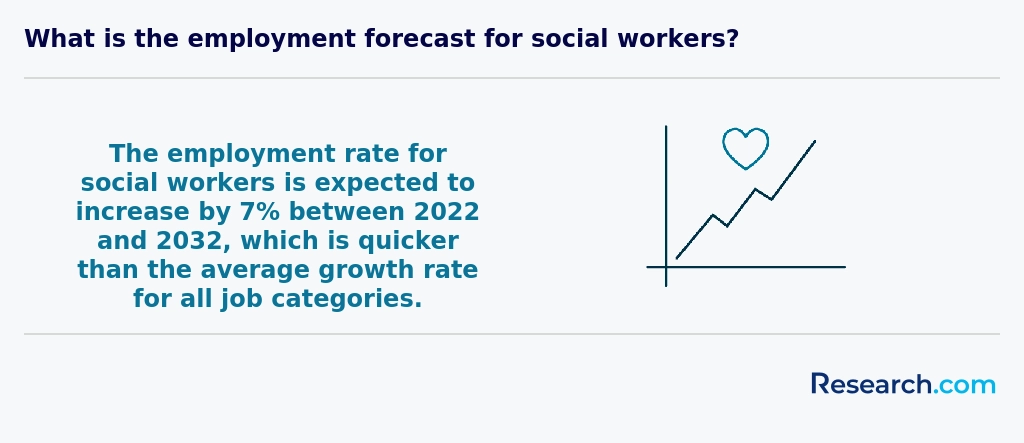
An online human services degree in Florida significantly enhances career mobility by providing the credentials required for a range of social service roles. According to the Florida Department of Economic Opportunity, occupations in human services are projected to grow by 9% from 2022 to 2032, faster than the average for all jobs. This growth fuels demand for qualified professionals who hold at least a bachelor's degree, which many online programs offer with flexible scheduling.
Graduates can advance into supervisory, administrative, or specialized roles, often earning higher salaries and better benefits. Employers in Florida increasingly prefer candidates with accredited online degrees because they demonstrate both relevant skills and self-discipline. Additionally, many programs include practicum opportunities that foster professional networking within the state's human services community.
Studying for an online human services degree in Florida equips students with diverse skills essential for interdisciplinary roles. Programs typically cover social work, psychology, public health, and counseling, promoting a broad understanding of client needs across sectors. Florida's human services education often emphasizes collaboration between healthcare, education, and social services professionals, reflecting real-world work environments.
Florida's Department of Education highlights that graduates with interdisciplinary training are better prepared to address complex social issues like substance abuse and mental health. This broad knowledge base enables effective teamwork with professionals from different fields, a skill increasingly valued in human services roles statewide.
Many Florida programs integrate case management and policy analysis courses, further enhancing adaptability. This approach prepares students to contribute in varied settings, such as nonprofits, government agencies, and healthcare organizations.
Choosing between a thesis and a non-thesis human services degree program in Florida depends on your career goals and learning preferences. Thesis programs typically require original research, which can be ideal if you plan to pursue graduate studies or research roles. Non-thesis options focus more on practical skills and coursework, appealing to students aiming for immediate employment in social work, counseling, or community services.
Florida's educational institutions follow U.S. Department of Education standards, and many online programs align with the Council for Standards in Human Service Education (CSHSE). According to the Florida Department of Education, human services jobs in the state are expected to grow 17% by 2031, highlighting workforce demand for applied skills.
Thesis programs may take longer to complete due to research requirements but can foster deeper expertise. Non-thesis paths often allow faster program completion and greater flexibility for working professionals. Carefully review program curricula and accreditation status before deciding.
Students based in Florida seeking to study human services abroad have limited direct options through Florida institutions due to the nature of online programs. Most accredited Florida schools offering online human services degrees focus on domestic delivery, without formal international study components. However, students can explore study abroad opportunities by enrolling in associate or bachelor's programs with global partnerships or exchange agreements, though these are rare in human services.
The Council for Adult and Experiential Learning reports Florida's human services workforce grows steadily, increasing demand for flexible education pathways. Some students may complement online studies with short-term international internships or virtual global collaborations to gain cross-cultural experience.
It is essential for students to verify accreditation and assess how credits earned abroad transfer to their Florida-based online programs.
Florida offers various part-time job opportunities that complement online human services degree programs. Positions such as case aides, peer support specialists, and community outreach workers allow students to apply their classroom knowledge in real-world settings. These roles often involve assisting vulnerable populations, coordinating resources, and supporting social service providers, enhancing practical experience.
According to the Florida Department of Economic Opportunity, demand for human services careers is expected to grow by over 12% through 2030, emphasizing the value of relevant work experience. Part-time roles in non-profits, healthcare facilities, and social service agencies provide vital networking and skill development opportunities for students pursuing human services degrees.
Online human services students in Florida benefit from varied networking opportunities tailored to their unique needs. Many universities offer virtual career fairs and online workshops that connect students with professionals across the state. Organizations like the Florida Association of Human Services Professionals hold regular webinars and events accessible to online students.
Additionally, students can join statewide chapters of national groups such as the National Organization for Human Services (NOHS). These groups provide access to mentorship programs and local job boards, enhancing career prospects. According to the Florida Department of Education, engaging in these networks increases internship placements by nearly 20% for online learners.
Alumni networks offer valuable benefits for students pursuing online human services degrees in Florida. These networks provide access to experienced professionals who can offer career advice, mentorship, and job leads. According to the Florida Department of Education, networking is a critical factor in employment success within social services sectors. For online students who may lack on-campus connections, alumni networks bridge this gap by fostering professional relationships.
Moreover, alumni often share insights about Florida's unique human services landscape, including local regulations and community needs. Participation in alumni events and online forums can increase students' visibility to Florida-based employers, improving chances for internships and job placements.
Customizing an online human services degree program in Florida allows students to align their education with specific career goals. Many Florida institutions offer elective courses and specialization tracks such as substance abuse, child welfare, or gerontology. By selecting these focus areas, students build relevant skills tailored to in-demand sectors highlighted by the Florida Department of Economic Opportunity, which projects steady growth in behavioral health and social service occupations through 2030.
Additionally, students can often choose internship placements that provide practical experience in local agencies or nonprofit organizations. Accredited programs also enable transfer credits and flexible scheduling, making it easier to balance studies with professional or personal commitments.
Online human services students in Florida often face several notable challenges. One key issue is balancing coursework with work and family obligations, as many students in this field are nontraditional learners juggling multiple responsibilities. Limited opportunities for face-to-face interaction can also affect students' ability to build professional networks and gain practical experience.
Additionally, finding quality internship placements can be difficult, especially in rural areas where human services agencies are less accessible. According to the Florida Department of Education, about 40% of online learners report technical difficulties or insufficient access to reliable internet, which can hinder participation in synchronous classes or virtual meetings.
Another challenge is navigating state-specific licensure requirements for certain human services roles, which can complicate career planning for graduates. Institutions often recommend proactive advising to help students understand these regulations early in the program.
Graduates with an online human services degree in Florida can pursue several key professional certifications that enhance their career prospects. One of the most common is the Certified Human Services Professional (CHSP) credential offered by the National Organization for Human Services. This certification validates foundational knowledge and skills in human services practice.
Another option is the Florida Certified Addiction Professional (CAP), which is valuable for those working in substance abuse treatment settings. According to the Florida Certification Board, these credentials can improve job opportunities in social work, counseling, and community outreach.
Additionally, pursuing credentials like the Licensed Clinical Social Worker (LCSW) requires further education but is accessible with relevant experience. These certifications emphasize practical skills, which Florida employers increasingly seek in the expanding human services sector, projected to grow by over 10% through 2030 according to the U.S. Bureau of Labor Statistics.
Writing a winning application for an online human services program in Florida begins with thorough research. Applicants should carefully review admission requirements, which typically include a high school diploma or GED, a completed application, and a personal statement. Florida institutions often value clear communication skills and a demonstrated commitment to helping others, essential for human services careers.
Strong personal statements should highlight relevant experience, such as volunteering or work in social services. According to the Florida Department of Education, programs may also request letters of recommendation to verify applicant readiness. Including specific goals for leveraging the degree in Florida's growing social service sector can strengthen applications.
Finally, applicants should meet deadlines and provide accurate documentation to increase their chances of acceptance. Many Florida colleges provide online application tutorials to guide prospective students.
Human services careers have a growing significance worldwide, reflecting an increasing awareness of social welfare and community needs. In the United States, including Florida, the demand for qualified human services professionals is projected to grow by 13% from 2021 to 2031, according to the U.S. Bureau of Labor Statistics.
Globally, the role emphasizes cultural competence and advocacy to support diverse populations. U.S. education standards focus on ethical practices, counseling skills, and policy knowledge, preparing graduates to work effectively in various settings.
Florida's diverse population creates unique challenges and opportunities, making online human services degrees a practical option for flexible learning while addressing local community needs.
Students pursuing an online human services degree in Florida can gain practical experience through internships and fieldwork required by most accredited programs. These placements often occur at local agencies such as community centers, healthcare providers, and social service organizations. The Florida Department of Children and Families offers numerous opportunities for supervised hands-on learning, critical to meeting state licensing standards.
Additionally, online programs frequently partner with Florida organizations, facilitating student placement near their homes. According to the Florida Board of Human Services Professionals, completing at least 500 hours of supervised experience helps prepare graduates for certification and employment.
Some universities also provide virtual simulation tools to complement real-world training, enhancing practical skills even from a distance.
Choosing the right concentration within an online human services degree in Florida involves understanding your career goals and local job market demands. Common concentrations include mental health, substance abuse, social work, and community outreach. Florida's Department of Economic Opportunity reports rapid growth in healthcare and social assistance jobs, with a 17% increase expected by 2030.
Consider the populations you want to serve and the skills you wish to develop. Research Florida-specific licensure requirements, as some concentrations require certification in mental health counseling or social work. Additionally, review program curriculums to ensure alignment with your professional interests and career plans.
- 2027 Best Online Bachelor's in Human Services Degree Programs Ranking in Kentucky
- 2027 Best Online Bachelor's in Human Services Degree Programs Ranking in Virginia
- 2027 Best Online Bachelor's in Human Services Degree Programs Ranking in Missouri
- 2027 Best Online Bachelor's in Human Services Degree Programs Ranking in Ohio
- 2027 Best Online Bachelor's in Human Services Degree Programs Ranking in Pennsylvania
- 2027 Best Online Bachelor's in Human Services Degree Programs Ranking in Iowa
- 2027 Best Online Bachelor's in Human Services Degree Programs Ranking in New York
- 2027 Best Online Bachelor's in Human Services Degree Programs Ranking in California
- Human Services Careers | PublicHealthOnline.org https://www.publichealthonline.org/human-services/
- What can you do with a bachelor's in human services? | edX https://www.edx.org/resources/what-can-you-do-with-a-bachelors-in-human-services
- Key Trends for Social Work and Human Services in 2026 https://nctinc.com/blog/key-trends-for-social-work-and-human-services-in-2026/
- Human Service Week - List of ideas for topics for student groups https://www.human-service-week.org/past-human-service-weeks/human-service-week-2024/list-of-ideas-for-topics-for-student-groups
- 2025 Most Affordable Online Human Services Degrees https://www.onlineu.com/most-affordable-colleges/human-services-degrees
- Is a thesis always mandatory in a master's degree program? - EFMU: The Euler-Franeker Memorial University and Institute https://euler.euclid.int/is-a-thesis-always-mandatory-in-masters-degree-program/
- Social and Human Services A.S. https://www.easternflorida.edu/academics/social-and-human-services/index.php
- Finding Networking Opportunities as a Student | National Society of High School Scholars https://www.nshss.org/resources/blog/blog-posts/how-to-find-networking-opportunities-as-a-student/
- Online Bachelor's Degrees in Human Services: Top Schools https://www.edumed.org/online-schools/human-services-degrees/bachelors/
- Humanity in Action: Understanding Human Services Degrees https://www.ucumberlands.edu/blog/humanity-in-action-understanding-human-services-degrees