2027 Most Affordable Online Human Services Degree Programs Ranking in Alabama

Co-Founder and Chief Data Scientist
Choosing the right human services degree program can feel overwhelming, especially when balancing affordability and quality. This article presents the 2027 Most Affordable Online Human Services Degree Programs Ranking in Alabama, developed by the Research.com team of data scientists to guide you toward smart, data-backed decisions.
By exploring this ranking, you'll discover options that fit your budget without compromising on value. A degree in human services opens doors to meaningful careers helping others, making your educational investment truly worthwhile. Let's find the best path forward together.
Key benefits of getting online human services degree in Alabama
- While specific salary data for human services jobs in Alabama is unavailable, nationwide human services roles typically offer salaries ranging from $30,000 to $50,000 annually, providing a solid income foundation. This range reflects the rewarding nature of careers focused on helping others and community development.
- Graduates from universities like the University of Alabama often find diverse career paths in social work, counseling, and community outreach, opening doors to meaningful work that makes a difference locally. These roles provide opportunities to grow professionally while serving those in need across the state.
- Online human services degrees from institutions such as Auburn University allow for flexible schedules, making education accessible for working adults and parents. This flexibility helps students balance life commitments while gaining valuable skills at their own pace.
- 2027 Most Affordable Online Human Services Degree Programs Ranking in Alabama
- What can I expect from online human services degree in Alabama?
- Where can I work with online human services degree in Alabama?
What can I expect from online human services degree in Alabama?
The average cost of an online human services degree in Alabama typically ranges between $10,000 and $25,000 for a full program, depending on the institution and degree level. Many students attending well-regarded schools like the University of Alabama at Birmingham or Troy University find these costs manageable, especially when factoring in financial aid, scholarships, or employer tuition assistance.
Graduates often share how investing in their education opened doors to rewarding careers, allowing them to balance work, family, and study without relocating. For example, one graduate described completing coursework on community resources and ethics late at night after their children were asleep, showing how flexible schedules make earning the degree realistic and fulfilling.
The value lies not only in affordability but in practical experiences-internships at local agencies or hospitals-integrated into programs at community colleges like Jefferson State. These opportunities make the tuition feel worthwhile, because you're truly preparing to serve diverse Alabama communities with empathy and skill.
Where can I work with online human services degree in Alabama?
Graduates with an online human services degree in Alabama find themselves welcomed in diverse workplaces where their skills truly make an impact. Whether working as case managers at the Alabama Department of Human Resources or providing vital support in nonprofits like the Mental Health Association of Alabama, many alumni describe a rewarding sense of purpose helping families and individuals navigate life's challenges.
Students from universities like the University of Alabama at Birmingham often secure roles in hospitals or community health centers, stepping into positions as patient advocates or outreach coordinators. One graduate shared how assisting vulnerable patients led to a deep appreciation of community-centered care that fuels their daily motivation.
Other career paths include roles in schools as counselors or family support specialists, and even in the state's correctional system where rehabilitation specialists help offenders rebuild their lives. The connection between what students learn at institutions such as Auburn University and their real-world work is clear: you gain skills that communities in Alabama urgently need.
Private companies and employee assistance programs also offer opportunities for those passionate about workplace wellness. For you, the key is understanding Alabama's licensure and certification requirements early to unlock the full range of career paths available.
Graduates from online human services programs at institutions like the University of Alabama or Auburn University often begin their careers earning between $32,000 and $36,000 annually. These roles can include social and human service assistants supporting critical community programs. Many alumni share how starting in these positions gave them hands-on experience and motivation to grow professionally.
With increased experience, salary possibilities improve. Case managers or human service specialists in Alabama typically earn $40,000 to $50,000 per year. These roles involve direct client engagement and managing resources, offering a rewarding challenge that graduates often describe as deeply fulfilling.
Licensed social workers with human services backgrounds in Alabama can earn between $45,000 and $60,000, especially in healthcare or government settings. Graduates pursuing advanced certifications or degrees from well-regarded Alabama colleges find themselves well-positioned for supervisory roles with salaries surpassing $60,000, bringing not only financial benefits but also greater professional satisfaction.
Ultimately, many students emphasize that dedication and continued education unlock these earning opportunities, inspiring their peers to envision a meaningful career improving lives across Alabama.
- Tuition for online human services bachelor's programs in Alabama ranges from $8,000 to $15,000 per year for in-state students.
- Employment in social and community service jobs in Alabama is expected to grow by about 10% over the next decade.
- Entry-level salaries for human services graduates average around $33,000 annually, increasing to about $45,000 with experience.
- Most programs offer flexible, fully remote coursework but may require local internships or fieldwork.
- Programs should be accredited by regional bodies to ensure education quality and employment prospects.
- Job opportunities include government agencies, non-profits, and healthcare, with options to specialize in areas like addiction counseling and mental health.
Completing an online human services degree in Alabama generally takes about two years for an associate degree and around four years for a bachelor's degree. Many graduates from the University of Alabama and Bishop State Community College recall how the flexibility of online programs allowed them to balance work and family while steadily progressing. Some driven students chose accelerated tracks, finishing a bachelor's degree in just three years by taking extra courses and summer sessions.
For those juggling jobs or other commitments, part-time study is a practical option, extending the timeline to five years or more without sacrificing quality. This adaptability is a real game-changer, as graduates often share how it kept their motivation alive through busy phases of life.
Courses aligned with standards from the Council for Standards in Human Service Education require about 60 credit hours for associates and 120 for bachelors. Sticking to about 15 credits each semester typically fits the standard timeframes, making the journey manageable and rewarding within Alabama's supportive online learning community.
When deciding between an online or on-campus human services degree in Alabama, the choice often comes down to how you want to balance flexibility with in-person interaction. Graduates from the University of Alabama frequently highlight how online programs allowed them to manage work and family commitments while still earning their degree. The ability to access lectures anytime made studying feel achievable even during a busy week.
Conversely, students attending Auburn University's on-campus program often share how face-to-face connections with professors and peers created a supportive community. This direct engagement can make networking and accessing campus resources, like career services and counseling centers, a natural part of the experience.
Both paths include valuable practicum opportunities, essential for hands-on learning in human services, often completed locally to maintain real-world relevance. Many students feel empowered knowing that Alabama's accredited programs, online or on-campus, equip them similarly for success in this rewarding field.
The average cost of an online human services degree in Alabama typically centers around $14,130 for in-state students, making it a reasonably accessible option compared to national averages. Graduates from well-known institutions like the University of Alabama and Auburn University often share that while tuition is manageable, budgeting for extra expenses such as textbooks and technology fees is essential. Many find that the affordable online human services programs Alabama offer a great balance between quality education and cost, which allows them to focus on building their careers without overwhelming financial stress.
For those pursuing an associate degree, community and technical colleges provide even more affordable pathways, often ranging between $3,500 and $5,500 annually in tuition for in-state students. Graduates reflect positively on these programs as stepping stones that helped them gain practical skills and transfer credits toward a bachelor's degree. When planning your education budget, consider that additional fees typically add 10-20% to the overall cost.
Students who have succeeded in these programs often emphasize the importance of exploring financial aid, scholarships, and grants designed specifically for those studying human services. Programs at Alabama institutions sometimes charge moderate fees but offer flexible options to keep education affordable. If you're curious about the career paths that follow, check out jobs with masters in human services to see the opportunities that await after graduation.

If you're pursuing an online human services degree in Alabama, take heart-financial aid is within your reach, just like it was for many graduates from universities like the University of Alabama and Auburn University. Federal aid programs, accessed through FAFSA, can open doors to Pell Grants that never need repayment, easing the burden of tuition costs. Federal Work-Study jobs also create opportunities to gain experience while earning, a win-win for commitment and cash flow.
Alabama's own state grants, like the Alabama Student Grant Program, have supported countless residents with awards between $500 and $1,000 annually, providing essential help tailored to those studying human services locally. Graduates often recall how scholarships from their college's financial aid office made a critical difference, combining merit and need-based support to keep education affordable.
Don't forget to explore employer-sponsored tuition assistance. Social service agencies and nonprofits across Alabama regularly reward dedication with tuition reimbursement-turning your job into an investment in your future. This blend of federal, state, institutional, and community aid forms a solid foundation for your educational journey.
To begin your journey in an online human services degree in Alabama, the foundational step is holding a high school diploma or GED. Graduates from programs at popular Alabama colleges often recall how this simple credential opened the door to more advanced learning tailored to helping others. For example, many thriving students at universities in Alabama started by submitting official transcripts, demonstrating their academic readiness with a minimum GPA around 2.0 to 2.5.
Technical readiness is equally vital. Imagine the confidence gained by knowing your computer and internet connection meet the standards needed to participate fully in your online classes, just as students at well-known Alabama institutions experienced. Familiarity with distance learning platforms helps you stay connected and succeed.
Given the sensitive nature of human services work, expect background checks, especially before clinical placements. Graduates often describe this step as a meaningful alignment with ethical standards, ensuring they are trusted to support vulnerable populations.
Many programs also appreciate hearing your story through letters of recommendation or personal statements, spotlighting your genuine passion to make a difference in Alabama's communities.
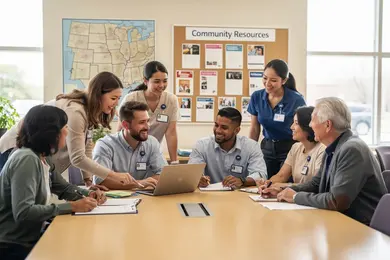
When pursuing an online human services degree in Alabama, you'll dive into courses that build a solid foundation for meaningful work in communities. Graduates from well-known Alabama schools often highlight how classes in case management taught them practical ways to support clients facing real-life challenges, from navigating social services to crisis situations. Courses in social welfare policy are especially eye-opening, revealing how state and federal laws shape the services you'll help deliver across Alabama's diverse populations.
You'll also explore counseling theories and communication skills, essential tools for working compassionately with individuals and groups. Many students appreciate psychology and sociology classes because they deepen understanding of the societal forces affecting the people they serve, making their work more empathetic and effective.
Subjects like crisis intervention and conflict resolution prepare you for critical moments when quick thinking and calm leadership matter most. Research methods classes equip future professionals to analyze and improve programs, ensuring services truly meet community needs. This hands-on learning pathway-common at institutions renowned in Alabama-turns passion into action every step of the way.
Online human services degree specializations Alabama students choose often include mental health counseling, substance abuse counseling, gerontology, child and family services, community development, and social work and case management. Many graduates from prominent Alabama institutions find these areas enable them to directly impact communities, whether by supporting families or aiding seniors in navigating healthcare systems. One graduate shared how focusing on substance abuse counseling helped them gain licensure and build a rewarding career helping those overcoming addiction locally.
These specializations are designed to meet the diverse needs of Alabama's population, especially where older adults represent a significant portion. Courses offered online by universities like the University of Alabama and Auburn University allow working professionals to gain relevant skills without relocating. Students often highlight the flexibility of online programs and the chance to align their education with both career goals and Alabama's labor market demands.
Exploring Alabama online human services program concentrations can help you make informed decisions about your future. Many find value in programs that keep tuition affordable, enabling smoother transitions into helping professions. For insights on costs and options, visit affordable human services programs online.
Choosing the best online human services degree Alabama means starting with accreditation-graduates from well-known Alabama universities highlight how programs accredited by the Council for Standards in Human Service Education or regional bodies ensure your education meets professional standards. Cost often feels overwhelming, but many affordable human services programs Alabama offer financial aid or discounted tuition for residents, making it possible to pursue your dream without crushing debt. Flexibility matters deeply; graduates juggling work and family found success in programs that allow part-time enrollment and self-paced courses designed to fit real-life schedules. Look for courses rich in case management, counseling, and ethics and those offering internships that open doors to Alabama's local agencies. Graduates consistently praise faculty who bring real-world experience and provide dedicated support, from advising to online tutoring. Exploring career services and job placement assistance enhances your chances in a field growing steadily in Alabama. For more options on advanced study, check out masters human services online.
Graduates with an online human services degree in Alabama find diverse and fulfilling career paths waiting for them. Many step into roles as social and human service assistants, supporting communities by linking individuals to critical resources. From my experience mentoring students at universities like the University of Alabama and Auburn University at Montgomery, these assistants often share how rewarding it feels to impact lives daily. For those passionate about advocacy, becoming a case manager in mental health or child welfare agencies offers a chance to create tailored support plans that truly make a difference.
Other graduates thrive as community outreach coordinators or program facilitators, especially in rural Alabama regions where these roles can drive real change in education and health. Some take additional steps, earning certifications to become licensed counselors or substance abuse specialists, turning their passion into specialized skills. A few of my students recently explored the range of opportunities by comparing different options through resources like online social work degrees. This approach helps tailor career goals to personal strengths and community needs, perfectly aligning with Alabama human services degree job prospects.
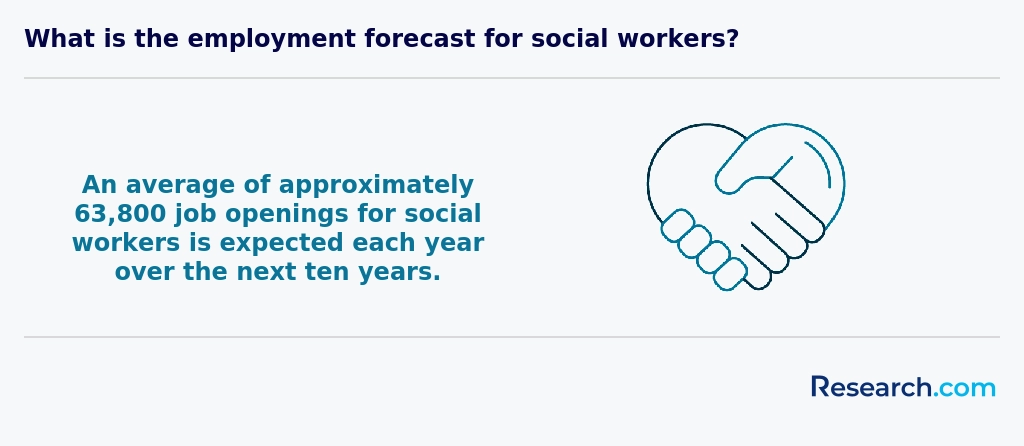
The job market for an online human services degree in Alabama is quite encouraging, especially for those eager to make a difference in local communities. Graduates from popular Alabama colleges often share how their education prepared them for roles such as case managers or social service coordinators, where they directly support vulnerable populations like elderly residents or those with disabilities. This demand reflects the growing need statewide for dedicated professionals in healthcare, nonprofits, and government programs.
Many students pursuing an online human services degree find the flexibility essential, balancing work and study while preparing for roles that have steady employment prospects in Alabama. The demand for human services careers in Alabama is driven by an increasing population needing support and government initiatives expanding social assistance programs. This means graduates can step confidently into jobs tied to counseling and community outreach.
For those wondering about opportunities beyond just earning a degree, the Alabama system offers pathways where online degrees from accredited schools qualify graduates for licensure in certain fields. It's useful to explore resources like human services degree jobs to understand specific openings and salary expectations, which, while modest, align well with Alabama's cost of living, making this career path both fulfilling and practical.
2027 Most Affordable Online Human Services Degree Programs Ranking in Alabama
Investing in your education is a significant decision, and the Research.com team understands the importance of making informed choices. To support prospective students in Alabama, we have carefully developed the "2027 Most Affordable Online Human Services Degree Programs Ranking in Alabama." Our dedication to quality, credibility, and accuracy is evident through comprehensive research and analysis conducted to compile this ranking.
We utilized the following reputable data sources to ensure a thorough evaluation of affordable online human services degree programs:
By exploring this ranking, readers will gain valuable insights into affordable and credible educational options in human services, enabling them to make well-informed decisions regarding their academic and professional futures. For more information on how this ranking was created, please visit our Research.com methodology page.


# 3 position
Columbia Southern University
Master of Public Administration

# 4 position
Columbia Southern University
Bachelor of Human Services

Frequently Asked Questions About human services
Online human services degree students in Alabama can maximize their learning by actively engaging with course materials and participating in virtual discussions. Research from the Alabama Commission on Higher Education highlights that students who regularly connect with peers and instructors tend to perform better academically. Utilizing local internships and community service opportunities, especially in social service agencies, strengthens practical skills and builds professional networks.
Alabama's growing social services sector offers increased fieldwork placements, vital for hands-on experience. Additionally, students should take advantage of online academic resources, such as digital libraries and tutoring services, which many Alabama universities provide.
Time management is crucial for success, as is setting a dedicated study schedule to balance coursework effectively.
Emerging niches within the human services field reflect the evolving needs of Alabama's diverse communities. One growing area is telehealth counseling, which expanded rapidly due to increased demand for remote mental health services. According to the Alabama Department of Mental Health, telehealth utilization increased by over 30% in recent years.
Another niche gaining traction is gerontology support, as Alabama's aging population grows. Professionals trained in elder care coordination help address challenges related to healthcare access and social isolation. Additionally, substance abuse counseling remains critical, with Alabama experiencing higher-than-average opioid-related cases, highlighting the need for specialized intervention.
Human services professionals also focus more on trauma-informed care and community-based advocacy. These areas require skills in cultural competence and crisis response, pivotal for addressing Alabama's rural and urban population needs.
Preparing for the job market after earning an online human services degree in Alabama involves strategic steps. Start by gaining relevant experience through internships or volunteer roles. Alabama's Department of Human Resources and local nonprofits often offer such opportunities. Networking is essential; join professional associations like the National Organization for Human Services to connect with employers in the state.
Consider obtaining certifications, such as the Human Services-Board Certified Practitioner (HS-BCP), which can improve job prospects. According to the U.S. Bureau of Labor Statistics, Alabama's social and human service assistants earned a median annual wage of $29,900 in 2023, reflecting demand for qualified professionals.
Finally, tailor your resume to highlight Alabama-specific skills and knowledge, such as familiarity with state programs or cultural competence working in diverse communities.
Employers in Alabama seek human services degree graduates who demonstrate strong communication and interpersonal skills. These abilities are vital for effectively assisting diverse populations across the state. According to the Alabama Department of Labor, candidates with empathy and cultural competence have higher employment rates in social service roles.
Critical thinking and problem-solving skills are also highly valued. Graduates must assess client needs and develop appropriate support plans. Additionally, knowledge of local social service policies and community resources is important for successful case management.
Technical proficiency in data management and reporting software is becoming increasingly essential. The National Organization for Human Services highlights these skills as key to advancing in the field.
Finding internships in Alabama related to a human services degree involves a mix of research, networking, and utilizing university resources. Many Alabama schools with accredited human services programs have dedicated career centers that help connect students with local agencies offering internships. Exploring organizations like the Alabama Department of Human Resources or local nonprofit groups can provide valuable opportunities.
Websites such as Handshake and Indeed often list internship openings specifically for Alabama students pursuing social work, counseling, or human services fields. Joining professional associations like the Alabama Human Services Association can also aid in networking and learning about internships.
According to the Alabama Department of Labor, internships in health and social assistance sectors are growing steadily, reflecting a demand for qualified human services professionals in the state.
An online human services degree in Alabama can significantly enhance career mobility and advancement opportunities. According to the Alabama Department of Labor, fields related to human services are expected to grow by 9% through 2028, faster than the average for all occupations. This growth creates new roles and promotions for qualified professionals.
Completing an accredited online program offers flexibility for working adults and includes coursework tailored to Alabama's specific social and community service needs. Employers in the state often prioritize candidates with formal education, as it demonstrates relevant knowledge and skills.
Graduates report improved prospects in areas such as social work, case management, and counseling, which are essential in Alabama's non-profit and government sectors. Earning a degree online also allows students to build valuable connections through virtual internships and networking events.
Studying for an online human services degree in Alabama equips students with skills to work across multiple disciplines such as social work, counseling, and healthcare. Degree programs typically include coursework in psychology, sociology, and public health, all critical for interdisciplinary collaboration.
Alabama's human services professionals often engage with diverse populations, requiring knowledge in education, mental health, and community resources. According to the Alabama Department of Mental Health, more than 500,000 residents rely on integrated services annually, highlighting the need for versatile practitioners.
Online programs also emphasize communication and case management skills, preparing graduates to coordinate efforts among agencies effectively. This interdisciplinary focus reflects workforce demands statewide and enhances employment opportunities in various sectors.
When choosing between a thesis and a non-thesis human services degree program in Alabama, it's essential to consider your career goals and learning preferences. A thesis option typically involves independent research, which is suitable for students interested in advanced studies or roles requiring research skills. Non-thesis programs focus more on practical skills and coursework, often appealing to professionals aiming for immediate employment in social services or counseling.
In Alabama, where human services roles are growing by about 8% annually (BLS, 2023), choosing the right path matters. Thesis tracks may take longer but provide deeper academic preparation, while non-thesis degrees allow quicker entry into the workforce.
Accreditation and program flexibility are also important, especially for online learners balancing work and study.
Students based in Alabama who seek to study human services abroad have limited direct options through fully online international degree programs. Most accredited U.S. institutions focus on domestic online offerings, which may restrict access to foreign universities for this field. However, several Alabama universities with human services programs encourage participation in study abroad or international internship experiences, often arranged in partnership with global institutions.
These experiences supplement an Alabama-based online degree, providing valuable cross-cultural skills needed in human services roles. According to the Alabama Commission on Higher Education, such international exposure enhances a student's employability.
Additionally, students can pursue international certificates or short-term training from foreign institutions available online, which may complement their Alabama degree.
In Alabama, part-time jobs that complement a human services degree often include roles such as case aides, social work assistants, and community outreach workers. These positions provide practical experience by supporting social workers and counselors in various organizations.
According to the Alabama Department of Labor, positions in social and community service are projected to grow by 8% through 2030, reflecting increasing demand for skilled human services professionals. Working part-time in nonprofit organizations or healthcare facilities enables students to apply classroom knowledge in real-world settings.
Additionally, employers in Alabama often seek candidates with strong communication and cultural sensitivity skills, which are developed through these entry-level roles.
Online human services students in Alabama have several networking opportunities despite studying remotely. Many universities offer virtual career fairs and online student organizations focused on social work and human services. These platforms enable students to connect with peers, alumni, and potential employers across the state.
Alabama's Human Services Association and the Alabama Network of Children's Advocacy Centers provide professional events and workshops accessible to online students. These groups help in building local contacts and gaining field insights.
According to the Alabama Department of Human Resources, the state employs over 4,500 human services professionals, creating a broad professional network for graduates entering the workforce.
Alumni networks offer valuable support to online human services degree students in Alabama by connecting them with experienced professionals in the field. These networks provide mentorship opportunities, helping students navigate career paths and gain insight into local job markets.
Access to alumni can also lead to internships and job placements within community organizations and agencies that serve Alabama's diverse populations. According to the Alabama Department of Labor, human services roles are growing steadily, emphasizing the importance of professional connections. Alumni networks enhance networking and professional development, which are critical for success in this sector.
Customizing an online human services degree program in Alabama allows students to align education with specific career goals. Many Alabama universities offer concentration options in areas such as addiction counseling, gerontology, or social work. Choosing relevant electives helps tailor skills to your desired field.
Students should also consider programs with flexible practicum placements or internships within Alabama's diverse communities, as hands-on experience is crucial. According to the Alabama Department of Labor, careers in substance abuse counseling and social services are growing faster than average, making specialized training valuable.
Advisors at online schools can assist in selecting courses that match local job market demands and licensure requirements.
Online human services students in Alabama often face challenges related to balancing coursework with personal and professional responsibilities. Many students juggle jobs, family care, and studies, which can lead to time management difficulties. Additionally, limited access to reliable high-speed internet in rural parts of Alabama can hinder seamless participation in online classes.
Another common issue is the lack of hands-on experience. Human services programs typically require internships or practicums, which can be hard to coordinate remotely, especially in underserved areas.
Finally, some students report feeling isolated without direct interaction with faculty and peers, impacting motivation. According to the Alabama Commission on Higher Education, these factors contribute significantly to retention rates in online programs.
An online human services degree in Alabama opens doors to several professional certifications that enhance career prospects. Graduates commonly pursue the Certified Human Services Professional (CHSP) credential, which validates knowledge and skills in human services. This certification is nationally recognized and can improve job opportunities in social services, mental health, and community organizations.
In Alabama specifically, the State Board of Social Work Examiners offers the Licensed Social Worker (LSW) certification, which requires at least a bachelor's degree in human services or a related field. Holding this license enables graduates to provide direct services and counseling under supervision.
Other notable certifications include Certified Case Manager (CCM) and Certified Addiction Counselor (CAC), which align well with careers supported by Alabama's growing health and social support sectors, as reported by the Alabama Department of Labor.
Writing a winning application for an online human services program in Alabama begins with understanding the specific requirements of each school. Many universities require a personal statement that highlights your passion for helping others and your understanding of human services. Be sure to clearly explain your career goals and how the program supports them.
Official transcripts are essential; ensure your academic records demonstrate strong communication and social science skills. Some programs may request letters of recommendation from professionals who can attest to your commitment.
Additionally, Alabama's Department of Human Services emphasizes skills in case management and social support, so showcasing relevant experience or volunteering can strengthen your application. Researching individual program prerequisites through official university websites is advised for accuracy.
The field of human services is increasingly recognized worldwide as vital to social welfare and community development. In the United States, including Alabama, human services professionals play key roles in addressing issues like poverty, mental health, and substance abuse. According to the U.S. Bureau of Labor Statistics, employment in human services-related jobs is projected to grow by 13% from 2022 to 2032, faster than average for all occupations.
Globally, the demand for skilled human services workers reflects a growing awareness of social challenges and inclusivity, encouraging cross-cultural competence. Alabama's universities offering online human services degrees prepare students with knowledge applicable both locally and internationally, emphasizing ethical practice and cultural sensitivity.
The National Organization for Human Services notes that a global perspective enriches practitioners' ability to support diverse populations effectively. For Alabama students, pursuing a human services degree online provides access to flexible education while aligning with evolving international standards in social care.
Gaining practical experience while studying for an online human services degree in Alabama is essential for career readiness. Many Alabama programs encourage students to complete internships or fieldwork at local agencies, such as community health centers or social service organizations. These placements provide hands-on experience in client advocacy and case management.
The Alabama Department of Human Resources and other nonprofits often partner with universities to offer supervised practicum opportunities. According to the National Organization for Human Services, practical training boosts employment prospects.
Additionally, students can engage in virtual simulations and workshops included in their curriculum to develop real-world skills while studying remotely.
Choosing the right concentration within an online human services degree in Alabama involves assessing your career goals and local job market needs. Popular concentrations include substance abuse, mental health, and social work, each targeting specific populations and services. According to the Alabama Department of Labor, areas like mental health counseling are expected to grow by over 10% by 2030, indicating strong job prospects.
Consider how different concentrations align with licensing requirements in Alabama. For example, certain counseling roles require specialized credentials tied to specific coursework. Reviewing program curricula and speaking with academic advisors can clarify which track matches your interests and professional plans.
Additionally, look for programs that offer practicum opportunities in Alabama-based agencies, as practical experience is highly valued by employers in the state.
- 2027 Most Affordable Online Human Services Degree Programs Ranking in Georgia
- 2027 Most Affordable Online Human Services Degree Programs Ranking in Florida
- 2027 Most Affordable Online Human Services Degree Programs Ranking in Arkansas
- 2027 Most Affordable Online Human Services Degree Programs Ranking in Kentucky
- 2027 Most Affordable Online Human Services Degree Programs Ranking in Missouri
- 2027 Most Affordable Online Human Services Degree Programs Ranking in Illinois
- 2027 Most Affordable Online Human Services Degree Programs Ranking in Texas
- 2027 Most Affordable Online Human Services Degree Programs Ranking in Virginia
- 2027 Most Affordable Online Human Services Degree Programs Ranking in Ohio
- 2027 Most Affordable Online Human Services Degree Programs Ranking in Kansas
- 10 Effective Ways to Build Networking Skills in Community Services https://tsa.edu.au/ways-to-build-networking-skills-in-community-services/
- Study Social Work Abroad | Go Overseas https://www.gooverseas.com/study-abroad/social-work
- How to Overcome the Top Challenges Social Workers Face https://www.pacificoaks.edu/voices/social-work/social-work-challenges/
- HS-BCP Credential https://www.nationalhumanservices.org/hs-bcp-credential/
- Humanity in Action: Understanding Human Services Degrees https://www.ucumberlands.edu/blog/humanity-in-action-understanding-human-services-degrees
- Utilize Your Alumni Networks https://www.keg.com/news/ways-to-use-your-alumni-networks-for-the-better
- How To Solve the Key Challenges Faced by Community Social Workers https://www.casebook.net/blog/how-to-solve-the-key-challenges-faced-by-community-social-workers/
- Home https://www.husson.edu/online/blog/2025/10/benefits-of-alumni-networks
- Vacancies for "global perspective" https://unjobs.org/skills/global-perspective
- Finding Networking Opportunities as a Student | National Society of High School Scholars https://www.nshss.org/resources/blog/blog-posts/how-to-find-networking-opportunities-as-a-student/