2027 Most Affordable Online Human Services Degree Programs Ranking in Kansas

Co-Founder and Chief Data Scientist
If you're considering a career in human services, finding the right degree program in Kansas can feel overwhelming. This article offers a 2027 Most Affordable Online Human Services Degree Programs Ranking in Kansas created by the Research.com team of data scientists to help guide your decision.
Exploring affordable options means you can invest in your future without unnecessary financial stress. Earning a human services degree opens doors to meaningful work supporting individuals and communities.
Reading this ranking will empower you to choose a program that fits your goals and budget, making your educational journey smoother and more rewarding.
Key benefits of getting online human services degree in Kansas
- Human services graduates in Kansas often start with salaries around $35,000 to $45,000 annually, reflecting the rewarding nature of social support roles.
- Career paths include social work, counseling, and community outreach, as shown by graduates from the University of Kansas who have successfully entered diverse helping professions.
- Online degrees from institutions like Fort Hays State University offer flexible schedules and affordability, allowing students to balance work and study comfortably while advancing their careers.
- 2027 Most Affordable Online Human Services Degree Programs Ranking in Kansas
- What can I expect from online human services degree in Kansas?
- Where can I work with online human services degree in Kansas?
What can I expect from online human services degree in Kansas?
The average cost of an online human services degree in Kansas tends to vary depending on the institution, with most students reporting total expenses ranging between $15,000 and $30,000 for a bachelor's program. For example, graduates from universities like Fort Hays State or Wichita State often find that the tuition balances affordability with quality instruction. While some may anticipate hidden fees or unexpected costs, many students appreciate the transparency provided by these schools, which helps them budget more confidently.
Several former students highlight the value of applying their learning directly through affordable internships facilitated by local agencies, which not only enhance practical skills but also mitigate costs by providing real-world experience close to home. Some graduates express satisfaction in balancing work and study thanks to flexible, hybrid program structures common in Kansas, despite occasional challenges in managing time.
It is important to consider that while cost is a significant factor, some students find that programs emphasizing hands-on experience and local field placements better prepare them for future roles, potentially justifying a higher tuition within this range. Overall, the financial investment tends to align with the personalized, practical education Kansas programs offer.
Where can I work with online human services degree in Kansas?
Graduates with an online human services degree in Kansas often find rewarding careers across diverse settings where they can make a tangible difference. Many start their journeys in government agencies like the Kansas Department for Children and Families, where they support families and children facing complex challenges. Students from institutions such as Wichita State University often share how hands-on knowledge gained online translated into real-world confidence during these roles.
Healthcare is another prominent sector, with human services professionals assisting patients at Kansas hospitals or mental health centers. A common scenario involves helping someone navigate insurance complexities or coordinate post-discharge care, creating a palpable sense of accomplishment. Graduates from Fort Hays State University report fulfillment in these supportive positions, emphasizing the impact of their training.
Nonprofits focusing on issues like homelessness or youth development also attract human services graduates, particularly in urban hubs like Kansas City and Wichita. Schools in Kansas occasionally employ these graduates as counselors or coordinators, addressing students' social needs. While private firms offer opportunities in consulting, the emphasis remains on advocacy and case management, aligning well with the practical skills taught in online programs offered by local colleges.
Graduates with an online human services degree in Kansas can expect varied earnings depending on their role and experience. Most entry-level positions such as social and human service assistants earn around $33,000 annually, according to the U.S. Bureau of Labor Statistics May 2023 data. This reflects common outcomes for graduates from institutions like Wichita State University or the University of Kansas, where flexible online study options attract working adults aiming to boost their careers.
Those advancing to social worker roles, often requiring further certification, may see salaries rise closer to $52,000 per year. Graduates report that gaining licenses such as Licensed Social Worker (LSW) credentials markedly improves earning potential, sometimes exceeding $55,000 annually, especially in urban areas like Overland Park.
Students appreciate that online programs allow balancing work and study, enabling gradual career advancement. While rural wages may be slightly lower, the stable demand for human services roles across the state supports steady income growth, fostering confidence in pursuing these degrees within Kansas.
- Tuition for online human services degrees in Kansas ranges from $5,000 to $15,000 annually, with public universities offering the lowest rates for in-state students.
- Entry-level salaries for graduates typically fall between $32,000 and $38,000 per year, increasing to $45,000 to $55,000 with five to ten years of experience.
- The job market in Kansas for social and human service assistants is expected to grow by about 8% from 2022 to 2032, slightly above the national average.
- Employers often prefer degrees accredited by the Council for Standards in Human Service Education (CSHSE) to ensure education quality and certification eligibility.
- Most online programs offer flexible schedules and accelerated courses to help students balance education with work or family responsibilities.
Completing an online human services degree in Kansas typically takes about two years for an associate degree and around four years for a bachelor's degree when enrolled full-time. For example, many graduates of programs at institutions like Wichita State University or Kansas State University mention how pacing their studies around work and family was crucial. Graduates often feel a strong sense of accomplishment balancing these responsibilities while progressing steadily.
Some students take advantage of accelerated bachelor's degree tracks or transfer credits from earlier studies, reducing the time to as little as three years. Others, especially those attending part-time due to job commitments, report the process taking five to six years. This flexibility helps individuals stay motivated by aligning education with their personal lives.
Graduates appreciate how online programs in Kansas offer adaptable schedules, allowing them to manage coursework effectively. However, students are encouraged to consider accreditation, such as from the Council for Standards in Human Service Education, to ensure their efforts translate into recognized credentials and career opportunities.
Choosing between online and on-campus human services degrees in Kansas hinges on how you prefer to engage with your education and community. Online programs, like those offered by Fort Hays State University, allow students to juggle work and family responsibilities by accessing coursework from home or anywhere with internet. Graduates often highlight the relief of fitting study around their busy lives without sacrificing academic quality.
Conversely, on-campus programs at institutions such as Wichita State University provide tangible benefits through face-to-face interaction. Students appreciate the immediate feedback from instructors and the dynamic group projects that foster lasting professional connections. This setting suits those who thrive with structured schedules and hands-on learning.
Regardless of format, internships remain a core element. Online learners typically arrange placements close to home in Kansas communities, gaining practical experience and building local networks essential for careers and licensure. Tuition differences exist but online learners frequently save on housing and commuting, making higher education more accessible while still engaging deeply with coursework and peers.
The average cost of an online human services degree in Kansas typically centers around $15,444, reflecting a balance between more expensive public universities and affordable community colleges. Graduates from these programs often share a positive outlook on their investment, noting that schools like the University of Kansas offer in-state tuition rates around $309 per credit hour, which totals about $18,500 for a standard 60-credit bachelor's degree. Meanwhile, institutions such as Johnson County Community College provide lower-cost pathways through associate degrees that average between $150 and $200 per credit hour, making human services education more accessible.
Students considering affordable human services degree programs Kansas 2027 should weigh the overall expenses beyond just tuition. Many report that fees, books, and supplies can add several hundred dollars to their budget, but scholarships, financial aid, and employer tuition reimbursement programs often ease the financial burden. The flexibility of online programs also allows learners to maintain part-time work, which many find crucial to managing costs effectively while advancing their careers.
Graduates from these programs frequently highlight that choosing the right institution and understanding tuition structures is essential. With human services fields constantly evolving, those looking into their future career prospects can find optimism by researching the masters of human services jobs available to them and how an online degree supports their goals.
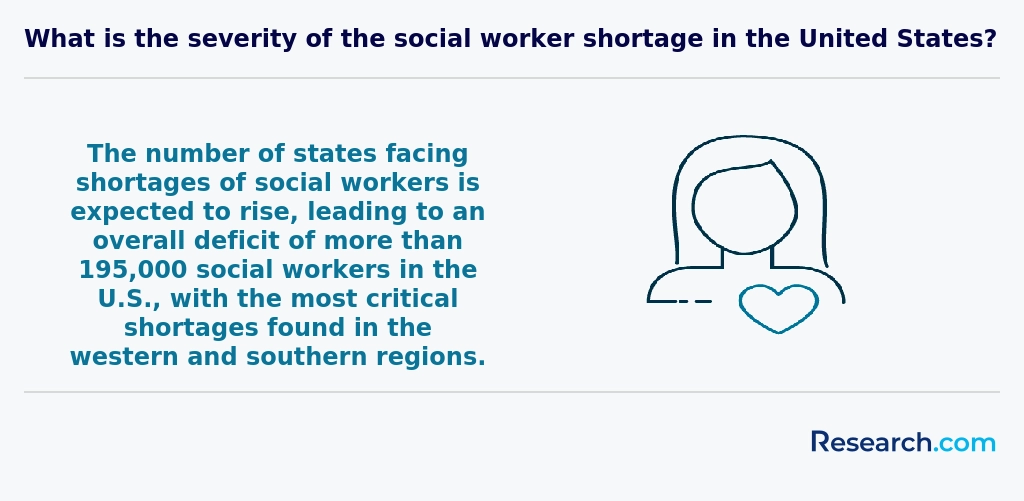
Kansas students pursuing an online human services degree often rely on federal aid through FAFSA, which unlocks Pell Grants, loans, and work-study options. For example, graduates from Washburn University have found Pell Grants vital in managing costs without increasing debt. However, some express caution about loans' long-term impact despite their low interest rates and flexible repayment plans.
The Kansas Board of Regents offers state scholarships like the Kansas Comprehensive Grant Program, which many enrolled at Fort Hays State University have used to offset tuition based on financial need. These grants, although subject to funding availability, reduce the burden for both public and private institution attendees.
Institutional scholarships for human services students at places like Newman University reward academic success or community service, making education feel more accessible and encouraging perseverance. Beyond typical aid, professional groups such as the National Organization for Human Services sometimes provide unique scholarships, especially valued by those committed to social work careers.
Some working students appreciate employer tuition assistance programs in Kansas, which help balance job responsibilities and education without immediate financial strain, making advanced human services training attainable.
Enrolling in an online human services degree program in Kansas generally requires a high school diploma or GED, aligning with common standards at institutions like Johnson County Community College and Wichita State University. Graduates from these programs often recall the reassurance they felt meeting this straightforward baseline, which opened doors without unnecessary barriers.
Applicants must submit official transcripts to confirm prior education, with many schools expecting a minimum GPA of around 2.0 to 2.5. This helps admissions teams fairly assess readiness without overly rigid filtering, ensuring students with diverse academic backgrounds can thrive.
Beyond transcripts, candidates may need to provide letters of recommendation or personal statements. Kansas students frequently describe how these documents allowed them to convey their real-world motivations and commitment to human services, making acceptance feel personalized rather than purely procedural.
- Reliable internet access and basic computer skills are essential for online learning success, as demonstrated by graduates balancing family and work alongside their studies.
- Some programs require background checks or immunizations, particularly for those aiming to complete internships with vulnerable populations, adding a layer of safety and professionalism.
- Placement tests for writing or math may occur to tailor coursework, ensuring students start with confidence rather than struggle.
Navigating these prerequisites thoughtfully can make the difference between feeling overwhelmed and empowered when starting an online human services degree in Kansas.

Online human services degree programs in Kansas commonly feature courses that blend theoretical foundations with practical application. Graduates from universities like Wichita State and Fort Hays State often recall beginning with "Human Behavior and the Social Environment," which grounds students in psychological and social development theories crucial for understanding clients' backgrounds.
Courses such as "Case Management" and "Counseling Techniques" provide hands-on skills graduates describe as directly relevant to their work, from assessing individual needs to communicating effectively across diverse populations. These classes address real scenarios like helping rural families navigate support systems or advocating for underserved urban groups.
Other essential subjects include "Social Policy and Advocacy," which prepares students to engage thoughtfully with Kansas state policies, and "Substance Abuse and Mental Health," reflecting local community challenges. Internships, often arranged through program partnerships, allow students to experience these topics in action, fostering a confident and empathetic approach.
This curriculum balance helps students feel prepared not only academically but emotionally, reinforcing their motivation to contribute meaningfully across varied Kansas communities.
Online human services degree specializations Kansas students encounter often include Mental Health Services, Substance Abuse Counseling, Gerontology, Child and Family Services, and Community Development and Outreach. Graduates from universities like Wichita State University or Fort Hays State University commonly share how focusing on Mental Health Services helped them develop practical counseling skills, enabling rewarding roles in local clinics. However, it's important to consider that specializations may vary by institution, and not every program offers the same depth in each area.
Students pursuing Kansas human services program specialization options appreciate the balance between theory and real-world application, especially when dealing with substance abuse or elderly care. One graduate highlighted how the Child and Family Services track prepared them to navigate complex family dynamics seen in Kansas communities. Still, prospective students should critically evaluate programs to ensure specializations align with their career aspirations and local certification needs.
For those seeking faster completion, exploring the shortest online human services degree available can be advantageous while maintaining a focus on meaningful specialization. This approach suits the practical demands many Kansas-based learners face.
Choosing the best online human services degree in Kansas involves careful attention to accreditation, because trustworthy credentials matter for career advancement and credit transfer. Graduates from institutions like Wichita State University often appreciate the regional accreditation that assures them their investment is worthwhile. Another key factor is curriculum-programs that offer practical specializations such as addiction counseling or youth services align better with personal interests and improve job prospects. Many who studied through Fort Hays State University have noted how relevant course content made their learning feel engaging and applicable.
Affordability is also critical. Kansas students frequently compare tuition rates, with online programs averaging around $250 to $300 per credit hour, which may be more accessible than traditional campus options. Flexibility matters too; asynchronous class formats allow busy learners to balance work and family, though some find required internships challenge fully remote participation. For those researching online schools for human services degrees, it's practical to verify support for job placement and certification, especially as local employment demand grows. Selecting an affordable human services programs Kansas offers means weighing all these factors thoughtfully.
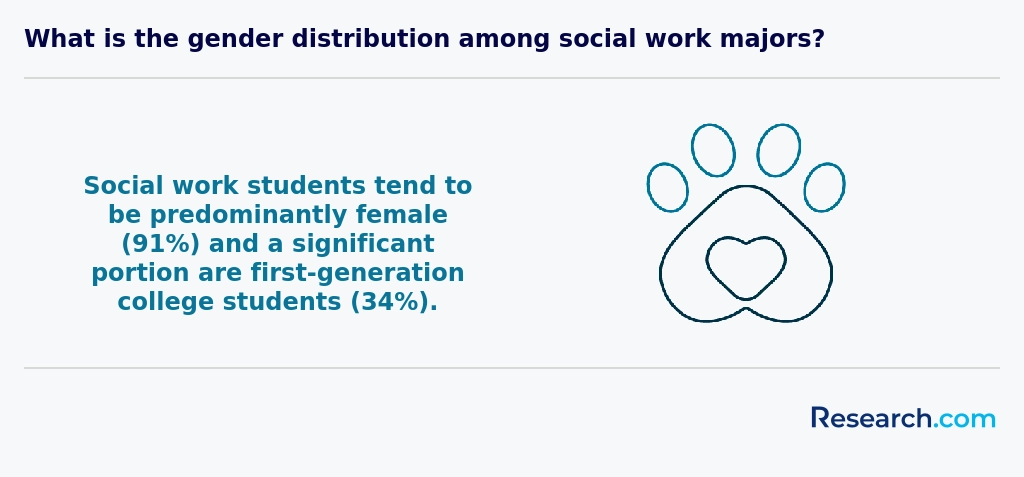
Graduates from online human services programs in Kansas often find diverse career paths available, reflecting the state's growing demand for social support roles. Popular positions include case manager, mental health technician, and substance abuse counselor, commonly employed by non-profits, healthcare centers, and government agencies. For example, those completing their degrees at institutions like Wichita State University report engaging directly with vulnerable populations, applying their skills in real-world scenarios such as coordinating community outreach efforts or supporting child welfare initiatives.
Human services job opportunities in Kansas tend to expand as the need for mental health and family services rises, particularly in response to demographic changes and social policy developments. Graduates frequently appreciate the flexibility of online programs from local colleges, allowing them to balance work and study while pursuing certifications that can elevate their careers. However, some express concerns about limited advancement without further licensure, highlighting the importance of continuing education.
For students curious about the range of possibilities, exploring what careers can you pursue with a master's degree in human services offers valuable insights into advanced roles and specializations, helping clarify long-term professional prospects in this field.
The job market for graduates with an online human services degree in Kansas shows encouraging trends, particularly for those ready to work in dynamic roles such as case management and community coordination. Many graduates from well-regarded programs at universities in Kansas report feeling optimistic as they find opportunities in expanding sectors like elder care and rural health support. These roles often involve hands-on problem solving that directly impacts community members, creating fulfilling experiences for professionals entering the field.
Students pursuing an online human services degree job outlook Kansas benefit from a labor market with projected growth rates surpassing national averages. Kansas employment trends for human services graduates highlight a rise in public and non-profit sector jobs, where experienced graduates report significant satisfaction due to the meaningful social impact of their work. While entry-level salaries might start between $28,000 and $35,000, those advancing professionally or into supervisory positions see upward mobility.
Cost considerations also factor heavily in decision-making; many state residents choose affordable programs offered by local universities. For those comparing educational expenses, the cheapest online degree human services options provide accessible paths without sacrificing program quality or career potential.
2027 Most Affordable Online Human Services Degree Programs Ranking in Kansas
Investing in your education is a significant decision that can shape your future, and the Research.com team is committed to helping you make informed choices. To support prospective students interested in human services, we have carefully developed the "2027 Most Affordable Online Human Services Degree Programs Ranking in Kansas." Our dedication to quality, credibility, and accuracy is demonstrated by the rigorous research and analysis behind this ranking.
We utilized the following reputable data sources to ensure a comprehensive evaluation of online human services degree programs:
By consulting this ranking, readers will gain valuable insights into affordable, accredited programs tailored to their needs in Kansas, empowering them to pursue their educational goals with confidence. For more information about how we created this ranking, please visit our Research.com methodology page.


Frequently Asked Questions About human services
Online human services degree students in Kansas can maximize their learning by actively engaging with their coursework and utilizing available resources. Building strong connections with faculty through virtual office hours and discussion boards enhances understanding and networking opportunities. Kansas ranks above the national average in social service employment growth, making practical experience crucial.
Seeking internships or volunteer opportunities within Kansas human services organizations complements online studies with real-world skills. Additionally, students should leverage Kansas-specific labor market data from sources like the Kansas Department of Labor to align their learning with local industry demands.
Consistent time management and fostering peer collaboration through study groups further support academic success in online programs.
The human services field in Kansas is evolving, with several emerging niches gaining importance. One key area is behavioral health, driven by increased demand for mental health and substance abuse counseling. The Kansas Department for Aging and Disability Services reports a rising need for professionals equipped to handle complex behavioral health challenges.
Another growing niche involves gerontology, as Kansas faces an aging population. Human services specialists focusing on elder care and support services are in higher demand to address issues related to aging, including health management and social engagement.
Finally, community-based services that emphasize trauma-informed care and crisis intervention are expanding rapidly. These roles are vital to supporting vulnerable populations, including families impacted by poverty or domestic violence. Understanding these trends can help students align their online human services education with future job markets in Kansas.
After completing an online human services degree in Kansas, preparing for the job market involves gaining relevant experience and networking within the state. Many graduates seek internships or volunteer positions with local agencies, which boosts practical skills and employment chances. The Kansas Department for Children and Families and nonprofit organizations often offer entry-level roles suited for recent graduates.
It is also beneficial to pursue certifications such as the Human Services-Board Certified Practitioner (HS-BCP), which can enhance credibility. According to the U.S. Bureau of Labor Statistics, Kansas expects a 12% growth in social and human service assistant positions from 2020 to 2030, indicating expanding opportunities.
Networking through Kansas-based professional groups or attending job fairs can connect graduates with employers actively hiring in human services.
Employers in Kansas seek key skills in graduates with online human services degrees to ensure effective client support and community engagement. Strong communication skills rank highest, enabling professionals to interact clearly and empathetically with diverse populations.
Problem-solving abilities and cultural competence are also essential, as Kansas serves varied communities with unique social challenges. According to the Kansas Department for Children and Families, adaptability and knowledge of state social service programs increase job readiness.
Graduates who demonstrate case management expertise and ethical decision-making show higher employability, reflecting standards emphasized by local agencies and nonprofit organizations.
Overall, employers value a combination of practical skills and a solid understanding of Kansas's specific human services context.
Finding internships in Kansas relevant to a human services degree begins with exploring local community organizations and governmental agencies dedicated to social services. The Kansas Department for Children and Families and mental health centers often offer internship opportunities for students seeking hands-on experience. Universities in Kansas, such as the University of Kansas and Wichita State University, typically provide resources or partnerships with local agencies to help students secure placements.
Online students should also utilize Kansas-based internship databases like KansasWorks, which connects job seekers and interns with regional employers. Additionally, professional associations like the National Organization for Human Services (NOHS) can offer guidance for locating internships.
Obtaining an online human services degree in Kansas can significantly enhance career mobility and advancement opportunities. The degree equips students with essential skills for roles in social work, counseling, and community services-fields that are expected to grow 13% statewide through 2030, according to the Kansas Department of Labor.
Employers in Kansas increasingly value candidates with formal education in human services, recognizing their capacity to address complex social issues effectively. Graduates often qualify for higher-paying positions, such as case managers or program coordinators, with median salaries above $45,000 annually as reported by the U.S. Bureau of Labor Statistics.
Online programs also offer flexibility, enabling working professionals to upskill without interrupting their careers. This accessibility supports continuous professional development and credentials required for Kansas state certifications in counseling and social services.
Studying for an online human services degree in Kansas equips students to work across various fields such as social work, counseling, and healthcare. Kansas programs emphasize collaboration with professionals from psychology, education, and public health to address community needs effectively.
The curriculum often includes courses on case management, ethics, and multicultural counseling, fostering skills essential for interdisciplinary teamwork.
According to the Kansas Department for Aging and Disability Services, the state's diverse population requires human services workers capable of coordinating care with medical providers and social agencies. This prepares graduates for broad roles in public and private sectors.
When choosing between a thesis and a non-thesis human services degree program in Kansas, consider your career goals and learning preferences. A thesis option involves conducting original research and writing a detailed paper, which suits students interested in further academic study or research roles. It may also be required for some graduate programs or specialized positions.
Non-thesis programs focus more on practical skills and coursework, preparing students for direct entry into the workforce. According to the Kansas Board of Regents, many local human services employers value hands-on experience and applied knowledge.
Additionally, thesis tracks often take longer to complete due to research demands, while non-thesis options can be more flexible and time-efficient.
Students in Kansas interested in studying human services abroad have several pathways, primarily through online degree programs that offer international study options. Many accredited universities in the U.S. now include study abroad components or virtual international collaborations in their curricula. This allows Kansas-based learners to gain a global perspective without leaving home.
While direct overseas campus enrollment is less common for fully online students, programs often partner with foreign institutions for research projects or internships. According to the Kansas Board of Regents, approximately 5% of human services students participate in study abroad or international experiential learning annually.
Additionally, some programs incorporate global human services issues, addressing international policies and practices, which broadens students' understanding relevant to both local and global communities.
Students pursuing an online human services degree in Kansas can benefit from part-time jobs that provide relevant experience. Common opportunities include roles as case aides, social work assistants, or community outreach workers. These positions help develop skills in client interaction and resource coordination.
Kansas Department for Children and Families reports growing demand for such roles, with employment in social assistance projected to increase by 9% through 2030. Positions in local nonprofits or healthcare facilities also offer practical exposure that complements academic learning.
Additionally, part-time jobs in counseling support or crisis intervention can strengthen student expertise in human services, enhancing both resumes and practical knowledge before graduation.
Online human services students in Kansas have access to a variety of networking opportunities that can enhance their educational and professional growth. Many Kansas institutions offering online programs encourage students to join local chapters of national organizations such as the National Organization for Human Services (NOHS). These chapters regularly host events, webinars, and conferences specifically designed for students and professionals in the field.
Additionally, Kansas social service agencies and nonprofits often collaborate with universities to provide internships and volunteer opportunities. These experiences allow students to connect directly with practicing professionals, expanding their local network. According to the Kansas Department for Children and Families, more than 25,000 people work in human services in the state, presenting a robust community for professional engagement.
Regional workforce centers and professional forums also provide online and in-person networking events tailored to human services careers. Students are encouraged to engage with these platforms to develop relationships that can lead to mentorships and job prospects.
Alumni networks offer significant benefits to online human services degree students in Kansas. These networks provide access to professional connections within the state's social service sector, which can be crucial for career advancement. According to the Kansas Department for Children and Families, nearly 85% of job openings in human services are filled through networking and referrals.
Students can leverage alumni ties for mentorship, gaining insights from experienced professionals who understand Kansas's unique service challenges. Additionally, alumni networks often share job leads tailored to the local workforce, increasing employment opportunities after graduation.
Participation in these networks also supports continuing education and collaboration in a field focused on community impact. This local engagement strengthens student success and workforce development in Kansas's human services landscape.
Students pursuing an online human services degree in Kansas can customize their programs by selecting electives focused on areas like social work, mental health, or community outreach. Many Kansas institutions offer specialization tracks or certificates within the degree, allowing learners to align studies with specific career goals.
Additionally, some programs provide internship opportunities with local agencies, which help build practical experience tailored to desired roles. Customization may also include flexible course scheduling and transfer credit acceptance to accelerate graduation.
For relevant labor statistics, the Kansas Department of Labor reports steady growth in human services jobs, underscoring the value of focused training. Choosing coursework that meets Kansas licensing requirements can enhance employment prospects.
Online human services students in Kansas often face several challenges related to balancing their studies with work and family commitments. According to the National Center for Education Statistics, adult learners constitute a significant portion of online enrollees, making time management a critical issue. Connectivity can pose a problem, especially in rural Kansas areas where reliable high-speed internet is limited, impacting access to course materials and live discussions.
Another challenge involves securing quality field placements required for degree completion. Kansas students may struggle to find local agencies that align with their program's standards and offer meaningful practical experiences.
Graduates with an online human services degree in Kansas can pursue several professional certifications to enhance their careers in social services, counseling, and community support. A common certification is the Certified Human Services Professional (CHSP), which validates skills and knowledge in the field.
Other relevant certifications include the Certified Case Manager (CCM) and certifications related to addiction counseling or mental health, such as the Certified Alcohol and Drug Counselor (CADC). These credentials often require supervised work experience alongside the degree.
According to the Kansas Department for Aging and Disability Services, certification can improve job prospects and salary potential for human services workers in the state.
To write a winning application for an online human services program in Kansas, start by clearly demonstrating your commitment to working in social support and community services. Highlight any relevant experience such as volunteering or employment in related fields. Kansas institutions often look for applicants who understand local social challenges and show dedication to improving lives in diverse populations.
Be sure to maintain a strong GPA and prepare a well-written personal statement explaining your goals and motivations. Including specific reasons why an online program fits your needs can strengthen your case. According to the Kansas Board of Regents, many programs value resilience and cultural awareness in applicants.
Finally, submit all required materials on time and tailor each application to reflect your knowledge of Kansas' human services environment.
The field of human services has a significant global dimension, as professionals often address social challenges influenced by international trends. In the United States, including Kansas, human services careers focus on supporting vulnerable populations through community programs, healthcare, and social work.
Globally, human services professionals must understand diverse cultural and socioeconomic factors. According to the U.S. Bureau of Labor Statistics, the demand for social and human services assistants is expected to grow 10% from 2022 to 2032, reflecting increasing needs worldwide.
Kansas reflects this trend, with local agencies emphasizing culturally competent care and collaboration with international organizations. Organizations such as the National Organization for Human Services promote global perspectives to prepare graduates for a career that extends beyond local boundaries.
Students pursuing an online human services degree in Kansas can gain practical experience through local internships and community partnerships. Many programs encourage or require fieldwork, often arranged with agencies such as mental health centers, schools, or social service organizations within Kansas.
These placements provide valuable hands-on learning and networking opportunities. According to the Kansas Department for Children and Families, organizations participating in such internships often support career development in human services.
Additionally, students can seek volunteer roles at Kansas nonprofits to complement their studies. Online programs frequently assist with connecting learners to these local resources.
Choosing the right concentration within an online human services degree in Kansas depends on your career goals and the local job market. Kansas has growing needs in mental health, substance abuse, and social work, making concentrations in these areas particularly valuable. For example, the Kansas Department for Aging and Disability Services highlights a significant demand for mental health support professionals. Researching concentrations like addiction counseling, case management, or community outreach can help you target in-demand skills. Additionally, consider accredited programs recognized by the Council for Standards in Human Service Education (CSHSE) to ensure quality training aligned with state licensure requirements.
- 2027 Most Affordable Online Human Services Degree Programs Ranking in Missouri
- 2027 Most Affordable Online Human Services Degree Programs Ranking in Colorado
- 2027 Most Affordable Online Human Services Degree Programs Ranking in Iowa
- 2027 Most Affordable Online Human Services Degree Programs Ranking in Arkansas
- 2027 Most Affordable Online Human Services Degree Programs Ranking in Texas
- 2027 Most Affordable Online Human Services Degree Programs Ranking in Minnesota
- 2027 Most Affordable Online Human Services Degree Programs Ranking in Illinois
- 2027 Most Affordable Online Human Services Degree Programs Ranking in Alabama
- 2027 Most Affordable Online Human Services Degree Programs Ranking in North Dakota
- 2027 Most Affordable Online Human Services Degree Programs Ranking in Kentucky
- 4 Human Services Careers https://www.albany.edu/education/communications/human-services-careers
- 10 Effective Ways to Build Networking Skills in Community Services https://tsa.edu.au/ways-to-build-networking-skills-in-community-services/
- Is a Human Services Degree Right for You? https://www.ucumberlands.edu/blog/is-a-human-services-degree-right-for-you
- 6 Challenges of the Human Services Worker | Relias https://www.relias.com/blog/6-challenges-of-the-human-services-worker
- Know more about thesis vs non- thesis: what is the difference? https://studyfans.com/en/blogs/816
- What is Human Services https://www.nationalhumanservices.org/what-is-human-services/
- Is a thesis always mandatory in a master's degree program? - EFMU: The Euler-Franeker Memorial University and Institute https://euler.euclid.int/is-a-thesis-always-mandatory-in-masters-degree-program/
- Online Bachelor’s Degree in Human Services https://www.monroeu.edu/academics/undergraduate-programs/school-criminal-justice/online-bachelors-degree-human-services
- What do you learn in a bachelor's in human services? | edX https://www.edx.org/resources/what-do-you-learn-in-a-bachelors-in-human-services
- Family & Human Services degree | Washburn University https://www.washburn.edu/academics/college-schools/applied-studies/departments/human-services/bas-hs-ip.html