2027 Most Valuable Online Human Services Degree Programs Ranking in Georgia

Co-Founder and Chief Data Scientist
Choosing the right online human services degree program in Georgia can shape your future career and personal growth. This article introduces the 2027 Most Valuable Online Human Services Degree Programs Ranking in Georgia, carefully crafted by the Research.com team of data scientists.
By exploring this ranking, you'll gain clear insights into which programs offer the best value for your time and investment. Whether you're starting fresh or advancing your education, a human services degree opens doors to rewarding opportunities that make a real difference in people's lives.
Take this first step with confidence and discover the programs that align with your goals.
Key benefits of getting online human services degree in Georgia
- Human services graduates in Georgia often find rewarding careers with average salaries around $35,000 to $45,000 annually, reflecting stable earning potential in social work and counseling fields.
- Career paths include positions like case manager, community outreach coordinator, or counselor, as seen in graduates from the University of Georgia who secure roles making positive impacts in local communities.
- Online degrees from institutions like Kennesaw State University offer flexibility and affordability, allowing students to balance work and studies while gaining the same valuable skills as traditional programs.
- 2027 Most Valuable Online Human Services Degree Programs Ranking in Georgia
- What can I expect from online human services degree in Georgia?
- Where can I work with online human services degree in Georgia?
What can I expect from online human services degree in Georgia?
The average cost of an online human services degree in Georgia can vary, but many students find that public universities offer affordable tuition, especially for in-state learners. Graduates often reflect on how financial aid and scholarships helped ease their journey, allowing them to focus on mastering crucial skills in counseling, case management, and community support. For example, students at well-known Georgia colleges often share stories of balancing family life and work alongside their studies, feeling empowered by the flexibility and support available through online programs.
Choosing a school with strong accreditation ensures that your investment leads to valuable credentials recognized by employers and certification boards in Georgia. Many programs include virtual internships with local agencies, making it easier to connect theory with real-world impact without added travel costs. This practical approach deepens understanding while keeping expenses manageable. The accessibility and affordability of these online degrees open doors for passionate individuals ready to make a meaningful difference in their communities.
Where can I work with online human services degree in Georgia?
Graduates with an online human services degree in Georgia find themselves stepping into rewarding roles that truly make a difference. Many begin careers with state and local agencies like the Georgia Department of Human Services, helping families access vital resources in child welfare and public assistance programs. Imagine working alongside dedicated professionals improving lives every day in communities across the state.
Others thrive in Georgia's thriving nonprofit sector, especially in Atlanta, supporting initiatives that combat homelessness, aid youth, or provide rehabilitation. These roles offer graduates a chance to use their skills in advocacy and case management, creating real impact for vulnerable populations.
Graduates from popular programs at universities such as Kennesaw State or Georgia State share how their studies prepared them to serve in healthcare and mental health settings, coordinating care and offering crucial support to people facing life challenges.
Human services careers also extend into education, where graduates guide students through personal and academic hurdles. This variety of paths inspires many to pursue a degree online in Georgia, knowing they'll build a meaningful career enhancing community well-being.
Graduates with an online human services degree in Georgia can expect a rewarding financial future that reflects their dedication and skills. While exact salary data for every role isn't available, entry- to mid-level positions like social and human service assistants earn around $37,000 annually, according to reliable state sources. Many graduates from well-regarded institutions in Georgia, such as Kennesaw State University or Augusta University, share how this starting point gave them confidence and motivation to grow.
As these professionals gain experience, the potential increases, especially in specialized roles like social workers or case managers, who can earn close to $50,000 per year. In metropolitan areas like Atlanta, wages rise even further, with human service managers earning salaries around $60,000 or more. These figures demonstrate the progressive earning power that comes with dedication and advanced credentials.
For students balancing coursework with real-world application, studying online in Georgia opens doors to fulfilling careers where every dollar earned reflects meaningful community impact and personal growth.
- Online human services degrees in Georgia typically cost between $10,000 and $20,000 for a bachelor's program.
- Graduates usually start with salaries around $35,000 to $40,000 per year, increasing to about $50,000 or more with experience.
- Employment in social and community service fields in Georgia is expected to grow by 12% from 2022 to 2032, outpacing average job growth.
- Many online programs are accredited by recognized agencies, which is important for quality assurance and federal financial aid eligibility.
- Most bachelor's degrees take about four years to complete, with some options for accelerated or part-time study and required internships or fieldwork.
Completing an online human services degree in Georgia is a journey tailored to your unique pace and life circumstances, offering flexibility that many students find empowering. For those enrolling full-time in an associate degree program at universities like Kennesaw State or Georgia Southern University, the path typically spans about two years, focusing on around 60 credit hours. Graduates often share how balancing family and work became manageable thanks to adaptable scheduling.
Bachelor's degrees usually take about four years at popular institutions such as the University of Georgia, but many online learners find encouragement through accelerated courses and credit for prior experience, reducing that timeline. Several students have embraced bridge programs, turning an associate degree into a bachelor's in about two additional years-unlocking new opportunities faster than they imagined.
For those pursuing graduate degrees, a master's program often ranges from one to two years, enriched with meaningful practicum experiences that prepare students to make a real-world impact. These flexible options make earning a human services degree in Georgia both achievable and inspiring.
Online and on-campus human services degrees in Georgia each offer unique benefits that cater to different lifestyles and learning preferences. For instance, graduates from the University of Georgia's online program often highlight how the flexible, asynchronous format empowered them to balance family, work, and study without sacrificing progress. This freedom to learn at any hour makes the journey more accessible and less stressful for busy adults.
Meanwhile, those who chose Georgia State University's on-campus experience cherish the dynamic environment-engaging directly with professors and peers during lively discussions and hands-on projects that deepen understanding and spark connections. They reflect on how being physically present opened doors to campus clubs and local internships, enriching their professional network.
Whether through virtual simulations or in-person labs, both pathways build essential skills to serve Georgia's diverse communities. Accredited programs in either format guarantee the quality and licensure eligibility that boost confidence in advancing a meaningful career in human services.
Understanding the average cost of an online human services degree in Georgia can empower you to make confident decisions about your education. Many graduates from institutions like Georgia Southern University and Clayton State University reflect positively on how the affordable tuition-ranging roughly between $7,000 and $15,000 annually for in-state students-allowed them to focus more on learning and less on financial stress. This cost-effective approach is ideal for those balancing work, family, and study, making a human services degree both accessible and rewarding.
Tuition and fees for Georgia online human services programs vary, but public universities offer especially competitive rates that help students invest in their futures without overwhelming debt. Even if you're an out-of-state student, some schools extend in-state tuition rates for online programs, making it more feasible to pursue your passion from anywhere. Graduates often share how these financial advantages supported their commitment as they gained valuable skills to serve communities with compassion and expertise.
Beyond tuition, it's important to consider additional expenses like textbooks and certification fees. Fortunately, many programs provide scholarships, financial aid, and payment plans tailored to ease these costs. For those eager to explore choices further and find the best fit for their budget and goals, resources like affordable human services degrees online offer valuable guidance.
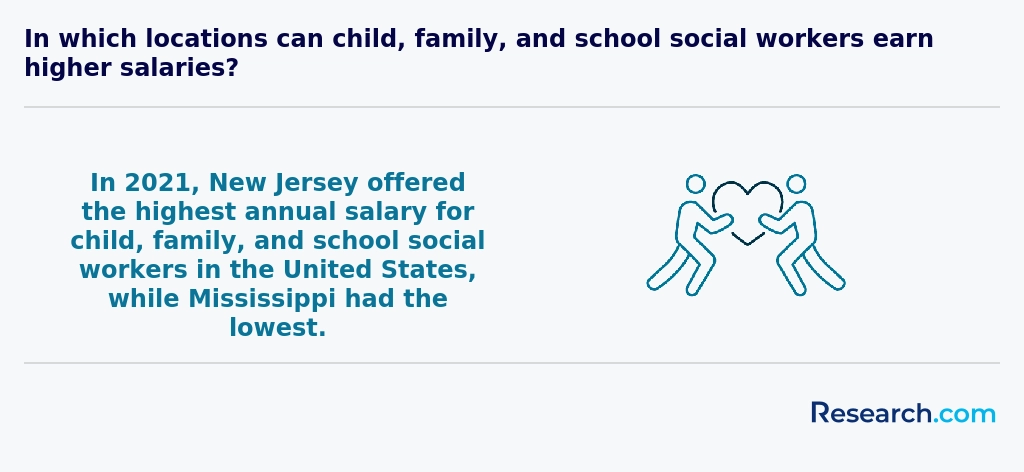
Students pursuing an online human services degree in Georgia often find financial aid opportunities tailored to lift their educational journey. Many graduates from institutions like Georgia State University and Kennesaw State University share how completing the FAFSA unlocked access to Pell Grants and federal student loans, easing the burden of tuition costs that can range between $7,000 and $15,000 annually. These funds create a solid foundation, allowing students to focus on their studies without overwhelming financial stress.
Georgia's HOPE Scholarship and HOPE Grant programs stand out as powerful state-sponsored options, helping countless students afford their tuition at public and private colleges. Graduates recall the relief of receiving HOPE funding, which often covers significant portions of their programs, making online education more achievable than ever before.
Beyond federal and state aid, many universities provide scholarships recognizing academic excellence and dedication to human services. Employers in healthcare and social services often support continuing education through tuition assistance, empowering students to grow professionally while studying. Military benefits such as the GI Bill further open doors for veterans and active-duty members aiming to make a difference in their communities through human services.
To begin your journey toward an online human services degree in Georgia, you'll need a high school diploma or GED-this foundational step opens the door to making a real difference in your community. Many graduates from institutions like Kennesaw State University and Georgia State University recall how submitting transcripts and sharing a heartfelt personal statement helped admissions teams see their passion for helping others.
Demonstrating academic readiness is also key. While some schools may still ask for SAT or ACT scores, others recognize your dedication through placement exams or alternative proof of skills, easing your path to enrollment.
Think of the application as your chance to highlight relevant work or volunteer experience, showing you're prepared to support vulnerable populations. Students often find that providing a resume and reflecting on their motivations brings clarity and confidence to the process.
Technology access matters too. Having a reliable computer and stable internet lets you engage fully with classes and connect with peers, just like many successful online learners across Georgia's programs.
Some programs also require background checks or immunization records, ensuring safety for both you and the people you will serve during internships or fieldwork. These steps are designed to support your growth and protect communities, making your education safe and meaningful.
Online human services degree programs in Georgia empower students with courses designed to build both knowledge and compassion. Graduates from well-known institutions like Kennesaw State University and Columbus State University often highlight how foundational classes such as Introduction to Human Services provide a meaningful overview of ethical practices, inspiring them to make a real difference.
Courses like Case Management and Counseling Techniques equip students with hands-on strategies to support individuals through challenging times, while Psychology and Human Behavior open doors to understanding the diverse needs of people faced with various life circumstances.
Many students share how Social Welfare Policy classes connected them deeply with Georgia's community resources, allowing them to navigate and influence state programs effectively. Classes on Cultural Diversity and Sensitivity prepare future professionals to embrace and serve Georgia's richly varied populations with empathy and respect.
This practical and heartfelt approach is strengthened by Learning Research Methods and Statistics, giving students the tools to measure the impact of their work and continuously improve outcomes for those they serve.
Students pursuing an online human services degree in Georgia enjoy a variety of specializations that reflect the state's unique community needs and career opportunities. Popular concentrations include substance abuse counseling, where graduates feel empowered supporting individuals on their journey to recovery, and gerontology, which inspires compassion for Georgia's growing aging population. Many students also choose child and family services, gaining skills to help vulnerable families thrive amid challenges.
At respected institutions across Georgia, graduates share how the mental health services track opened doors to impactful roles in hospitals and nonprofits, fostering hope and resilience. Others find purpose in community development and outreach, learning how to lead social change initiatives in underserved local areas. These Georgia accredited human services concentration options provide tailored education to meet real-world demands, helping students build fulfilling careers that truly make a difference.
For those ready to dive deeper, exploring a human services master's online offers even more specialized paths to leadership and advocacy, expanding professional horizons in the Peach State and beyond.
Choosing the best online human services degree in Georgia means focusing on programs that offer real flexibility and solid accreditation. Graduates from well-known Georgia colleges often share how asynchronous classes empowered them to balance careers, family, and education seamlessly. Many find that schools offering hybrid options create a perfect blend of online convenience with valuable in-person connection.
Affordability matters deeply, too. With institutions varying widely in cost, looking into financial aid or employer tuition reimbursement can transform your investment. For guidance on navigating expenses, review data about the cost of a social service degree. Students appreciate knowing what fits their unique budget while maintaining quality education standards.
Graduates frequently highlight how curriculum that includes hands-on practicum and courses tailored to Georgia's social work and community resources helped them thrive in local job markets. By choosing affordable human services programs Georgia offers with strong support services, you set yourself up for success and fulfillment in an empowering human services career.
Graduates with an online human services degree in Georgia can step into a wide array of fulfilling careers dedicated to improving lives and strengthening communities. Many find rewarding roles such as Case Manager, Social Service Specialist, or Community Outreach Coordinator in diverse settings from nonprofits to healthcare systems. Students from popular Georgia institutions often share how their education empowered them to be compassionate counselors or behavioral health technicians, directly impacting individuals and families in need.
Career opportunities with human services degree Georgia programs unlock paths in youth services, substance abuse counseling, and advocacy, enriching communities across the state. These graduates describe the pride felt when supporting vulnerable populations and driving meaningful change within local agencies or school systems. For those inspired by helping others, the field offers steady employment complemented by the chance to grow professionally.
For anyone seeking the highest paying jobs with a human services degree, exploring programs at Georgia colleges is a powerful first step. Students appreciate the flexibility of online learning combined with practical experiences that prepare them to thrive in this caring profession.
Discover more about the highest paying jobs with a human services degree to guide your path forward.
The job market for online human services degree jobs Georgia offers is promising and dynamic, with graduates finding meaningful work across a variety of sectors. Many students from well-known universities and colleges in Georgia have successfully transitioned into roles at mental health centers, child welfare agencies, and nonprofit organizations. These positions allow graduates to make a tangible difference in their communities, helping vulnerable populations overcome challenges.
Human services career opportunities in Georgia continue to expand due to the state's population growth and increasing social service demands. Graduates often share how their flexible online degrees enabled them to balance study with personal commitments while preparing them for rewarding roles in healthcare and community outreach.
For those looking to deepen their expertise or explore new paths, there are varied options to enhance skills and credentials. Exploring career options for an ms in human services can open doors to advanced positions and higher salaries, inspiring hope for a fulfilling professional journey.
2027 Most Valuable Online Human Services Degree Programs Ranking in Georgia
Investing in your education is a significant decision that can shape your future, and the Research.com team understands the importance of making informed choices. To assist prospective students in Georgia, we have meticulously developed the "2027 Most Valuable Online Human Services Degree Programs Ranking in Georgia." Our commitment to quality, credibility, and accuracy is reflected in the extensive research and thorough analysis undertaken to compile this ranking.
We utilized the following reputable data sources to ensure a comprehensive evaluation of programs:
By exploring this ranking, readers will gain valuable insights into the most valuable online human services degree programs in Georgia, enabling them to make confident and informed educational decisions. For more details on our methodology, please visit our Research.com methodology page.


Frequently Asked Questions About human services
Online human services degree students in Georgia can maximize their learning by actively engaging with faculty and peers through virtual office hours and discussion boards. Building connections helps clarify complex topics and expand professional networks. Additionally, students should seek out internships or practicum opportunities within Georgia's extensive social service agencies, which enhance real-world skills and improve job prospects.
Time management is crucial when balancing online coursework with personal responsibilities. Utilizing tools such as academic calendars and reminder apps can support consistent study habits.
According to the Georgia Department of Human Services, roles in this sector are expected to grow by 12% through 2030, emphasizing the importance of practical experience alongside academic learning.
The human services field in Georgia is expanding into several emerging niches that reflect current social and technological trends. One key area is gerontology, focusing on aging populations. With Georgia's senior population growing rapidly, workforce demand in this niche is expected to increase by over 20% through 2030, according to the Georgia Department of Labor.
Another niche gaining attention is digital mental health services. Online counseling and telehealth support have grown sharply since 2020, driven by improved access to technology and a greater focus on mental wellness.
Additionally, substance abuse counseling tailored for opioid and stimulant recovery represents another critical area, responding to ongoing public health challenges in the state.
These focused specialties highlight increasing career opportunities for those pursuing online human services degrees in Georgia.
After earning an online human services degree in Georgia, preparing for the job market involves strategic steps. First, gaining practical experience through internships or volunteer work is essential. Many Georgia agencies, like the Georgia Department of Human Services, offer such opportunities to build relevant skills.
Networking is also important; joining professional organizations such as the Georgia Association of Community Service Boards can connect graduates with local employers. Additionally, obtaining certification, like the Certified Human Services Practitioner (CHSP), can enhance job prospects.
According to the Georgia Department of Labor, employment in human services is expected to grow by 7% through 2031, indicating steady demand.
Employers in Georgia seek specific skills from graduates holding online human services degrees. Strong communication abilities are essential, enabling professionals to effectively engage with diverse populations. According to the Georgia Department of Labor, interpersonal skills rank highly, as workers often collaborate with clients facing complex social challenges.
Critical thinking and problem-solving skills are also vital. Graduates must assess client needs and develop appropriate support plans, a demand underscored by local human service agencies. Additionally, cultural competence is increasingly important in Georgia's diverse communities.
Organizational skills and proficiency in case management software are frequently requested by employers, reflecting the profession's administrative aspects. Finally, knowledge of ethical standards in human services consistently appears in job listings statewide.
Finding internships in Georgia relevant to a human services degree requires proactive research and networking. Many universities offering online human services programs have dedicated career centers that connect students with internship opportunities, often in collaboration with local nonprofits and government agencies. The Georgia Department of Human Services is a notable resource, providing internships in social services and public welfare sectors. Additionally, platforms like the Georgia Career Information System can be useful for locating internships across the state.
Students should also consider contacting local organizations such as Family Connection or United Way of Greater Atlanta, which frequently seek interns. According to data from the Georgia Workforce Development Office, human services internships increase job placement rates by up to 30%, highlighting their value. Leveraging these resources improves hands-on experience and career prospects.
Obtaining an online human services degree in Georgia can notably enhance career mobility and advancement. Many employers in the state, including social service agencies and nonprofit organizations, recognize accredited online degrees as valid credentials for higher-level positions. According to the Georgia Department of Labor, employment in community and social service occupations is projected to grow by 14% through 2030, which increases opportunities for degree holders.
Graduates with an online human services degree often qualify for supervisory roles or specialized positions such as case management or program coordination. Increasingly, advanced education is becoming a requirement for promotion in Georgia's human services sector.
Additionally, online programs offer flexible learning, allowing working professionals to upskill without interrupting their careers, aiding continuous employment and smoother transitions to advanced roles.
Studying for a human services degree online in Georgia equips students with interdisciplinary skills essential for diverse roles in healthcare, social work, and community services. Programs emphasize collaboration across fields such as psychology, public health, and social policy, reflecting the integrated nature of local service delivery.
Courses often address Georgia-specific challenges, including rural healthcare access and the state's demographic diversity, preparing graduates to work effectively within varied populations. According to the Georgia Department of Human Services, interdisciplinary training improves service coordination and outcomes in mental health and family support sectors.
Online formats in Georgia also enable flexible study while fostering engagement with professionals from multiple disciplines, enhancing real-world problem-solving and communication skills crucial for interdisciplinary careers.
When choosing between a thesis and a non-thesis online human services degree program in Georgia, consider your career goals and learning preferences. Thesis programs require original research and a formal paper, which suits students aiming for advanced study or roles in research and policy development. Non-thesis options focus more on practical skills and applied knowledge, ideal for those entering the workforce quickly.
The Georgia Board of Human Services notes that professionals with research experience often have an edge in program development roles. Also, consider that thesis programs may take longer to complete, affecting your timeline and budget.
Review specific program requirements at accredited institutions offering human services degrees in Georgia, such as Georgia State University and Kennesaw State University, to ensure alignment with your goals and professional licensure standards.
Students based in Georgia interested in studying human services abroad have limited options through traditional degree programs, as most US-accredited human services degrees are offered domestically. However, some universities in Georgia provide online study-abroad opportunities or partnerships with international institutions, allowing coursework or internships overseas while completing the degree online.
According to the Georgia Board of Regents, nearly 30% of state university students engage in study-abroad programs, but these rarely focus explicitly on human services. Prospective students should explore exchange programs or virtual collaborations to gain international perspectives.
Online human services degrees typically emphasize local licensure requirements, so students must ensure foreign coursework aligns with Georgia's credentialing. Professional organizations like the National Organization for Human Services do not currently certify international degree programs for US practice.
In Georgia, part-time job opportunities that complement an online human services degree often include roles such as case aides, community outreach workers, and crisis hotline volunteers. These positions provide valuable practical experience while studying. According to the Georgia Department of Labor, employment for community and social service occupations is projected to grow by 13% through 2030, signifying strong demand.
Many students find internships or part-time work in nonprofit organizations, social service agencies, or healthcare facilities across Georgia. These roles develop skills in client communication, resource coordination, and crisis intervention. Gaining hands-on experience benefits students wishing to specialize in substance abuse counseling, mental health services, or child welfare.
Online human services students in Georgia have several networking opportunities despite studying remotely. Many Georgia universities offering online programs include virtual career fairs and alumni networking events to connect students with professionals in the field. Organizations such as the Georgia Human Services Association (GHSA) provide local conferences, workshops, and online discussion forums specifically tailored to human services professionals.
Students can also access internships and fieldwork placements through partnerships schools maintain with state agencies, nonprofits, and healthcare providers. This hands-on experience helps build practical contacts in Georgia's growing human services sector, which employed over 87,000 people in 2023 (Bureau of Labor Statistics).
Social media groups and LinkedIn communities focused on Georgia's human services professionals additionally support peer-to-peer connections and career growth.
Alumni networks provide significant benefits to online human services degree students in Georgia by offering valuable professional connections. Graduates from Georgia institutions join active groups that facilitate mentorship and career guidance. According to the National Association of Social Workers Georgia Chapter, networking increases employment opportunities in Georgia's competitive social services sector by up to 40%.
These networks also enable students to access job openings often unadvertised publicly, enhancing their chances of placement. Many alumni groups host webinars, workshops, and conferences relevant to human services, supporting continuous learning and certification maintenance.
Furthermore, strong alumni ties create a sense of community, which is essential for remote learners navigating online programs in Georgia.
In Georgia, customizing an online human services degree program to fit your career goals often involves selecting specialized electives or concentrations. Many accredited institutions offer tracks such as addiction counseling, gerontology, or social work foundations. This flexibility helps target specific populations or service areas relevant to Georgia's community needs.
Additionally, programs may allow for internships or practicum opportunities at local agencies, providing hands-on experience tailored to your interests. The Georgia Department of Human Services emphasizes practical skills, which can be enhanced through these options.
Advisors also play a key role in helping students map coursework to their intended career paths. Utilizing available academic resources ensures that your degree aligns with professional requirements in Georgia's human services field.
Online human services students in Georgia often face challenges balancing coursework with work and family responsibilities. According to the Georgia Student Finance Commission, many adult learners enroll part-time, which can extend degree completion times and increase stress.
Another common issue is access to reliable technology and internet service, especially in rural areas of Georgia. The Federal Communications Commission reports that roughly 17% of Georgians lack high-speed internet access, hindering online participation and research.
Additionally, students may struggle with limited hands-on experience, which is vital for careers in human services. Finding suitable internships or field placements through online programs can be difficult, impacting practical skill development.
With an online human services degree in Georgia, graduates have access to several professional certifications that can enhance their career prospects. One common credential is the Certified Human Services Professional (CHSP), offered by the National Organization for Human Services. This certification demonstrates expertise and commitment to the field.
Additionally, graduates may pursue the Certified Addiction Counselor (CAC) credential, which is valuable given Georgia's focus on addressing substance abuse challenges. The Georgia Composite Board of Professional Counselors, Social Workers, and Marriage and Family Therapists administers licenses related to counseling roles that align well with a human services background.
Other certifications like the Certified Case Manager (CCM) or certification as a Mental Health Rehabilitation Specialist (MHRS) are also relevant and respected in Georgia's social service sector. These credentials can help professionals qualify for roles in community agencies, healthcare, and social work settings.
Writing a winning application for an online human services program in Georgia requires careful preparation and awareness of state-specific factors. Start by highlighting your relevant experience in community support or social services, which boosts your credibility. Georgia's workforce demands professionals skilled in addressing diverse populations, so emphasize any multicultural or bilingual abilities.
Include clear academic goals and explain how the program aligns with your career plans. Admissions committees often value applicants who demonstrate understanding of human services' challenges in Georgia, such as working with underserved rural areas. According to the Georgia Department of Labor, human services roles are projected to grow by 10% through 2028, indicating steady demand.
Lastly, ensure all materials follow the application instructions precisely, and consider requesting recommendations from professionals familiar with Georgia's social service environment.
A career in human services holds significant value both locally and globally, emphasizing support for vulnerable populations and community well-being. In the United States, including Georgia, human services professions focus on areas like mental health, substance abuse, and social welfare. Globally, this field shares similar goals but is shaped by varying cultural, economic, and political factors. According to the US Bureau of Labor Statistics, human service occupations are projected to grow 16% nationally from 2021 to 2031, faster than average for all careers.
In Georgia, organizations such as the Georgia Department of Behavioral Health and Developmental Disabilities highlight the critical need for qualified professionals to address diverse community needs.
Global perspectives encourage adaptability and cultural competence, essential skills fostered by many online human services degree programs available to Georgia students. These programs prepare graduates to work effectively both within local communities and in international humanitarian contexts.
Gaining practical experience while pursuing an online human services degree in Georgia is essential for career readiness. Many programs require students to complete internships or practicums, often coordinated with local agencies such as the Georgia Department of Human Services or nonprofit organizations. These placements provide hands-on training in real-world settings.
Georgia's growing focus on community welfare offers diverse opportunities in mental health, social work, and substance abuse counseling. Students can benefit from partnerships between universities and regional service providers.
Statistics from the Georgia Board of Human Services show that over 70% of students who complete internships secure employment within six months of graduation, highlighting the importance of practical experience.
Choosing the right concentration within an online human services degree program in Georgia starts with understanding your career goals. Human services fields are diverse, including areas like addiction counseling, social work, and community outreach. According to the Georgia Department of Labor, specializations related to behavioral health and social work are among the fastest-growing jobs in the state, reflecting a demand for qualified professionals.
Next, consider accredited programs that offer concentrations aligned with Georgia's licensing requirements. For example, if pursuing a Licensed Clinical Social Worker path, a concentration in social work or counseling is essential. Reviewing course content and opportunities for practical experience can also help ensure the program meets your professional needs.
- 2027 Most Valuable Online Human Services Degree Programs Ranking in Florida
- 2027 Most Valuable Online Human Services Degree Programs Ranking in Alabama
- 2027 Most Valuable Online Human Services Degree Programs Ranking in Kentucky
- 2027 Most Valuable Online Human Services Degree Programs Ranking in Virginia
- 2027 Most Valuable Online Human Services Degree Programs Ranking in Arkansas
- 2027 Most Valuable Online Human Services Degree Programs Ranking in Missouri
- 2027 Most Valuable Online Human Services Degree Programs Ranking in Ohio
- 2027 Most Valuable Online Human Services Degree Programs Ranking in Illinois
- 2027 Most Valuable Online Human Services Degree Programs Ranking in Pennsylvania
- 2027 Most Valuable Online Human Services Degree Programs Ranking in Texas
- Bachelor's in human services degrees https://www.edx.org/bachelors/human-services
- Bachelor of Science in Human Services https://www.shorter.edu/social-sciences/bachelor-of-science-in-human-services-2/
- Human Services, ASHS https://catalog.highlands.edu/degree-programs/career-degree-programs/human-services-as/
- Human Services https://sites.highlands.edu/human-services/
- Bachelor's Degree - Human Services - Online https://www.monroeu.edu/academics/undergraduate-programs/school-criminal-justice/online-bachelors-degree-human-services
- BS Human Services - College of Professional Advancement https://professionaladvancement.mercer.edu/academic-programs/undergraduate/human-services/
- 2026 Most Affordable Online Human Services Degrees https://www.onlineu.com/most-affordable-colleges/human-services-degrees
- Online Bachelor of Science in Human Services https://georgiaonmyline.org/degree-program/gordon-state-college/bachelor-of-science-in-human-services
- Careers with a Degree in Human Services - MHA Online https://www.mhaonline.com/faq/careers-with-degree-in-human-services
- Top Career Opportunities After a Human Services Program https://columbia.ca/career-options-after-a-course-in-human-services/