2027 Most Valuable Online Human Services Degree Programs Ranking in Kansas

Co-Founder and Chief Data Scientist
Choosing the right human services degree program can shape your future in meaningful ways. For students in Kansas, this article introduces the 2027 Most Valuable Online Human Services Degree Programs Ranking in Kansas, developed by the Research.com team of data scientists.
It offers clear insights to help you find programs that truly meet your goals. Exploring these options can open doors to rewarding careers where you make a difference in people's lives.
By reading this article, you'll feel more confident in making an informed decision about your education and career path.
Key benefits of getting online human services degree in Kansas
- Human services graduates in Kansas can expect a starting salary around $35,000 to $45,000 annually, with opportunities to grow in roles like case managers and social service specialists.
- Graduates often find diverse career paths such as community outreach, counseling, or nonprofit management, inspired by examples from universities like the University of Kansas.
- Completing a human services degree online offers flexibility and convenience, allowing students to balance work and family while studying, as demonstrated by online graduates from Kansas State University.
- 2027 Most Valuable Online Human Services Degree Programs Ranking in Kansas
- What can I expect from online human services degree in Kansas?
- Where can I work with online human services degree in Kansas?
What can I expect from online human services degree in Kansas?
The average cost of an online human services degree in Kansas often surprises many prospective students. While practicality suggests budgeting for tens of thousands of dollars, graduates from institutions like Wichita State University or Fort Hays State University frequently describe their investment as manageable, averaging between $10,000 and $25,000 for the entire program when factoring in in-state tuition and fees. This range reflects a balance between quality education and affordability, a common theme among Kansas schools known for accessible online offerings.
Students often reflect on the value beyond tuition-flexible course schedules that allow working adults to maintain paychecks, plus real-world practicum opportunities embedded in local community agencies. These experiences transform abstract lessons about counseling and case management into compelling stories of personal growth and meaningful impact for vulnerable Kansans. Such accounts reveal the emotional depth behind a degree's price tag, making cost considerations part of a larger narrative about professional calling and community service.
Where can I work with online human services degree in Kansas?
Graduates with an online human services degree in Kansas often discover employment opportunities that challenge traditional expectations about where social impact work happens. Many find fulfilling careers within child and family services, working firsthand with vulnerable populations-whether coordinating resources for children in foster care or supporting families navigating crises. For instance, alumni from universities like Wichita State describe the deep satisfaction of directly uplifting their local communities through these roles.
Others gravitate toward healthcare settings, such as hospitals or community health centers, where they guide patients through complex systems or assist with chronic illness management. Graduates from Fort Hays State often remark on the meaningful connections they build in both sprawling urban areas and underserved rural counties.
Mental health agencies and nonprofits also emerge as vibrant pathways, where human services professionals collaborate closely with counselors to address substance abuse and homelessness. Those trained at Newman University express pride in helping individuals reclaim hope and stability.
Finally, government roles in outreach and community development offer graduates chances to influence policy and expand vital support networks. The diverse career landscape in Kansas reflects a profound truth: human services careers are as much about personal resilience and empathy as they are about professional skill.
Graduates with an online human services degree in Kansas often begin their careers as social and human service assistants, earning around $36,500 annually. A graduate from a well-regarded institution like the University of Kansas or Washburn University might recognize this as a starting point that reflects hands-on entry-level work supporting communities. This figure challenges the notion that human services roles offer limited financial reward-many find pride and motivation in the meaningful impact they make.
For those who broaden their expertise and gain experience, the financial outlook brightens. Roles such as community service managers or mental health counselors can reach mean wages near $62,000 in Kansas. Graduates often describe the satisfaction of moving into these positions, blending leadership with direct service in agencies they respect across the state.
Specialized roles like licensed social workers or substance abuse counselors typically earn between $45,000 and $55,000. These figures underscore that investing in advanced certifications or graduate education pays off, opening doors to stable, well-compensated careers that resonate personally and professionally within Kansas's evolving human services landscape.
- Tuition for online human services degrees in Kansas ranges from $6,000 to $15,000 annually, with public institutions generally more affordable than private ones.
- Kansas expects around 2,000 annual job openings in human services roles like social service assistants and behavioral health counselors.
- Starting salaries for graduates typically range from $32,000 to $40,000 per year, increasing to $45,000-$55,000 mid-career and potentially exceeding $60,000 with advanced roles or degrees.
- Many programs offer flexible, asynchronous coursework to accommodate working professionals.
- Select programs have regional accreditation and some have specialized accreditation from the Council for Standards in Human Service Education (CSHSE).
- Licensure may be required for certain careers like substance abuse counseling or social work, though many entry-level jobs do not require it.
Completing an online human services degree in Kansas is often seen as a fixed timeline, yet the reality is much more flexible. Graduates from popular regional universities describe their journeys as highly personal-some finishing an associate degree in about two years, while others extend their bachelor's studies closer to four years due to life's demands, like balancing work or family. This variability challenges the notion that education must be rushed or uniform.
Many students appreciate the ability to tailor their pace, whether by reducing course loads or leveraging transfer credits-a common pathway at Kansas public universities known for accommodating diverse learners. For instance, a graduate from a well-regarded state institution recalls stretching their bachelor's degree over six years, feeling empowered rather than rushed, enabling them to excel both academically and personally.
Master's level candidates often experience a similar sense of control, with programs spanning two to four years depending on full- or part-time study. This reflects a broader trend in Kansas: education as a flexible, living process rather than a rigid timeline, reinforcing that the true value lies in meaningful mastery over mere speed.
Graduates from popular Kansas institutions, whether earning their human services degrees online or on-campus, often describe distinct yet equally valuable experiences. Online students from universities like Wichita State relish the freedom to balance family and work while progressing through coursework at their own pace, appreciating that flexibility as a lifeline rather than a compromise. Conversely, those attending on-campus programs at institutions such as the University of Kansas emphasize the energizing atmosphere of face-to-face interactions, where hallway conversations with professors and peers ignite deeper engagement.
Cost-wise, many online learners highlight modest savings-sometimes 10% to 20% less-due to reduced facility fees, though they remain mindful of technology expenses or occasional travel. Fieldwork and internships, essential for hands-on practice, are seamlessly coordinated within local communities across Kansas, ensuring both online and on-campus students connect meaningfully with real-world agencies. This practical immersion, whether sparked in a virtual classroom or a campus office, shapes competent, confident human services professionals ready to serve diverse populations.
The average cost of an online human services degree in Kansas typically centers around a median total of $15,444, reflecting a balance between affordability and quality. For many students enrolled at public institutions like Wichita State University or the University of Kansas, these costs can feel manageable, especially when weighed against the potential return on investment their degrees promise.
Graduates often share how their programs combined accessibility with an engaging curriculum, allowing them to work while studying without the heavy financial strain often associated with private colleges. This affordability aligns closely with what many seek in affordable human services degree programs Kansas offers, where state universities provide competitive tuition compared to pricier private options.
The financial journey of obtaining this degree, however, extends beyond tuition alone. Additional fees for technology and course materials can surprise students unprepared for these extra expenses. Yet, many find these manageable compared to on-campus costs such as commuting and housing, underscoring the unique value in pursuing an online format.
Prospective students in Kansas should also explore how scholarships or employer tuition assistance can further reduce out-of-pocket expenses. For those aiming to find the most cost-effective path, reviewing a list of the most affordable human services online program options available nationally may illuminate unexpected opportunities. Exploring these through affordable human services online program resources can be a transformative step toward realizing an accessible education.
Financial aid for online human services students in Kansas often goes beyond what many expect. Graduates from institutions like Wichita State University and Fort Hays State University frequently share how federal Pell Grants, offering up to $7,395 annually, lifted a significant burden. These grants, available through FAFSA, don't require repayment and directly reduce financial stress, allowing students to focus on their studies instead of juggling multiple jobs.
State-specific aid, such as the Kansas Comprehensive Grant, enhances this support by targeting those with demonstrated financial need. Graduates often recall how these funds, combined with institutional scholarships tailored for online learners, made their educational journey feasible without overwhelming debt.
Additionally, working students benefit from employer tuition reimbursement programs. Imagine balancing a full-time job while knowing part of your tuition is covered - this reality is common among Kansas human services students striving to advance their careers without sacrificing income.
These varied aid sources create a tangible pathway for Kansans, revealing financial feasibility where uncertainty once existed.
To enroll in an online human services degree program in Kansas, a high school diploma or GED is the fundamental starting point, reflecting a basic but essential academic readiness. Many graduates from institutions like Wichita State University or Johnson County Community College recall how meeting this baseline opened doors to transformative learning experiences that deeply connected academic theory with real-world impact.
Most programs expect a GPA around 2.0 to 2.5, anchoring acceptance on past academic commitment. For example, students transferring from area community colleges often appreciate how their completed general education credits smooth the transition into universities, making the journey toward a bachelor's degree more seamless and accessible.
Some programs nudge students beyond paperwork, requiring background checks or immunization proof before engaging in fieldwork-moments that remind students of the profound human responsibility tied to their studies. These obstacles, rather than barriers, become opportunities to affirm dedication to vulnerable populations, a common sentiment expressed by graduates from Fort Hays State University.
Online human services degree programs in Kansas, such as those offered by Washburn University and Fort Hays State University, immerse students in courses that go beyond theory to engage real Kansas communities. Graduates often recall how Introduction to Human Services opened their eyes to the field's evolving ethics and history, framing their role as advocates in deeply personal ways.
Courses like Psychology and Sociology challenge students to understand behaviors shaped by rural settings and close-knit social dynamics common in Kansas towns. Case Management and Client Advocacy classes simulate real client interactions, sparking a sense of purpose as students learn to navigate complex service systems.
Community Resources and Development are not abstract topics here-they connect learners to actual Kansas nonprofit networks, cultivating a feeling of belonging and empowerment. Counseling Techniques provide tools that many graduates describe as life-changing, especially when helping those grappling with mental health challenges prevalent in the state's rural areas.
Students often express how practicum placements at local agencies spark genuine emotional growth, revealing the meaningful impact of their studies on vulnerable populations across Kansas.
Exploring online human services degree specializations in Kansas reveals a spectrum of focused paths tailored to address real community challenges. Graduates from respected institutions often recount how addiction and substance abuse counseling prepared them to confront Kansas' opioid crisis with empathy and practical strategies. Others find fulfillment through child and family services, supporting vulnerable families navigating foster care or protective agencies. For many, mental health counseling stands out, offering tools to aid clients battling anxiety or depression-an increasingly prevalent need across Kansas towns.
Programs at popular Kansas colleges embrace gerontology, reflecting the state's aging population and its demand for compassionate advocates. Meanwhile, community outreach and case management specializations empower students to bridge gaps in essential services, especially in rural areas where access is limited. These Kansas human services degree online concentration options not only foster professional growth but also inspire graduates with a sense of purpose, as seen in their heartfelt stories from campus discussion boards.
Students seeking to deepen their expertise might explore a master's degree in human services online that builds on these foundational specializations, reinforcing their ability to make meaningful impacts within the state's diverse social landscape.
Choosing the best online human services degree in Kansas means looking beyond flashy rankings and focusing on what truly shapes your future. Graduates from popular Kansas colleges often reflect that accreditation by bodies like the Council for Standards in Human Service Education was crucial-it ensured their education met rigorous standards and eased their path to certification. Affordability is equally critical; many who opted for affordable human services programs Kansas online found balancing tuition costs with life's demands less stressful, allowing them to focus on learning.
Consider practicalities: graduates frequently cite how programs partnering with Kansas agencies opened doors to vital local internships, solidifying their real-world skills. Flexibility in course schedules was another game-changer, especially for those juggling work and family. Delving into curricula reveals whether essential topics like ethics and case management truly prepare you for a demanding field.
Look closely at student support-academic advising and career counseling shaped graduates' success stories. Those who researched job options in social services after graduation felt empowered by their program's community connections, proving that thoughtful choices in Kansas's evolving job market make all the difference.

Graduates with an online human services degree in Kansas discover career paths that challenge stereotypes about typical social work roles. Many find themselves thriving as Social and Human Service Assistants, where the real impact lies in connecting clients to life-changing resources. Others take on roles as Addiction Counselors, using their passion and Kansas-centered training from institutions like the University of Kansas to help individuals battle substance abuse.
Community Outreach Coordinators, especially those emerging from popular programs at Kansas State University, design initiatives that directly address local issues with a heartfelt approach. Case Managers create tailored care plans, frequently inspired by success stories of graduates who navigate Kansas's complex healthcare and child welfare systems. Behavioral Health Technicians provide crucial support in mental health facilities, drawing on real-world experiences that embolden their empathetic care.
For those exploring online human services careers in Kansas, the versatile degree offers more than a job-it creates a platform to transform communities. Many graduates affirm that programs emphasizing hands-on learning empower them to engage meaningfully in leadership roles or continue advancing through specialized certifications. Discover how these pathways unfold at human services careers.
The job market for graduates with an online human services degree in Kansas is more promising than many might expect. Students from popular institutions like the University of Kansas and Wichita State University often share how their degree opened doors to roles in government agencies and nonprofit organizations. These graduates find themselves working on the frontlines of social and community service programs, addressing critical issues like mental health and substance abuse.
Employment outlook for Kansas human services degree employment outlook indicates an 8% growth in positions such as social and community service managers by 2031, matching the national pace. This steady demand reflects real-life scenarios where coordinated care and assistance programs are crucial for an aging population. The median wage near $60,000 adds an encouraging financial dimension for those starting in this field.
Many online human services jobs Kansas graduates appreciate the flexibility their education provides-balancing work, studies, and family-while gaining credentials that matter. For those exploring career advancement, exploring human services masters degree jobs offers insightful pathways beyond the bachelor's level.
2027 Most Valuable Online Human Services Degree Programs Ranking in Kansas
Investing in your education is a significant decision that can profoundly impact your future, and the Research.com team recognizes the importance of making well-informed choices. To support prospective students in Kansas, we have carefully developed the "2027 Most Valuable Online Human Services Degree Programs Ranking." Our dedication to quality, credibility, and accuracy is demonstrated through the rigorous research and analysis underpinning this ranking.
We utilized the following reputable data sources to ensure a comprehensive evaluation of online human services degree programs:
By consulting this ranking, readers will gain valuable insights into the most worthwhile online human services programs in Kansas, empowering them to make confident decisions about their educational paths. For more information on how this ranking was created, please visit our Research.com methodology page.


Frequently Asked Questions About human services
Students pursuing online human services degrees in Kansas can enhance their learning by actively engaging with course materials and participating in virtual discussions. Consistent time management and setting a structured study schedule help balance coursework with other responsibilities.
Utilizing Kansas-based internship opportunities, particularly in organizations serving communities with high needs, can provide practical experience that complements online study. The Kansas Department for Children and Families reports a growing demand for qualified human services professionals, emphasizing real-world application.
Additionally, students should connect with faculty and peers through online platforms to build networks and seek mentorship. Accessing resources like the Kansas Board of Regents' academic advising enhances academic and career planning support.
Emerging niches within the human services field reflect growing social and technological changes. One key area is digital mental health support, which combines traditional counseling with telehealth platforms. This niche is expanding in Kansas, driven by increased internet access and demand for remote services, especially after the COVID-19 pandemic.
Another growing specialty is elder care coordination. With Kansas's aging population rising-projected to increase by 30% by 2030 according to the Kansas Department for Aging and Disability Services-professionals skilled in navigating healthcare, housing, and social services are in high demand.
Finally, human trafficking prevention and victim advocacy are gaining prominence, supported by state and federal funding focused on protecting vulnerable populations.
After earning an online human services degree in Kansas, preparing for the job market involves several key steps. First, it's essential to obtain relevant licensure or certification, such as the Certified Human Services Professional (CHSP), to improve credibility. Networking within local organizations, including the Kansas Association for the Gifted, Talented and Creative, can provide valuable connections.
Internships or volunteer work in Kansas social service agencies enhance practical skills and resume strength. According to the Kansas Department for Children and Families, demand for human services workers is expected to grow by 12% through 2030. Strengthening skills in communication and case management software also increases employability in this evolving field.
Employers in Kansas value a range of skills when hiring graduates with online human services degrees. Strong communication abilities are essential, as professionals often work closely with diverse clients and community partners. Critical thinking and problem-solving skills rank high, enabling workers to assess needs and develop appropriate support plans.
Additionally, cultural competence is increasingly important in Kansas due to the state's growing diversity, which helps professionals engage effectively with people from various backgrounds. Knowledge of state and federal regulations governing social services is also crucial. According to the Kansas Department for Children and Families, understanding legal frameworks improves job readiness and career advancement opportunities.
Finally, empathy and organizational skills are key, aiding in case management and providing compassionate care.
Finding internships in Kansas relevant to a human services degree involves exploring various community organizations and state agencies. Students can start by contacting local human service departments, such as the Kansas Department for Children and Families, which offers internship opportunities in social work and public assistance programs. Additionally, nonprofit agencies focused on mental health, housing, and aging often provide placements.
Many Kansas universities with online human services programs have partnerships with local organizations to facilitate internships. Using resources like Handshake or Kansas State University's Career Center can help locate openings. Networking through professional groups like the Kansas Human Services Association is also recommended.
The Kansas Department of Labor reports steady growth in social and community service jobs, highlighting demand for practical experience through internships.
An online human services degree can significantly enhance career mobility and advancement in Kansas. Graduates gain essential skills in counseling, case management, and community outreach, which are in demand across various social service agencies throughout the state.
According to the Kansas Department for Aging and Disability Services, employment for human services workers is expected to grow by 10% through 2030, outpacing many other sectors. This growth supports opportunities for upward mobility.
Additionally, having a degree often qualifies candidates for supervisory or specialized roles, increasing earning potential. Online programs offer flexibility, enabling working professionals to advance without interrupting their careers.
Credentials earned through regionally accredited Kansas institutions are widely recognized by employers, further facilitating career growth.
Studying for a human services degree in Kansas equips students with skills tailored for interdisciplinary roles across health, education, and social work sectors. Kansas programs emphasize collaboration, integrating coursework in psychology, sociology, and public health to prepare graduates for diverse community needs.
Many Kansas institutions include practical training that involves working with professionals from multiple disciplines, such as counselors, healthcare providers, and social service agencies. This approach aligns with national trends highlighted by the Council for Standards in Human Service Education (CSHSE), ensuring graduates meet employer expectations.
According to the Kansas Department for Aging and Disability Services, there is growing demand for professionals adept at navigating complex social systems, making interdisciplinary preparation crucial.
Choosing between a thesis and a non-thesis human services degree program in Kansas depends on your career goals and learning preferences. Thesis programs emphasize research and are suited for students aiming for advanced studies or roles requiring strong analytical skills.
Non-thesis options focus on practical skills and coursework, ideal for those seeking immediate employment in social work, counseling, or public service fields. According to the Kansas Board of Regents, 65% of human services graduates find roles in community organizations or healthcare settings.
Consider whether you prefer hands-on projects or academic research. Thesis programs typically take longer and demand intensive writing, while non-thesis paths offer more flexibility.
Both formats fulfill state certification requirements for human services professionals in Kansas as outlined by the Kansas Behavioral Sciences Regulatory Board.
Students in Kansas pursuing online human services degrees who wish to study abroad have limited but valuable options. Most U.S. institutions offering online human services programs allow study abroad or international internship opportunities during summer sessions or specific terms. These experiences often focus on cultural competence and global social work. Additionally, Kansas students can explore exchange programs facilitated by their universities, though such options remain rare within human services compared to other fields.
According to the Kansas Board of Regents, students should consult their online program advisors to identify available international components. Scholarships specifically for study abroad in social services may also be accessible through state or university funding. This approach helps Kansas students gain global perspectives while completing accredited online degrees from local institutions.
Students pursuing online human services degrees in Kansas can benefit from various part-time job opportunities that provide relevant experience. Positions such as case aides, residential support staff, and community outreach assistants are common options. These roles often involve assisting social workers, supporting clients in group homes, or helping with local nonprofit programs.
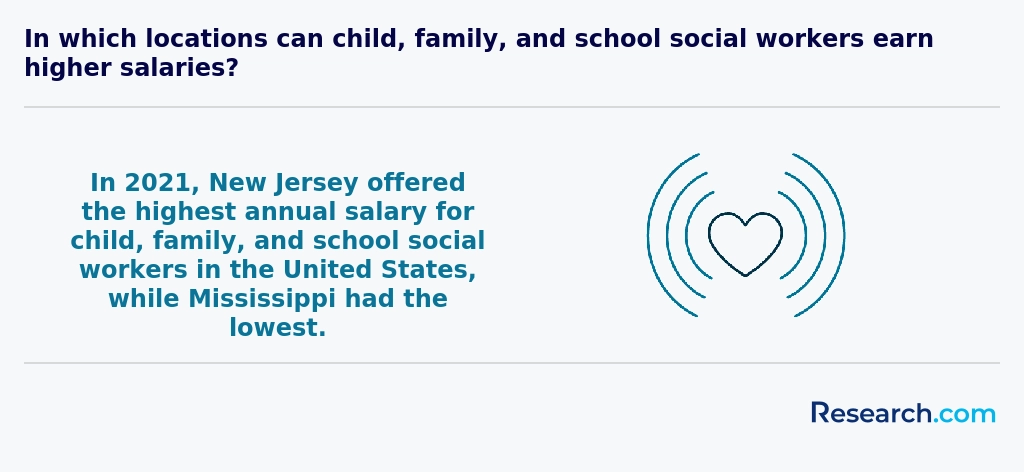
Kansas' Department for Children and Families reports steady demand for support roles in human services, making these positions useful for gaining practical skills. According to the Bureau of Labor Statistics, jobs in child, family, and school social work in Kansas are projected to grow by 7% from 2022 to 2032, indicating expanding opportunities for students to combine work with studies.
Employers typically value candidates with direct experience in vulnerable populations, making part-time work a strategic step toward future full-time careers in human services.
Online human services students in Kansas benefit from various networking opportunities supported by state and regional organizations. The Kansas Chapter of the National Organization for Human Services provides events and workshops where students can connect with professionals in the field. Additionally, many universities offering online programs encourage participation in local internships and practicum placements, fostering direct community engagement.
The Kansas Department for Children and Families collaborates with educational institutions to offer seminars that enhance networking. Online students can also join virtual discussion groups and statewide human services coalitions to build professional relationships. These connections often lead to job opportunities and mentorships within the Kansas human services sector.
Alumni networks play a crucial role for online human services degree students in Kansas by providing valuable connections in a competitive job market. Graduates can access local and statewide professional contacts, which is particularly important given Kansas's growing human services sector. According to the Kansas Department for Children and Families, demand for qualified professionals is increasing, making networking essential for job placement and career growth.
These networks often offer mentorship opportunities, career advice, and job leads. They also create a community where students can share resources and experiences, helping to bridge the gap between online learning and real-world application.
Engaging with an active alumni network can increase employment prospects and support professional development, especially in human services fields where relationships matter. This support system helps students stay informed about state regulations and best practices relevant to Kansas.
Customizing an online human services degree program in Kansas allows students to align their education with specific career goals. Many Kansas institutions offer elective courses and concentrations in areas such as addiction counseling, mental health, or social work. This flexibility helps students target the skills employers seek in local human services agencies.
Kansas labor data from the Department of Labor highlights strong demand for skilled human services professionals in community outreach and case management roles. Choosing courses related to these fields can improve job prospects. Additionally, students may engage in internships or practicum experiences within Kansas nonprofit organizations to gain hands-on knowledge relevant to the state's workforce.
Finally, some programs offer certificate options that complement a degree, helping students specialize further in areas like crisis intervention or gerontology, enhancing career readiness in Kansas's growing social service sectors.
Online human services students in Kansas often face challenges related to balancing coursework with personal and professional responsibilities. Many learners are working adults who juggle jobs and family obligations alongside their studies. According to the Kansas Board of Regents, time management is a top difficulty impacting student retention in online programs.
Additionally, limited access to reliable internet or technology can hinder participation, especially in rural areas where connectivity is inconsistent. The Kansas Department of Education reports that approximately 12% of rural households lack high-speed internet, affecting distance learners.
Students also encounter obstacles in securing quality field placements for practical experience due to fewer local agencies partnering with online programs.
With an online human services degree in Kansas, graduates can pursue several professional certifications to advance their careers. One widely recognized credential is the Certified Human Services Practitioner (CHSP), offered by the National Organization for Human Services (NOHS). This certification validates a foundational knowledge and commitment to the field.
Additionally, many Kansans qualify for the Certified Alcohol and Drug Counselor (CADC) credential, important for those working in substance abuse treatment.
The Kansas Behavioral Sciences Regulatory Board oversees licensure for professionals, including Licensed Specialist Clinical Social Workers (LSCSW), relevant for those with advanced human services education.
Professional certifications enhance employment opportunities in Kansas's growing care and social assistance sector, which employs over 50,000 people per 2023 Bureau of Labor Statistics data.
To write a winning application for an online human services program in Kansas, begin with a clear statement of purpose. Highlight your passion for helping others and your understanding of social service challenges in Kansas. Emphasize relevant experiences, such as volunteer work or employment in local agencies.
Provide strong letters of recommendation from supervisors or professors familiar with your dedication and skills. Kansas employers often value practical experience alongside academic achievement.
Ensure your academic records demonstrate competency in communication and social sciences. According to the Kansas Department for Children and Families, graduates trained locally often fill critical workforce gaps.
Lastly, tailor your application to each school's mission and program specifics to stand out.
The field of human services is increasingly recognized worldwide for its role in supporting vulnerable populations and improving community well-being. In the United States, including Kansas, human services professionals work within a framework influenced by global standards of social work, psychology, and public health.
Internationally, human services careers emphasize cultural competence and adaptability to diverse populations. This global perspective aligns with Kansas's growing multicultural communities, especially in urban areas like Wichita and Overland Park.
According to the Kansas Department for Children and Families, demand for qualified human services workers is expected to grow by 8% through 2030. This trend reflects a broader global understanding of the importance of trained professionals to address social challenges effectively.
Educational programs in Kansas are integrating these global viewpoints by focusing on ethics, social justice, and community advocacy to prepare students for a dynamic career that meets both local and international standards.
Gaining practical experience while pursuing an online human services degree in Kansas is crucial for career readiness. Many accredited programs encourage or require internships with local agencies. Students often partner with Kansas organizations like community mental health centers, social service offices, or nonprofit groups.
These internships provide hands-on exposure to case management, counseling, and resource coordination. According to the Kansas Department for Children and Families, placements in family support and behavioral health services are common for students.
Online students should seek programs that offer flexible internship options to fit remote schedules while meeting state requirements. This practical training bridges academic knowledge with real-world skills, enhancing employability in Kansas's growing human services sector.
Choosing the right concentration within an online human services degree program in Kansas involves aligning your interests with regional workforce demands. Kansas reports steady growth in social and community service occupations, projected to increase by 8% through 2030 according to the U.S. Bureau of Labor Statistics. Concentrations such as substance abuse counseling, mental health, or youth services match well with local needs.
Consider your career goals: some tracks prepare students for licensing or certification, essential in Kansas for roles like licensed social workers or counselors. Investigate program curriculums to ensure they meet state credentialing requirements.
Additionally, check whether the online program offers local practicum or internship opportunities, important for gaining hands-on experience and employment connections in Kansas communities.
- 2027 Most Valuable Online Human Services Degree Programs Ranking in Missouri
- 2027 Most Valuable Online Human Services Degree Programs Ranking in Colorado
- 2027 Most Valuable Online Human Services Degree Programs Ranking in Iowa
- 2027 Most Valuable Online Human Services Degree Programs Ranking in Arkansas
- 2027 Most Valuable Online Human Services Degree Programs Ranking in Texas
- 2027 Most Valuable Online Human Services Degree Programs Ranking in Minnesota
- 2027 Most Valuable Online Human Services Degree Programs Ranking in Illinois
- 2027 Most Valuable Online Human Services Degree Programs Ranking in Alabama
- 2027 Most Valuable Online Human Services Degree Programs Ranking in North Dakota
- 2027 Most Valuable Online Human Services Degree Programs Ranking in Kentucky
- 6 Challenges of the Human Services Worker | Relias https://www.relias.com/blog/6-challenges-of-the-human-services-worker
- 10 Effective Ways to Build Networking Skills in Community Services https://tsa.edu.au/ways-to-build-networking-skills-in-community-services/
- Human Service Week - List of ideas for topics for student groups https://www.human-service-week.org/past-human-service-weeks/human-service-week-2024/list-of-ideas-for-topics-for-student-groups
- How to Maximize the Impact of Alumni Networks https://www.careeros.com/resources/how-to-maximize-the-impact-of-alumni-networks
- Home https://www.nationalhumanservices.org/
- Is a thesis always mandatory in a master's degree program? - EFMU: The Euler-Franeker Memorial University and Institute https://euler.euclid.int/is-a-thesis-always-mandatory-in-masters-degree-program/
- 4 Human Services Careers https://www.albany.edu/education/communications/human-services-careers
- Family & Human Services degree | Washburn University https://www.washburn.edu/academics/college-schools/applied-studies/departments/human-services/bas-hs-ip.html
- How to Overcome the Top Challenges Social Workers Face https://www.pacificoaks.edu/voices/social-work/social-work-challenges/
- Health and Human Services Career Guide https://www.ultimatemedical.edu/blog/hhs-guide/