2027 Fastest Online Human Services Degree Programs Ranking in the South

Co-Founder and Chief Data Scientist
Choosing the right online human services degree can shape your future in meaningful ways. For students in the South, finding programs that combine quality, speed, and flexibility is essential to reaching your goals efficiently.
This article introduces the 2027 Fastest Online Human Services Degree Programs Ranking in the South, created by the Research.com team of data scientists. It offers clear, trustworthy insights to help you discover which programs stand out for their speed and value.
Exploring this ranking will empower you to make an informed decision and take confident steps toward a rewarding career in human services.
Key benefits of getting online human services degree in the South
- Human services degree graduates in the South can expect salaries that generally align with national averages, typically ranging from $30,000 to $50,000 annually in entry-level roles, offering a stable income to start a meaningful career.
- Graduates from popular Southern universities often pursue careers as case managers, social workers, or community outreach coordinators, enjoying diverse job opportunities that make a real difference in people's lives.
- Completing a human services degree online from well-known Southern schools offers flexibility to balance work, family, and education, empowering students to earn their degree without disrupting their daily routines.
- 2027 Fastest Online Human Services Degree Programs Ranking in the South
- What can I expect from online human services degree in the South?
- Where can I work with online human services degree in the South?
What can I expect from online human services degree in the South?
When diving into an online human services degree in the South, you'll find the average cost hovers around $10,000 to $20,000 per year at popular universities such as those in Texas and Florida. Graduates often recall the mix of excitement and relief as they balanced affordable tuition with flexible schedules, making higher education feel like an achievable adventure rather than a daunting mountain.
For many, these programs offer not only a wallet-friendly path but also the chance to engage in real-world experiences close to home, like virtual internships or community-based practicum placements tailored to Southern populations. Imagine studying ethics and case management while connecting with local agencies, all without giving up a day job or uprooting your life.
Students appreciate that Southern colleges maintain strong regional accreditation, which enhances career prospects and provides peace of mind that their investment supports a quality education. This balance of cost, convenience, and hands-on learning often sparks a deep sense of purpose and readiness to serve communities facing pressing challenges right where they live.
Where can I work with online human services degree in the South?
Graduates from online human services programs in the South often find themselves stepping into dynamic roles across vibrant communities. Imagine working as a case manager in a bustling social service agency in Atlanta, where every day offers new chances to make a real difference for children and families facing challenges. Those earning their degrees through universities like the University of North Carolina or Texas A&M often share stories of landing outreach coordinator positions, guiding individuals toward stability and hope.
Others discover rewarding careers in healthcare settings-perhaps becoming patient advocates in Florida's expanding hospitals, where empathy truly meets action. Educational institutions also beckon, with graduates helping students overcome social barriers as counselors or program administrators at community colleges across Georgia or Louisiana.
For those drawn to nonprofits, opportunities abound in Southern cities like Charlotte, where addressing issues such as addiction or mental health fosters a profound sense of purpose. Even government agencies join this thrilling journey, hiring talent passionate about public welfare and community planning to shape brighter futures.
Graduates from online human services programs in the South often find their starting salaries ranging between $30,000 and $40,000, a doorway to meaningful work that feels both grounded and hopeful. Imagine a recent graduate from the University of North Carolina stepping into a community support role in Charlotte, earning close to $35,000 annually-enough to begin carving out a career filled with purpose and growth.
Social and community service managers, a common path for those with experience, earn between $50,000 and $65,000 in bustling Southern cities like Miami or Houston. For example, a graduate from Florida State University might advance to managing family support initiatives, enjoying both competitive pay and the chance to directly uplift their community.
As you explore these possibilities, keep in mind that experience spices up the salary, sometimes pushing it beyond $70,000, especially in government or large nonprofit roles. The South's vibrant mix of urban hubs and tight-knit rural towns offers a landscape rich with opportunities to grow, earn well, and make real impact through an online human services degree.
- Online human services degrees in the South range in cost from $15,000 to $30,000 depending on the institution and program length.
- Public universities offer lower tuition for in-state students, and some schools provide scholarships specifically for human services students.
- Entry-level salaries typically range from $30,000 to $38,000, with experienced professionals earning $40,000 to $50,000 or higher in supervisory roles.
- Texas, Florida, and Georgia have the highest employment opportunities and average salaries for human services graduates in the region.
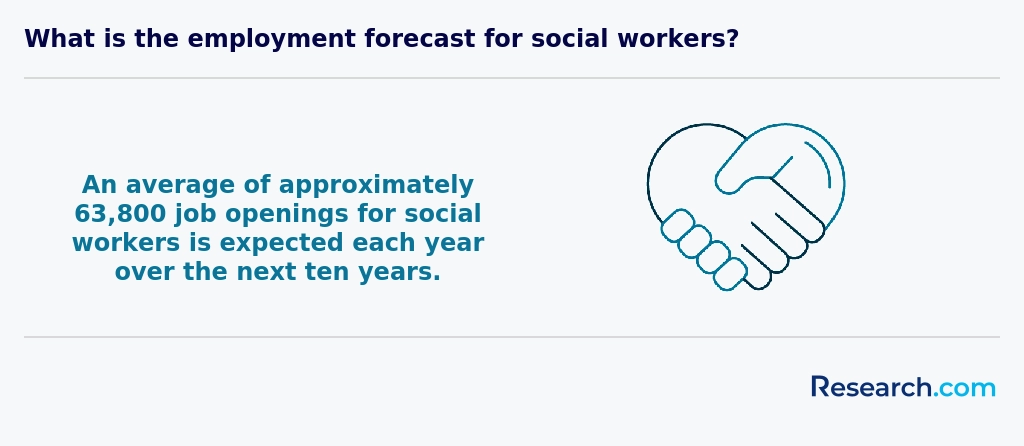
- The field is expected to grow moderately due to demand in healthcare and social assistance sectors for roles like social workers and case managers.
- Most programs require practical field experience with local agencies or nonprofits to meet accreditation standards and enhance job readiness.
Graduates from Southern institutions often radiate pride, thrilled by the freedom online study offers-no commuting hassles, more control over schedules, and the chance to dive into meaningful human services work sooner than expected.
Both paths cover identical core topics and meet rigorous accreditation from experts like the Council for Standards in Human Service Education, ensuring quality whether you're logging in or walking through campus doors. Online students in the South especially appreciate the ability to manage clinical practicums locally, turning their own communities into real-world classrooms.
Cost-wise, many online learners find savings in commuting and housing, though tuition ranges around $6,000 to $15,000 annually across Southern Regional schools. The choice shapes how you connect-with on-campus providing vibrant face-to-face energy, while online lets you craft an adventurous study schedule that fits your life rhythm.
Venturing into the world of online human services degrees in the South reveals a dynamic price landscape shaped by residency and institution type. The average cost typically settles around $29,155, though in-state students at popular state universities may joyfully find tuition closer to $21,240. Imagine a graduate balancing work and family while pursuing courses online at a well-known Southern university, feeling the relief of manageable in-state tuition fees as they embark on a life-changing journey.
Out-of-state learners often face a higher price tag, with typical totals near $33,044. Yet, many graduates describe the flexibility and tailored resources at private universities-despite their steeper tuition-as worth every dollar, fueling their passion to impact communities. Those exploring tuition and fees for online human services programs southern states will notice that public institutions usually provide the most budget-friendly paths, often under $30,000, inviting hopeful students to navigate their degree without financial overwhelm.
Beyond tuition, it's an adventure with occasional expenses like technology fees and course supplies adding to the experience. Fortunately, federal aid and scholarships often soften these costs, making dreams attainable. Individuals seeking the cheapest human services online degree in the South can find choices that blend quality education with financial sense, empowering them to pursue meaningful careers while watching their investment grow.

Imagine unlocking the door to your online human services degree at a university in Florida or North Carolina, with financial aid lighting your path. Many students in the South eagerly tap into federal aid by filling out the FAFSA, unlocking Pell Grants that can cover up to $7,395 annually-no repayment needed! One graduate from a well-known Virginia program shared how this grant freed them from financial worry, letting them focus fully on their studies.
State-specific opportunities add extra treasure-like Texas's Grant Program or Georgia's HOPE Scholarship, rewarding both dedication and residency. Picture connecting with your school's financial aid office and discovering institutional scholarships that ease the tuition load, sometimes covering nearly everything. Another graduate found this merit-based aid at a North Carolina college, turning their dreams into reality without drowning in debt.
Don't overlook the support from professional organizations like the National Organization for Human Services, offering scholarships tailored for busy learners balancing work and study. Many students harness these layered aids to boldly explore their human services degrees across the Southern states, making education accessible and exciting.
Beyond academics, graduates emphasize the importance of reliable internet and tech readiness, vital to keep pace with interactive classes and vibrant online discussions at Southern institutions. These prerequisites open doors to transformative learning adventures tailored for busy, motivated students like you.
Online human services degrees in the South invite you to dive into courses that truly prepare you for making a difference. Imagine studying Introduction to Human Services, where you explore the field's rich history and the ethics guiding your future work. Graduates from Southern universities often share how this foundation helped them grasp the heart of social support.
Picture walking through concepts in Behavioral Science and Psychology, learning to understand mental health and human development-the kind of insight that turns compassion into action. Courses like Case Management and Advocacy teach you how to connect real people to real resources, a skill many students from popular Southern colleges feel proud to master.
The adventure continues with Counseling Techniques, sharpening communication skills that open doors for those in need. Plus, you'll explore Community Organization and Development, crafting initiatives that revitalize neighborhoods facing challenges like poverty or rural health disparities-key issues in Southern communities.
Hands-on learning is real here, with practicum opportunities that let you step out of the virtual classroom into agencies making daily impacts. Students find this blend of regional focus and practical experience both energizing and empowering.
Diving into online human services specializations in the South opens a world of meaningful pathways. Graduates from popular institutions like the University of Alabama and Florida State University often describe their journey through Mental Health and Counseling, where they find purpose supporting individuals facing mental challenges. Others embrace Addiction and Substance Abuse Counseling, motivated by the pressing need to address opioid misuse rampant in Southern communities.
Specializations like Child and Family Services attract students eager to make a tangible difference in neighborhoods struggling with poverty or neglect. Meanwhile, Gerontology speaks to those inspired by the rapidly growing aging population requiring compassionate care. Community Outreach and Development offers adventurous spirits the chance to craft programs that uplift entire localities.
For anyone exploring Southern region human services degree options, these areas provide both a compass and a mission. Many who pursue an online human services masters degree find their studies richly connected to real-life experiences, helping them forge rewarding careers truly tailored to their communities' needs.
Choosing the best online human services degree programs in the South means diving into a unique educational adventure tailored to your goals and lifestyle. Picture yourself balancing work and study through flexible asynchronous courses offered by renowned Southern universities, where graduates often share how this freedom helped them thrive. Consider programs accredited by respected bodies like the Council for Standards in Human Service Education to ensure your degree carries real professional weight. Affordable human services degrees Southern states offer allow you to save while gaining critical skills-imagine cutting costs on commuting and housing without sacrificing quality.
Look for schools with strong connections to local agencies, providing internships or job placement assistance that graduates rave about for easing their transition into rewarding social service careers. Exploring course content and chatting with students can reveal if a program matches your passion, be it counseling or community outreach. For a broader perspective, check out the comprehensive social services degree guide that illuminates all your options in this vibrant, growing field.
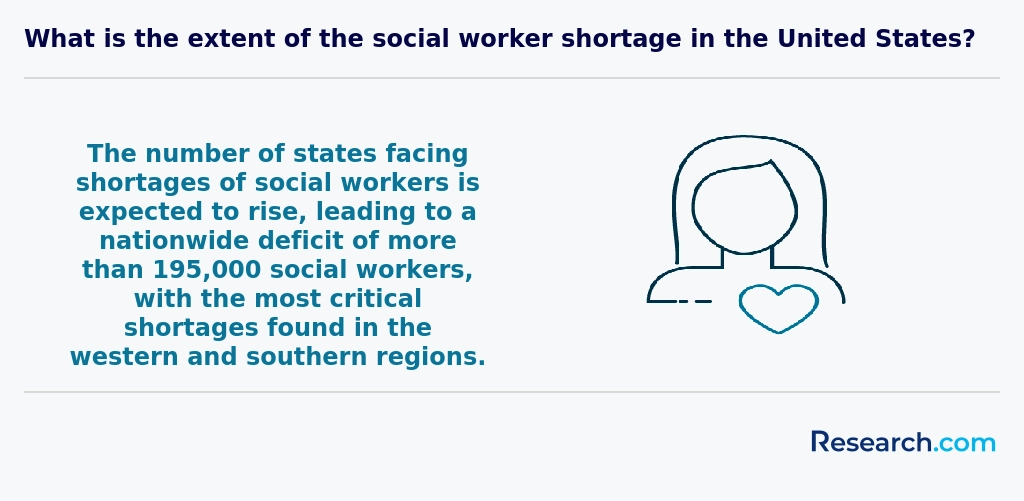
The rise in demand for behavioral disorder and mental health counselors is a beacon for those passionate about healing. Imagine guiding someone through recovery in a Chattanooga rehabilitation center, or coordinating programs for at-risk youth in vibrant neighborhoods of Atlanta. These experiences reflect why students choose Southern institutions renowned for training leaders who fill vital community needs.
Many graduates also pursue paths as program coordinators or victim advocates, motivated by the urgent challenges seen daily across the South. For those curious about jobs with a human services degree, exploring options through jobs with a human services degree further reveals opportunities in this expansive, rewarding field.
The job market for online human services degree graduates in the South is bursting with opportunity, fueled by a rapidly growing need for compassionate professionals. Many graduates from popular Southern colleges discover rewarding roles in social work assistance, community outreach, and rehabilitation support, experiencing firsthand how their skills make a tangible difference in both urban centers and small towns. This dynamic field offers an adventurous path where every workday brings new challenges and meaningful connections.
Students balancing work and family find the flexibility of online programs especially appealing, allowing them to pursue their passion for social impact without uprooting their lives. With the Southern states investing heavily in health and social assistance sectors, the human services careers and earning potential in Southern states is steadily rising, offering salaries typically between $35,000 and $45,000 annually. Graduates often describe the excitement of moving from entry-level roles to specialized positions or leadership, encouraged by accessible certifications and graduate options.
For those curious about further growth, exploring masters degree human services jobs opens a world of expanded possibilities, fueling ambition and the chance to deeper community impact.
2027 Fastest Online Human Services Degree Programs Ranking in the South
Investing in your education is a significant decision that can profoundly impact your career and life. The Research.com team recognizes the challenges prospective students face when choosing the right program and is committed to providing a ranking that emphasizes quality, credibility, and accuracy. To create the "2027 Fastest Online Human Services Degree Programs Ranking in the South," we conducted thorough research and analysis using multiple authoritative data sources.
We utilized the following reputable data sources to ensure a comprehensive and reliable evaluation of programs:
By examining this ranking, readers will gain valuable insights into the fastest online human services degree options available in the South, empowering them to make well-informed decisions about their education and future. For a detailed explanation of how this ranking was created, please visit our Research.com methodology page.
# 1 position
Louisiana State University and Agricultural & Mechanical College
Master of Public Administration





Frequently Asked Questions About human services
Online human services degree students in the South can enhance their learning by actively engaging with regional professional networks and virtual internships. According to the Southern Regional Education Board, collaboration with local agencies provides practical experience crucial for this field.
Students should also utilize digital resources from accredited Southern universities, which often offer tailored support for online learners. Regular participation in webinars and discussion forums increases knowledge retention and connects students to peers and mentors.
Familiarity with state-specific policies and social issues, such as those highlighted by the National Association of Social Workers South Carolina Chapter, prepares students to effectively serve their communities upon graduation.
The human services field is evolving rapidly, with several emerging niches gaining attention, especially in the Southern United States. One growing area is gerontology, driven by the region's expanding older adult population. According to the U.S. Census Bureau, the South saw a 15% increase in residents aged 65 and older between 2010 and 2020, creating demand for specialists in aging services.
Another key niche is behavioral health, where professionals address mental health and substance abuse challenges. This is increasingly important due to rising opioid addiction rates in Southern states, as reported by the CDC. Additionally, human services roles in disaster response and community resilience are expanding following frequent natural disasters in the area.
Overall, these niches offer promising opportunities for graduates pursuing online human services programs focused on Southern populations.
Graduates with an online human services degree in the South can improve job prospects by actively engaging in local networking opportunities. Joining state and regional professional organizations, such as the Southern Association for Human Services, offers access to job listings, workshops, and mentorship.
Completing internships or volunteer work during or after the program adds practical experience, a critical factor employers value. According to the U.S. Bureau of Labor Statistics, demand for social and community service managers in Southern states is expected to grow by 12% through 2030, highlighting regional opportunities.
Obtaining relevant certifications, like the Certified Human Services Professional (CHSP), strengthens credentials and signals commitment to the field.
Building a strong resume tailored to roles in mental health, substance abuse, or family support services familiar in Southern communities can also be advantageous.
Employers in the South increasingly seek human services degree graduates who demonstrate strong interpersonal and communication skills. These abilities are critical for effectively supporting diverse populations, including underserved communities prevalent in the region.
Analytical thinking and problem-solving are also highly valued, as professionals must assess clients' needs accurately to develop tailored support plans. According to the U.S. Bureau of Labor Statistics, the demand for social service specialists in Southern states is projected to grow faster than the national average, emphasizing the need for adaptable and culturally aware workers.
Additionally, knowledge of local social welfare policies and community resources enhances job readiness for graduates. Familiarity with state regulations in areas such as mental health and substance abuse treatment is often preferred by Southern employers.
Overall, successful candidates combine empathy with practical skills to navigate complex social services systems in the South.
Finding internships in the South for human services students involves leveraging local resources and university partnerships. Many Southern states have agencies and nonprofits focused on social work, counseling, and community support that offer internship opportunities.
Students should consult their online program's career services and internship coordinators, as these offices often have established connections with relevant organizations in states such as Georgia, Texas, and Florida. According to the National Association of Social Workers, the South employs roughly 25% of the nation's social service workforce, highlighting the region's demand for human services professionals.
Additionally, platforms like Handshake and state workforce boards frequently list internships specifically in human services fields. Networking locally with professionals through organizations such as the Southern Human Services Association can also provide valuable leads.
An online human services degree can significantly enhance career mobility and advancement for professionals in the Southern United States. According to the U.S. Bureau of Labor Statistics, the demand for human service workers in the South is growing faster than the national average, driven by expanding healthcare and social assistance sectors. Earning this degree online provides flexibility, allowing students to balance work and study while gaining relevant skills in case management, counseling, and community outreach.
Graduates often qualify for higher-paying roles such as case managers or social service directors, with median wages in Southern states ranging from $40,000 to $60,000 annually. Regional employers increasingly value accredited online degrees, recognizing their rigor and focus on practical experience.
Studying for a human services degree in the South equips students with skills to work across multiple disciplines, including social work, healthcare, and community development. Southern programs often emphasize culturally competent care, addressing the region's unique demographics and socioeconomic challenges. According to the National Organization for Human Services, many Southern institutions integrate coursework in psychology, counseling, and public policy to foster interdisciplinary knowledge.
This approach prepares graduates for collaboration with professionals in education, criminal justice, and mental health fields, enhancing job readiness. The Southern region's growing demand for human services professionals-projected to increase by 12% through 2030 per the U.S. Bureau of Labor Statistics-reflects the need for versatile, cross-sector expertise.
When choosing between a thesis and a non-thesis human services degree program online in the South, consider your career goals first. Thesis programs typically emphasize research skills and prepare students for advanced study or roles requiring strong analytical abilities. Non-thesis options focus more on practical experience and coursework, often appealing to professionals seeking immediate workforce entry or promotion.
In the Southern US, many accredited institutions offer both formats, reflecting regional demand for flexible learning paths. According to the Southern Association of Colleges and Schools (SACS), about 40% of Southern human services programs provide a thesis option.
Students aiming for graduate school or research roles may benefit from thesis programs, while those prioritizing applied skills might choose non-thesis tracks.
Students in the South interested in studying human services abroad have several pathways to consider. Many Southern universities offer online human services degrees with international study components, including virtual exchange programs and internships abroad. These options allow students to gain global perspectives without relocating.
Additionally, partnerships between Southern schools and foreign institutions provide opportunities for short-term study abroad during summer or winter sessions. Such experiences enhance cultural competence vital in human services careers.
The Council for Social Work Education notes that Southern programs increasingly emphasize global awareness to prepare graduates for diverse populations. Regional schools often support these opportunities through advising and scholarships.
Students pursuing online human services degrees in the South can enhance their education through several part-time job opportunities. Common roles include case aides, social work assistants, and peer support specialists, which provide hands-on experience working with vulnerable populations. According to the U.S. Bureau of Labor Statistics (BLS), social and human service assistants in Southern states earn median wages ranging from $28,000 to $33,000 annually, making these roles financially viable while supporting academic goals.
Nonprofits and community health organizations in states like Texas and Georgia frequently seek part-time workers to support program delivery. These roles often improve communication, crisis intervention, and client advocacy skills vital to human services.
Online human services students in the South benefit from numerous networking opportunities despite remote learning formats. Many Southern universities host virtual career fairs and online networking events specifically for human services fields. These events connect students with regional employers, nonprofit leaders, and alumni. Associations such as the Southern Human Services Association offer memberships that provide access to conferences, webinars, and local chapter meetups. According to the Bureau of Labor Statistics, the South accounts for about 30% of U.S. social service jobs, emphasizing the value of regional connections. Additionally, internship placements often facilitate in-person networking tailored to students' local areas.
Alumni networks offer significant benefits to online human services degree students in the South by providing valuable professional connections. Graduates can access mentorship from experienced professionals who understand regional challenges and job markets. This support is crucial in the South, where human services roles are growing rapidly due to increasing demand for mental health and community support, as reported by the U.S. Bureau of Labor Statistics.
Networks also create opportunities for internships and job placements, often shared directly within the community of alumni. These connections can lead to higher employment rates and career advancement in nonprofit organizations, social work, and public health agencies that are prevalent across Southern states.
Furthermore, alumni groups often host webinars and workshops tailored to regional social issues, enhancing practical knowledge and skills relevant to students' careers.
Customizing an online human services degree in the South involves selecting electives and specializations that align with your career goals. Many Southern universities offer concentrations such as substance abuse counseling, gerontology, or mental health services, allowing you to focus on areas with regional demand. For example, states like Georgia and Texas report growing needs for addiction counselors and social service managers, according to the U.S. Bureau of Labor Statistics.
Additionally, students can often tailor internships or fieldwork experiences to local agencies, giving practical exposure in their preferred sector. Some programs also provide flexible course schedules or accelerated tracks, ideal for working professionals seeking career advancement.
Online human services students in the South often face challenges related to technology access and reliable internet connectivity. According to the Federal Communications Commission, rural areas in Southern states experience broadband gaps affecting nearly 20% of households, which can disrupt participation in online classes.
Another significant obstacle is balancing work, family, and study commitments. Many students in human services programs are adult learners managing jobs and caregiving responsibilities, making time management crucial.
Additionally, fewer local internship and practicum opportunities can limit hands-on experience required for licensure or certification in fields like social work or counseling.
Graduates with an online human services degree in the South can pursue several professional certifications to enhance their careers. Popular certifications include the Certified Human Services Professional (CHSP) and the Certified Alcohol and Drug Counselor (CADC), which are highly regarded in the region.
The CHSP credential is offered by the National Organization for Human Services and is recognized nationwide, including Southern states where human services demand is rising. According to the U.S. Bureau of Labor Statistics, the South is projected to see a 10% growth in human service occupations by 2030, increasing the need for certified professionals.
Many Southern states also offer state-specific licenses for counselors and social workers, requiring a degree and supervised experience. Examples include Licensed Clinical Social Worker (LCSW) or Licensed Professional Counselor (LPC) credentials.
To write a winning application for an online human services program in the South, start by clearly articulating your passion for helping others and any relevant experience. Programs often seek candidates with strong communication skills and dedication to community service. Highlight any volunteer work, internships, or professional roles related to social work or counseling. According to the Southern Regional Education Board, human services degrees in Southern states emphasize practical skills, so showcasing your hands-on experience is vital.
Include a well-crafted personal statement that explains why you chose human services and how the Southern region's specific challenges motivate you. Proofread your application carefully to avoid errors. Finally, request strong recommendation letters from professionals familiar with your work ethic.
The global perspectives on a human services career emphasize the increasing need for culturally competent professionals who can navigate diverse social challenges. In the US, and notably in southern states, human services roles focus on community support, mental health, and family welfare. According to the Bureau of Labor Statistics, employment in social and human services occupations is projected to grow 12% from 2022 to 2032, faster than average across the nation.
Many southern universities now offer online degrees tailored to address regional issues such as poverty and substance abuse, while integrating global best practices. This equips graduates to contribute effectively both locally and internationally.
Overall, the human services field values adaptability, empathy, and an understanding of global social dynamics to create lasting positive impacts.
Gaining practical experience while studying for an online human services degree in the South is essential for career readiness. Many universities in southern states collaborate with local agencies and nonprofits to offer remote or in-person internships, allowing students to work directly with clients and community programs.
Students often complete practicum or fieldwork hours as part of their curriculum, meeting requirements for certifications like the Certified Human Services Professional (CHSP). According to the Southern Association of Colleges and Schools Commission on Colleges (SACSCOC), accredited programs ensure these field experiences meet rigorous standards.
Additionally, some schools provide virtual simulation tools to enhance skills when in-person options are limited. Networking with local human services organizations in cities like Atlanta, Charlotte, and Houston can also open doors for volunteering and part-time roles.
Choosing the right concentration within an online human services degree program in the South involves considering your career goals and local job market demands. Popular concentrations include substance abuse counseling, mental health, and community outreach. According to the Bureau of Labor Statistics, the Southern states are experiencing a steady growth rate of 12% in human services-related jobs through 2030.
Research regional employment trends to identify which specialties align with community needs. For instance, mental health services are expanding rapidly in states like Florida and Texas. Accreditation and curriculum flexibility also matter, ensuring the program matches your professional ambitions.
Connect with alumni or advisors to understand how each concentration impacts licensure and certifications required in Southern states. This approach optimizes job readiness and long-term career growth.
- Online Bachelor’s Degree in Human Services https://www.monroeu.edu/academics/undergraduate-programs/school-criminal-justice/online-bachelors-degree-human-services
- 4 Human Services Careers https://www.albany.edu/education/communications/human-services-careers
- Careers with a Degree in Human Services https://www.mhaonline.com/faq/careers-with-degree-in-human-services
- Key Trends for Social Work and Human Services in 2026 https://nctinc.com/blog/key-trends-for-social-work-and-human-services-in-2026/
- Home https://www.husson.edu/online/blog/2025/10/benefits-of-alumni-networks
- 25 Best Online Human Services Degree Programs - Social Work Degree Center https://www.socialworkdegreecenter.com/best-online-human-services-bachelors/
- 6 Challenges of the Human Services Worker | Relias https://www.relias.com/blog/6-challenges-of-the-human-services-worker
- 6 Trends in Human Services That Will Change the Face of the Field | ANCOR https://www.ancor.org/connections/6-trends-human-services-will-change-face-field/
- Study Social Work Abroad | Go Overseas https://www.gooverseas.com/study-abroad/social-work
- Humanity in Action: Understanding Human Services Degrees https://www.ucumberlands.edu/blog/humanity-in-action-understanding-human-services-degrees