2026 Most Affordable Online Human Services Degree Programs Ranking in St. Louis, MO

Co-Founder and Chief Data Scientist
Choosing the right human services degree program can be challenging, especially when balancing quality and affordability. For students in St. Louis, this article provides a carefully crafted 2026 Most Affordable Online human services Degree Programs Ranking in St. Louis, MO.
Developed by the Research.com team of data scientists, the ranking helps you identify top programs worth considering without compromising your budget. Exploring this guide empowers you to make informed decisions toward a rewarding career in human services.
Discover the value of a degree that opens doors to meaningful opportunities and personal growth.
Key benefits of getting a Online human services degree in St. Louis
- Human services graduates in St. Louis can expect competitive salaries, with careers such as social workers earning a median annual wage around $50,000 to $60,000 nationwide, offering financial stability and rewarding work.
- Graduates often explore diverse careers like community outreach, counseling, and case management, inspired by St. Louis university alumni who successfully blend passion with professional growth in these fields.
- Online human services degrees from reputable St. Louis institutions provide flexibility, allowing students to balance work and study, which boosts motivation and makes earning a degree more accessible and enjoyable.
What can I expect from Online human services degree in St. Louis?
The average cost of an online human services degree in St. Louis varies but generally tends to be more affordable than traditional on-campus programs. Graduates from popular institutions such as the University of Missouri-St. Louis and Fontbonne University often note tuition rates that, while competitive, can be offset by local scholarships and financial aid aimed at residents. Many find that online courses reduce additional expenses like commuting or housing, making the total cost more manageable.
Some students report a positive balance between affordability and quality, emphasizing that the investment feels worthwhile for the practical skills gained, such as case management and social welfare policy expertise. However, it's important to consider that costs may fluctuate depending on credit load, fees, and whether internships require extra resources.
For those weighing options, hearing from graduates highlights how financial planning and using campus resources can ease monetary concerns, allowing focus on developing advocacy and counseling skills vital to the human services field in the St. Louis community.
Where can I work with Online human services degree in St. Louis?
Graduates with an online human services degree in St. Louis often find themselves drawn to healthcare settings like hospitals and rehab centers, where roles such as patient advocacy and behavioral health support are common. Those who studied at popular local institutions frequently mention the rewarding challenge of coordinating discharge plans that help patients transition smoothly back into their communities. However, it's important to weigh that some positions may require additional certifications or on-site experience.
Many alumni also engage with the nonprofit sector, taking on program coordination or client advocacy roles within agencies addressing homelessness and youth services. St. Louis's vibrant nonprofit community offers varied opportunities, yet competition can be intense, and adaptability is key. Graduates from universities here often note the fulfillment gained from working closely with vulnerable populations in these settings.
Government agencies present alternative career paths, including roles in probation support and crisis intervention. Students from well-regarded St. Louis colleges appreciate internships that introduce them to these public service environments. Still, these positions sometimes demand a deep understanding of local policies and strong interpersonal skills, aspects emphasized during coursework.
How much can I make with Online human services degree in St. Louis?
Graduates with an online human services degree in St. Louis typically begin their careers as social and human service assistants, earning around a median salary of $36,000 annually, according to the U.S. Bureau of Labor Statistics May 2023 data. While this figure may seem modest, many graduates from local institutions find early roles rewarding due to the community impact and opportunities for growth.
For those pursuing further credentials or bachelor-level positions like case managers or counselors, salaries can rise between $45,000 and $55,000, reflecting the added value of education and experience. Graduates from well-regarded St. Louis colleges often share that their internships and networking within local non-profits and healthcare organizations help them access these roles with competitive pay.
It's also common for alumni to seek certifications such as Licensed Social Worker (LSW), which can open doors to higher-paying roles. St. Louis's slightly lower cost of living adds a positive dimension to these earnings, allowing graduates to build financial stability while contributing meaningfully to their communities.
- Key benefits of getting a Online human services degree in St. Louis
- What can I expect from Online human services degree in St. Louis?
- Where can I work with Online human services degree in St. Louis?
- How much can I make with Online human services degree in St. Louis?
- How do we rank schools?
- 2026 Most Affordable Online Human Services Degree Programs Ranking in St. Louis, MO
- What Online human services degree graduates have to say
- Key Findings
- How long does it take to complete Online human services degree in St. Louis?
- Licensure and Certification Pathways
- What's the difference between online and on-campus human services degree?
- Professional Certifications and Licensure in Missouri
- What is the average cost of Online human services degree in St. Louis?
- Certification and Licensure Paths
- What financial aid is available to Online human services degree students in St. Louis?
- Certification and Licensing Pathways
- What are the prerequisites for enrolling in Online human services degree program in St. Louis?
- Certifications to Enhance Your Human Services Career
- What courses are typically in Online human services degree programs in St. Louis?
- What types of specializations are available in Online human services degree programs in St. Louis?
- How do you choose the best Online human services degree in St. Louis?
- What career paths are available for Online human services degree students in St. Louis?
- What is the job market for Online human services degree in St. Louis?
- Frequently Asked Questions About human services
- Top Trending Human Services Rankings
How do we rank schools?
Investing in your education is a significant decision that can shape your future, and the Research.com team understands the importance of making informed choices. To assist prospective students in St. Louis, MO, we have meticulously crafted the "2026 Most Affordable Online Human Services Degree Programs Ranking." Our commitment to quality, credibility, and accuracy is reflected in the extensive research and analysis conducted to compile this ranking.
We utilized the following reputable data sources to ensure a comprehensive evaluation of online human services degree programs:
By exploring this ranking, readers will gain valuable insights into the most affordable and credible online human services degree programs in St. Louis, enabling them to make informed educational decisions. For more details on our methodology, please visit our Research.com methodology page.
2026 Most Affordable Online Human Services Degree Programs Ranking in St. Louis, MO
# 1 position
Saint Louis University
Master
Saint Louis University offers a 12-month Master's program focused on human services and social work. The program has an 80% graduation rate and an open admission policy with an 81% acceptance rate. Nearly all students (99%) receive financial aid, reflecting high aid availability. The average total cost is $59, 280, and it currently enrolls 3, 599 online students, making it a sizable program for distance learners.
# 2 position

The Maryville University of Saint Louis offers a Bachelor program lasting 48 months. It provides high levels of financial aid, with 99% of students receiving support, indicating strong institutional commitment to affordability. Other key data such as graduation rate, acceptance rate, total cost, and online enrollment numbers are currently unavailable for a full assessment of admissions selectivity or expenses.
# 3 position
Maryville University of Saint Louis offers a Bachelor's degree program lasting 48 months. The program provides high financial support, with 99% of students receiving aid. Acceptance rate details are unavailable, but the program's length and financial aid availability suggest accessibility for many applicants. Specific data on graduation rate, program focus, total cost, and online enrollment numbers were not provided.
What Online human services degree graduates have to say
- Studying the Online Human Services degree at University of Missouri-St. Louis gave me the flexibility to balance work and family while gaining in-depth knowledge. The supportive faculty and interactive online platform truly enhanced my learning experience. I feel confident and ready to make a real difference. - Jasmine
- The online program at Saint Louis University exceeded my expectations with its practical approach and community-focused curriculum. It helped me build critical skills and connect with professionals across the city, all from home. This degree opened doors I never thought possible. - Marcus
- Fontbonne University's Human Services degree online was a game changer for me. The personal attention from instructors and engaging coursework made studying enjoyable and rewarding. I appreciated how the program emphasized empathy and leadership, preparing me to serve diverse communities effectively. - Sofia
Key Findings
- Tuition for online human services degrees in St. Louis ranges from $8,000 to $15,000 per year, with public Missouri universities generally offering lower costs.
- Job demand for social and human services assistants in St. Louis is expected to grow faster than average over the next decade.
- Starting salaries for graduates typically range between $32,000 and $38,000 annually, increasing to $45,000-$55,000 with experience and specialization.
- Many local online programs offer flexibility for working adults and include courses on counseling, case management, ethics, and community resources.
How long does it take to complete Online human services degree in St. Louis?
Completion times for online human services degrees in St. Louis vary significantly depending on the program level and student circumstances. For instance, associate degrees typically take about two years of full-time study at well-known institutions like St. Louis Community College, aligning with national standards. However, bachelor's degrees at schools such as Webster University usually require around four years of full-time coursework, though many students appreciate the flexibility to extend their studies to accommodate work or family commitments.
Some graduates recall benefiting from accelerated courses or credit for prior learning, allowing them to reduce their time to graduation. The presence of hands-on practicum requirements can also extend timelines, but local partnerships with social service agencies in St. Louis often help students secure meaningful internships without excessive delay.
While the national average for earning a bachelor's degree may be around 5.1 years, many St. Louis online learners find encouragement in the adaptable program structures, which help motivated students balance life and study efficiently.
Licensure and Certification Pathways
After earning your online human services degree in Missouri, you’ll need relevant credentials to practice:
- Licensed Social Worker (LSW): Bachelor’s or master’s in social work, pass the ASWB exam, submit state application
- Licensed Clinical Social Worker (LCSW): Master’s degree, 3,000 supervised practice hours, pass the ASWB clinical exam
- Certified Addiction Counselor (CAC): Complete approved coursework, accrue clinical hours, pass a stateboard exam
- Board Certified Behavior Analyst (BCBA): Master’s in behavior analysis, 1,500+ supervised hours, pass the BACB exam
Meeting these standards ensures compliance with Missouri regulations and enhances career opportunities. For behavior analysis certification options, explore bcba certification online.
What's the difference between online and on-campus human services degree?
Students pursuing human services degrees in St. Louis often find the choice between online and on-campus formats hinges on lifestyle and learning preferences. Online learners at institutions like the University of Missouri-St. Louis appreciate the flexibility to juggle work and family while accessing lectures digitally, which can feel empowering for those managing diverse commitments.
Conversely, graduates from traditional on-campus programs at local colleges frequently describe the value of face-to-face interactions with professors and peers, which foster a strong sense of community and immediate networking opportunities. This setting can be especially helpful for students who thrive on in-person engagement and spontaneous discussions.
Cost is an important factor to weigh carefully. While online degrees might reduce extra costs like transportation and housing, the tuition sometimes parallels that of on-campus programs, such as those at St. Louis Community College. Students sharing their experiences often highlight that understanding total expenses beyond tuition is vital for making an informed decision.
Practical training through internships is essential regardless of format. On-campus students benefit from closer ties to St. Louis community agencies, easing access to hands-on experience. Still, online students report successful virtual internships facilitated by their schools, underscoring that both pathways require proactive engagement to build career-ready skills.
Professional Certifications and Licensure in Missouri
To enhance career prospects and meet state regulations, many graduates supplement their degree with professional credentials:
- Licensed Social Worker (LSW): Requires a bachelor’s in human services, supervised field hours, and passing the ASWB exam
- Licensed Clinical Social Worker (LCSW): Builds on the LSW with a master’s degree and clinical supervision for independent practice
- Certified Case Manager (CCM): Validates expertise in coordinating comprehensive client care across healthcare and social service systems
- Certified Alcohol and Drug Counselor (CADC): Focuses on addiction treatment through specialized coursework and supervised counseling hours
- Board Certified Behavior Analyst (BCBA): Specializes in applied behavior analysis; consider a bcba certification online program to fulfill coursework and exam requirements
What is the average cost of Online human services degree in St. Louis?
The average cost of an online human services degree in St. Louis typically hovers around $64,000 for the entire program. This figure aligns with what many graduates from local institutions like Missouri State University or University of Missouri-St. Louis have experienced, balancing affordability with quality education. These schools often provide in-state tuition benefits, making programs more accessible while still maintaining strong academic standards.
Graduates frequently mention that while the tuition may seem significant, the value gained from interactive online coursework and flexible scheduling offsets those costs, especially given their ability to work simultaneously or avoid relocating. Prospective students seeking affordable online human services programs Missouri offers options that can fit different budgets, especially if they consider associate or bachelor's degrees which conventionally cost less than master's programs.
Besides tuition, students must account for other expenses like textbooks and technology fees, which can incrementally add to the overall investment. Yet, many find that the convenience of online classes eliminates commuting and housing costs, a factor that makes the average cost more manageable. For those exploring careers with a human services degree, understanding these financial nuances is crucial to making informed decisions about education pathways.
Financial aid, scholarships, and payment plans are often available at these St. Louis institutions to ease upfront financial pressure. To gain deeper insights and practical guidance related to enrollment and career outcomes, students can refer to resources available at careers with a human services degree.
Certification and Licensure Paths
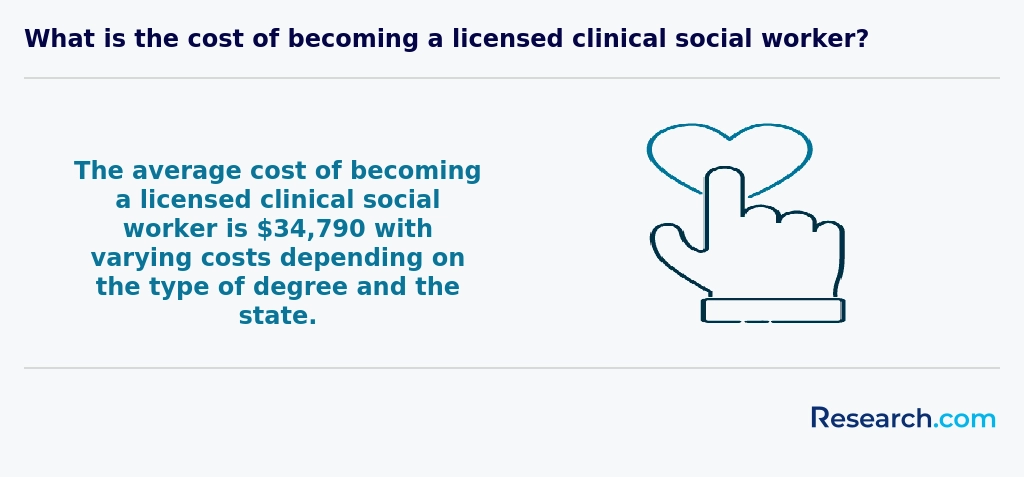
Earning a human services degree opens doors to key credentials that boost credibility and career growth:
- Certified Human Services Professional (CHSP): A nationally recognized credential by the National Board for Certified Counselors, validating core skills in ethics, assessment, and advocacy.
- Licensed Social Worker (LSW/LCSW): State-specific licensure requiring supervised fieldwork and passing the ASWB exam, essential for clinical practice and advanced roles.
- Certified Case Manager (CCM): Offered by the Commission for Case Manager Certification, ideal for professionals coordinating complex care in healthcare or community settings.
- Board Certified Behavior Analyst (BCBA): For those specializing in behavior intervention, consider bcba certification online programs that integrate supervised fieldwork and exam preparation.
What financial aid is available to Online human services degree students in St. Louis?
Students pursuing an online human services degree in St. Louis often find federal aid through FAFSA to be a critical resource. Pell Grants, which can provide up to $7,395 annually, are especially valued by those attending local institutions like Webster University or Saint Louis University. Graduates frequently share how these grants alleviate immediate financial stress, allowing them to focus on coursework without the constant worry of mounting debt.
Federal subsidized loans also play an important role, offering manageable repayment options with interest deferred while studying. However, some graduates caution against relying heavily on private loans, which usually carry higher interest and fewer protections, potentially complicating post-graduation finances.
State programs such as the Access Missouri Financial Assistance and scholarships from the Missouri Department of Higher Education can significantly lower tuition costs for residents. Many online students highlight institutional scholarships and tuition discounts offered by their universities, which reward academic achievement or community engagement-values central to the human services field.
For working adults balancing jobs and studies, employer tuition reimbursement is a real game-changer, combining financial support with career advancement. Overall, while costs remain a concern, these layered financial aid options in St. Louis create pathways to degree completion with less anxiety, helping students feel supported throughout their education journey.
Certification and Licensing Pathways
After graduation, securing professional credentials can expand career opportunities and credibility in Missouri’s human services field. Common credentials include:
- Licensed Social Worker (LSW): Requires a bachelor’s degree, 3,000 supervised hours, and passing the ASWB exam.
- Certified Alcohol and Drug Counselor (CADC): Involves specialized coursework, clinical experience, and a state certification exam.
- Board Certified Behavior Analyst (BCBA): Focuses on behavior intervention; many graduates pursue bcba certification online for required coursework and practicum.
- Certified Case Manager (CCM): National credential validating expertise in coordinating client care.
Always verify Missouri state board requirements early to plan supervised experience and exam preparation efficiently.
What are the prerequisites for enrolling in Online human services degree program in St. Louis?
Enrolling in an online human services degree program in St. Louis typically requires a high school diploma or equivalent, such as a GED. Graduates from local institutions often recall how meeting this baseline allowed them to access programs at colleges like University of Missouri-St. Louis or St. Louis Community College, where admission standards usually include a minimum GPA around 2.0 to 2.5. Some schools request official transcripts to confirm academic readiness, which can feel daunting but ultimately reinforces a student's confidence in handling coursework.
Many programs emphasize English proficiency, sometimes validated through SAT or ACT scores. However, adult learners juggling work and family frequently appreciate how institutions offer flexibility, accepting relevant work experience instead, enabling motivated individuals to pursue their passions without unnecessary barriers.
Applicants also often submit personal statements revealing their dedication to social work or community outreach, giving admissions committees insight beyond grades. Letters of recommendation and background checks may be required, especially when field placements at St. Louis social service agencies are involved, underscoring the programs' real-world focus.
Certifications to Enhance Your Human Services Career
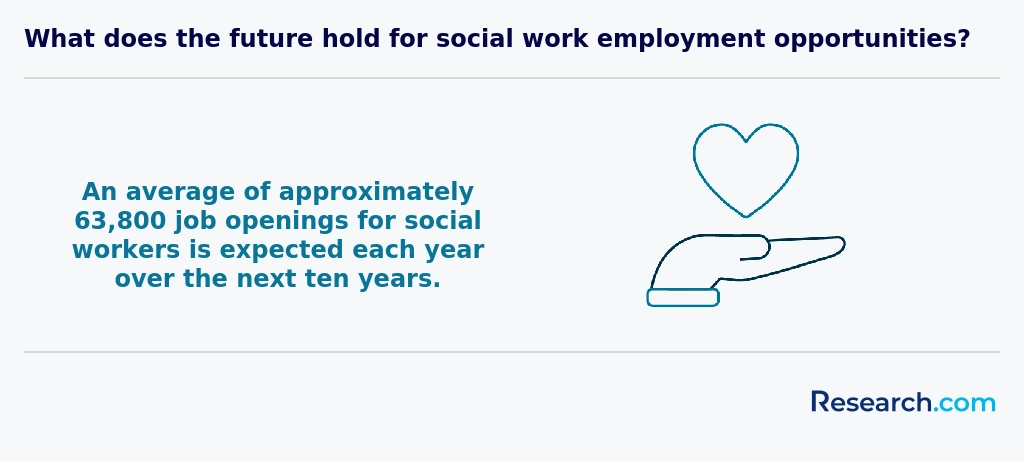
Earning industry-recognized credentials can strengthen your expertise and qualify you for specialized roles in St. Louis’s human services field. Key certifications include:
- Licensed Social Worker (LSW): Required for clinical practice and advanced case management in Missouri.
- Board Certified Behavior Analyst: Deepen behavior-therapy skills with a remote bcba certification online.
- Registered Behavior Technician (RBT): Entry-level credential supporting behavior analysts in community settings.
- Certified Case Manager (CCM): Validates advanced planning, coordination and advocacy proficiencies.
- Crisis Prevention and Intervention (CPI): Equips you with de-escalation techniques and crisis-response strategies.
What courses are typically in Online human services degree programs in St. Louis?
Online human services degree programs in St. Louis typically include core courses such as Introduction to Human Services, Case Management, and Substance Abuse and Treatment. Graduates from well-known local institutions often recall how Introduction to Human Services laid the foundation by covering essential ethical standards and real-world applications, which made classroom concepts feel relevant when they later worked in community outreach.
Courses like Bias and Diversity in Services are particularly meaningful in St. Louis's diverse environments, helping students navigate culturally sensitive situations with confidence. Developmental Psychology classes often resonated with students who connected theoretical stages of growth to the clients they encountered during internships at local agencies.
Students also value Social Welfare Policy and Research Methods for understanding and evaluating government programs affecting vulnerable populations. Though some question whether a fully online curriculum offers enough hands-on experience, many find that practicum opportunities in St. Louis social service organizations bridge theory and practice effectively, enriching their learning beyond digital classrooms.
What types of specializations are available in Online human services degree programs in St. Louis?
Online human services degree programs in St. Louis typically offer a range of specializations that reflect both local needs and broader professional scopes. Among these, addiction counseling is prominent, equipping students with practical skills to support individuals facing substance abuse challenges-skills that many graduates from local universities attest have translated well into community-based roles. Gerontology responds directly to the city's aging population, a reality underscored by projections of a 20% increase in seniors by 2030, making the specialization highly relevant for those aiming to work in elder care services.
Other common concentration options include child and family services, mental health services, and community outreach and development. Graduates from St. Louis colleges often describe how these focuses prepared them to engage effectively with diverse populations, whether in foster care support or mental health counseling, demonstrating a strong alignment with the city's multifaceted social landscape. Anyone exploring online human services specializations in St. Louis should consider how these options might suit their career goals and community interests.
For those looking into potential careers, extensive resources are available detailing careers with human services degree, providing valuable insight into how specialization choices influence career paths.
How do you choose the best Online human services degree in St. Louis?
When choosing the best online human services degree in St. Louis, accreditation should be a non-negotiable starting point. Graduates from well-regarded universities, such as those known in St. Louis, often emphasize how programs accredited by bodies like the Council for Standards in Human Service Education (CSHSE) prepared them rigorously for real-world challenges. However, accreditation alone doesn't guarantee quality; it's also essential to investigate whether the curriculum matches your career goals, especially if you seek practical skills in counseling or social welfare policy relevant to the local St. Louis community.
Cost considerations are equally important, especially for those seeking an affordable online human services degree St. Louis residents favor. Some students find lower tuition rates or flat fees offered by specific schools helpful, but be mindful of hidden expenses like fees or limited financial aid. Internships play a critical role too; programs offering virtual or local placements with regional agencies can make your studies more meaningful, aligning with St. Louis's growing mental health and social assistance sectors.
Another perspective comes from graduates who value faculty expertise and local partnerships highly. They report that instructors with hands-on experience and connections with nonprofits enrich learning and increase job prospects post-graduation. Moreover, flexibility in program delivery-such as asynchronous courses-can greatly benefit working adults balancing family life in St. Louis. It's advisable to review employment outcomes carefully and compare local market demands with the program's strengths.
Understanding salary expectations also matters; those curious about earnings may explore the degree in human services salary to inform their decision. By critically evaluating these factors, prospective students can select a program that not only fits their needs but genuinely enhances their opportunities in the St. Louis human services field.

What career paths are available for Online human services degree students in St. Louis?
Graduates of online human services degree programs in St. Louis often pursue diverse career paths that address real community needs, from case management to victim advocacy. Many students from well-known local institutions describe feeling fulfilled by working directly with clients facing housing instability or substance abuse challenges. Common roles include Social and Human Service Assistant, supporting clients by connecting them with essential resources, and Community Outreach Coordinator, developing targeted programs in under-resourced neighborhoods. Such positions offer graduates the chance to impact individuals' lives positively while navigating the unique social dynamics of St. Louis.
Despite these rewarding opportunities, it is important to consider the competitive job market and varying pay scales specific to the St. Louis region. Some graduates find advanced certifications or continuing education crucial to accessing leadership roles, especially in mental health or substance abuse fields prevalent in the area. For students exploring highest paying jobs with a human services degree, understanding these career trajectories and local demands can inform smarter choices when pursuing human services careers in St. Louis.
What is the job market for Online human services degree in St. Louis?
The job market for graduates holding an online human services degree in St. Louis shows promising growth, with social and human service assistant roles expected to increase by about 10% over the next decade. Graduates from institutions like local universities often find themselves welcomed by nonprofit organizations, government offices, and healthcare providers seeking professionals with adaptable schedules and remote work capabilities. These graduates share positive experiences about how their programs prepared them to support vulnerable populations, handle case management, and engage in community outreach efficiently.
While the median salary ranges from $30,000 to $45,000 annually, many find that gaining experience or pursuing advanced degrees can lead to better positions and improved income. The affordable human services careers in St. Louis appeal especially to working adults balancing education with existing commitments, as online degree programs reduce commuting costs and increase flexibility. For those exploring their options, understanding the potential for career growth is crucial, particularly when researching the highest-paying jobs with a human services degree.
Frequently Asked Questions About human services
Online human services degree students in St. Louis can maximize their learning by engaging actively with both virtual and local resources. St. Louis offers access to numerous community organizations where students can pursue internships, gaining practical experience essential for human services careers. According to the Missouri Department of Higher Education, hands-on experience improves job readiness by 40% in this field. Students should also participate in online discussion forums and study groups to enhance understanding of course material. Utilizing career services from their university and attending local workshops or seminars helps build professional networks, which are crucial in the human services sector.
The human services field is evolving rapidly, with several emerging niches gaining importance in St. Louis and beyond. One key area is geriatric care management, driven by the aging U.S. population; by 2030, nearly 21% of Americans will be 65 or older, increasing demand for specialized support.
Another growing niche is behavioral health coordination, especially in urban centers like St. Louis, where substance abuse and mental health issues remain critical community challenges, according to data from the Missouri Department of Health.
Additionally, community disaster response and trauma services are expanding as agencies focus on preparedness and recovery efforts. Professionals with skills in trauma-informed care and crisis management are becoming increasingly sought after.
Understanding these niches can help students tailor their online human services degrees to meet evolving workforce needs.
After earning an online human services degree in St. Louis, preparation for the job market is key to success. Start by gaining practical experience through internships or volunteer opportunities at local agencies like the St. Louis Area Foodbank or mental health organizations. These experiences help build valuable skills and professional networks.
Consider obtaining certifications such as Certified Alcohol and Drug Counselor (CADC), which can increase employability. According to the Missouri Department of Labor, the demand for human services workers in St. Louis is projected to grow 12% over the next decade, faster than average.
Networking through local chapters of professional organizations, like the National Organization for Human Services, can also open doors to job leads and mentorship.
Employers in St. Louis consistently seek human services graduates with strong communication and interpersonal skills. These abilities are vital for effectively working with diverse populations and local agencies. Critical thinking and problem-solving are also highly valued, enabling professionals to assess client needs and provide tailored support. According to the Missouri Economic Research and Information Center, demand for social and human service assistants in St. Louis is projected to grow by 10% through 2030, emphasizing the importance of adaptability in evolving community environments. Additionally, cultural competence is essential given St. Louis's diverse demographics, helping graduates serve clients respectfully and effectively.
Finding internships in St. Louis for human services students involves leveraging local resources and institutional partnerships. The city hosts numerous agencies focused on social work, counseling, and community outreach, including the St. Louis County Department of Human Services and Gateway Region YMCA. Many online programs also collaborate with regional organizations to place students in relevant internships.
Students should use platforms such as Handshake or the Missouri Career Center to identify openings. Attending virtual career fairs hosted by local universities can also connect students to employers. Networking through professional associations like the National Association of Social Workers (NASW) Missouri chapter is beneficial.
Given the 2023 report by the Missouri Department of Higher Education, internships significantly increase job placement in St. Louis human services fields.
An online human services degree in St. Louis significantly enhances career mobility by providing flexible access to accredited education aligned with local workforce needs. Professionals gain specialized knowledge and credentials that qualify them for a variety of roles in social work, counseling, and community outreach, sectors growing faster than the national average in Missouri, according to the Missouri Economic Research and Information Center (MERIC).
In St. Louis, employers often seek candidates with formal human services training, which an online degree delivers without requiring relocation or job interruption. Graduates typically experience higher chances of promotion and salary advancement. Data from the Bureau of Labor Statistics indicates a projected 11% job growth for social and human services assistants nationwide through 2032, reflecting local trends.
Additionally, online programs frequently incorporate certifications or practicum opportunities recognized by regional agencies, boosting practical experience and networking potential within St. Louis's service sector.
Studying for a human services degree in St. Louis equips students to work across multiple disciplines such as social work, healthcare, and education. Programs often emphasize teamwork, communication, and cultural competency, which are essential in the city's diverse communities. According to the Missouri Economic Research and Information Center, St. Louis has a growing demand for professionals skilled in addressing complex social issues through collaborative approaches.
Online degrees available from local institutions provide flexible access to coursework that integrates psychology, counseling, and public policy. This interdisciplinary focus prepares graduates to coordinate with different organizations effectively, improving outcomes in areas like mental health and community development.
Choosing between a thesis and a non-thesis human services degree program in St. Louis depends largely on your career goals and learning preferences. A thesis program requires conducting original research, making it ideal for students interested in advanced research or pursuing a master's or doctoral degree later. It often takes more time and demands strong writing and analytical skills.
In contrast, a non-thesis program focuses on practical skills and applied knowledge, suitable for professionals aiming to quickly enter or advance in the human services workforce. Many St. Louis programs offer internships or practicum experiences in local agencies, helping build hands-on expertise.
Consider that recent Bureau of Labor Statistics data shows a 12% growth in human services jobs in Missouri through 2030, emphasizing practical skills. Also, the Council for Standards in Human Service Education (CSHSE) provides accreditation that can guide your choice.
Students based in St. Louis who want to study human services abroad typically pursue international opportunities through partnerships with U.S. institutions offering online programs. While direct enrollment in foreign universities may be challenging, many accredited American universities provide study-abroad options or global internships integrated within their online human services degrees.
According to the National Center for Education Statistics, a growing number of U.S. colleges collaborate internationally to enrich curricula, allowing St. Louis students to gain global perspectives remotely. Additionally, some programs offer virtual exchanges and fieldwork aligned with human services professions worldwide.
These options prepare students for diverse work environments without requiring relocation, fitting well with local employment trends reported by the Missouri Economic Research and Information Center.
Part-time job opportunities in St. Louis that complement human services degree education include positions such as case manager assistants, crisis hotline workers, and community outreach coordinators. These roles provide practical experience in client interaction, resource coordination, and crisis response. According to the U.S. Bureau of Labor Statistics, the St. Louis metropolitan area employs over 2,500 social and human service assistants, with a projected growth rate of 12% through 2030, above the national average.
Local nonprofits and social service agencies often seek part-time workers to support vulnerable populations, offering hands-on experience alongside academic studies. This practical work helps students apply theory to real-world settings and build professional networks essential for career development in human services.
Online human services students in St. Louis have access to various networking opportunities that enhance their academic and professional growth. Many local universities offer virtual networking events, allowing students to connect with peers, faculty, and experienced professionals within the human services field.
Additionally, St. Louis hosts chapters of national organizations such as the National Organization for Human Services (NOHS) and the Missouri Chapter of the American Counseling Association. These groups often provide online meetings, workshops, and career fairs specific to human services.
Local agencies also collaborate with schools to provide internships and practicum experiences, which enable students to build essential professional relationships.
Alumni networks provide valuable support for online human services degree students in St. Louis by fostering connections within the local professional community. Graduates often gain access to job leads, internships, and mentorship opportunities through these networks, which is critical in a field focused on community impact.
Human services alumni in St. Louis frequently share insights about regional employers, including nonprofits and government agencies, enhancing students' understanding of the local job market. According to the Missouri Economic Research and Information Center, St. Louis' social assistance sector employs thousands, underscoring the importance of networking for job placement.
Participation in alumni events and online groups helps students build professional relationships that boost career development and retention in human services roles. These networks also encourage ongoing education and skill building, essential in a dynamic and demanding field.
Customizing an online human services degree program in St. Louis allows students to align their education with specific career goals. Many Missouri colleges offer flexible curricula where learners can choose electives or concentrations in areas like addiction counseling, social work, or community advocacy. This tailored approach can enhance practical skills relevant to St. Louis's diverse social services sector. Additionally, online programs often include options for internships or fieldwork placements within local organizations, providing real-world experience. According to the Missouri Department of Higher Education, roughly 25% of online students in the state take advantage of such customizable features to meet workforce demands. Choosing courses matching industry needs can improve employment prospects in the region.
Online human services students in St. Louis often face unique challenges related to balancing studies with personal and professional responsibilities. Many learners juggle jobs or family care while pursuing their degrees, which can impact their time management and academic performance. Connectivity and access to reliable internet may also be an issue for some, particularly in underserved neighborhoods in St. Louis, according to a 2022 report by the Missouri Economic Research and Information Center.
Another common difficulty is reduced face-to-face interaction with instructors and peers. This can affect networking opportunities and engagement in collaborative learning, which are crucial in human services education. Furthermore, students may find it challenging to secure quality practicum placements locally, as urban agencies have high demand and limited slots. Understanding these hurdles can help prospective students prepare better for their online academic journey.
With an online human services degree, graduates in St. Louis can pursue various professional certifications to enhance their careers. A common choice is the Certified Human Services Professional (CHSP) credential, which demonstrates expertise in the field and commitment to ethical standards. This certification is widely recognized across the United States, including Missouri.
Additionally, some graduates may pursue a Licensed Social Worker (LSW) or Licensed Master Social Worker (LMSW) certification, depending on their specialization and additional education.
According to the Missouri Department of Mental Health, certified professionals typically see improved job prospects within St. Louis's growing human services sector.
These credentials require passing an exam and meeting work experience criteria, making them valuable next steps after earning an online degree.
Writing a winning application for an online human services program in St. Louis starts with clearly demonstrating your passion for helping others. Admissions committees value applicants who articulate their motivation and understanding of community needs, especially in a city where 13% of residents live below the poverty line, according to the U.S. Census Bureau.
Highlight your relevant experience, whether in social work, counseling, or volunteer roles. St. Louis has a growing demand for human services professionals, with employment projected to increase by 10% through 2030 per the Bureau of Labor Statistics. Showcasing practical skills and local knowledge can set you apart.
Ensure your personal statement is concise, focused on your goals, and explains how the program aligns with your career plans in human services.
A human services career is increasingly viewed as vital across global communities, emphasizing support for individuals and families in need. In the United States, including in St. Louis, human services professionals address diverse issues such as mental health, homelessness, and substance abuse. According to the U.S. Bureau of Labor Statistics, employment in this field is projected to grow 17% from 2022 to 2032, signaling strong demand nationwide.
Globally, human services share common goals of promoting well-being and social justice, though approaches vary by region. Online human services degrees from U.S. institutions, available to St. Louis residents, often include courses on multicultural competence and international social policies. This prepares graduates to understand broader social challenges beyond local contexts, enhancing their effectiveness in various settings.
Gaining practical experience while studying for an online human services degree in St. Louis is essential for career readiness. Many programs require internships or fieldwork as part of their curriculum, allowing students to work with local agencies remotely or in person. St. Louis offers diverse opportunities through organizations like Volunteers of America and the St. Louis County Department of Human Services. These placements help students apply theoretical knowledge to real-world settings.
Students should also seek volunteer roles or part-time jobs in social service nonprofits, which often welcome remote support. Additionally, some universities provide virtual simulations and case studies to build practical skills.
Choosing the right concentration within an online human services degree program in St. Louis requires understanding local community needs and career goals. Human services fields here often focus on mental health, substance abuse, and social work due to regional challenges identified by agencies like the Missouri Department of Mental Health.
Students should research concentrations aligned with high-demand roles in St. Louis's social service sector. For example, counseling, gerontology, or nonprofit management can offer different career paths. Salary data from the Bureau of Labor Statistics shows mental health counselors in Missouri earn an average annual wage around $47,000, while social workers may earn about $52,000.
Checking program accreditation and practicum placement options in local agencies is also crucial for hands-on experience.
To find the most affordable Human Services degree program near me, consider looking at community colleges and public universities, which often offer lower tuition rates compared to private institutions. In the St. Louis, MO area, institutions such as St. Louis Community College and University of Missouri-St. Louis offer relevant programs at competitive prices. Utilizing resources like Research.com can help you compare tuition rates and program details to identify the most cost-effective option for your needs.
Related Human Services Rankings for Nearby Cities
Top Trending Human Services Rankings
References
- DSS Job Opportunity | Missouri Department of Social Services https://dss.mo.gov/hrc/jobs/csw.htm
- What Can You Do with a Human Services Degree? https://www.bluefield.edu/blog/what-can-you-do-with-a-human-services-degree/
- Human Services Internships that Make an Impact | Goodwin University https://www.goodwin.edu/enews/human-services-internships-impacting-communities/
- Human Services Cover Letter Examples https://www.livecareer.com/cover-letter/examples/social-services/human-services-assistant
- Nces - Ipeds https://nces.ed.gov/ipeds/
- Alumni https://hhd.psu.edu/alumni
- Human Services Degree Online https://www.snhu.edu/online-degrees/bachelors/ba-in-human-services
- Online Degree vs. Traditional: Choosing the Right Path https://beal.edu/online-degree-vs-traditional/
- Is a Human Services Degree Right for You? https://www.ucumberlands.edu/blog/is-a-human-services-degree-right-for-you
- 6 Human Services Worker Cover Letter Examples & Templates for 2025 | InterviewPal https://www.interviewpal.com/cover-letters/human-services-worker