2027 Best Online Master's in Human Services Degree Programs Ranking in Arkansas

Co-Founder and Chief Data Scientist
Choosing the right online master's program in human services can be overwhelming for students in Arkansas. To help, this article introduces the 2027 Best Online Master's in Human Services Degree Programs Ranking in Arkansas created by the Research.com team of data scientists.
This ranking guides you to programs that truly stand out, making your decision easier and more confident. Pursuing a human services degree opens doors to meaningful careers that make a difference in communities.
Explore these options and find the path that fits your goals and passion for helping others.
Key benefits of getting online human services degree in Arkansas
- Graduates with a human services degree in Arkansas can expect entry-level roles with salaries around $30,000 to $40,000, aligning with average wages for social and community service specialists in the US.
- Career paths include case management, counseling, and program coordination, as demonstrated by many Arkansas State University alumni who find fulfilling roles in local social service agencies.
- Completing a human services degree online at the University of Arkansas offers flexibility to balance work and study, allowing students to build practical skills while maintaining personal commitments.
- 2027 Best Online Master's in Human Services Degree Programs Ranking in Arkansas
- What can I expect from online human services degree in Arkansas?
- Where can I work with online human services degree in Arkansas?
What can I expect from online human services degree in Arkansas?
Estimating the average cost of an online human services degree in Arkansas involves considering tuition variations across institutions. Public universities like the University of Arkansas and Arkansas State University typically offer more affordable rates for in-state students, often ranging from $6,000 to $12,000 per year for undergraduate programs. Graduates recall balancing these costs with part-time jobs or employer tuition assistance, which helped ease financial pressures while studying.
Private colleges may have higher tuition fees, sometimes doubling public rates, but they often provide extensive student support services such as career counseling and tutoring, which some students found invaluable. This added value can justify the expense depending on individual needs.
Students also pointed out that hidden costs-like technology fees, textbooks, or internship expenses-can affect the overall financial burden. Some graduates emphasized the importance of accreditation when weighing costs, as this impacts eligibility for federal aid and licensure, ultimately influencing long-term value.
While the price tag is significant, many found investing in a flexible online program enabled them to continue earning an income, making the cost more manageable and the educational experience worthwhile.
Where can I work with online human services degree in Arkansas?
Graduates with an online human services degree in Arkansas often find employment across various public and private sectors, though the exact path can depend heavily on the setting and individual interests. For example, many alumni from the University of Arkansas at Little Rock describe starting their careers in government agencies like the Arkansas Department of Human Services, where they engage in meaningful work such as child welfare and mental health case management. These roles require not only empathy but strong organizational skills, which graduates develop through practical coursework and internships.
Others, particularly those graduating from Arkansas State University, have found rewarding positions in local nonprofits focused on homelessness or substance abuse, citing a sense of fulfillment from directly impacting community members' lives. However, some graduates note that these nonprofit roles can come with challenges such as limited resources and require adaptability.
In healthcare settings, graduates who studied behavioral health support emphasize the growing need for patient advocacy within rural hospitals, especially as highlighted by experiences shared by students at the University of Central Arkansas. These roles illustrate how an online degree can translate into valuable, tangible services that improve access for underserved populations across Arkansas.
Overall, while opportunities are broad-from rehabilitation centers to educational institutions-the key takeaway from graduates is the importance of flexibility and continual learning to navigate Arkansas's evolving human services landscape.
Graduates with an online human services degree in Arkansas often start their careers as social and human service assistants, earning a median annual wage of around $31,500 according to recent statistics. This entry-level role is common among those from institutions like the University of Arkansas at Little Rock or Arkansas State University. While the starting pay may seem modest, many graduates share how this role allows them to build meaningful connections and gain vital experience working directly with clients.
Those aiming higher, such as social workers or case managers, typically see salaries closer to $50,000 per year. Graduates who pursue additional credentials or advanced degrees often land clinical social worker roles, earning between $55,000 and $65,000 annually. For example, alumni from Harding University report feeling motivated by their increased responsibilities and the positive impact they have in healthcare or community settings.
Geographic location plays a key role too-urban centers like Fayetteville and Little Rock generally offer better compensation, reflecting a higher demand for qualified professionals. Graduates targeting management positions, such as program directors, can anticipate salaries ranging from $60,000 to $80,000, making ongoing education and certifications worthwhile investments for long-term financial and career growth.
- Arkansas offers accredited online human services degrees at bachelor's and master's levels covering social work, counseling, and community resource management.
- In-state tuition at public universities averages between $7,500 and $9,000 annually, while private institutions often charge over $15,000 per year.
- Jobs in human services are expected to grow at a rate close to the national average, with entry-level salaries starting around $35,000 to $40,000 per year.
- Many programs include internships or supervised fieldwork to improve job prospects in mental health counseling, substance abuse support, and community outreach.
- Licensure or certification is often required for specific careers and is managed by the Arkansas Division of Workforce Services or state health departments.
- Regional accreditation is important for credit transfer, licensure eligibility, and employer recognition of the degree.
Completing an online human services degree in Arkansas typically takes about four years for full-time students pursuing a bachelor's degree, reflecting the usual 120 to 130 credit hours requirement. For instance, graduates from the University of Arkansas at Little Rock often mention balancing coursework with jobs, appreciating that full-time study allows them to finish within this timeframe. Part-time students, such as those from Arkansas State University, may take five or six years, which can feel more manageable but requires sustained commitment.
Master's degrees usually require around two years full-time, although working professionals who attend institutions like Harding University report taking three to four years due to job responsibilities. Accelerated formats and credit transfer policies are important considerations; many students benefit from transferring credits from community colleges or completing courses year-round to shorten duration.
Students often express satisfaction when programs offer flexibility to fit their busy lives, while others note that taking heavier course loads speeds completion but demands focus and energy. These real-life experiences highlight how degree length in Arkansas's online human services programs depends heavily on individual circumstances and institutional options.
Online human services degrees in Arkansas offer flexibility that resonates strongly with many students balancing work, family, or other commitments. Graduates from programs like those at the University of Arkansas at Little Rock often appreciate how they could study from home or anywhere in the state without uprooting their lives. This accessibility can reduce stress around relocation and commuting, making education feel more attainable.
Conversely, on-campus programs emphasize face-to-face engagement, which some students find energizing. Those attending in-person classes at Arkansas State University often mention the value of immediate interaction with professors and peers, as well as hands-on practicum opportunities facilitated through local agencies. This real-world experience built into the curriculum can foster confidence and networking skills crucial in human services careers.
While tuition costs between online and on-campus paths in Arkansas may be similar, indirect expenses like housing and travel tip the scale in favor of online options for many. Yet, online students might need extra initiative to secure local fieldwork placements. Both routes present accredited curricula, but the choice largely depends on personal learning preferences and lifestyle demands within Arkansas's diverse community settings.
The average cost of an online human services degree in Arkansas generally aligns with the state's reputation for affordable education. For students enrolled in Arkansas online human services master's program tuition fees, public universities typically charge between $250 and $400 per credit hour for in-state learners. Considering that most programs require 30 to 36 credit hours, total tuition roughly ranges from $7,500 to $14,400. One graduate shared how this pricing, paired with flexible online coursework, allowed them to balance job responsibilities and education without overwhelming debt.
While private institutions may have higher tuition, many Arkansas students value the cost-efficient options available through respected universities such as University of Arkansas at Little Rock or Arkansas State University. These graduates often note that additional fees like technology and course materials add moderate costs, usually between $200 and $500, but the savings from not commuting or using campus facilities help offset this. This practical financial balance enhances their experience and peace of mind.
Comparing these costs with national figures, online human services degrees elsewhere can total $10,000 to $30,000 or more, underscoring Arkansas's competitive pricing. Prospective students should explore scholarships and employer tuition reimbursement programs that many local schools offer to further reduce expenses. For the most accurate and personalized information, reaching out directly remains key among students seeking the most affordable path to a human services career.
For those researching the most economical way to pursue a degree, resources like the cheapest human services online degree guide provide useful insights tailored to their needs.

Students pursuing an online human services degree in Arkansas often rely on a blend of financial aid to manage costs effectively. Federal aid, accessed through the FAFSA, serves as a crucial starting point. Many graduates from the University of Arkansas at Little Rock recall how Pell Grants significantly reduced their tuition burden, making it emotionally easier to focus on studies without overwhelming debt worries. The Federal Supplemental Educational Opportunity Grant further helped some cover additional expenses, though availability depends on institutional participation.
State aid also plays a meaningful role. Recipients of the Arkansas Academic Challenge Scholarship, common among those attending Arkansas State University, emphasize the confidence this merit-based support brings to their educational journey. Such scholarships often lessen financial stress, allowing students to engage more fully in their coursework and community service activities.
Private scholarships tailored to human services can be game changers. Arkansas students pursuing this path have shared how awards from organizations like the NASW not only provide funds but foster a sense of belonging within the profession. While some students weigh federal student loans cautiously, those who choose subsidized options appreciate the deferred interest during enrollment, which helps maintain financial stability.
Veterans in Arkansas also highlight the emotional relief stemming from dedicated benefits, making online degrees more accessible amidst life's challenges. Overall, the multifaceted aid system in Arkansas reflects an understanding of diverse student needs, emphasizing both opportunity and responsibility in financing human services education.
To enroll in an online human services degree in Arkansas, most programs require a high school diploma or GED for undergraduate admission, which aligns with standards at universities like the University of Arkansas at Little Rock. Graduates from these programs often recall the relief of meeting this basic qualification, opening doors without unnecessary hurdles. For master's programs, such as those offered by Arkansas State University, applicants must hold a bachelor's degree, typically in human services or a related field, demonstrating academic continuity.
Work or volunteer experience in community services is valued by many Arkansas institutions, with some graduates reflecting on how their one to two years assisting local social service centers enhanced their understanding and application of coursework. Though tests like the GRE are not always required, some graduate programs may still request them, adding complexity to admissions that students weigh carefully. Letters of recommendation and personal statements are common, helping applicants communicate their passion, which many graduates describe as a vital chance to express their commitment to vulnerable populations.
Students also note the importance of technology readiness to navigate online learning platforms smoothly, a practical aspect emphasized at schools like Harding University. These prerequisite elements balance academic preparation with real-world engagement, shaping a welcoming yet rigorous path for Arkansas residents pursuing human services degrees online.
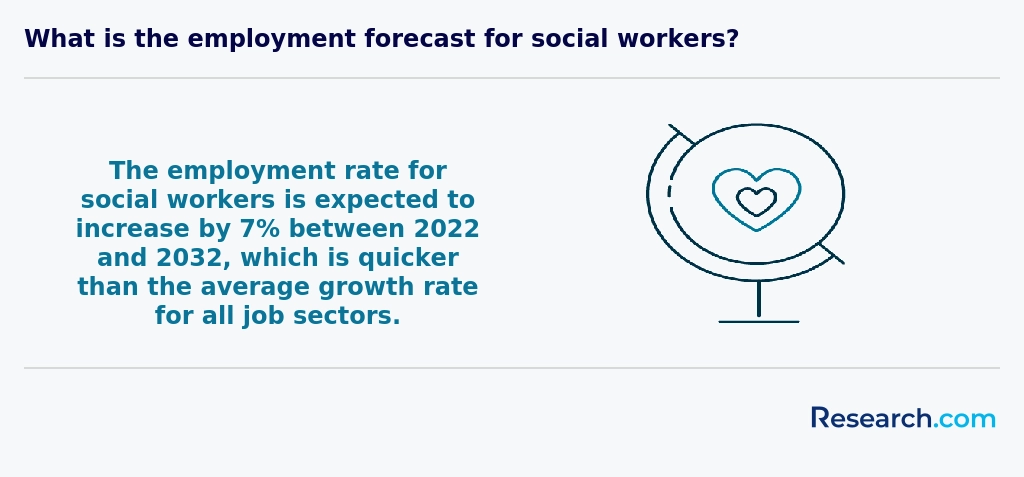
Online human services degree programs in Arkansas typically require students to complete foundational courses like Introduction to Human Services and Human Behavior and the Social Environment, which offer insights into professional roles and behavioral theories. Graduates from popular institutions such as the University of Arkansas at Little Rock often speak about how these classes helped them understand clients' diverse backgrounds and challenges in relatable ways.
Other courses, including Case Management and Ethics in Human Services, emphasize practical skills and moral decision-making that graduates found essential when working in real community settings. For example, during internships, students applied crisis intervention techniques learned in class to assist individuals facing acute emergencies, which many describe as deeply rewarding experiences.
Additionally, Substance Abuse and Mental Health courses prepare students for sensitive roles supporting those with addiction or psychological struggles. Programs usually incorporate research methods, allowing graduates to evaluate and improve service programs effectively-a feature praised by those aiming for leadership roles in Arkansas's social service sector.
Online human services degree specializations in Arkansas commonly include Case Management, Addiction Counseling, Mental Health Services, Gerontology, and Youth and Family Services. For students at popular Arkansas schools offering online programs, these focus areas resonate deeply with real community challenges. Graduates often share how studying Addiction Counseling empowered them to address the opioid crisis directly affecting many Arkansas families, reflecting a tangible connection between coursework and local needs.
Specializing in Gerontology appeals to those motivated by the anticipated growth of Arkansas's elderly population, encouraging careers that support aging with dignity. However, some argue that while these programs prepare students well, the practical realities of workforce integration can vary depending on employer resources and community support. For many pursuing Arkansas online human services career options, balancing these specializations with certification goals-such as the Human Services-Board Certified Practitioner credential-adds professional value.
One graduate from a leading Arkansas university noted that the accessible online format allowed them to manage family responsibilities while effectively preparing for a community-focused role. Prospective students interested in exploring further details may find the online human services masters degree path offers flexible options tailored to diverse personal and professional goals.
Choosing the best online human services degree in Arkansas involves examining accreditation carefully, as it ensures quality and recognition by employers. Graduates from well-known institutions like the University of Arkansas or Arkansas State University often highlight how accredited programs provided them practical skills and confidence when entering local human services agencies. Affordability is also key; many students appreciate that online options can align with Arkansas's average tuition rates near $9,200 annually, sometimes offering scholarships or flexible payment plans tailored for online learners. Considering program flexibility is crucial for working adults juggling family and careers, especially when courses are asynchronous, allowing study on a personal schedule.
Curriculum breadth matters, too. Students recommend programs that cover essential topics such as case management and community resources, which prepare them for local service roles. Looking into programs supported by experienced faculty members and internship connections within Arkansas strengthens career prospects. When in doubt, consulting resources like the social services degree guide can clarify choices among best online human services degree programs Arkansas offers.
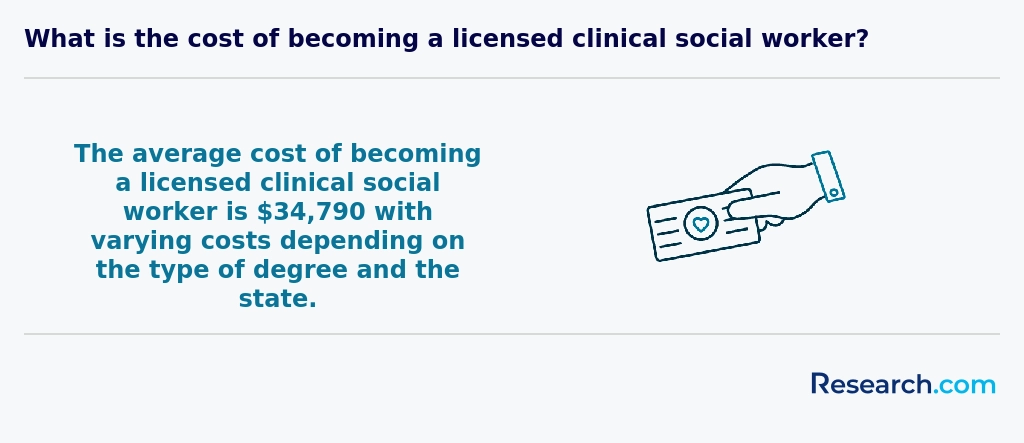
Graduates of online human services degree programs in Arkansas find multiple career paths that address key community needs, though success in these roles often requires blending education with practical experience. Popular options include becoming a Case Manager, where professionals help vulnerable groups like children or the elderly navigate social services and healthcare. Others pursue roles as Community Service Managers, overseeing vital local programs that bolster public welfare. In some cases, graduates work as Substance Abuse Counselors, contributing directly to recovery efforts, or serve as Social and Human Service Assistants, facilitating connections between clients and essential resources.
These career paths illustrate the broad scope of human services, but it's important to recognize challenges such as licensing for Mental Health Counselors or the emotional demands inherent in these roles. Graduates from institutions like the University of Arkansas at Little Rock often share that hands-on internships enhance both confidence and competence, reflecting the practical aspect emphasized in many Arkansas programs. Students exploring jobs with a human services degree will find that Arkansas's particular focus on rural and underserved populations shapes available opportunities and work environments.
Understanding human services career opportunities in Arkansas requires considering these real-world conditions, which influence how businesses and nonprofits recruit and support degree holders.
- Case Manager
- Community Service Manager
- Substance Abuse Counselor
- Social and Human Service Assistant
- Mental Health Counselor (requires additional licensure)
The human services job outlook in Arkansas for online degree graduates is favorable, driven by growing community needs and expanding social support services. Graduates from programs at well-known institutions such as the University of Arkansas at Little Rock or Arkansas Tech report opportunities in government agencies, nonprofits, healthcare, and education. Their work often involves addressing critical issues like poverty and rural health access, which are particularly relevant to Arkansas communities. These graduates find that familiarity with local social challenges enhances their employability.
Entry-level salaries typically range from $30,000 to $40,000, comparable with national figures, but those with additional certifications, such as the Certified Human Services Professional credential, may see increased prospects. Online human services careers Arkansas students pursue benefit from accessible tuition rates and state-specific support, making it financially viable. While job growth mirrors national trends, graduates note that employer emphasis on hands-on experience and state knowledge can shape outcomes.
For those exploring advanced opportunities, it is wise to consult resources like masters degree human services jobs to understand evolving roles in the field.
2027 Best Online Master's in Human Services Degree Programs Ranking in Arkansas
Investing in your education is a significant decision that can impact your career and personal growth, and the Research.com team recognizes the importance of making well-informed choices. To support future students in Arkansas, we have carefully developed the "2027 Best Online Master's in Human Services Degree Programs Ranking in Arkansas." Our dedication to quality, credibility, and accuracy is demonstrated through rigorous research and detailed analysis.
We utilized the following reputable data sources to ensure a thorough evaluation of human services programs:
By consulting this ranking, readers will acquire essential insights into the top online master's programs in human services across Arkansas, empowering them to choose programs that align with their goals. For a detailed explanation of our process, please visit our Research.com methodology page.


Frequently Asked Questions About human services
Students pursuing online human services degrees in Arkansas can maximize their learning by actively engaging with both digital resources and local community opportunities. Arkansas ranks above the national average in human services employment growth, making practical experience essential. Many programs encourage internships, which can be completed in-state to build real-world skills and professional networks.
Time management is critical in online education; students should establish consistent study schedules and participate in live discussions when available. Utilizing Arkansas-specific data from the Arkansas Department of Human Services and joining local professional organizations can deepen understanding of regional social issues.
Accessing academic support services, such as online tutoring and writing centers offered by Arkansas colleges, also improves success rates.
The human services field is rapidly evolving to address new social challenges. Emerging niches include gerontology, focusing on supporting Arkansas's growing elderly population, which is expected to increase by 25% over the next decade according to the Arkansas Economic Development Commission. Behavioral health is another critical area, especially with rising mental health awareness and substance abuse recovery programs gaining prominence nationwide.
Technology integration, such as telehealth services, is expanding the reach of human services providers, allowing Arkansas clients in rural areas to access care more easily. Additionally, community-based disaster response and crisis intervention are becoming vital due to increasing natural emergencies in the region.
These niches reflect broader trends in U.S. human services education and employment sectors, underlining the importance of specialized knowledge for effective practice in Arkansas.
Graduates with an online human services degree in Arkansas should focus on gaining relevant experience to improve job prospects. Volunteering or internships with local nonprofits and government agencies provides practical skills valued by employers. According to the Arkansas Department of Workforce Services, demand for social and human services assistants is expected to grow by 8% through 2030, making hands-on experience especially important. Networking with professionals in the field through Arkansas-based organizations like the Arkansas Human Development Corporation can also enhance job opportunities. Additionally, obtaining national certification, such as the Certified Human Services Professional (CHSP), can increase credibility and marketability in the competitive job market.
Employers in Arkansas seek specific skills from graduates of online human services degree programs. Strong communication abilities are essential, as professionals must effectively interact with diverse populations. Critical thinking and problem-solving skills are highly valued, enabling graduates to assess client needs and develop appropriate support strategies.
Cultural competence is increasingly important in Arkansas, given its growing demographic diversity. According to the Arkansas Department of Human Services, professionals who understand social and economic challenges faced by vulnerable groups stand out to employers. Organizational skills and ethical decision-making also rank among top competencies.
Additionally, knowledge of local policies and community resources in Arkansas improves graduates' employability, aligning with workforce demands outlined by the Bureau of Labor Statistics for the region.
Finding internships in Arkansas for human services degrees involves leveraging local resources and statewide networks. Start by contacting your online program's career services, as many partner with agencies throughout Arkansas to provide internship opportunities. Additionally, the Arkansas Department of Human Services offers placements in various community programs, which are ideal for practical experience.
Check listings on statewide platforms like Arkansas Workforce Services, which frequently post openings related to social services. Networking with professional groups such as the Arkansas Human Services Professionals Association can also connect you with mentors and leads.
According to the U.S. Bureau of Labor Statistics, Arkansas has a growing need for social and community service workers, signaling expanding internship opportunities across healthcare, child welfare, and counseling sectors.
Obtaining an online human services degree can significantly enhance career mobility and advancement opportunities in Arkansas. According to the Arkansas Department of Workforce Services, the demand for human services professionals is projected to grow by 11% through 2030, faster than the average for all occupations. An advanced degree often leads to eligibility for supervisory and specialized roles, increasing earning potential.
Online programs provide flexible access to education, allowing working adults in Arkansas to upskill without relocating. Many roles in social work, counseling, and community services require relevant credentials, which an online degree fulfills.
For licensed positions, Arkansas mandates state-specific training where many online programs incorporate these requirements, easing the path to certification.
Studying for a human services degree in Arkansas equips students with skills to collaborate across multiple disciplines. Programs often include coursework in psychology, social work, public health, and criminal justice, reflecting the diverse environments where human services professionals work.
The state recognizes the importance of interdisciplinary roles, especially given Arkansas's growing needs in mental health and community support. According to the Arkansas Department of Human Services, demand for integrated approaches continues to rise. Online degrees emphasize teamwork, ethical decision-making, and case management to prepare graduates for roles in healthcare, education, and social services.
Additionally, Arkansas institutions incorporate real-world case studies and practicum experiences tailored to state demographics. This hands-on training builds practical skills in multi-agency coordination.
Choosing between a thesis and a non-thesis online human services degree in Arkansas depends largely on your career goals and preferred learning style. Thesis programs emphasize research skills and require an original research project, which is ideal if you plan to pursue a PhD or work in research-oriented roles.
Non-thesis programs typically focus on practical skills and coursework, suited for professionals aiming to advance in fieldwork, administration, or policy without committing to extensive research.
Arkansas institutions often align these options with regional workforce needs in social services, where practical experience is highly valued. According to the Arkansas Department of Human Services, employment in social service occupations is projected to grow by 8% through 2030.
Consider your future plans: if research or academia appeals to you, a thesis option may be best; if applying skills quickly in practice matters more, choose non-thesis. Additionally, online formats may vary in structure, so reviewing specific program requirements is essential.
Students based in Arkansas interested in studying human services abroad have limited direct options since most international programs require physical presence. However, Arkansas residents can explore partnerships between local universities and foreign institutions that offer study abroad exchanges or virtual internships. The University of Arkansas, for example, facilitates some global learning opportunities relevant to social services, although these programs often focus more on public health or social work.
Online human services degrees provide flexibility without the need to relocate internationally. According to Arkansas Department of Human Services, demand for culturally competent professionals is rising, making global perspectives valuable.
Arkansas students should also consider accredited online programs with international coursework or study-abroad components supported by credit transfer agreements.
Part-time job opportunities in Arkansas can significantly enhance the education of students pursuing an online human services degree. Roles such as case aides, social work assistants, and community outreach workers allow students to gain practical experience while studying. According to the Arkansas Department of Workforce Services, the demand for social and human service assistants is projected to grow by 12% from 2022 to 2032 in the state, indicating strong job availability.
Working in nonprofit organizations, healthcare facilities, or government agencies provides hands-on skills relevant to human services. These roles help build communication, crisis intervention, and client-support abilities vital for a successful career.
Additionally, some part-time positions offer flexible hours, making it easier for students balancing work and studies. Opportunities in Arkansas's expanding social service sector offer valuable experience aligned with degree objectives.
Online human services students in Arkansas benefit from diverse networking opportunities despite their virtual learning format. Many universities encourage participation in professional organizations such as the Arkansas Chapter of the National Association of Social Workers (NASW). This provides access to local events, workshops, and mentoring programs tailored to human services professionals.
Students can also engage with regional community agencies through internships or practicum placements, which are often part of degree requirements. These placements offer valuable real-world connections and foster professional relationships within Arkansas's human services sector.
Additionally, virtual conferences and webinars hosted by Arkansas-based nonprofits and educational institutions enable students statewide to collaborate and expand their networks efficiently.
Alumni networks play a crucial role for online human services degree students in Arkansas by providing access to professional connections across the state. These networks help graduates find job opportunities in organizations such as the Arkansas Department of Human Services, which employs thousands in social work and counseling roles. Through alumni events and online platforms, students can engage with experienced professionals who offer mentorship and career advice tailored to Arkansas's unique human services landscape.
Additionally, strong alumni communities often share information about internships, licensure preparation, and continuing education, aiding students in meeting state requirements. According to the Arkansas Workforce Investment Board, networking contributes significantly to employment outcomes in this sector.
Students pursuing an online human services degree in Arkansas have several ways to tailor their education to meet specific career goals. Many Arkansas universities offer elective courses focused on areas like addiction counseling, social work, or nonprofit management. These options allow learners to specialize and better prepare for roles within state agencies or community organizations.
Arkansas's workforce data highlights a growing need for human services professionals, especially in mental health and substance abuse fields, guiding students on valuable elective choices. Additionally, some programs provide internships or practicum placements tailored to the regional human services landscape, enabling hands-on experience that directly supports career advancement within the state.
Online human services students in Arkansas often face challenges related to balancing coursework with personal and professional responsibilities. Many learners juggle family, work, and study, which can create time management difficulties. Limited access to high-speed internet in rural areas of Arkansas also affects some students' ability to participate fully in online classes. According to the Arkansas Department of Workforce Services, the state's broadband coverage lags behind the national average, impacting student connectivity.
Additionally, practical fieldwork requirements in human services programs may be harder to arrange remotely, leading to delays in graduation timelines. Students sometimes struggle with limited local internship opportunities in their community settings. Finally, some students report feeling isolated without traditional campus support networks, which can affect motivation and engagement.
Graduates with an online human services degree in Arkansas can pursue several professional certifications to advance their careers. The Certified Human Services Practitioner (CHSP) is one common credential offered by the National Organization for Human Services. This certification validates foundational skills and knowledge across diverse human services settings.
Another pathway is the Certified Social Work Case Manager (C-SWCM) credential, which is valuable for those focusing on social work case management. Certifications like the Licensed Alcohol and Drug Counselor (LADC) are also relevant for graduates aiming to work in substance abuse counseling, a growing need in Arkansas according to the Arkansas Behavioral Health Workforce 2023 report.
These certifications often require a combination of education, supervised experience, and passing an exam. They can significantly enhance job prospects and salary potential in Arkansas's human services fields.
Writing a winning application for an online human services program in Arkansas starts with understanding the specific requirements of each institution. Most programs request a personal statement highlighting your commitment to helping others and relevant experience. Be clear and concise, demonstrating your understanding of human services challenges in Arkansas, such as local poverty rates or mental health needs, supported by data from sources like the Arkansas Department of Health.
Include strong letters of recommendation from professionals familiar with your work ethic. Also, emphasize your academic readiness by presenting transcripts and any relevant certifications. Meeting deadlines and following application instructions precisely is critical to avoid disqualification.
The field of human services is increasingly viewed through a global lens, reflecting diverse cultural, social, and economic factors. Professionals working in this area must understand complex global challenges like migration, poverty, and health disparities, all relevant to Arkansas communities as well.
In the U.S., including Arkansas, human services careers emphasize ethical practices and collaboration with international organizations to address issues affecting vulnerable populations.
According to the Bureau of Labor Statistics, jobs in human services are projected to grow 12% nationally through 2031, fueled partly by global awareness and local needs.
Arkansas also benefits from programs that prepare students to engage with diverse populations both locally and abroad.
Gaining practical experience while studying for an online human services degree in Arkansas is essential for applying theoretical knowledge. Many programs require internships or field placements with local agencies. Students can partner with organizations such as the Arkansas Department of Human Services or community nonprofits to complete hands-on hours.
Arkansas supports human services internships by offering opportunities in social work, counseling, and public health sectors. According to the Arkansas Department of Human Services, approximately 50% of graduates gain experience through state-approved internship programs.
Online students should communicate with their program advisors to identify approved local sites for supervised practice. Virtual simulations and case studies also supplement real-world exposure effectively.
Choosing the right concentration within an online human services degree program in Arkansas depends on your career goals and the needs of the local community. Arkansas has a growing demand for social and human service professionals, particularly in mental health, substance abuse, and child welfare sectors, according to the Arkansas Department of Human Services.
Consider concentrations that align with these priorities, such as clinical case management or addiction counseling. Review the coursework and practicum opportunities that support hands-on experience. Also, check if the program prepares you for state licensure or certification, which can enhance employment prospects in Arkansas's public and private sectors.
Lastly, evaluate the flexibility of the online program to balance your personal and professional commitments while acquiring relevant skills for Arkansas's workforce.
- 2027 Best Online Master's in Human Services Degree Programs Ranking in Missouri
- 2027 Best Online Master's in Human Services Degree Programs Ranking in Texas
- 2027 Best Online Master's in Human Services Degree Programs Ranking in Kentucky
- 2027 Best Online Master's in Human Services Degree Programs Ranking in Kansas
- 2027 Best Online Master's in Human Services Degree Programs Ranking in Alabama
- 2027 Best Online Master's in Human Services Degree Programs Ranking in Illinois
- 2027 Best Online Master's in Human Services Degree Programs Ranking in Iowa
- 2027 Best Online Master's in Human Services Degree Programs Ranking in Georgia
- 2027 Best Online Master's in Human Services Degree Programs Ranking in Florida
- 2027 Best Online Master's in Human Services Degree Programs Ranking in Ohio
- Careers with a Degree in Human Services - MHA Online https://www.mhaonline.com/faq/careers-with-degree-in-human-services
- Bachelor's in human services degrees https://www.edx.org/bachelors/human-services
- Associate of Arts in General Education Human Services ... https://www.uaht.edu/academics/aa-human-services.php
- Is a Human Services Degree Right for You? https://www.ucumberlands.edu/blog/is-a-human-services-degree-right-for-you
- Top Career Opportunities After a Human Services Program https://columbia.ca/career-options-after-a-course-in-human-services/
- 10 Effective Ways to Build Networking Skills in Community ... https://tsa.edu.au/ways-to-build-networking-skills-in-community-services/
- 2026 Most Affordable Online Human Services Degrees https://www.onlineu.com/most-affordable-colleges/human-services-degrees
- Social Work Degree Program https://www.saumag.edu/socialwork/
- Professional Networking in Social Work: 2026 Complete Guide https://www.socialworkdegrees.org/professional-networking-in-social-work
- Making friends at university: How to build a social network https://www.srh-university.de/en/insights/tips-and-tricks-for-your-studies/making-friends-at-university-how-to-build-a-social-network/