2027 Most Valuable Online Bachelor's in Human Services Degree Programs Ranking in Iowa

Co-Founder and Chief Data Scientist
Choosing the right human services degree program can feel overwhelming, especially when planning your future in Iowa. This article introduces the 2027 Most Valuable Online Bachelor's in Human Services Degree Programs Ranking in Iowa, developed by Research.com's expert data science team. It's designed to help you weigh your options carefully and find programs that truly offer strong value and opportunities.
By exploring this ranking, you'll discover programs that align with your goals and set you up for a rewarding career. Pursuing a degree in human services opens doors to meaningful work, making a positive impact in your community.
Key benefits of getting online human services degree in Iowa
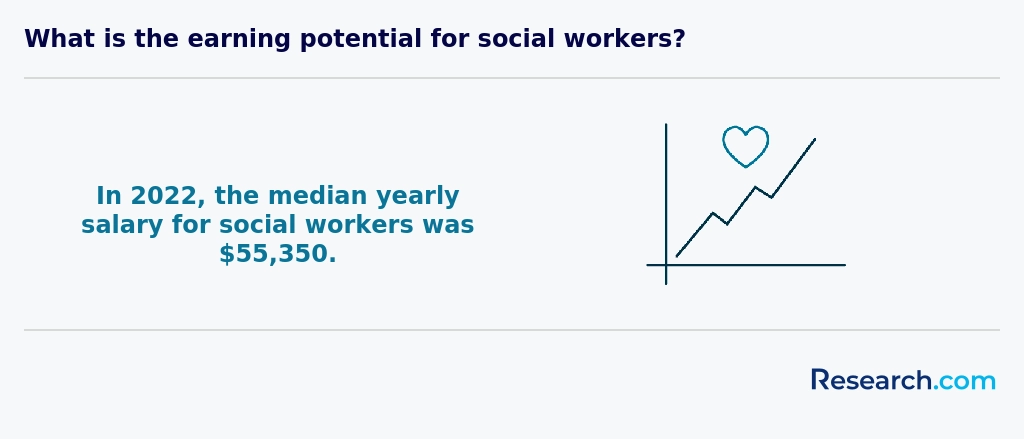
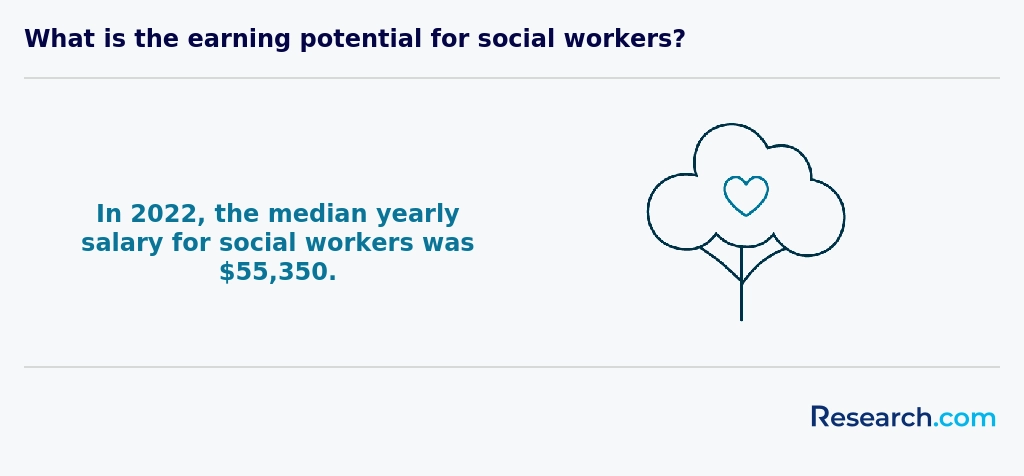
- Human services graduates in Iowa can expect competitive salaries similar to the U.S. average, with social and community service managers earning around $69,600 annually, providing financial stability.
- Graduates often find rewarding careers in counseling, social work, and program coordination, as seen with alum from the University of Iowa who successfully entered diverse helping professions.
- Completing a human services degree online from institutions like Iowa State offers flexibility and convenience, allowing students to balance work and study while advancing their careers without relocating.
- 2027 Most Valuable Online Bachelor's in Human Services Degree Programs Ranking in Iowa
- What can I expect from online human services degree in Iowa?
- Where can I work with online human services degree in Iowa?
What can I expect from online human services degree in Iowa?
The average cost of an online human services degree in Iowa typically ranges between $25,000 and $40,000 for the entire program, depending on the institution and residency status. Graduates from popular colleges like the University of Iowa or Iowa State University often share how this investment felt manageable, especially with federal aid and state scholarships easing the financial load. Many students appreciate the balance between cost and quality, noting that flexible online formats allow them to work while studying, reducing the need for loans.
Some students have found that local workforce training grants can supplement expenses, making the education even more affordable. For example, a graduate might recall juggling family life and a part-time job, enabled by asynchronous courses and reasonably priced tuition that felt like a worthwhile stepping stone toward meaningful careers in non-profits or government roles.
Looking ahead, the cost could become more variable as institutions introduce micro-credentialing or stackable certificates, potentially lowering barriers while maintaining career-relevant skills for Iowa's evolving human services sector.
Where can I work with online human services degree in Iowa?
Graduates from online human services programs in Iowa, such as those offered by the University of Iowa and Iowa State University, often find rewarding careers in diverse sectors. Many work in social service agencies where they help individuals facing challenges like homelessness or addiction, often recalling the hands-on community projects from their studies that prepared them to make a real difference.
Healthcare settings are also common workplaces, with graduates supporting patients and families by coordinating care and offering emotional support. One graduate shared how their internship at a local hospital inspired a passion for advocacy within elder care services, demonstrating the meaningful impact Iowa's programs foster.
Others have stepped into roles within school districts or government departments, where they implement programs focused on child welfare or workforce training. Seeing policies positively affect families in their own communities often reinforces a strong sense of purpose among Iowa-trained professionals.
Emerging trends suggest growing opportunities in nonprofit program leadership and community-based prevention efforts, especially as Iowa addresses social equity and public health. These pathways reflect the practical, empathetic skills nurtured through Iowa's online human services degrees, making graduates ready to meet evolving workforce demands.
Graduates with an online human services degree in Iowa often begin their careers with salaries ranging from $30,000 to $38,000 annually, reflecting roles like case management assistants or outreach coordinators. Many students from popular institutions such as the University of Iowa and Iowa State University find encouragement in how these entry-level positions provide a solid foundation for growth.
With experience and additional certifications, such as licensure in counseling or behavioral health, Iowan professionals can expect salary improvements, reaching around $50,000 per year for specialized roles like social workers or substance abuse counselors. Urban centers like Des Moines offer even greater earning potential-up to 15% higher-due to demand and cost of living, which excites many graduates envisioning their career paths.
Leadership positions within nonprofits or government agencies, pursued by alumni from prominent Iowa colleges, frequently offer salaries between $55,000 and $70,000. This progression demonstrates a promising future that motivates human services students eager to make a lasting impact while securing financial stability in a growing field.
- Tuition for online human services bachelor's programs in Iowa ranges from $8,000 to $15,000 per year for in-state students.
- Starting salaries for graduates in Iowa are typically between $35,000 and $42,000 annually, with median wages rising to $48,000-$55,000 after gaining experience.
- Employment in community and social service roles in Iowa is projected to grow by about 7% through the late 2020s.
- Graduates can work in settings like social work agencies, mental health organizations, and public health departments, often requiring specific certifications or licenses.
- Programs should be accredited by bodies such as the Council for Standards in Human Service Education (CSHSE) to ensure quality and financial aid eligibility.
- Most online programs combine asynchronous coursework with some live sessions, supporting students balancing work and study.
Completing an online human services degree in Iowa typically ranges from two to four years, yet the future may hold even more flexibility. Graduates from popular institutions like the University of Iowa and Des Moines Area Community College often share stories of balancing work and family while benefiting from accelerated courses offered online. Many found that full-time study allowed them to finish a bachelor's degree in about four years, though motivated students sometimes completed it in just three years.
Part-time options are increasingly tailored to working adults, extending completion to five or more years but providing invaluable flexibility. Imagine a student with a full-time job who leverages asynchronous classes and prior work experience credits to reduce their program length. This approach brings relief and excitement as they watch their degree progress without sacrificing daily responsibilities. With Iowa's growing availability of summer and accelerated sessions, the pathway to a degree adapts to fit diverse lifestyles and ambitions, promising an encouraging future for prospective online human services students.
Graduates from Iowa State University's online human services program often share how flexibility transformed their learning experience, enabling them to juggle family and work while advancing their education. This freedom to study anytime resonates deeply with those in rural Iowa, where commuting to the University of Iowa's on-campus classes can be a day-long challenge.
Conversely, students attending the University of Northern Iowa in person frequently highlight the energizing impact of face-to-face interaction. The hands-on internships and real-time feedback from faculty there foster connections that online settings strive to replicate through virtual communities.
Looking ahead, as technology advances, online programs in Iowa may incorporate augmented reality or live simulations, further bridging the gap in practical experiences. This evolution could make virtual mentoring and peer collaboration as meaningful as in-person encounters, reshaping how human services training supports community engagement across the state.
Both delivery methods require navigating field placements, but online learners often develop a stronger sense of independence and local networking, which can lead to unique professional growth opportunities within Iowa's diverse communities.
The median total cost of an online human services degree in Iowa hovers around $39,351, offering a realistic benchmark for students budgeting their education. Graduates from institutions like the University of Iowa and Iowa State University often reflect on how affordable online options enabled them to pursue their passion for helping communities without overwhelming debt. These programs generally balance quality and cost efficiently, appealing to those seeking an affordable online bachelor's in human services Iowa.
Many students appreciate the moderate tuition rates combined with the flexibility of online coursework, which allows them to work while studying. Some graduates report that while additional expenses such as textbooks and technology can add up, they find the overall investment worthwhile given the career impact. Others are optimistic about financial aid opportunities and scholarships that further reduce costs, making this degree more accessible for future cohorts.
Looking ahead, emerging trends indicate a rise in specialized online curricula with enhanced student support, potentially leading private Iowa universities to increase tuition but also improve outcomes. Prospective students curious about career trajectories often explore resources describing masters in human services careers, helping them envision the practical returns on their educational investments.
Students pursuing an online human services degree in Iowa often rely on a blend of financial aid options that evolve alongside educational trends. Graduates from institutions like the University of Iowa and Des Moines Area Community College frequently describe how federal aid, such as Pell Grants and Federal Work-Study, helped them balance work and study effectively while reducing financial stress.
Looking ahead, emerging trends suggest that state programs and institutional scholarships tailored specifically for online learners will expand, making education even more accessible. For example, Iowa's Tuition Grant continues to empower residents attending private colleges offering online human services degrees, providing crucial support for those juggling work, family, and education.
Many online students appreciate how employer tuition reimbursement and professional organization scholarships create pathways not only to earn a degree but to grow within their careers. As these financial aid sources adapt, prospective students can imagine a future where funding seamlessly supports their ambitions without overwhelming debt burdens.
Enrolling in an online human services degree in Iowa typically begins with a high school diploma or equivalent, laying a solid foundation for future learning. Graduates from popular institutions like the University of Iowa often reflect on how their initial coursework in psychology and sociology helped them connect theory to real-life challenges faced by communities across the state.
Many Iowa colleges recommend or require foundational courses in English and math, ensuring students develop essential communication and analytical skills. Prospective students commonly share that submitting a personal essay or statement of purpose was a meaningful chance to express passion for human services and career aspirations.
Test scores such as the ACT or SAT may be less emphasized now, thanks to flexible admission policies in Iowa. Yet letters of recommendation often remain a valuable element, especially for those aiming at specialized tracks.
Looking ahead, online programs may include tech readiness checks or virtual orientations, making the transition smoother and fostering confidence among learners balancing studies with daily life.
Financial aid tailored for Iowa residents interested in human services further encourages a hopeful and empowered mindset toward achieving academic goals online.

Online human services degree programs in Iowa typically include courses that balance foundational theory with practical skills, preparing students to handle real-world challenges. Graduates from popular Iowa institutions often reflect on how courses like Human Services Ethics and Professionalism helped them navigate complex ethical dilemmas they encountered during local internships.
Courses such as Introduction to Counseling Techniques and Case Management and Service Coordination equip students with communication tools essential for supporting individuals in crisis or managing diverse client needs. These classes often incorporate role-playing exercises, making the learning interactive and memorable for online learners based in Iowa.
Students frequently mention that sociology-focused classes like Sociology of Families and Communities broaden their understanding of the social dynamics affecting their clients, which they find invaluable when working with Iowa's varied populations. Additionally, courses on Social Welfare Policy and Advocacy prepare students to engage effectively with public assistance programs, a frequent system encountered locally.
The inclusion of research-oriented courses such as Research Methods and Program Evaluation reflects a growing trend toward evidence-based practice, which graduates describe as empowering when pursuing meaningful community impact roles within Iowa's human services sector.
Students pursuing an online human services degree in Iowa often explore specializations that respond directly to the state's evolving community needs. Popular career focus areas Iowa graduates highlight include addiction and substance abuse counseling, where they feel inspired by helping individuals through the opioid crisis. Many appreciate the mental health services track, noting its importance as Iowa expands care access in both rural and urban settings. Others are drawn to gerontology specializations, motivated by Iowa's aging population and the chance to support older adults' well-being.
Graduates from well-known Iowa colleges often share how specializing in community and social services helped them develop practical skills in advocacy and program management, equipping them to make a tangible difference. Disability services is another key focus area where students express deep fulfillment in fostering independence for those with developmental challenges. As you consider your path, researching affordable options like the cheapest human services degrees online could help align your goals with Iowa's growing human services landscape.
Choosing the best online human services degree in Iowa increasingly means focusing on programs that offer true flexibility and real-world application. Graduates from popular Iowa colleges often highlight how asynchronous classes allowed them to balance family and work commitments, transforming their busy lives into opportunities for growth. Affordability remains key-seeking out affordable human services programs Iowa-wide can ease financial stress, especially as some public universities offer tuition rates near $9,000 for residents.
Accreditation remains a non-negotiable factor for students aiming to enter Iowa's evolving job market. Graduates frequently mention feeling confident about their degrees when programs emphasize practical experiences like internships with local nonprofits or social service agencies. This hands-on training reflects the growing demand, projected to expand by 8% according to Iowa Workforce Development.
Looking ahead, programs incorporating emerging trends such as telehealth counseling and digital community resource management may become increasingly vital. For those eager to advance beyond a bachelor's, exploring options like an online human services masters could unlock future leadership roles while fitting into busy lifestyles.
Graduates with an online human services degree in Iowa find themselves stepping into diverse roles that impact communities positively while offering rewarding career opportunities. Popular choices include positions as Case Managers or Social Service Specialists at Iowa State University or the University of Northern Iowa, where graduates deploy resources to support healthcare and housing needs. Others become Behavioral Health Technicians helping individuals navigate mental health challenges, reflecting the growing demand in the region.
Those drawn to proactive community engagement might take on roles as Community Outreach Coordinators, designing impactful programs addressing homelessness or youth development. Graduates often express satisfaction in bridging gaps through such initiatives, feeling a genuine connection to the communities they serve. Human Services Assistants and Probation Counselors in Iowa's criminal justice system are also vital positions, emphasizing rehabilitation and support tailored to local needs.
Looking ahead, students discovering social services degree options in Iowa are encouraged by the flexible, affordable online programs that equip them with relevant skills for emerging trends in social care. The promise of meaningful work combined with Iowa's moderate job growth outlook inspires optimism for those pursuing online human services careers in Iowa.
The job market for graduates with an online human services degree in Iowa shows promising growth, particularly in sectors like community support and mental health services. Many graduates from popular Iowa colleges find rewarding opportunities working in local nonprofit agencies and government social service departments. These roles often involve hands-on support for families, aging adults, and individuals coping with substance abuse, creating an emotionally fulfilling career path.
Students pursuing online human services jobs in Iowa frequently share experiences of gaining practical skills through virtual internships and community projects, enhancing their readiness for the workforce. Employers increasingly seek candidates who understand the unique challenges faced by rural and small urban populations, a focus well-covered in Iowa's degree programs.
With the demand growing nationally and regionally, graduates can expect steady employment prospects and the ability to make a meaningful impact. Those interested in staying informed about evolving career paths might explore resources like jobs in human services to track emerging trends and opportunities in this field.
2027 Most Valuable Online Bachelor's in Human Services Degree Programs Ranking in Iowa
Investing in your education is a significant decision that can shape your future, and the Research.com team understands the importance of making informed choices. To support students exploring online bachelor's degrees in human services in Iowa, we have carefully developed the "2027 Most Valuable Online Bachelor's in Human Services Degree Programs Ranking in Iowa." Our dedication to quality, credibility, and accuracy is demonstrated through rigorous research and thorough analysis conducted to create this ranking.
We utilized the following reputable data sources to ensure a comprehensive evaluation of programs:
Reading this ranking will provide valuable insights into top-quality online human services programs in Iowa, helping you make well-informed educational decisions. For a detailed explanation of our process, please visit our Research.com methodology page.


Frequently Asked Questions About human services
Students pursuing an online human services degree in Iowa can maximize their learning experience by actively engaging with course materials and participating in virtual discussions. According to the Iowa College Student Aid Commission, maintaining consistent communication with instructors helps clarify complex topics and provides networking opportunities.
Incorporating practical experience through local internships or volunteer roles in Iowa's social service organizations also reinforces classroom learning. The Iowa Workforce Development reports a growing demand for human services professionals, emphasizing skills gained through real-world practice.
Utilizing campus resources like online tutoring and library databases further supports academic success. Establishing a regular study schedule and connecting with peers in similar programs fosters motivation and accountability throughout the degree journey.
The human services field in Iowa is evolving, with several emerging niches responding to changing community needs. One growing area is gerontology, focusing on supporting Iowa's aging population. According to the Iowa Department on Aging, the state's 65+ population is expected to increase by over 20% by 2030, boosting demand for skilled professionals in elder care and support services.
Another expanding niche is behavioral health, particularly substance abuse counseling. The Iowa Substance Abuse Epidemiology Profile highlights rising needs for addiction support, driven by the opioid crisis and mental health awareness.
Additionally, case management in rural health services is gaining importance due to Iowa's vast rural landscape. Professionals who understand rural challenges help improve access and outcomes for underserved communities.
After completing an online human services degree in Iowa, building a strong professional network is essential. Joining state-specific organizations like the Iowa Human Services Association can connect graduates to local employers and continuing education.
Gaining practical experience through internships or volunteer roles in Iowa's social service agencies increases job readiness. The Iowa Workforce Development reports growing demand for human services workers, with a 7% projected increase by 2030.
Additionally, acquiring relevant certifications such as Certified Human Services Professional (CHSP) can improve job prospects and earning potential within the state.
Continuing education and staying current with state policies also supports long-term career growth in Iowa's human services sector.
Employers in Iowa highly value human services graduates who demonstrate strong communication and interpersonal skills. These skills are essential for effectively working with diverse populations, including vulnerable groups such as the elderly and individuals with disabilities. According to the Iowa Department of Human Services, teamwork and collaboration abilities are also crucial due to the multidisciplinary nature of many human services roles.
Problem-solving and critical thinking are frequently cited as top competencies, as professionals often encounter complex social and health-related challenges. Additionally, knowledge of local and federal regulations and ethical standards is important for compliance and advocacy. Data from the U.S. Bureau of Labor Statistics highlights that adaptability and cultural competency are increasingly sought after in Iowa's social services sector.
Finding internships in Iowa related to a human services degree involves strategic research and utilizing local resources. Start by exploring state agencies like the Iowa Department of Human Services, which often offers internship opportunities aligned with human services work.
Many universities in Iowa have partnerships with community organizations and nonprofits, providing students access to approved internship listings. Check with your online program's career services for guidance and connections.
Additionally, websites such as the Iowa Workforce Development job bank can help identify internship openings specific to social services and community support roles.
The demand for human services professionals in Iowa is growing, with a 10% projected job growth rate through 2030 according to the U.S. Bureau of Labor Statistics, making internships valuable for hands-on experience.
Obtaining an online human services degree in Iowa significantly enhances career mobility and advancement opportunities. The Iowa Workforce Development reports steady growth in social and community service occupations, projecting a 6% increase by 2030. This growth underscores a strong demand for qualified professionals in human services roles.
Graduates with an online degree can access diverse positions such as case management, mental health support, and rehabilitation counseling. Many employers in Iowa prioritize candidates with formal education due to evolving regulatory standards and funding requirements, which emphasize accredited degrees.
Online programs also offer flexibility, allowing working professionals to upskill without disrupting their current roles. This flexibility supports continuous career development, making it easier to pursue supervisory or specialized positions within Iowa's human services sector.
Studying for a human services degree in Iowa offers specialized training that equips students for interdisciplinary roles across health, social work, and public service sectors. Iowa's programs emphasize collaboration, preparing graduates to work alongside professionals from psychology, healthcare, education, and criminal justice fields.
The Iowa Board of Regents and the Iowa Department of Education highlight that human services graduates develop skills in communication, case management, and cultural competence, which are essential for diverse work environments. Courses often include community resources, counseling techniques, and policy analysis, fostering flexible expertise.
With Iowa's rising demand for human services workers-projected to grow by 12% by 2030 according to the Iowa Workforce Development-these interdisciplinary competencies ensure graduates are ready to meet varied client needs effectively within local and statewide agencies.
Choosing between a thesis and a non-thesis human services degree program in Iowa depends on your career goals and academic interests. A thesis option typically involves conducting original research and writing a formal paper, which is suited for students aiming for advanced graduate studies or research roles. Non-thesis programs focus more on coursework and practical skills, often appealing to those pursuing direct service or administrative positions within Iowa's human services sectors.
According to the Iowa College Student Aid Commission, the state's human services job market grew by 8% from 2019 to 2023, emphasizing applied skills. Online thesis programs might require more time commitment, while non-thesis options often allow faster completion.
Students based in Iowa who want to study human services abroad face limited direct options through online programs. Most U.S. universities offering online human services degrees focus on domestic curricula and accreditation. However, Iowa students can explore study abroad exchanges or international internships through their home institutions, often within larger public universities like the University of Iowa or Iowa State University, which have global partnerships.
Online human services degrees accredited by the Council for Standards in Human Service Education (CSHSE) ensure quality but remain U.S.-centered. According to the Iowa Department of Education, it's essential for students to verify how foreign study credits transfer.
Networking with international organizations virtually may supplement global experience while maintaining U.S. program enrollment.
In Iowa, part-time job opportunities that complement online human services degree education typically involve direct client interaction and administrative support roles. Positions such as case aide, residential counselor, or community support worker provide hands-on experience relevant to human services fields. According to Iowa Workforce Development, these roles often offer wages ranging from $12 to $18 per hour, depending on the employer.
Community organizations and social service agencies in Iowa frequently seek part-time workers to assist with client intake, basic counseling support, and program coordination. These jobs enhance practical skills while students complete their degrees.
Additionally, elder care assistant positions aligned with Iowa's growing aging population can provide valuable insight into healthcare and support services management, an important aspect of human services. The U.S. Bureau of Labor Statistics reports that Iowa's demand for social and human service assistants is expected to grow 12% through 2031, indicating strong future employment prospects for graduates.
Online human services students in Iowa have several networking opportunities to support their career growth. Many Iowa colleges offering these programs encourage participation in local professional organizations such as the Iowa Association of Community Providers (IACP) and the Iowa Chapter of the National Organization for Human Services (NOHS). These groups host events, webinars, and workshops designed for students and professionals to connect.
Students can also benefit from virtual career fairs and alumni networks facilitated by their schools. According to the Iowa Workforce Development, human services jobs in Iowa are expected to grow by 8% through 2030, making networking especially valuable for job placements.
Alumni networks play a crucial role for online human services degree students in Iowa by providing valuable professional connections. These networks help students access internships and job openings, which is important in a field where over 30,000 Iowa residents work in social assistance according to the Iowa Workforce Development. Networking with alumni can also offer mentorship opportunities, giving students insights into career paths and local industry demands.
Furthermore, active alumni communities often host workshops and events, promoting continuous learning beyond graduation. This support system strengthens students' readiness to enter Iowa's competitive human services sector, enhancing job placement and career growth.
Customizing an online human services degree program in Iowa allows students to align their studies with specific career goals. Many Iowa colleges offer elective courses and concentration options such as addiction counseling, social work, or gerontology. This flexibility helps students develop expertise in areas with strong local demand, supported by Iowa's Department of Human Services labor data indicating steady job growth in these fields.
Practical experience through internships or fieldwork is often integrated into programs, helping students gain hands-on skills relevant to Iowa's communities. Additionally, some programs provide opportunities for certification preparation, enhancing employability in specialized roles statewide.
Online human services students in Iowa often face challenges balancing coursework with work and family responsibilities. Many students are adults returning to school, which can make time management difficult. According to the Iowa College Student Aid Commission, about 60% of Iowa's online learners juggle employment and studies simultaneously.
Another common issue is limited access to local internships or practicum opportunities, which are essential for human services degrees. This can hinder hands-on experience, crucial for licensure or employment in social services fields.
Additionally, some students report feelings of isolation and difficulty engaging with peers and instructors online. Iowa's rural areas sometimes struggle with reliable internet access, further complicating participation in live discussions or coursework.
With an online human services degree in Iowa, graduates can pursue several professional certifications to enhance their career prospects. One widely recognized credential is the Certified Human Services Practitioner (CHSP), offered by the National Organization for Human Services. This certification validates foundational knowledge and skills relevant across human services roles.
Another option is the Iowa-specific Certified Alcohol and Drug Counselor (CADC), which is vital for professionals working in substance abuse treatment settings. Iowa's growing need for addiction counselors supports strong employment opportunities in this area.
Many graduates also consider becoming Licensed Social Workers (LSW) or Licensed Mental Health Counselors (LMHC) by meeting state certification requirements, which often include additional coursework and supervised experience. These certifications are crucial for clinical roles and increase earning potential.
According to the Iowa Workforce Development, employment in social and human service occupations is expected to grow 7% through 2031, highlighting the importance of these credentials for career advancement.
Writing a winning application for an online human services program in Iowa requires clear demonstration of your motivation and relevant experience. Admissions committees look for applicants who show commitment to helping communities, as human services focus on supporting vulnerable populations across the state.
Highlight any direct experience or volunteer work related to social services, healthcare, or counseling within Iowa, as this shows local engagement. Include specific examples and quantify impact when possible. For instance, noting work with Iowa nonprofits or participation in the Iowa Workforce Development programs can be persuasive.
Strong letters of recommendation from professionals familiar with your work in human services or related fields further strengthen your application. Additionally, ensure your personal statement clearly explains why an Iowa-based online program fits your career goals, reflecting knowledge of regional social issues and workforce needs reported by the Iowa Department of Human Services.
Human services careers are increasingly recognized globally as vital to supporting communities, though standards and practices vary by region. In the United States, including Iowa, human services professionals focus on addressing social issues like mental health, substance abuse, and family welfare. According to the U.S. Bureau of Labor Statistics, employment in human services-related fields is projected to grow 12% from 2022 to 2032, reflecting nationwide demand.
Internationally, some countries emphasize community-based approaches, while others integrate human services within healthcare or social work systems. For Iowa students pursuing online human services degrees, understanding these global perspectives enhances cultural competence and prepares graduates for diverse work environments.
Gaining practical experience while studying for an online human services degree in Iowa is essential for career readiness. Many Iowa programs incorporate internships or practicum placements with local agencies. These placements often involve partnerships with community organizations, healthcare facilities, or social service providers statewide.
Students typically complete between 100 to 400 hours of supervised fieldwork, depending on the program, allowing hands-on experience in client assessment, case management, and crisis intervention.
The Iowa Department of Human Services and nonprofit groups provide many internship opportunities that complement online coursework. Such experience supports licensure and employment prospects within Iowa's growing human services sector, which is expected to increase by nearly 10% through 2030, according to the Iowa Workforce Development.
Choosing the right concentration within an online human services degree program in Iowa begins with understanding local workforce needs. Iowa's Human Services Workforce Report highlights high demand for specialists in mental health and substance abuse, signaling strong job prospects in these areas. Prospective students should evaluate concentrations based on regional employment statistics, such as the Iowa Workforce Development data showing steady growth in social work and counseling roles.
Consider your personal interests and career goals alongside state-specific salary averages to find a suitable focus. Additionally, review program curricula to ensure alignment with Iowa licensure requirements for fields like social work. Consulting resources like the Iowa College Student Aid Commission can also help in making informed decisions.
- 2027 Most Valuable Online Bachelor's in Human Services Degree Programs Ranking in Missouri
- 2027 Most Valuable Online Bachelor's in Human Services Degree Programs Ranking in Ohio
- 2027 Most Valuable Online Bachelor's in Human Services Degree Programs Ranking in Kentucky
- 2027 Most Valuable Online Bachelor's in Human Services Degree Programs Ranking in Florida
- 2027 Most Valuable Online Bachelor's in Human Services Degree Programs Ranking in Virginia
- 2027 Most Valuable Online Bachelor's in Human Services Degree Programs Ranking in Pennsylvania
- 2027 Most Valuable Online Bachelor's in Human Services Degree Programs Ranking in New York
- 2027 Most Valuable Online Bachelor's in Human Services Degree Programs Ranking in California
- Social Worker Cover Letter Example https://www.careertoolbelt.com/professions/social-worker/cover-letter-example/
- Online Bachelor’s Degree in Human Services https://www.monroeu.edu/academics/undergraduate-programs/school-criminal-justice/online-bachelors-degree-human-services
- How to Maximize the Impact of Alumni Networks https://www.careeros.com/resources/how-to-maximize-the-impact-of-alumni-networks
- How To Solve the Key Challenges Faced by Community Social Workers https://www.casebook.net/blog/how-to-solve-the-key-challenges-faced-by-community-social-workers/
- Human Service Week - List of ideas for topics for student groups https://www.human-service-week.org/past-human-service-weeks/human-service-week-2024/list-of-ideas-for-topics-for-student-groups
- 2025 Most Affordable Online Human Services Degrees https://www.onlineu.com/most-affordable-colleges/human-services-degrees
- 6 Challenges of the Human Services Worker | Relias https://www.relias.com/blog/6-challenges-of-the-human-services-worker
- Human Services | Kirkwood Community College https://www.kirkwood.edu/programs/degrees/social-services-safety-education/human-services
- 4 Human Services Careers https://www.albany.edu/education/communications/human-services-careers
- Choosing a bachelor's in human services | edX https://www.edx.org/resources/how-to-choose-a-bachelors-in-human-services