2027 Best Online Master's in Human Services Degree Programs Ranking in Massachusetts

Co-Founder and Chief Data Scientist
Choosing the right online master's program in human services can feel overwhelming, especially for students in Massachusetts eager to advance their careers. This article presents the 2027 Best Online Master's in Human Services Degree Programs Ranking in Massachusetts, developed by the Research.com team of data scientists.
Using this ranking, you can confidently explore programs that combine quality, flexibility, and relevance to your goals. Pursuing a human services degree not only opens doors to meaningful work but also empowers you to make a positive impact in your community.
Let this guide help you take the next step in your educational journey with clarity and confidence.
Key benefits of getting online human services degree in Massachusetts
- Human services degree graduates often find rewarding careers with average salaries around $35,000 to $45,000 annually in related roles, reflecting steady demand and opportunities for growth in Massachusetts.
- Graduates from schools like University of Massachusetts Boston enjoy diverse career options, including social work, counseling, and community outreach, providing a fulfilling path to make a positive impact.
- Completing a human services degree online, such as through Boston University's program, offers flexibility to balance work and life while gaining the same quality education and valuable professional connections.
- 2027 Best Online Master's in Human Services Degree Programs Ranking in Massachusetts
- What can I expect from online human services degree in Massachusetts?
- Where can I work with online human services degree in Massachusetts?
What can I expect from online human services degree in Massachusetts?
The cost of an online human services degree in Massachusetts can vary quite a bit, but many students find that public universities offer more affordable options, especially if you're an in-state resident. For example, graduates from well-known schools around Boston often mention how they appreciated the balance between quality education and reasonable tuition. One graduate shared how financial aid and employer tuition assistance made a huge difference in managing expenses while working part-time.
Tuition rates at public institutions might be around the mid to high thousands per year, making the whole program a manageable investment compared to many other degree paths. Private colleges tend to be pricier but sometimes offer flexible payment plans or scholarships to ease the financial load. The key is that you don't have to break the bank to pursue this degree-many students report feeling relieved and motivated knowing they could study human services without overwhelming debt.
Where can I work with online human services degree in Massachusetts?
If you're earning an online human services degree in Massachusetts, you're stepping into a world full of meaningful job options. Graduates from popular schools like UMass or Boston College often land roles in state social service agencies, helping folks navigate tough times through case management or program coordination. Imagine working with the Department of Children and Families, supporting children and families in your community-many grads find this super rewarding.
Nonprofit gigs are also a big deal here. Plenty of grads end up with organizations focused on homelessness or addiction recovery, where they really make a difference as outreach workers or program directors. You might picture yourself coordinating services at a community health center, linking medical care with mental health support, which is a growing field in Massachusetts.
And don't overlook schools-many grads help students thrive as counselors' aides or program specialists. Whether you're working in Boston or a smaller town, an online human services degree opens doors to roles where your work genuinely changes lives.
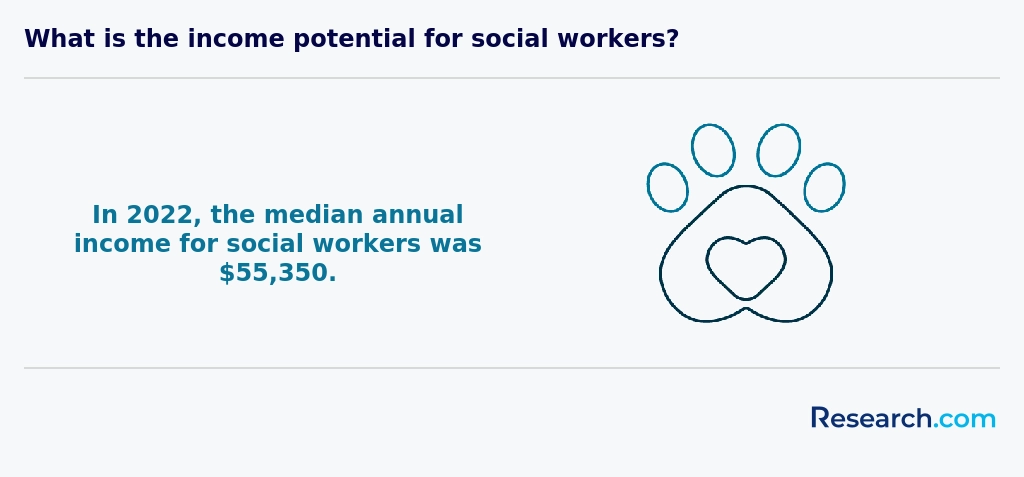
If you're eyeing an online human services degree in Massachusetts, you'll want to know what kind of paycheck to expect. Graduates from schools like UMass Boston or Simmons University often start around $35,000 to $40,000 a year in entry-level roles, like social and human service assistants. These jobs give you a solid foot in the door, and it feels great knowing you're helping people while building your career.
Step up to a master's degree, and things get even better. Many grads find themselves in management or program coordinator positions earning between $60,000 and $80,000 a year. Imagine working in a nonprofit downtown or at a healthcare agency and making that kind of cash while making a real difference.
Plus, if you become a licensed clinical social worker, your salary can climb to about $70,000 to $85,000, especially in Boston where the demand is higher. It's rewarding both personally and financially-something many online human services grads in Massachusetts rave about.
- Online human services degrees in Massachusetts offer flexible fully online or hybrid options for working students.
- Tuition for online bachelor's programs ranges from $15,000 to $30,000 annually for in-state students; master's programs cost between $20,000 and $40,000 total.
- Entry-level salaries average around $40,000 per year, with experienced professionals earning between $55,000 and $65,000 annually.
- Employment in human services is projected to grow by 8% through 2030 in Massachusetts, outpacing the national average.
- Many programs align with Massachusetts licensure requirements for social workers and counselors, supporting professional certification.
If you're thinking about getting an online human services degree in Massachusetts, you can typically finish your associate or bachelor's degree in about two to four years if you're studying full-time. Lots of students from popular schools like UMass or Bridgewater State University share how flexible online programs helped them juggle work and family while still making steady progress. Some even finished faster by taking accelerated courses or competency-based classes, wrapping up in around three years.
Graduate degrees, like a master's in human services, usually take around two years full-time, but many grads tell stories of stretching that to three or four years to fit their busy lives. These programs are known for their flexibility, especially with part-time options, something you'll find at places like Salem State or Fitchburg State.
Many students appreciate how online programs accommodate real-life stuff-internships, transfer credits, or prerequisite courses might add time, but they're important for hands-on experience, which graduates say made the work feel meaningful and rewarding.
Choosing between online and on-campus human services degrees in Massachusetts really comes down to how you like to learn and what fits your lifestyle. Imagine a student at UMass Boston juggling a part-time job and family-online classes let them dive into lectures and assignments whenever they have a free moment, skipping the headache of Boston traffic. They love the flexibility but know it takes a ton of self-motivation to stay on track.
On the flip side, someone studying on-campus at Suffolk University enjoys lively group chats and role-play sessions that help build real-world skills with peers and professors right there. Being on campus also means quick access to resources like career centers and libraries, which feels like a safety net when tackling complex social work topics.
Both paths require internships, but grads from online programs often need to hustle a bit more to find local placements, especially here in competitive Massachusetts markets. Tuition varies, too-public schools hover around $15,000 for in-state, while private options can be double that. Either way, picking an accredited program that aligns with Massachusetts licensing standards is key to making your degree count.
When it comes to the average cost of an online human services degree in Massachusetts, you're usually looking at around $31,350 for the total program. Students attending well-known schools like UMass Boston or Bridgewater State often find this number realistic and manageable, especially when balancing work and family. Many grads talk about how the online format saved them money on commuting and housing, which made this investment feel a lot less stressful on their wallets.
The tuition and fees for human services degree in Massachusetts can vary quite a bit depending on whether you're an in-state or out-of-state student. In-state learners tend to see more affordable rates, which can be a big relief. On the other hand, those coming from outside Massachusetts usually face higher costs but often find it worth it for the quality of education and support offered. One recent graduate shared that the flexibility of online courses at a private college allowed them to work full-time, making the expense feel like a smart long-term move.
Many students also explore financial aid options, scholarships, and employer tuition assistance to help cover expenses. If you want to get a better idea of the career paths waiting for you after graduation, check out human services masters degree jobs, which offer insight into where your degree could take you.

If you're eyeing an online human services degree in Massachusetts, you're in luck because there are quite a few financial aid options to ease the cost. Many students from schools like UMass Boston or Suffolk University find that federal aid through FAFSA really lightens the load-think Pell Grants for undergrads and low-interest federal loans if you're tackling a master's. It's not just the feds; Massachusetts residents can tap into state grants which often help especially if you're studying at public universities.
Graduates often mention how institutional scholarships, geared specifically for human services fields, made a huge difference. These awards are usually merit-based or designed for folks aiming to make a social impact. Plus, if you're working, check if your job offers tuition assistance-it's pretty common in health or social service roles around here. Professional groups like the National Organization for Human Services also offer scholarships, which some Massachusetts students have used to push their studies further without stressing about money.
If you're thinking about enrolling in an online human services degree in Massachusetts, you'll want to know what the schools expect from you before you dive in. Most programs at popular places like UMass or Boston College want you to have at least a high school diploma if you're going for a bachelor's. If you're aiming for a master's, having that bachelor's degree first is a must-usually they look for something related to social sciences or healthcare, but don't stress if your major was different.
A lot of students share that test scores aren't always a big deal anymore. Many programs have turned test-optional, which is great for folks who've built solid work experience instead of focusing on exams. Graduates from these schools often mention how volunteering or working in community centers helped their applications stand out-it's about showing you've got real-world skills.
Don't forget you'll need to write a personal statement, telling schools why human services matters to you and what your goals are. Letters of recommendation from teachers or supervisors can really boost your chances too-they want to see you're passionate and reliable.
If you're diving into an online human services degree in Massachusetts, you'll find courses that really get to the heart of helping people. These programs, whether at UMass or Boston's popular colleges, cover basics like human development, ethics, and case management-stuff you'll actually use in real life. Graduates often share how classes like Ethics in Human Services helped them navigate tough choices when working with clients, or how learning about Diversity and Cultural Competency made a huge difference in understanding Massachusetts' varied communities.
Students also take courses like Substance Abuse and Mental Health, which come in super handy for tackling real challenges on internships. One grad talked about applying skills from Research Methods in Human Services during their fieldwork, making their experience feel meaningful and practical. The mix of theory and hands-on stuff is why many find these programs really relatable and rewarding, especially in Massachusetts where the focus is on serving diverse populations with empathy and expertise.
If you're diving into an online human services degree in Massachusetts, you've got plenty of cool specializations to explore. Graduates from popular schools around the state often mention focusing on social work and counseling, which really preps you for hands-on roles helping people through tough times. Others choose substance abuse and behavioral health, a huge deal here since Massachusetts has been tackling opioid addiction head-on. Then there's gerontology, perfect if you want to support the state's large senior population, addressing everything from healthcare to emotional support.
Community and nonprofit leadership is another fave, especially for those who want to lead local organizations making a difference. Plus, child and family services catches a lot of students who care deeply about protecting kids and supporting families in crisis. These options really show the range of online human services degree specializations Massachusetts offers, letting you tailor your career to what matters most to you.
Many students find these paths rewarding and practical, especially through schools well-known in the area. If you want to speed things up, check out accelerated human services online degrees that help you jumpstart your career in no time.
When choosing the best online human services degree in Massachusetts, start by checking if the program is accredited. Graduates from schools like those popular in Massachusetts often mention how accreditation gave them confidence their degree really counts. Look for courses covering counseling, social welfare policy, and ethics, plus hands-on internships-even remote ones-to build real skills.
Cost is key too. While Massachusetts programs can be pricier, many offer financial aid or in-state tuition deals to keep things affordable. Students often share how finding affordable human services programs Massachusetts helped them avoid huge debt while still getting quality education.
Think about your schedule. Many programs offer flexible, asynchronous classes so you can study while working. Graduates often appreciate how this setup helped them balance life and school without stress. Also, check if faculty are pros in human services and if there's solid student support to guide you.
If you want more options, visit human services degrees online to explore programs tailored to Massachusetts students.

If you're eyeing an online human services degree in Massachusetts, there are plenty of career paths waiting for you. Graduates from popular colleges in the state often step into roles like case managers or social services coordinators, where they get to help people figure out what support they need and connect them to resources. It's a hands-on job that makes a real difference, especially in communities around Boston and Worcester.
Lots of grads also find themselves working as substance abuse counselors or mental health technicians, thanks to Massachusetts pumping funds into mental health services. It's rewarding to know your work supports people navigating tough times. Community outreach coordinator and nonprofit program director jobs are common too, since the state's nonprofits are big employers for human services careers in Massachusetts.
Many students love that their degree opens doors not only in traditional health settings but also in juvenile justice or nonprofit sectors. If you want to explore more about jobs for masters degree in human services, you'll find Massachusetts offers growth and meaningful work in every direction.
The online human services job market Massachusetts offers is pretty steady and promising, especially if you're studying through popular local schools like UMass Boston or Salem State University. Graduates often find themselves working in diverse roles - from social work to case management - across agencies, healthcare, and nonprofits. One big plus is how much Massachusetts values these roles, with wages generally 10-15% above the national average, making the effort to earn your degree online here feel really worth it.
For many students balancing life and work, the flexibility of online programs is a lifesaver, allowing them to keep their jobs while earning a degree. The employment outlook for human services degree Massachusetts is expected to grow by around 7% by 2030, fueled by rising needs in mental health and community services. Graduates often say that leveraging local professional organizations and certifications boosts their chances of landing rewarding, stable jobs.
If you want to explore options, check out this affordable human services online program guide to find a fit that won't break the bank while giving you solid career prospects.
2027 Best Online Master's in Human Services Degree Programs Ranking in Massachusetts
Investing in your education is a significant decision that can shape your future, and the Research.com team recognizes the importance of making well-informed choices. To support prospective students in Massachusetts, we have carefully developed the "2027 Best Online Master's in Human Services Degree Programs Ranking in Massachusetts." Our dedication to quality, credibility, and accuracy is demonstrated through extensive research and analysis to provide a reliable guide.
We utilized the following reputable data sources to ensure a comprehensive evaluation of human services programs:
By reviewing this ranking, readers will gain valuable insights into the top online master's programs in human services offered in Massachusetts, helping them make confident and informed decisions about their educational journey. For a deeper understanding of how this ranking was created, please visit our Research.com methodology page.


Frequently Asked Questions About human services
Online human services degree students in Massachusetts can maximize their learning by actively engaging with both digital platforms and local professional networks. Many Massachusetts colleges offering these programs emphasize experiential learning, so students should seek virtual internships or practicum opportunities within state agencies or nonprofit organizations.
Utilizing Massachusetts' robust social services environment-home to over 300 community-based organizations-helps students gain practical insights. According to Mass.gov, networking with local professionals enhances career outcomes in human services.
Additionally, taking advantage of synchronous class sessions, discussion boards, and faculty office hours strengthens understanding and retention. Staying disciplined with time management and setting clear goals also contributes significantly to success in online formats.
Emerging niches in the human services field reflect evolving social needs and technological advances. In Massachusetts, there is growing demand for professionals skilled in gerontology, driven by a rising senior population. The U.S. Census Bureau reports that adults aged 65 and older will increase significantly by 2030, impacting human services jobs focused on elder care.
Another expanding area is trauma-informed care, addressing mental health and substance abuse issues affected by the opioid crisis prevalent in the state. Additionally, telehealth and digital case management are becoming vital, enhancing access to support and resources, especially in underserved communities.
These niches require specialized knowledge, making online human services degrees that incorporate such topics increasingly valuable for students in Massachusetts.
After completing an online human services degree in Massachusetts, preparing for the job market involves several key steps. Start by gaining relevant experience through internships or volunteer work, which many programs encourage. Networking is vital; connect with local human services agencies and professional organizations such as the Massachusetts Chapter of the National Association of Social Workers.
Massachusetts reports steady growth in human services jobs, with a 7% projected increase by 2030 according to the U.S. Bureau of Labor Statistics, highlighting expanding opportunities in healthcare, social assistance, and counseling fields.
Obtaining state-specific certifications or licenses can enhance job prospects. Additionally, develop strong communication and case management skills valued by employers across the state.
Employers in Massachusetts highly value human services graduates with strong communication and interpersonal skills. These abilities enable professionals to effectively support diverse populations facing challenges such as poverty, addiction, and mental health issues. According to the Massachusetts Department of Higher Education, practical knowledge of case management and crisis intervention is also essential in this field.
Analytical skills, including the ability to assess client needs and develop tailored service plans, are critical for success. Additionally, cultural competence and ethical decision-making ensure that graduates can work respectfully within Massachusetts' diverse communities. Familiarity with local social service systems is another important advantage for job seekers in this region.
Finding internships in Massachusetts related to a human services degree involves several strategic steps. Start by exploring partnerships between your online program and local agencies, as many schools offer structured internship placement support. The Massachusetts Department of Higher Education and local workforce boards list approved organizations offering relevant field experience.
Many internships arise in government agencies, nonprofits, and healthcare organizations, especially in areas like Boston and Worcester. According to the Bureau of Labor Statistics, Massachusetts employs over 30,000 social and human service assistants, reflecting growing internship opportunities in this sector.
Networking through professional groups, such as the Massachusetts Human Services Network (MHSN), can increase your chances. Also, check listings on state government sites and platforms like MassHire for updated internship openings in human services.
In Massachusetts, an online human services degree can significantly enhance career mobility and advancement. The state's growing demand for qualified human services professionals, driven by increasing social and healthcare needs, creates more opportunities for degree holders.
According to the Massachusetts Executive Office of Labor and Workforce Development, employment in social and human services occupations is projected to grow by 9% from 2022 to 2032. Holding a degree often qualifies candidates for supervisory or specialized roles that pay higher salaries.
Online programs also provide flexibility, allowing working professionals to gain credentials without interrupting their careers. This accessibility supports continuous professional development, which is valued by Massachusetts employers in fields such as counseling, case management, and community outreach.
Studying for a human services degree in Massachusetts equips students with skills to work across various disciplines, including social work, psychology, and public health. Massachusetts universities emphasize practical experience and collaborative learning, reflecting the state's diverse service sectors.
The curriculum often integrates courses on policy, counseling, and community organization, preparing graduates to work effectively with multidisciplinary teams. According to the Massachusetts Department of Public Health, coordinated care efforts have grown by over 15% in recent years, increasing demand for professionals able to navigate these complex systems.
This interdisciplinary training enables graduates to address social issues from multiple perspectives, making them valuable in healthcare, education, and nonprofit organizations statewide.
When choosing between a thesis and a non-thesis human services degree program in Massachusetts, consider your career goals and learning preferences. Thesis programs focus on original research, beneficial for those seeking academic, policy, or advanced research roles.
Non-thesis programs emphasize practical skills through coursework and internships, ideal for students aiming to enter or advance in direct practice or administration. Massachusetts features many online options accredited by the New England Commission of Higher Education (NECHE), ensuring quality.
According to the Massachusetts Department of Higher Education, the demand for social and human services professionals is expected to grow 12% through 2030, influencing program choices. Research-based degrees may open doors to doctoral studies, while non-thesis paths typically require less time and offer greater flexibility for working adults.
Students in Massachusetts interested in studying human services abroad have several pathways despite focusing on online degrees. Many Massachusetts institutions partner with international programs, enabling students to complete internships or study modules overseas while fulfilling online course requirements.
Options include approved study-abroad components embedded within accredited online master's programs, particularly those following standards of the Council for Standards in Human Service Education (CSHSE). Participation in global internships can enhance practical skills and cultural competence, which are valued in Massachusetts's growing human services sector.
According to the Massachusetts Department of Higher Education, over 40% of students in health and human services fields engage in international experiences during their studies, reflecting rising interest in global perspectives.
While online degrees primarily focus on remote learning, combining coursework with international hands-on opportunities allows students to gain broader expertise without relocating permanently.
Part-time job opportunities in Massachusetts that align well with human services degree education include roles such as case assistant, community outreach worker, and residential aide. These positions provide hands-on experience in social service environments, valuable for students studying online human services programs. According to the Massachusetts Executive Office of Health and Human Services, demand for such roles is steady, driven by a growing need for support services in mental health and elder care.
Jobs in nonprofit organizations and local agencies often offer flexible hours, making them ideal for part-time work. Some roles, like crisis hotline volunteer or peer counselor, allow students to develop communication and counseling skills while contributing meaningfully to the community.
These part-time positions not only enhance practical skills but also improve employability after graduation by building professional networks in Massachusetts's human service sector.
Online human services students in Massachusetts have access to various professional networking opportunities despite their remote study format. Many universities offer virtual career fairs and online student organizations focusing on social work and human services.
Students benefit from statewide groups such as the Massachusetts Chapter of the National Organization for Human Services, which hosts webinars and events supporting professional connections. Internships and practicum placements arranged through university partnerships build local contacts in agencies across Massachusetts.
Additionally, platforms like LinkedIn have dedicated groups for human services professionals in the state, allowing students to connect with experienced practitioners, potential employers, and alumni. According to the Massachusetts Department of Higher Education, over 60% of graduates find jobs through networking linkages made during their studies.
Alumni networks offer online human services degree students in Massachusetts valuable career advantages. These networks connect students with graduates who understand the local job market, including opportunities in nonprofits, healthcare, and government agencies.
According to the Massachusetts Department of Higher Education, nearly 75% of graduates benefit from alumni referrals when seeking employment.
Additionally, alumni groups often host webinars, job fairs, and mentorship programs, providing students with access to experienced professionals and insider knowledge on licensure and certification requirements specific to Massachusetts.
These connections can be instrumental in securing internships and employment after graduation, enhancing career growth in the human services sector.
Customizing an online human services degree in Massachusetts often begins with selecting electives aligned to your career interests, such as mental health, addiction counseling, or social work. Many institutions offer concentrations or specialization tracks, allowing students to tailor their coursework toward specific populations or service settings. For example, focusing on gerontology can prepare you for the state's growing elderly population, which increased by 20% from 2010 to 2020 according to the Massachusetts Executive Office of Elder Affairs.
Internships and practica are also customizable opportunities that help build relevant experience. Students can often arrange placements with local agencies addressing homelessness, substance abuse, or youth services, which reflect regional workforce needs identified by the Massachusetts Department of Public Health. Such tailored experiences enhance both skills and networking in desired career fields.
Finally, many programs provide flexible scheduling, allowing working professionals to balance current jobs while pursuing targeted certificates or complementary training. This flexibility supports goal-specific professional development in a rapidly evolving sector.
Online human services students in Massachusetts frequently face challenges related to balancing coursework with personal and professional responsibilities. Many students are working adults who must manage jobs and family obligations alongside their studies. Time management becomes critical, especially when asynchronous courses require self-discipline and motivation.
Another common issue is limited access to hands-on experience. Human services programs often emphasize practical skills and fieldwork, which can be difficult to coordinate remotely. Massachusetts students may need to secure local internships or practicum sites independently, sometimes encountering limited placement availability in competitive markets.
Technology barriers also affect some students. Reliable internet and familiarity with learning platforms vary, impacting engagement and success rates. According to Massachusetts Department of Higher Education data, about 15% of adult learners report technological challenges disrupting their studies.
With an online human services degree in Massachusetts, you can pursue several professional certifications that boost career prospects and credibility. A common option is the Certified Human Services Professional (CHSP), offered by the National Organization for Human Services. This certification validates your skills and dedication to the field.
Additionally, Massachusetts offers state credentials such as the Licensed Alcohol and Drug Counselor (LADC), which requires specific education and supervised work experience. This is crucial for those working in addiction recovery services.
The Certified Case Manager (CCM) credential is another valuable certification, especially for those working in healthcare and social service organizations.
The Massachusetts Department of Public Health and the Bureau of Substance Addiction Services provide updated requirements and resources for these certifications.
Writing a strong application for an online human services program in Massachusetts begins with understanding the specific admission requirements of your chosen school. Many programs request a statement of purpose that clearly outlines your career goals and passion for human services. Highlighting relevant work experience or volunteer service in Massachusetts communities can strengthen your case, especially since local practical knowledge is valued.
Applicants should also provide transcripts showing a solid academic record. According to the Massachusetts Department of Higher Education, online human services programs often look for applicants with backgrounds in psychology, social work, or related fields.
Recommendations from professionals familiar with your commitment to helping others can add significant weight. Lastly, meet application deadlines early to avoid technical issues, as these programs grow competitive due to increasing demand in Massachusetts' social service sector.
The field of human services is increasingly viewed through a global lens, recognizing its crucial role in addressing social challenges across diverse populations. In the United States, including Massachusetts, human services professionals focus on improving well-being through support, advocacy, and intervention. Globally, the career emphasizes cultural competence, ethical practice, and collaboration with international organizations to tackle issues like poverty, mental health, and community development.
Massachusetts reports steady demand for human services workers, with the Bureau of Labor Statistics projecting a 13% growth in related roles by 2030. This mirrors a worldwide recognition of the importance of trained professionals in social support systems.
Programs offering online human services degrees in Massachusetts align curriculum with international standards, preparing graduates for both local and broader challenges.
Gaining practical experience while studying for an online human services degree in Massachusetts is essential for career readiness. Many programs require fieldwork or internships, which can be completed at local agencies and organizations. These partnerships often include social service agencies, healthcare providers, and nonprofit organizations based in Massachusetts.
The state Department of Higher Education emphasizes that supervised internships provide hands-on training in real-world settings, vital for developing skills such as case management and client advocacy. Students typically complete between 300 and 600 hours of practicum experience.
Online students should work closely with their program coordinators to identify approved placements in their communities. This approach helps ensure internships meet accreditation standards and state licensing requirements.
Additionally, Massachusetts offers resources through the Human Services Workforce Council that support placement opportunities and workforce development specific to human services fields.
Choosing the right concentration within an online human services degree program in Massachusetts depends on your career goals and the local job market. Common concentrations include mental health, addiction counseling, and social work. According to the Massachusetts Executive Office of Health and Human Services, demand is growing for professionals skilled in behavioral health and substance abuse treatment.
Consider areas with strong job growth; for example, addiction counseling roles are expected to increase by over 10% statewide through 2028. Also, review each concentration's curriculum and certification opportunities to ensure they align with licensure requirements in Massachusetts.
Research local employers to see which specialties they prioritize and examine your personal interests in supporting specific populations.
- 2027 Best Online Master's in Human Services Degree Programs Ranking in New York
- 2027 Best Online Master's in Human Services Degree Programs Ranking in Pennsylvania
- 2027 Best Online Master's in Human Services Degree Programs Ranking in Ohio
- 2027 Best Online Master's in Human Services Degree Programs Ranking in Kentucky
- 2027 Best Online Master's in Human Services Degree Programs Ranking in Georgia
- 2027 Best Online Master's in Human Services Degree Programs Ranking in Illinois
- 2027 Best Online Master's in Human Services Degree Programs Ranking in Florida
- 2027 Best Online Master's in Human Services Degree Programs Ranking in Alabama
- 2027 Best Online Master's in Human Services Degree Programs Ranking in Missouri
- 2027 Best Online Master's in Human Services Degree Programs Ranking in Arkansas
- How To Solve the Key Challenges Faced by Community Social Workers https://www.casebook.net/blog/how-to-solve-the-key-challenges-faced-by-community-social-workers/
- Choosing a bachelor's in human services | edX https://www.edx.org/resources/how-to-choose-a-bachelors-in-human-services
- The Heart of Employment: Jobs and Opportunities for Human Services Degree https://www.ucumberlands.edu/blog/jobs-and-opportunities-for-human-services-degree
- What is Human Services https://www.nationalhumanservices.org/what-is-human-services/
- Home https://www.husson.edu/online/blog/2025/10/benefits-of-alumni-networks
- Is a thesis always mandatory in a master's degree program? - EFMU: The Euler-Franeker Memorial University and Institute https://euler.euclid.int/is-a-thesis-always-mandatory-in-masters-degree-program/
- Professional Networking in Social Work: 2025 Complete Guide https://www.socialworkdegrees.org/professional-networking-in-social-work
- 10 Effective Ways to Build Networking Skills in Community Services https://tsa.edu.au/ways-to-build-networking-skills-in-community-services/
- Finding Networking Opportunities as a Student | National Society of High School Scholars https://www.nshss.org/resources/blog/blog-posts/how-to-find-networking-opportunities-as-a-student/
- How to Maximize the Impact of Alumni Networks https://www.careeros.com/resources/how-to-maximize-the-impact-of-alumni-networks