2027 Most Affordable Online Bachelor's in Human Services Degree Programs Ranking in Virginia

Co-Founder and Chief Data Scientist
Exploring affordable options for earning a bachelor's degree in human services can feel overwhelming, especially when balancing budget and quality. This article presents the 2027 Most Affordable Online Bachelor's in Human Services Degree Programs Ranking in Virginia, carefully crafted by the Research.com team of data scientists. It aims to guide Virginia students toward programs that offer both value and credibility.
Pursuing a human services degree opens doors to meaningful careers helping communities thrive. Reading this article will empower you to make informed decisions about your education and future, supporting your goals with confidence.
Key benefits of getting online human services degree in Virginia
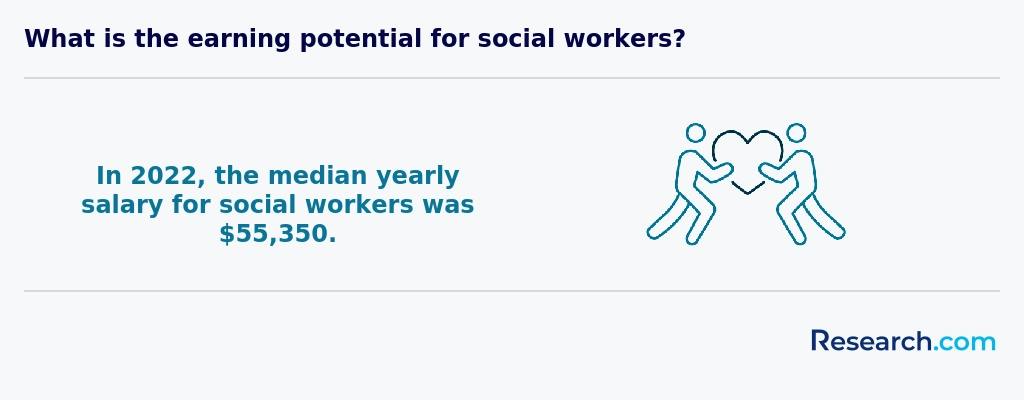
- Human services graduates in Virginia often pursue roles like social workers, earning median salaries around $50,460 annually, offering financial stability and rewarding work.
- A graduate from George Mason University in Virginia found career options in counseling, community outreach, and case management, showcasing diverse paths to make a positive impact.
- Completing a human services degree online through Old Dominion University provided flexible scheduling and allowed balancing work and study, making education more accessible and convenient.
- 2027 Most Affordable Online Bachelor's in Human Services Degree Programs Ranking in Virginia
- What can I expect from online human services degree in Virginia?
- Where can I work with online human services degree in Virginia?
What can I expect from online human services degree in Virginia?
Curious about the cost of pursuing an online human services degree in Virginia? Many students find that tuition varies quite a bit depending on the institution they choose. For example, graduates from popular public universities often share how the in-state tuition rates made their education surprisingly affordable-sometimes well below what they initially expected. Public schools typically offer rates ranging from around $7,000 to $15,000 per year, which can make a big difference for students balancing work and study.
Private colleges in Virginia, known for personalized support and smaller class sizes, may have higher tuition costs, frequently between $20,000 and $30,000 annually. Yet, many students appreciate the scholarships and financial aid options available that help ease these expenses, making the adventure of earning their degree feel more within reach.
Imagine pacing your studies around your life, supported by both flexible online coursework and practical internships nearby-all while knowing you can manage the cost. This blend of accessibility and affordability is often the reality for aspiring human services professionals in Virginia.
Where can I work with online human services degree in Virginia?
With an online human services degree from Virginia's respected universities like George Mason or Old Dominion, graduates find themselves stepping into meaningful roles across the state's vibrant social landscape. Imagine working as a case manager at the Department of Social Services, connecting families with vital resources while feeling the rewarding impact of every success story.
Others choose to dive into healthcare, supporting patients in mental health clinics or rehabilitation centers, especially as Virginia's aging population creates a growing need for compassion and expertise. Graduates often share how fulfilling it feels to guide someone through tough times, making recovery and well-being possible.
Nonprofits focused on youth services or domestic violence also eagerly welcome these graduates, offering dynamic roles in community outreach and program development. Many alumni recall the pride of collaborating with organizations like the Virginia Network of Nonprofit Organizations, knowing their work uplifts entire communities.
School systems across Virginia also open doors, where human services professionals serve as school counselors or special program coordinators, helping students overcome social and emotional obstacles and flourish.
Holding this degree in Virginia doesn't just unlock jobs-it unlocks opportunities to make a real difference every day.
Graduates from online human services programs in Virginia often embark on rewarding careers that blend passion with practical earning potential. Imagine starting as a social and human service assistant, where early salaries hover around $30,000 to $38,000 annually. Many grads from schools like George Mason University or Virginia Commonwealth University share how this role offered them a hands-on introduction to community support work while earning a steady income.
With experience, some step into roles as social workers or case managers, where wages can rise toward $60,000 a year. These positions, common among graduates, combine a sense of purpose with improved financial stability-perfect for those adventurous souls eager to make a deeper community impact.
Other human services careers, such as community outreach coordinators, typically offer salaries between $40,000 and $55,000. Graduates often recall the excitement of engaging local programs in Richmond or Northern Virginia, where city settings bring extra opportunities and a vibrant work environment.
While exact salaries can vary with location and employer, studying human services online in Virginia opens exciting doors, both professionally and financially, making each step feel like a fresh journey toward meaningful work.
- The annual tuition for online human services bachelor's degrees in Virginia ranges from $8,000 to $20,000, with public universities usually being more affordable for in-state students.
- Entry-level salaries for graduates start between $35,000 and $45,000, increasing to $50,000-$65,000 with several years of experience or specialized roles.
- Job growth for human services professionals in Virginia is stable and is expected to meet or slightly exceed the national average for related occupations.
- Online programs offer flexible learning and must be regionally accredited to ensure quality and eligibility for certification or licensure in Virginia.
- Some careers in human services require additional certification or state licensure, which varies by specific job roles within the sector.
Completing an online human services degree in Virginia typically unfolds over about four years for students studying full-time, mirroring the standard pace across many U.S. colleges. Imagine juggling work, family, and classes-many graduates from Old Dominion University and George Mason University share how flexible online schedules helped them stay on track, balancing life's adventures while steadily earning credits.
Part-time learners often find themselves taking six years or more, a journey that accommodates busy lifestyles with room to breathe. Some students with earlier college credits or an associate degree embrace a faster track, finishing in just two to three years-a thrilling opportunity to dive into a new career sooner.
Programs offering year-round courses and accelerated options invite students to personalize their timeline, transforming what could be a strict four-year plan into an empowering learning adventure that fits diverse goals and rhythms.
Imagine navigating your human services degree from the comfort of your home, whether you're in Richmond or a quiet town elsewhere in Virginia. Online programs at universities like George Mason or Old Dominion offer this freedom, letting you balance work and family while attending classes through platforms like Blackboard or Canvas. Graduates frequently share how this flexibility fuels their motivation, empowering them to dive deep at their own pace.
On the flip side, students at Virginia Commonwealth University or Radford University experience daily campus life-where face-to-face chats spark instant connections with professors and classmates. One graduate recalls the energy of collaborating in person, which inspired fresh ideas during lively group projects.
Costs tip slightly in favor of online learners, who save on commuting and campus fees, though tuition stays fairly equal across formats. Both paths lead to hands-on internships: online students often find placements close to home, while on-campus peers benefit from university partnerships. This blend of theory and practice shapes confident human services professionals ready for Virginia's diverse communities.
The average cost of an online human services degree in Virginia offers an intriguing mix of affordability and quality, especially when you consider local public universities. Graduates from popular institutions often share how staying in-state kept their tuition between $8,000 and $12,000 annually, an encouraging figure for those curious about affordable human services bachelor's programs Virginia hosts. This range allows many to enjoy the flexibility of online learning without the heavy financial strain often linked to higher education.
Students pursuing this rewarding path note how private colleges, while pricier-sometimes charging up to $35,000 yearly-bring distinct advantages like smaller class sizes and specialized support. These aspects helped some graduates deepen their connection to course materials and faculty, amplifying their enthusiasm for social service work. Factoring in technology fees or practicum costs, online formats still frequently provide a cost-effective alternative to on-campus experiences, making the journey smoother and more accessible.
Virginia's commitment to easing tuition burdens through programs like the Virginia Guaranteed Assistance Program means that many students balancing work and study discover surprising financial aid opportunities. This, paired with federal grants and employer tuition assistance, ignites hope for future practitioners dedicated to human services. For those ready to explore career paths, knowing what can you do with a human services masters degree adds an inspiring edge to their learning adventure.
Exploring financial aid for an online human services degree in Virginia can feel like unlocking a treasure chest of opportunities. Many graduates from George Mason University or Virginia Commonwealth University have found relief through federal Pell Grants and Direct Loans, which often serve as the lifeline for covering hefty tuition bills. Imagine receiving a Pell Grant that lightens your load without the stress of repayment-many students describe this support as a game-changer in their educational journey.
Then there's the Virginia Tuition Assistance Grant (VTAG), a gem for in-state learners attending nonprofit institutions. Recipients at schools like Radford University recall how this grant eased their expenses by several thousand dollars each year, allowing more focus on studying and less worry about finances.
Institutional scholarships tailored for human services students also spark excitement. Whether awarded for merit or financial need, they frequently open doors to greater opportunities. Some workforce development programs add another layer of support, offering tuition reimbursement for students who plan to serve communities through social work or counseling roles-a powerful combination of education and career preparation.
Standardized tests such as the SAT or ACT may come into play, but an increasing number of Virginia's universities now offer test-optional paths, easing the way forward for many eager learners. Official transcripts from previous schools paint your academic story, just like one student who transferred credits smoothly to Radford University, making their transition feel seamless and encouraging.
Since human services often mean working closely with vulnerable communities, graduates recall the importance of background checks, which protect both students and clients in real-world practice settings across Virginia's colleges. Communication skills and tech know-how are also key-many programs at Northern Virginia Community College recommend mastering these to truly thrive online.

Diving into an online human services degree in Virginia feels like unlocking a toolkit designed for real-world impact. Graduates from well-known institutions across the state often share how foundational courses such as Human Behavior in the Social Environment and Introduction to Psychology helped them grasp the intricate stories behind every individual's journey. Picture yourself exploring case studies that reveal the challenges faced by local communities, just as students do at popular Virginia colleges.
You'll also tackle practical classes like Case Management in Human Services and Counseling Techniques, where you learn to foster hope through thoughtful intervention plans and connect people with vital resources. Many find these moments eye-opening, transforming theories into deeply felt human connections.
Courses in Program Planning and Evaluation and Grant Writing for Human Services equip you with crucial skills to launch meaningful projects, reflecting the dynamic community work happening around Virginia. Imagine crafting a grant proposal that could support your own neighborhood's growth-graduates recall this as both challenging and exhilarating.
Diving into an online human services degree in Virginia opens doors to specializations that feel both meaningful and impactful. Graduates from programs at Virginia State University or Old Dominion University often share the rewarding challenge of focusing on Addiction and Recovery Counseling, a path tailored for those eager to tackle the opioid crisis head-on. Others thrill at exploring Mental Health Services, equipping them to advocate for and support individuals in diverse community settings, an experience enriched by direct practicum involvement.
For those drawn to leadership, Community and Social Services Management provides a dynamic toolkit for managing nonprofit programs and government initiatives, blending strategy with compassion. With Virginia's aging population steadily growing, many find Gerontological Human Services deeply fulfilling, offering ways to improve quality of life for seniors.
These Virginia human services bachelor's program options invite students into real-world scenarios, preparing them for careers that transform communities. Curious learners can also discover the cheapest human services program online that fits their budget without compromising an adventurous education.
Choosing the best online human services degree in Virginia feels like navigating a new adventure filled with exciting possibilities. Graduates from popular Virginia colleges often highlight how crucial accreditation is-regionally accredited programs ensure your hard work earns respected credentials that open doors. Imagine joining courses tailored to Virginia's unique human services landscape, like substance abuse counseling or youth services, designed to prepare you for real community impact.
Affordability matters too-affordable online human services degrees Virginia residents cherish often come with flexible payment plans and lower in-state tuition, making education accessible without drowning in debt. One graduate recalls how practical internships offered through partnerships with local agencies cemented their confidence and career readiness. Consider platforms with strong tech and faculty support that keep motivation high through every module.
For deeper exploration of advanced studies, many turn to an online masters human services to sharpen skills and broaden opportunities in this rewarding field.

Graduates with an online human services degree in Virginia discover exciting career options that truly make a difference. Many step into roles as case managers, connecting families and individuals with crucial healthcare, housing, and employment support through organizations like Virginia's Department of Social Services. Others find themselves drawn to social work positions, thriving as counselors or social service specialists in community settings. The promising job market here aligns with Virginia human services degree job opportunities, offering graduates a rewarding path.
Students from renowned Virginia colleges often share how their studies opened doors to dynamic roles such as mental health technicians or community outreach coordinators, where they engage directly with people's lives. Some adventurous graduates even pursue leadership positions managing programs or agencies, blending compassion with strategic skills. For aspirants curious about these paths, exploring social work degrees reveals even more possibilities and inspiring stories of impact from across the state.
The job market for online human services degree graduates in Virginia is buzzing with opportunity, especially for those eager to make a real difference. Graduates from well-known Virginia colleges often find themselves stepping into vibrant roles in healthcare settings, government agencies, and nonprofits, energized by the practical knowledge gained through internships. The online human services career outlook Virginia reveals steady growth, fueled by expanding social support programs and rising demand in metropolitan areas like Richmond and Norfolk.
Many students appreciate how their degree prepares them not just academically but emotionally, enabling them to connect deeply with diverse communities. With affordable online options, this path becomes exciting and accessible, especially if you want to avoid the usual campus commute. If you're wondering what awaits after graduation, exploring what can you do with a degree in human services can spark inspiring ideas to guide your journey.
Human services job opportunities in Virginia often emphasize strong communication and cultural empathy, skills graduates develop alongside their studies. The state's focus on mental health, family support, and veteran services opens doors for rewarding careers where your impact truly counts.
2027 Most Affordable Online Bachelor's in Human Services Degree Programs Ranking in Virginia
Investing in your education is a significant decision that can shape your future, and the Research.com team understands the importance of making informed choices. To support prospective students in Virginia, we have meticulously developed the "2027 Most Affordable Online Bachelor's in Human Services Degree Programs Ranking in Virginia." Our dedication to quality, credibility, and accuracy is reflected in the thorough research and analysis performed to compile this ranking.
We utilized the following reputable data sources to ensure a comprehensive evaluation of online human services degree programs:
By exploring this ranking, readers will gain valuable insights into affordable and high-quality online human services degree programs in Virginia, empowering them to make confident and informed decisions about their education. For more information on how this ranking was created, please visit our Research.com methodology page.

# 2 position
Mary Baldwin University
Bachelor of Social Work


Frequently Asked Questions About human services
Students pursuing online human services degrees in Virginia can enhance their learning by actively engaging with interactive course content and virtual discussions. Many accredited Virginia institutions offer programs designed around practical skills and theory, allowing students to apply knowledge in real-world settings.
Taking advantage of local internship opportunities is crucial. Virginia's human services sector often partners with state agencies and nonprofits, providing students valuable hands-on experience. According to the Virginia Employment Commission, jobs in human services are expected to grow 12% through 2030, emphasizing the need for practical skills.
Finally, students should utilize academic advising and career services offered online. These resources help tailor studies to individual goals and ensure alignment with Virginia's workforce demands.
The human services field is evolving to meet new societal needs, creating emerging niches that online degree students in Virginia should consider. One significant growth area is gerontology, driven by Virginia's aging population. According to the U.S. Census Bureau, by 2030, one in five Virginians will be 65 or older, increasing demand for specialists in elder care and support services.
Mental health services also represent a growing niche due to rising awareness and demand. The Substance Abuse and Mental Health Services Administration (SAMHSA) reports increased statewide funding for mental health programs, creating career opportunities for graduates.
Another developing area is healthcare navigation, helping patients manage complex medical systems. This role is essential in Virginia's expanding healthcare sector.
These niches highlight the importance of targeted human services education for future professionals.
After earning an online human services degree in Virginia, preparing for the job market requires strategic steps. Start by gaining relevant experience through internships or volunteer work, which Virginia-based agencies often value. According to the Virginia Employment Commission, human services roles are expected to grow by 10% over the next decade, emphasizing the importance of practical skills.
Networking is crucial; connect with local human service organizations and attend industry events to build professional relationships. Additionally, obtaining certifications like the Certified Human Services Professional (CHSP) can enhance job prospects.
Finally, tailor your resume and interview skills to highlight your education and field experience specific to Virginia's community needs.
Employers in Virginia seek several key skills in graduates with human services degrees, reflecting the demands of the state's diverse social support systems. Strong communication abilities are essential, enabling professionals to effectively interact with clients, families, and interdisciplinary teams.
Critical thinking and problem-solving skills rank highly, as human services workers often navigate complex cases requiring ethical and practical decision-making. Knowledge of Virginia's social policies and community resources also benefits graduates, helping them connect clients to appropriate services.
Additionally, cultural competence is crucial given Virginia's varied population diversity. According to the Virginia Department of Social Services, adaptability and empathy significantly improve client outcomes in human services roles statewide.
Finding internships in Virginia related to human services requires a strategic approach. Start by exploring Virginia's Department of Social Services website, which lists internship opportunities and resources for students. Additionally, many universities with human services programs maintain partnerships with local agencies in mental health, social work, and community outreach.
Networking through professional organizations such as the Virginia Association of Community Services Boards can open doors to internships. The U.S. Bureau of Labor Statistics reports that human services roles in Virginia are growing steadily, increasing internship availability. Students should also contact career services at their online institutions, as they often have listings tailored to Virginia residents.
Obtaining an online human services degree in Virginia can significantly enhance career mobility and advancement opportunities. Many Virginia employers in social work, community outreach, and counseling value the practical skills taught in accredited online programs. According to the Virginia Employment Commission, jobs in human services are projected to grow by 10% through 2030, faster than average.
Graduates with this degree often qualify for higher-level roles, including case management and program coordination, which offer increased salaries and leadership responsibilities. Online study also allows current professionals to upskill without interrupting their employment, supporting continuous career growth.
Additionally, Virginia's licensure requirements for some human services fields often mandate a bachelor's degree, making an online program a flexible path to meet these standards.
Studying for a human services degree in Virginia equips students with skills vital for interdisciplinary roles. Programs emphasize collaboration across social work, psychology, healthcare, and education sectors to address complex community needs.
Virginia's online human services curricula often integrate case management, counseling techniques, and policy analysis, fostering versatile professionals. According to the Virginia Department of Social Services, 68% of human services jobs require teamwork with diverse agencies, underscoring the importance of interdisciplinary training.
Students learn to navigate ethical challenges and apply evidence-based practices, preparing them for roles in nonprofit organizations, healthcare settings, and government agencies. This broad foundation supports effective communication and problem-solving within varied professional environments.
When choosing between a thesis and a non-thesis human services degree program in Virginia, consider your career goals and learning preferences. Thesis programs often suit those intending to pursue research or graduate studies, as they require conducting original research and writing a substantial paper. Non-thesis options focus more on practical skills and coursework, ideal for students aiming to enter the workforce quickly in roles such as case management or community advocacy.
According to the Virginia Department of Education, about 60% of students in human services prefer non-thesis tracks due to their flexibility and faster completion times. Online programs in Virginia typically offer both choices, so examine each program's curriculum and faculty expertise to ensure alignment with your ambitions.
Students based in Virginia seeking to study human services abroad face limited direct options due to the nature of online degree programs. Most accredited U.S. institutions offering online bachelor's degrees in human services do not typically provide full study-abroad opportunities integrated into their curricula.
Instead, Virginia students often explore exchange programs or international internships facilitated by their home institutions, allowing them to gain global experience while completing coursework online. According to the Virginia Community College System and several state universities, partnerships with international organizations exist but remain niche.
As per the U.S. Department of Education's National Center for Education Statistics, approximately 2% of human services students in Virginia participate in study abroad annually, often through short-term programs.
Part-time job opportunities in Virginia that complement an online human services degree are diverse and practical for gaining relevant experience. Roles such as case aide, residential counselor, and social services assistant provide hands-on work with vulnerable populations. According to the Virginia Employment Commission, these positions often offer flexible hours suitable for students.
Many organizations, including local nonprofits and state agencies, actively hire for part-time support roles. These jobs enhance skills in client interaction, crisis management, and resource coordination-core areas within human services curricula.
Additionally, Virginia's Department of Behavioral Health and Developmental Services lists frequent openings for peer support specialists, an excellent part-time option for those pursuing human services careers.
Practical experience gained from these roles increases employability and enriches academic learning.
Online human services students in Virginia have various networking opportunities that enhance their educational experience. Many universities offer virtual career fairs and online student organizations focused on human services fields. These platforms connect students with professionals working in Virginia's social services, healthcare, and nonprofit sectors.
Additionally, students can join statewide groups like the Virginia Association of Community Services Boards, which provides networking and professional development opportunities. According to the Virginia Department of Social Services, over 250,000 workers operate within human services roles statewide, increasing potential contacts for emerging professionals.
Students are also encouraged to engage in local internships and volunteer programs promoted through their schools, often arranged remotely.
Alumni networks play a significant role in supporting online human services degree students in Virginia. These networks connect current students with graduates who have practical experience in the field, offering valuable mentorship and career advice. According to the Virginia Community College System, alumni connections often enhance job placement rates by providing access to exclusive internships and local agencies.
In Virginia, where the human services sector is projected to grow by 10% through 2030 (Virginia Employment Commission), networking through alumni can give students a competitive edge. Many alumni help with professional development events and workshops, making it easier for students to navigate Virginia's licensing requirements and local employment landscapes.
These networks also foster a sense of community, which is essential for remote online learners who may miss the social benefits of traditional campuses. Engaging with alumni thus broadens students' professional circles and supports career advancement within Virginia's human services industry.
Customizing an online human services degree program in Virginia allows students to align their education with specific career goals. Many Virginia institutions offer elective courses or specialization tracks such as substance abuse, gerontology, or child welfare. This flexibility helps learners focus on areas most relevant to their professional interests. Additionally, some programs include internship or practicum opportunities within Virginia's diverse social service agencies, providing practical experience tailored to local community needs. According to the Virginia Department of Social Services, internships can significantly improve job placement rates in human services roles statewide. Students should inquire about these options when selecting schools.
Online human services students in Virginia often face challenges related to balancing coursework with personal and professional responsibilities. Many students juggle full-time jobs and family commitments, which can complicate consistent study habits.
Access to reliable high-speed internet remains a barrier in some rural areas of Virginia, impacting students' ability to participate fully in live discussions and submit assignments on time. The Virginia Department of Education reports that about 10% of households in rural counties lack broadband access.
Another common obstacle is limited hands-on experience opportunities. Human services programs typically require fieldwork or internships, and finding suitable placements that accommodate online schedules can be difficult.
With an online human services degree in Virginia, graduates can pursue several professional certifications to enhance their career prospects. One common certification is the Certified Human Services Professional (CHSP), which validates expertise in human services practice and ethics. Another option is becoming a Certified Case Manager (CCM), especially valuable for those working in healthcare coordination.
Virginia also recognizes the Credentialed Alcoholism and Substance Abuse Counselor (CASAC), enabling professionals to work in addiction services. These certifications typically require passing an exam and completing supervised work hours. According to the Virginia Department of Behavioral Health and Developmental Services, these credentials improve job opportunities and salary potential for human services professionals in the state.
To write a winning application for an online human services program in Virginia, start by thoroughly researching the specific schools and their program requirements. Highlight relevant experience, such as volunteering or work in social services, to demonstrate commitment and practical knowledge. Virginia employers value community engagement, so include examples showing your understanding of local social issues. Ensure your personal statement clearly explains your career goals and why you chose human services, referencing Virginia's growing demand for qualified professionals in this field, per the Virginia Employment Commission.
Strong letters of recommendation from supervisors or educators familiar with your work can enhance your application.
Finally, proofread carefully to avoid errors and submit all required documents before deadlines to increase your chances of acceptance.
Human services careers are increasingly valued both in the United States and globally due to rising social needs. In Virginia, the growing demand for human services professionals reflects broader international trends emphasizing mental health, community support, and social justice. According to the U.S. Bureau of Labor Statistics, employment in human services-related fields is projected to grow 17% nationally from 2022 to 2032, highlighting expanding opportunities.
Globally, human services practitioners focus on culturally sensitive interventions and collaboration across borders to address social challenges. This global perspective encourages Virginia students to develop skills for diverse populations, preparing them for work in various settings, from local agencies to international nonprofits.
Virginia's online human services degree programs integrate these global insights, equipping students to respond effectively to complex social issues with a well-rounded, inclusive approach.
Gaining practical experience while pursuing an online human services degree in Virginia is essential for career readiness. Many programs incorporate fieldwork or internships, allowing students to work with local agencies in social services, healthcare, or community organizations.
Virginia's human services sector offers diverse opportunities through partnerships with nonprofits and government programs. The Virginia Department of Social Services supports internship placements that provide hands-on experience in areas like mental health and child welfare.
Students are encouraged to complete at least 100 to 300 hours of supervised practicum, aligning with requirements for future certification or licensure. These experiences help build essential skills and professional networks.
Additionally, online students can engage in virtual simulations or case studies to complement real-world training components.
Choosing the right concentration within an online human services degree program in Virginia begins with understanding your career goals. Human services fields in Virginia vary from social work to substance abuse counseling and community outreach. According to the Virginia Department of Social Services, there is growing demand for professionals specializing in mental health and family services. Researching which concentrations align with Virginia's regional needs can offer better job prospects. Consider programs that offer practicum opportunities or partnerships with Virginia agencies, as real-world experience is crucial. Additionally, reviewing course content and licensure pathways ensures your education fits your future professional requirements.
- 2027 Most Affordable Online Bachelor's in Human Services Degree Programs Ranking in Kentucky
- 2027 Most Affordable Online Bachelor's in Human Services Degree Programs Ranking in Pennsylvania
- 2027 Most Affordable Online Bachelor's in Human Services Degree Programs Ranking in Ohio
- 2027 Most Affordable Online Bachelor's in Human Services Degree Programs Ranking in New York
- 2027 Most Affordable Online Bachelor's in Human Services Degree Programs Ranking in Florida
- 2027 Most Affordable Online Bachelor's in Human Services Degree Programs Ranking in Missouri
- 2027 Most Affordable Online Bachelor's in Human Services Degree Programs Ranking in Iowa
- 2027 Most Affordable Online Bachelor's in Human Services Degree Programs Ranking in California
- How to Overcome the Top Challenges Social Workers Face https://www.pacificoaks.edu/voices/social-work/social-work-challenges/
- What do you learn in a bachelor's in human services? | edX https://www.edx.org/resources/what-do-you-learn-in-a-bachelors-in-human-services
- Most Popular Online Schools for Human Services in Virginia - Course Advisor https://courseadvisor.com/majors/public-and-social-service/human-services/rankings/most-popular-online/bachelors-degrees/southeast/virginia/
- 10 Effective Ways to Build Networking Skills in Community Services https://tsa.edu.au/ways-to-build-networking-skills-in-community-services/
- Careers with a Degree in Human Services https://www.mhaonline.com/faq/careers-with-degree-in-human-services
- Human Services, A.A.S. https://www.wvncc.edu/career-pathways-and-programs/human-services-a.a.s./503
- How To Navigate Human Services Challenges in 2026 https://nctinc.com/blog/how-to-navigate-human-services-challenges-in-2026/
- Finding Networking Opportunities as a Student | National Society of High School Scholars https://www.nshss.org/resources/blog/blog-posts/how-to-find-networking-opportunities-as-a-student/
- Human Services – Public Service & Safety – Virginia Western Community College https://www.virginiawestern.edu/academics/public-service/human-services/
- How To Solve the Key Challenges Faced by Community Social Workers https://www.casebook.net/blog/how-to-solve-the-key-challenges-faced-by-community-social-workers/