2027 Most Valuable Online Master's in Human Services Degree Programs Ranking in Missouri

Co-Founder and Chief Data Scientist
Considering an online master's degree in Human Services? This article presents the 2027 Most Valuable Online Master's in Human Services Degree Programs Ranking in Missouri, created by the Research.com team of data scientists. It's designed to help you make an informed decision about which programs truly stand out.
Human services careers offer rewarding opportunities to make a difference. Exploring this ranking can guide you toward programs that balance quality, value, and flexibility.
Whether advancing your career or starting fresh, this guide provides clear insights to support your educational journey.
Key benefits of getting online human services degree in Missouri
- Human services degree graduates in Missouri can expect competitive salaries in related fields, with social and community service managers earning a mean hourly wage of about $34.00 nationally, reflecting strong earning potential.
- Graduates from Missouri universities, like the University of Missouri, often find diverse careers in counseling, case management, and social work, offering fulfilling opportunities to make a real difference.
- Online human services degrees provide flexibility and convenience, allowing students to balance work and study efficiently, as demonstrated by many satisfied graduates from Midwestern online programs.
- 2027 Most Valuable Online Master's in Human Services Degree Programs Ranking in Missouri
- What can I expect from online human services degree in Missouri?
- Where can I work with online human services degree in Missouri?
What can I expect from online human services degree in Missouri?
The average cost of an online human services degree in Missouri often surprises many prospective students who assume all programs carry hefty price tags. Graduates from popular institutions like Missouri State University or the University of Central Missouri commonly reflect on how public universities provided affordable tuition, especially for in-state learners. These savings made balancing work, family, and study less financially stressful, fueling their passion for community impact.
While private colleges may charge higher rates, many public schools offer competitive pricing that averages from $7,000 to $15,000 per year for undergraduates. Students appreciate flexible payment plans and scholarships that recognize their unique life circumstances, allowing them to pursue meaningful careers without crippling debt. Real stories emerge from those who juggled online classes with full-time jobs and caregiving, emphasizing how cost-effectiveness directly increased their determination and hope rather than limiting access.
Ultimately, the cost in Missouri is less a barrier and more a reflection of institutional commitment to training professionals equipped to address real social challenges in their communities.
Where can I work with online human services degree in Missouri?
Graduates with an online human services degree in Missouri often find themselves stepping into roles that deeply impact communities, beyond what the diploma alone might suggest. Many from well-regarded institutions, such as the University of Missouri or Lindenwood University, discover careers in social and community services, where they support vulnerable populations facing challenges like mental health struggles or homelessness. Imagine coordinating vital resources for a family navigating child welfare services or advocating for patients in bustling St. Louis healthcare facilities-these are common realities that bring profound job satisfaction.
Others leverage their degrees within education, taking on roles like school counselors or youth program coordinators in Kansas City, helping at-risk students overcome barriers to success. Human services graduates also frequently join government agencies or local nonprofits, transforming policy into tangible community support. Their work in agencies such as the Missouri Department of Social Services reflects a commitment to social justice and client advocacy, making each day purposeful and rewarding.
Graduates from online human services programs in Missouri often wonder, "How much can I really make?" While official salary data for many specific roles is limited, general figures offer valuable insight. Human services professionals in Missouri typically earn around $40,500 annually, a figure that reflects a range of roles and experience. For example, social workers with bachelor's degrees from institutions like the University of Missouri or Missouri State University frequently report starting salaries in the $30,000 range but quickly progress as they build expertise.
Imagine a graduate managing a community outreach program in St. Louis, earning between $45,000 and $65,000 yearly. These numbers reflect real opportunities for financial growth paired with meaningful work. Advanced certifications, such as becoming a Licensed Clinical Social Worker, can push salaries above $60,000, showcasing the payoff for continued education.
Ultimately, while numbers may appear modest compared to other fields, Missouri's human services graduates find they can enjoy both a rewarding career and a steady income, especially when leveraging local networks and continuing development through popular Missouri colleges.
- The cost of a bachelor's degree in human services in Missouri ranges from $20,000 to $35,000 for in-state public university online programs, while private schools often exceed $40,000.
- Online programs typically take about four years to complete, with part-time and accelerated options available for working adults.
- Entry-level salaries for graduates average between $35,000 and $40,000 annually, with potential to earn $50,000 or more after five to ten years.
- Employment in Missouri's human services sector is expected to grow by about 10% over the next decade due to rising demand for mental health and community support services.
- Many programs prepare students for the Certified Human Services Professional (CHSP) exam to enhance job prospects and salary potential.
- Accreditation by bodies like the Council for Standards in Human Service Education (CSHSE) is important for ensuring program quality and employer recognition.
Completing an online human services degree in Missouri is rarely a simple, one-size-fits-all timeline. For instance, graduates from popular institutions like Missouri State University often find their associate degrees wrap up in about two years when attending full-time. Yet, the reality for many is a dynamic balancing act-working professionals shift to part-time schedules, stretching their journey beyond the traditional timeframe yet gaining invaluable life experience alongside.
Bachelor's degrees, typically a four-year endeavor at schools such as the University of Missouri-Columbia, can feel both steady and flexible. Some students relish the structure, completing core courses and specialized topics on schedule, while others appreciate Missouri's online programs enabling them to adapt coursework around family or jobs. This adaptability often sparks a powerful sense of accomplishment and motivation.
Master's degree seekers report a mix of intensity and reward. Institutions offering accelerated options-cutting study to 18 months-challenge students to push their limits. Graduates describe the experience as transformative, blending advanced theories with practical leadership skills. For many, the timeline stretches with part-time enrollment, illustrating how individual pace and circumstance shape every academic journey.
Graduates from Missouri's University of Missouri system often reflect on a stark contrast between online and on-campus human services degrees. Online learners appreciate the freedom to juggle coursework with full-time jobs or family life, accessing lectures at midnight or during lunch breaks from anywhere in the state. This flexibility, however, demands strong self-motivation and reliable technology, a trade-off for those who prefer structure.
On the other hand, those who chose on-campus paths at colleges like Missouri State University treasure the spontaneity of face-to-face interactions-sharing ideas after class, joining peer support groups, and navigating internships with direct faculty guidance. The campus environment cultivates community, which many say fuels their passion and deepens their commitment to human services.
Cost-wise, tuition between online and on-campus tracks remains close, yet online students report unexpected savings by avoiding housing and daily commuting expenses. This financial nuance often surprises prospective students who assume on-campus is always pricier.
Both pathways unify under strong regional accreditation and the rigor demanded by Missouri's educational standards, ensuring graduates from either route earn a degree respected by employers statewide.
The average cost of an online human services degree in Missouri reveals a practical balance between quality and affordability, especially when compared to national standards. With a median in-state total cost around $7,959, many students find that enrolling in institutions like the University of Missouri system provides a financially viable path toward their degree while still gaining valuable expertise. Graduates often share how managing tuition alongside technology fees and course materials felt more reasonable here than at private universities.
However, understanding the Missouri online human services degree total expenses requires considering out-of-state tuition and additional costs. Students from beyond Missouri generally face median expenses nearing $15,876, which naturally influences budgeting decisions. One graduate's story recalls juggling scholarship applications and employer tuition reimbursement programs to offset these higher costs. This practical approach highlights how financial aid can transform what might initially seem a significant investment into a manageable commitment.
It's worth noting that tuition rates from some private colleges in Missouri can climb considerably, pushing the median total cost across all students to about $18,468. These figures challenge the conventional assumption that higher cost always equates to better opportunities, especially when public universities also offer quality education. For those navigating these choices, exploring the online masters in human services degree is crucial to grasp the full picture of educational investment in Missouri.
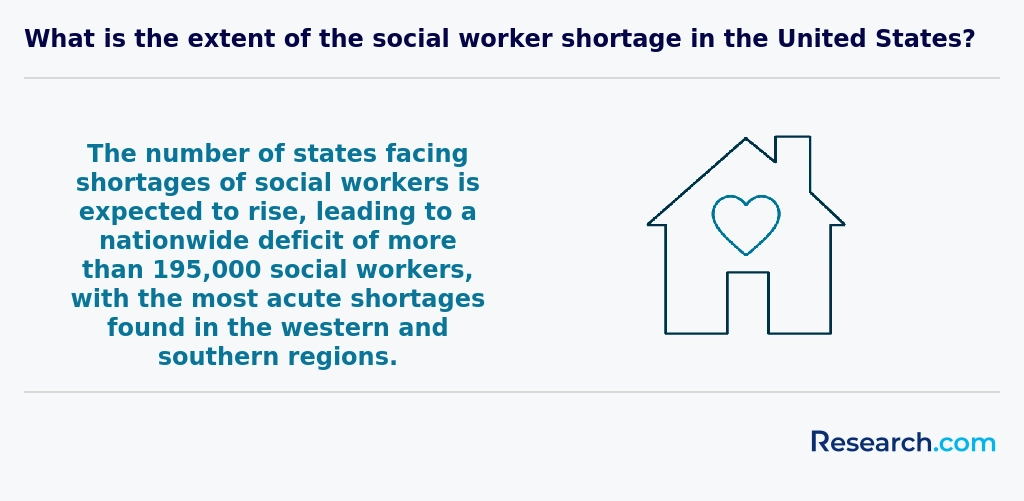
Many students pursuing an online human services degree in Missouri discover that federal aid, accessed through FAFSA, is the bedrock of their financial support. Graduates from institutions like the University of Missouri often recall how Pell Grants significantly eased their tuition burdens, allowing them to focus more on their studies than on debt. Yet, beyond federal aid, the state's targeted programs reshape the narrative. The Access Missouri Financial Assistance Program and Missouri College Guarantee have empowered countless students to pursue their degrees without the paralyzing worry of costs overwhelming their ambitions.
Even within the diverse landscape of scholarships, some are tailored specifically for human services majors. Those completing online programs at Missouri State University or Webster University have benefited from departmental scholarships that recognize dedication to social impact. This financial acknowledgment reflects a deeper commitment to human services as a field that transforms lives.
Federal loans, often seen as a last resort, offer more than mere funds-they provide flexible options that graduates appreciate while balancing work and study. For many, employer tuition reimbursements create a bridge between their current roles in social care and their academic aspirations, turning financial aid from a challenge into a motivator.
To step into an online human services degree program in Missouri, the baseline is often a high school diploma or GED for undergraduates, but this is just the start. Graduates from programs at institutions like the University of Missouri or Lindenwood University recall how their bachelor's degree in related fields such as psychology opened doors for their master's pursuits. It's not merely about credentials; these programs expect official transcripts reflecting a solid GPA-typically around 2.5 to 3.0-underscoring readiness for the academic challenges ahead.
Beyond grades, human services education demands personal commitment, often evidenced through letters of recommendation and compelling personal statements. Missouri students reflect on how articulating their passion and community involvement made their applications resonate deeply with admissions committees. Many programs also look for practical experience-volunteering at local shelters or interning in social service agencies-highlighting the real-world impact these candidates are ready to make.
Success in Missouri's online human services degrees feels rooted in this blend of academic preparation and heartfelt motivation, ensuring graduates don't just learn but genuinely contribute to the social fabric of their communities.
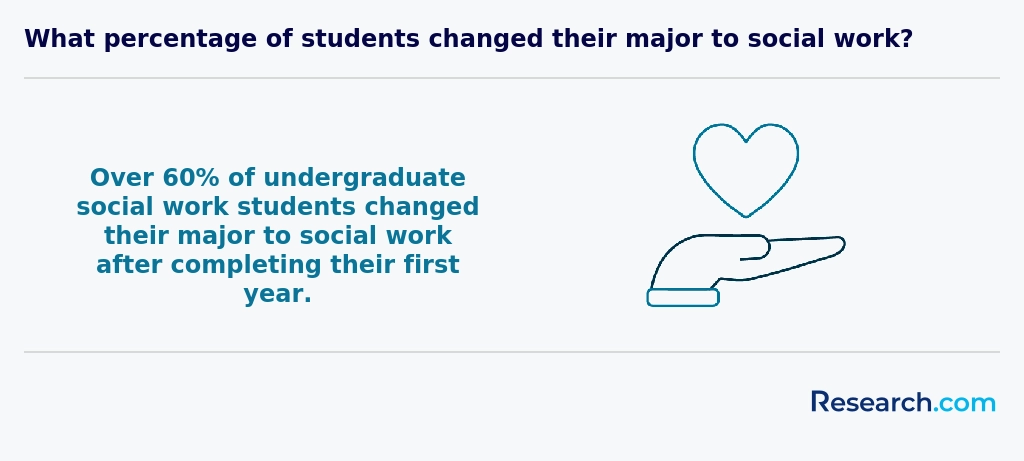
Online human services degree programs in Missouri commonly include courses that challenge students to rethink their role in community support. Graduates from popular institutions like the University of Missouri and Missouri State University often highlight how courses such as Human Behavior and the Social Environment unlock a deeper understanding of the many psychological and social forces shaping the people they serve daily.
Many recall practical learning moments in Case Management and Service Coordination, where they developed real skills in connecting clients to vital resources, transforming textbook theory into meaningful action. The course on Social Policy and Advocacy encourages students to critically analyze how laws affect vulnerable groups right here in Missouri, sparking passion for systemic change.
Ethics and crisis management, taught through Counseling Techniques and Ethics and Crisis Intervention, often leave graduates feeling empowered and ready to face urgent situations responsibly. These courses don't just inform-they invite future professionals to embody empathy and resilience in Missouri's evolving human services landscape.
Online human services specializations Missouri programs offer are far more than academic tracks-they represent pathways to real-world impact. Graduates from popular Missouri colleges often share how focusing on Addiction Counseling equipped them to meet the urgent regional needs as substance abuse rates rise. Those who chose Gerontology describe how their education deepened their empathy, preparing them to support the growing elderly population in tangible, everyday ways. Child and Family Services concentrations challenge students to become protectors and advocates, transforming difficult family dynamics into stories of resilience.
Missouri online master's human services concentrations also include Mental Health Services, critical in rural areas where access remains sparse, empowering students to become vital support networks in their communities. Community Outreach and Development allows graduates to actively design programs that bridge the urban-rural divide, turning abstract policies into meaningful engagement.
Many find these specializations blend theory and practice so effectively that, as some reflect, the degree is not just a credential but a calling. If you're exploring types of degrees in social service, consider how these targeted tracks bring your aspirations into immediate, heartfelt focus.
Choosing the best online human services degree Missouri residents value goes beyond just picking any available program. Graduates from state universities often highlight how crucial accreditation by bodies like the Higher Learning Commission was to their career confidence-employers in Missouri expect that assurance. One recalls how flexible, affordable human services programs Missouri offers allowed balancing work and study without stress, revealing that cost isn't purely about tuition but also hidden fees and support services.
Curriculum relevance stands out in personal stories, where alumni describe how courses on cultural competence prepared them for diverse Missouri communities. Programs blending theory with virtual practicums connected students with local agencies, creating meaningful, real-world connections. Such experiences transformed abstract concepts into palpable skills, fueling eagerness for their future roles.
When exploring options, ask yourself what job can you get with a human services degree and weigh whether the program supports those goals. To clarify career paths, some found what job can you get with a human services degree invaluable for aligning education with purpose. These reflections illuminate that the best choice integrates accreditation, affordability, curriculum, and practical exposure uniquely tailored to Missouri's human services landscape.

Graduates holding an online human services degree in Missouri discover diverse career paths that stretch beyond traditional roles, challenging the notion that such degrees lead only to basic social support positions. Many from popular institutions like the University of Missouri and Webster University find themselves thriving as case managers coordinating complex care systems or as mental health technicians contributing to a field growing steadily statewide. These positions demand empathy but also strategic thinking and advocacy skills, creating rewarding opportunities that directly impact lives.
For those who embrace Missouri human services degree job opportunities, common roles include substance abuse counselors and community outreach workers who design programs that uplift underserved populations. Graduates often recount the fulfillment felt when connecting clients with crucial resources, transforming difficult circumstances into hope. The integration of practical experience with solid academic training empowers them to meet the increasing demand projected locally. To explore how such degrees can shape futures, consider reviewing masters of human services careers, offering deeper insights into the field's potential.
The job market for online human services degree graduates in Missouri challenges many assumptions about career stability and opportunity. While some expect a saturated field, Missouri's demand in areas such as community outreach and mental health support is growing steadily, especially in metropolitan hubs like St. Louis and Kansas City. Graduates from well-known universities in the state often find themselves quickly employed by diverse employers ranging from government agencies to non-profits, affirming the practical value of their degree.
One notable aspect is the balance between salary and meaningful work. While the median wage hovers around $35,000 to $40,000, many graduates describe their roles as deeply rewarding beyond monetary gains, impacting vulnerable populations directly. Pursuing an online degree in Missouri decreases financial barriers compared to national costs, with many students benefiting from affordable tuition at popular local institutions. Those interested in efficient pathways might explore options like the shortest online bachelors degree in human services to enter the workforce sooner. Missouri's job scenario invites reflection on how passion and economic considerations merge for human services professionals.
For individuals considering online human services jobs Missouri offers a landscape where dedication translates into community impact, supported by steady employment opportunities despite common doubts about the field's viability.
2027 Most Valuable Online Master's in Human Services Degree Programs Ranking in Missouri
Investing in your education is a significant decision that can shape your future, and the Research.com team understands the importance of making informed choices. To assist prospective students in Missouri, we have meticulously crafted the "2027 Most Valuable Online Master's in Human Services Degree Programs Ranking in Missouri." Our commitment to quality, credibility, and accuracy is reflected in the extensive research and analysis conducted to compile this ranking.
We utilized the following reputable data sources to ensure a comprehensive evaluation of human services programs:
By exploring this ranking, readers will gain valuable insights into the most valuable online master's programs in human services available in Missouri, helping them make well-informed decisions about their educational journeys. For more details on our methodology, please visit our Research.com methodology page.


Frequently Asked Questions About human services
Online human services degree students in Missouri can maximize their learning by actively engaging with their course materials and participating in virtual discussions. Utilizing resources such as Missouri's state human services websites and local agency reports enriches their understanding of regional challenges.
Networking with peers and professionals through online forums and Missouri-based organizations provides valuable real-world insights and career opportunities. Missouri reported over 18,000 social service workers in 2023, highlighting strong local demand for skilled graduates (Bureau of Labor Statistics).
Students should also seek internships or volunteer positions within Missouri's community service organizations, which often allow flexible schedules suitable for online learners.
The human services field in Missouri is expanding into several emerging niches driven by community needs and social trends. One fast-growing area is telehealth and digital counseling, which has gained momentum due to increased demand for remote mental health services, especially after the COVID-19 pandemic. According to the Missouri Department of Mental Health, teletherapy usage grew by over 50% between 2020 and 2023.
Another niche is the focus on aging populations, with specialists helping elderly clients navigate healthcare, housing, and social services. Missouri's senior demographic is expected to increase by 20% by 2030, highlighting the demand for expertise in geriatric human services.
Finally, substance abuse and recovery support remain critical, as Missouri continues to face opioid and addiction challenges. These niches offer pathways for students pursuing online human services degrees to address urgent community issues.
After completing an online human services degree in Missouri, preparing for the job market involves several key steps. First, obtain relevant certifications such as the Certified Alcohol and Drug Counselor (CADC), which Missouri employers often require. Networking is crucial; joining organizations like the Missouri Human Services Council can connect graduates with professionals and job openings. Missouri's Department of Social Services reports steady growth in human services jobs, especially in mental health and substance abuse counseling, so target these areas when applying. Internships and volunteer work in local agencies provide valuable experience and improve job prospects. Additionally, tailoring resumes to highlight practical skills and Missouri-specific regulations enhances employer appeal.
Employers in Missouri prioritize several key skills when hiring graduates with human services degrees. Strong communication abilities are essential, enabling graduates to work effectively with diverse populations. Critical thinking and problem-solving skills help professionals address complex social issues efficiently.
Data from the Missouri Department of Higher Education highlights the importance of cultural competence, as local agencies serve increasingly diverse communities. Additionally, case management skills are highly valued because many positions require coordinating resources and services.
Understanding ethical standards and maintaining professionalism are also critical, ensuring trust and compliance in sensitive situations. These skills together equip graduates to succeed in Missouri's growing human services field.
Finding internships in Missouri relevant to a human services degree involves connecting with local organizations and agencies that focus on social work, mental health, and community support. The Missouri Department of Social Services lists opportunities that can give practical experience, which is crucial for the field. Many universities in Missouri partner with nonprofits and government programs to offer internship placements. Students should also explore resources like the Missouri Workforce Development website, which helps match candidates with social service organizations.
Networking through professional associations, such as the Missouri Human Services Council, can provide leads on internships. Additionally, online platforms like Handshake and LinkedIn allow students to search for internships specifically within Missouri's human services sector. Missouri ranks among the top states for social service employment, making internships widely available but competitive.
An online human services degree in Missouri significantly enhances career mobility by providing flexible education tailored to working adults. Graduates gain essential skills in counseling, case management, and community outreach, which are in demand across various social service roles. According to the Missouri Economic Research and Information Center, employment in social and human services is projected to grow by 12% through 2030, exceeding the national average.
Advancement opportunities expand as many supervisors and administrative positions require at least a master's degree. Online programs also often include specialized training in Missouri's licensing standards, facilitating professional certification. This alignment improves eligibility for leadership roles in non-profits, health care, and government agencies in the region.
Studying for a human services degree in Missouri equips students with skills that span multiple disciplines, preparing them for collaborative roles across social work, healthcare, education, and counseling. Programs emphasize interdisciplinary training, combining coursework in psychology, sociology, public policy, and healthcare management. This broad foundation fosters critical thinking and problem-solving abilities essential for addressing complex community needs.
Missouri institutions align curricula with state workforce demands, as reported by the Missouri Economic Research and Information Center, which highlights growing demand in social assistance sectors. Online programs often integrate practical experience opportunities, enhancing real-world readiness for diverse human services environments.
When choosing between a thesis and a non-thesis human services degree program in Missouri, consider your career goals first. A thesis option involves conducting original research and is ideal if you plan to pursue doctoral studies or roles in research and policy development. The non-thesis path typically includes additional coursework or practical projects, suited for students aiming for direct practice or administration in social services.
Data from the Missouri Department of Higher Education notes that many online master's programs in human services offer both options, accommodating diverse professional needs.
Cost and time commitment also differ: thesis programs often require more time for research and writing.
Students based in Missouri seeking to study human services abroad have limited direct options through Missouri institutions, as most online human services programs emphasize domestic coursework. However, some universities offer study-abroad components or international practicum opportunities linked to their online degrees. These programs often focus on global social work or community development frameworks. Missouri residents may also participate in exchange programs or short-term international experiences facilitated by their home institutions. According to the Missouri Department of Higher Education, less than 5% of students in graduate human services fields engage in international study annually, reflecting relative scarcity but emerging interest in global perspectives within the field.
In Missouri, part-time jobs such as case aides, community outreach assistants, and residential support staff can greatly complement a human services degree. These roles provide practical experience working directly with diverse populations, including at-risk youth and individuals with disabilities. According to the Missouri Department of Social Services, employment in support positions linked to human services grew by 8% from 2019 to 2023, reflecting steady demand.
Positions in nonprofit organizations or government agencies often have flexible hours suited for students. These experiences help develop skills in client communication, crisis intervention, and resource coordination, which are essential for advanced human services roles.
Online human services students in Missouri have multiple networking opportunities designed to enhance their professional connections despite remote learning. Many Missouri universities offering online degrees encourage participation in virtual career fairs and industry-specific webinars. These events often feature local agencies and employers active in human services fields.
Additionally, students can join state-affiliated organizations such as the Missouri Chapter of the National Organization for Human Services, which hosts conferences and networking events. The Missouri Department of Social Services also provides internships and volunteer opportunities that help students build real-world contacts.
Overall, Missouri's focus on community-based support services means that even online students can access strong local and statewide networking resources crucial for career advancement in human services.
Alumni networks provide important benefits for online human services degree students in Missouri. They offer valuable connections to experienced professionals working in local agencies and nonprofits. Through alumni events and online platforms, students can access job leads and career advice tailored to Missouri's human services landscape.
These networks also foster mentorship opportunities, helping students navigate certification processes and state licensing requirements relevant in Missouri. A strong alumni network can increase a graduate's chances of employment by up to 20%, according to studies on professional outcomes in human services education.
Moreover, participating in alumni groups keeps students informed about emerging trends and policy changes in Missouri's social service sector, supporting ongoing professional development and networking success.
Customizing an online human services degree program in Missouri often begins with selecting electives that align with your career goals. Many Missouri institutions offer concentrations such as addiction counseling, social work, or mental health services. According to the Missouri Department of Mental Health, specialized training in these areas increases job placement opportunities.
Students may also tailor their practicum or internship experiences by partnering with local agencies, gaining hands-on skills relevant to Missouri's community needs. Some programs allow flexible scheduling and accelerated paths to accommodate working professionals. Additionally, choosing courses that focus on Missouri's social service laws and demographics can prepare graduates for state-specific challenges.
Degrees accredited by the Council for Standards in Human Service Education (CSHSE) ensure program quality, enhancing career readiness within Missouri's workforce. Exploring program options thoroughly helps students align education with both personal aspirations and regional workforce demands.
Online human services students in Missouri often face challenges related to balancing coursework with personal and professional responsibilities. Many learners are working adults who must juggle job demands, family care, and online study schedules simultaneously. This balancing act can cause stress and affect academic performance.
Technical difficulties also frequently arise, especially for students in rural areas with limited internet connectivity. According to the Missouri Department of Elementary and Secondary Education, approximately 18% of rural households lack reliable high-speed internet, complicating access to online classes.
Additionally, students report limited opportunities for hands-on field experiences, which are critical in human services training. Finding local internships or practicum placements can be difficult, particularly when programs require specific Missouri licensing standards.
Graduates with an online human services degree in Missouri can pursue several professional certifications to enhance their careers. One common option is the Certified Social Work Case Manager (C-SWCM), which validates skills in managing client cases effectively. Another relevant certification is the Certified Alcohol and Drug Counselor (CADC), especially valuable due to Missouri's focus on addressing substance abuse issues, as reported by the Missouri Department of Mental Health.
The National Organization for Human Services offers the Certified Human Services Professional (CHSP) credential, widely recognized across the U.S. This certification demonstrates a commitment to ethical and professional standards in human services.
Completing these certifications can increase job prospects and salary potential within Missouri's growing social service sector, which reflects the national trend of a 12% employment growth in related fields from 2020 to 2030, according to the U.S. Bureau of Labor Statistics.
To write a winning application for an online human services program in Missouri, start by clearly demonstrating your commitment to helping others. Highlight any relevant work or volunteer experience in social service fields. Missouri's Department of Social Services emphasizes the importance of practical experience, which can set you apart.
Carefully review the program's admission requirements, as many schools request personal statements that explain your motivation and career goals. Use concise, sincere language that reflects your understanding of human services challenges in Missouri, including local demographics and community needs.
Strong letters of recommendation from supervisors or educators familiar with your interpersonal skills and professionalism add significant value. Finally, maintain a well-organized application with attention to detail to meet all deadlines, showing your reliability and preparation for graduate-level work.
The field of human services is recognized worldwide for its commitment to improving individual and community well-being. Globally, professionals focus on addressing social issues like poverty, mental health, and access to education. In the United States, including Missouri, human services careers emphasize practical skills for direct client support and advocacy.
According to the Missouri Economic Research and Information Center, employment in social and human services is projected to grow by 8% through 2030, reflecting a steady demand for qualified workers. This mirrors global trends where aging populations and social challenges increase the need for trained specialists.
Online degrees in Missouri prepare students for diverse roles by blending theory with real-world applications, aligning with international practices that value both education and field experience.
Gaining practical experience while studying for an online human services degree in Missouri is essential for career readiness. Many programs require or encourage internships or practicum placements, which can often be arranged locally. Students can partner with social service agencies, healthcare providers, or community organizations in Missouri to apply their classroom knowledge.
The Missouri Department of Social Services offers resources and connections to agencies accepting interns, particularly in areas like child welfare and behavioral health. Additionally, the Bureau of Labor Statistics projects a 17% growth in social and human service assistant jobs in Missouri from 2022 to 2032, highlighting the value of hands-on experience.
Virtual volunteering and remote internships have also become common, allowing students flexibility while gaining practical skills. Universities often support students in finding suitable placements aligned with their career goals, which strengthens resumes and professional networks within Missouri's human services field.
Choosing the right concentration within an online human services degree in Missouri depends on your career goals and local workforce needs. Missouri has a growing demand for professionals in behavioral health, social work, and community outreach, according to the Missouri Department of Elementary and Secondary Education and job market reports from the U.S. Bureau of Labor Statistics.
Focus on concentrations that align with high-growth areas, such as addiction counseling or mental health services, which are especially relevant in Missouri communities. Research program accreditation and the availability of internships or fieldwork in Missouri to ensure practical experience.
Consider your interests and strengths, and review local job postings to see the qualifications employers seek for human services roles in the state.
- 2027 Most Valuable Online Master's in Human Services Degree Programs Ranking in Kansas
- 2027 Most Valuable Online Master's in Human Services Degree Programs Ranking in Iowa
- 2027 Most Valuable Online Master's in Human Services Degree Programs Ranking in Arkansas
- 2027 Most Valuable Online Master's in Human Services Degree Programs Ranking in Illinois
- 2027 Most Valuable Online Master's in Human Services Degree Programs Ranking in Kentucky
- 2027 Most Valuable Online Master's in Human Services Degree Programs Ranking in Colorado
- 2027 Most Valuable Online Master's in Human Services Degree Programs Ranking in Ohio
- 2027 Most Valuable Online Master's in Human Services Degree Programs Ranking in North Dakota
- 2027 Most Valuable Online Master's in Human Services Degree Programs Ranking in Alabama
- 2027 Most Valuable Online Master's in Human Services Degree Programs Ranking in Georgia
- 10 Effective Ways to Build Networking Skills in Community ... https://tsa.edu.au/ways-to-build-networking-skills-in-community-services/
- Professional Networking in Social Work: 2026 Complete Guide https://www.socialworkdegrees.org/professional-networking-in-social-work
- 2026 Most Affordable Online Human Services Degrees https://www.onlineu.com/most-affordable-colleges/human-services-degrees
- Making friends at university: How to build a social network https://www.srh-university.de/en/insights/tips-and-tricks-for-your-studies/making-friends-at-university-how-to-build-a-social-network/
- Finding Networking Opportunities as a Student https://www.nshss.org/resources/blog/blog-posts/how-to-find-networking-opportunities-as-a-student/
- Bachelor's in human services degrees https://www.edx.org/bachelors/human-services
- Top Career Opportunities After a Human Services Program https://columbia.ca/career-options-after-a-course-in-human-services/
- Drury GO Bachelor of Science in Human Services https://www.drury.edu/go/bachelor-human-services/
- Career Path: Human Services https://lovecolumbia.org/career-path-human-services
- Online Human Services Degree Programs | Maryville Online https://online.maryville.edu/human-services/