2027 Most Valuable Online Master's in Human Services Degree Programs Ranking in Arkansas

Co-Founder and Chief Data Scientist
Choosing the right online master's program in human services can feel overwhelming, especially when so many options exist. To help Arkansas students navigate this important decision, this article features the 2027 Most Valuable Online Master's in Human Services Degree Programs Ranking in Arkansas, created by the Research.com team of data scientists.
By exploring this ranking, you'll gain valuable insights into programs that offer quality education, flexibility, and future career opportunities. Earning a human services degree can open doors to meaningful work that truly makes a difference in people's lives.
This guide is designed to support you in choosing a path that fits your goals and lifestyle.
Key benefits of getting online human services degree in Arkansas
- Human services graduates in Arkansas often find fulfilling jobs with competitive wages, with many entry-level positions in social assistance paying around $30,000 annually, reflecting steady earning potential in rewarding careers.
- Career paths for human services degree holders in Arkansas include roles in social work, community outreach, and case management, with graduates from institutions like the University of Arkansas gaining hands-on experience to confidently enter these fields.
- Obtaining a human services degree online from a respected Arkansas school offers flexibility and convenience, enabling students to balance work and life while building valuable skills for impactful careers.
- 2027 Most Valuable Online Master's in Human Services Degree Programs Ranking in Arkansas
- What can I expect from online human services degree in Arkansas?
- Where can I work with online human services degree in Arkansas?
What can I expect from online human services degree in Arkansas?
The average cost of an online human services degree in Arkansas is noticeably affordable, especially when compared to national rates. Graduates from popular institutions like the University of Arkansas at Little Rock or Arkansas State University often report in-state tuition rates ranging from $4,000 to $7,000 per year. This affordability is a huge relief for many students balancing work and family commitments, allowing them to invest in their education without overwhelming debt.
For example, several graduates mention how accessing in-state tuition combined with scholarships or employer tuition reimbursement programs made completing their degrees manageable. One graduate shared how financial aid from the university helped cover expenses beyond tuition, such as textbooks and technology for online learning.
Community colleges offering transfer pathways to four-year programs also provide cost-effective starting points. This stepwise approach lets students reduce upfront costs while gaining practical skills and credits before moving into a bachelor's program.
Claiming state financial aid tailored to Arkansas residents further lowers cost barriers. These financial options empower students to focus on their studies and career goals rather than constant financial worry.
Where can I work with online human services degree in Arkansas?
Graduates with an online human services degree from schools like the University of Arkansas at Little Rock often find work in local social service agencies that serve vulnerable populations. Many start by managing casework or working in client advocacy roles, which directly impact lives by connecting families with critical resources such as housing or healthcare. For example, a recent graduate shared how their internship experience at a child welfare agency helped them transition into a full-time position supporting at-risk children.
Arkansas's healthcare sector also offers strong career opportunities. Graduates have moved into community health centers or mental health clinics, where they assist patients in navigating healthcare systems and accessing insurance. Institutions like Arkansas State University prepare students specifically for these roles by emphasizing behavioral health and counseling skills, leading to satisfying jobs that provide real community support.
Many human services students from Arkansas colleges additionally pursue roles in educational programs. Schools collaborate with nonprofits, enabling graduates to support at-risk students and promote family engagement. This practical partnership offers meaningful work and fosters a sense of fulfillment among employees.
Nonprofits focused on food security or workforce development also actively recruit human services graduates in Arkansas. Working in these agencies allows graduates to see tangible improvements in community well-being, providing a rewarding career path that aligns with their goals of helping others thrive.
Graduates with an online human services degree in Arkansas often start with salaries around $32,000 annually, especially in entry-level roles like social and human service assistants. This level is common among those who studied at schools such as the University of Arkansas at Little Rock or Arkansas State University. Many find their first jobs in local community outreach or case management positions, where gaining experience and certifications can quickly raise earnings.
For those pursuing advanced degrees or specialized certifications, such as becoming a licensed clinical social worker, annual salaries can reach about $54,000. Graduates who have earned a master's degree from Arkansas-based programs often find themselves in these higher-paying roles. This jump reflects the added skills and responsibilities in counseling or clinical supervision positions.
Practical experience in Arkansas's more populated areas like Little Rock often means better pay due to larger funding pools and more service organizations. Many graduates report satisfaction in steadily increasing their income as they build their credentials within government or healthcare settings, where wages tend to be higher than in nonprofit sectors.
- The annual cost for a human services bachelor's degree in Arkansas ranges from $8,000 to $15,000 at public institutions, with in-state tuition often lower than private colleges.
- Starting salaries for graduates in Arkansas are generally between $35,000 and $40,000 per year, with experienced professionals earning up to $55,000 annually.
- The job market for human services roles is projected to grow about 10% through 2030, matching national growth rates in social work and counseling positions.
- Online programs include courses in counseling, social welfare policy, human development, and ethics, often allowing local internships or practicum experiences.
- Financial aid such as state grants, scholarships, and employer tuition assistance are available to eligible students pursuing human services degrees online in Arkansas.
In Arkansas, completing an online human services degree depends on the level of study and your personal pacing. For example, an associate degree usually takes about two years of full-time study at schools like Arkansas State University, but part-time students juggling work may take three or more years. Graduates often share how the flexibility to study evenings or weekends eased their stress, allowing them to maintain jobs and family commitments.
Bachelor's degrees typically require around four years, as seen in programs offered by the University of Arkansas at Little Rock. Some motivated students shorten this time to three years by transferring credits or engaging in accelerated courses. These options help balance faster completion with quality learning.
Online master's programs in human services, such as those from Harding University, often span 1.5 to 2 years full-time, but part-time students might stretch this to three years. Many graduates appreciate the ability to apply what they learn immediately in their social work or counseling roles while progressing at their own pace.
Choosing between online and on-campus human services degrees in Arkansas centers mainly on how you prefer to learn and manage your time. For example, graduates from the University of Arkansas at Little Rock who studied online often mention the freedom to complete coursework on their own schedule, which is ideal if you're working or caring for family. This flexibility allows you to avoid daily commutes and attend classes from anywhere in the state, including rural areas.
On the other hand, graduates from Arkansas State University who attended in person often highlight the value of face-to-face interaction with professors and classmates. Being on campus means easy access to resources like counseling centers and hands-on group projects, which can boost your confidence and build your professional network.
Both paths require fieldwork internships, but how they're arranged may differ. Online students typically coordinate placements locally, while on-campus students might have university-supported options. Tuition costs can be similar, but online students save on commuting and housing expenses. Ultimately, your choice depends on balancing flexibility with structured support.
The average cost of an online human services degree in Arkansas typically falls around $20,000 in total tuition fees. Many graduates from institutions like the University of Arkansas at Little Rock and Arkansas State University report that these costs align well with their budget plans, especially when factoring in various financial aid options. For example, out-of-state tuition can be significantly higher, but in-state students benefit from more affordable rates that help reduce overall debt.
Students pursuing an online human services degree in Arkansas often highlight the importance of comparing tuition fees alongside additional expenses such as technology fees, textbooks, and course materials. These supplementary costs usually range between $500 and $1,200 annually, which is manageable with proper financial planning. Several Arkansas-based public universities offer tuition discounts or flat-rate pricing for online learners, which eases budgeting and creates a clear picture of total expenses for the degree.
One effective strategy for many prospective students is to research financial aid opportunities thoroughly. Programs like the Arkansas Rural Scholarship, federal grants, and employer tuition reimbursement can substantially decrease expenses. Those who have completed Arkansas online master's in human services tuition fees often praise how these funding sources made their degrees more accessible and affordable.
To explore more options about affordability and detailed program costs, consider looking into the top-rated online human services programs that cater specifically to Arkansas residents and out-of-state students alike.

Students pursuing an online human services degree in Arkansas can tap into several practical financial aid sources to ease tuition costs. Many turn first to federal aid by completing the FAFSA, unlocking access to Pell Grants up to $7,395 annually, which require no repayment. This step often feels like a relief to graduates balancing work and study, allowing them to focus more on their courses at schools like the University of Arkansas at Little Rock.
Arkansas also offers the Academic Challenge Scholarship, providing up to $4,000 each year for qualifying residents who meet GPA and ACT requirements. Graduates from online programs frequently mention how this state aid complemented their Pell Grant awards, making education more affordable.
Institutional scholarships from universities within Arkansas, especially those focused on human services or social science majors, add another layer of support. Many working professionals have benefited from employer tuition reimbursement programs, which alleviate financial burdens while gaining experience.
Additionally, national organizations related to human services provide scholarships that reward commitment to the field, reinforcing students' motivation and financial confidence throughout their studies.
To enroll in an online human services degree in Arkansas, start by securing a high school diploma or GED, which is essential for all programs. Graduates from institutions like the University of Arkansas at Little Rock often highlight how meeting this basic step paved their way smoothly into the program.
If you're aiming for a bachelor's degree, expect to present a minimum 2.0 GPA, though some programs may want 2.5 or higher. Having completed core subjects such as English and psychology in high school can make coursework more manageable, just as it did for those studying at Henderson State University.
For master's programs, a bachelor's degree in human services or allied fields like social work is usually required. However, students with other backgrounds have successfully entered programs by taking bridge courses. Experience in volunteering or professional roles also helps; many graduates recall how their resumes and statements of purpose strengthened their applications.
Finally, Arkansas online students should ensure they have reliable internet access and be prepared to submit background checks or immunization records, which some colleges require before enrollment.

When pursuing an online human services degree in Arkansas, expect coursework that builds practical skills essential for real-world challenges. Graduates from popular programs at universities like the University of Arkansas explain how foundational classes such as Introduction to Human Services gave them a clear view of the field's demands and professional ethics.
Students often find Human Behavior and the Social Environment vital for understanding the diverse clients they'll serve. One graduate recalled how learning to coordinate services in Case Management and Service Coordination translated directly into success during internships at local social agencies.
Ethics in Human Services and Cultural Competency coursework prepare students to navigate sensitive, real-life situations respectfully-skills specifically valued by Arkansas nonprofits and government programs focused on community well-being.
In addition, courses in Research Methods and Program Evaluation teach how to measure the impact of social programs, a crucial ability for leadership roles. Many Arkansas programs also provide training in grant writing and organizational management, equipping students to step confidently into administrative positions statewide.
Online human services degree specializations Arkansas students often pursue include focused areas like Substance Abuse Counseling, Gerontology, Child and Family Services, Mental Health Services, and Community Development and Advocacy. Graduates from popular Arkansas universities have shared how specializing in Substance Abuse Counseling helped them find purposeful roles in local rehabilitation centers, directly addressing the state's urgent opioid and methamphetamine issues. Others who chose Gerontology enjoy working with the rapidly expanding elderly population, providing care and resources that improve quality of life.
Those concentrating on Child and Family Services feel rewarded by supporting vulnerable families through intervention programs aligned with Arkansas's family welfare initiatives. Mental Health Services specialization graduates frequently join community health teams, collaborating with licensed professionals to aid those with mental illnesses. Meanwhile, Community Development and Advocacy students develop leadership skills useful in nonprofit and government positions focused on social justice.
Such focused choices within human services program concentrations in Arkansas ensure practical career readiness. For insight on which specialization fits your goals, explore which career in human services typically requires a master's degree?
Start by confirming the program holds regional accreditation and is recognized by the Council for Standards in Human Service Education (CSHSE); graduates from Arkansas colleges repeatedly praise programs with these credentials for their solid industry preparation. Look specifically for curriculum covering social work foundations, counseling techniques, and community resource management, ideally incorporating Arkansas's rural and cultural community needs. Flexibility matters: many working students value asynchronous courses available at universities like Arkansas State or University of Arkansas at Little Rock, allowing them to balance family and job commitments.
Cost plays a practical role in your decision. Arkansas residents often benefit from reduced tuition or flat rates, making an affordable human services master's Arkansas options more accessible, especially when factoring in expenses like textbooks and occasional campus visits. Graduates commonly highlight the importance of verifying career services and networking opportunities, as strong local employer connections in these programs can boost job prospects after graduation.
For those looking to explore affordable programs, consider checking out the cheapest online degrees for human services for up-to-date cost comparisons tailored to Arkansas residents.
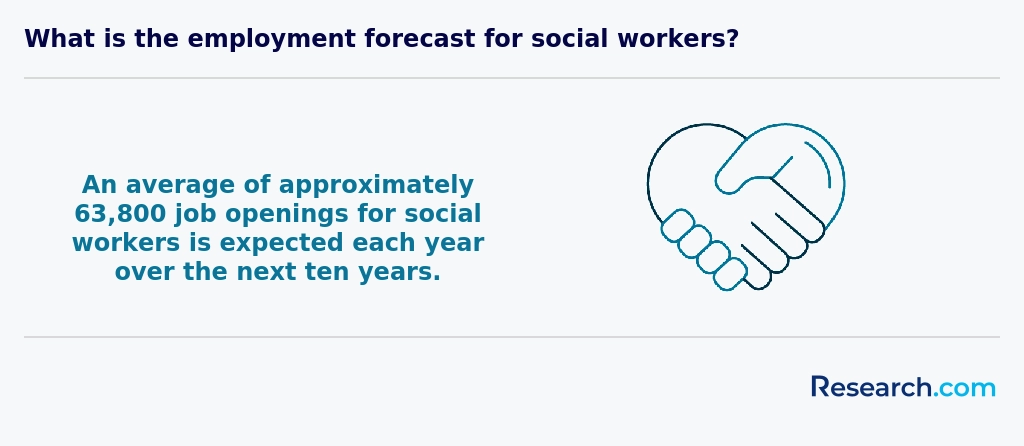
Graduates with an online human services degree in Arkansas find a range of practical career paths aligned with local needs. Many begin as case managers or social services coordinators, working for agencies like the Arkansas Department of Human Services to connect clients with essential resources. Others pursue roles as community outreach specialists, helping nonprofits and government programs address issues such as homelessness and domestic violence. These roles are especially rewarding for students from Arkansas universities who value hands-on impact.
Often, graduates explore positions in counseling or behavioral health, such as mental health technicians or substance abuse counselors, where growing demand offers job stability. Coursework from popular Arkansas colleges often prepares students to meet certification requirements in these fields, enhancing employability in the state's communities. Additionally, roles in education and program coordination allow professionals to design initiatives supporting youth development and eldercare, making a tangible difference.
Those interested in online human services careers in Arkansas should consider affordable programs that balance tuition costs with strong local job placement. For a comprehensive guide on options, exploring the top online masters in human services degree can provide valuable insights.
The online human services jobs Arkansas market is steady and offers practical opportunities for graduates looking to build careers in social and community services. Graduates from popular Arkansas colleges report entering roles such as case managers or program coordinators in state health departments and local nonprofits. These positions often involve working directly with clients to improve well-being, making a meaningful impact in both urban and underserved rural areas.
With the median wage around $58,000 and growing demand for healthcare and social support services, many find their education translates well into stable employment. Some graduates balance work and study, taking advantage of flexible online programs to advance without pausing their careers. Those interested can also explore what jobs can you get with a social work degree for additional insights on career paths.
Choosing an online human services degree from Arkansas institutions combines affordability with access to local networks, and graduates often highlight the satisfaction of contributing to community welfare amid increasing social service needs.
2027 Most Valuable Online Master's in Human Services Degree Programs Ranking in Arkansas
Investing in your education is a significant decision that can shape your future, and the Research.com team understands the importance of making informed choices. To assist prospective students in Arkansas, we have meticulously crafted the "2027 Most Valuable Online Master's in Human Services Degree Programs Ranking in Arkansas." Our commitment to quality, credibility, and accuracy is reflected in the extensive research and analysis conducted to compile this ranking.
We utilized the following reputable data sources to ensure a comprehensive evaluation of human services programs:
By exploring this ranking, readers will gain valuable insights into the most valuable online master's programs in human services in Arkansas, empowering them to make informed decisions about their educational journeys. For more details on our methodology, please visit our Research.com methodology page.


Frequently Asked Questions About human services
Students pursuing an online human services degree in Arkansas can enhance their learning by actively engaging with local community organizations. Arkansas has a growing demand for human services professionals, with the state's workforce expected to grow by 7% through 2030, according to the Arkansas Department of Workforce Services.
Taking advantage of internships or volunteer opportunities within the state allows students to apply classroom knowledge to real-world situations. Furthermore, utilizing Arkansas-based online resources such as the Arkansas Coalition of Human Services Providers can provide valuable networking and career development support.
Regular communication with instructors and participation in virtual study groups also enrich understanding and foster collaboration.
The human services field is expanding into several emerging niches that reflect changing societal needs. In Arkansas, growing populations and diverse communities have increased demand for specialists in behavioral health, especially in rural areas. Telehealth and digital counseling are becoming major areas within human services due to wider internet access combined with ongoing mental health challenges.
Another important niche is aging services, as Arkansas' elderly population is projected to grow significantly by 2030 according to the Arkansas Department of Health. Professionals trained in elder care coordination, dementia support, and community-based services will be crucial. Additionally, substance use disorder counseling is a critical sector, given Arkansas's struggle with opioid addiction.
Human services careers with a focus on trauma-informed care, crisis intervention, and case management in multicultural settings are also rising. These specialties require a deep understanding of social justice and economic disparities at the state level.
After completing an online human services degree in Arkansas, preparing for the job market involves several key steps. First, gaining relevant experience through internships or volunteer work with local agencies can greatly improve employment prospects. According to the Arkansas Department of Human Services, agencies often prioritize candidates with practical experience.
Next, obtaining professional certification, such as the Certified Human Services Professional (CHSP), can enhance credibility and open doors to better job opportunities across the state. Networking through Arkansas-based organizations and job fairs can also connect graduates to employers in social work, counseling, and community support roles.
Finally, staying informed about Arkansas's evolving social service needs and regional labor market trends is essential for targeting suitable positions effectively.
Employers in Arkansas prioritize several key skills when hiring graduates with human services degrees. Strong communication skills are essential, enabling professionals to effectively interact with clients and community organizations. Critical thinking and problem-solving abilities help graduates address complex social issues common in Arkansas communities.
Knowledge of state-specific social service programs, such as those overseen by the Arkansas Department of Human Services, is highly valued. Employers also seek cultural competence, reflecting Arkansas's diverse populations. According to the U.S. Bureau of Labor Statistics, interpersonal skills remain a top requirement for success in human services roles across the state.
These skills prepare graduates to support vulnerable populations and promote positive social outcomes effectively.
Finding internships in Arkansas for human services students involves leveraging multiple local resources. Many universities with online human services programs maintain partnerships with state agencies, nonprofit organizations, and community service providers. For example, the Arkansas Department of Human Services offers internship opportunities related to child welfare and social work.
Students should also use platforms like Arkansas Career Pathways and local job boards to identify internship openings. Networking through professional organizations such as the Arkansas Human Development Corporation can help locate practical placements.
Arkansas has a growing demand for human services professionals, with employment projected to increase by 15% through 2030 according to the U.S. Bureau of Labor Statistics. This encourages a variety of internship options statewide.
An online human services degree in Arkansas can significantly enhance career mobility and advancement opportunities within the state's growing social service sector. Arkansas employs over 15,000 professionals in human services fields, according to the U.S. Bureau of Labor Statistics (2023). Holding a master's degree often qualifies graduates for supervisory and specialized roles, which typically offer higher salaries and greater job security.
Many Arkansas employers value the flexibility and updated knowledge gained from accredited online programs. This degree allows workers to shift between related settings such as healthcare, social work, or community outreach. Furthermore, advanced education meets state certification requirements essential for leadership positions in agencies like the Arkansas Department of Human Services.
Overall, an online degree provides a practical way for residents to meet professional standards while expanding their career prospects locally.
Studying for an online human services degree in Arkansas equips students with knowledge across multiple disciplines such as social work, psychology, and public administration. This interdisciplinary approach is essential because human services professionals often collaborate with healthcare, education, and criminal justice sectors. Arkansas universities design their curricula to include practical skills in case management, counseling, and community resource coordination, preparing graduates for diverse work environments.
According to the Arkansas Department of Workforce Services, employment in human services-related fields is projected to grow about 7% through 2030. This growth increases demand for professionals who understand complex social challenges from various perspectives. The degree programs emphasize both theory and applied learning, fostering adaptability required for interdisciplinary roles.
When choosing between a thesis and a non-thesis online human services degree in Arkansas, consider your career goals. A thesis program involves conducting original research, which can be ideal for students targeting roles in policy development, research, or doctoral studies. Non-thesis programs focus more on practical skills and coursework, suiting those aiming to enter or advance in direct service roles.
Arkansas has a growing need for human services professionals, with state projections estimating a 10% job growth by 2030 (Arkansas Department of Workforce Services). This growth supports both research-focused and practice-oriented careers.
Costs and time commitments also differ; thesis options often require more time to complete due to the research project.
Students based in Arkansas seeking online human services degrees with an international perspective have limited direct study-abroad options within US-accredited programs. Most Arkansas universities offering online human services degrees focus on domestic curricula tailored to regional workforce needs, as highlighted by the Arkansas Department of Higher Education.
However, some institutions provide opportunities for international field experience or virtual exchanges in collaboration with global partners. These options allow students to gain cross-cultural insights without relocating. According to the National Organization for Human Services, such experiences can enhance students' understanding of global social issues relevant to Arkansas's diverse populations.
Arkansas students interested in studying abroad can also consider transferring credits earned from recognized foreign universities through formal agreements, although this is rare for fully online human services programs.
Part-time job opportunities in Arkansas can significantly complement education in an online human services degree. Roles such as case aides, peer support specialists, and community outreach workers are commonly available and provide practical experience. According to the Arkansas Department of Human Services, employing individuals in these roles supports developing skills in client interaction, crisis intervention, and resource coordination.
Healthcare support positions in clinics or nonprofit organizations also align well with human services studies. These jobs often offer flexible hours suitable for students. The U.S. Bureau of Labor Statistics highlights that Arkansas's social and human service assistant positions are growing faster than the national average, reflecting increasing opportunities.
Such employment not only strengthens resumes but enhances understanding of diverse populations within Arkansas, aiding future career development in this sector.
Online human services students in Arkansas can access various networking opportunities tailored to support their academic and professional growth. Many universities offer virtual meetups, discussion groups, and alumni networks, which enable students to connect with peers and experienced professionals statewide.
Additionally, Arkansas has active chapters of national organizations, such as the National Organization for Human Services (NOHS) and the Arkansas Human Services Professionals Association (AHSPA). These groups often host webinars, conferences, and workshops accessible online, fostering important industry connections.
Practical experience through online internships or community partnerships is also encouraged by institutions, providing students a chance to engage with local social service agencies. According to the Arkansas Department of Human Services, over 5,000 professionals work in human services statewide, offering a broad network for mentorship and career development.
Alumni networks offer significant benefits to students pursuing online human services degrees in Arkansas. These networks connect current students with graduates who work across multiple sectors, including social work, mental health, and community services. By tapping into these professional relationships, students gain valuable mentorship and career advice tailored to Arkansas's evolving job market.
Networking through alumni can improve job placement rates. According to the Arkansas Department of Workforce Services, human services roles are expected to grow by 10% through 2030, underscoring the importance of local connections. Alumni often help students access internships and job opportunities that may not be widely advertised.
Moreover, alumni events and online forums foster ongoing education and support. This access to a professional community enables students to stay informed about industry trends and certification requirements specific to Arkansas.
Customizing an online human services degree in Arkansas allows students to align their education with specific career goals. Many programs offer elective courses or specialization tracks such as substance abuse counseling, social work, or nonprofit management. This flexibility helps tailor skills to meet local workforce needs. According to the Arkansas Department of Workforce Services, demand for qualified human services professionals is growing, emphasizing the value of relevant credentials.
Students may also pursue internships or practicum experiences that focus on Arkansas communities. Additionally, some programs provide opportunities for certification preparation, such as for the National Certified Human Services Professional (NCHSP) exam.
These options enable learners to customize their education to support roles in local agencies, healthcare, or social services.
Online human services students in Arkansas often face challenges related to balancing coursework with personal and professional responsibilities. Many are working adults who must manage jobs, family, and studies simultaneously. Limited access to reliable high-speed internet in rural areas of Arkansas also impacts some students' ability to participate fully in online classes, given that about 20% of Arkansans live in rural communities, according to the U.S. Census Bureau.
Additionally, students report difficulties in obtaining adequate hands-on experience, as many human services programs require practicums or internships that can be harder to arrange remotely. There is also a need for strong self-motivation and time management skills, which some learners find challenging without traditional campus support. Arkansas's growing demand for human services professionals underscores the importance of overcoming these barriers for successful degree completion.
With an online human services degree in Arkansas, graduates can pursue several valued professional certifications to advance their careers. A popular option is the Certified Human Services Professional (CHSP), offered by the National Organization for Human Services, which requires a bachelor's degree and relevant experience.
Another key certification is the Certified Social Work Case Manager (C-SWCM), which enhances job prospects in social service agencies throughout Arkansas. Additionally, Arkansas recognizes the Certified Addiction Counselor (CAC) credential, vital for those working in substance abuse treatment.
These certifications help demonstrate specialized knowledge and commitment, improving employment opportunities in the state's growing human services sector, which is supported by data from the Arkansas Department of Workforce Services.
To write a winning application for an online human services program in Arkansas, start by thoroughly researching accredited institutions that offer relevant degrees. Highlight your commitment to community welfare and any volunteer or work experience within Arkansas's social services sector, as this region values practical engagement. Arkansas ranks below the national average in human services job growth, making a strong application vital to stand out.
Clearly articulate your career goals, emphasizing how the program fits Arkansas's unique demographic needs. Include letters of recommendation from professionals familiar with your dedication to helping vulnerable populations. Proofread carefully to avoid errors and demonstrate professionalism.
The human services field is increasingly recognized worldwide as essential for addressing diverse social challenges. In the United States, including Arkansas, a career in human services often focuses on improving community well-being, supporting vulnerable populations, and advocating for social justice. According to the U.S. Bureau of Labor Statistics, employment in human services-related occupations is projected to grow by 17% from 2020 to 2030.
Globally, human services professionals emphasize cultural competence and ethical practice, which align with U.S. accreditation standards for degree programs. Arkansas offers several accredited online human services degrees that incorporate these global perspectives to prepare students for a variety of settings, such as healthcare, mental health, and social welfare agencies.
The increasing demand for qualified human services workers in Arkansas reflects national trends. The Arkansas Department of Workforce Services reports steady growth in social and community service jobs, highlighting the value of advanced education in this area.
Gaining practical experience while studying for an online human services degree in Arkansas is crucial for career readiness. Many programs encourage or require internships with local organizations, such as social service agencies, mental health centers, or community nonprofits.
Arkansas has a strong network of human service providers offering placement opportunities where students can apply classroom knowledge. According to the Arkansas Department of Human Services, these partnerships often provide supervised, real-world practice essential for licensure or certification.
Additionally, virtual internships and telehealth practicum placements have grown, allowing online students to gain experience remotely while meeting degree requirements.
Choosing the right concentration within an online human services degree in Arkansas begins with understanding your career goals. Arkansas offers diverse fields such as mental health, social work, and community advocacy. Each concentration aligns with different roles in the local job market, shaped by state needs.
Research from the Arkansas Department of Workforce Services highlights growth in behavioral health and social assistance, signaling strong demand for professionals in these areas. Consider concentrations that match these trends to improve employment prospects.
Additionally, evaluate program accreditation and how concentrations prepare you for certification or licensure specific to Arkansas. This ensures your education meets state requirements and professional standards.
Lastly, reflect on your personal interests and strengths, since specialization can influence your long-term job satisfaction and impact in the community.
- 2027 Most Valuable Online Master's in Human Services Degree Programs Ranking in Missouri
- 2027 Most Valuable Online Master's in Human Services Degree Programs Ranking in Texas
- 2027 Most Valuable Online Master's in Human Services Degree Programs Ranking in Kentucky
- 2027 Most Valuable Online Master's in Human Services Degree Programs Ranking in Kansas
- 2027 Most Valuable Online Master's in Human Services Degree Programs Ranking in Alabama
- 2027 Most Valuable Online Master's in Human Services Degree Programs Ranking in Illinois
- 2027 Most Valuable Online Master's in Human Services Degree Programs Ranking in Iowa
- 2027 Most Valuable Online Master's in Human Services Degree Programs Ranking in Georgia
- 2027 Most Valuable Online Master's in Human Services Degree Programs Ranking in Florida
- 2027 Most Valuable Online Master's in Human Services Degree Programs Ranking in Ohio
- Study Social Work Abroad | Go Overseas https://www.gooverseas.com/study-abroad/social-work
- What Are My Career Options After a Course in Human Services? https://columbia.ca/career-options-after-a-course-in-human-services/
- How To Solve the Key Challenges Faced by Community Social Workers https://www.casebook.net/blog/how-to-solve-the-key-challenges-faced-by-community-social-workers/
- HS-BCP Credential https://www.nationalhumanservices.org/hs-bcp-credential/
- What can you do with a bachelor's in human services? | edX https://www.edx.org/resources/what-can-you-do-with-a-bachelors-in-human-services
- Writing a Human Services Resume – WNY Jobs https://www.wnyjobs.com/writing-a-human-services-resume/
- 6 Challenges of the Human Services Worker | Relias https://www.relias.com/blog/6-challenges-of-the-human-services-worker
- How To Navigate Human Services Challenges in 2026 https://nctinc.com/blog/how-to-navigate-human-services-challenges-in-2026/
- Home https://www.husson.edu/online/blog/2025/10/benefits-of-alumni-networks
- 10 Effective Ways to Build Networking Skills in Community Services https://tsa.edu.au/ways-to-build-networking-skills-in-community-services/