2027 Best Online Human Services Degree Programs Ranking in Virginia

Co-Founder and Chief Data Scientist
Choosing the right human services degree program can shape your future career and impact the community you serve. This article introduces the 2027 Best Online Human Services Degree Programs Ranking in Virginia, crafted by the Research.com team of data scientists. Designed to guide Virginia students, this ranking highlights reputable programs worth your consideration.
Exploring these options helps you find a flexible, quality education path that fits your life. Pursuing a human services degree opens doors to rewarding careers focused on making a difference. Let this guide support your next educational step with confidence.
Key benefits of getting online human services degree in Virginia
- Human services degree graduates in Virginia can expect competitive salaries in related roles nationwide, with positions like social workers earning a median wage of around $50,000 annually, offering financial stability and career growth.
- Graduates often enjoy diverse career opportunities such as case management, counseling, and community outreach, as seen in alumni from institutions like George Mason University, providing meaningful work helping others.
- Online human services degrees, like those from Liberty University, offer flexibility for busy adults balancing work or family, enabling students to earn their degree without compromising their lifestyle or schedule.
- 2027 Best Online Human Services Degree Programs Ranking in Virginia
- What can I expect from online human services degree in Virginia?
- Where can I work with online human services degree in Virginia?
What can I expect from online human services degree in Virginia?
The average cost of an online human services degree in Virginia varies, often influenced by the institution and degree level. Graduates from well-known colleges like Old Dominion University or George Mason University report tuition costs ranging roughly from $7,000 to $15,000 per year for in-state students. While this cost is relatively moderate compared to other online degrees, it remains important to consider additional fees, such as technology or internship coordination charges, which some programs require.
One graduate recalled balancing coursework with family responsibilities, appreciating how the online format allowed saving on commuting expenses, which indirectly reduced overall costs. However, some found financial aid options more limited for online programs compared to traditional on-campus degrees, causing them to explore scholarships or employer tuition assistance to manage expenses.
While cost considerations are crucial, many students found value in accredited programs that offer practical fieldwork opportunities locally, which helped them feel well-prepared professionally despite studying remotely. These real-life experiences also contributed positively to their career readiness and satisfaction.
Where can I work with online human services degree in Virginia?
Graduates of online human services programs from Virginia institutions like Virginia Commonwealth University often find diverse career paths across the state's public, private, and nonprofit sectors. Many take roles in local social service agencies funded by the Virginia Department of Social Services, working as case managers or family service specialists. These positions offer the rewarding challenge of directly helping families and individuals navigate complex social and economic issues.
Others build careers in healthcare settings, such as mental health clinics or rehabilitation centers, where they assist patients through care coordination and community outreach. Experience shared by graduates highlights how working within the Virginia Department of Behavioral Health and Developmental Services can provide meaningful support for vulnerable populations facing mental illness or developmental disabilities.
Nonprofits are also significant employers, especially those focusing on homelessness or substance abuse recovery. Graduates from schools like James Madison University have found fulfillment developing programs that address urgent community needs. Similarly, many find opportunities in education systems, supporting at-risk students through counseling and intervention initiatives endorsed by the Virginia Department of Education.
While these career paths are promising, it is worth noting that competition can be strong and advancement may require additional certifications or experience. Still, the growing demand for social and human services assistants in Virginia offers strong prospects for graduates eager to make a tangible impact.
Graduates with an online human services degree in Virginia often find entry-level salaries ranging from $35,000 to $40,000 annually, reflecting the early stages of career growth in this field. For example, individuals from well-known institutions like Virginia Commonwealth University often describe their initial roles as rewarding yet modest in pay, supporting community programs or assisting vulnerable populations.
As graduates gain experience, their earnings typically increase. Social and human service assistants in the state earn about $40,500 annually, close to national averages, which many graduates see as a stepping stone to higher responsibilities. Those holding a bachelor's degree combined with certifications report incomes between $45,000 and $55,000, enabling a more stable lifestyle while working in nonprofit or government settings.
Graduates advancing into supervisory roles or specialized positions, such as behavioral health coordinators in regions like Northern Virginia, can expect salaries up to $75,000. Such prospects inspire positive sentiment among students balancing online studies and real-life commitments, as they envision tangible career growth and meaningful community impact.
While exact salaries vary by employer and location, investing in an accredited online human services program in Virginia often improves employability and earning potential, a fact affirmed by many alumni navigating these pathways.
- Online human services degrees in Virginia include courses in counseling, social work, psychology, and case management to prepare for various roles.
- Tuition costs range from $8,000 to $20,000 per year, with public universities generally more affordable for in-state students.
- Average starting salaries for graduates are between $38,000 and $45,000 annually, increasing to $50,000-$60,000 with experience and certifications.
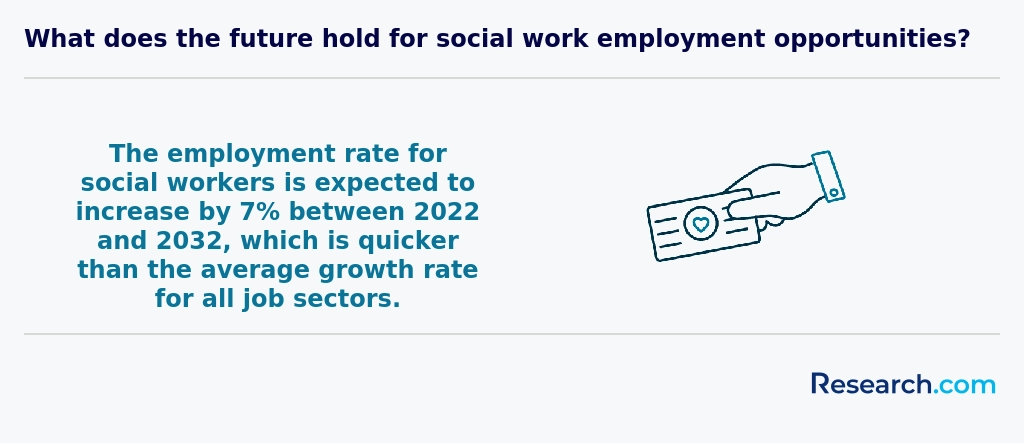
- Employment in social and human services in Virginia is expected to grow by about 8% through 2030, indicating strong job prospects.
- Programs often address state licensure requirements important for careers like licensed social work or counseling.
- Distance learning includes online lectures, discussion boards, virtual internships, and interactive coursework to build practical skills remotely.
Completing an online human services degree in Virginia generally spans from about two to four years, but this timeline heavily depends on several factors. For instance, graduates from community colleges in Virginia pursuing an Associate of Applied Science often complete their programs in roughly two years if studying full time, benefiting from clear credit transfer paths to four-year institutions. Conversely, a bachelor's degree student at a university such as George Mason or Old Dominion may take approximately four years, balancing coursework with internships that provide valuable hands-on experience.
Many students juggling work or family responsibilities find part-time enrollment extends their studies to up to six years, yet they appreciate the flexibility that supports their personal and professional growth. Others eagerly choose accelerated tracks available through some Virginia universities, enabling them to finish sooner without sacrificing learning quality. These varied experiences highlight that while the standard duration offers a useful benchmark, individual circumstances greatly shape the actual time to graduation in Virginia's human services programs.
Choosing an accredited program guarantees quality, credit transferability and employer recognition. After graduation, certifications can validate your expertise and open new career paths:
- Regional accreditation (e.g., SACSCOC) ensures federal aid eligibility and seamless credit transfer
- Programmatic accreditation by the Council for Standards in Human Service Education (CSHSE) confirms curriculum meets national industry benchmarks
- National credentials like Certified Human Services Professional (CHSP) or Certified Case Manager (CCM) boost your credibility and career prospects
- For specialized behavior analysis training, explore bcba programs online
Online and on-campus human services degrees in Virginia differ mainly in structure and experience, though both aim to prepare students for licensure and careers in social work or counseling. Graduates from programs at institutions like George Mason University often mention the flexibility of online courses, allowing them to juggle work, family, and studies efficiently without commuting. This flexibility suits many who appreciate accessing lectures and assignments at convenient times, although occasional campus visits may still be required for internships or practicums.
Conversely, on-campus students at places like Virginia Commonwealth University highlight the value of face-to-face interaction, which enhances networking and hands-on learning through campus resources and immediate support from faculty. These immersive settings foster a sense of community, important for roles centered on interpersonal skills.
Cost is also a nuanced factor; while some online programs in Virginia offer slightly lower tuition reflecting fewer on-site services, both formats typically meet Virginia Board of Social Work standards and require clinical placements, ensuring practical experience regardless of delivery method.
Accreditation tells you your degree meets quality standards and opens doors to licensure and professional credentials. In Virginia, ensure programs hold regional accreditation from the Southern Association of Colleges and Schools Commission on Colleges (SACSCOC) and programmatic accreditation from the Council for Standards in Human Service Education (CSHSE). Accredited programs:
- Guarantee transferable credits and employer recognition
- Provide eligibility for federal financial aid and certification exams
- Align curriculum with state licensure prerequisites
After graduation, consider earning credentials like the Certified Human Services Professional (CHSP) from the National Organization for Human Services. This certification:
- Demonstrates mastery of core practices
- Enhances credibility with employers and clients
- Supports career advancement into leadership roles
For those eyeing specialized pathways such as behavior analysis, explore bcba programs online to complement your human services degree.
The average cost of an online human services degree in Virginia typically centers around $24,244 for in-state students, with the median total cost reaching about $26,180 for all students. Graduates from public universities, known for balancing affordability and quality, often express satisfaction with these costs given the value they received. For many, attending institutions popular for human services, such as those within the Virginia Community College System or well-regarded regional universities, offers a manageable financial commitment that feels justified by flexible schedules and supportive online environments.
Students pursuing an online human services degree in Virginia frequently highlight how tuition and fees for human services degree Virginia remain competitive, especially compared to on-campus equivalents. Community colleges, for instance, provide accessible associate degrees with costs notably lower than traditional universities, appealing to those seeking affordable entry points. Meanwhile, private colleges tend to have higher tuition but often soften this with scholarships or payment plans, as shared by recent graduates who found these aid options crucial to their success.
Additional costs such as technology fees and course materials, which can add several hundred dollars annually, are important considerations when budgeting. Despite these, many students feel the convenience and reduced living expenses of online learning create a positive financial trade-off. Those investigating options are encouraged to explore online human services degrees to understand the full scope of available choices and costs specific to their circumstances.
Earning your online human services degree opens doors to key credentials required for practice in Virginia. Common certifications include:
- Certified Human Services Professional (CHSP): Validates core skills in client advocacy and case management.
- Virginia Credential for Substance Abuse Practitioners: Required for roles in addiction counseling and recovery services.
- Certified Case Manager (CCM): Recognized in healthcare and social service settings for advanced case coordination.
- Board Certified Behavior Analyst (BCBA): Offers specialization in behavior interventions; explore approved bcba programs online for next steps.
Students pursuing an online human services degree in Virginia often rely on a combination of federal and state financial aid, which can significantly ease the burden of tuition and fees. Federal Pell Grants, for example, provide up to $7,395 yearly to eligible students, a benefit that many graduates from universities such as Virginia Commonwealth University have found instrumental when balancing work and study.
Many also utilize federal Direct Loans, favored for their comparatively low interest rates and flexible repayment terms. Filling out the FAFSA is a critical first step, as graduates recall feeling empowered once they secured this funding.
State programs like the Virginia Commonwealth Award and the Virginia Tuition Assistance Grant specifically support Virginia residents attending public or private institutions, respectively. Graduates from private colleges often express relief knowing these grants reduce costs without the pressure of immediate repayment.
Merit-based scholarships at Virginia schools recognize academic talent and leadership in the human services field, with some recipients sharing that this validation motivates their continued success. Additionally, employer tuition reimbursement and local nonprofit grants serve as vital support for those balancing careers with education, echoing the real-life challenges many in this field face.
Earning your online human services degree in Virginia paves the way to essential credentials that validate expertise and meet state standards. Many roles require national or state licensure, and programs often embed certification prep into their curriculum.
- Certified Human Services Professional (CHSP): Exam-based credential from the National Board for Certified Counselors, ideal for frontline support roles.
- Licensed Alcohol and Drug Counselor (LADC): Combines coursework with supervised practicum hours to address substance use challenges.
- Licensed Clinical Social Worker (LCSW): Requires an MSW, 3,000 supervised hours, and a licensure exam for clinical practice.
- Board Certified Behavior Analyst (BCBA): Specialize in behavior analysis with 1,500+ hours of supervised experience; explore bcba programs online for streamlined pathways.
These credentials enhance job prospects, ensure compliance with Virginia regulations, and demonstrate your commitment to professional excellence.
Enrolling in an online human services degree program in Virginia generally starts with holding a high school diploma or GED, a baseline that signals readiness for college studies. For instance, graduates of well-known Virginia institutions often recall submitting these credentials without issue, finding this a manageable first step. When aiming for associate degrees, the process tends to be straightforward, focusing mostly on completion of high school and standard applications.
Bachelor's programs may ask for more, such as a minimum GPA between 2.0 and 2.5, according to popular schools like those in Northern Virginia. Some students remember the relief when test scores-such as SAT or ACT-became optional, a policy shift that many associate with greater accessibility, especially for working adults balancing life and study.
Beyond academics, showing genuine interest or experience in human services through personal statements or recommendation letters plays a key role. Graduates frequently mention how documenting volunteer work or related jobs helped them connect with admissions committees.
Technology is another essential prerequisite. A reliable internet connection and a capable computer are non-negotiable for successfully navigating the online coursework that Virginia colleges rely on.
Many graduates enhance their career prospects by earning professional credentials. Consider these common pathways:
- Certified Human Services Professional (CHSP): Validates expertise in ethics, case management and community resource coordination.
- Certified Case Manager (CCM): Demonstrates advanced skills in client assessment, care planning and advocacy.
- Certified Alcohol and Drug Counselor (CADC): Meets state requirements for roles in addiction counseling and recovery services.
- Board Certified Behavior Analyst (BCBA): Requires graduate-level coursework, supervised fieldwork and exam-explore bcba programs online.
- Virginia Social Work Licensure (LSW/LCSW): For clinical practice, fulfills state board education, supervised hours and exam criteria.
Always verify specific requirements with the Virginia Board of Counseling or Social Work to ensure you meet current licensure standards.
Online human services degree programs in Virginia commonly include courses that balance theory with practical skills, tailored to the state's social context. Graduates from well-regarded institutions such as James Madison University or George Mason University often describe taking foundational classes like Introduction to Human Services, which provides a comprehensive overview of the field's mission and values, grounding students in its purpose.
Courses like Human Behavior and the Social Environment help students understand diverse populations by exploring psychological and social factors that shape individual and community experiences. Another critical course, Social Welfare Policy, dives into both federal and Virginia-specific regulations, preparing students to navigate local systems effectively.
Students frequently mention the impact of ethics courses, where discussions of real-life dilemmas bolster their confidence when facing tricky situations in internships or fieldwork, often conducted at local nonprofits in Richmond or Norfolk. Practical courses such as Case Management and Counseling Techniques equip students with communication skills vital for client advocacy, making the degree feel directly relevant and encouraging a sense of readiness to help their communities.
Typical specializations in an online human services degree in Virginia reflect the state's diverse community needs and workforce demands. Popular tracks include Addiction and Substance Abuse Counseling, which prepares graduates to support individuals struggling with dependency, a role many students feel passionate about after witnessing the impact of recovery programs. Gerontology addresses the growing aging population, offering essential skills to assist older adults, a focus especially relevant for students at institutions like George Mason University. Mental Health Services specialization equips students with crisis intervention and counseling techniques, resonating with those motivated by personal or family experiences related to mental illness. Child and Family Services trains students to advocate for family stability, an area where graduates often express fulfillment from making tangible social impacts. Community Outreach and Advocacy prepares future professionals to champion social justice, aligning with students interested in empowering marginalized groups. These specializations highlight the breadth of human services career options Virginia online, allowing students to tailor their path thoughtfully and meaningfully. For a deeper understanding, explore what can i do with a masters in human services.
Choosing the best online human services degree in Virginia requires weighing multiple factors carefully rather than rushing into decisions based solely on reputation or cost. Graduates from universities like George Mason or Virginia Commonwealth University often emphasize the importance of accreditation through recognized organizations such as the Council for Standards in Human Service Education. This ensures that the education they received met high standards and helped them transfer credits if needed.
Cost and flexibility often top the list for many students balancing work and family. Public institutions in Virginia typically offer more affordable options, and it's essential to explore financial aid and scholarship opportunities available for affordable human services programs Virginia. One graduate shared that asynchronous courses allowed them to study around a hectic work schedule, proving valuable for busy adults.
Practical experience is another critical factor. Programs offering internships or practicum placements in local communities provide meaningful engagement and networking opportunities. These real-world experiences often become stepping stones for employment in fields like social work or counseling. For those exploring cost-effective options, the cheapest human services online programs accessible from Virginia still deliver solid outcomes, showing that affordability and quality can coexist.
Graduates pursuing online human services careers in Virginia often find themselves entering diverse roles that emphasize community well-being and individual support. Many alumni from well-known Virginia universities share how their degrees opened doors to jobs such as social and community service managers, who lead programs addressing public health, or case managers assisting vulnerable populations in navigating essential resources. Others are drawn to counseling roles in substance abuse or youth services, finding fulfillment in nonprofit settings or state agencies.
It's important to recognize some graduates highlight challenges, like the need for additional certifications or licensure, which can affect timelines for entering certain professions. However, programs at Virginia colleges tend to prepare students well for these requirements, blending theoretical knowledge with practical skills. For anyone exploring Virginia human services degree job opportunities, the field's projected growth supports optimism.
A helpful step for students is to consider an online masters degree in human services as a pathway to advanced positions and higher salaries, especially when balancing work and study.
Graduates with an online human services degree in Virginia often enter a job market characterized by steady growth and diverse opportunities, particularly in metropolitan areas like Northern Virginia and Richmond. Many find rewarding roles within public agencies, healthcare systems, and nonprofit organizations where their skills in communication, crisis intervention, and cultural competence are critically needed. For example, graduates from well-known Virginia colleges report positive experiences securing positions in case management and client support, where their ability to advocate for vulnerable populations makes a real difference.
The Virginia human services degree career outlook remains promising, with the state projecting a 3% annual increase in social and human service assistant positions. Entry-level salaries typically range from $30,000 to $45,000, with scope for growth through certifications such as the Certified Human Services Professional (CHSP). Students often weigh these prospects alongside tuition costs at local institutions, with many appreciating the affordability of in-state options for online study. For those exploring related paths, considering a social work degree might also provide valuable context.
2027 Best Online Human Services Degree Programs Ranking in Virginia
Investing in your education is a significant decision that can shape your future, and the Research.com team understands the importance of making informed choices. To assist prospective students in Virginia, we have meticulously crafted the "2027 Best Online Human Services Degree Programs Ranking in Virginia." Our commitment to quality, credibility, and accuracy is reflected in the extensive research and analysis conducted to compile this ranking.
We utilized the following reputable data sources to ensure a comprehensive evaluation of human services programs:
By exploring this ranking, readers will gain valuable insights into the best online human services degree programs available in Virginia, helping them make informed decisions about their educational paths. For more details on our methodology, please visit our Research.com methodology page.


Frequently Asked Questions About human services
Online human services degree students in Virginia can maximize their learning by actively engaging with their coursework and faculty through virtual office hours and discussion boards. Staying organized with a clear schedule helps balance studies and personal responsibilities. Virginia's growing social service sector, with a 5.2% job growth projected through 2030 by the Virginia Employment Commission, offers valuable internship opportunities, so seeking local placements is beneficial.
Students should also leverage state resources like community workshops and professional networks such as the Virginia Human Services Association. Utilizing these can enhance practical knowledge and career prospects.
Regularly updating resumes and certifications aligns with Virginia's state licensure requirements for many counseling and social service roles, ensuring readiness for the workforce.
The human services field is rapidly evolving, with emerging niches reflecting society's changing needs. In Virginia, one significant growth area is telehealth and digital counseling, driven by expanding broadband access and increased acceptance of remote care. The Virginia Department of Behavioral Health & Developmental Services reports a steady rise in demand for professionals skilled in virtual client engagement.
Another developing niche is specialized support for aging populations. Virginia's aging demographic boosts the need for human services practitioners focused on elder care, including mental health and community-based resources.
Trauma-informed care is also gaining prominence, as agencies increasingly recognize the impact of adverse experiences on clients. Professionals trained in this approach are valued across social services and healthcare settings.
Finally, culturally competent services for Virginia's diverse communities represent an important niche, emphasizing inclusivity and equity in service delivery.
After completing an online human services degree in Virginia, preparing for the job market involves several key steps. Start by gaining relevant experience through internships or volunteer work, which many Virginia employers value highly. According to the Virginia Employment Commission, human service jobs are projected to grow by 12% through 2030, signaling strong job prospects.
Networking is also essential. Joining local professional organizations such as the Virginia Chapter of the National Human Services Association can open doors. Graduates should consider obtaining certifications like the Certified Human Services Professional (CHSP) to enhance credibility.
Finally, tailor your resume and practice interviewing to highlight skills in communication, case management, and crisis intervention-skills critical in Virginia's growing human services sector.
Employers in Virginia increasingly value human services graduates who demonstrate strong communication and interpersonal skills. According to the Virginia Department of Social Services, effective listening and empathy are essential for client-centered roles. Graduates must also show problem-solving abilities to address complex social challenges. Critical thinking is highly regarded, enabling professionals to evaluate cases and develop appropriate care plans.
Additionally, cultural competence is vital due to Virginia's diverse population, ensuring respectful and inclusive service delivery. Graduates with knowledge of state regulations and ethical standards tend to be preferred. Digital literacy is gaining importance as agencies adopt new technologies for case management.
Finding internships in Virginia for human services students often begins with exploring local agencies and nonprofit organizations. Many institutions, such as social service departments and community health centers, partner with universities to offer practical experiences. The Virginia Department of Social Services is a notable resource with internship opportunities that align with human services curricula.
Additionally, universities with online human services programs usually have dedicated career services to help students connect with internship placements. Websites like Handshake and LinkedIn also list internships specific to Virginia's social work and counseling fields.
Networking through professional associations like the Virginia Human Services Association can lead to valuable internship contacts. Keeping updated on Virginia's workforce development programs is crucial, as these often provide structured internship opportunities with stipends or credits.
Obtaining an online human services degree in Virginia can significantly enhance career mobility and advancement opportunities. Virginia's human services sector is growing, with the Virginia Employment Commission projecting a 7% increase in social and community service jobs from 2020 to 2030. An accredited online degree equips students with essential skills recognized by employers statewide, improving eligibility for roles such as case manager, counselor, or social services coordinator.
Online degrees offer flexibility for working professionals, allowing them to balance education with current jobs, which is crucial in Virginia's competitive workforce. Additionally, credentials from Virginia institutions often meet state licensure and certification requirements, aiding career advancement.
Studying for a human services degree in Virginia equips students with skills essential for interdisciplinary roles within social support systems. These programs emphasize collaboration with professionals in healthcare, education, and public administration, preparing graduates to address complex client needs holistically.
Virginia's online human services degrees incorporate coursework on psychology, social policy, and community resources, fostering an understanding of diverse fields that affect client welfare. This breadth enables graduates to work effectively alongside counselors, social workers, and healthcare providers.
According to the Virginia Department of Social Services, integrated approaches improve service delivery outcomes, supporting the value of interdisciplinary training in the state's workforce development.
When choosing between a thesis and a non-thesis online human services degree program in Virginia, consider your career goals and learning preferences. Thesis programs generally require original research and are ideal for students who want to pursue advanced study or roles in research and policy development.
Non-thesis options focus more on practical skills and coursework, suited for those planning to enter human services practice directly or seek leadership positions without a research emphasis. In Virginia, agencies like the Department of Social Services often value applied experience, which non-thesis programs may better emphasize.
Review each program's curriculum carefully to ensure alignment with your professional objectives.
Students based in Virginia interested in studying human services abroad have several options primarily through partnerships between Virginia institutions and foreign universities. While fully online international degree programs in human services are limited, many Virginia colleges offer study abroad opportunities within social work or related fields, which can complement an online curriculum.
Programs such as those at George Mason University or Virginia Commonwealth University often include service-learning trips or internships overseas, providing practical experience. Additionally, Virginia students may enroll in accredited online human services programs with international components or virtual global internships.
According to the Virginia Department of Education, increasing global engagement is a priority, which may expand future overseas human services study options.
Part-time job opportunities in Virginia that complement a human services degree often involve direct community engagement. Positions such as case aides, mental health support workers, and residential care assistants provide valuable hands-on experience. These roles help build essential skills in client communication, crisis intervention, and program coordination.
Virginia's Department of Social Services reports steady growth in community service jobs, with over 15,000 openings in related fields statewide as of 2023. Many nonprofits and health organizations offer flexible part-time roles suitable for students balancing coursework.
Additionally, tutoring or mentoring programs in schools and youth centers allow students to apply human services knowledge practically while supporting local communities. Such jobs not only enhance resumes but deepen understanding of client needs within Virginia's diverse populations.
Online human services students in Virginia benefit from a variety of networking opportunities designed to connect them with professionals and peers across the state. Universities often organize virtual career fairs and alumni events, helping students engage with experienced practitioners in social work, counseling, and community services.
Professional organizations like the Virginia Human Services Association provide membership access, online forums, and regional conferences. These platforms allow students to discuss trends, share resources, and build industry contacts.
According to the Virginia Employment Commission, over 100,000 jobs in human services sectors highlight the importance of such networks for job placement and career advancement in the state.
Alumni networks offer significant advantages for online human services degree students in Virginia. These networks connect current students with graduates working across various social service sectors in the state, facilitating mentorship and career advice. According to the Virginia Department of Social Services, networking is crucial for job placement, especially in competitive fields like human services.
Through alumni events and online platforms, students gain access to job openings and internships not always advertised publicly. This support enhances employment prospects after graduation.
Additionally, alumni networks often provide insight into Virginia's evolving human services policies and community needs, preparing students for practical challenges. Participation in these networks supports professional development and lifelong learning within the field.
Customizing an online human services degree in Virginia involves selecting electives, specializations, and practical experiences that align with your career goals. Many Virginia institutions offer concentrations such as addiction counseling, youth services, or community health, allowing you to tailor your studies.
Additionally, students can often arrange internships or fieldwork in local agencies, which is crucial since Virginia's demand for qualified human services workers is projected to grow by 13% through 2030, according to the Virginia Employment Commission. This hands-on experience enhances job readiness and professional networks.
Choosing flexible course schedules and online formats also helps balance education with existing responsibilities.
Online human services students in Virginia often face challenges related to balancing coursework with their professional and personal responsibilities. Many students work full-time jobs or have family commitments, which can make adhering to deadlines difficult. Limited access to local internship sites can also impede practical experience, which is essential for human services careers. According to the Virginia Board of Social Work, hands-on training is critical for licensure, yet online students may struggle to secure nearby placements.
Technical issues and varying levels of digital literacy pose another barrier. Not all students have reliable high-speed internet, which affects access to live sessions and online resources. Additionally, fewer networking opportunities compared to on-campus programs can limit peer and faculty interaction, impacting support and professional growth.
Graduates with an online human services degree in Virginia can pursue several respected professional certifications that enhance career prospects. A popular choice is the Certified Human Services Professional (CHSP) credential, which validates expertise in human services and requires a combination of education and experience.
Another option is the Certified Alcohol and Drug Counselor (CADC), particularly relevant in Virginia's expanding behavioral health sector. This certification helps graduates specialize in addiction treatment. According to the Virginia Department of Behavioral Health and Developmental Services, demand for certified counselors in the state has grown by over 10% in recent years.
Additionally, certification as a Licensed Social Worker (LSW) or Licensed Graduate Social Worker (LGSW) is possible after further study and licensing exams, providing clinical practice opportunities. These certifications align well with human services degrees and Virginia's increasing need for licensed professionals in community support roles.
Writing a winning application for an online human services program in Virginia starts with understanding the state's requirements and expectations. Many Virginia schools, including community colleges and universities, emphasize a clear statement of purpose that explains your passion for helping vulnerable populations and your career goals in human services.
Highlight any relevant experience, such as volunteer work or professional roles related to social work, counseling, or community support. According to the Virginia Department of Social Services, the demand for skilled human services professionals is growing, so demonstrating relevant skills can strengthen your application.
Strong letters of recommendation and a well-organized resume are important. Also, pay close attention to each program's application deadlines and material requirements, which vary across institutions in Virginia.
Human services careers have a broad global relevance, focusing on improving individual and community well-being. While the term and roles vary internationally, the core mission remains consistent: supporting vulnerable populations. In the United States, including Virginia, human services professionals work in areas such as mental health, substance abuse, and social welfare.
Globally, human services emphasize cultural competence and adaptable skills due to diverse populations. According to the U.S. Bureau of Labor Statistics, Virginia's demand for social and human service assistants is projected to grow by 13% from 2021 to 2031, reflecting expanding needs.
Students choosing online human services degrees in Virginia benefit from curricula that integrate these global and local perspectives, preparing professionals for diverse challenges.
Students pursuing an online human services degree in Virginia can gain practical experience through internships, field placements, or volunteer work. Many Virginia universities require these hands-on hours as part of their program, partnering with local agencies such as social service organizations, healthcare centers, and nonprofits. According to the Virginia Department of Social Services, internships provide critical exposure to case management and community support roles.
Online learners should communicate with their program advisors to identify approved placement sites near their region. Virtual internships may also be available, especially with agencies offering remote client services.
Practical experience not only reinforces classroom theories but also improves employability in Virginia's human services job market, which is expected to grow by 8% from 2022 to 2032 (Bureau of Labor Statistics).
Choosing the right concentration within an online human services degree program in Virginia involves understanding your career goals and the needs of the local community. Virginia's growing demand for social and human services professionals, particularly in areas like mental health, substance abuse, and family support, guides many students toward specialized tracks.
Research from the Virginia Department of Behavioral Health and Developmental Services indicates rising opportunities in behavioral health roles. Consider concentrations aligned with state workforce shortages for better job prospects.
Evaluate each program's curriculum, internship opportunities, and credential preparation to ensure it matches your career ambitions and the regional marketplace.
- 2027 Best Online Human Services Degree Programs Ranking in Kentucky
- 2027 Best Online Human Services Degree Programs Ranking in Pennsylvania
- 2027 Best Online Human Services Degree Programs Ranking in Ohio
- 2027 Best Online Human Services Degree Programs Ranking in Georgia
- 2027 Best Online Human Services Degree Programs Ranking in New York
- 2027 Best Online Human Services Degree Programs Ranking in Florida
- 2027 Best Online Human Services Degree Programs Ranking in Alabama
- 2027 Best Online Human Services Degree Programs Ranking in Massachusetts
- 2027 Best Online Human Services Degree Programs Ranking in Missouri
- 2027 Best Online Human Services Degree Programs Ranking in Illinois
- Key Trends for Social Work and Human Services in 2026 https://nctinc.com/blog/key-trends-for-social-work-and-human-services-in-2026/
- Human Services – Public Service & Safety – Virginia Western Community College https://www.virginiawestern.edu/academics/public-service/human-services/
- Human Service Week - List of ideas for topics for student groups https://www.human-service-week.org/past-human-service-weeks/human-service-week-2024/list-of-ideas-for-topics-for-student-groups
- Health and Human Services Career Guide https://www.ultimatemedical.edu/blog/hhs-guide/
- HS-BCP Credential https://www.nationalhumanservices.org/hs-bcp-credential/
- 25 Best Online Human Services Degree Programs - Social Work Degree Center https://www.socialworkdegreecenter.com/best-online-human-services-bachelors/
- How to Maximize the Impact of Alumni Networks https://www.careeros.com/resources/how-to-maximize-the-impact-of-alumni-networks
- Guide to bachelor's in human services | edX https://www.edx.org/bachelors/human-services
- Human Services | New River Community College https://www.nr.edu/hms/
- Most Popular Online Schools for Human Services in Virginia - Course Advisor https://courseadvisor.com/majors/public-and-social-service/human-services/rankings/most-popular-online/bachelors-degrees/southeast/virginia/