2027 Best Online Human Services Degree Programs Ranking in Missouri

Co-Founder and Chief Data Scientist
Finding the right human services degree program can shape your future career and personal growth. If you're a Missouri student exploring online options, this article offers valuable guidance.
The 2027 Best Online Human Services Degree Programs Ranking in Missouri was developed by the Research.com team of data scientists to help you make an informed choice about which programs stand out.
Reading this ranking will empower you with insights on quality programs, making your path to a rewarding human services career clearer and more achievable.
Key benefits of getting online human services degree in Missouri
- Human services degree graduates in Missouri can expect competitive salaries, with many related roles across the US offering median hourly wages around $20 to $25, providing a stable income foundation for a rewarding career.
- A graduate from the University of Missouri often pursues diverse career paths such as social work, counseling, or community program coordination, reflecting the flexible and impactful opportunities available.
- Completing a human services degree online through Missouri State University allows students to balance work and study, gain practical skills at their own pace, and enter the workforce sooner with less financial strain.
- 2027 Best Online Human Services Degree Programs Ranking in Missouri
- What can I expect from online human services degree in Missouri?
- Where can I work with online human services degree in Missouri?
What can I expect from online human services degree in Missouri?
When diving into an online human services degree in Missouri, many students wonder about the financial investment involved. On average, tuition costs for these programs at well-regarded institutions like the University of Missouri-St. Louis or Missouri State University tend to be more affordable than traditional on-campus options. Graduates often reflect on the balance between cost and quality, appreciating how access to financial aid and scholarships tailored specifically for social service fields lightens the financial load.
One graduate described the experience as a rewarding adventure, where affordable tuition meant they could focus on building practical skills through online courses combined with local internships rather than worrying about debt. The flexibility of paying in-state tuition while studying remotely allows students to explore their passions without uprooting their lives, making education more accessible and attainable.
Overall, pursuing this degree online in Missouri feels like an exciting opportunity to grow personally and professionally without overwhelming costs, especially for those eager to contribute to their communities through social services.
Where can I work with online human services degree in Missouri?
Graduates with an online human services degree in Missouri find themselves stepping into vibrant roles across social service agencies, healthcare settings, and nonprofits. Imagine working with the Missouri Department of Social Services, helping families navigate challenges with real impact and meaning. Many alumni from popular schools like the University of Missouri and Missouri State University have shared how their hands-on coursework translated directly into rewarding roles in child welfare or behavioral health programs.
Others embark on careers in mental health support, joining community centers or the Missouri Department of Mental Health, where every day presents new opportunities to advocate for clients and provide compassionate counseling. Graduates often recount feeling energized by connecting with individuals on personal journeys of recovery and growth.
Nonprofits in bustling hubs like St. Louis and Kansas City offer adventurous graduates chances to coordinate crisis interventions or lead housing assistance programs, blending coordination skills with heartfelt service. Educational roles focused on student advocacy and support in Missouri schools also attract those passionate about making a difference in young lives.
Graduates from online human services programs in Missouri often find themselves stepping into vibrant roles where impact meets opportunity. Many alumni from well-regarded institutions like the University of Missouri or Missouri State University share stories of starting their careers earning around $28,000, especially in entry-level social and human service assistant positions. As they gain experience, those salaries can rise to about $37,500 per year, opening doors to more fulfilling and financially rewarding paths.
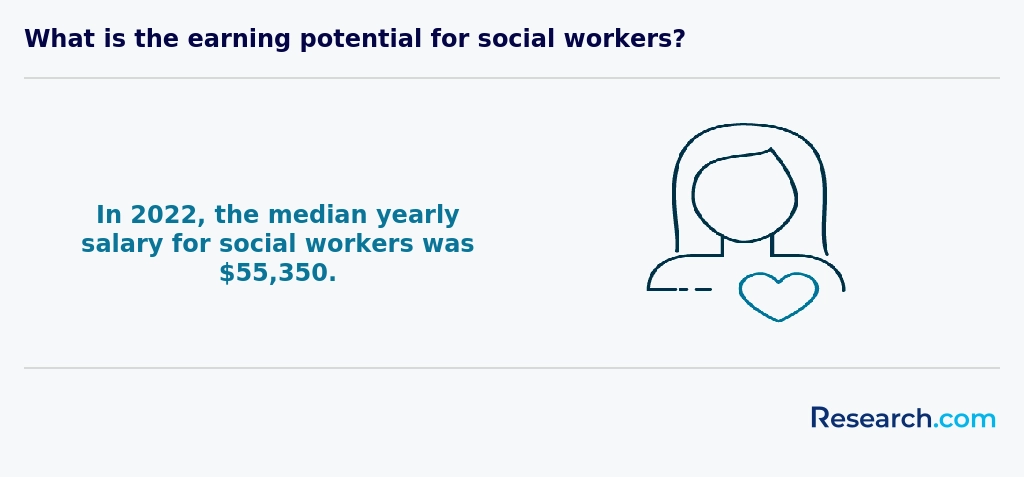
Specializing or advancing with certifications often leads to better paychecks. For instance, social workers with degrees who become licensed notice salaries climbing toward $55,000 annually in Missouri. Graduates navigating the public sector in cities like St. Louis or Kansas City report earning between $40,000 and $60,000, benefiting from robust government roles that combine meaningful work with steady pay.
Imagine starting your career supporting community programs in a nonprofit, then advancing to a government role where your growth directly reflects in your paycheck. Missouri's balance of decent living costs and salary potential means many graduates enjoy a rewarding lifestyle without compromise.
- Tuition for online human services degrees in Missouri ranges from $8,000 to $15,000 per year for in-state students.
- Employment in human services-related fields in Missouri is expected to grow by about 9% over the next decade, slightly above the national average.
- Starting salaries for graduates typically range from $30,000 to $40,000 annually, with mid-career salaries between $45,000 and $55,000.
- Accreditation from agencies like the Council for Standards in Human Service Education (CSHSE) is important for program quality and job eligibility.
- Public universities such as Missouri State University and the University of Missouri offer flexible online programs with options for working adults and online internships.
On the other hand, picture a bachelor's degree student at a well-regarded Missouri university, balancing work and family, gradually weaving through 120 credit hours. While the standard full-time path often spans four years, many embrace flexible pacing or accelerated tracks, reducing their timeline to three years, fueled by extra courses and summer sessions.
These experiences reflect the exciting blend of structure and flexibility unique to Missouri's online human services programs, where students shape timelines around real-life adventures and obligations.
Imagine juggling a busy schedule in St. Louis or Kansas City while pursuing your human services degree-this is where online programs truly shine. Graduates who chose the online route praise the freedom to study after work or between family commitments, making learning feel less like a chore and more like an adventure tailored to their lives. The University of Missouri's online format lets students tap into lectures and assignments anytime, perfect for those craving flexibility without sacrificing quality.
On the other hand, picture yourself walking the halls of a vibrant campus like Missouri State University, where face-to-face conversations with professors and peers ignite new ideas. On-campus students relish hands-on fieldwork experiences coordinated with local agencies, creating bonds and memories that often prove invaluable when starting a career in human services.
Both modes carry unique benefits-online learners celebrate schedule freedom and reduced commuting stress, while on-campus students thrive on direct interaction and immersive environments. Either way, Missouri's programs promise accredited education with practicum opportunities tailored to help you grow and succeed.
The journey toward an online human services degree in Missouri often begins with understanding the average cost of this educational adventure. For many students, especially those attending popular institutions like Missouri State University or the University of Central Missouri, the median total cost settles around $31,696. Those fortunate enough to qualify for in-state tuition typically see a more manageable median of approximately $21,379, while out-of-state students can expect a higher price tag near $45,198. These figures represent not only tuition but a realistic forecast of fees, textbooks, and technology needed for thriving in an online program.
Graduates from these programs often reflect on their investment as both challenging and rewarding, appreciating how accessible their schools made flexible payment options and financial aid-turning what seemed like a daunting expense into a feasible step toward their dreams. Exploring affordable online human services programs Missouri offers means encountering institutions that balance cost with quality, helping students pursue careers that matter without breaking the bank.
Often, students find themselves navigating fee structures that bill per credit hour, ranging between $300 and $600, making careful planning essential. Community colleges and two-year schools also present tempting first steps with associate degrees priced under $5,000, serving as vibrant gateways to a bachelor's degree.
For anyone curious about the exciting possibilities after graduation, be sure to check out masters in human services career options that open up after the degree, ensuring each dollar spent translates into meaningful career paths filled with purpose and growth.
Imagine starting your online human services journey at a well-known Missouri university, feeling the excitement of independence but also wondering how to cover tuition costs. Many graduates recall how federal aid like Pell Grants-offering up to $7,395 annually-acted as a lifesaver, especially since these funds don't need to be repaid. Pair that with the Federal Supplemental Educational Opportunity Grant (FSEOG) for those with significant financial need, and some of that financial weight lifts.
Others reflect on federal loans, like Direct Subsidized and Unsubsidized Loans, which gave them breathing room with low interest and flexible repayment. After graduation, several Missouri grads discovered income-driven plans that eased loan payments, allowing them to focus on careers helping communities.
State programs such as Access Missouri and the Bright Flight Scholarship also brighten the picture. These give grants up to $1,400 or awards between $3,500 and $6,000, respectively, nudging students closer to their dreams.
Finally, many recall institutional scholarships offered by Missouri colleges keen to support future counselors and social workers, plus professional associations and even employer tuition assistance, all weaving a safety net around their education.
To embark on an online human services degree journey in Missouri, you'll first need some foundational qualifications that open the door to this exciting field. Most programs at universities like Missouri State or University of Central Missouri ask for a high school diploma or GED, a simple yet important step ensuring you're ready to dive into college-level learning.
Imagine sitting in your favorite coffee spot, working through prerequisite courses in English and social sciences-these classes are essential for understanding the human stories behind every case you'll encounter. Many graduates recall how these courses laid the groundwork for effective communication and empathy, key tools in human services.
Some schools ask for SAT or ACT scores, but plenty are welcoming test-optional policies, making access smoother for those balancing life's other adventures. Official transcripts, recommendation letters, or personal statements may also be requested, giving you the chance to share your passion for helping others.
For those aiming higher with a master's program, a bachelor's degree-often from human services or related fields-is a must. Many alumni fondly remember how past volunteer work became their proudest application highlight, proving their readiness to serve Missouri's growing need for compassionate professionals.
Diving into an online human services degree in Missouri means embarking on a journey through courses that truly prepare you for meaningful work in your community. Graduates from well-known Missouri institutions share how classes like Introduction to Human Services opened their eyes to the history and impact of the field, helping them see their future roles with clarity and purpose.
Imagine learning Case Management Techniques-it's like building a toolkit to assess and support real clients' needs. Meanwhile, Social Welfare Policy classes reveal the state-specific laws that shape services, making the lessons feel incredibly relevant and practical for Missouri's diverse populations.
Many students describe courses in Psychology and Behavioral Health as eye-opening, uncovering the nuances of mental health challenges they'll encounter. The focus on Cultural Competency and Diversity encourages embracing Missouri's rich multicultural communities, fostering empathy and respect.
Students also treasure the hands-on experience found in Practicum or Fieldwork, arranged locally so they can apply skills directly in their hometowns, turning theory into impactful action.
When exploring an online human services degree in Missouri, students often find themselves drawn to dynamic specializations that perfectly match their passions and the state's pressing needs. For example, many graduates from well-known Missouri colleges rave about the impact of focusing on Addiction Studies, where they gain firsthand skills to assist communities battling substance abuse-their work often feels deeply rewarding as they witness real change in rehab centers or through outreach programs.
Others embrace Gerontology, preparing to support Missouri's growing elder population by developing services that improve daily life and health access. Those pursuing Child and Family Services frequently share stories of meaningful involvement with foster care and domestic violence support, making a tangible difference for families across the state. Meanwhile, the Mental Health Counseling path opens doors to hospitals and community clinics, where students learn to provide crucial psychological care.
Many students in shortest human services online program options appreciate the flexibility these diverse specializations offer, making Missouri human services degree online programs a thrilling journey toward a fulfilling career.
Start your journey by seeking regional and program-specific accreditation, a crucial sign of quality. Graduates from popular Missouri colleges often recall how accreditation gave them confidence their degree would open doors locally. Imagine juggling coursework with your job-flexible online programs, especially those offered by well-known universities in Missouri, make this possible. Many find that programs covering counseling, crisis intervention, and case management prepare them for real-life challenges. Cost matters too; affordable human services degrees Missouri online can mean balancing education with life without financial stress. One graduate shared how scholarships reduced their tuition at a public Missouri institution, making their dream accessible. Don't overlook hands-on experience-internships in local communities offer a vibrant way to apply lessons, connecting learners with real people and stories right in Missouri. When exploring options, explore online human services degrees to find programs that fit your lifestyle and ambitions.

Graduates from online human services programs at popular institutions in Missouri often find themselves stepping into diverse roles filled with real impact and meaningful interactions. From working as case managers who skillfully connect individuals with vital resources to becoming community outreach coordinators, these paths blend compassion with action. Imagine supporting a family in St. Louis who just found stable housing thanks to your efforts, or helping coordinate mental health services in Kansas City alongside local healthcare providers. Missouri's variety of social service agencies and nonprofits offer a playground of possibilities for those ready to make a difference.
For those curious about specialized tracks, many graduates explore behavioral health technician roles or mental health counseling, sometimes leveraging their degree as a pathway to certifications or graduate studies. Studying in Missouri means tapping into a promising job market, reflecting the growing demand noted in human services degree job prospects Missouri.
Whether at a university in Columbia or St. Joseph, students share stories of rewarding work supporting vulnerable populations-experiences that open doors. To explore even broader horizons, you can visit what can i do with a masters in human services and learn how graduate degrees expand these adventurous career opportunities.
The job market for online human services degree graduates in Missouri is bursting with opportunity and growth. Graduates from popular universities and colleges across the state often find themselves stepping into rewarding roles in healthcare, rehabilitation, or social welfare agencies where their skills make a tangible difference. Missouri's rising demand for human services professionals is fueled by its aging population and expanding mental health initiatives, creating dynamic career paths that inspire many alumni to share stories of fulfillment and impact. Whether working in schools, non-profits, or government agencies, these graduates enjoy competitive wages and diverse job openings close to home.
Many find Missouri to be an accessible place to pursue their passion, with affordable tuition at well-regarded institutions offering solid programs that blend flexibility and quality. This is ideal for those who want to balance work and study while preparing for the future. If you're curious about the most suitable paths, you can explore the cheapest human services online programs to find options designed for ambitious learners eager to enter this thriving field.
For anyone considering employment opportunities for human services graduates Missouri offers a landscape where compassion meets opportunity, making a meaningful career both exciting and attainable.
2027 Best Online Human Services Degree Programs Ranking in Missouri
Investing in your education is a significant decision that can shape your future, and the Research.com team understands the importance of making informed choices. To assist prospective students in Missouri, we have meticulously crafted the "2027 Best Online Human Services Degree Programs Ranking in Missouri." Our dedication to quality, credibility, and accuracy is demonstrated through rigorous research and analysis performed to develop this ranking. We utilized the following reputable data sources to ensure a comprehensive evaluation of human services programs:
By exploring this ranking, readers will gain valuable insights into the top online human services degree programs available in Missouri, helping them make informed decisions about their educational paths. For more details on our methodology, please visit our Research.com methodology page.


Frequently Asked Questions About human services
Students pursuing online human services degrees in Missouri can maximize their learning by actively engaging with course materials and participating in virtual discussions. Missouri's demand for human services professionals is growing, with the Bureau of Labor Statistics projecting a 12% increase in social and community service jobs by 2030, reflecting regional workforce needs.
Utilizing local resources such as Missouri's community agencies for internships or service learning offers practical experience that complements online studies. Networking with peers and instructors through online platforms helps build professional connections essential in human services fields. According to Missouri's Department of Mental Health, hands-on experience significantly enhances employment prospects.
Furthermore, students should leverage Missouri's state-specific human services regulations and data, accessible through government websites, to understand their community's unique challenges and opportunities.
The human services field in Missouri is evolving with several emerging niches attracting attention. One key area is gerontology, driven by the state's aging population. According to the Missouri Department of Health and Senior Services, adults over 65 make up nearly 17% of the population, increasing demand for specialized services.
Behavioral health is another expanding niche, focusing on mental health and substance abuse support. With Missouri experiencing a rise in opioid-related challenges, professionals trained in addiction services are critical.
Additionally, community advocacy and crisis intervention roles are growing due to the emphasis on social justice and trauma-informed care approaches within human services organizations statewide.
After completing an online human services degree in Missouri, preparing for the job market involves several key steps. Begin by obtaining necessary certifications, such as the Certified Human Services Professional (CHSP), which can enhance employment prospects.
Networking with local agencies and professionals is crucial. Many organizations in Missouri, including community health centers and social service nonprofits, value practical experience. Consider internships or volunteer opportunities to build connections and strengthen your resume.
Missouri's Department of Economic Development reports steady growth in human services jobs, especially in metropolitan areas like St. Louis and Kansas City, indicating good opportunities for graduates.
Finally, tailor your job applications to emphasize skills in case management, counseling, and crisis intervention, which are highly sought after in the state's human services sector.
Employers in Missouri seek specific skills in graduates with human services degrees, emphasizing both practical and interpersonal abilities. Communication skills are crucial, as nearly 87% of professionals in state social service agencies highlight effective client interaction as a top priority (Missouri Department of Social Services, 2023).
Problem-solving capabilities also rank highly, with employers valuing graduates who can address complex social issues creatively and compassionately. Additionally, cultural competency is essential since Missouri's diverse population requires workers to understand and respect varied backgrounds.
Organizational skills and case management experience are often required, supported by the Missouri Economic Research and Information Center, which notes a 9% growth in human service roles emphasizing these traits through 2030.
Finding internships in Missouri related to a human services degree involves a combination of online research and local networking. Start by exploring state-specific resources like the Missouri Department of Social Services, which lists internship opportunities in community programs and social services. Many universities in Missouri partner with local agencies, so check if your online program offers connections or guidance in securing placements.
The Missouri Career Center is another key resource, providing access to internship listings and advising services. Students should also utilize platforms like Handshake or Indeed to find openings specifically tagged for human services roles within Missouri.
Networking through professional organizations such as the Missouri Chapter of the National Organization for Human Services can provide insider knowledge and lead to internships. The Missouri Job Outlook Report highlights growth in social and community service occupations, indicating solid prospects for internships aligned with human services degrees.
Obtaining an online human services degree in Missouri can significantly enhance career mobility and advancement within the state's growing social services sector. The Missouri Department of Economic Development projects an 11% increase in social and community service jobs by 2030. A degree provides foundational knowledge and skills essential for roles such as case managers, counselors, and program coordinators.
Many employers in Missouri prefer or require candidates to hold at least a bachelor's degree in human services or a related field to qualify for supervisory positions. Additionally, online programs often offer flexible scheduling, enabling working professionals to pursue promotions without interrupting employment.
Certification opportunities, like the Human Services-Board Certified Practitioner (HS-BCP), frequently require a degree, further validating expertise to employers and boosting salary potential.
Studying for a human services degree in Missouri equips students with skills essential for interdisciplinary roles by blending knowledge from social work, psychology, and public health. Missouri programs often emphasize collaboration with various professionals, preparing graduates to work in diverse settings like community organizations, healthcare, and government agencies.
Coursework typically includes training in communication, ethics, and case management, which are critical when coordinating across disciplines. According to the Missouri Department of Social Services, a growing need for cross-sector human services professionals supports this educational focus.
Online degrees in Missouri also provide flexibility while maintaining connections to local agencies for practical experience, strengthening readiness for multifaceted roles.
Choosing between a thesis and a non-thesis human services degree program in Missouri largely depends on your career goals and learning preferences. Thesis programs emphasize research, requiring students to conduct original studies, which is beneficial for those considering doctoral studies or research roles. Non-thesis options focus more on practical application through courses and internships, ideal for professionals aiming for direct service or management positions.
Missouri universities like the University of Missouri system typically offer both tracks, allowing flexibility based on employer expectations in the state's social and human services sector, which employs over 100,000 individuals according to the Missouri Economic Research and Information Center. Understanding your professional objectives will guide your decision effectively.
Students based in Missouri interested in studying human services abroad have limited direct options due to the focus on domestic program availability. Most Missouri institutions offering online human services degrees emphasize partnerships with U.S.-based accredited schools rather than international campuses. According to the Missouri Department of Higher Education & Workforce Development, fewer than 5% of human services students in the state engage in international study programs.
However, some programs allow for virtual exchange or international internships, providing global perspectives without relocation. Missouri students can supplement online coursework by seeking approved international volunteer or practicum experiences arranged through their home university.
Given current trends, students should consult advisors to explore global opportunities that align with licensure or certification requirements within Missouri's human services sector.
Students pursuing online human services degrees in Missouri can benefit from various part-time job opportunities that align with their education. Roles such as case aide, residential counselor, or community outreach assistant provide practical experience while accommodating academic schedules. According to Missouri's Department of Social Services, these positions often offer flexible hours and hands-on exposure to client support and service coordination.
Additionally, working as a crisis hotline volunteer or peer support specialist enhances communication and crisis intervention skills crucial for human services professionals. The Missouri Coalition Against Domestic and Sexual Violence highlights demand in these areas, reflecting state workforce needs.
Part-time work in nonprofit organizations or social service agencies offers valuable networking and professional development opportunities, complementing academic learning and preparing students for future careers in human services.
Online human services students in Missouri benefit from a range of networking opportunities designed to enhance their education and professional growth. Many Missouri universities with online programs provide access to virtual career fairs and webinars featuring local human services professionals. These events help students connect with state agencies, non-profits, and social service organizations.
The Missouri Chapter of the National Organization for Human Services (MO-NOHS) offers membership to students, facilitating access to conferences, workshops, and local networking events specific to human services.
Additionally, online students can engage in internships approved by Missouri employers, providing valuable in-person networking despite distance learning.
Alumni networks provide significant advantages for online human services degree students in Missouri. These networks connect current students with graduates working across various sectors, including social work, counseling, and community outreach. Access to such a network can increase job placement rates, which in Missouri's human services field averages around 70% within six months of graduation according to the Missouri Department of Higher Education.
Networking opportunities also offer mentorship, helping students navigate professional pathways and certifications required in Missouri, such as Licensed Professional Counselor (LPC) eligibility. Additionally, alumni groups often share job openings exclusive to network members, improving employment prospects.
Customizing an online human services degree program in Missouri allows students to align their education with specific career ambitions. Many Missouri institutions offer elective courses or concentrations, such as substance abuse, mental health, or nonprofit management. These options enable learners to deepen expertise in their preferred areas. Additionally, Missouri's rising demand for human services professionals-projected to grow faster than the national average according to the Missouri Economic Research and Information Center-means tailored skills can improve job prospects.
Students can also select internships or practicum placements in local agencies. This practical experience in Missouri communities helps bridge academic learning with real-world application.
Finally, engaging with faculty advisors at Missouri schools can ensure course selections fit both licensure requirements and personal goals.
Online human services students in Missouri often face challenges balancing their studies with work and family responsibilities. According to the Missouri Department of Higher Education, many students enrolled in online programs manage full-time jobs or caregiving duties, which can limit study time and increase stress.
Another challenge is access to reliable internet, especially for those in rural areas where connectivity can be inconsistent. This issue affects participation in live online classes and timely submission of assignments.
Additionally, students sometimes struggle with limited opportunities for hands-on experience, which is vital in human services education. Missouri universities are working to improve virtual simulations and local practicum placements to address this gap.
Finally, limited awareness of available support services for online learners-such as tutoring or career advising-can impact student success and retention.
With an online human services degree in Missouri, graduates can pursue several professional certifications that enhance career opportunities. The most prominent is the Certified Human Services Professional (CHSP) credential, offered by the National Organization for Human Services (NOHS). This certification demonstrates a commitment to ethical practice and professional standards.
Another valuable certification is the Certified Alcohol and Drug Counselor (CADC), which is often pursued by individuals working in substance abuse treatment. Missouri's Department of Mental Health supports this credential as part of its behavioral health workforce development strategy.
Additionally, certifications like the Licensed Social Worker (LSW) or Licensed Professional Counselor (LPC) can be attainable paths if further graduate education is pursued. According to the Missouri Economic Research and Information Center, human services roles are expected to grow by 8% through 2030, amplifying the importance of these recognized certifications.
Writing a winning application for an online human services program in Missouri starts with understanding the program's requirements. Most institutions require a completed application form, official transcripts, and a personal statement. Missouri's human services field is growing, with a projected 15% job increase by 2030, according to the Missouri Economic Research and Information Center (MERIC), so highlighting your commitment to this sector is crucial.
In your personal statement, emphasize relevant experience, such as volunteering or work in social services, and your motivation to support communities. Showcase strong communication skills and your ability to manage diverse client needs.
Letters of recommendation from professionals who can vouch for your dedication and skills also strengthen your application. Additionally, meet all deadlines and follow each school's specific guidelines closely to avoid common pitfalls.
Human services careers globally focus on improving individual and community well-being through support and advocacy. In the United States, and specifically Missouri, the field emphasizes collaboration with diverse populations facing social, economic, and health challenges. According to the U.S. Bureau of Labor Statistics, employment of human service workers is projected to grow 13% from 2022 to 2032, reflecting a rising demand for these roles nationwide.
Globally, human services professionals address similar issues but adapt to cultural and systemic differences. Missouri's online degree programs prepare students with skills applicable in both local and international contexts, promoting empathy and ethical practice. These programs often incorporate global social trends to ensure graduates are prepared for interconnected social challenges.
Gaining practical experience while pursuing an online human services degree in Missouri is essential for career success. Many universities require internships or field practicums, which can often be completed locally in your community. The Missouri Department of Social Services and nonprofit organizations offer various placement opportunities for students to apply classroom knowledge in real-world settings.
Some programs have partnerships with agencies across Missouri, including mental health centers and social service departments, providing structured supervision and hands-on experience.
According to the National Association of Social Workers (NASW) Missouri Chapter, students completing internships are more competitive in the job market and report better preparedness for licensure exams.
Careful coordination with your online program's advisor helps align your practical experiences with coursework and licensure requirements.
When choosing a concentration within an online human services degree program in Missouri, consider your career goals carefully. Missouri's human services sector is diverse, including areas like mental health, substance abuse counseling, and social work. The Missouri Department of Social Services reports steady growth in demand for behavioral health professionals, highlighting areas such as addiction support.
Review program curricula to ensure they align with your interests and professional aims. Accreditation and faculty expertise should be priorities. Some concentrations prepare students for specific certifications or licensure required in Missouri, so verify state requirements.
Additionally, investigate internship or practicum opportunities available through the program, as hands-on experience is vital in human services careers.
- 2027 Best Online Human Services Degree Programs Ranking in Kansas
- 2027 Best Online Human Services Degree Programs Ranking in Iowa
- 2027 Best Online Human Services Degree Programs Ranking in Arkansas
- 2027 Best Online Human Services Degree Programs Ranking in Illinois
- 2027 Best Online Human Services Degree Programs Ranking in Kentucky
- 2027 Best Online Human Services Degree Programs Ranking in Minnesota
- 2027 Best Online Human Services Degree Programs Ranking in Colorado
- 2027 Best Online Human Services Degree Programs Ranking in Ohio
- 2027 Best Online Human Services Degree Programs Ranking in North Dakota
- 2027 Best Online Human Services Degree Programs Ranking in Michigan
- Drury GO Bachelor of Science in Human Services https://www.drury.edu/go/bachelor-human-services/
- What Are My Career Options After a Course in Human Services? https://columbia.ca/career-options-after-a-course-in-human-services/
- Home https://www.husson.edu/online/blog/2025/10/benefits-of-alumni-networks
- Choosing a bachelor's in human services | edX https://www.edx.org/resources/how-to-choose-a-bachelors-in-human-services
- 6 Challenges of the Human Services Worker | Relias https://www.relias.com/blog/6-challenges-of-the-human-services-worker
- 6 Trends in Human Services That Will Change the Face of the Field | ANCOR https://www.ancor.org/connections/6-trends-human-services-will-change-face-field/
- Health and Human Services: Campus & Online Degrees and Careers https://www.publichealthonline.org/human-services/online-degree-programs/
- Professional Networking in Social Work: 2025 Complete Guide https://www.socialworkdegrees.org/professional-networking-in-social-work
- Utilize Your Alumni Networks https://www.keg.com/news/ways-to-use-your-alumni-networks-for-the-better
- Online Bachelor’s Degree in Human Services https://www.monroeu.edu/academics/undergraduate-programs/school-criminal-justice/online-bachelors-degree-human-services