2027 Best Online Human Services Degree Programs Ranking in St. Paul, MN

Co-Founder and Chief Data Scientist
Choosing the right human services degree program is an important step toward a fulfilling career in helping others. For students in St. Paul, finding quality online options can feel overwhelming.
This article features the 2027 Best Online Human Services Degree Programs Ranking in St. Paul, MN, created by the Research.com team of data scientists. It's designed to guide you toward programs that combine flexibility, reputation, and strong student outcomes.
Whether you're starting fresh or advancing your education, this ranking helps you make informed decisions for a brighter future in human services.
Key benefits of getting online human services degree in St. Paul
- Human services degree graduates in St. Paul may expect entry-level salaries around $30,000 to $40,000 annually, with growth as experience increases, reflecting typical wages in related social assistance roles across the US.
- A graduate from a St. Paul university might pursue careers as social workers, community service managers, or case managers, offering meaningful work helping individuals and families improve their lives.
- Completing a human services degree online provides flexibility to balance work and family, making education more accessible and allowing students to gain experience while earning their degree from a respected local institution.
- 2027 Best Online Human Services Degree Programs Ranking in St. Paul, MN
- What can I expect from online human services degree in St. Paul?
- Where can I work with online human services degree in St. Paul?
What can I expect from online human services degree in St. Paul?
If you're wondering about the cost of an online human services degree in St. Paul, it's pretty manageable compared to other fields. Most students attending popular local schools find that tuition generally falls between $10,000 and $20,000 for the whole program. For example, graduates from well-known St. Paul colleges often mention how affordable the tuition made it easier to balance studies with work and life.
Many also highlight the value of accredited programs that don't skimp on quality but still keep price tags reasonable. Plus, you get access to local practicum spots-imagine doing your internship at a nonprofit or social agency nearby, gaining real-world skills without added travel costs.
Financial aid and scholarships are fairly common too, which helps people stretch their budgets even further. So if you're thinking about diving into human services online here, you can expect a cost that won't break the bank while still setting you up for a meaningful career in St. Paul's supportive community.
Where can I work with online human services degree in St. Paul?
If you earn an online human services degree while studying at one of St. Paul's popular schools, like Hamline University or the University of St. Thomas, you'll find plenty of paths open to you right in the city. Many grads land jobs at local nonprofits, helping at-risk youth or veterans navigate tough times-think coordinating programs or offering client support. It's real, rewarding work that makes a big difference.
Others jump into mental health roles, like behavioral health techs or outreach coordinators, often working in spots like Ramsey County clinics or hospitals. Graduates often share how fulfilling it is to support people dealing with addiction or mental illness, knowing they're part of the recovery journey. It's hands-on and heartening.
Schools like Metro State also prepare you to work in educational settings, supporting special needs students at St. Paul Public Schools. Helping families and students through challenges feels meaningful and close to home.
With St. Paul's growing elderly population, many grads find rewarding careers in elder care and adult protective services, guiding seniors through housing and healthcare options. Seeing the direct impact of your work on someone's quality of life is a common highlight shared by graduates.
Finally, plenty of grads move into government jobs in social work, probation, or public health, often with St. Paul city or Ramsey County, helping shape and coordinate community programs that truly matter.
If you're thinking about earning an online human services degree in St. Paul, you're probably wondering what kind of paycheck to expect. Graduates from schools like Saint Paul College often share how starting salaries usually hover around $38,000 to $45,000 a year, especially for entry-level roles like caseworkers or outreach coordinators. It's not just about the numbers-many find satisfaction knowing they're making a real difference while still earning a solid income.
With a bit more experience, or stepping into management roles, salaries often climb up to $50,000 or even $60,000. That's what some grads from Metropolitan State University have reported after a few years on the job. Plus, if you snag certifications like the Certified Alcohol and Drug Counselor, that paycheck can get even better.
In St. Paul, hourly wages for those with a bachelor's in human services sit around $20 to $25, pulling in roughly $41,000 to $52,000 in a year. So not only is the money decent, but there's also a nice mix of helping others and growing your career right in your community.
- Tuition for online human services degrees in St. Paul ranges from $8,000 to $15,000 per year, with lower costs available at public colleges for in-state students.
- Entry-level salaries in human services start around $38,000 annually, rising to about $52,000 after 5 to 10 years of experience.
- The human services job market in St. Paul is growing at about 10% over the next decade, faster than the national average.
- Local programs offer flexible schedules and community-based internships necessary for hands-on experience and Minnesota licensure.
- Various financial aid options, including federal grants, scholarships, and employer tuition reimbursement, are available to reduce costs.
If you're thinking about an online human services degree in St. Paul, how long it takes really depends on what you want and how you juggle your schedule. Graduates from well-known local colleges often share how an associate degree usually takes about two years if you're studying full-time, but many found part-time options stretched it to around three years. It's pretty common to see bachelor's degrees running from three to four years when you're going full-steam, but some students appreciated slower paces that stretched up to five or six years to balance work and family life.
One graduate from a popular St. Paul college talked about how their program's flexible eight-week courses made it possible to finish faster by stacking more credits each term when life allowed. On the flip side, the hands-on internships can add some weeks, but everyone agrees those real-world experiences are worth the wait. So whether you're a go-getter or someone who needs to take it easy, St. Paul's online human services programs offer plenty of ways to fit school into your busy life.
If you're thinking about a human services degree in St. Paul, the biggest difference between online and on-campus programs is how you experience learning day-to-day. Online classes give you the freedom to juggle work, family, or other stuff without stressing about driving across town to places like the University of St. Thomas or Hamline University. Many graduates mention loving being able to watch lectures at night or chat on discussion boards when it fits their schedule.
On the other hand, students who go to classes in person often talk about the energy of being around classmates and professors face-to-face. At places like Augsburg University, hands-on projects, group discussions, and quick access to local internships really bring the material to life. Being able to drop by campus advising or meet community agencies nearby makes a real difference for some people.
Both routes cover the same core stuff, but online students should double-check how they'll get those important local internships in St. Paul. Overall, it's all about whether you want more flexibility or more real-world, daily connections in your studies.
If you're looking into the average cost of online human services degree in St. Paul, expect to pay around $18,870 in total for a degree program. Many graduates from local schools like Metropolitan State University share how this figure made it easier for them to plan ahead without feeling overwhelmed by tuition surprises. Public programs in St. Paul often keep costs reasonable, making it a smart pick if you want solid education without breaking the bank.
Students juggling jobs and family life appreciate that tuition here tends to be more affordable compared to private options, which can charge upwards of $20,000 annually. Plus, online learners find it convenient since they avoid extra expenses like commuting and on-campus fees. But don't forget to budget for things like technology fees and course materials, which usually add a bit more each term.
For those curious about St. Paul MN online human services degree tuition fees, the numbers are pretty consistent with other public institutions in the state. Some graduates mention that financial aid and scholarships sometimes make these programs even more affordable, giving peace of mind throughout their studies. If you want to explore more about an affordable online degree for human services, there are great resources that break down options in detail.

If you're aiming for an online human services degree in St. Paul, there's good news about financial aid. Many students from well-known local colleges find federal aid super helpful-just filling out the FAFSA opens doors to Pell Grants and low-interest federal loans. One graduate from a popular St. Paul university shared how Pell Grants covered a big chunk of tuition, making a tough budget feel manageable.
State aid is another win, especially through Minnesota's State Grant Program. It's based on family income and enrollment, so lots of students studying human services in St. Paul get support just for being residents. A recent grad mentioned how this state help took the stress out of paying for classes while juggling work.
Plus, don't overlook your school's own scholarships and grants. Many St. Paul colleges set aside funds specifically for social service students, which really boosted confidence and motivation for some graduates. And if you're working, employer tuition assistance or federal work-study could add even more relief and valuable experience.
If you're thinking about enrolling in an online human services degree program in St. Paul, you'll want to have a high school diploma or a GED ready to go. That's the basic ticket in, whether you're aiming for an associate or bachelor's degree. Most programs, like those at well-known St. Paul colleges, expect around a 2.5 to 3.0 GPA, so if you've been rocking solid grades, you're in a good spot.
Graduates often share how sending in official transcripts was the first step, and while some programs might ask for SAT or ACT scores, many are skipping that now-especially for people who've already earned college credits or are adult learners. Having volunteer or work experience in social work or community services definitely helps, too. One recent grad said sharing their local nonprofit volunteer background really made their application stand out.
Since these programs are fully online, being comfy with tech stuff is key-think reliable internet and basic computer skills. Some schools even want you to do an interview or write a personal statement about why you're passionate about human services. And because you're working with vulnerable folks, a background check is pretty common, especially if the program includes any hands-on practicum work.
If you're diving into an online human services degree in St. Paul, you'll find the courses cover a lot that feels really useful for real life. Many grads from places like Metropolitan State University say starting with intro classes on human services helped them get the big picture-what professionals actually do and the ethics behind it. From there, you'll tackle case management, which is all about planning and coordinating support for people who need it most. It's like learning to be the go-to person who connects the dots for clients.
Then, you get into understanding how people work in groups and one-on-one, which really improves communication skills. That's huge when you're working with diverse communities in St. Paul. Other courses often explore behavioral health, substance abuse, crisis intervention, and social policy. Plenty of students find topics like multicultural competence especially energizing, since St. Paul's diversity means you'll be prepared for all kinds of backgrounds and stories.
What really sticks with graduates is the hands-on vibe-even online programs often include practicum experiences with local nonprofits. That's where you take what you learn and actually make a difference, which feels pretty awesome.
If you're looking into online human services degree specializations St. Paul MN, you'll find plenty of options that really connect to what's happening in the community. For example, addiction counseling is huge right now because graduates from local colleges mention how rewarding it is to help people battling substance use, especially with the city's focus on opioid recovery. Gerontology is also growing, with students excited to support the aging population through nursing homes or community centers.
Many grads who studied specialized human services programs St. Paul Minnesota say the family and mental health services track prepared them to handle tough situations like trauma or domestic violence, which are pretty common urban challenges. Another popular focus is child and youth services, where students often find themselves advocating for vulnerable kids in schools or nonprofits, making a real difference every day.
If you want to explore all these paths and find a program that fits your passion, check out this masters in human services online that offers specializations tailored to St. Paul's community needs.
When choosing the best affordable online human services degree St. Paul MN offers, start by checking if the program is accredited by trusted agencies. Graduates from popular colleges in St. Paul often mention how accreditation made a huge difference when applying for jobs or getting financial aid. Plus, make sure the curriculum matches what you want to do-whether it's counseling, case management, or social work. Some students found that hands-on internships, even done virtually, made the coursework come alive and helped them build real connections.
Cost matters too, especially since tuition can vary a lot between schools. Many students appreciate programs that offer flexible schedules, so they can balance work or family life without stress. For instance, asynchronous classes let you study on your own time, which really helped a few local graduates keep up while working full-time.
Faculty and support services are crucial. Graduates often rave about professors with real-world human services experience and strong advising teams that guide them through challenges. Checking out job outlooks for Minnesota's social services scene also helps-you can see the potential for growth and salary in social services. With these tips, you'll find the top accredited human services programs online St. Paul Minnesota offers that fit your goals perfectly.
If you're earning an online human services degree in St. Paul, there's a bunch of career paths waiting for you. Graduates from local colleges often find themselves working as community outreach workers, case managers, or social service coordinators-connecting people with things like healthcare, housing, or job training. It's a rewarding gig that really makes a difference in everyday lives around the Twin Cities. For many students exploring human services career opportunities in St. Paul, these roles bring a real sense of purpose and strong job prospects.
Others jump into roles like substance abuse counselor, mental health technician, or victim advocate, tackling some tough issues head-on. In fact, graduates told stories of how their degrees gave them confidence to help communities affected by addiction or domestic violence. Many from popular St. Paul schools appreciate how their programs prepared them for these vital roles.
Plus, if you want to dig deeper, continuing into social work or counseling grad programs is a popular move. You can also check out this page about human services degree jobs salary to get an idea of what to expect.
Considering online human services degree job prospects Minnesota has plenty to offer, making it a smart and heartfelt career choice.
The human services job outlook in St. Paul MN is looking pretty promising, especially for those earning an online human services degree. Graduates from local schools often share how their flexible online programs allowed them to juggle real-life responsibilities while gaining valuable skills. Many find themselves stepping into roles like social work, community outreach, or rehab counseling right in the Minneapolis-Saint Paul area, where demand is steady and growing.
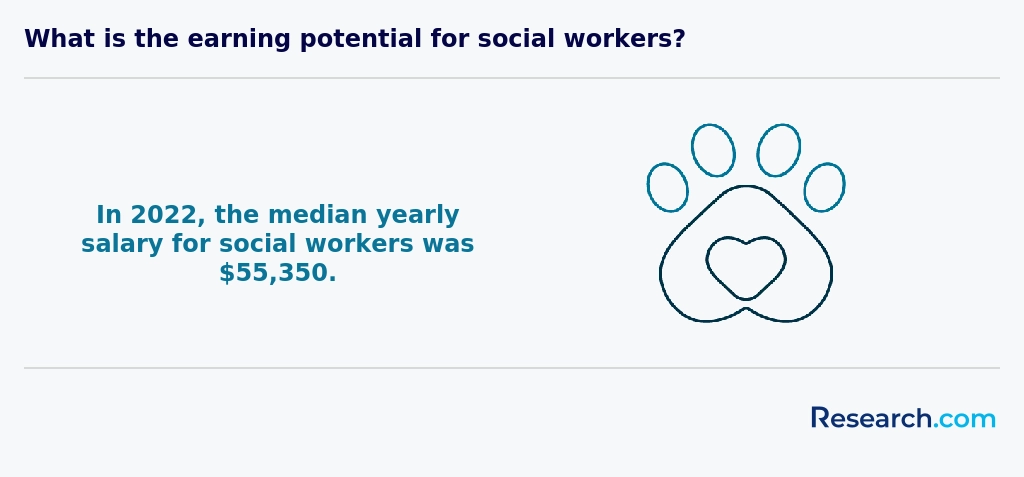
One of the biggest perks graduates mention is how practical experience, like internships or volunteer work, makes landing a job easier. Programs at popular St. Paul colleges often include these practicum opportunities, helping students connect classroom knowledge with community needs. Plus, the average wage hovers around $40,000, with extra benefits from state jobs that sweeten the deal.
If you're thinking about advancing your career, certifications also boost your chances, and you can explore more about jobs with a masters in human services. For anyone considering education cost and potential careers, online human services degree employment opportunities St. Paul offer a solid path forward.
2027 Best Online Human Services Degree Programs Ranking in St. Paul, MN
Investing in your education is a significant decision that can shape your future, and the Research.com team understands the importance of making informed choices. To assist prospective students in St. Paul, MN, we have carefully developed the "2027 Best Online Human Services Degree Programs Ranking in St. Paul, MN." Our dedication to quality, credibility, and accuracy is demonstrated by the thorough research and analysis conducted to compile this ranking.
We utilized the following reputable data sources to ensure a comprehensive evaluation of human services programs:
By exploring this ranking, readers will gain valuable insights into the best online human services degree programs available in St. Paul, MN, empowering them to make well-informed decisions about their educational journey. For more details on our methodology, please visit our Research.com methodology page.
# 1 position
Bethel University, Minnesota
Bachelor of Human Services


Frequently Asked Questions About human services
Students pursuing online human services degrees in St. Paul can maximize their learning by actively engaging with both virtual and local resources. St. Paul offers partnerships with community organizations that provide valuable internship opportunities, enhancing practical skills alongside academic knowledge. According to the Minnesota Department of Employment and Economic Development, internships boost job prospects by up to 20% in the human services sector.
Participating in online discussion forums and study groups helps build a supportive network and deepens understanding. Students should also leverage local libraries and support services for access to research materials and tutoring. Time management and setting clear goals are crucial for success in self-directed online learning environments.
The human services field is evolving to meet new societal challenges, creating emerging niches for professionals. One growing area is gerontology, focusing on aging populations. With Minnesota's senior population expected to increase by 20% by 2030 according to the Minnesota State Demographic Center, demand for specialists is rising. Another niche is trauma-informed care, which addresses mental health with sensitivity to past trauma experiences. Online human services degrees in St. Paul often include courses on this important approach.
Additionally, community health is expanding, emphasizing prevention and wellness programs. Human services professionals skilled in digital outreach and telehealth are increasingly valuable as technology integrates with service delivery. These trends make human services a diverse and adaptive career path for students in St. Paul.
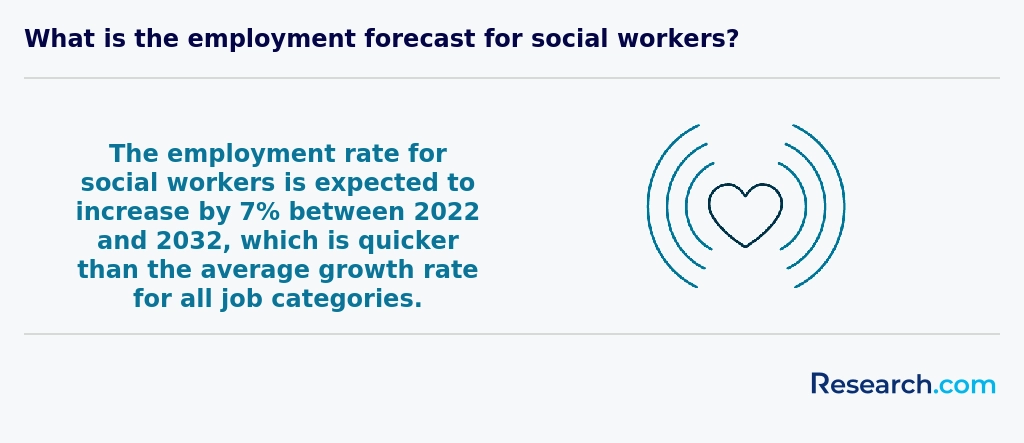
After earning an online human services degree in St. Paul, graduates should focus on gaining practical experience to enhance employability. Internships and volunteer opportunities with local agencies offer valuable exposure to the field and help build professional networks. According to the Minnesota Department of Employment and Economic Development, human services roles in the Twin Cities are expected to grow by 8% from 2020 to 2030, signaling a solid job market.
Additionally, obtaining certifications such as the Certified Human Services Professional (CHSP) can increase job prospects. Staying current with state licensure requirements and engaging in continuous education are crucial steps. Networking through St. Paul's human services organizations can also connect candidates with job openings and mentorship opportunities.
Employers in St. Paul highly value several key skills when hiring graduates with online human services degrees. Strong communication abilities are essential, as professionals often interact with diverse populations and coordinate with various agencies. Critical thinking and problem-solving skills rank high, enabling workers to assess client needs effectively and develop tailored support plans.
Additionally, cultural competence is increasingly important in St. Paul's diverse communities, helping graduates provide respectful and relevant services. Organizational skills and time management are necessary due to the case-heavy workload common in local human services roles.
According to the Minnesota Department of Employment and Economic Development, demand for human services professionals with these capabilities is projected to grow by 8% through 2030 in the Twin Cities area.
Finding internships in St. Paul relevant to a human services degree involves several strategic steps. Start by exploring local organizations such as United Way of the Greater Twin Cities and Ramsey County Social Services, which regularly offer internship opportunities in human services. The Minnesota Department of Employment and Economic Development also maintains a job and internship portal tailored to the Twin Cities metro area.
Additionally, many online programs connect students with local agencies for practicum placements. Networking through local professional groups like the Minnesota Human Services Coalition can improve your chances of securing internships. According to the Bureau of Labor Statistics, human services roles are growing 17% nationally, making early experience in St. Paul crucial.
An online human services degree offers significant benefits for career mobility and advancement in St. Paul. Employers in social services and nonprofit sectors increasingly value formal education combined with practical skills. According to the Minnesota Department of Employment and Economic Development (DEED), occupations in human services, including social work and community outreach, are projected to grow by 7% in the Twin Cities area through 2030.
Graduates with an online degree from an accredited institution can qualify for positions that require a bachelor's degree, such as case managers or program coordinators. Higher education also improves eligibility for state certifications or licenses often required in social services.
Online programs offer flexibility, allowing professionals to continue working locally while upgrading qualifications. This can lead to promotions, salary increases, and expanded responsibility within organizations serving St. Paul communities.
Studying for a human services degree in St. Paul offers solid preparation for interdisciplinary roles by integrating coursework that spans psychology, social work, public health, and community advocacy. Programs emphasize collaboration across fields to address complex social issues effectively.
Students learn to communicate with professionals from various disciplines, a skill critical in St. Paul's diverse social service environment. According to the Minnesota Department of Employment and Economic Development, demand for interdisciplinary human services workers is rising due to the city's focus on holistic support systems.
This approach equips graduates to work in healthcare, housing, education, and nonprofit sectors, enhancing their employability in multidisciplinary teams.
When deciding between a thesis and a non-thesis human services degree program in St. Paul, consider your career goals first. Thesis programs often suit students interested in research, advanced study, or doctoral programs. Completing a thesis requires strong writing and analytical skills, plus the ability to conduct original research. Non-thesis options focus more on practical skills and fieldwork, appealing to those aiming for immediate employment in social services or community organizations.
The University of St. Thomas and Metropolitan State University offer both formats, reflecting broader trends in Minnesota. According to the Minnesota Department of Employment and Economic Development, human services jobs in the Twin Cities area are projected to grow by 11% through 2030, emphasizing the value of applied training in local agencies.
In summary, thesis tracks prepare you for academic or policy roles, while non-thesis pathways emphasize hands-on experience for direct service work.
Students based in St. Paul seeking to study human services abroad face limited direct options through U.S. institutions, as most accredited programs focus on domestic delivery. However, many universities offer online international study opportunities or partnerships with institutions overseas. These options allow learners to gain global perspectives while completing degrees remotely.
The National Association of Social Workers highlights the importance of intercultural competence in human services, encouraging programs to integrate international content. In St. Paul, local universities collaborate with study abroad offices, enabling students to engage with global human services challenges through virtual internships or exchange programs.
While fully online human services degrees remain predominantly U.S.-centric, exploring hybrid models with international components can enrich St. Paul-based students' academic experience.
St. Paul offers various part-time job opportunities that complement human services degree education effectively. Positions such as case management assistant, community outreach worker, and peer support specialist provide practical experience relevant to human services. According to the Minnesota Department of Employment and Economic Development, the social assistance sector in the Twin Cities metropolitan area, which includes St. Paul, anticipates growth of about 7% through 2030.
Part-time roles in local nonprofits, government agencies, and healthcare facilities allow students to develop essential skills like client communication and crisis intervention. These experiences enhance classroom learning and improve employability after graduation. Additionally, flexible scheduling options in these jobs support online students balancing work and study.
Online human services students in St. Paul have several networking opportunities that connect them to local professionals and organizations. Many universities offer virtual career fairs and alumni networking events tailored for distance learners, helping students build meaningful relationships despite the online format. In addition, local chapters of professional associations, such as the National Organization for Human Services (NOHS), regularly host meetings and workshops in the Twin Cities area, providing valuable in-person and online networking options.
St. Paul's strong community services sector, with employers like Ramsey County Social Services, often engages with nearby universities to offer internships and volunteer work. These practical experiences help students expand their network locally while gaining real-world skills.
Alumni networks offer valuable support for online human services degree students in St. Paul. These networks connect current students with graduates who have experience in local social work, counseling, and nonprofit sectors. Through mentorship programs, alumni share insights about career paths, certifications, and employer expectations specific to the St. Paul area.
Moreover, alumni networks often facilitate job leads and internships via established professional relationships. According to the Minnesota Department of Employment and Economic Development, human services employment in the Twin Cities metro, including St. Paul, is expected to grow by 12% through 2030, increasing opportunities for well-connected graduates.
Access to regional events and workshops coordinated by alumni enhances students' practical knowledge and professional visibility within the community.
Customizing an online human services degree in St. Paul allows students to align their education with specific career goals. Many programs offer elective courses focusing on areas like mental health, substance abuse, or community outreach. This flexibility enables students to gain targeted skills valuable in St. Paul's diverse social services sector.
Students can also select internships or fieldwork placements affiliated with local organizations, enhancing practical experience. According to the Minnesota Department of Employment and Economic Development, social and community service jobs in St. Paul are expected to grow by 12% through 2030, underscoring the importance of tailored training.
Advisors typically assist in creating personalized study plans, ensuring course selections match professional interests. Some schools offer certificates within their degrees to further specialize. Combining these options helps graduates stand out in St. Paul's competitive human services job market.
Online human services students in St. Paul often face challenges related to balancing coursework with work and family obligations. Many learners are adult students who juggle full-time jobs, making time management essential. Additionally, the hands-on nature of human services requires internships or practicums, which can be difficult to arrange remotely. According to the Minnesota Department of Employment and Economic Development, field experience is crucial for employment in social work and counseling roles. Technical difficulties also pose a barrier, as stable internet access is not universal across the St. Paul region, affecting student participation in live sessions. Finally, some students report missing in-person networking opportunities that support career development.
With an online human services degree, graduates in St. Paul can pursue several professional certifications that enhance career prospects. One common certification is the Certified Human Services Professional (CHSP), recognized nationwide and offered by the National Organization for Human Services (NOHS). This credential proves your commitment and expertise in the field.
Other valuable certifications include the Certified Alcohol and Drug Counselor (CADC) credential, widely respected in Minnesota, which is essential for those working in substance abuse treatment. The Minnesota Board of Behavioral Health and Therapy provides guidelines for these certifications.
Additionally, the Social Work Certification available through the Minnesota Board of Social Work allows graduates with human services backgrounds to advance into clinical roles.
Professional certifications not only boost salary potential but also increase eligibility for higher-level jobs within St. Paul's social services agencies, where demand continues to grow according to the Minnesota Department of Employment and Economic Development (DEED).
To craft a winning application for an online human services program in St. Paul, start with a clear and compelling personal statement. Highlight your passion for social support and community service, referencing any relevant volunteer or work experience. Admissions committees in Minnesota often value applicants who demonstrate an understanding of local social issues.
Include strong letters of recommendation, ideally from supervisors or educators familiar with your commitment to human services. Many programs require transcripts with a minimum GPA, commonly around 2.5-3.0. Check specific St. Paul institutions' criteria for accuracy.
Be sure to emphasize your ability to balance online coursework with other responsibilities, showing readiness for remote learning. Statistics from the Minnesota Workforce Innovation suggest human services jobs will grow 9% through 2030, so note your career goals aligned with this trend.
The human services field is increasingly recognized as vital across the globe, focusing on improving quality of life and community well-being. In the United States, including St. Paul, the career is viewed as multifaceted, addressing social, health, and economic challenges. According to the U.S. Bureau of Labor Statistics, human services jobs are projected to grow 17% from 2022 to 2032, indicating rising demand.
Globally, human services professionals often collaborate with diverse populations and navigate cultural differences, highlighting the importance of adaptable skills. For students in St. Paul pursuing online degrees, understanding global perspectives enriches their capacity to contribute effectively in various settings.
Human services roles in Minnesota emphasize ethical practices, community engagement, and evidence-based interventions, aligning with international standards. Institutions offering online programs enable learners to develop competencies relevant both locally and internationally.
Students pursuing an online human services degree in St. Paul can gain practical experience through local internships and volunteer opportunities. Many St. Paul nonprofits, such as the Neighborhood House and Amicus, offer placements that align with human services curricula. These experiences provide valuable skills in counseling, case management, and community outreach.
Online programs often require or encourage practicum hours, which can be completed locally. Connecting with the university's fieldwork coordinator helps match students with approved agencies near St. Paul, ensuring hands-on learning meets accreditation standards.
Additionally, St. Paul benefits from a growing demand for human services professionals-projected job growth in the region stands at 8% through 2030, per the Minnesota Department of Employment and Economic Development. This makes internships an excellent way to build networks and improve employability.
Choosing the right concentration within an online human services degree program in St. Paul involves aligning your personal interests with local workforce demands. St. Paul's human services sector, including social assistance and counseling, has grown by approximately 5% over the past five years according to Minnesota's Department of Employment and Economic Development. Concentrations such as mental health, substance abuse counseling, or community outreach are common since they target critical needs in the area.
Research the curriculum to ensure it covers skills relevant to St. Paul's diverse population. Consider whether certifications linked to specific concentrations are feasible online and recognized in Minnesota. Networking opportunities with local agencies, available through internships or virtual partnerships, can also guide your decision. Careful evaluation of career outcomes from each concentration helps ensure alignment with your long-term goals.
- 6 Trends in Human Services That Will Change the Face of the Field | ANCOR https://www.ancor.org/connections/6-trends-human-services-will-change-face-field/
- Utilize Your Alumni Networks https://www.keg.com/news/ways-to-use-your-alumni-networks-for-the-better
- Choosing a bachelor's in human services | edX https://www.edx.org/resources/how-to-choose-a-bachelors-in-human-services
- How To Solve the Key Challenges Faced by Community Social Workers https://www.casebook.net/blog/how-to-solve-the-key-challenges-faced-by-community-social-workers/
- Is a thesis always mandatory in a master's degree program? - EFMU: The Euler-Franeker Memorial University and Institute https://euler.euclid.int/is-a-thesis-always-mandatory-in-masters-degree-program/
- Key Trends for Social Work and Human Services in 2026 https://nctinc.com/blog/key-trends-for-social-work-and-human-services-in-2026/
- Online Human Services Degrees with Financial Aid: Inside Look https://www.edumed.org/online-schools/human-services-degrees/financial-aid/
- 10 Effective Ways to Build Networking Skills in Community Services https://tsa.edu.au/ways-to-build-networking-skills-in-community-services/
- Humanity in Action: Understanding Human Services Degrees https://www.ucumberlands.edu/blog/humanity-in-action-understanding-human-services-degrees
- HS-BCP Credential https://www.nationalhumanservices.org/hs-bcp-credential/