2027 Most Valuable Online Master's in Human Services Degree Programs Ranking in the West

Co-Founder and Chief Data Scientist
Choosing the right online master's program in human services can feel overwhelming, especially with so many options available in the West. Our 2027 Most Valuable Online Master's in Human Services Degree Programs Ranking in the West, developed by the Research.com team of data scientists, is designed to guide you through this process.
This ranking highlights programs that offer the best value, combining quality education with career potential. Reading this article will help you make a confident, informed choice about your next step. Earning a human services degree opens doors to meaningful and rewarding career opportunities.
Key benefits of getting online human services degree in the West
- While specific salary data is not available, human services graduates in the US typically earn around $35,000 to $45,000 annually, offering a solid foundation for stable careers helping others.
- Graduates from Western universities often find diverse career options, including roles in community outreach, counseling, and social work, allowing you to make a real difference in people's lives.
- Online degrees provide flexibility for working adults or parents, as many graduates from Western online programs report balancing study with personal commitments and gaining practical skills at their own pace.
- 2027 Most Valuable Online Master's in Human Services Degree Programs Ranking in the West
- What can I expect from online human services degree in the West?
- Where can I work with online human services degree in the West?
What can I expect from online human services degree in the West?
The average cost of an online human services degree in the Western United States typically ranges from $10,000 to $30,000 for the entire program, depending on whether students attend public universities, such as those in the California State University or University of Washington systems, or private institutions. Graduates often reflect positively on their investment, noting that affordable tuition paired with flexible online schedules allowed them to manage work and family commitments effectively while progressing toward certification.
Many programs offer financial aid and scholarships specifically for human services students, which significantly ease the financial burden. For example, students at Oregon State University report receiving helpful funding packages that reduce net costs, making the pursuit of licensure more accessible.
Prospective students find that alongside the cost, the value lies in comprehensive coursework that prepares them for careers in social work and community support. The blend of practical skill-building and academic rigor offered by these programs ensures graduates feel confident and well-prepared when entering the workforce in the West's growing human services sector.
Where can I work with online human services degree in the West?
Graduates holding an online human services degree in the Western United States often find rewarding career opportunities across various sectors that directly impact community well-being. Many alumni from universities like the University of Washington or California State University actively work in social service agencies, where they support individuals coping with issues such as substance abuse and family crises. Their roles frequently involve connecting clients to vital resources, bringing meaningful change to real lives.
Non-profit organizations in cities like Portland and Denver also hire these graduates for program management and advocacy roles, allowing them to champion causes like elder care and housing assistance. Students from Western schools often share how their education prepared them to coordinate services and foster community engagement effectively.
In addition, graduates often pursue careers within federal agencies focused on veterans' affairs and public health, particularly in states with sizeable veteran populations such as Arizona. Health care and mental health centers increasingly require professionals with human services backgrounds to facilitate patient support, reflecting a growing demand recognized by Oregon's Employment Department.
Educational institutions complement these opportunities by employing graduates in student support services, where they provide critical assistance navigating academic and personal challenges, enhancing students' success and wellbeing.
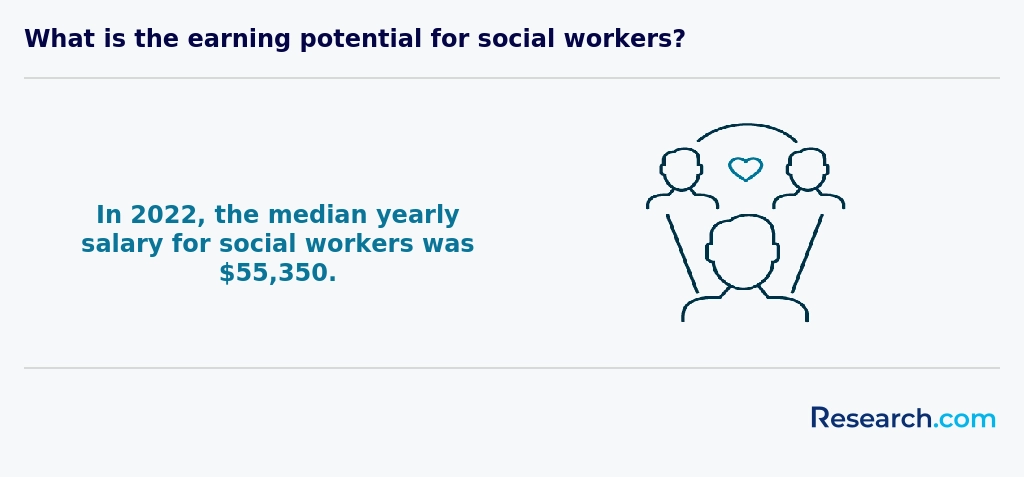
Graduates with an online human services degree in the Western United States frequently find earning potential influenced by their experience, role, and state of employment. While specific BLS salary data for many positions is unavailable, general figures indicate entry-level professionals typically earn between $35,000 and $45,000 annually. For example, graduates from respected institutions in California and Washington report starting salaries near $44,000, reflecting strong regional demand and funding for social services.
Experienced professionals or those with advanced degrees see increases, often earning from $50,000 up to $70,000. Those specializing in mental health counseling or substance abuse services, common fields for degree holders in the West, can command salaries approaching $65,000 to $67,000, especially in urban centers like Seattle or San Francisco.
Graduates often highlight the value of combining their online education from notable Western colleges with certifications, which can open doors to supervisory roles and grant writing positions, further enhancing earning capacity and career satisfaction.
- Tuition for online human services degrees in the Western U.S. ranges from $10,000 to $30,000, with public universities typically offering lower rates for in-state students.
- Employment in human services fields is projected to grow 13% over the next decade in the Western region, which is faster than the national average.
- Entry-level salaries start around $35,000 to $45,000, rising to $50,000 to $65,000 with five to ten years of experience, depending on the job and location.
- Program accreditation is important for licensure eligibility, credit transfers, and employment opportunities in human services.
- Additional fees for technology or course materials may apply but are usually small compared to overall tuition costs.
Completing an online human services degree in the Western United States typically takes between two and four years, depending on the degree level and enrollment pace. For example, students pursuing a bachelor's degree often follow a traditional four-year path but enjoy flexibility through accelerated courses or year-round enrollment, enabling motivated individuals to finish sooner.
Associate degrees, often offered by community colleges or online institutions, usually require about two years and serve as a strong foundation for entering the workforce or progressing to a bachelor's. Graduates from institutions like California State University appreciate how online formats accommodate personal and professional obligations.
Master's programs in the West generally take 18 to 24 months but can extend up to three years part-time. Working professionals benefit from these flexible schedules, as observed by many students at the University of Washington Online, who balance study with careers and family life.
Transfer credits and recognition of relevant work experience-common in Western universities-often shorten completion times, creating a rewarding and manageable educational journey.
Online and on-campus human services degree programs in the Western United States primarily differ in learning format and student experience. Online programs offer the flexibility to study remotely, enabling working professionals or those with family commitments in states like California, Washington, and Oregon to balance education with personal obligations without relocating. Graduates from online programs at institutions such as the University of Washington often highlight the convenience and ability to manage coursework around their busy schedules.
In contrast, on-campus programs at colleges like California State University provide immersive face-to-face interactions and hands-on opportunities through partnerships with local social service agencies. Students frequently describe these experiences as enriching, citing immediate peer and instructor engagement that fosters strong professional networks.
Cost differences also matter; while some online offerings have reduced tuition and no commuting expenses, others charge rates comparable to on-campus programs. Both formats maintain accreditation through regional bodies and meet standards set by the Council for Standards in Human Service Education, ensuring degree quality and recognition across the West.
The average cost of an online human services degree in the West typically centers around $26,445 total, with in-state students often paying close to $18,229 and out-of-state students facing higher expenses averaging $18,315 or more. These figures reflect tuition and associated fees required to complete a program, which are generally offered by well-regarded public and private universities popular among Western students.
Graduates from these programs frequently highlight the balance of affordability and quality they experienced, particularly at universities known for accessible online delivery and strong regional reputations. Many found the investment worthwhile, as their degree opened doors to diverse career opportunities in social services, counseling, and community outreach.
Students seeking affordable online master's human services programs in the Western US appreciate how some institutions tailor their tuition to residency, allowing in-state learners to manage costs better. These savings, combined with financial aid options and local practicum coordination, help reduce overall burdens without sacrificing educational outcomes. Such practical benefits resonate with those managing careers or family responsibilities while studying.
When exploring options, prospective students should also consider program flexibility alongside cost, making sure to compare accredited programs and their supports. Numerous learners have successfully navigated their choice by reviewing human services programs online, ensuring they find a fit that aligns with their financial and professional goals.

Students pursuing online human services degrees at universities like the University of Washington or California State University often rely on a combination of financial aid to manage tuition costs, which typically range from $8,000 to $15,000 annually. Federal aid plays a crucial role, with many graduates benefiting from Direct Unsubsidized Loans and Grad PLUS Loans that provide up to $20,500 per year, helping to alleviate financial stress during their studies.
State-sponsored programs are equally vital. For instance, residents attending public institutions in California can access Cal Grants, which offer up to $6,000 annually to eligible students, including those enrolled in online formats. This support makes higher education more attainable for those balancing work and study commitments.
Merit-based scholarships and graduate assistantships at prominent Western schools provide additional relief by rewarding academic excellence and professional experience. Numerous graduates recall how these awards, combined with employer tuition reimbursement programs common in social work and healthcare sectors, made earning their degree a rewarding and feasible endeavor.
To enroll in an online human services degree program in the Western United States, students must first hold a high school diploma or GED for undergraduate admission. For graduate-level programs, applicants typically need a bachelor's degree from an accredited institution, often in fields like psychology or sociology. Graduates from universities such as those in California or Washington have noted that submitting official transcripts and meeting minimum GPA requirements-commonly around 2.5 to 3.0-is essential for acceptance.
Many programs require a personal statement outlining the applicant's motivation and career goals, which helps admissions committees gauge suitability. Letters of recommendation are often requested, especially for master's programs, highlighting an applicant's reliability and commitment.
Applicants may also need to complete prerequisite coursework in relevant subjects like statistics or biology if missing. Some institutions ask for proof of Western residency to manage tuition and eligibility, reflecting regional priorities.
Finally, graduates have shared that background checks are standard in programs focused on vulnerable populations, ensuring safety during internships.
Online human services degree programs in the Western United States typically include core courses such as Introduction to Human Services, which offers graduates a clear understanding of the field's history and mission. Human Behavior and the Social Environment provides insight into psychological and social influences, a vital foundation for supporting diverse populations.
Case Management and Assessment equips students with skills to evaluate client needs and develop tailored intervention plans, a common real-world scenario graduates from universities like Oregon State University find empowering. Ethics and Professionalism emphasize culturally competent, ethical decision-making, fostering confidence and respect in professional settings.
Courses on Community Resources and Program Development prepare students to connect clients with essential services efficiently. Many also benefit from specialized classes like Substance Abuse Counseling, addressing pressing issues faced by Western communities, or Grant Writing, which graduates describe as crucial for sustaining impactful programs.
These courses collectively create a practical, versatile education that students consistently praise for readying them to handle complex challenges in human services careers throughout the Western region.
Online human services degree specializations West programs commonly include Child and Family Services, Mental Health and Substance Abuse, Gerontology, Community Health and Wellness, and Disability Services. Graduates from universities like California State University often highlight how the Mental Health and Substance Abuse specialization equips them to address complex challenges faced by individuals in their communities, fostering a strong sense of purpose. Other learners appreciate the Gerontology focus, which prepares them to advocate effectively for the aging population-a rapidly growing demographic in Western states.
These specialized tracks allow students to tailor their education to specific career pathways in human services career pathways in the Western US, positioning them to meet regional workforce demands. For example, graduates frequently share their rewarding experiences working with foster care systems or community health initiatives, applying knowledge gained from their online courses.
Additionally, programs often support pathways to certification, further enhancing career prospects. Those seeking advanced roles may explore resources on masters degree human services jobs, helping them understand opportunities aligned with their specialization choice.
When choosing the best online human services degree in the West, prioritize institutions that hold regional accreditation from bodies like WASC to ensure quality education and broad employer recognition. Graduates from popular Western universities often highlight the value of curricula that include specialized tracks, such as indigenous community engagement or mental health, reflecting regional needs. Flexibility in online delivery and strong student support, including accessible faculty and career advising, are commonly appreciated by those balancing work and study.
Cost considerations are crucial, especially for those seeking cheapest human services degree online options among the affordable human services degrees online Western US. Graduates recognize that programs offering relevant licensure preparation for states like California and Washington greatly enhance job prospects. Real-world practicum placements with Western community organizations further enrich learning, creating meaningful, relatable experiences for students pursuing human services careers in this region.
Graduates holding an online human services degree in the West often pursue diverse career opportunities that emphasize meaningful community impact. Many find fulfilling roles as human service specialists, aiding clients in navigating social support systems, or as case managers who coordinate comprehensive care for individuals facing chronic illnesses or social obstacles. Others thrive as substance abuse counselors, delivering tailored treatment plans for addiction recovery, or as community outreach coordinators facilitating critical local initiatives. Program director positions within nonprofits also appeal to graduates, allowing leadership in designing and managing services for underserved groups.
Institutions popular among West region human services degree career paths students, such as reputable universities in California and Washington, provide real-world practicum experiences enabling graduates to build confidence and empathy. These programs reinforce a hands-on approach aligned with regional needs for mental health and public assistance. Students frequently express satisfaction in witnessing the positive transformations their roles bring to vulnerable populations, enhancing their professional dedication.
Prospective students interested in advanced credentials often explore masters in human services online programs offered by prominent Western institutions to deepen expertise and expand leadership potential.
The job outlook for human services degree West remains robust, driven by growing demand for professionals addressing social challenges in diverse communities. Graduates from well-regarded programs at institutions such as the University of Washington and California State University often find rewarding roles in case management and community outreach across urban and rural areas. Their flexible online education allows many to balance work and study, gaining credentials that regional employers actively seek.
Employment opportunities extend to government agencies, nonprofits, and healthcare, reflecting a strong human services career opportunities Western states market. Graduates frequently describe a sense of fulfillment working directly with vulnerable populations, which reinforces the appeal of this field. Annual salaries typically range from $40,000 to $50,000, with states like Washington offering competitive wages around $48,000, reflecting steady regional demand.
Prospective students who explore social and human services careers online should consider various programs accredited by respected bodies and note tuition affordability. Those interested in exploring further details about this sector can refer to social service degree jobs for additional insights.
2027 Most Valuable Online Master's in Human Services Degree Programs Ranking in the West
Investing in your education is a significant decision that demands careful consideration, and the Research.com team is deeply aware of the importance of guiding prospective students toward informed choices. To support those exploring online master's degrees in human services in the Western region, we have thoughtfully developed the "2027 Most Valuable Online Master's in Human Services Degree Programs Ranking in the West." Our dedication to quality, credibility, and accuracy is evident in the thorough research and rigorous analysis undertaken to create this ranking.
We utilized the following reputable data sources to ensure a comprehensive evaluation of these programs:
By consulting this ranking, readers will acquire valuable insights to identify the most beneficial online human services master's programs in the West, empowering them to make confident decisions about their educational journeys. For a deeper understanding of our ranking process, please visit our Research.com methodology page.


Frequently Asked Questions About human services
Online human services students in the West can maximize their learning by actively engaging with course materials and taking advantage of virtual office hours. Many Western schools offer flexible schedules, enabling students to balance work, family, and study effectively. According to the Western Interstate Commission for Higher Education, around 40% of online learners in the region benefit from asynchronous courses, allowing them to learn at their own pace.
Networking is also crucial. Joining relevant online forums or local human services organizations can provide practical insights and professional connections. Utilizing available campus resources, such as career counseling and mental health services, enhances both academic and personal growth.
The human services field is evolving with several emerging niches, especially relevant for students pursuing online degrees in the Western US. One key area is gerontology, addressing the rapid growth of the aging population in states like California and Oregon. The U.S. Census Bureau notes the West has seen a steady rise in residents aged 65 and older, increasing demand for specialized care and support.
Another growing niche is trauma-informed care, which responds to the mental health aftermath of crises such as wildfires that frequently impact Western communities. Additionally, human services professionals are focusing more on community-based addiction recovery programs, as opioid and substance abuse issues rise in the region.
Experts highlight that expertise in digital counseling methods is also crucial, driven by the expansion of telehealth services across the West. These niches reflect the region's unique demographic and social challenges, offering meaningful opportunities for human services graduates.
After completing an online human services degree in the West, preparing for the job market involves several key steps. Start by gaining practical experience through internships or volunteer work, which are highly valued by employers in social services fields. According to the California Employment Development Department, the demand for human services professionals in the West is expected to grow by 13% from 2021 to 2031, making practical experience a crucial differentiator.
Networking is also essential; join local professional associations like the California Association of Human Services or attend virtual job fairs. Additionally, consider obtaining certifications such as Certified Human Services Professional (CHSP) to enhance your credentials. Understanding regional regulations and licensing requirements is critical for effective job placement in Western states.
Employers in the Western United States prioritize several key skills when hiring graduates with online human services degrees. Communication skills rank highest, as 85% of regional agencies report effective client interaction as essential, according to the 2023 California Workforce Report. Critical thinking and problem-solving abilities are also crucial, with many organizations seeking professionals who can assess client needs and create tailored intervention plans efficiently.
Additionally, cultural competence is increasingly important in the West's diverse population, ensuring services are respectful and appropriate. Knowledge of case management software and data reporting is valued, reflecting a growing technological component in human services roles.
Adaptability and teamwork complete the core competencies expected by employers, emphasizing collaboration across multidisciplinary teams in agencies throughout the region.
Finding internships in the Western United States relevant to a human services degree involves leveraging regional resources and university partnerships. Many institutions in states like California, Washington, and Oregon connect online students with local agencies providing social work, counseling, and community outreach services. According to the Bureau of Labor Statistics, internships improve employment prospects in human services by up to 15%.
Students should explore state government websites and nonprofit organizations such as local branches of the National Association of Social Workers (NASW). Additionally, platforms like Handshake and internships.com frequently list human services placements in the West.
Networking through professional groups and alumni from regional schools also helps secure meaningful internships that meet degree requirements.
An online human services degree in the Western United States can significantly enhance career mobility. This region, including states like California, Oregon, and Washington, has a growing need for qualified professionals in social work, counseling, and community services. According to the U.S. Bureau of Labor Statistics (BLS, 2023), employment in social and human service occupations is projected to grow by 12% in the West through 2030, faster than the national average.
Graduates with an online degree often find opportunities for advanced roles such as case managers, program coordinators, or clinical supervisors. Many employers in urban centers value the flexibility and updated skills these programs provide.
Moreover, online human services degrees accredited by regional bodies ensure recognition across the Western states, facilitating easier job transfers and promotions within government agencies and nonprofits. Studies from the National Organization for Human Services highlight that degree holders report higher job satisfaction and access to leadership tracks compared to those without formal education.
Studying for a human services degree in the Western United States offers a unique preparation for interdisciplinary roles by combining coursework in social work, psychology, public health, and criminal justice. This region emphasizes collaborative approaches due to its diverse populations and complex social challenges.
Many programs integrate practical experiences through partnerships with local agencies, enhancing skills in teamwork and cross-sector communication. According to the Western Interstate Commission for Higher Education (WICHE), nearly 60% of graduates in human services pursue careers involving multiple fields.
Such interdisciplinary training equips students to manage varied client needs, from mental health to housing assistance, making them adaptable professionals in regional workforce markets.
Choosing between a thesis and a non-thesis human services degree program in the West depends on your career goals and learning preferences. Thesis programs emphasize research, requiring students to conduct original studies and write a detailed thesis. This option suits those aiming for academic, research, or doctoral paths. Non-thesis tracks typically focus on practical skills and may involve comprehensive exams or projects, preparing students for direct service roles or leadership in community organizations.
In the Western US, many accredited online programs offer both options, reflecting regional demand for versatile human services professionals. According to the Western Interstate Commission for Higher Education (WICHE), about 60% of human services graduates enter direct client work, favoring non-thesis programs. Meanwhile, thesis tracks remain popular among those pursuing advanced study or policy development roles.
Students based in the Western United States seeking to study human services abroad have several online degree options through American universities offering international-focused curricula. Many Western institutions provide accredited online master's programs with global perspectives, preparing students for diverse human services roles worldwide. According to the National Organization for Human Services, programs often emphasize cultural competence and international standards.
Partnerships between Western universities and foreign universities allow for joint or dual degrees, combining online coursework with limited in-country experiences. This hybrid approach suits students aiming to gain cross-cultural skills without relocating permanently.
Financial aid and scholarships targeted at Western students pursuing global human services fields are increasingly accessible, supported by state education initiatives and nonprofit organizations.
Part-time job opportunities that complement human services degree education in the Western United States often include roles such as case aide, community outreach assistant, and behavioral health technician. These positions provide practical experience in social support, crisis intervention, and client advocacy, which align closely with curriculum goals.
According to the Bureau of Labor Statistics, behavioral health technician roles in Western states are projected to grow by 12% over the next decade, reflecting rising demand. Community outreach jobs, particularly in California and Washington, offer exposure to diverse populations and nonprofit operations. These roles can enhance skills in communication, cultural competence, and program coordination, which are valuable to human services career paths.
Online human services degrees in the West offer several networking opportunities tailored to remote learners. Many universities partner with local organizations to provide virtual internships and fieldwork, connecting students to professionals in California, Washington, and Oregon. According to the Western Association of Human Services Professionals, over 60% of online students reported attending online conferences and webinars hosted regionally in 2023.
Furthermore, students can join online forums, alumni groups, and LinkedIn communities focused on human services in Western states. These platforms facilitate mentorship and job leads. Some institutions also host live virtual networking events, fostering direct engagement with employers and practitioners across the region.
Alumni networks play a crucial role for students pursuing online human services degrees in the Western United States. These networks create opportunities for mentorship and professional guidance, which are valuable for career advancement. According to the Western Association of Schools and Colleges (WASC), engagement with alumni can increase job placement rates by up to 20% in social service fields. Many alumni offer referrals, internships, and insight into local agency cultures, boosting students' chances of employment after graduation.
Online students benefit from the region-specific knowledge alumni share, especially in areas like California and Washington, where human services needs and regulations vary.
Students pursuing online human services degrees in the Western US can often customize their programs to align with their professional goals. Many universities in this region offer elective courses and specializations, such as addiction counseling, community outreach, or gerontology. This flexibility helps learners tailor their education to specific fields within human services.
Additionally, some programs allow internships or practicum experiences that focus on local agencies or populations, enabling practical, region-specific skills. According to the Western Interstate Commission for Higher Education, these options enhance career readiness in a competitive job market projected to grow by 12% through 2030.
Choosing accredited programs in the West ensures credits can be transferred smoothly, facilitating personalized degree paths.
Online human services students in the Western United States often face unique challenges related to remote learning. One major issue is limited access to local internship opportunities, which are crucial for hands-on experience in this field. According to the California Community Colleges Chancellor's Office, about 40% of online students in social services struggle to find relevant practicum placements close to home.
Connectivity problems also impact many students, especially in rural areas where reliable internet access can be inconsistent. The Federal Communications Commission reports that roughly 15% of households in the West lack high-speed broadband, affecting online coursework participation.
Additionally, balancing work, family, and study commitments remains a significant hurdle, with many adult learners juggling jobs while pursuing degrees.
With an online human services degree, graduates can pursue several key professional certifications that enhance career opportunities in the West. One common credential is the Certified Human Services Professional (CHSP), offered by the National Organization for Human Services, which validates core skills and ethics. Another valuable certification is the Certified Case Manager (CCM), often required for roles involving client coordination.
Additionally, states like California and Washington emphasize certifications in substance abuse counseling through bodies such as the California Consortium of Addiction Programs and Professionals (CCAPP). These certifications can lead to higher salaries, with some Western states reporting 10-15% wage growth for credentialed practitioners, according to the Bureau of Labor Statistics (BLS) 2023 data.
To write a winning application for an online human services program in the West, start by clearly articulating your motivation for entering the field. Admissions committees look for candidates who demonstrate a genuine commitment to serving diverse populations. Highlight any relevant experience, such as volunteer work or employment in social services.
Include specific details about your educational background and any certifications. Many Western states emphasize practical knowledge aligned with their regional needs, so tailor your essay to reflect those priorities. According to the California Community Foundation, demand for human services professionals in the West is growing at 12% annually, underscoring your career prospects.
Lastly, ensure your application is error-free and includes strong letters of recommendation from professionals familiar with your skills.
Human services careers are increasingly recognized globally, but perspectives vary by region and education system. In the United States, human services professionals focus on supporting vulnerable populations through social work, counseling, and community outreach, reflecting the country's emphasis on comprehensive social welfare programs. According to the U.S. Bureau of Labor Statistics (2023), employment in this field is projected to grow 17% through 2031, faster than average for all occupations.
In the West, especially California and Washington, online human services degrees are popular for flexible, affordable education. These programs often align with national certification standards, such as the Human Services-Board Certified Practitioner (HS-BCP) credential, enhancing career prospects both domestically and abroad.
While human services roles vary worldwide, Western approaches tend to prioritize evidence-based practices and professional licensure, promoting higher standards of care. This global respect for U.S. human services credentials benefits graduates seeking international or cross-border opportunities.
Gaining practical experience while pursuing an online human services degree in the West often involves combining virtual coursework with local community engagement. Many programs encourage or require internships or practicum placements at social service agencies, nonprofit organizations, or government programs. These opportunities allow students to apply classroom knowledge in real-world settings, helping to build essential skills and professional networks.
For instance, California and Washington state have strong community service infrastructures that welcome online students for hands-on experiences. According to the California Employment Development Department, human services roles are expected to grow by 13% through 2030, increasing demand for practical training.
Additionally, some universities partner with regional agencies to facilitate remote and flexible fieldwork options, which is ideal for students balancing work and study.
Choosing the right concentration within an online human services degree in the West depends on your career goals and local job market demands. The region offers diverse opportunities in areas like mental health, substance abuse counseling, and social work. According to the Bureau of Labor Statistics, California and Washington have some of the highest employment levels for human service specialists, with demand projected to grow by 13% through 2032.
Consider concentrations aligned with regional needs, such as gerontology or child welfare, which address specific demographic trends in the West. Reviewing program curricula and available internships can also help you select a focus that builds practical skills.
Lastly, verify the state licensure requirements if you plan to become a certified counselor or social worker, as these vary across Western states and influence concentration choices.
- Social Work Overview https://explorehealthcareers.org/careers/social-work/
- Health and Human Services Career Guide https://www.ultimatemedical.edu/blog/hhs-guide/
- HS-BCP Credential https://www.nationalhumanservices.org/hs-bcp-credential/
- 4 Human Services Careers https://www.albany.edu/education/communications/human-services-careers
- Online Bachelor’s Degree in Human Services https://www.monroeu.edu/academics/undergraduate-programs/school-criminal-justice/online-bachelors-degree-human-services
- Guide to bachelor's in human services | edX https://www.edx.org/bachelors/human-services
- How To Solve the Key Challenges Faced by Community Social Workers https://www.casebook.net/blog/how-to-solve-the-key-challenges-faced-by-community-social-workers/
- Is a thesis always mandatory in a master's degree program? - EFMU: The Euler-Franeker Memorial University and Institute https://euler.euclid.int/is-a-thesis-always-mandatory-in-masters-degree-program/
- Is a Human Services Degree Right for You? https://www.ucumberlands.edu/blog/is-a-human-services-degree-right-for-you
- Health and Human Services: Campus & Online Degrees and Careers https://www.publichealthonline.org/human-services/online-degree-programs/