2027 Most Affordable Online Master's in Human Services Degree Programs Ranking in Georgia

Co-Founder and Chief Data Scientist
Choosing the right online master's program in human services can be challenging, especially for students in Georgia who want quality education without breaking the bank.
This article presents the 2027 Most Affordable Online Master's in Human Services Degree Programs Ranking in Georgia, developed by the Research.com team of data scientists. It's designed to guide you toward programs that deliver value and flexibility.
Exploring these options can open doors to meaningful careers focused on helping others and making a positive impact in your community.
Reading this ranking empowers you to make a confident decision about your future.
Key benefits of getting online human services degree in Georgia
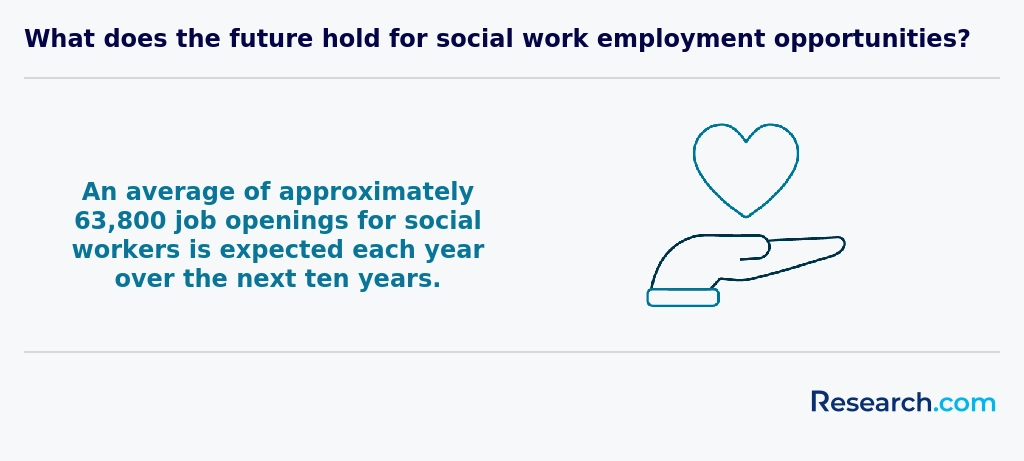
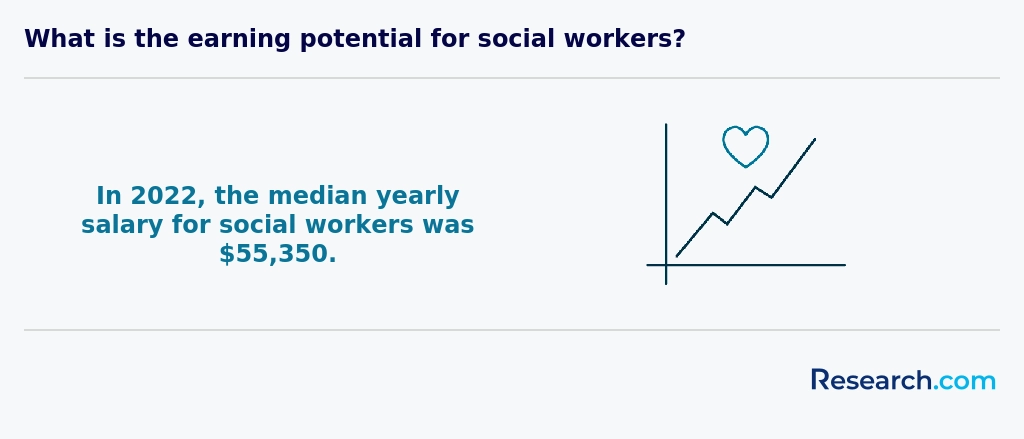
- Human services graduates in Georgia often explore rewarding careers such as social workers or counselors, where the national average salary ranges around $50,000 to $60,000 per year, offering financial stability and growth.
- A human services degree from institutions like Kennesaw State University opens doors to diverse roles in healthcare, community outreach, and nonprofit organizations, providing meaningful work that positively impacts lives.
- Completing a human services degree online from Georgia State University allows flexible scheduling and reduces commuting time, making it easier to balance studies with personal commitments and accelerating career progress.
- 2027 Most Affordable Online Master's in Human Services Degree Programs Ranking in Georgia
- What can I expect from online human services degree in Georgia?
- Where can I work with online human services degree in Georgia?
What can I expect from online human services degree in Georgia?
The average cost of an online human services degree in Georgia typically falls between $15,000 and $30,000, depending on the institution and the program's length. Graduates from popular universities like Kennesaw State or Georgia Southern often share that this investment feels justified, considering how their courses blend theory with practical skills.
One graduate describes balancing full-time work and remote classes, appreciating flexible schedules that allow learning without sacrificing income. Another recalls her practicum experience arranged by the university, which provided direct contact with Atlanta's social service agencies-something no textbook alone could offer. These real-world connections, embedded in the cost, add crucial value.
While some expect tuition alone to cover everything, graduates frequently mention the importance of viewing expenses holistically-factoring in internship opportunities, certification prep for exams such as CHSP, and networking support. This layered educational experience, tailored to Georgia's specific social service landscape, transforms a typical tuition figure into a gateway for meaningful lifelong careers.
Where can I work with online human services degree in Georgia?
Graduates with an online human services degree from institutions like Kennesaw State University or Georgia State often find themselves navigating diverse career landscapes that exceed typical expectations. Imagine working within a local government agency in Atlanta, helping families access critical child welfare resources-a role many alumni describe as deeply fulfilling because it directly impacts lives. Others have stepped into nonprofit roles in places like Savannah, coordinating programs for homelessness or addiction recovery, where every day brings the challenge and reward of seeing sharp community transformations.
Healthcare settings in Georgia, such as community clinics in Augusta, also employ human services graduates who support patients facing social and emotional hurdles. These professionals often feel a heightened sense of purpose knowing their work bridges gaps between medical care and social needs. Meanwhile, public school systems recruit degree holders to assist at-risk youth, leading to moments of genuine connection and hope.
Many graduates reflect on roles within the criminal justice system, where their expertise in crisis intervention and case management fosters real rehabilitation. The growing demand throughout Georgia spells opportunity, but the emotional resilience and commitment shared by these professionals truly shapes their rewarding careers.
Graduates from online human services programs at institutions like Georgia State University or Kennesaw State University often find that their starting salaries reflect a blend of education, location, and experience. In Georgia, social and human service assistants typically earn around $38,000 annually, with entry-level roles starting near $28,000. This range often surprises students expecting higher initial pay, but it underscores the value of gaining practical experience alongside academic credentials.
Those who invest in advanced degrees or certifications frequently see meaningful increases. For example, social workers with master's degrees in Georgia report median incomes near $53,000, with clinical social workers making closer to $58,000. Graduates remember feeling hopeful when stepping into urban job markets in Atlanta or Savannah, where demand and salary levels tend to exceed the state average, enhancing their financial outlook.
The path to higher earnings isn't always linear-certifications like licensed clinical social worker (LCSW) status and roles in agencies such as the Georgia Department of Human Services can significantly raise salary potential, transforming passion into a sustainable career with rewarding compensation.
- Online human services degrees in Georgia can be completed fully online, offering flexibility for students from anywhere in the state.
- The cost per credit hour ranges from $200 to $400, with bachelor's degrees costing between $15,000 and $30,000 and graduate degrees between $10,000 and $25,000.
- Employment for social and human service assistants in Georgia is projected to grow by about 10% from 2022 to 2032, faster than the national average.
- Starting salaries range from $35,000 to $40,000 annually, with experienced professionals earning $45,000 to $60,000 or more.
- Accreditation from regional bodies and organizations like the Council for Standards in Human Service Education improves job prospects and certification opportunities.
Completing an online human services degree in Georgia is rarely a one-size-fits-all journey. While a bachelor's degree traditionally spans four years full-time, many students at institutions like Kennesaw State University or Georgia Southern find that part-time pacing or transfer credits can stretch or shorten that timeline, sometimes turning what seems like a marathon into a flexible, manageable path.
Graduates often share how balancing work, family, and studies extended their program beyond the standard timeframe-but this trade-off comes with a rewarding sense of progress tailored to their life. Master's degrees, typically requiring 18 to 24 months of full-time study, prompt even more individual variation. Several programs offer accelerated options, so a determined student might finish sooner, fueled by a clear goal.
Practical internships embedded in these programs add a meaningful dimension, frequently broadening the time commitment but deeply enriching the real-world readiness graduates recount with pride. For many, the adaptable rhythms of online learning in Georgia transform what could be a rigid timeline into an empowering, personalized experience.
Graduates from universities like Georgia State and Kennesaw State often reflect on how their learning environment shaped their human services journey. On-campus students describe the energy of face-to-face classes, spontaneous hallway conversations with professors, and quick access to resources like counseling centers as irreplaceable parts of their experience. This structure appeals to those who thrive on routine and direct social interaction.
Meanwhile, online students at these institutions share stories of juggling coursework with full-time jobs and family responsibilities. The flexibility to study after hours or on weekends transforms education from a fixed obligation into a manageable, self-directed pursuit. They appreciate saving costs by avoiding commuting and housing expenses, which makes earning a degree in human services more accessible.
Both paths demand in-person internships, immersing students in local agencies across Georgia. This practical exposure is non-negotiable and bridges theory with real-world challenges. Choosing between these formats comes down to your lifestyle and learning style - not a difference in quality, but in how education fits your life's rhythm.
The average cost of an online human services degree in Georgia hovers around $10,728, a figure that provides a grounded expectation for prospective students. Graduates from well-known institutions like Kennesaw State University or Georgia State University often reflect on how budgeting for this median total cost allowed them to focus more on learning and less on financial stress. Public universities in Georgia tend to offer more affordable online programs, typically charging between $200 and $400 per credit hour for in-state students, making human services degrees more accessible without sacrificing quality.
One graduate shared the relief of finding an affordable online human services master's program Georgia that fit their budget while balancing work and family. Such programs often include resources that make the journey less daunting, from academic advising to career services. However, private schools can command higher prices-between $500 and $800 per credit hour-though the extra cost sometimes includes flexible schedules and enhanced student support that working professionals value deeply. In either setting, students must consider additional expenses like technology fees and course materials.
For those weighing options, understanding the full scope of costs alongside available financial aid is crucial. State grants, scholarships, and federal aid frequently help reduce out-of-pocket tuition expenses. Prospective students also benefit from exploring program accreditation and licensure requirements to ensure their investment pays off in licit career advancement. For a clearer picture of the professional potential, individuals often consult resources on masters degree in human services jobs, linking educational costs with future career trajectories.
Many online human services students in Georgia find federal financial aid to be a crucial lifeline. Completing the FAFSA opens doors to grants, loans, and work-study programs that make a real difference. For instance, graduates from Kennesaw State University often recount how federal Direct Unsubsidized Loans, capped at $20,500 per year, gave them the flexibility to focus on studies instead of juggling multiple jobs.
State aid is another powerful tool, yet it often flies under the radar. The Georgia Student Finance Commission offers scholarships and grants that many overlook because they assume aid ends with undergraduate programs. However, graduates from Georgia State University share how GSFC programs and institutional scholarships helped lower their bills substantially.
Institutions themselves frequently reward merit and experience with assistantships. This is evident at the University of Georgia, where graduates describe working as teaching or research assistants as both a financial relief and a confidence booster.
Moreover, don't underestimate employer tuition reimbursement. Many working professionals pursuing a human services degree find it exhilarating to have their education partly funded by an employer invested in their growth. Combining these resources transforms financial hurdles into manageable steps on a fulfilling career path.
Enrolling in an online human services degree program in Georgia requires more than just meeting basic academic standards; it involves demonstrating commitment through specific prerequisites. Many prospective students at well-known institutions such as Kennesaw State University and Georgia State University discover that a high school diploma or GED is just the start for undergraduate enrollment. Graduate applicants often need a bachelor's degree, reflecting deeper readiness for advanced study.
Graduates frequently recall that maintaining a GPA around 2.5 to 3.0 was essential, a tangible measure of academic perseverance that helped them navigate challenging coursework. While some programs may waive GPA requirements in rare cases of professional excellence, applicants shouldn't rely on this exception. The shift to test-optional policies, especially post-pandemic, has alleviated stress for many recent applicants in Georgia, aligning with evolving admissions landscapes.
Successful students emphasize the value of submitting comprehensive materials like official transcripts, compelling personal statements, and letters of recommendation, which provide admissions committees with a fuller picture of their passion and experience in social services. Many noted that relevant work or volunteer roles helped transform their applications from ordinary to impactful, securing their spot in coveted programs.
For master's candidates, prerequisite coursework in psychology or sociology often feels less a hurdle and more a preparatory journey, ensuring they engage fully with human services' complexities. This rigorous foundation prepares students to meet Georgia's growing workforce demand with confidence.
Online human services degrees in Georgia often begin with courses like Introduction to Human Services and Human Behavior and the Social Environment, essential for understanding how individuals navigate complex social systems. Graduates from institutions such as Kennesaw State University or Augusta University describe these foundations as eye-opening, revealing the deep-rooted challenges people face every day.
Core classes dive into practical skills-case management, client advocacy, and counseling techniques-that prepare students to truly make a difference. Imagine guiding someone through recovery or helping a family access community resources; these courses equip you for exactly that.
Many programs include electives on cultural competence and working with diverse populations, reflecting Georgia's richly varied communities. Students often find these especially meaningful, sparking a sense of purpose and connection.
Internships or practicum experiences allow you to step beyond theory, applying what you learn in local agencies or remote settings. This real-world immersion, praised by graduates of both Georgia State University and Columbus State University, often sparks deep satisfaction and confidence in helping others.
In Georgia, online human services degree programs offer specializations that do more than fill academic checkboxes-they prepare graduates to engage with real communities and complex social issues. Graduates from institutions like Georgia State University or Kennesaw State University describe addiction counseling as a pathway to personal fulfillment, where they empower individuals battling substance abuse in ways that ripple beyond the clinic. Gerontology learners reflect on understanding the dignity and challenges of elders as a deeply humanizing experience, especially relevant in a state with a rapidly aging population.
Mental health services specialization is frequently praised for equipping students with crisis intervention tools, making their role indispensable in a world increasingly conscious of psychological wellbeing. Those focusing on social work and case management find themselves actively coordinating services for vulnerable children and homeless populations, bridging gaps between bureaucratic systems and human needs. Community development students express pride in shaping policies that revitalize neighborhoods, echoing the broader promise of cheapest human services degree online accredited programs.
These diverse Georgia online human services degree concentration options challenge students to reflect on where they can make the most meaningful impact, beyond mere academic achievement.
Choosing the best human services degree in Georgia means looking beyond simple tuition costs or program length. Graduates from well-known Georgia institutions often underscore the importance of accreditation, such as from the Council for Standards in Human Service Education, to ensure their degree holds weight with employers. Many share how programs emphasizing practicum placements in Georgia communities made their learning vivid and immediately applicable, creating lasting confidence and career momentum.
Cost is rarely as straightforward as it seems. Affordable human services programs Georgia-wide can still differ dramatically in value depending on support services and networking opportunities. For example, programs at some state universities offering rates near $300 per credit hour have robust mentorship and career counseling-vital for navigating Georgia's unique labor market.
When aligning your goals with program offerings, explore specializations that spark your real-world passion, whether administration or policy. Real students have found that engaging with faculty experts led them to unexpected career paths. Many recommend learning more about such options by visiting resources like masters of human services online, which present detailed profiles of standout programs tailored to Georgia students.

Graduates with an online human services degree in Georgia discover an array of career paths that transcend typical expectations. Many find meaningful roles as social and community service managers, especially in vibrant metro areas like Atlanta or Augusta, where community needs are both complex and urgent. These roles demand a blend of empathy, organizational skill, and a deep understanding of local social policies-skills that Georgia's universities equip students with through practical, real-world training.
Counselors and case managers skilled in substance abuse or mental health support embody the personal, impactful nature of human services careers in Georgia. Graduates often share experiences of guiding families through crises or advocating for children affected by domestic violence-work that profoundly shapes their professional identity. Popular programs at Georgia colleges emphasize these transformative moments, fostering resilience and connection.
Beyond direct service, roles such as human services specialists and nonprofit administrators broaden horizons further. Students are encouraged to explore various pathways, with some opting for certifications enhancing their expertise. For a deeper understanding of social work options, one might consult the social service degree program resources.
These career choices highlight how an online human services degree job opportunities Georgia offers are not just jobs but vocations that challenge and enrich the human spirit.
Graduates with an online human services degree in Georgia face a job market fueled by growing community needs and expanding healthcare services. Rather than just competing in a crowded field, these graduates often step into vital roles such as case managers or community outreach coordinators, experiencing firsthand the impact of their work on vulnerable populations. For example, many students from universities known for strong human services programs share how local nonprofits eagerly recruit them, reflecting the increasing demand highlighted in the job outlook for human services degree in Georgia.
Employment opportunities with online human services degree Georgia extend beyond entry-level positions, thanks to flexible online learning options and cost-effective tuition that make higher education accessible. Graduates frequently mention how professional certifications and networking within Georgia's social service community help translate their education into meaningful careers. The average wage aligns closely with national standards, fueling optimism about financial stability paired with personal fulfillment.
Exploring salary data, those curious about compensation trends can find useful insights on human services salary, which supports informed decisions about this career path grounded in real-world experience and regional growth.
2027 Most Affordable Online Master's in Human Services Degree Programs Ranking in Georgia
Investing in your education is a significant decision that requires careful consideration, and the Research.com team is dedicated to supporting prospective students throughout this process. To provide clarity and confidence, we have carefully developed the "2027 Most Affordable Online Master's in Human Services Degree Programs Ranking in Georgia." Our commitment to quality, credibility, and accuracy is demonstrated by the thorough research and data analysis behind this ranking.
We utilized the following reputable data sources to ensure a comprehensive evaluation of human services programs:
By exploring this ranking, readers will gain valuable insights into affordable, high-quality online programs that fit their needs and goals. For more information on how we develop our rankings, please visit our Research.com methodology page.


Frequently Asked Questions About human services
Online human services degree students in Georgia can maximize their learning by actively engaging with their coursework and making use of available university resources. Many Georgia institutions offer access to virtual libraries, tutoring, and career advising that enhance understanding and support career planning. Additionally, connecting with peers and faculty through discussion boards and video conferences helps build professional networks vital in human services fields.
Students should also seek internships or fieldwork opportunities within Georgia's diverse social service agencies to gain practical experience. According to the Georgia Department of Community Health, such exposure improves job readiness in this vital sector.
Staying updated on state-specific regulations and trends, such as Georgia's growing emphasis on behavioral health services, benefits students as they prepare for careers in this evolving field.
Emerging niches within the human services field reflect evolving community needs and technological advancements. In Georgia, areas like gerontology and aging services are growing due to the state's rapidly increasing senior population, which is projected to rise by over 30% by 2030 according to the Georgia Department of Public Health.
Another expanding niche is behavioral health, focusing on mental health counseling and substance abuse support, driven by statewide initiatives addressing the opioid crisis. Additionally, digital case management and telehealth services have gained importance, especially as online interaction becomes a standard part of service delivery.
The integration of data analytics to improve client outcomes is also a notable trend, signaling a shift toward evidence-based human services.
After completing an online human services degree in Georgia, preparing for the job market involves several key steps. Graduates should focus on building practical experience through internships or volunteer opportunities, which enhance resumes and develop important skills. According to the Georgia Department of Labor, demand for human services professionals is expected to grow by 7% through 2031. Networking with local agencies and joining professional organizations like the Georgia Chapter of the National Organization for Human Services can open doors to job leads. Additionally, obtaining certifications such as Certified Human Services Professional (CHSP) can improve employability and credibility in the field.
Employers in Georgia highly value graduates with strong communication skills, as human services professionals must effectively interact with diverse populations. According to the Georgia Department of Labor, interpersonal skills are essential for building trust and understanding client needs.
Critical thinking and problem-solving abilities also rank among the top skills, helping graduates navigate complex social challenges. The Georgia Board of Human Services emphasizes these skills for ensuring effective case management and service delivery.
Additionally, cultural competence is crucial due to Georgia's diverse communities. Familiarity with local resources and legislation helps graduates support clients accurately, making knowledge of state-specific policies an asset.
Technical skills, including proficiency with client management software, are increasingly important as agencies adopt digital tools. Graduates who combine these skills are better prepared to meet employer expectations in Georgia's evolving human services field.
Finding internships in Georgia related to a human services degree involves targeted research and outreach. Students should start by exploring local organizations such as community centers, social service agencies, and non-profits that focus on mental health, child welfare, or substance abuse. The Georgia Division of Family and Children Services and the Department of Behavioral Health and Developmental Disabilities often offer internship opportunities aligned with human services careers.
Many universities in Georgia have partnerships with agencies that provide placement support for online human services students. Utilizing college career centers and internship databases can simplify the search process.
Additionally, networking through professional groups like the Georgia Human Services Association may reveal hidden opportunities. According to Georgia's Department of Labor, the human services sector is growing steadily, increasing the availability of internships and entry-level experiences.
Applying early, preparing a strong resume, and targeting organizations aligned with career goals will improve chances in securing internships that meet program requirements and foster practical skills.
An online human services degree can significantly enhance career mobility and advancement for professionals in Georgia. The state's growing demand for qualified human services workers, driven by expanding healthcare and social assistance sectors, creates opportunities for graduates to enter diverse roles or move up within organizations.
According to the Georgia Department of Labor, jobs in human services are expected to grow by over 12% through 2030, faster than the average for all occupations. An online degree offers flexibility for working adults to gain advanced skills without interrupting their careers.
Additionally, obtaining a master's degree can prepare graduates for leadership or specialized positions, such as program management or clinical roles requiring advanced credentials. Employers in Georgia increasingly value accredited online degrees, recognizing their rigorous curricula and practical training components.
Studying for an online human services degree in Georgia equips students with skills essential for interdisciplinary roles. Programs emphasize collaboration across social work, psychology, public health, and education sectors. This approach reflects the state's diverse human services needs, such as mental health support and child welfare.
Georgia's curriculum integrates courses on case management, community resources, and cultural competence, preparing graduates to work effectively in varied team settings. According to the Georgia Department of Behavioral Health and Developmental Disabilities, interdisciplinary teams improve client outcomes, highlighting the program's relevance.
Students also learn to navigate state policies and ethical standards, which is critical for roles that overlap multiple public service domains. Overall, the degree fosters adaptability and comprehensive problem-solving suited to Georgia's evolving service landscape.
Choosing between a thesis and a non-thesis human services degree program in Georgia depends on your career goals and learning preferences. Thesis programs often involve original research, which is ideal if you plan to pursue a doctoral degree or work in policy development. Non-thesis options usually emphasize applied skills and coursework, fitting those aiming for immediate professional practice.
In Georgia, institutions offering online human services degrees tailor these paths differently. The Georgia Board of Regents notes that thesis programs generally take longer to complete due to research demands. Conversely, non-thesis tracks might allow faster graduation and focus on internships or practicums.
Consider your career plans carefully. According to the Georgia Department of Labor, human services roles that require advanced research abilities often have higher salaries. Review program details and speak with academic advisors to align your choice with local workforce needs.
Students based in Georgia seeking to study human services abroad have limited direct options through U.S. institutions, as most online human services degree programs are designed for domestic study. However, some Georgia universities with online human services degrees offer study abroad opportunities or international internships as part of their curriculum. These experiences provide global perspectives while completing coursework remotely.
Georgia's technical colleges and public universities often collaborate with international partners, but fully online programs rarely require physical travel. According to the Georgia Student Finance Commission, nearly 75% of human services students enroll in online or hybrid formats, emphasizing accessibility over relocation.
Students interested in international experience should explore programs with established global partnerships or short-term abroad components integrated into online degrees.
Students pursuing an online human services degree in Georgia can find valuable part-time job opportunities within the state's growing social service sector. Roles such as case aides, behavioral health technicians, and community outreach workers allow students to gain practical experience while supporting vulnerable populations. According to the Georgia Department of Labor, these positions often offer flexible schedules, ideal for balancing work with coursework.
Additionally, Georgia's numerous nonprofit organizations frequently seek part-time assistants to help deliver social programs, providing hands-on engagement with service delivery systems. Positions in healthcare settings, like patient advocates or support staff, also complement human services degrees well.
Engaging in these roles helps students apply theoretical knowledge practically and build networks crucial for post-graduation employment in human services fields.
Online human services students in Georgia have multiple networking opportunities despite studying remotely. Many Georgia universities offer virtual career fairs and online meetups tailored to human services fields. These events connect students with local agencies and potential employers.
The Georgia Human Services Association and other state professional groups often host conferences and webinars accessible to online learners. Participation in these organizations provides valuable contacts and insights into regional workforce trends.
Students can also join local community service projects and internships arranged through their programs, allowing real-world experience and professional relationship building. According to the Georgia Department of Human Services, internships improve employment prospects by 30% in the state's social services sector.
Finally, online learners benefit from alumni networks and virtual classrooms that foster peer connections across Georgia's human services community.
Alumni networks offer significant benefits to students pursuing online human services degrees in Georgia. These networks provide access to professional connections within the state's human services sector, which is projected to grow by 15% through 2030 according to the Georgia Department of Labor. Through alumni groups, students can find mentors who offer career guidance and insight into Georgia-specific challenges, such as addressing rural health disparities and social service needs.
Many alumni networks host virtual events and share job openings exclusively with members, increasing employment opportunities after graduation. Research shows graduates with strong professional networks are 20% more likely to secure relevant jobs within six months.
By joining alumni communities, online students gain ongoing support essential for career advancement within Georgia's evolving human services landscape.
Customizing an online human services degree program in Georgia allows students to align their education with specific career goals. Many programs offer elective courses or concentrations such as substance abuse, gerontology, or social justice, enabling focused skill development.
Students can also select internships or practicum experiences in areas like community outreach or mental health services. These hands-on placements are vital for building professional networks within Georgia's service agencies.
Georgia colleges often provide flexible course schedules and opportunities to transfer prior credits, making it easier to tailor the program around work or familial responsibilities.
According to the Georgia Department of Labor, sectors like healthcare and social assistance are projected to grow by 13% through 2030, highlighting the benefit of specialization.
Online human services students in Georgia often face challenges balancing coursework with professional and personal responsibilities. Many students juggle jobs in social work or counseling roles while studying, which can lead to time management difficulties. According to the Georgia Student Finance Commission, nearly 60% of students enrolled online reported managing full- or part-time employment alongside their studies.
Another challenge is gaining practical experience, as human services degrees typically require fieldwork or internships. Online learners may struggle to find suitable local placements that align with their program's requirements and schedules.
Technical barriers also impact students. Reliable internet access and familiarity with learning platforms are essential, yet rural areas in Georgia still experience connectivity issues, according to the Federal Communications Commission.
Graduates with an online human services degree in Georgia can pursue various professional certifications to enhance their careers. One prominent certification is the Certified Human Services Practitioner (CHSP), offered by the National Organization for Human Services. This credential recognizes foundational knowledge and skills in human services.
Another valuable certification is the Certified Alcohol and Drug Counselor (CADC), essential for those working in substance abuse fields. Georgia's Division of Family and Children Services encourages certification to improve service quality and eligibility for advanced roles.
Additionally, the Certified Case Manager (CCM) credential is relevant for professionals coordinating client services. According to the Georgia Board of Human Services, holding such credentials may increase employability and wage potential in the state's expanding social services sector.
To write a winning application for an online human services program in Georgia, start with a clear, concise personal statement highlighting your passion for community support and relevant experience. Georgia's demand for human services professionals is growing, with the Department of Labor projecting a 12% increase in job openings through 2030.
Include specific examples showing your skills in empathy, communication, and problem-solving. Strong letters of recommendation from employers or academic mentors can significantly boost your application.
Ensure all transcripts and certifications are up to date and submitted according to each program's requirements. Follow application deadlines closely to avoid disqualification.
Human services careers hold significant value globally, focusing on improving quality of life and supporting vulnerable populations. In the United States, including Georgia, the field encompasses social work, counseling, and community outreach. Globally, there is growing recognition of the need for culturally competent professionals who understand diverse social issues.
According to the U.S. Bureau of Labor Statistics, employment in social and human service occupations is projected to grow 16% from 2021 to 2031, much faster than average. In Georgia, communities benefit from human services professionals addressing mental health, addiction, and poverty.
International perspectives emphasize collaboration, ethical practice, and advocacy. Students studying online human services degrees in Georgia gain skills applicable both locally and in global contexts, preparing them for a career dedicated to positive social impact.
Students pursuing an online human services degree in Georgia can gain practical experience through internships and practicum placements, often required by accredited programs. These opportunities are usually arranged locally, allowing students to work with community organizations, social service agencies, or healthcare facilities within Georgia.
Georgia's Department of Human Services and local nonprofits frequently offer placements that help students develop hands-on skills while satisfying degree requirements. In addition, some universities provide career services to help online students secure positions related to human services.
Research from the National Organization for Human Services highlights that practical experience enhances employability, with 75% of graduates reporting job offers within six months of graduation when completing internships.
Choosing the right concentration within an online human services degree program in Georgia involves assessing your career goals and the specific needs of the local community. Georgia's diverse population and growing social service demands mean specialties like gerontology, addiction counseling, or community outreach can offer distinct opportunities.
Research job growth trends from sources such as the Georgia Department of Labor, which projects steady increases in counseling and social work roles through 2030. Consider how each concentration aligns with licensing requirements in Georgia, especially if planning to become a certified social worker or counselor.
Evaluate program curricula to ensure coursework covers skills relevant to Georgia's demographic and social challenges. Connecting with alumni or advisors can provide insight into how well a concentration prepares students for the state's job market.
- 2027 Most Affordable Online Master's in Human Services Degree Programs Ranking in Florida
- 2027 Most Affordable Online Master's in Human Services Degree Programs Ranking in Alabama
- 2027 Most Affordable Online Master's in Human Services Degree Programs Ranking in Kentucky
- 2027 Most Affordable Online Master's in Human Services Degree Programs Ranking in Arkansas
- 2027 Most Affordable Online Master's in Human Services Degree Programs Ranking in Missouri
- 2027 Most Affordable Online Master's in Human Services Degree Programs Ranking in Ohio
- 2027 Most Affordable Online Master's in Human Services Degree Programs Ranking in Illinois
- 2027 Most Affordable Online Master's in Human Services Degree Programs Ranking in Pennsylvania
- 2027 Most Affordable Online Master's in Human Services Degree Programs Ranking in Texas
- 2027 Most Affordable Online Master's in Human Services Degree Programs Ranking in Kansas
- What can you do with a bachelor's in human services? | edX https://www.edx.org/resources/what-can-you-do-with-a-bachelors-in-human-services
- Home https://www.husson.edu/online/blog/2025/10/benefits-of-alumni-networks
- How To Solve the Key Challenges Faced by Community Social Workers https://www.casebook.net/blog/how-to-solve-the-key-challenges-faced-by-community-social-workers/
- Online Human Services Degrees with Financial Aid: Inside Look https://www.edumed.org/online-schools/human-services-degrees/financial-aid/
- Human Services, ASHS https://catalog.highlands.edu/degree-programs/career-degree-programs/human-services-as/
- 10 Effective Ways to Build Networking Skills in Community Services https://tsa.edu.au/ways-to-build-networking-skills-in-community-services/
- Human Services https://sites.highlands.edu/human-services/
- 6 Trends in Human Services That Will Change the Face of the Field | ANCOR https://www.ancor.org/connections/6-trends-human-services-will-change-face-field/
- Key Trends for Social Work and Human Services in 2026 https://nctinc.com/blog/key-trends-for-social-work-and-human-services-in-2026/
- Humanity in Action: Understanding Human Services Degrees https://www.ucumberlands.edu/blog/humanity-in-action-understanding-human-services-degrees