2027 Most Valuable Online Bachelor's in Human Services Degree Programs Ranking in Missouri

Co-Founder and Chief Data Scientist
Choosing the right online bachelor's degree in human services can be challenging, especially with so many options available in Missouri. This article presents the 2027 Most Valuable Online Bachelor's in Human Services Degree Programs Ranking in Missouri, developed by the Research.com team of data scientists. It's designed to guide you toward the best programs for your goals.
Exploring this ranking helps you make smarter decisions about your education and future career. A degree in human services offers meaningful opportunities to support communities and create positive change.
Take the first step toward a rewarding professional path with confidence and clarity.
Key benefits of getting online human services degree in Missouri
- The average salary for many human services careers in the US ranges between $30,000 and $45,000 annually, offering a steady income while making a positive impact in communities.
- Graduates from Missouri State University with a human services degree often find rewarding roles in social work, counseling, or community outreach, reflecting diverse paths to serve others.
- Completing a human services degree online through the University of Missouri provides flexible scheduling and the ability to study from home, making education accessible for working adults and busy parents.
- 2027 Most Valuable Online Bachelor's in Human Services Degree Programs Ranking in Missouri
- What can I expect from online human services degree in Missouri?
- Where can I work with online human services degree in Missouri?
What can I expect from online human services degree in Missouri?
The average cost of an online human services degree in Missouri varies notably depending on the institution and residency status. For example, graduates from Missouri State University typically report tuition expenses that are more affordable for in-state students, often making this pathway financially accessible. Public universities in Missouri generally offer lower tuition rates for residents, which significantly reduces the overall cost compared to private institutions.
Graduates from Central Methodist University, a private institution offering online human services degrees, often experience higher tuition fees but highlight the value of smaller class sizes and personalized support. Students pursuing these degrees usually encounter tuition costs ranging from moderate to high, influenced by credit hour requirements-commonly around 120 credit hours-and additional fees. Financial aid, including scholarships and work-study programs, frequently alleviates the financial burden for eligible candidates.
Online human services students also appreciate the flexibility to study part-time or full-time, allowing them to balance work and family commitments while managing expenses. This adaptability, combined with local internship opportunities, creates a positive and practical learning experience for Missouri residents aiming to enter the growing field of social and human services.
Where can I work with online human services degree in Missouri?
Graduates with an online human services degree in Missouri frequently find employment across varied sectors such as social service agencies, healthcare facilities, community organizations, schools, and government programs. For example, many graduates from the University of Missouri's human services program secure roles within the Department of Social Services (DSS), helping families access child protection and disability support services. This aligns with the state's projected 9% growth in social and human service assistant jobs over the next decade, according to MERIC, underscoring strong demand for these professionals.
Community mental health centers and substance abuse treatment programs often employ human services graduates from institutions like Missouri State University, providing counseling and case management. Nonprofit organizations, particularly those focusing on housing, veterans, and youth services, also represent a sizable employer base in Missouri's nonprofit sector, which constitutes over 15% of state employment.
Additionally, graduates contribute to schools by supporting at-risk students through social-emotional learning programs and work in hospitals on patient advocacy and discharge planning, helping bridge healthcare and community resources effectively.
Graduates holding an online human services degree in Missouri typically see starting salaries around $32,000 per year when entering roles such as human services assistants. These positions provide valuable experience that can lead to advancement within the field. For example, graduates from well-regarded institutions like the University of Missouri or Missouri State University often move into roles like program coordinators or case managers, where salaries range between $40,000 and $55,000 annually.
Social and community service managers, a common career path for human services graduates in Missouri, earn approximately $64,000 per year. This aligns closely with national median wages, illustrating Missouri's competitive market. Graduates in metropolitan areas such as St. Louis and Kansas City frequently benefit from 10-15% higher wages compared to rural locations, reflecting local economic differences and larger organizations.
Those who pursue additional licensing or certifications, such as becoming licensed social workers, often experience a notable increase in earnings. Missouri graduates have shared how this advancement has enabled them to secure more specialized roles and greater financial stability, enhancing their commitment to public service careers.
- The cost for a bachelor's degree in human services online in Missouri ranges from $15,000 to $30,000, with public universities usually offering lower tuition for in-state students.
- Missouri has several accredited online programs that include courses in social work, counseling, and case management.
- The job market for social and human service assistants in Missouri is expected to grow by about 8% from 2020 to 2030.
- Entry-level salaries for graduates typically range between $30,000 and $40,000 annually, with experienced professionals earning around $50,000 or more.
- Internships and practicums are available through Missouri's Human Services Division, offering practical experience to online students.
- Additional licensing and certifications may be required for clinical or counseling positions within the human services field.
Online human services degrees in Missouri typically take about four years to complete for full-time students, mirroring the national average for bachelor's programs. Graduates from well-known schools such as the University of Missouri and Missouri State University often reflect on balancing coursework with family or jobs, appreciating the standard four-year timeline that fits their busy lives.
Part-time students, common among working adults, may require five to six years to finish, given their lighter course loads and outside commitments. Accelerated options at some Missouri colleges can reduce completion time to two or three years, though these require a heavier semester workload and prior college credits, making them ideal for motivated students with previous experience.
Transfer credits from community colleges or military training play a crucial role by shortening degree duration, allowing some students to graduate sooner. Practical internships required by programs are integrated effectively, enabling students to gain experience without extending program length significantly.
Financially, staying on the standard timeline helps avoid extra tuition costs that longer durations might cause, a vital consideration given Missouri public undergraduate tuition averages $9,500 annually.
Online and on-campus human services degrees in Missouri differ mainly in delivery and flexibility. On-campus programs at institutions like the University of Missouri provide direct interaction with professors and peers, fostering immediate feedback and collaborative learning. Graduates often mention how face-to-face discussions and hands-on activities helped build their interpersonal skills, which are crucial in human services careers.
By contrast, online degrees offered by colleges such as Missouri State University allow students to complete coursework remotely, which is ideal for those balancing work or family commitments. This format offers notable scheduling flexibility, with many graduates appreciating the ability to access lectures and assignments anytime. According to recent trends, online undergraduate enrollment in Missouri has increased by over 20%, reflecting this growing convenience.
Cost is another factor. On-campus tuition averages between $7,000 and $12,000 annually for in-state students, but online learners often save on commuting and housing expenses. However, both formats maintain rigorous standards, requiring accredited programs with practicum opportunities to ensure graduates meet Missouri's licensing requirements.
Support services differ, with on-campus students benefiting from immediate access to counseling and career services, while online students rely on virtual advising and digital resources, experiences that vary by institution but still aim to create a supportive learning environment.
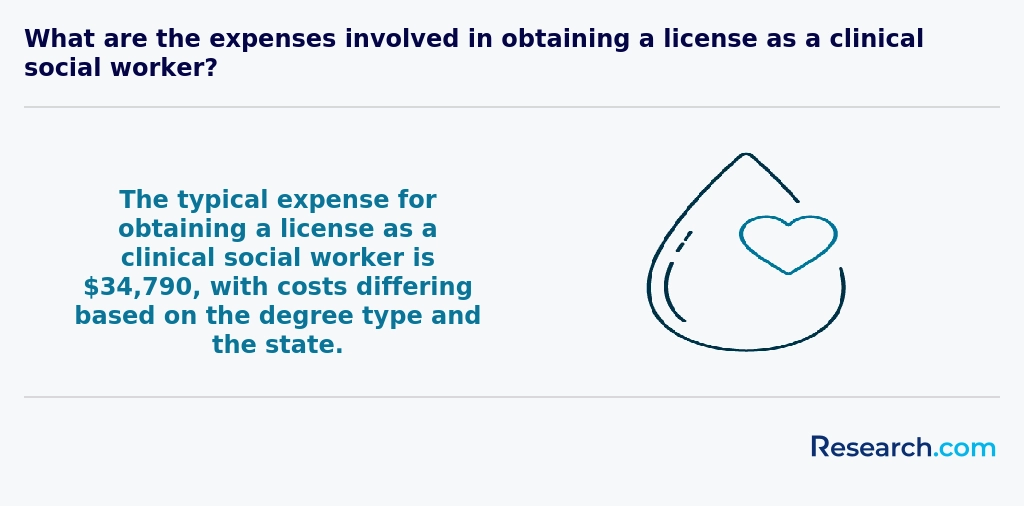
The average cost of an online human services degree in Missouri varies based on residency and institution type, yet data indicate that in-state students typically face a median total cost of approximately $34,800. This figure offers a clear benchmark for prospective students budgeting for this educational path. Out-of-state students can expect a higher median total cost around $74,520, reflecting additional tuition expenses common for non-residents. Public universities, such as Missouri State University and University of Central Missouri, consistently provide competitive tuition rates, which alumni frequently cite as making their degree journey manageable and rewarding.
Students often emphasize how affordable tuition combined with flexible online structures enabled them to balance work and study effectively. Missouri's online human services degree tuition fees generally range between $250 and $400 per credit hour for residents, showing a cost-effective option compared to other states. Additional fees for technology or materials typically add $1,000 to $2,500 annually, a consideration that should be accounted for in overall financial planning.
Those exploring the field should also investigate financial aid opportunities, scholarships, and state grants, all of which can significantly alleviate out-of-pocket expenses. The availability of these options encourages many students to feel confident pursuing their degree despite financial constraints. Furthermore, students pursuing a social work degree find Missouri's affordability particularly advantageous, enhancing access to quality education without overwhelming debt.
Students pursuing online human services degrees in Missouri benefit from multiple financial aid sources that significantly ease tuition costs. Missouri public colleges, where annual tuition averages around $10,000 for in-state students, often have specific awards tailored to this field. Federal aid starts with FAFSA, unlocking Pell Grants of up to $7,395 for eligible undergraduates and low-interest federal loans with flexible repayment options.
State programs like the Access Missouri Financial Assistance Program offer need-based grants that many human services students utilize at institutions such as St. Louis Community College or Missouri State University.
Scholarships like Bright Flight provide up to $3,000 annually to top ACT or SAT scorers, a benefit some graduates recall as crucial in decreasing their financial stress while studying social work or counseling online.
Institutional merit- and need-based scholarships are common, especially at colleges promoting human services programs. Many students have found that employer tuition assistance programs through healthcare and nonprofit employers further reduce out-of-pocket expenses, making degree completion more achievable and rewarding.
Additional external scholarships from organizations like the National Organization for Human Services supplement financial aid, empowering students across Missouri to advance their careers with confidence.
Enrolling in an online human services degree program in Missouri generally requires a high school diploma or GED as the foundational credential. Graduates from popular institutions like the University of Missouri system and Webster University often recall how submitting official transcripts showcased their academic readiness, with some schools expecting a minimum GPA near 2.5. This baseline helps admission officers verify a student's preparedness for rigorous coursework.
Standardized tests such as the SAT or ACT have become optional but can still benefit applicants in competitive programs, providing an edge when combined with strong academic records. Many graduates emphasize how relevant work or volunteer experience in social services or community outreach elevated their applications, particularly in schools that value real-world exposure.
Applicants should also prepare to submit statements of purpose and recommendation letters, which schools use to assess motivation and fit. For example, graduates from Missouri State University highlight how expressing their passion through these personal documents helped them connect with admissions teams and fueled their confidence to succeed online.
Online human services degree programs in Missouri commonly include courses that form a solid foundation for real-world social work and counseling roles. Core classes such as introduction to human services provide graduates a clear understanding of the field's history and practical service models, helping them feel confident when entering diverse community settings.
Ethics in human services is another crucial course, guiding students through professional decision-making aligned with standards from the National Organization for Human Services (NOHS). Graduates from Missouri's leading universities frequently cite the value of this course in preparing them to navigate challenging ethical dilemmas they encountered during internships.
Case management courses equip students to assess client needs and coordinate interventions effectively, a skill praised by many alumni who have successfully launched careers in local social service agencies. Human behavior and the social environment classes link theory to practice by exploring psychological and social influences, often enhanced with mental health or counseling studies, which students find empowering for client interaction.
Additional typical coursework includes substance abuse counseling, community advocacy, group facilitation, and research methods, all emphasizing practical skills Missouri students report applying during practicum placements across state agencies.
Online human services specializations Missouri programs often include Mental Health Services, Substance Abuse Counseling, Gerontology, Youth and Family Services, and Community Development and Advocacy. Graduates from popular universities in Missouri note how the Mental Health Services track prepares them to support individuals facing mental health challenges through counseling and crisis intervention, which aligns with increasing state behavioral health needs.
Substance Abuse Counseling specialization is critical given Missouri's higher rates of opioid misuse; students learn addiction treatment and prevention strategies, responding directly to statewide demand for licensed counselors. Many Missouri human services degree focus areas also highlight Gerontology, reflecting the growing senior population requiring elder care expertise, which graduates find rewarding when supporting aging communities.
Youth and Family Services prepare students to address child welfare and family counseling - a strong point for Missouri's Department of Social Services priorities. Additionally, Community Development and Advocacy trains graduates to influence policy and manage nonprofit programs. Those seeking detailed career guidance might explore what can i do with a human services degree to better understand possibilities.
Choosing the best online human services degree Missouri students trust requires careful evaluation of accreditation, curriculum, and cost. Graduates from popular universities often highlight regional accreditation, like from the Higher Learning Commission, as essential for ensuring their degree's acceptance in the local job market. Programs with coursework tailored to Missouri's social challenges, including practicum opportunities within state communities, provide practical experience that recent graduates found invaluable in navigating real-world cases.
Cost is pivotal; Missouri State University's online offerings demonstrate tuition near or below the national average of $10,940, making affordable human services degree programs Missouri students can consider. Flexibility and support services also stand out - online students frequently praise accessible academic advising and career counseling as crucial for balancing education with personal and professional life. Many programs prepare learners for certification exams like the CADC or LPC, critical for Missouri's licensing requirements.
To further explore your options, reviewing masters in human services career options helped graduates align degrees with their professional goals and local workforce demands.

Graduates with an online human services degree in Missouri can pursue diverse career paths, reflecting the state's social and economic landscape. Popular roles include case managers, social service assistants, and community outreach coordinators, positions frequently found within Missouri's urban centers such as St. Louis and Kansas City where demand is rising. These professionals assist clients in securing housing, healthcare, and counseling, making a direct community impact. Missouri's Department of Social Services also hires bachelor's degree holders as probation officers or rehabilitation specialists, overseeing foster care and adult protective services, reflecting ongoing state investment in social programs.
Most students from well-regarded Missouri colleges appreciate the flexibility of studying online, balancing part-time work or internships while gaining valuable hands-on experience. This practical exposure enhances their prospects in Missouri's competitive job market for online human services career opportunities in Missouri. With healthcare sector growth projected at 13% by 2032, roles such as patient advocates and behavioral health specialists are expanding, especially to serve Missouri's aging population.
Many graduates turn to resources like the shortest human services online program to expedite their education pathways while maximizing their career options.
The job market for graduates holding an online human services degree in Missouri shows steady growth, with employment for social and community service managers expected to rise by about 7% from 2021 to 2031. This aligns with the national average and reflects increasing public and private investment in social programs supporting vulnerable groups. Graduates from popular institutions in Missouri often find rewarding positions in nonprofit organizations, healthcare, and government agencies, where they make meaningful impacts on families, youth, and individuals facing mental health or substance abuse challenges.
Many graduates appreciate the affordability of pursuing online human services degrees through Missouri public universities, which helps them enter the workforce without excessive debt. Others share positive stories of securing positions as case managers or patient advocates in both urban centers and rural areas. The online human services degrees offer flexibility and practical skills that align well with the growing job market.
Job seekers focused on Missouri human services degree employment outlook often pursue professional certifications like Certified Human Services Professional (CHSP) to enhance their earning potential and career stability in a field where average wages typically range from $40,000 to $55,000 annually.
Missouri's expanding behavioral health support further strengthens the prospects for online human services jobs in Missouri, providing graduates with diverse and fulfilling career opportunities statewide.
2027 Most Valuable Online Bachelor's in Human Services Degree Programs Ranking in Missouri
Investing in your education is a significant decision that can shape your future, and the Research.com team understands the importance of making informed choices. To assist prospective students in Missouri, we have meticulously crafted the "2027 Most Valuable Online Bachelor's in Human Services Degree Programs Ranking in Missouri." Our commitment to quality, credibility, and accuracy is reflected in the extensive research and analysis conducted to compile this ranking. We utilized the following reputable data sources to ensure a comprehensive evaluation of programs:
By exploring this ranking, readers will gain valuable insights into the most worthwhile online Human Services bachelor's programs in Missouri, enabling them to make well-informed decisions about their educational investment. For more details on our methodology, please visit our Research.com methodology page.


Frequently Asked Questions About human services
Online human services degree students in Missouri can maximize their learning by actively engaging with virtual resources and local community organizations. Utilizing Missouri's well-established network of human services agencies provides valuable practical experience alongside theoretical learning. According to the Missouri Department of Social Services, internships and volunteer opportunities are widely available, helping students apply classroom knowledge in real-world settings.
Students should also take advantage of online discussion forums and virtual study groups to deepen understanding and build professional networks. Missouri colleges often offer access to licensed advisors and career services, which are essential for tailored academic guidance.
Finally, keeping current with Missouri's specific human services regulations and labor market trends, as detailed in recent reports from the Missouri Economic Research and Information Center, can enhance career readiness in this growing field.
Emerging niches within the human services field in Missouri reflect the state's evolving social and economic needs. One rapidly growing area is telehealth and remote counseling, which gained prominence during the COVID-19 pandemic. This sector offers increased access to mental health services in rural parts of Missouri where resources are limited, according to the Missouri Department of Mental Health.
Another vital niche is aging services, driven by Missouri's aging population. Human services professionals are needed to support seniors with healthcare coordination and community programs. According to the U.S. Census Bureau, Missouri's 65+ population is projected to increase by 20% by 2030.
Workforce development and disability services also show increased demand. These fields emphasize helping individuals improve job skills and independence, crucial in Missouri's efforts to reduce disability-related unemployment.
After completing an online human services degree in Missouri, preparing for the job market starts with gaining practical experience. Many programs include internships or fieldwork, which are essential for building skills and professional connections. Missouri's Department of Mental Health reports steady growth in human services jobs, with a 5% increase projected through 2030.
Networking is crucial; joining organizations like the Missouri Association for Social Welfare can open doors. Additionally, obtaining relevant certifications, such as Certified Social Work Assistant (CSWA), can improve job prospects. Familiarity with Missouri's specific social programs and regulations strengthens candidates' resumes for local employers.
Employers in Missouri highly value human services graduates who demonstrate strong communication and interpersonal skills. According to the Missouri Department of Higher Education, effective client interaction and cultural competence are essential in meeting the needs of diverse populations. Critical thinking and problem-solving abilities also rank among the top skills sought by local agencies.
Data from Missouri's workforce reports highlight the importance of case management and knowledge of social service policies. Additionally, proficiency in crisis intervention and advocacy helps graduates stand out, as many human services roles require supporting vulnerable groups.
Technical skills, including familiarity with electronic record-keeping systems, are increasingly necessary in Missouri's human services sector, reflecting nationwide trends.
Finding internships in Missouri for human services students requires a focused approach. Start by exploring local organizations such as community mental health centers, social service agencies, and nonprofits that frequently collaborate with educational institutions. The Missouri Department of Mental Health and the Division of Family Services often offer structured internship opportunities.
Contact your online program's career services early; they may have partnerships with Missouri agencies or alumni networks that facilitate placements. Websites like Missouri Job Center list internships relevant to social work and human services fields.
Networking at local conferences, like those organized by the Missouri Human Services Council, can also lead to valuable internship connections. Many human services roles in Missouri require experience working with diverse populations, so internships within urban areas like St. Louis and Kansas City may provide broader exposure.
An online human services degree in Missouri can significantly enhance career mobility and advancement opportunities. This degree equips students with practical skills in social work, counseling, and community outreach, making graduates eligible for various roles in healthcare, social services, and nonprofit sectors. According to the Missouri Department of Higher Education & Workforce Development, employment in human services is projected to grow by 11% through 2030, faster than the average for all occupations.
The flexibility of online programs allows working professionals to upskill without interrupting their careers. Many employers in Missouri value accredited online degrees for roles such as case managers, behavioral health specialists, and program coordinators.
Additionally, obtaining this degree can meet education requirements for licensure or certification, key to advancing to supervisory or specialized positions in the state's human services agencies.
Studying for a human services degree in Missouri equips students with skills vital for interdisciplinary roles. Programs emphasize collaboration across fields such as social work, psychology, healthcare, and education to address complex community needs. Missouri's curriculum often includes courses on case management, counseling, and policy analysis, fostering versatile expertise.
The Missouri Department of Higher Education highlights that graduates enter diverse sectors, including mental health services, nonprofit organizations, and public agencies. This broad preparation meets workforce demands, as the U.S. Bureau of Labor Statistics projects a 13% growth in human services jobs nationwide by 2032.
When choosing between a thesis and a non-thesis human services degree program in Missouri, consider your career goals. Thesis options focus on research and require a substantial written project, ideal for students aiming for graduate studies or research roles.
Non-thesis programs typically emphasize practical skills, internships, and coursework, preparing graduates directly for human services careers in agencies or nonprofits. According to the Missouri Department of Higher Education, many employers prefer hands-on experience over research for entry-level roles.
Also, thesis programs often take longer to complete. Evaluate your available time and whether you intend to pursue advanced degrees or enter the workforce immediately.
Students based in Missouri interested in studying human services abroad generally pursue online programs with international components or partner universities. While Missouri institutions predominantly offer fully online bachelor's degrees in human services, some provide study-abroad options or internships in collaboration with overseas organizations.
Virtual exchange programs enable students to gain global perspectives without leaving Missouri, a practical option given travel limitations. According to the Missouri Department of Higher Education, fewer than 10% of human services students engage in traditional study abroad, underscoring the value of flexible online international opportunities.
Students should look for programs accredited by the Council for Standards in Human Service Education (CSHSE) and check if they include global fieldwork or cross-cultural training.
In Missouri, part-time job opportunities that complement a human services degree often include roles such as case aides, community outreach assistants, and residential support workers. These positions provide practical experience in client interaction, crisis management, and program coordination, directly aligning with academic studies.
According to the Missouri Economic Research and Information Center, healthcare and social assistance sectors showed steady growth, indicating increasing demand for support roles. Part-time jobs in non-profits, schools, and social service agencies offer valuable exposure to real-world challenges faced by vulnerable populations.
Gaining such experience while studying online enhances a student's resume and networking prospects, crucial for future full-time employment in human services fields.
Online human services students in Missouri have access to various networking opportunities that support career growth and professional connections. Many online programs partner with local agencies and nonprofits, allowing students to engage in virtual internships and community projects.
The Missouri Chapter of the National Organization for Human Services (MO-NOHS) offers events and webinars tailored to students and professionals. These activities enable online learners to connect with practitioners across the state.
Additionally, statewide conferences like the Missouri Association for Social Welfare annual meeting provide excellent networking platforms, often accessible virtually. According to the U.S. Bureau of Labor Statistics, Missouri employs over 22,000 human services professionals, creating a substantial local network for students to tap into.
Alumni networks offer significant advantages to online human services degree students in Missouri. These networks provide opportunities for mentorship, helping students connect with experienced professionals in fields like social work, counseling, and community outreach. Access to alumni contacts can improve job placement rates by opening doors to internships and employment within Missouri's human services organizations.
Institutions such as the University of Missouri emphasize strong alumni engagement, which supports career growth through workshops and networking events. According to the Missouri Department of Social Services, professionals with established networks have 30% higher employment rates in human services roles.
Overall, alumni networks bridge students with local industry insights and professional resources essential for career success in Missouri's growing human services sector.
Customizing an online human services degree in Missouri allows students to align their education with specific career goals in this diverse field. Many Missouri institutions offer elective courses or specializations such as substance abuse counseling, social work, or community outreach. This flexibility supports career focus areas seen in the state's workforce demand.
Students can often select internships or practicum experiences connected to Missouri agencies, gaining practical skills relevant to local human services jobs. According to the Missouri Economic Research and Information Center, demand for human services professionals is expected to grow 12% by 2030, encouraging tailored training.
Advisors usually help students navigate course options based on certification and licensing requirements in Missouri, ensuring degree relevance and career preparedness.
Online human services students in Missouri commonly face challenges balancing coursework with personal and professional responsibilities. Many are working adults managing jobs and families while studying, which can lead to time management difficulties. Additionally, access to reliable internet and technology remains a concern, especially in rural areas where connectivity issues persist, as noted by the Missouri Department of Economic Development.
Another challenge involves gaining practical experience. Human services programs often require fieldwork or internships, which can be harder to coordinate remotely. Students need to secure placements that fit their schedules, sometimes with fewer local options available. According to Missouri's Department of Higher Education, this logistical hurdle affects many online learners.
Lastly, maintaining motivation and engagement in a virtual setting can be difficult. Lack of face-to-face interactions reduces networking opportunities and peer support, which are essential in a human services career. These factors combined contribute to a higher attrition rate among online students in this field within Missouri.
With an online human services degree in Missouri, graduates can pursue several professional certifications to enhance their career prospects. One common credential is the Certified Human Services Professional (CHSP), which validates foundational knowledge and skills in the field.
Missouri professionals can also seek licensure as Certified Social Work Technicians or Licensed Specialist Clinical Social Workers, depending on their further education and experience. Additionally, certification as a Licensed Chemical Dependency Counselor (LCDC) is available, reflecting Missouri's recognized standards for substance abuse treatment.
These certifications can improve job opportunities in community services, counseling, and healthcare sectors. According to the Missouri Department of Higher Education, demand for human services roles is projected to grow steadily through 2030, underscoring the value of these credentials.
When applying to an online human services program in Missouri, start by carefully researching accredited schools recognized by the Council for Standards in Human Service Education (CSHSE). Missouri's higher education institutions often emphasize a clear statement of purpose that highlights your motivation to support community well-being and your relevant experience, if any.
Make sure your application includes strong letters of recommendation from professionals familiar with your interpersonal skills and commitment to helping others. Many Missouri programs value demonstrated understanding of local social issues, such as those reported by the Missouri Department of Social Services.
Highlight any volunteer work or employment related to human services to show practical knowledge. Finally, follow all application instructions precisely and submit all documents before deadlines to enhance your chances of acceptance.
The field of human services is increasingly recognized worldwide for its role in improving individual and community well-being. Although practices vary globally, common goals include supporting vulnerable populations and advocating for social justice. In the United States, and specifically Missouri, human services professionals address challenges such as poverty, mental health, and substance abuse. According to the U.S. Bureau of Labor Statistics, Missouri's human services sector is projected to grow 10% through 2031, similar to national trends.
Globally, human services careers emphasize cultural competence and ethical standards, which are vital for effectively serving diverse populations. Missouri's online human services degrees often highlight these global perspectives to prepare students for an interconnected world.
Gaining practical experience while studying for an online human services degree in Missouri is essential for building skills and enhancing employability. Many programs require or recommend internships at local agencies, nonprofits, or healthcare organizations. These placements allow students to apply classroom knowledge in real-world settings, often in areas like mental health, social work, or community outreach. The Missouri Department of Social Services and local nonprofits frequently partner with universities to offer internship opportunities. Students should communicate with their academic advisors to identify approved sites that meet program criteria. According to the National Association of Social Workers Missouri chapter, hands-on training greatly improves job prospects after graduation.
Choosing the right concentration within an online human services degree in Missouri depends on your career goals and interests. Popular concentrations include substance abuse, mental health, or youth and family services, each tailored to different community needs. Missouri's demand for human services professionals is growing, with employment for social and community service managers expected to rise 9% through 2030, according to the U.S. Bureau of Labor Statistics.
Consider your preferred work environment and the population you want to serve. Research local agencies and their needs, as some areas may prioritize specific specialties. Additionally, check if the concentration aligns with certification requirements, which vary by field in Missouri.
- 2027 Most Valuable Online Bachelor's in Human Services Degree Programs Ranking in Iowa
- 2027 Most Valuable Online Bachelor's in Human Services Degree Programs Ranking in Kentucky
- 2027 Most Valuable Online Bachelor's in Human Services Degree Programs Ranking in Ohio
- 2027 Most Valuable Online Bachelor's in Human Services Degree Programs Ranking in Florida
- 2027 Most Valuable Online Bachelor's in Human Services Degree Programs Ranking in Virginia
- 2027 Most Valuable Online Bachelor's in Human Services Degree Programs Ranking in Pennsylvania
- 2027 Most Valuable Online Bachelor's in Human Services Degree Programs Ranking in New York
- 2027 Most Valuable Online Bachelor's in Human Services Degree Programs Ranking in California
- The Heart of Employment: Jobs and Opportunities for Human Services Degree https://www.ucumberlands.edu/blog/jobs-and-opportunities-for-human-services-degree
- What is Human Services https://www.nationalhumanservices.org/what-is-human-services/
- Drury GO Bachelor of Science in Human Services https://www.drury.edu/go/bachelor-human-services/
- Most Popular Online Schools for Human Services in Missouri - Course Advisor https://courseadvisor.com/majors/public-and-social-service/human-services/rankings/most-popular-online/doctorate-degrees/the-plains-states/missouri/
- Home https://www.husson.edu/online/blog/2025/10/benefits-of-alumni-networks
- Online Bachelor’s Degree in Human Services https://www.monroeu.edu/academics/undergraduate-programs/school-criminal-justice/online-bachelors-degree-human-services
- What Are My Career Options After a Course in Human Services? https://columbia.ca/career-options-after-a-course-in-human-services/
- How to Overcome the Top Challenges Social Workers Face https://www.pacificoaks.edu/voices/social-work/social-work-challenges/
- Health and Human Services Career Guide https://www.ultimatemedical.edu/blog/hhs-guide/
- 6 Challenges of the Human Services Worker | Relias https://www.relias.com/blog/6-challenges-of-the-human-services-worker