2027 Best Online Human Services Degree Programs Ranking in Georgia

Co-Founder and Chief Data Scientist
Choosing the right human services degree can shape your future career and impact the communities you serve. This article presents the 2027 Best Online Human Services Degree Programs Ranking in Georgia, carefully created by the Research.com team of data scientists.
These rankings can guide you in finding quality programs that fit your goals and lifestyle. Pursuing a human services degree opens doors to rewarding opportunities where you can truly make a difference.
Explore these top programs to make an informed decision and take the first step toward a fulfilling career helping others.
Key benefits of getting online human services degree in Georgia
- Human services degree graduates often find rewarding careers in social work or counseling with average US salaries around $45,000 to $50,000 per year, offering a stable and fulfilling income.
- Graduates from Georgia State University with a human services degree pursue diverse paths like case management, community outreach, and mental health support, showcasing the degree's versatility.
- Completing a human services degree online at Kennesaw State University allows flexible scheduling and the chance to balance work and study, making career advancement more accessible and less stressful.
- 2027 Best Online Human Services Degree Programs Ranking in Georgia
- What can I expect from online human services degree in Georgia?
- Where can I work with online human services degree in Georgia?
What can I expect from online human services degree in Georgia?
Determining the average cost of an online human services degree in Georgia can be complex, as tuition varies widely across institutions and degree levels. For example, graduates from reputable programs at institutions like Kennesaw State University or Georgia Southern University often note paying between $5,000 to $15,000 per year for tuition, depending on whether they pursue an associate's, bachelor's, or master's degree. These costs reflect not only credit hours but also additional fees, textbooks, and technology expenses necessary for online learning.
Many students appreciate the flexibility offered by these programs, balancing tuition investment with the ability to maintain employment or family commitments. Positive feedback frequently mentions the value of experiential learning opportunities, such as virtual internships, that enhance practical skills without added financial strain. While some graduates find financial aid and scholarships helpful, prospective students should carefully evaluate residency requirements and accreditation status to ensure their investment translates into recognized credentials and career opportunities within Georgia's human services sector.
Where can I work with online human services degree in Georgia?
Graduates with an online human services degree from Georgia institutions like Kennesaw State University or Georgia Southern University often find rewarding roles supporting vulnerable populations in diverse settings. Many work as case managers or community outreach coordinators, roles that involve direct engagement with clients facing challenges such as homelessness or mental health issues. For example, a graduate might help connect a family to local housing assistance programs through collaborations with organizations like United Way of Greater Atlanta.
Employment opportunities extend across public agencies, healthcare facilities, and nonprofit organizations. Some graduates contribute as mental health technicians within state-run centers, such as the Georgia Department of Behavioral Health and Developmental Disabilities, helping bridge gaps between clinical treatment and social support.
While urban centers like Atlanta offer diverse roles, rural communities present unique demands, with increasing needs for professionals to deliver essential social services. Graduates often express fulfillment in impacting underserved areas, echoing the state's larger healthcare goals.
However, it's important to recognize that competition and variable funding in some sectors may affect job stability, prompting some to seek additional certifications or consider related fields within human services.
Graduates with an online human services degree in Georgia can generally expect starting salaries between $35,000 and $40,000 annually. For instance, many who studied at prominent institutions like Kennesaw State University or Georgia State University have landed roles as case managers or community outreach coordinators within this range. As these professionals gain experience or obtain licensure, such as becoming a licensed social worker, their earnings often rise to $45,000-$60,000.
While the U.S. Bureau of Labor Statistics does not provide specific wage data for all roles in Georgia, these figures align with common statewide trends. Metropolitan areas such as Atlanta may offer salaries exceeding $70,000 in supervisory positions, reflecting both demand and higher living expenses. Graduates frequently share that the flexibility of online programs helped them balance work and study, ultimately leading to stable career growth.
Those pursuing advanced degrees or certifications, especially in clinical social work or specialized mental health services, may earn $75,000 or more, though this requires additional education beyond a general human services degree. Job growth in Georgia's human services sector appears steady, which is encouraging for new graduates planning their futures.
- Tuition for online human services programs in Georgia usually ranges from $5,000 to $15,000 per year, with more affordable options for in-state residents.
- The job market for human services professionals in Georgia is expected to grow by about 12% over the next decade, faster than the average for all jobs.
- Entry-level salaries range from $35,000 to $45,000 annually, with experienced workers earning $60,000 or more, especially in specialized or managerial roles.
- Accredited programs are necessary to qualify for certain licenses and certifications required for many jobs in Georgia.
- Many programs include practical experiences like internships or fieldwork to help students develop real-world skills despite being mostly online.
Completing an online human services degree in Georgia typically spans a range of durations depending on the level of study and individual circumstances. For instance, associate degrees often take about two years full-time at community colleges like Chattahoochee Technical College, where graduates appreciate the program's accessibility and clear timeline. However, part-time students balancing work and family may extend this to three or more years, highlighting the need to weigh personal commitments carefully.
Bachelor's degrees, offered by institutions such as Kennesaw State University, usually require around four years of full-time study. Yet, many students find flexibility in these programs helpful, with some completing the degree in three years if they transfer credits from an associate degree, while others take as long as six years due to slower course loads. This flexibility can reduce stress but may also prolong the financial investment.
Online master's programs in human services, available at universities like Valdosta State, generally take about two years full-time, but part-time study can extend completion to four years. Graduates often express satisfaction with this pace, which allows them to maintain employment and apply their learning in real time, fostering a rewarding educational experience tailored to their busy lives.
Choosing between an online and on-campus human services degree in Georgia largely comes down to how you balance flexibility and interaction. Graduates from Georgia Southern University's online program often highlight how remote learning fits around work or family, removing the stress of commuting while maintaining competitive tuition costs around $3,000 to $7,500 per academic year. This flexibility allows students to manage their schedules but can sometimes feel isolating compared to the vibrant face-to-face connections on campus.
On the other hand, students attending on-campus programs at institutions like Kennesaw State University experience more direct engagement with instructors and peers, fostering valuable networking opportunities crucial in human services fields. These interactions can boost confidence and create a tangible support system, though the fixed class times and travel requirements add commitments that may not suit everyone.
Regardless of the format, both require supervised practicum hours, usually arranged near the student's community, ensuring hands-on experience remains central. Accreditation from recognized agencies ensures credentials have consistent value whether earned online or in person.
The average cost of an online human services degree in Georgia varies but tends to hover around a median total of approximately $11,538. Many students pursuing online human services degrees at public institutions like the University of Georgia or Georgia State University find the tuition and fees quite manageable compared to private colleges. These public options often provide in-state tuition advantages, making the degree more affordable for local residents. Graduates regularly reflect on the financial accessibility combined with the convenient online format, which allows them to balance work, family, and studies effectively.
Georgia online human services degree tuition and fees generally range from about $4,000 to $7,500 annually at public universities, though private institutions like Mercer University may ask for higher prices. It's important to recognize that these figures sometimes exclude additional mandatory fees such as technology or administrative costs, which can add several hundred dollars each year. Community colleges offering associate degrees in human services present an even lower-cost entry option, with annual tuition closer to $3,000 to $5,000, appealing to students seeking a budget-friendly pathway into the field.
Many prospective students seek clarity on the comprehensive costs involved before committing. Those considering their options might benefit from exploring the shortest online bachelors degree in human services, which can reduce both time and expense. Also, financial aid programs like the HOPE Scholarship can significantly ease the burden, enabling more students in Georgia to pursue these degrees with confidence and optimism about their future careers.
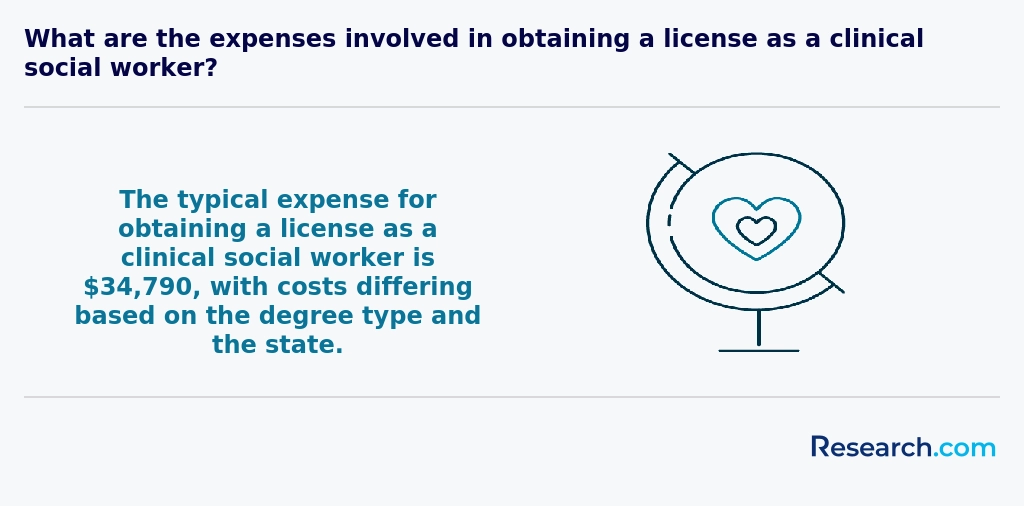
Students pursuing an online human services degree in Georgia have access to a variety of financial aid options, though navigating these can feel overwhelming at first. Federal aid, including Pell Grants and low-interest federal loans, plays a significant role. For instance, a graduate from Kennesaw State University shared how Pell Grant funds alleviated the burden during their studies, allowing them to focus more on coursework rather than finances. Completing the FAFSA is essential to unlock these resources, but eligibility depends on financial need and academic progress.
State-level aid such as the HOPE Scholarship and HOPE Grant offers critical support for many Georgia residents. At Georgia State University, students reported that the HOPE Grant was particularly helpful for covering tuition in shorter certificate programs, quickly enabling career entry.
Institutional scholarships grounded in merit or community involvement also prove vital. Some students attending Clayton State University found that these awards recognized their prior social work experience, creating a more affordable path.
Employers providing tuition reimbursement add a practical option for working professionals. However, it's important to consider that eligibility and reimbursement rates vary, making careful planning crucial to maximize benefits.
Enrolling in an online human services degree program in Georgia generally starts with a high school diploma or GED, which remains the fundamental requirement across institutions like Kennesaw State University and Georgia State University. Graduates often recall the initial reassurance of meeting this baseline, which opened doors to further academic pursuits. Some programs ask for a minimum GPA, typically around 2.5, ensuring students have a solid academic foundation before tackling coursework focused on social service challenges.
While standardized tests like the SAT or ACT are less frequently required for online formats, certain competitive programs at schools such as Clayton State University still consider them, reflecting varying admission standards. Graduates emphasize the value of submitting personal statements and recommendation letters, sharing how these helped convey their genuine passion for community work beyond mere numbers.
Additional prerequisites including transcripts, placement tests, or prerequisite courses in English and math help verify readiness, especially for associate degrees or certificates. Prospective students at institutions like Augusta University find that meeting these requirements builds confidence, laying the groundwork for the practical and rewarding fieldwork experiences integral to Georgia's human services education.
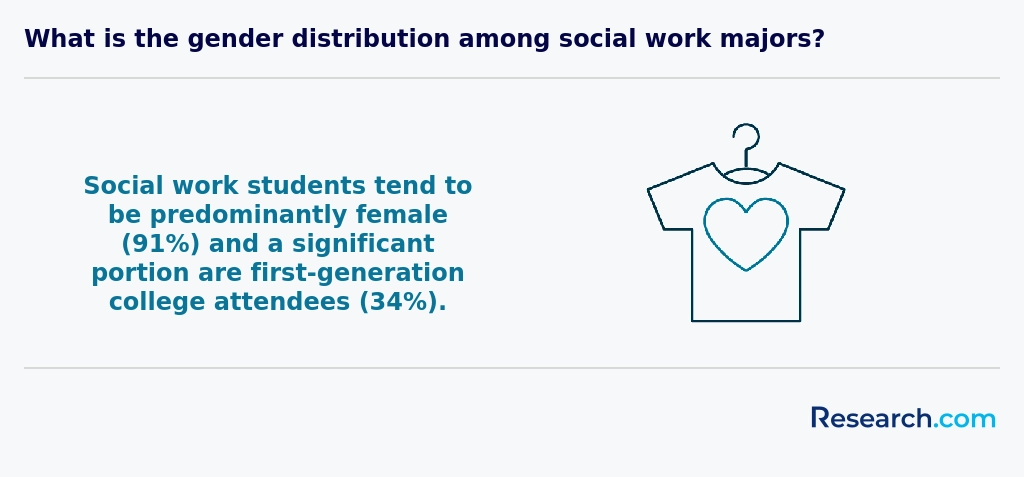
Online human services degree programs in Georgia commonly include courses that balance theory with practical application, enabling students to effectively serve diverse communities. Graduates from institutions like Georgia Southern University highlight how foundational courses such as Introduction to Human Services and Psychology and Human Behavior made abstract concepts feel tangible by exploring real-life client interactions.
Social Welfare Policy courses often spark lively discussions about navigating complex regulations, while Cultural Competency and Diversity classes challenge students to reflect on their own biases, fostering empathy. Case Management training is especially praised for preparing learners to coordinate services in dynamic situations, echoing experiences shared by Kennesaw State University alumni who found the skill essential in internships.
Ethics and Professional Practice classes encourage critical thinking about moral dilemmas faced on the job, and Crisis Intervention coursework prepares students for urgent challenges, such as responding to social crises. These comprehensive offerings reflect Georgia's commitment to producing competent, compassionate professionals ready for evolving public service roles.
Students pursuing an online human services degree in Georgia often encounter a range of specializations tailored to meet diverse community needs. Popular tracks include Case Management, focusing on coordinating healthcare and social services; Addiction and Substance Abuse Counseling, addressing rising treatment demands; and Mental Health Services, helping graduates support those facing psychological challenges. For instance, graduates from universities with strong reputations in human services frequently share how the Gerontology specialization allowed them to work meaningfully with Georgia's growing elderly population, while Child and Family Services prepared others for roles in local child welfare agencies.
Choosing the right specialization involves considering both personal passion and workforce demands, illustrated by many sharing rewarding experiences collaborating with social service organizations. It is important to explore how specific programs and certifications in Georgia align with career goals, particularly when reviewing online human services programs. These choices significantly impact employability and fulfillment in this emotionally engaging field.
Choosing the best online human services degree in Georgia means looking beyond surface features to examine factors like accreditation and curriculum relevance. Graduates from popular Georgia colleges often emphasize how accreditation by bodies such as the Southern Association of Colleges and Schools ensures their degree held weight with local employers and professional boards.
Cost considerations vary widely in Georgia, especially between public and private institutions. Many students seeking affordable human services programs Georgia-based find that in-state tuition rates at public universities make a tangible difference in managing expenses without sacrificing program quality.
Flexibility is frequently highlighted in student experiences, as balancing work and life commitments is common. Programs offering asynchronous courses and local internship options allow students to engage fully without excessive travel or disruption, a crucial factor expressed by several recent graduates.
Looking closely at the curriculum, students appreciate courses that include Georgia-specific human services laws and community resources, fostering a clearer understanding of local practice environments.
Some students advise prospective learners to explore employment support services, as career counseling and job placement assistance can significantly ease the transition from graduation to work. For those wondering what can you do with a master's in human services, such programs provide valuable networking opportunities within Georgia's human services field.
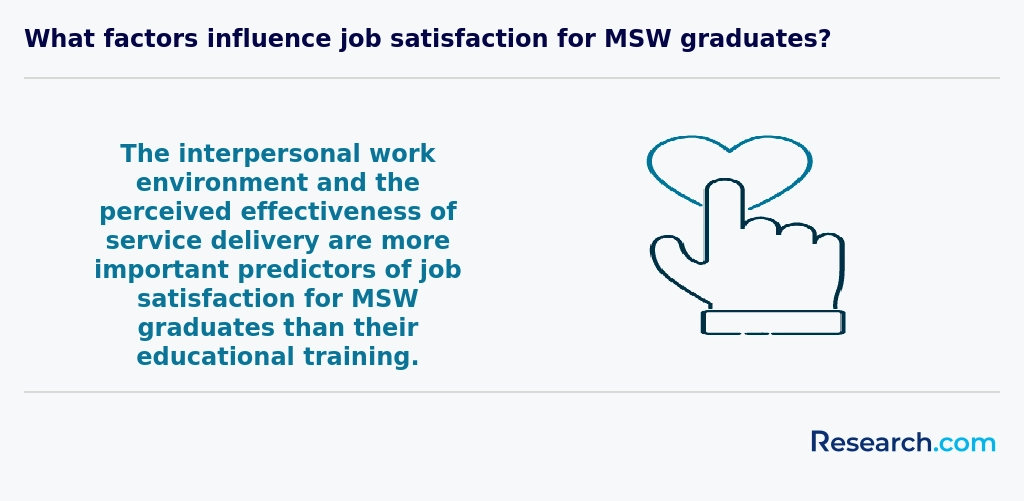
Graduates of an online human services degree in Georgia enter diverse career paths shaped by local needs and opportunities. Common roles include social and human service assistant, case manager, and community outreach coordinator, each involving meaningful client interaction and resource coordination. Many students from well-known Georgia institutions find rewarding experiences working with vulnerable populations addressing housing instability or addiction, reflecting real-world challenges. The practical nature of these roles is appealing but requires resilience and strong communication skills.
Some graduates pursue specialization areas such as substance abuse counseling or mental health technician positions, often needing additional certifications. Those from universities in metropolitan areas like Atlanta or Savannah report increased chances of employment within government or large non-profits focused on social justice, underscoring the importance of geographic factors in online human services jobs in Georgia. A few graduates also face the reality that career growth can depend heavily on networking and hands-on internship experiences included in programs at these institutions.
Prospective students considering the financial commitment might explore options for the cheapest online degree for human services in Georgia, balancing cost with program quality and career support. This strategic choice can significantly impact access to career opportunities in this essential field.
The job market for graduates holding an online human services degree in Georgia remains encouraging, especially in light of steady growth in public and nonprofit sectors. According to recent projections, social and human service assistants in Georgia are expected to see faster-than-average employment gains, reflecting local priorities such as healthcare and community outreach. Graduates from well-regarded programs at institutions like Georgia State University and Kennesaw State University often find opportunities in urban hubs like Atlanta, where expanding Medicaid initiatives heighten demand for skilled professionals.
Many online human services jobs in Georgia involve roles such as case managers or social service coordinators, where hands-on skills in counseling and crisis intervention prove invaluable. Graduates frequently share positive experiences about how their degrees prepare them for these positions, emphasizing practical knowledge gained through coursework and field training. Enhanced job prospects often come with supplementary certifications, as noted by the Georgia Department of Labor, which many students pursue alongside their degrees.
Students comparing options appreciate how online programs balance cost and flexibility; those seeking advancement might explore an online masters in human services degree to deepen expertise and unlock higher earning potential. While wages in Georgia tend to be modest compared to national averages, the local demand and diverse community needs create a rewarding environment for graduates motivated by meaningful impact in social services.
2027 Best Online Human Services Degree Programs Ranking in Georgia
Investing in your education is a significant decision that can profoundly impact your future, and the Research.com team recognizes the importance of making well-informed choices. To support prospective students interested in human services, we have carefully developed the "2027 Best Online Human Services Degree Programs Ranking in Georgia." Our dedication to quality, credibility, and accuracy is demonstrated through rigorous analysis and thorough research.
We utilized the following reputable data sources to ensure a comprehensive evaluation of online human services programs:
By reviewing this ranking, readers will receive valuable insights into Georgia's top online human services degree options, empowering them to make informed educational decisions. For more information about our approach, please visit our Research.com methodology page.


Frequently Asked Questions About human services
Students pursuing online human services degrees in Georgia can enhance their learning by actively engaging with their coursework and available resources. Utilizing Georgia's robust network of community organizations for internships or volunteer work allows practical experience that complements academic study. According to Georgia's Department of Human Services, hands-on exposure greatly improves understanding of client needs and service delivery.
Regular interaction with faculty and peers through virtual discussion boards and video sessions fosters critical thinking and collaboration. Additionally, leveraging online advising and career services offered by accredited Georgia institutions helps tailor education to individual career goals. Staying informed about state-specific human services policies also aids in relevant learning.
The human services field is expanding, with emerging niches creating new opportunities for professionals. In Georgia, there is a growing demand for specialists in addiction counseling due to increased substance abuse issues. According to the Georgia Department of Behavioral Health, around 8% of adults reported substance use disorder in recent years.
Another niche gaining traction is gerontology, driven by Georgia's aging population. The U.S. Census Bureau projects that by 2030, nearly 20% of Georgia's residents will be over 65, requiring more support services tailored to older adults.
Additionally, trauma-informed care is becoming a critical area, as professionals focus on helping individuals affected by violence, abuse, or natural disasters. This approach emphasizes understanding and addressing trauma's impact on mental health.
After earning an online human services degree in Georgia, it's essential to build practical experience to enter the job market effectively. Many graduates enhance their resumes through internships or volunteer work within local agencies such as Georgia Department of Human Services. Networking also plays a crucial role-joining organizations like the Georgia Chapter of the National Organization for Human Services can open doors to job opportunities.
Additionally, pursuing certification through the National Organization for Human Services can increase employability. According to Georgia's Department of Labor, human services roles are expected to grow by 8% through 2030, highlighting steady demand. Staying informed of state-specific licensing and continuing education requirements ensures compliance and career advancement.
Employers in Georgia highly value human services degree graduates who demonstrate strong communication skills. Being able to effectively interact with diverse populations is essential. According to the Georgia Department of Labor, empathy and cultural competence are crucial in addressing the needs of the state's varied communities.
Problem-solving and critical thinking are also top skills. Human services professionals must develop practical solutions to complex social issues like homelessness or substance abuse, which are prevalent in Georgia.
Additionally, knowledge of local social policies and resource management enhances a graduate's employability. The ability to coordinate services and navigate government programs is frequently cited by hiring managers in Georgia's human services sector.
Finding internships in Georgia relevant to a human services degree involves leveraging both educational resources and local agencies. Many Georgia colleges with human services programs partner with organizations such as the Georgia Department of Behavioral Health and Developmental Disabilities, offering placement opportunities.
Students should also explore nonprofit organizations, including Atlanta's United Way chapters and community health centers, as they frequently seek interns. Career services offices at online institutions often maintain databases of local internships tailored to student needs.
Additionally, websites like Georgia.gov and the Georgia Career Information System provide updated listings for internships in social services. Networking through professional groups like the Georgia Human Services Association can further connect students to opportunities in the field.
Obtaining an online human services degree in Georgia significantly enhances career mobility and advancement opportunities. The state's growing demand for qualified human services professionals supports upward movement in fields such as social work, counseling, and community outreach. According to the Georgia Department of Labor, employment in human services occupations is projected to grow by around 10% through 2030, faster than the average for all occupations.
An online degree provides flexibility, allowing students to balance work while earning credentials that meet Georgia's licensing and certification requirements. Graduates often qualify for higher-paying roles, supervisory positions, and specialized areas like case management or mental health services.
Institutions in Georgia frequently tailor online human services programs to align with state standards, helping students remain competitive in the local job market. This practical alignment supports candidates in achieving career advancement and securing roles in government agencies, nonprofits, and healthcare organizations across Georgia.
Studying for a human services degree in Georgia equips students with skills to work across multiple disciplines. Programs emphasize collaboration with social work, psychology, education, and healthcare fields, reflecting the complex needs of Georgia's diverse populations.
Courses often include training in case management, counseling techniques, and public policy, preparing graduates to engage effectively with professionals from various sectors. According to the Georgia Department of Labor, jobs in community and social service fields are expected to grow by 15% through 2030, highlighting demand for interdisciplinary expertise.
Online degrees in Georgia also provide flexible access to state-specific laws and resources, ensuring students understand local community challenges and support structures.
Choosing between a thesis and a non-thesis human services degree program in Georgia depends on your career goals and learning preferences. Thesis programs require original research and are suited for students aiming for advanced study or research-focused roles. Non-thesis programs focus more on practical skills and professional applications, making them ideal for individuals targeting immediate employment in social services or community organizations.
Georgia's Bureau of Labor Statistics reports steady growth in human services jobs, especially in counseling and social work, fields that value hands-on experience over research.
Consider also the time commitment: thesis tracks typically take longer to complete due to research demands. Check if your chosen Georgia institution offers flexible online options for your preferred track.
Students based in Georgia who want to study human services abroad typically explore online degree programs offered by US institutions with international partnerships or global curricula. There are no widely recognized options for fully abroad-based human services degrees tailored specifically for Georgia residents within the US system. Instead, many students pursue accredited online degrees from Georgia colleges that incorporate global perspectives or fieldwork opportunities in other countries.
According to the National Organization for Human Services, global awareness is increasingly emphasized, but hands-on studies abroad remain limited and usually require hybrid formats. Georgia's Technical College System and University System schools focus mainly on online degrees accessible nationwide, with some study-abroad supplements available through separate programs.
Part-time job opportunities in Georgia that complement human services degree education often involve direct community and social support roles. Positions such as case aide, mental health technician, or youth counselor provide practical experience relevant to human services. According to the Georgia Department of Labor, these roles are expected to grow between 5% and 10% over the next decade, reflecting the state's increasing demand for social support professionals.
Working part-time in nonprofit organizations or local government agencies can enhance understanding of client needs and service delivery systems. These jobs allow students to build interpersonal skills critical for future human services careers. Additionally, gaining experience in crisis intervention or support services can strengthen a resume and practical knowledge before graduation.
Online human services students in Georgia have several networking opportunities that help build professional connections despite the remote nature of their studies. Many institutions offer virtual career fairs, webinars, and discussion groups designed specifically for human services majors. These events often feature local Georgia agencies and nonprofit organizations, providing students with valuable contacts in the state's social services sector.
Students can also join professional organizations such as the Georgia Chapter of the National Organization for Human Services (NOHS). Participation in such groups often includes access to conferences, online forums, and mentorship programs tailored for human services professionals in Georgia.
According to the Georgia Department of Labor, networking significantly increases job placement success, and these resources help online students tap into the active human services community across the state.
Alumni networks play a crucial role in supporting online human services degree students in Georgia by fostering professional connections and mentorship opportunities. These networks allow students to engage with graduates who work across various sectors, such as social work, counseling, and nonprofit management. Research from the Georgia Department of Human Services indicates that networking significantly enhances job placement rates, with 65% of recent graduates securing employment through alumni referrals.
Further, alumni can guide students through career development, providing advice on licensing requirements important in Georgia's human services field. Many programs offer exclusive access to job boards and workshops via their alumni associations, strengthening students' career readiness.
Customizing an online human services degree in Georgia allows students to align their education with specific career goals. Many programs offer concentration options such as addiction counseling, gerontology, or social work, enabling targeted skill development.
Georgia colleges frequently provide elective courses and practicum placements in diverse community settings, supporting practical experience tailored to a student's interests. According to the Georgia Department of Human Services, focusing on areas like behavioral health or child welfare can increase job opportunities, especially as the state's demand for qualified professionals rises.
Additionally, some schools allow transfer credits from relevant work experience or certifications, accelerating degree completion while emphasizing expertise in chosen areas.
Online human services students in Georgia often face challenges related to balancing coursework with personal and professional responsibilities. Many learners in this field juggle jobs and family care, making it difficult to allocate consistent study time. According to the Georgia Student Finance Commission, nearly 60% of non-traditional students report time management as a primary barrier to academic success.
Technical issues also present a hurdle, particularly for students in rural areas where internet connectivity can be unreliable. The Federal Communications Commission notes that approximately 12% of Georgians lack access to high-speed broadband, impacting online learning effectiveness.
Finally, limited opportunities for in-person networking and hands-on practical experience can affect skill development, which is essential in human services careers. Students must often seek local internships independently to fulfill fieldwork requirements mandated by accreditation bodies such as the Council for Standards in Human Service Education.
With an online human services degree in Georgia, graduates can pursue several relevant professional certifications to enhance their career prospects. One common certification is the Certified Human Services Practitioner (CHSP) offered by the National Organization for Human Services. This credential demonstrates foundational knowledge in human services and can improve job competitiveness.
In Georgia, professionals might also seek Licensed Social Worker (LSW) or Licensed Master Social Worker (LMSW) credentials through the Georgia Board of Professional Counselors, Social Workers, and Marriage & Family Therapists. These require additional supervised experience but align closely with human services careers.
Additional certifications related to substance abuse counseling or case management are valuable as well, especially given Georgia's growing needs in mental health and social support sectors, as noted by the Georgia Department of Public Health.
Applying to an online human services program in Georgia requires clarity and attention to detail. Start by thoroughly researching programs accredited by the Council for Standards in Human Service Education (CSHSE) to ensure quality. Georgia's Department of Labor projects a 15% growth in human services jobs through 2031, highlighting strong industry demand.
When writing your application, emphasize your commitment to supporting diverse populations. Highlight any relevant volunteer or work experience, especially within Georgia's social service systems. Tailor your personal statement to reflect your understanding of local community needs, citing credible sources like the Georgia Division of Family and Children Services.
Strong applications also include clear career goals and how the program aligns with your ambitions. Finally, follow all submission guidelines precisely to demonstrate professionalism and attention to detail.
The human services field is increasingly viewed through a global lens, emphasizing cross-cultural understanding and collaboration. Professionals in this career often address social issues such as poverty, mental health, and inequality, themes that resonate worldwide. In the US, and specifically in Georgia, the demand for culturally competent human services workers is growing due to the state's diverse population. According to the Georgia Department of Labor, employment in human services roles is projected to grow by 12% by 2030, reflecting an expanding need to engage with global social challenges at the local level.
Globally, human services emphasize ethical practice and adaptability to diverse communities. Many online degree programs in Georgia include coursework that prepares students for these international standards. This approach benefits graduates who may work with immigrant populations or collaborate with global organizations addressing social welfare. Understanding global perspectives equips students with skills to navigate complex social issues, promoting inclusivity and effective service delivery in Georgia's evolving social landscape.
Students pursuing an online human services degree in Georgia can gain practical experience through internships and field placements, which are often integral parts of these programs. Many Georgia colleges partner with local agencies, such as community health organizations and social service departments, to provide supervised hands-on experiences. According to the Georgia Department of Human Services, internships help students develop essential skills and improve job readiness.
Additionally, some programs encourage volunteering with non-profits to broaden exposure to real-world challenges. Online students should consult their program advisors early to arrange these opportunities and ensure they meet state licensing requirements where applicable.
Choosing the right concentration within an online human services degree program in Georgia depends on your career goals and interests. Georgia offers concentrations such as addiction counseling, mental health, and social work, each leading to different job roles and certifications.
Consider local workforce demand: for example, the Georgia Department of Labor reports strong growth in behavioral health services, signaling opportunities in mental health counseling. Research the curriculum to ensure it aligns with required licensure exams in the state.
Additionally, evaluate programs accredited by the Council for Standards in Human Service Education (CSHSE) or Council on Social Work Education (CSWE). These accreditations can affect your eligibility for financial aid and employment recognition.
Finally, think about practical requirements like internships or practicum placements that match your preferred setting, whether clinical, community, or school-based services.
- 2027 Best Online Human Services Degree Programs Ranking in Florida
- 2027 Best Online Human Services Degree Programs Ranking in Alabama
- 2027 Best Online Human Services Degree Programs Ranking in Kentucky
- 2027 Best Online Human Services Degree Programs Ranking in Virginia
- 2027 Best Online Human Services Degree Programs Ranking in Arkansas
- 2027 Best Online Human Services Degree Programs Ranking in Missouri
- 2027 Best Online Human Services Degree Programs Ranking in Ohio
- 2027 Best Online Human Services Degree Programs Ranking in Illinois
- 2027 Best Online Human Services Degree Programs Ranking in Pennsylvania
- 2027 Best Online Human Services Degree Programs Ranking in Texas
- How To Navigate Human Services Challenges in 2026 https://nctinc.com/blog/how-to-navigate-human-services-challenges-in-2026/
- What is Human Services https://www.nationalhumanservices.org/what-is-human-services/
- Bachelor of Science in Human Services - Shorter University https://www.shorter.edu/social-sciences/bachelor-of-science-in-human-services-2/
- 6 Trends in Human Services That Will Change the Face of the Field | ANCOR https://www.ancor.org/connections/6-trends-human-services-will-change-face-field/
- Human Service Week - List of ideas for topics for student groups https://www.human-service-week.org/past-human-service-weeks/human-service-week-2024/list-of-ideas-for-topics-for-student-groups
- Professional Networking in Social Work: 2025 Complete Guide https://www.socialworkdegrees.org/professional-networking-in-social-work
- Best undergraduate courses in Human Services to study abroad - Edvoy https://edvoy.com/courses/undergraduate-human-services/
- 10 Effective Ways to Build Networking Skills in Community Services https://tsa.edu.au/ways-to-build-networking-skills-in-community-services/
- How To Solve the Key Challenges Faced by Community Social Workers https://www.casebook.net/blog/how-to-solve-the-key-challenges-faced-by-community-social-workers/
- Human Services Careers | PublicHealthOnline.org https://www.publichealthonline.org/human-services/