2027 Most Affordable Online Master's in Human Services Degree Programs Ranking in the Midwest

Co-Founder and Chief Data Scientist
Considering a career in human services? Earning an online master's degree can open doors to impactful work while fitting your busy Midwest lifestyle.
This article presents the 2027 Most Affordable Online Master's in Human Services Degree Programs Ranking in the Midwest, created by the Research.com team of data scientists. It helps you navigate options based on affordability and quality, making your decision easier and more confident.
Explore programs that balance cost and value, so you can pursue your passion and advance your career with peace of mind.
Key benefits of getting online human services degree in the Midwest
- Human services degree graduates in the Midwest can expect competitive salaries, with many entry-level positions starting around $35,000 to $45,000 annually, offering a solid foundation for career growth.
- Graduates from Midwest universities commonly pursue careers in social work, counseling, community outreach, and case management, providing meaningful work that positively impacts lives.
- Completing a human services degree online from a respected Midwest university allows for flexibility and convenience, enabling students to balance work, family, and study while gaining the same valuable skills as traditional programs.
- 2027 Most Affordable Online Master's in Human Services Degree Programs Ranking in the Midwest
- What can I expect from online human services degree in the Midwest?
- Where can I work with online human services degree in the Midwest?
What can I expect from online human services degree in the Midwest?
Students pursuing an online human services degree in the Midwest often find the cost varies depending on the institution, with public universities typically offering more affordable in-state tuition. On average, tuition ranges from $6,000 to $15,000 per year, making quality education accessible to many. Graduates from well-known Midwestern colleges frequently share how this investment felt worthwhile, especially as flexible payment plans and financial aid options helped ease the financial burden.
Many students appreciate knowing they can balance their studies with work and family life, without sacrificing quality education. For example, learners at established universities in Illinois or Ohio describe gaining not only theoretical knowledge but real, hands-on experience through local internships that prepare them for rewarding careers.
The commitment to their education often sparks excitement as students envision themselves making a meaningful impact in their communities. With comprehensive support services, online human services programs in the Midwest provide a nurturing environment that empowers students to thrive both academically and personally.
Where can I work with online human services degree in the Midwest?
Graduates with an online human services degree in the Midwest step into a world full of meaningful opportunities. Many find rewarding careers working in government agencies across states like Illinois and Ohio, helping coordinate programs that support families and vulnerable populations. Imagine supporting a community through health initiatives or advocate services-graduates from well-known Midwestern universities are doing exactly that.
Others thrive in healthcare settings such as Detroit and Chicago hospitals, where they serve as patient advocates and social service coordinators. These roles allow graduates to impact lives directly, bridging medical and social needs with compassion. Alumni from community colleges also share how their online degrees helped them secure positions with nonprofits tackling homelessness and domestic violence, making real differences daily.
Human services graduates often work in educational institutions, helping students navigate personal challenges and access resources. The flexibility of an online degree attracts those eager to blend their passion with practical skills, lighting a path toward a fulfilling career that uplifts Midwestern communities and beyond.
Graduates with an online human services degree in the Midwest can look forward to rewarding career opportunities with salaries typically ranging from $35,000 to $70,000 per year. Entry-level positions-such as case managers or social service assistants-often begin at around $35,000 to $45,000, providing new professionals with a solid foundation as they build experience. Many students from well-known Midwest institutions like the University of Illinois or Michigan State University embark on these roles, tackling meaningful challenges that make a real difference in people's lives.
As graduates deepen their expertise, especially through continuing education and advanced degrees, they often advance into leadership roles such as community and social service managers. These positions commonly offer annual salaries near $60,000, reflecting the important responsibilities and impact these professionals have in their communities.
Those specializing in mental health or substance abuse counseling also find promising prospects, earning between $45,000 and $65,000. These roles not only provide financial growth but also the rewarding experience of guiding individuals toward healing and hope.
- Tuition for online master's degrees in human services in the Midwest ranges from $8,000 to $18,000 per year, with many affordable public and private options available.
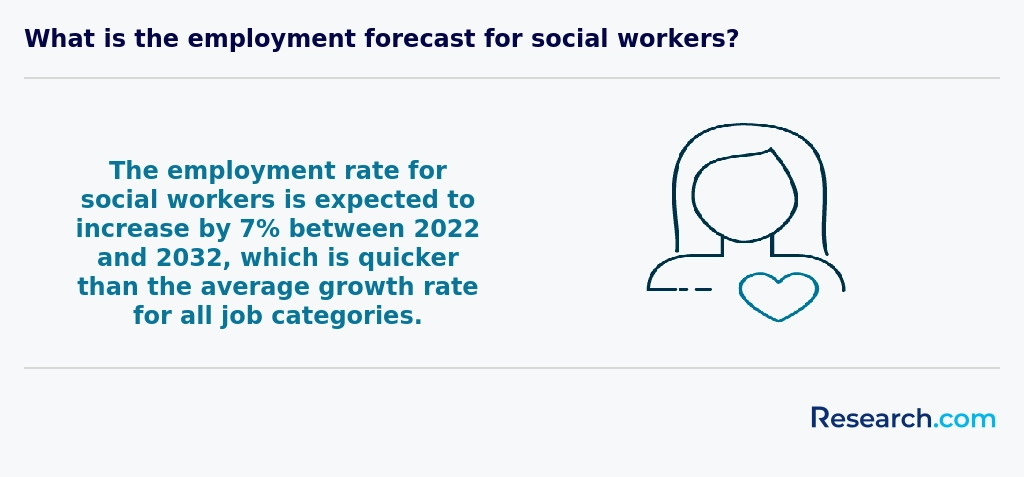
- Employment in human services occupations in the Midwest is projected to grow about 7% over the next decade, reflecting steady demand.
- Entry-level salaries typically range from $35,000 to $45,000 annually, while mid-career professionals can earn between $50,000 and $65,000.
- Experienced specialists and managers may earn over $75,000 per year depending on their role and employer.
- Programs generally require accreditation from bodies like the CSHSE or regional accreditors recognized by the U.S. Department of Education.
- The Midwest has lower living costs and offers state financial aid and scholarships specific to human services students, helping to reduce expenses.
Completing an online human services degree in the Midwest is an achievable goal that fits diverse lifestyles and ambitions. Many graduates share how starting with an associate degree took about two years, providing a solid foundation while balancing work or family. For those aiming higher, bachelor's degrees usually span around four years if studied full-time, but part-time options offer a flexible path that extends the timeline without sacrificing progress.
Midwestern universities like Missouri State offer inspiring examples of program flexibility, where dedicated students finish a master's degree in as little as 18 months. Imagine juggling a busy career while attending classes designed to fit your schedule - it's not only possible, but empowering. The ability to transfer previously earned credits or take accelerated summer courses often shortens your journey, letting you reach your goals sooner.
With support from accredited programs recognized across the region, thousands of students are turning dreams into rewarding careers, proving that determination combined with the right program can make completing your human services degree in the Midwest both fulfilling and timely.
Online and on-campus human services degrees in the Midwest each bring unique strengths that empower students to thrive in their careers. Graduates of online programs from well-known Midwestern universities appreciate the flexibility that allows them to juggle family, work, and studies without needing to relocate. Imagine studying human services at your own pace, logging in after a busy day, and applying lessons immediately in your local community through nearby internship opportunities.
On-campus programs at Midwest colleges offer inspiring face-to-face connections with peers and professors, creating vibrant learning environments full of hands-on experiences. Students benefit from structured schedules, engaging in internships arranged by the university, and access to campus resources like counseling centers, fueling strong professional networks and mentorships.
Both paths build excellence and compassion needed for social work and counseling careers. Whether you cherish the comforting routine of campus life or the freedom of remote study, Midwestern human services programs warmly support your aspirations and growth.
The average cost of an online human services degree in the Midwest offers a promising investment in your future with accessibility in mind. Median total costs hover around $20,880, with in-state students benefiting from a lower amount near $14,544 while out-of-state students typically see costs closer to $16,470. Many graduates from well-known Midwest universities share how these competitive prices, paired with flexible online formats, allowed them to balance work, family, and education seamlessly.
Institutions in states like Illinois, Michigan, and Ohio provide strong programs that fit within this affordable range. These programs often require between 30 to 40 credit hours, keeping time commitment and financial burden reasonable. Students find that the cost aligns well with the quality and support they receive, inspiring them to pursue their passion for human services without overwhelming debt.
For those seeking an affordable online master's in human services Midwest residents especially appreciate the financial aid options and scholarships available to help reduce expenses. Graduates frequently emphasize how this support system, combined with detailed research on costs, made their educational journey positive and empowering. To explore options tailored to your needs, consider checking resources like the affordable human services degree online accredited programs available.

Students pursuing an online human services degree in the Midwest have access to a variety of financial aid options designed to make their educational journey more achievable and inspiring. Graduates from universities in Illinois and Ohio often share how completing the FAFSA unlocked federal grants and favorable loans, offering a crucial safety net during their studies.
Midwestern states like Minnesota add extra support through targeted scholarships that reward residents dedicated to social service careers, helping reduce the financial strain. At popular institutions such as the University of Illinois or Ohio State, many graduate students benefit from merit-based scholarships and need-based grants that cover significant portions of tuition, turning dreams into reality.
Additionally, employers in healthcare and social service fields frequently step up with tuition reimbursement programs, empowering professionals to deepen their expertise without overwhelming debt. This combined aid network fuels hope and resilience, enabling students to focus on their passion for making a difference in their communities.
To embark on an online human services degree in the Midwest, students usually begin with a solid foundation-a bachelor's degree from an accredited institution. Many graduates from popular universities like the University of Illinois or Ohio State University recall how their diverse academic backgrounds, from psychology to social work, became stepping stones toward meaningful careers. The emphasis on a minimum GPA, often between 2.5 and 3.0, ensures you are academically prepared to thrive in this impactful field.
Practical experience matters too. Graduates often share how volunteer work or jobs in community programs enriched their applications, showing true dedication to helping others. Many programs also request letters of recommendation and personal statements, inviting you to express your passion and commitment.
For international students, proof of English proficiency opens doors, while many Midwest institutions prioritize holistic review, reducing barriers like GRE tests. These requirements reflect a genuine invitation to those ready to make a difference.

Online human services degree programs in the Midwest equip students with courses that bring real-life impact to every lesson. Graduates from well-known Midwest colleges describe how Introduction to Human Services helped them understand the deep-rooted importance of empathy and advocacy in their communities. Courses like Case Management build practical skills by simulating client interactions, empowering students to confidently coordinate care and support tailored to individual needs.
Many students appreciate how Psychology and Human Behavior deepens their insight into the struggles individuals face, fostering compassion that drives meaningful change. Ethical decision-making comes alive through Ethics in Human Services, where learners explore confidentiality and integrity using realistic scenarios drawn from local social services.
Popular universities in Illinois and Ohio often emphasize hands-on learning in Crisis Intervention and Substance Abuse Counseling, preparing students to respond calmly and effectively in urgent situations-skills graduates proudly carry into their careers. These courses combine theory with community advocacy, making every lesson a step toward becoming a true agent of hope across the Midwest.
Online human services degree specializations Midwest programs commonly include Addiction Counseling, Mental Health Services, Gerontology, Youth and Family Services, and Community Development. Graduates from popular colleges delight in how their chosen paths allowed them to make a real difference, whether helping individuals overcome substance abuse or supporting aging populations with compassion. One graduate shared how focusing on Youth and Family Services empowered her to work effectively in local schools, offering hope to at-risk children in her community.
Many universities in the region encourage hands-on experience, enriching specializations with electives and internships crafted to reflect the Midwest's unique social fabric. These opportunities help students connect theory with real-world impact, fostering confidence to serve diverse communities.
For students eager to find the right program, exploring the best online masters in human services degree offerings reveals inspiring options that align with personal goals and regional needs, highlighting how Midwest human services program concentration options prepare graduates to lead positive change.
Choosing the best online human services degree Midwest means focusing on programs that combine strong accreditation with flexible learning options. Graduates from popular Midwestern universities often share how part-time, online formats allowed them to balance family and work while earning their degree. Look for schools regionally accredited by bodies like the Higher Learning Commission to ensure quality education and access to financial aid.
Many affordable human services programs Midwest offer specialized courses tailored to career goals, such as substance abuse counseling or social work support. Imagine learning practical skills alongside a supportive community, with access to virtual tutoring and internship opportunities connecting you to real-world agencies right where you live. These experiences boost confidence and open doors after graduation.
Strong support services and career advising characterize leading programs, helping students navigate academic and professional growth. For those ready to explore careers with a degree in social services, selecting a program with solid job placement rates in the Midwest is inspiring and empowering.
Graduates of online human services degree programs in the Midwest find a wealth of rewarding career paths that truly make a difference. Many become Social and Community Service Managers, leading vital programs that uplift public well-being while enjoying promising salaries. Others thrive as Case Managers, skillfully supporting clients in both bustling cities and tight-knit rural communities across Illinois, Ohio, and Michigan.
Those passionate about crisis support often pursue roles as Crisis Intervention Specialists or Substance Abuse Counselors, where they provide life-changing assistance amid challenges like housing instability and addiction. Nonprofit Program Coordinators are another inspiring avenue, driving initiatives that tackle poverty and education barriers. Graduates from popular Midwestern institutions often share stories of balancing work and study while gaining these valuable skills through online programs.
For students exploring human services career opportunities Midwest offers, the flexibility of online degrees helps them connect with real-world roles. Discover more about careers with human services degree and find your own path to impact lives positively.
Graduates with an online human services degree in the Midwest enjoy a vibrant and growing job market, fueled by expanding social programs and community needs. Universities known for their human services curriculum, such as those in Illinois and Michigan, have alumni thriving in roles at community action agencies and healthcare settings, where they provide vital support to vulnerable populations. Many graduates share inspiring stories of making tangible impacts, whether helping older adults access care or advocating for mental health resources.
Midwestern students benefit from affordable tuition and flexible online study, easing the path to earning their degrees without sacrificing current employment. This accessibility has empowered working professionals to enhance their skills and advance their careers. The outlook for online human services jobs Midwest is strong, with steady demand across rehabilitation centers, government departments, and non-profits.
For those eager to explore their future career paths, resources detailing the best human services master's degree careers offer valuable insights and guidance to make the most of this rewarding field.
2027 Most Affordable Online Master's in Human Services Degree Programs Ranking in the Midwest
Investing in your education is a significant decision that can shape your future, and the Research.com team understands the importance of making informed choices. To assist prospective students, we have carefully developed the "2027 Most Affordable Online Master's in Human Services Degree Programs Ranking in the Midwest." Our dedication to quality, credibility, and accuracy is demonstrated by the thorough research and analysis behind this ranking. We utilized the following reputable data sources to ensure a comprehensive evaluation of programs:
By exploring this ranking, readers will gain valuable insights into affordable, high-quality online master's programs in human services across the Midwest, making it easier to choose the best option for their educational and professional goals. For more information on how this ranking was created, please visit our Research.com methodology page.





# 12 position
Eastern Illinois University
Master of Political Science with an Option in Public Administration & Public Policy

# 13 position
University of South Dakota
Public Administration, Executive Master of Public Administration


# 15 position
University of Illinois Chicago
Master of Concentration in Health Policy and Administration


Frequently Asked Questions About human services
Students pursuing online human services degrees in the Midwest can maximize their learning by actively engaging with virtual resources and local community organizations. Research from the National Organization for Human Services highlights that practical experience enhances theoretical knowledge, so seeking internships or volunteer roles within Midwestern agencies strengthens skills and professional networks. The region's growing demand for human services professionals, projected to rise by 13% through 2030 (Bureau of Labor Statistics), offers ample opportunities.
Participating in online discussion forums and study groups helps build connections despite geographic distance. Additionally, students should utilize university career services tailored for remote learners to access counseling and job placement support.
The human services field is evolving with several emerging niches gaining attention, especially for students pursuing online degrees in the Midwest. One growing area is gerontology, reflecting the region's aging population; the U.S. Census Bureau reports that states like Michigan and Ohio have seen a 15% increase in residents over 65 in the last decade.
Behavioral health coaching is another promising niche, addressing mental health needs exacerbated by recent societal changes. This specialization complements the rise in demand for substance abuse counselors, a role expected to grow 12% nationally by 2030, according to the Bureau of Labor Statistics.
Additionally, community health advocacy focusing on rural populations is gaining importance. The Midwestern rural residents often face healthcare access disparities, making this niche vital for local human services professionals. These trends suggest tailored online programs in the Midwest increasingly incorporate these specialties to meet regional demands.
Preparing for the job market after earning an online human services degree in the Midwest requires strategic planning. Graduates should focus on gaining relevant experience through internships or volunteer opportunities, which many regional programs support. The Bureau of Labor Statistics projects a 12% growth in human services jobs nationwide from 2022 to 2032, with the Midwest showing steady demand, especially in social assistance sectors.
Networking within Midwest professional organizations, such as the Illinois Human Services Association, can increase job prospects. Additionally, obtaining certifications like the Certified Human Services Professional (CHSP) enhances credibility. Tailoring resumes to highlight skills aligned with regional employers in healthcare, social work, and nonprofit fields is essential.
Employers in the Midwest seek human services graduates with strong communication and interpersonal skills, as these are essential for effectively assisting diverse populations. According to the National Association of Social Workers, 78% of job postings in the region emphasize empathy and active listening. Analytical abilities are also critical, enabling graduates to assess client needs and develop appropriate support plans.
Additionally, cultural competence is increasingly valued due to the Midwest's growing diversity, helping professionals work respectfully across different backgrounds. Familiarity with case management software and basic data analysis skills enhance job prospects, reflecting the sector's trend toward evidence-based practices and efficient resource management.
Finding internships in the Midwest for human services students involves strategic research and networking. Many universities in the region partner with local organizations, government agencies, and nonprofits to offer internship placements. According to the National Organization for Human Services, states like Illinois, Michigan, and Ohio have a high demand for social services interns due to extensive community programs.
Start by contacting your school's career services or human services department for guidance and established connections. Additionally, websites such as Handshake or Internships.com feature Midwest-specific internship listings tailored to human services roles.
Professional associations such as the Midwest Human Services Association also provide resources and events that foster internship opportunities. Researching local government health and social service offices can reveal openings not broadly advertised, offering valuable practical experience in your field.
An online human services degree can significantly improve career mobility and advancement opportunities in the Midwest. Many employers value the flexibility and specialized knowledge these programs provide. According to the U.S. Bureau of Labor Statistics, human services-related jobs in states like Illinois, Ohio, and Michigan are expected to grow by 12% between 2020 and 2030, faster than the national average.
The accessibility of online programs allows working professionals to gain credentials without disrupting their careers. Graduates often qualify for supervisory or specialized roles in social work, counseling, and community outreach, which tend to offer higher salaries and growth potential.
Moreover, Midwest employers frequently recognize regional accreditation and practical training included in quality online degrees, emphasizing skills such as case management and program development. This recognition can lead to promotions or new job opportunities in nonprofit organizations, healthcare facilities, and government agencies.
Studying for a human services degree in the Midwest offers valuable preparation for interdisciplinary roles by emphasizing collaboration across social work, psychology, healthcare, and education sectors. Midwest programs often integrate coursework on community resources, case management, and ethical practice, reflecting regional workforce needs.
According to the Bureau of Labor Statistics, many Midwest human services professionals work within varied settings such as nonprofit organizations, healthcare facilities, and government agencies, requiring flexible, cross-disciplinary skills. Programs frequently include training in communication and cultural competence to serve diverse populations effectively.
Universities emphasize practical internships, connecting students with local agencies for real-world experience. This hands-on approach strengthens the ability to navigate complex social issues collaboratively, a critical competency in today's integrated service environments.
Choosing between a thesis and a non-thesis human services degree program in the Midwest depends largely on your career goals and learning preferences. Thesis options usually require original research, which benefits students interested in further academic work or research-based roles. According to the Council for Accreditation of Counseling & Related Educational Programs (CACREP), many Midwest programs emphasize research skills in their thesis tracks.
Non-thesis programs tend to focus more on practical skills and applied knowledge, ideal for students aiming to enter or advance in human services agencies quickly. Data from the National Organization for Human Services shows that practical experience is highly valued in Midwestern social service jobs.
Consider your time availability as thesis tracks often demand a longer commitment. Cost differences can also occur, as thesis programs might require more faculty supervision. Ultimately, review specific program requirements and career outcomes to make an informed choice.
Midwestern students seeking to study human services abroad often explore online degree programs with international study components. While primarily based in the US, several Midwest universities offer hybrid models allowing short-term study abroad experiences in countries with growing social service needs. These options help students gain global perspectives without relocating permanently.
The Council for Social Work Education reports that collaborative programs, including exchange opportunities, have increased by 15% in the past five years among Midwestern institutions. Notably, online human services degrees may incorporate virtual internships or fieldwork with international agencies.
Students should review accreditation and transfer policies to ensure credits earned abroad align with Midwest regional requirements.
Part-time job opportunities in the Midwest that complement an online human services degree include roles such as case aides, peer support specialists, and community outreach workers. These positions offer practical experience working directly with clients in social service agencies, nonprofits, and healthcare settings. According to the U.S. Bureau of Labor Statistics, the Midwest region experienced a steady demand for human services workers, with growth projected at 8% from 2021 to 2031. Gaining experience in these roles can enhance students' understanding of client needs and improve their professional skills while pursuing their degree.
Online human services students in the Midwest have access to numerous networking opportunities tailored to their professional development. Many universities partner with regional agencies and nonprofits, facilitating virtual internships and practicum placements. These connections enable students to build valuable relationships within local human services sectors across states like Illinois, Ohio, and Michigan.
Professional organizations such as the National Organization for Human Services (NOHS) offer Midwest chapters, hosting online webinars and regional conferences. Participation in these events helps students connect with practitioners and potential employers. According to NOHS, engagement in such activities can boost employment prospects by 25% in the region.
Additionally, LinkedIn groups focused on Midwest human services professionals provide informal networking spaces. Students can join discussions, share resources, and seek mentorship while studying remotely. These varied options support career growth despite physical distance.
Alumni networks play a crucial role for online human services degree students in the Midwest by fostering professional connections that enhance career opportunities. Many programs in the region boast active alumni communities that provide mentoring, internships, and job leads within local agencies. According to the National Organization for Human Services, around 65% of graduates find employment through their network contacts, highlighting the practical impact of these connections.
In addition, alumni groups often facilitate access to continuing education and workshops, supporting lifelong learning essential in human services fields. These networks also help students navigate the unique challenges of online learning by offering peer support and guidance.
Customizing an online human services degree in the Midwest allows students to align education with specific career goals. Many programs offer concentrations such as mental health, youth services, or community advocacy. Choosing relevant electives can deepen expertise in a chosen area.
Students should explore internships or practicum placements, even remotely, to gain practical skills. Schools often partner with local agencies, helping Midwestern students build professional networks.
According to the National Association of Social Workers, regions like Illinois and Minnesota show growing demand for specialized human services roles, making targeted programs valuable.
Additionally, flexible scheduling options allow working professionals to balance studies with employment and family obligations effectively.
Online human services students in the Midwest often face challenges related to balancing work, family, and studies. Many learners are adult students who juggle full-time jobs and caregiving responsibilities. According to the National Association of Social Workers, time management is a critical barrier for 65% of online students nationwide, which reflects similarly in the Midwest.
Technical issues also impact students, particularly in rural areas where internet connectivity is less reliable. The Federal Communications Commission reports that about 23% of Midwestern rural households lack high-speed internet, complicating access to coursework and live sessions.
Finally, students may struggle with limited practical training opportunities. Human services degrees require fieldwork, and arranging internships locally can be challenging for remote learners.
With an online human services degree, students in the Midwest can pursue several professional certifications to enhance their career opportunities. Common certifications include the Certified Human Services Professional (CHSP), which is nationally recognized and often preferred by employers in social service agencies. Another option is the Certified Case Manager (CCM), valuable for those working in healthcare or community service coordination.
The Midwest region, according to the National Organization for Human Services (NOHS), shows a growing demand for credentialed human services workers, especially in states like Illinois, Ohio, and Indiana. Certification requirements often include a combination of education, supervised hours, and passing a certification exam.
Obtaining such credentials not only validates expertise but can increase job prospects and salary potential in social work, counseling, and nonprofit sectors across the Midwest.
When applying to an online human services program in the Midwest, begin by clearly demonstrating your commitment to the field. Highlight relevant work or volunteer experience, particularly those involving community support or social services. Schools value applicants who understand regional challenges, such as rural poverty or opioid addiction, which are significant in states like Ohio and Indiana (Midwest Alliance for Human Services, 2023).
Next, craft a personal statement that aligns your goals with the program's mission. Use data to show awareness of local human services trends, reinforcing your readiness to contribute meaningfully. Strong letters of recommendation from supervisors familiar with your human services skills also enhance your application.
The human services profession is increasingly recognized worldwide for addressing social challenges and improving community well-being. Globally, human services careers emphasize culturally competent care, reflecting diverse populations' needs. In the United States, especially in the Midwest, human services workers play a vital role in areas like mental health, substance abuse, and family services.
According to the Bureau of Labor Statistics, the Midwest states expect a 10% growth in human services-related jobs through 2031, aligning with national trends. This growth reflects broader global recognition of the importance of supportive social services. Understanding international perspectives helps Midwest students appreciate the profession's evolving scope and the value of diverse approaches to care.
Research from the National Organization for Human Services highlights how global collaboration improves training and ethical standards, benefiting practitioners locally and internationally. For prospective students considering online human services degrees in the Midwest, these global insights underscore a career grounded in empathy, lifelong learning, and adaptability.
Gaining practical experience is essential for students pursuing an online human services degree in the Midwest. Many programs incorporate supervised internships or fieldwork as a graduation requirement, allowing students to apply classroom knowledge in real-world settings. These placements often partner with local organizations such as community health centers, social service agencies, or nonprofit groups specializing in mental health or family support.
Regional workforce data from the Bureau of Labor Statistics highlights strong demand for human services roles in states like Illinois, Indiana, and Ohio, encouraging schools to facilitate internships nearby. Students may also engage in volunteer opportunities or part-time roles to build skills and professional networks while studying online.
Choosing the right concentration within an online human services degree program in the Midwest depends on your career goals and regional needs. Common concentrations include mental health, addiction counseling, gerontology, and social policy. According to the U.S. Bureau of Labor Statistics, the Midwest is experiencing growth in healthcare and social assistance roles, with a 9% increase projected through 2030. Selecting a focus like gerontology or substance abuse counseling aligns well with this trend. Additionally, reviewing program curricula and accreditation ensures your studies meet professional standards. Explore how specific concentrations prepare you for certifications or licenses required in your state for better job prospects.
- How to Maximize the Impact of Alumni Networks https://www.careeros.com/resources/how-to-maximize-the-impact-of-alumni-networks
- Choosing a bachelor's in human services | edX https://www.edx.org/resources/how-to-choose-a-bachelors-in-human-services
- 2025 Most Affordable Online Human Services Degrees https://www.onlineu.com/most-affordable-colleges/human-services-degrees
- Study Social Work Abroad | Go Overseas https://www.gooverseas.com/study-abroad/social-work
- Human Service Week - List of ideas for topics for student groups https://www.human-service-week.org/past-human-service-weeks/human-service-week-2024/list-of-ideas-for-topics-for-student-groups
- 4 Human Services Careers https://www.albany.edu/education/communications/human-services-careers
- Careers with a Degree in Human Services https://www.mhaonline.com/faq/careers-with-degree-in-human-services
- Is a thesis always mandatory in a master's degree program? - EFMU: The Euler-Franeker Memorial University and Institute https://euler.euclid.int/is-a-thesis-always-mandatory-in-masters-degree-program/
- Home https://www.nationalhumanservices.org/
- Is a Human Services Degree Right for You? https://www.ucumberlands.edu/blog/is-a-human-services-degree-right-for-you