2027 Most Valuable Online Human Services Degree Programs Ranking in the USA

Co-Founder and Chief Data Scientist
Choosing the right human services degree program can shape your future career and open doors to meaningful work. This article introduces the 2027 Most Valuable Online Human Services Degree Programs Ranking in the USA, crafted by the Research.com team of data scientists. It is designed to help you make an informed decision when exploring your educational options.
Discover programs that balance quality, affordability, and career potential. Whether you're starting fresh or seeking advancement, this guide supports your journey to a rewarding human services career with confidence.
Key benefits of getting online human services degree in America
- Human services degree graduates in America often find rewarding careers with median annual wages ranging broadly, typically around $35,000 to $50,000 depending on the specific role and location, offering a stable income while making a positive impact.
- Graduates from popular universities, like the University of Southern California, have pursued various paths such as social work, community outreach, and counseling, demonstrating the degree's versatility in helping others.
- Completing a human services degree online, such as through Arizona State University, provides flexible scheduling and accessibility, allowing students to balance work and studies effectively while gaining the same recognized credentials.
- 2027 Most Valuable Online Human Services Degree Programs Ranking in the USA
- What can I expect from online human services degree in America?
- Where can I work with online human services degree in America?
What can I expect from online human services degree in America?
The average cost of an online human services degree in America can really vary depending on where you study. For example, graduates from public universities often mention how affordable it felt, especially if they were in-state students paying lower tuition rates. Meanwhile, those attending well-known private colleges sometimes saw higher price tags but appreciated the extra support and resources they got in return.
One graduate shared how studying at a university popular for human services programs helped balance costs and quality, using federal loans and grants to keep expenses manageable. Many students find that public schools offer great value, with tuition often well below $10,000 per year for in-state learners. Meanwhile, private universities might run over $20,000 yearly but often provide more personalized advising and career counseling, which really helped students stay motivated in their online studies.
Overall, financial aid is a common thread for many who've successfully earned their degrees online, making the investment feel totally worth it in the end.
Where can I work with online human services degree in America?
With an online human services degree in America, you'll find plenty of places to jump into a meaningful career. Many graduates from well-known schools like Arizona State University or Rutgers University land jobs in social service agencies, helping people navigate tough situations like poverty or disability. Imagine working as a case manager connecting families to resources or as a program coordinator making a real impact in your community.
Others find their groove in healthcare settings-think hospitals or mental health clinics-supporting patients to get the care they need. It's common for grads to step into roles like behavioral health specialists, especially if they pick up extra certifications. It feels rewarding knowing you're directly helping someone improve their life.
Government jobs are also a popular path, with grads working in child welfare or public health departments. You could be at the frontlines of protecting kids or supporting veterans-roles that really matter. Plus, nonprofit organizations that tackle issues like homelessness or domestic violence highly value human services skills, offering a spectrum of opportunities and career growth.
If you're wondering how much you can make with an online human services degree in America, a lot depends on where you end up working and what role you land. Graduates from popular programs, like those at Arizona State University or the University of Southern California, often start in entry-level jobs making around $35,000 to $40,000 per year. Think of roles like case managers or social service assistants, where you're hands-on, helping people navigate social programs-really rewarding work that also gives you solid experience.
As you build experience, moving into positions such as human services managers or program coordinators, salaries can climb to the $60,000-$75,000 range. Graduates from big-name colleges often share how earning this pay feels like a real win, especially when working in cities with higher costs of living, like New York or Boston, where salaries can go even higher.
Many grads also mention that getting specialized certifications or a master's degree can give their paychecks a nice boost. So keep that in mind if you want to grow both your impact and income over time.
- Online human services degrees offer flexible learning options ideal for working adults and those with family responsibilities.
- Tuition for a bachelor's program typically ranges from $15,000 to $35,000, with public institutions generally being more affordable than private ones.
- Starting salaries for graduates average between $35,000 and $45,000 annually, with experienced professionals earning $55,000 to $65,000.
- Employment in social and community service occupations is projected to grow by 12% from 2022 to 2032, faster than the average for all jobs.
- Programs often prepare students for state-specific licensure or certification and include practicum or internship opportunities.
- Accreditation from organizations like CSHSE helps improve the credibility and job prospects of degree holders.
If you're thinking about getting an online human services degree in America, the time it takes really depends on which level you're aiming for and how much time you can dedicate. For example, many students earning their associate degree at well-known community colleges finish in about two years if they study full-time. It's a solid option if you want to jump into entry-level jobs fairly quickly.
On the other hand, bachelor's degrees at popular schools like Arizona State University or Southern New Hampshire University usually take around four years, but plenty of online students move faster-some wrap up in three years by taking extra courses or joining accelerated terms. Others, especially those balancing jobs and family, take five or six years, and that's totally normal.
Graduate students aiming for a master's often finish full-time in two years, but part-time online options stretch that to three or four years, which many find helpful for working while studying. Graduates from these programs often rave about how flexible schedules make it easier to keep life balanced.
If you're thinking about a human services degree in America, the biggest difference between online and on-campus programs is how you experience your education day-to-day. Imagine a student at a school like Arizona State University-studying online means logging in from your couch after work, a setup many grads love for the freedom it gives with family and job schedules. You watch lectures when it suits you, join discussions in virtual classrooms, and complete assignments at your own pace.
On the flip side, picture someone attending a traditional on-campus program at a college like the University of Washington. They get to chat face-to-face with professors, hang out with classmates in person, and tap into campus resources immediately, which creates a really social and structured vibe. Both routes need fieldwork, which grads say is where the real-world experience kicks in-either through local internships arranged by your school or hands-on work in your community.
Cost-wise, online students often save on commuting and housing, though tuition can be similar. Many who've done online programs appreciate how flexible it is, especially if they're balancing work, family, or other life stuff.
The average cost of an online human services degree in America typically sits around $33,600 total, with in-state students paying closer to $27,475 and out-of-state students seeing an average near $37,569. Many graduates from popular colleges like those in state university systems share how this investment feels manageable when compared to the career satisfaction they experience post-graduation. For example, students at well-known universities have noted that while tuition rates vary, the flexibility of online programs means balancing work and study without extra commuting costs.
Looking at the average cost of online human services degree USA programs, tuition per credit hour often ranges widely, which impacts the total sticker price students eventually pay. Those finishing a 120-credit bachelor's degree online report total tuition costs typically between $20,000 and $60,000, and while that sounds like a lot upfront, many find scholarships and financial aid lighten the load significantly. One graduate recounted how employer tuition reimbursement practically cut their expenses in half, making the whole process much less stressful.
Besides tuition, you'll want to budget for textbooks and tech fees, which can add anywhere from $1,000 to $2,500 a year. Thankfully, the rise of digital learning materials and open educational resources means many students spend less on these necessities.
Planning for total tuition and fees for human services degree 2027 should include researching accredited programs that ensure your degree is respected. This quality matters because, in human services, it often influences job opportunities and salary. Curious about what jobs you could land? Check out what jobs can i get with a master's in human services to get a sense of the career paths following graduation.

If you're eyeing an online human services degree in America, there's good news: plenty of financial aid options can ease the cost. Many students I've heard about from big names like Arizona State or the University of Central Florida scored Pell Grants, which are great because you don't have to pay them back. In fact, Pell Grants can cover up to $7,395 for eligible students, which really takes a chunk out of tuition.
State grants are another win, especially if you're studying in your home state. Some states offer specific scholarships or workforce grants aimed at boosting human services pros-perfect if you want to give back locally. I've talked with graduates who also loved snagging their college's merit scholarships, which often help cover part or even most of the tuition.
Working while studying? Employer tuition reimbursement programs from hospitals or nonprofits came through big time for many, letting them focus more on classes and less on bills. And don't overlook private scholarships from social work foundations-they've been a game changer for some who dug into sites like Fastweb to find them.
If you're thinking about jumping into an online human services degree in America, the basics usually start with having a high school diploma or GED. Most folks at schools like Arizona State University or the University of Southern California share that this is the first box to check before diving deeper into applications.
From there, you'll often need to send in your official transcripts - especially if you're transferring credits from another college. It can feel a bit like gathering trophies, but it helps schools see your academic journey so far.
Many students find themselves writing personal statements or essays, where you get to share your passion for helping others and why this field speaks to you. It's a moment to show your true self beyond the numbers. Some programs might ask for recommendation letters, but that's usually for the more competitive or advanced degrees.
Also, don't be surprised if you face background checks before starting internships or practicum work, since human services involve working with vulnerable groups. One grad at a popular college said going through that step made them feel more prepared and professional right from the start.
If you're diving into an online human services degree in America, you'll find courses that really prepare you for the real world. Graduates from popular schools like Arizona State University and the University of Southern California often share how courses such as Introduction to Human Services helped them understand the everyday impact they'd have, from supporting families to working with community programs.
Other classes like Case Management and Counseling Techniques focus on practical skills-think helping a client find housing or providing emotional support during tough times. Psychology and Sociology classes dive into why people behave the way they do, which graduates say made them feel more confident working with diverse groups.
Plus, courses on Social Policy and Ethics teach you about the rules and morals behind helping professions, making sure you're ready to handle real-life dilemmas. Many students also highlight how Research Methods gave them tools to understand what works best in the field.
Hands-on experience through internships is a big deal, too, often letting you apply what you learn in places like community centers or healthcare settings, turning classroom lessons into real-life impact.
If you're diving into an online human services degree in America, you'll find plenty of specializations to choose from that fit your passion and career goals. A lot of graduates from popular colleges enjoy focusing on substance abuse counseling, where they learn how to support people battling addiction-something super relevant with millions needing help nationwide. Others prefer gerontology, which is all about working with older adults, a field growing fast given the aging U.S. population.
Many students pick case management, honing skills to coordinate care for clients with complex needs, while some lean into child and family services, preparing to advocate for kids and families in tough situations. Mental health services is another big one, especially since so many Americans cope with mental health challenges. These specializations make the earning and career paths brighter and align well with what's offered at well-known universities.
Looking to save some money? Some grads found success by choosing a cheapest online degree in human services, balancing cost with quality education. Online programs with these options highlight the diverse career paths in human services career options in America, making it an exciting place to start your journey.
Picking the best online human services degree in America means focusing on a few key things that really matter. First off, accreditation is huge-graduates from well-known colleges emphasize how having a degree from a school accredited by groups like the Council for Standards in Human Service Education (CSHSE) made job hunting way smoother. It's a trust signal for employers and helps with licensing, too.
Curriculum matters just as much. Some online programs at popular schools balance theory and real-world skills perfectly, covering essentials like case management and ethics. Plus, programs with local internships or practicum options give you hands-on experience, which grads often say made all the difference when starting their careers.
Budget-wise, many students find top accredited human services programs in America that offer reasonable tuition compared to the typical $7,000 to $25,000 range. Flexibility is another game-changer, especially if you're juggling work or family. Asynchronous courses let you learn at your own pace without stress.
Also, it's smart to check if the program fits your state's certification requirements so you're not stuck later. For more insights, plenty of folks explore online masters programs in human services to find that perfect mix of quality and affordability.
If you're exploring career paths with an online human services degree in America, you've got plenty of options that really make a difference. Graduates from popular colleges often become human services specialists, working in nonprofits or healthcare settings, helping people get access to housing or medical care. It's rewarding work that connects you directly to the community.
Many grads also take on roles as case managers, coordinating care for folks facing tough challenges like addiction or homelessness. Imagine working in a school or hospital, guiding someone through their recovery journey-graduates say it's both challenging and deeply fulfilling. This path is particularly appealing for those enrolled in programs renowned for hands-on community focus.
Community outreach and advocacy careers are another avenue, perfect for those who love educating others and pushing for social change. Plus, some graduates step into mental health technician roles, supporting licensed counselors, and with extra certifications, they can even become counselors themselves-boosting both impact and earning potential.
If you're curious about what else you can do, check out what jobs can you get with a social services degree to get a clearer picture of human services jobs in America and the many ways this degree can shape your future.
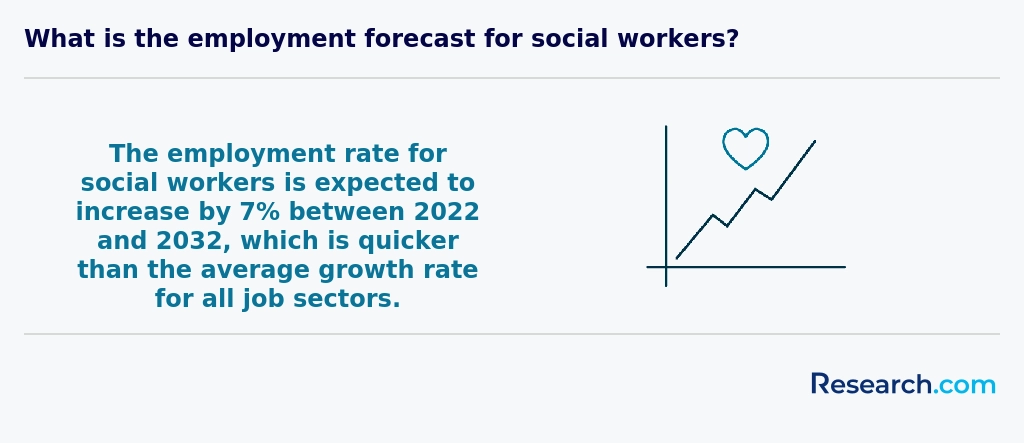
The job market for those with an online human services degree in America is looking pretty bright right now. Graduates from colleges known for strong human services programs often land jobs quickly, working in places like community centers, healthcare clinics, or government agencies. Many students find themselves helping real people every day-whether it's supporting vulnerable populations or teaming up with nonprofits-which brings a lot of satisfaction and a sense of purpose.
Growth is strong nationwide, especially as more people seek mental health support and community resources. For example, schools like Arizona State University and University of Central Florida have graduates sharing how their degrees helped them secure roles in expanding fields like case management and advocacy. If you're wondering what jobs can you get with a human services degree, the options are wide, and the need in America is only growing.
Considering the online human services degree job outlook USA, this field benefits from both steady growth and flexible study options. It's an exciting time to jump in!
2027 Most Valuable Online Human Services Degree Programs Ranking in the USA
Investing in your education is a significant decision that can shape your future, and the Research.com team understands the importance of making informed choices. To assist prospective students, we have meticulously crafted the "2027 Most Valuable Online Human Services Degree Programs Ranking in the USA." Our commitment to quality, credibility, and accuracy is reflected in the extensive research and analysis conducted to compile this ranking.
We utilized the following reputable data sources to ensure a comprehensive evaluation of online human services degree programs:
By exploring this ranking, readers will gain valuable insights into the most valuable online human services degree programs, helping them make informed decisions about their educational paths and future careers. For more details on our methodology, please visit our Research.com methodology page.


# 3 position
Columbia Southern University
Master of Public Administration






Frequently Asked Questions About human services
Online human services degree students in America can enhance their learning by actively engaging with both coursework and practical experiences. Many accredited programs, recognized by the Council for Standards in Human Service Education (CSHSE), require hands-on internships or fieldwork. These experiences connect theory to real-world practice, a crucial step in mastering human services skills.
Utilizing campus resources, such as virtual tutoring and academic advising, also supports student success. According to the National Center for Education Statistics, students who participate in structured online support services are 30% more likely to complete their degrees.
Joining professional organizations like the National Organization for Human Services (NOHS) can expand networking and career opportunities. Finally, staying current with sector trends and policies through journals like the Journal of Human Services helps students remain competitive in this growing field.
The human services field is evolving rapidly, creating new opportunities for professionals with online degrees. One emerging niche is gerontology, driven by the aging U.S. population. The U.S. Census Bureau projects that by 2030, one in five Americans will be over 65, increasing demand for specialists in elderly care and support.
Another growing area is substance abuse counseling. The National Institute on Drug Abuse reports rising rates of opioid and alcohol dependency, emphasizing the need for trained counselors in prevention and recovery programs.
Technology integration in human services has also become vital. Professionals skilled in telehealth and digital case management systems are increasingly sought after to improve access and efficiency in service delivery.
Preparing for the job market after completing an online human services degree in America involves several strategic steps. First, gaining practical experience through internships or volunteer work during your studies is crucial. This adds to your resume and helps build professional networks. According to the Bureau of Labor Statistics, employment for social and human service assistants is projected to grow 12% from 2022 to 2032, indicating increased demand in the field.
Obtaining relevant certifications, such as the Certified Human Services Professional (CHSP), can also enhance employability. Networking through industry events and joining professional organizations, like the National Organization for Human Services, provides valuable connections and job leads.
Employers in the United States highly value human services degree graduates who possess strong interpersonal and communication skills. According to the Bureau of Labor Statistics, effective communication is crucial for collaborating with diverse populations and managing client needs. Critical thinking and problem-solving abilities are also essential, enabling professionals to develop tailored solutions for complex social issues.
Additionally, cultural competence is a growing priority. As workplaces become more diverse, practitioners must demonstrate understanding and respect for different backgrounds. Knowledge of ethical standards and confidentiality is mandatory, as these guide responsible client care. Finally, proficiency in data management and familiarity with digital tools can improve service delivery and employment prospects in this evolving field.
Finding internships relevant to a human services degree in America requires proactive research and networking. Start by exploring your university's career services, as many institutions offer dedicated internship placement support for online students. The National Organization for Human Services (NOHS) provides resources and internship listings specifically in this field.
Additionally, platforms like Handshake and Indeed often post internships geared toward social work, counseling, and community support roles. According to the Bureau of Labor Statistics, internships significantly improve hiring chances in human services careers.
Leverage local nonprofits, government agencies, and healthcare providers as potential internship sites. Contacting supervisors directly or joining professional groups can open more opportunities. Staying aware of application deadlines and required documentation is also crucial.
An online human services degree in America significantly enhances career mobility and advancement opportunities. According to the U.S. Bureau of Labor Statistics, employment in social and community service occupations is projected to grow 12% from 2022 to 2032, faster than the average for all jobs.
Holding an online degree from an accredited university allows professionals to qualify for higher-level roles, such as case managers or program directors, which often require at least a bachelor's degree.
Additionally, many employers value the flexibility demonstrated by graduates who complete online programs, indicating strong time management and self-discipline skills.
Professional certifications combined with an online degree can further increase earning potential and promotion prospects in fields like substance abuse counseling or mental health services, as noted by the National Association of Social Workers.
Studying for a human services degree in America equips students with a broad understanding of social welfare, psychology, and public health. This interdisciplinary approach is vital as human services professionals often collaborate with healthcare providers, educators, and social workers. According to the U.S. Bureau of Labor Statistics, many job roles require knowledge across multiple fields to address complex client needs effectively.
Online programs emphasize practical skills such as case management, counseling, and community outreach. These programs expose students to ethics, cultural diversity, and policy analysis, preparing them to work in varied settings like nonprofits, government agencies, and healthcare institutions.
Such training fosters adaptability and critical thinking, essential for navigating the interconnected challenges faced in human services today.
Choosing between a thesis and a non-thesis human services degree program depends largely on your career goals and learning preferences. Thesis programs require original research and extensive writing, which suits students aiming for roles in academia, research, or pursuing a doctorate.
Non-thesis options focus on practical skills and often include internships, preparing graduates for direct service roles in social work, counseling, and community organizations. According to the Council for Accreditation of Counseling and Related Educational Programs, around 60% of human services programs in the US offer both formats.
Consider workload, time commitment, and whether you wish to engage in scholarly research or applied practice when deciding.
American students seeking to study human services abroad through online programs have limited but growing opportunities. Most U.S. universities offering human services degrees do not have widespread partnerships with foreign institutions for joint online degrees. However, students can enroll in international online programs accredited in their home countries and transfer credits back to U.S. schools if accepted.
Additionally, some U.S. institutions provide study-abroad options combined with online coursework, allowing partial international experience without lengthy overseas stays. According to the National Center for Education Statistics, about 6% of U.S. college students participated in study-abroad programs in 2020, a small share including human services majors.
Students should verify program accreditation status through recognized agencies like the Council for Standards in Human Service Education (CSHSE) to ensure credits meet U.S. professional standards and licensing requirements.
Part-time jobs that complement a human services degree in America often provide valuable hands-on experience. Roles such as case aides, social work assistants, or crisis hotline responders are common. According to the U.S. Bureau of Labor Statistics, these positions offer practical insights into client interaction and community resource coordination.
Additionally, working as a residential counselor or youth mentor can enhance skills in counseling and support services. Many students find internships or roles in nonprofit organizations helpful, as these environments align closely with human services principles.
Gaining part-time experience in these areas can improve employment prospects and deepen understanding of social service systems.
Online human services students in America have access to a variety of networking opportunities despite not attending campus-based programs. Many universities provide virtual career fairs, online discussion forums, and social media groups tailored to human services disciplines. These platforms foster connections among peers, faculty, and potential employers.
Professional organizations such as the National Organization for Human Services (NOHS) also offer memberships, virtual conferences, and webinars. Participation in such groups allows students to engage with practitioners nationwide, gaining insights and job leads.
Additionally, online students often complete internships or field placements in local agencies, which help build in-person professional networks critical for employment in the human services field.
Alumni networks offer significant advantages to online human services degree students in America. These networks provide opportunities for mentoring and career guidance from graduates already working in social work, counseling, or community advocacy. According to the National Association of Social Workers, connections within these networks can increase job placement rates by up to 25%.
Access to exclusive job boards and internships often accompanies alumni membership, helping students gain practical experience during or after their studies. Engaging with alumni also fosters professional development through webinars and workshops tailored to evolving human services practices.
Moreover, networking enhances access to industry insights and can lead to collaborations on community projects, crucial for a field heavily reliant on relationships.
Customizing an online human services degree program in America involves selecting courses and concentrations that align with your career ambitions. Many accredited programs offer specializations such as case management, mental health, or social policy. According to the Bureau of Labor Statistics, roles in human services often require skills tailored to specific client populations or social issues.
Students can also choose electives focusing on leadership, addiction counseling, or crisis intervention, enhancing job prospects in community organizations or government agencies. Additionally, internships and practicum options provide practical experience relevant to your desired field.
Researching program accreditation and available support services can ensure the degree meets licensure or certification requirements important for career advancement.
Online human services students in America often face the challenge of balancing coursework with personal and professional responsibilities. Many adult learners juggle jobs and family commitments, which can affect study time and engagement. Additionally, limited access to high-quality internships or field placements can hinder practical experience, a key component of human services education. According to the National Organization for Human Services, nearly 40% of students report struggles with time management. Technical difficulties and lack of direct interaction with instructors also impact student retention and success rates. These hurdles require strong self-discipline and support systems to overcome.
With an online human services degree in the United States, graduates can pursue a variety of professional certifications that enhance career opportunities. One of the most recognized is the Certified Human Services Professional (CHSP) credential, offered by the National Organization for Human Services. This certification demonstrates competence and commitment to ethical standards in the field.
Additionally, graduates may qualify for certifications such as the Certified Case Manager (CCM) or Licensed Social Work Associate, depending on state requirements and additional education. Some states also provide credentials for substance abuse counseling or mental health support.
These certifications often require a combination of education, supervised experience, and passing an exam, helping professionals stand out in a growing job market expected to increase by 13% from 2021 to 2031 according to the U.S. Bureau of Labor Statistics.
Writing a winning application for an online human services program in America requires clear communication of your passion and relevant experience. Highlight any volunteer or professional work that demonstrates your commitment to helping others.
Many programs want to see your understanding of social issues; referencing recent data from the U.S. Bureau of Labor Statistics, which projects a 13% growth in human services jobs through 2031, can show your awareness of the field's importance. Be sure to tailor your personal statement to the specific values and mission of each school.
Include transcripts showing strong performance in social sciences and related fields. Letters of recommendation from supervisors or professors who know your work ethic also strengthen your application.
Lastly, proofread carefully and submit all materials before deadlines to present yourself as a serious, detail-oriented candidate ready to succeed in America's evolving human services sector.
Human services careers in America are increasingly viewed within a global context, highlighting the shared challenges of social welfare worldwide. According to the U.S. Bureau of Labor Statistics, employment in human services is expected to grow 13% from 2021 to 2031, reflecting demand for skilled professionals addressing mental health, poverty, and community development.
Globally, human services roles often involve collaboration with international organizations like the United Nations, which promotes standards in social work and community care. American degree programs are adapting by integrating multicultural perspectives, preparing students to work with diverse populations.
Online human services degrees in the U.S. provide access to current practices and frameworks that align with global human rights and social support standards measured by institutions such as the Council on Social Work Education.
Gaining practical experience while studying for an online human services degree in America is essential for career readiness. Many accredited programs require or strongly recommend internships or practicum placements. These hands-on experiences often take place at local agencies, nonprofits, or government organizations where students apply theory to real situations.
Students can also seek virtual internships, which have grown due to advancements in telehealth and remote services. According to the Council for Accreditation of Counseling and Related Educational Programs (CACREP), practical training increases employment prospects by 30% in human services fields.
Additionally, joining professional associations such as the National Organization for Human Services can offer networking and volunteer opportunities to build experience during studies.
Choosing the right concentration within an online human services degree in America depends on your career goals and interests. Human services programs often offer focuses like addiction counseling, mental health, or gerontology. The U.S. Bureau of Labor Statistics notes that employment for social and human service assistants is expected to grow 13% from 2021 to 2031, highlighting demand in diverse areas.
Research the specific needs of your target community or population to align your concentration with job opportunities. Consider accreditation and curriculum relevance, as programs accredited by the Council for Standards in Human Service Education ensure quality and industry recognition.
Hands-on training and practicum availability are vital for gaining real-world experience, even in online settings. Finally, review faculty expertise and available resources to find a program that supports your professional development effectively.
- How To Navigate Human Services Challenges in 2026 https://nctinc.com/blog/how-to-navigate-human-services-challenges-in-2026/
- Best undergraduate courses in Human Services to study abroad - Edvoy https://edvoy.com/courses/undergraduate-human-services/
- Professional Networking in Social Work: 2025 Complete Guide https://www.socialworkdegrees.org/professional-networking-in-social-work
- Utilize Your Alumni Networks https://www.keg.com/news/ways-to-use-your-alumni-networks-for-the-better
- Health and Human Services Career Guide https://www.ultimatemedical.edu/blog/hhs-guide/
- How to Maximize the Impact of Alumni Networks https://www.careeros.com/resources/how-to-maximize-the-impact-of-alumni-networks
- The Heart of Employment: Jobs and Opportunities for Human Services Degree https://www.ucumberlands.edu/blog/jobs-and-opportunities-for-human-services-degree
- What do you learn in a bachelor's in human services? | edX https://www.edx.org/resources/what-do-you-learn-in-a-bachelors-in-human-services
- Study Social Work Abroad | Go Overseas https://www.gooverseas.com/study-abroad/social-work
- Writing a Human Services Resume – WNY Jobs https://www.wnyjobs.com/writing-a-human-services-resume/