2027 Most Affordable Online Human Services Degree Programs Ranking in Minnesota

Co-Founder and Chief Data Scientist
Choosing the right human services degree can be overwhelming, especially when balancing cost and quality. This article presents the 2027 Most Affordable Online Human Services Degree Programs Ranking in Minnesota, carefully crafted by the Research.com team of data scientists to guide you toward smart choices.
Explore affordable programs that fit your lifestyle without compromising education. Earning a human services degree opens doors to meaningful careers, making a positive impact in communities. Whether you're starting fresh or advancing your career, this ranking helps you find options that truly matter.
Key benefits of getting online human services degree in Minnesota
- Human services graduates in Minnesota often find rewarding roles in social work and counseling, with typical US salaries ranging from approximately $35,000 to $50,000 per year, offering a stable income while making a positive impact.
- A typical career path includes positions such as case manager or community outreach coordinator, similar to graduates from the University of Minnesota who successfully enter diverse roles supporting individuals and families.
- Online degrees from institutions like Minnesota State University offer flexibility, allowing students to balance work and study while gaining the same valuable skills as traditional programs, making education more accessible and convenient.
- 2027 Most Affordable Online Human Services Degree Programs Ranking in Minnesota
- What can I expect from online human services degree in Minnesota?
- Where can I work with online human services degree in Minnesota?
What can I expect from online human services degree in Minnesota?
When considering the average cost of an online human services degree in Minnesota, many students find it surprisingly accessible compared to traditional on-campus programs. Graduates from respected schools like Metropolitan State University or Saint Cloud State University often share how their total tuition ranged between $10,000 and $20,000 for a bachelor's degree, reflecting not just affordability but sound investment.
This cost-effectiveness is amplified by the elimination of commuting and housing expenses, a relief for many balancing work or family commitments. One graduate describes managing coursework from home while working part-time, appreciating how savings on transportation allowed more focus on learning.
Financial aid tailored to Minnesota residents and scholarships further ease the financial burden, making education feel like an attainable goal rather than an overwhelming expense. For students determined to make a difference in social services locally, these programs offer a practical, economically smart path without sacrificing quality or hands-on experience.
Where can I work with online human services degree in Minnesota?
Graduates from online human services programs at schools like the University of Minnesota and Metropolitan State University often find themselves immersed in roles that transform communities. Many quickly step into positions within the Minnesota Department of Human Services, tackling real challenges like mental health support or elder care. These environments demand empathy and resilience, qualities sharpened during their studies, which graduates recall as both rewarding and deeply impactful.
Others discover their calling in nonprofits such as Tubman or PRISM, where they become advocates for homelessness prevention or substance abuse recovery. Working directly with individuals facing hardship sparks a profound sense of purpose-a feeling many graduates describe as life-changing and motivating.
Healthcare facilities also open doors, where graduates coordinate patient care in hospitals or rehabilitation centers, roles that test their ability to navigate complex systems and improve wellbeing. The blend of academic preparation and real-world exposure through Minnesota's programs makes these career paths vivid and attainable.
Even educational settings offer dynamic opportunities, allowing graduates to support families and students through social work-work praised for its immediate social impact. In Minnesota's diverse human services landscape, online degree holders do more than find jobs; they build meaningful, influential careers.
Graduates with an online human services degree in Minnesota often find themselves navigating a salary range between $35,000 and $60,000 annually, reflecting varied roles and experience levels. For instance, a recent graduate from a well-known Minnesota university who started as a social and human service assistant began earning close to $35,000, appreciating the value of steady income while gaining practical experience.
Those moving beyond entry-level positions, such as program coordinators or case managers working in the Twin Cities area, typically command wages approaching $50,000 to $60,000. Many find that combining their degree with certifications in substance abuse counseling or mental health not only deepens their impact but often elevates their pay slightly above these averages, giving a rewarding sense of professional growth.
Working for government agencies or prominent nonprofits in Minnesota can also mean benefits and pay that increase with seniority. Graduates from Minnesota State University or the University of Minnesota often describe how they enjoy the stability and supportive environments these workplaces offer-all while making a meaningful difference in their communities.
- Online human services degrees in Minnesota are offered by many accredited schools with flexible fully online or hybrid formats.
- Tuition for in-state students at public universities typically ranges from $9,000 to $15,000 per year, while some private schools can charge over $20,000 annually.
- Minnesota expects about 10% job growth in social and human service assistant roles through 2030, reflecting increasing demand.
- Entry-level salaries generally range from $35,000 to $40,000 annually, with experienced and certified professionals earning between $50,000 and $60,000.
- Students may have access to financial aid, scholarships, or employer tuition support, and some careers require additional licensure or supervised clinical hours after graduation.
Completing an online human services degree in Minnesota often challenges the traditional "four-year" timeline. Graduates from popular institutions like Metropolitan State University share how the flexibility of online programs allowed them to balance demanding jobs and family care, extending their bachelor's studies beyond the typical four years-but with no regret.
An associate's degree usually takes about two years full-time, but many students attending Saint Cloud State University online highlight how transferring prior credits sliced this time almost in half, accelerating their entry into the workforce.
For bachelor's degrees, while 120 credits generally imply four years, many Minnesotans studying human services part-time find themselves thriving through a slower, more manageable pace-some finishing close to six years, as financial aid guidelines often encourage.
Master's degree seekers at Bemidji State University describe their one-to-two-year journey as transformative, with intensive courses that sharpen leadership skills, sometimes juggling jobs simultaneously. Such real-life stories illustrate that completion time is less about the clock and more about integrating growth within complex lives.
Choosing between an online or on-campus human services degree in Minnesota often boils down to balancing flexibility with personal connection. Graduates from Metropolitan State University praise the online format for fitting coursework seamlessly into their busy lives, especially those juggling jobs or families. The freedom to study anytime empowers students to manage their own pace, creating a sense of independence that many find deeply satisfying.
Conversely, those who experienced on-campus programs at St. Cloud State University often highlight the energizing effect of face-to-face interactions. They share stories of vibrant classroom discussions and hands-on workshops that build confidence in real-world scenarios, which many feel are irreplaceable when honing interpersonal skills critical in human services.
Both paths demand internships, yet online students in Minnesota frequently recount the challenge-and pride-in independently securing local placements, strengthening their resourcefulness. On-campus peers, meanwhile, benefit from campus-facilitated opportunities, fostering a smoother transition into professional roles.
Ultimately, the choice reflects personal priorities: self-discipline and flexibility versus immersive community experience, each shaping a unique but equally valuable journey.
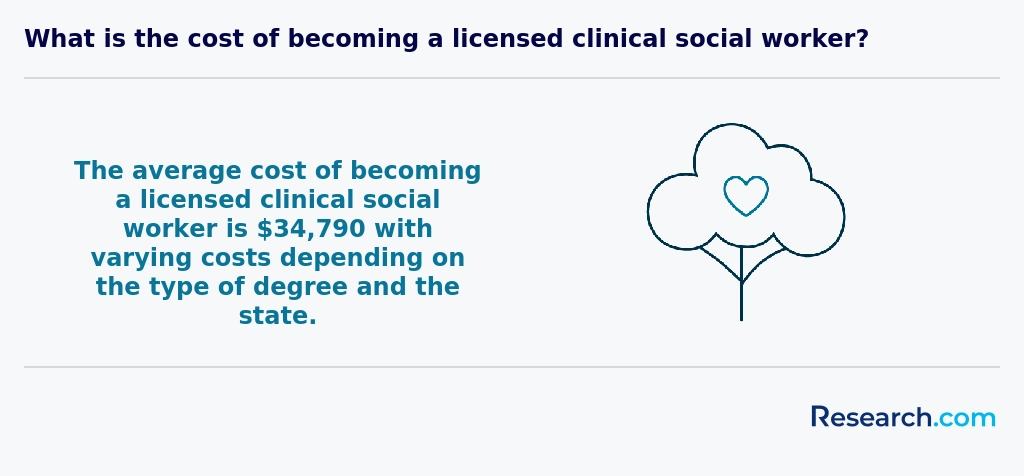
The average cost of an online human services degree in Minnesota typically centers around $20,640, a figure that many graduates find both surprising and encouraging given the comprehensive education it represents. Students attending popular institutions such as Metropolitan State University or Saint Cloud State University often reflect on how the manageable tuition, combined with state support, made pursuing their degrees less daunting. For many, this affordability is a key factor in choosing to study human services online rather than in-person, allowing them to balance work, family, and education seamlessly.
Those exploring affordable human services degree programs MN discover that community colleges can be a strategic starting point, offering courses at significantly lower rates while maintaining transfer pathways. Graduates often share how this approach enabled them to save money and gain foundational skills without sacrificing quality. Yet, private Minnesota schools, while pricier, open doors through scholarships and flexible payment plans, softening the financial impact for many determined students.
In considering the true cost, it's crucial to factor in additional expenses like technology fees and course materials, which, although modest, add up over semesters. Graduates from Minnesota's online programs emphasize that budgeting for these hidden costs early on fosters a smoother academic journey. Understanding these facets challenges the common misconception that an online human services degree must be exorbitantly expensive.
For those curious about career outcomes, exploring the best human services master's degree careers can deepen appreciation for the investment made. The balance between cost and opportunity makes earning a human services degree online in Minnesota an accessible choice for many determined to make a difference.
When navigating the financial landscape of an online human services degree in Minnesota, students often find more support than expected-beyond the usual federal student loans. Imagine a graduate from the University of Minnesota who balanced work and study, relying heavily on Pell Grants that covered nearly half their tuition, combined with the Minnesota State Grant that eased their financial stress further. These grants don't need repayment, a fact that transforms financial aid from a burden into a genuine opportunity.
Other graduates from Metropolitan State University often mention how scholarships from local organizations like the Minnesota Social Service Association bridged gaps for textbooks and technology-essentials for remote learning. These targeted awards reflect Minnesota's strong commitment to growing its human services workforce. Additionally, many students benefit from employer tuition reimbursement programs, a lifeline in a state investing deeply in public health and social services.
Veterans tapping into the Minnesota GI Bill find significant financial relief, showcasing how institutional and state programs actively dismantle barriers, making an online degree not just reachable but empowering.
Enrolling in an online human services degree program in Minnesota demands more than just paperwork-it requires demonstrating genuine readiness for this impactful field. Many students at institutions like Metropolitan State University or Saint Cloud State University recall struggling with the initial GPA threshold of around 2.0 to 2.5, realizing it pushed them to elevate their academic focus and commitment. This baseline isn't arbitrary; it reflects the rigor needed to thrive in human services work.
Imagine a graduate who first submitted official transcripts showing their high school diploma and navigated optional but encouraging SAT scores before discovering their personal statement became the pivotal moment to express true passion for helping communities. For non-native English speakers, achieving required TOEFL or IELTS scores brought its own sense of accomplishment-as these metrics ensure clear communication, vital for the field.
At the graduate level, the stakes rise. Prospective students must present a bachelor's degree with a GPA near 3.0, backed by meaningful service experience and letters of recommendation. Such prerequisites foster confidence that candidates are prepared to contribute thoughtfully to Minnesota's growing demand for skilled human services professionals.

Online human services degree programs in Minnesota go beyond textbooks by immersing students in courses like human behavior, social welfare policy, and case management-subjects that graduates describe as eye-opening to real community challenges. Imagine understanding the roots of mental health struggles in Minneapolis neighborhoods or recognizing the social dynamics affecting rural families around Bemidji State University. This isn't just theory; many students recount how courses in counseling techniques and crisis intervention gave them hands-on confidence to support individuals facing addiction or homelessness.
Students often highlight the importance of cultural competence classes, which resonate deeply in Minnesota's diverse landscape. Graduates recall learning to engage respectfully with Native American communities or immigrant families, skills they say transformed their approach to service. Electives like grant writing and substance abuse counseling provide practical tools tailored to individual passions, making the education feel highly personal and empowering despite the online format.
Ultimately, students appreciate how internships embedded in these programs bridge the gap between study and real-world impact-making them eager to become the compassionate professionals Minnesota's healthcare and human services sectors desperately need.
Specializations in Minnesota's online human services degree programs challenge students to embrace the complexity of societal needs rather than settling for a generalist approach. Graduates from universities like Metropolitan State and Saint Cloud State often share how focusing on areas such as Addiction Counseling or Mental Health Services transformed their understanding of local challenges deeply ingrained in Minnesota's communities. These paths let students engage directly with issues like the opioid crisis or mental health stigma, making their learning intensely personal and impactful.
Others pursuing online human services degree specializations Minnesota appreciate how programs in Gerontology or Disability Services respond to real demographic shifts, like the growing aged population or need for inclusive care. The hands-on training, even delivered virtually, stimulates a feeling of readiness to advocate effectively within Minnesota's diverse social landscapes.
For those weighing career paths, some graduates found that community-driven fields such as Community Organization and Advocacy reveal the power of grassroots change, which reshapes how they view social improvement.
Choosing a focused track within a Minnesota program is more than academic-it's a commitment to meaningful, tailored impact. Potential students might consider an accelerated human services bachelors degree online to enter these fields quickly while specializing for maximum relevance.
Choosing the best online human services degree in Minnesota means looking beyond surface factors like tuition and convenience. Graduates from well-known programs at Minnesota universities often highlight how accreditation by bodies like the Higher Learning Commission ensured their degree carried weight in local job markets. You want a degree with curriculum tailored to practice settings common in the state, whether that's counseling in Twin Cities nonprofits or administration roles in rural social service agencies. Reflect on your own career goals: will the program's focus on community outreach or clinical social work align with your passion? Flexible scheduling was a game-changer for many working students balancing family and internships with coursework.
Finding affordable human services degrees Minnesota online doesn't mean settling for less. Students have praised programs offering internships within Minnesota's robust social services network, giving real-world experience alongside academic learning. Explore programs that offer support services like career advising and field placement. For a deeper dive into the landscape, consider viewing data on the best human services degree online options and their outcomes.

Graduates with an online human services degree in Minnesota often step into impactful roles that challenge the traditional notion of social work as merely assistant-level tasks. Many find themselves as case managers, guiding clients through securing critical resources like housing and healthcare, making tangible differences in communities. Others thrive as social and human service assistants, supporting busy counselors in ways that increase access to mental health services, an area growing steadily in importance throughout Minnesota. Some graduates from universities such as Metropolitan State and St. Cloud State describe the satisfying challenge of becoming community outreach coordinators, orchestrating programs that empower vulnerable populations.
The range of online human services career opportunities in Minnesota frequently expands beyond these roles, inspiring alumni to pursue specialized paths like substance abuse counseling or mental health case management. They find that practical experience combined with degrees from respected Minnesota schools equips them to respond innovatively to local needs. Students considering this journey often explore the human services master's degree jobs landscape to envision how advanced learning aligns with real-world impact.
The job market for online human services degree jobs Minnesota offers reveals a dynamic and growing landscape fueled by regional needs such as mental health support and community assistance. Graduates from well-known institutions like the University of Minnesota and Metropolitan State University often share stories of securing roles as social and community service managers or rehabilitation counselors shortly after completing their degrees. Their practical internships and practicum experiences, integrated into many Minnesota online programs, significantly boost their readiness to meet employer expectations.
Beyond the numbers, these graduates often express a strong sense of purpose working with vulnerable populations, illustrating the emotional rewards tied to their careers. The Minnesota Department of Employment and Economic Development projects about a 9% growth rate in such professions, outpacing national estimates and highlighting robust opportunities both in urban and rural settings.
Tuition affordability remains a crucial factor for many students choosing online pathways, with costs generally ranging from $7,000 to $15,000 per year at public schools. For those seeking an affordable human services degree online accredited, Minnesota's mix of quality and cost-effectiveness proves appealing, especially in a field where practical experience is equally valued alongside education credentials.
2027 Most Affordable Online Human Services Degree Programs Ranking in Minnesota
Investing in your education is a significant decision that can shape your future, and the Research.com team understands the importance of making informed choices. To assist prospective students, we have meticulously crafted the "2027 Most Affordable Online Human Services Degree Programs Ranking in Minnesota." Our commitment to quality, credibility, and accuracy is reflected in the extensive research and analysis conducted to compile this ranking.
We utilized the following reputable data sources to ensure a comprehensive evaluation of human services degree programs:
By exploring this ranking, readers will gain valuable insights into the most affordable online human services degree programs in Minnesota, helping them make confident and informed decisions about their educational paths. For more details on our methodology, please visit our Research.com methodology page.
# 1 position
Bethel University, Minnesota
Bachelor of Human Services


# 3 position
Walden University
Master of Human Services

# 4 position
Walden University
Bachelor of Human Services
# 5 position
Walden University
Doctor of Human Services
Frequently Asked Questions About human services
Students pursuing online human services degrees in Minnesota can enhance their learning by actively engaging with virtual class discussions and networking with peers and instructors. According to the Minnesota Department of Employment and Economic Development, the demand for qualified human services professionals is growing, making practical experience essential.
Internships and volunteer work in local agencies, even while studying online, provide valuable real-world insights. Minnesota's diverse population allows students to gain experience working with various communities, which is crucial for success in this field.
Additionally, utilizing campus resources like tutoring, career services, and library access-often available online-can strengthen academic performance. Setting a structured study schedule also helps maintain focus and progress.
The human services field is evolving with several emerging niches attracting attention from professionals and students alike. In Minnesota, areas such as gerontology, substance abuse counseling, and mental health services are growing rapidly due to an aging population and increased awareness of behavioral health issues. According to the Minnesota Department of Employment and Economic Development (DEED), jobs in substance abuse, behavioral disorder, and mental health counseling are projected to grow by over 20% through 2030.
Another notable niche is the integration of technology in human services, including telehealth and digital case management. This shift allows for more accessible services across Minnesota's rural communities. Online degrees increasingly emphasize these skills, preparing graduates for future demands in the sector.
After completing an online human services degree in Minnesota, graduates should focus on gaining practical experience to enhance employability. Internship opportunities and volunteer work within local organizations provide valuable hands-on skills. According to the Minnesota Department of Employment and Economic Development, demand for human services professionals is expected to grow by 11% between 2020 and 2030.
Building a professional network through local human services associations can open doors to job leads. Minnesota's clear licensure requirements for social service roles emphasize the importance of understanding certification processes early. Additionally, developing strong communication and case management skills is crucial for success in this field.
Employers in Minnesota highly value human services graduates who possess strong communication and interpersonal skills. These professionals often work with diverse populations, requiring empathy and active listening to effectively address clients' needs. According to the Minnesota Department of Employment and Economic Development (DEED), problem-solving abilities are essential for managing complex social issues.
Critical thinking skills help graduates assess situations and develop practical interventions. Additionally, knowledge of relevant laws and ethical standards in Minnesota's social services system is crucial. Technical skills, such as proficiency in case management software, are increasingly sought after, reflecting the state's emphasis on efficient service delivery.
Understanding cultural competence also ranks highly, as Minnesota's population includes various ethnic groups and indigenous communities. Data from DEED shows that as of 2023, employers in social assistance sectors prioritize adaptable graduates who can navigate evolving social challenges with professionalism and sensitivity.
Finding internships in Minnesota relevant to a human services degree involves targeting local social service agencies, nonprofit organizations, and healthcare providers. Students should start by contacting the career services office at their online college, as many institutions maintain partnerships with Minnesota-based organizations.
The Minnesota Department of Employment and Economic Development (DEED) website offers listings of internship opportunities and workforce programs tailored to human services fields. Additionally, the Greater Twin Cities United Way and local chapters of the National Association of Social Workers provide internship resources and networking events.
Focusing on agencies serving Minnesota's growing populations, including diverse communities in the Twin Cities metro area, can increase chances of placement. According to DEED, human services employment in Minnesota is projected to grow 8% from 2022 to 2032, indicating a steady need for interns and entry-level staff.
An online human services degree in Minnesota provides flexibility and accessibility for working adults seeking to improve their qualifications. According to the Minnesota Department of Employment and Economic Development (DEED), workers with at least a bachelor's degree in human services or a related field earn approximately 15-25% more than those with only a high school diploma.
Many employers in Minnesota's human services sector, including social work agencies and nonprofit organizations, value online degrees from accredited institutions as equivalent to traditional degrees. This acceptance allows graduates to pursue supervisory or specialized roles more readily.
Furthermore, with Minnesota's growing demand for social and health services professionals, online degrees broaden career mobility by enabling students to gain credentials without disrupting current employment.
Studying for a human services degree in Minnesota equips students with skills needed for interdisciplinary roles by emphasizing collaboration across multiple sectors. Programs typically include coursework in social work, psychology, public health, and criminal justice, reflecting the diverse nature of human services professions. This approach aligns with Minnesota's demand for professionals who can coordinate with healthcare providers, government agencies, and community organizations.
According to the Minnesota Department of Employment and Economic Development, human services jobs are expected to grow 10% by 2030, highlighting the need for adaptable, cross-trained workers. Online degree programs often incorporate case management and ethical decision-making, preparing graduates to operate effectively in team-based environments.
When choosing between a thesis and a non-thesis human services degree program in Minnesota, consider your career goals and learning preferences. Thesis programs emphasize research and require completing a substantial written project, which may be beneficial for those interested in further graduate study or careers in research and policy. Non-thesis programs focus more on practical skills and typically include internships or applied projects, making them suitable for students aiming to enter the workforce more quickly.
According to Minnesota State Colleges and Universities, about 40% of human services degrees incorporate a thesis option, reflecting a balance between research and practice-based learning.
Also, thesis programs often take more time to complete, potentially affecting tuition and living costs. Consult specific Minnesota schools' curriculum details to see which format aligns best with your professional ambitions.
Students based in Minnesota seeking to study human services abroad have several pathways through online programs offered by U.S. institutions with international components. While fully foreign-based human services degrees are rare for Minnesota residents, many accredited American universities incorporate global perspectives and internships in their curricula.
The Minnesota Department of Employment and Economic Development notes a 12% projected growth in human services roles by 2030, emphasizing the value of diverse international experience. Some online programs partner with foreign agencies, allowing students to engage remotely with global communities, enhancing practical skills without leaving the country.
Additionally, students can explore study-abroad opportunities during summer sessions or short-term residencies facilitated by U.S. schools, complementing their online coursework. These options blend Minnesota's strong online education framework with global insights essential for human services professionals.
Part-time job opportunities in Minnesota that complement online human services degree education often involve direct client interaction and administrative support. Roles like case aide, administrative assistant in social service agencies, and community outreach worker provide practical experience relevant to human services.
According to the Minnesota Department of Employment and Economic Development, social and human service assistants in the state earn a median wage of approximately $18 per hour, making these positions valuable for students.
Additionally, part-time roles in nonprofit organizations and counseling centers offer exposure to client assessment and advocacy skills important for human services careers.
These jobs help build a strong foundation for future roles in social work, counseling, and program coordination by applying theoretical knowledge in real-world settings.
Online human services students in Minnesota have several networking opportunities that complement their virtual studies. Many universities facilitate connections through virtual career fairs and online student groups focused on human services. These platforms enable students to engage with facilitators, peers, and potential employers across the state.
Local chapters of national organizations like the National Organization for Human Services (NOHS) often host virtual events and webinars accessible to Minnesota students. Participation in these events allows networking beyond campus boundaries.
Internship and practicum placements in Minnesota agencies remain vital, providing real-world experience and professional contacts. According to Minnesota's Department of Employment and Economic Development, the human services sector is projected to grow by 10% through 2030, increasing opportunities for connected students.
Alumni networks play a significant role in supporting online human services degree students in Minnesota. These networks provide valuable opportunities for professional networking, mentorship, and job placement assistance. According to the Minnesota State Colleges and Universities (Minnesota State) system, strong alumni connections can increase the likelihood of job referrals in the state's growing human services sector, which is expected to grow 8% by 2030 (Bureau of Labor Statistics).
Many alumni actively share career advice and industry insights, helping current students navigate challenges specific to Minnesota's social service landscape. Furthermore, alumni events and online forums foster a sense of community despite the remote nature of online programs.
This support is especially critical in human services, where local knowledge and relationships often influence career success and opportunities within state agencies and nonprofit organizations.
Customizing an online human services degree in Minnesota allows students to align their education with specific career goals. Many programs offer elective courses in areas like addiction counseling, social work, or gerontology, enabling focused skill development.
Some schools partner with local organizations for internships or practica, giving practical experience relevant to Minnesota's community needs. This hands-on training is vital for building professional connections and enhancing job readiness.
Furthermore, students can often select advisors to guide course choices based on career interests. Accreditation by bodies such as the Council for Standards in Human Service Education ensures curricula meet professional standards in Minnesota and beyond.
Employers in Minnesota value degrees tailored to sectors with growing demand, such as mental health and family services, which the state's Department of Employment and Economic Development highlights as areas of increasing opportunity.
Online human services students in Minnesota often face challenges related to balancing their studies with work and family responsibilities. Many learners are adults returning to education while managing jobs or caregiving, which can strain time and focus. Additionally, limited in-person interaction may affect networking opportunities crucial for careers in human services. Access to reliable internet and technology can also be a hurdle in rural areas of Minnesota, impacting participation in online classes. According to the Minnesota Department of Employment and Economic Development, human services roles are growing by 5% annually, increasing competition and the need for practical experience despite online learning.
With an online human services degree, students in Minnesota can pursue several key professional certifications that enhance employability and validate expertise. The most common credential is the Certified Human Services Professional (CHSP), offered by the National Organization for Human Services. This certification is widely recognized and highlights competence in supporting individuals and communities.
Other relevant certifications include the Qualified Mental Health Professional (QMHP) and Licensed Alcohol and Drug Counselor (LADC), both essential for roles in Minnesota's behavioral health sector. According to the Minnesota Department of Health, demand for certified counselors is expected to grow 10% between 2020 and 2030.
Acquiring these certifications often requires meeting education, experience, and exam criteria. They can significantly improve job prospects across social service agencies and healthcare settings in the state.
Writing a winning application for an online human services program in Minnesota starts with thorough preparation. Begin by researching programs approved by the Minnesota Office of Higher Education to ensure accreditation and quality. Highlight your motivation to support vulnerable populations, referencing Minnesota's growing demand for skilled human services professionals, which the Minnesota Department of Employment and Economic Development projects to grow by 9% through 2030.
Clearly articulate your career goals and relevant experiences, such as volunteer work or employment in social service settings. Emphasize your ability to succeed in a remote learning environment by demonstrating time management and self-motivation skills. Be sure to submit all required documents, such as transcripts and letters of recommendation, punctually to avoid delays in application review.
The human services career is increasingly valued worldwide for its role in improving individual and community well-being. Globally, professionals focus on addressing social challenges such as poverty, mental health, and access to education. In the United States, including Minnesota, this field emphasizes culturally competent care and evidence-based practices, aligning with international standards.
According to Minnesota's Department of Employment and Economic Development, demand for human services workers is projected to grow by 6% through 2030, reflecting a strong need for skilled professionals. Globally, similar trends appear, with governments investing in social programs.
Online human services degrees often incorporate these global perspectives, preparing students to work effectively in diverse settings both locally and internationally.
Gaining practical experience while pursuing an online human services degree in Minnesota is essential for career readiness. Students often complete internships or field placements with local agencies, such as community centers, social service departments, or nonprofit organizations. These opportunities provide hands-on experience and build professional networks.
Many Minnesota colleges partner with organizations approved by the Council for Standards in Human Service Education (CSHSE) to ensure quality placements. The Minnesota Department of Human Services also offers resources connecting students to relevant internships.
Online programs may require a certain number of practicum hours, typically 100-300, depending on the degree level.
Choosing the right concentration within an online human services degree program in Minnesota requires understanding your career goals and the local job market. Popular concentrations include mental health, social work, and substance abuse counseling, each addressing different community needs.
Research from the Minnesota Department of Employment and Economic Development highlights growing demand for mental health professionals, with a projected 10% job growth over the next decade. This may guide students interested in stable careers.
Consider your personal interests, internship opportunities, and how the concentration aligns with licensure requirements in Minnesota. Contacting program advisors can also clarify course content and career outcomes.
- 2027 Most Affordable Online Human Services Degree Programs Ranking in Iowa
- 2027 Most Affordable Online Human Services Degree Programs Ranking in North Dakota
- 2027 Most Affordable Online Human Services Degree Programs Ranking in Illinois
- 2027 Most Affordable Online Human Services Degree Programs Ranking in Missouri
- 2027 Most Affordable Online Human Services Degree Programs Ranking in Michigan
- 2027 Most Affordable Online Human Services Degree Programs Ranking in Kansas
- 2027 Most Affordable Online Human Services Degree Programs Ranking in Ohio
- 2027 Most Affordable Online Human Services Degree Programs Ranking in Colorado
- 2027 Most Affordable Online Human Services Degree Programs Ranking in Kentucky
- 2027 Most Affordable Online Human Services Degree Programs Ranking in Arkansas
- 6 Challenges of the Human Services Worker | Relias https://www.relias.com/blog/6-challenges-of-the-human-services-worker
- How to Overcome the Top Challenges Social Workers Face https://www.pacificoaks.edu/voices/social-work/social-work-challenges/
- 25 Best Online Human Services Degree Programs - Social Work Degree Center https://www.socialworkdegreecenter.com/best-online-human-services-bachelors/
- OSU Alumni Colleges, Groups and Networks https://www.fororegonstate.org/get-involved/groups-and-networks
- Home https://www.husson.edu/online/blog/2025/10/benefits-of-alumni-networks
- Human Service Week - List of ideas for topics for student groups https://www.human-service-week.org/past-human-service-weeks/human-service-week-2024/list-of-ideas-for-topics-for-student-groups
- Careers with a Degree in Human Services https://www.mhaonline.com/faq/careers-with-degree-in-human-services
- What Are My Career Options After a Course in Human Services? https://columbia.ca/career-options-after-a-course-in-human-services/
- How To Solve the Key Challenges Faced by Community Social Workers https://www.casebook.net/blog/how-to-solve-the-key-challenges-faced-by-community-social-workers/
- How To Navigate Human Services Challenges in 2026 https://nctinc.com/blog/how-to-navigate-human-services-challenges-in-2026/