2027 Most Affordable Online Human Services Degree Programs Ranking in Virginia

Co-Founder and Chief Data Scientist
Choosing the right human services degree program can feel overwhelming, especially when considering cost and quality. This article introduces the 2027 Most Affordable Online Human Services Degree Programs Ranking in Virginia, created by the Research.com team of data scientists to help you make an informed decision.
By exploring this ranking, you'll discover affordable options that balance value and education, making your learning journey more accessible and rewarding.
A human services degree opens doors to meaningful careers helping others, and this guide supports you every step of the way.
Key benefits of getting online human services degree in Virginia
- Human services graduates in Virginia can expect competitive salaries, with related jobs in the US often earning between $30,000 and $50,000 annually, offering a stable foundation for growth and financial independence.
- Career paths include social work, counseling, and community outreach, with Virginia's universities like Virginia Commonwealth University providing examples of graduates thriving in diverse human services roles.
- Online degrees from institutions such as Liberty University offer flexible schedules and reduced commuting time, making education more accessible for busy adults balancing work and family commitments.
- 2027 Most Affordable Online Human Services Degree Programs Ranking in Virginia
- What can I expect from online human services degree in Virginia?
- Where can I work with online human services degree in Virginia?
What can I expect from online human services degree in Virginia?
The average cost of an online human services degree in Virginia typically ranges from $10,000 to $25,000 for a bachelor's program, depending on the institution and residency status. Graduates from well-regarded schools such as George Mason University or Old Dominion University often highlight how this investment feels manageable when balanced against flexible payment plans and financial aid options these institutions provide.
Many students appreciate the affordability compared to national averages, especially given the value of gaining practical skills through local internships integrated into the curriculum. One graduate shared that completing a practicum at a nearby social services agency not only anchored their learning but also enhanced their job prospects without added travel expenses.
Looking ahead, online programs in Virginia are expected to further innovate flexible tuition models, making education even more accessible. The blend of cost-effectiveness and hands-on experience helps students envision a career path in human services that is both meaningful and financially sustainable.
Where can I work with online human services degree in Virginia?
Graduates with an online human services degree in Virginia often enter dynamic roles that directly impact communities, from government agencies like the Department of Social Services to nonprofit organizations addressing pressing social issues. For example, students from popular programs such as those at George Mason University or Virginia Commonwealth University describe stepping into careers as child welfare specialists or outreach coordinators, feeling fulfilled by making a tangible difference in people's lives.
Future career paths also increasingly include mental health clinics and behavioral health services, where graduates support individuals navigating emotional challenges through counseling and advocacy. Virginia's growing emphasis on behavioral health opens new doors in healthcare facilities and rehabilitation centers.
Some graduates find rewarding positions within public schools, acting as school social workers and counselors helping students face social or emotional difficulties-an experience many describe as deeply impactful and motivating. Others pursue roles in the private sector, managing employee wellness programs that support workplace mental health.
With Virginia's expanding demand for social and human service assistants, the outlook for graduates is promising, presenting a range of opportunities to use their skills in real-world settings to uplift others every day.
Graduates with an online human services degree in Virginia can anticipate earning between $40,000 and $70,000 annually, depending on their chosen career path and experience level. For instance, those entering roles like social and community service managers-common among alumni from schools such as George Mason University or Liberty University-report median salaries around $65,000. Early-career professionals may start near $45,000, while seasoned managers in areas like Richmond or Northern Virginia often see earnings exceeding $80,000.
Social workers with this degree generally earn a bit less, with annual incomes typically ranging from $50,000 to $55,000. Graduates who pursue advanced licenses or specialize in fields like child welfare often experience income growth, sometimes reaching over $60,000.
Students from these programs describe their future earnings as promising, especially when combined with certifications or targeted expertise in high-demand areas such as public health or substance abuse counseling. The steady demand in Virginia's nonprofit and social assistance sectors makes the investment in an online human services degree a hopeful step toward financial and professional fulfillment.
- Online human services degrees in Virginia offer flexible programs allowing students to complete coursework remotely while gaining skills to support vulnerable populations.
- The cost for a bachelor's degree ranges from $20,000 to $40,000, with public and community colleges typically offering lower tuition, especially for in-state residents.
- Graduates can expect starting salaries between $35,000 and $40,000, with experienced professionals earning $45,000 to $60,000 or more annually.
- Employment for social and human service assistants in Virginia is projected to grow by about 13% through 2032, faster than the average for all occupations.
- Job opportunities are available in government agencies, community organizations, healthcare, and correctional institutions across Virginia.
Completing an online human services degree in Virginia typically ranges from two to four years, depending largely on whether students attend full-time or part-time. Graduates from popular institutions like the Virginia Community College System often share how starting with an associate degree enabled them to confidently transfer credits, reducing their overall timeline while gaining foundational knowledge.
Many students appreciate the flexible schedules offered by universities such as George Mason University, allowing them to balance work, family, and coursework-often stretching their journey to five years but maintaining steady progress. Some graduates express excitement about accelerated options that enable finishing in less than the traditional timeframe by enrolling year-round, a trend likely to become more common as online programs adapt to diverse lifestyles.
Additionally, the integration of fieldwork within coursework in Virginia's online programs often enriches the learning experience without significantly extending completion time, preparing students for real-world challenges. As these programs evolve, personalized pacing combined with practical components will likely enable even more tailored, satisfying educational journeys.
Many human services roles in Virginia call for specialized credentials that validate your expertise and enhance job prospects.
- Licensed Social Worker (LSW): Earn a BSW or MSW from a CSWE-accredited program, pass the ASWB exam and complete required supervised hours.
- Certified Case Manager (CCM): Hold a bachelor’s degree, accrue case management experience and pass the CCM exam through the Commission for Case Manager Certification.
- Certified Rehabilitation Counselor (CRC): Obtain a master’s in rehabilitation counseling, finish supervised internship hours and pass the CRCC exam.
Maintaining these credentials requires ongoing continuing education and renewal fees. For advanced behavior analysis credentials, explore online bcba programs.
Graduates from universities like Virginia Commonwealth University often describe online human services degrees as a game-changer for balancing work, family, and education. The flexibility of asynchronous lectures allows students to study late at night or during lunch breaks, creating a personalized rhythm that on-campus programs can't always offer. This adaptability is especially valuable in Virginia, where commuting across sprawling metro areas can add stress and expenses.
On the other hand, those who attend institutions such as James Madison University praise the immersive, face-to-face interactions that fuel their motivation and help them build networks. Many on-campus human services students find hands-on practicums and immediate faculty support invaluable, often landing local internships through campus partnerships that enhance real-world skills.
Looking ahead, Virginia's higher education landscape is poised to blend these strengths further. Imagine hybrid programs where online students gain access to virtual labs and AI-driven advising while still tapping into on-campus field placements-bridging convenience with connection in exciting new ways.
Graduates may need professional credentials to advance in human services roles and meet Virginia standards. Common requirements include:
- Certified Human Services Professional (CHSP) for general practice, requiring a degree and supervised experience.
- Licensed Clinical Social Worker (LCSW) for clinical counseling, issued by the Virginia Board of Social Services after postgraduate hours and exam.
- Board Certified Behavior Analyst (BCBA) credentials complement human services expertise; explore online bcba programs.
Maintaining licensure often involves annual fees and continuing education to stay compliant and competitive.
The average cost of an online human services degree in Virginia typically centers around a median total tuition of approximately $26,180, with in-state students often paying slightly less, near $24,244. This makes pursuing an affordable human services degree program in Virginia a realistic goal for many residents, especially as public institutions frequently offer lower tuition compared to private colleges. Graduates from well-known universities in Virginia often reflect positively on their investment, noting how manageable costs combined with flexible online coursework created a rewarding educational experience without the overwhelming debt.
Many students share stories of balancing work and family life while studying, appreciating how tuition rates aligned with their budgets and allowed them to pursue their goals without excessive financial strain. For instance, learners at established schools known for their human services programs find that the combination of reasonable tuition, comprehensive support, and community-based learning enhances their motivation and success. The cost-effective nature of online offerings in Virginia also opens doors for those aiming to advance swiftly through an accelerated online human services program, which helps reduce overall expenses by shortening the time to degree completion.
One of the appealing aspects prospective students weigh is the per-credit-hour pricing, which for in-state students at public universities often falls between $350 and $450. Private schools in the state, however, may charge anywhere from $700 to $900 per credit. Considering these rates, local students frequently explore scholarships, financial aid, and employer tuition reimbursement programs to further ease the financial commitment associated with the average cost of online human services degree Virginia programs.

After earning an online human services degree in Virginia, graduates often seek professional credentials to enhance credibility and career growth:
- Certified Human Services Practitioner (CHSP) through the National Board for Certified Human Services Practitioners; requires a relevant degree, ethics exam, and supervised practicum hours
- Licensed Master Social Worker (LMSW) via the Virginia Board of Social Work; mandates a master’s degree, 3,000 supervised post-graduate hours, and a licensing exam
- Certified Rehabilitation Counselor (CRC) from the Commission on Rehabilitation Counselor Certification; involves practicum experience, defined fieldwork hours, and a national exam
- Certified Alcohol and Drug Counselor (CADC) by the Virginia Board of Counseling; includes specialized coursework and clinical training
For those focusing on behavior analysis, consider exploring online bcba programs for BCBA certification pathways.
Financial aid for online human services students in Virginia offers a hopeful landscape for those balancing work, life, and education. Graduates from institutions like George Mason University often recall how federal Pell Grants, which can cover up to $7,395 annually, made a tangible difference in managing tuition costs ranging from $5,000 to $15,000.
State programs such as the Virginia Commonwealth Award and Tuition Assistance Grant provide targeted support, helping students feel that their commitment to serving their communities is recognized and valued. Many find that institutional scholarships at schools like Old Dominion University are within reach, rewarding both academic effort and financial need.
Looking ahead, more employers across Virginia's social services and healthcare sectors may expand tuition assistance, inspired by success stories of working adults who advanced their careers while pursuing degrees online. With ongoing federal and state loan options, students envision responsible borrowing as a bridge, not a burden.
Emerging partnerships with professional bodies like the National Organization for Human Services could create new scholarships, fostering a sense of belonging and motivation for future learners.
Professional certifications and state licensure boost your credibility and open doors to advanced human services roles in Virginia. Common credentials include:
- Certified Human Services Professional (CHSP): national credential showcasing expertise in ethics, advocacy, and client support.
- Licensed Social Worker (LSW/LCSW): mandatory for clinical practice; requires specific coursework, supervised hours, and a state exam.
- Board Certified Behavior Analyst (BCBA): specialized in behavior interventions; available through select online bcba programs.
- Certified Case Manager (CCM): demonstrates competence in care coordination, assessment, and resource navigation.
Requirements vary by credential-verify current education, exam, and supervision criteria with the Virginia Board of Social Work or relevant certifying body.
To enroll in an online human services degree program in Virginia, students typically start with a high school diploma or GED, meeting baseline academic standards. Graduates describe how institutions like George Mason University or James Madison University often require a minimum GPA around 2.0 to 2.5, ensuring students are ready for the program's demands. Many share that while standardized tests such as the SAT or ACT were once common prerequisites, several Virginia colleges have shifted toward test-optional policies, reflecting a more flexible and holistic admissions approach.
Applicants may also need to submit personal statements or recommendation letters, which help highlight their passion for community support-a factor praised by graduates who found this step boosted their confidence and commitment. Work or volunteer experience in social advocacy or healthcare frequently enhances acceptance chances, creating relatable pathways for those eager to engage directly with people in need.
Technical readiness is essential; reliable internet access and comfort using learning platforms are often expected given the digital nature of coursework, something many students appreciate as it aligns with modern professional environments.
Graduates seeking to advance in human services roles often need state licensure or national certifications to meet employer expectations and legal standards. Key requirements include:
- Licensed Graduate Social Worker (LGSW): Requires an accredited MSW, 3,000 hours of supervised experience, and passing the ASWB exam.
- Certified Human Services Professional (CHSP): A voluntary national credential validating competencies in direct service, management, and administration.
- Certified Case Manager (CCM): Offered by the Commission for Case Manager Certification; entails documented case management hours and a proctored exam.
- Registered Behavior Technician (RBT) or Board Certified Behavior Analyst (BCBA): For behavioral support roles, consider online bcba programs to meet education prerequisites and exam preparation.
Completing these credentials ensures compliance with Virginia regulations and enhances credibility across community agencies, healthcare settings, and nonprofits.
Online human services degree programs in Virginia often include courses like Introduction to Human Services, Case Management, and Counseling Techniques, providing a solid foundation for supporting individuals in need. Graduates from well-known institutions in Virginia describe how learning Ethics in Human Services helped them navigate complex real-world dilemmas during their internships at local agencies.
Courses such as Human Behavior and the Social Environment immerse students in understanding diverse populations, a critical skill highlighted by alumni who worked in community outreach throughout Richmond and Norfolk. Social Welfare Policy classes reveal how state laws shape service delivery, which graduates found empowering when advocating for clients.
Many programs also integrate crisis intervention and cultural diversity studies, emphasizing adaptive skills for rapidly changing social landscapes. Students from Virginia's top colleges often share that practicum experiences boosted their confidence, translating classroom knowledge into meaningful community impact. This hands-on approach reflects Virginia's growing need for versatile human services professionals ready to meet tomorrow's challenges.
Online human services degree programs in Virginia commonly offer specializations that allow students to tailor their education to specific career goals. Addiction counseling remains a strong focus due to the state's pressing needs, with graduates from universities reporting rewarding experiences working alongside individuals overcoming substance abuse. Emerging trends suggest a growing emphasis on gerontology, reflecting Virginia's aging population and creating new roles in elder care facilities and advocacy organizations.
Other concentrations like mental health services are gaining traction, particularly as students from prominent Virginia colleges find meaningful careers in crisis intervention and counseling. These areas align closely with public health initiatives in the state, demonstrating practical impact. For those interested in broad social impact, options such as community outreach and child and family services equip graduates with skills to design and manage impactful programs.
Students exploring online human services degree specializations Virginia-wide find programs that nurture not just academic knowledge but also personal fulfillment. Many highlight how such focused paths enhance employability and open doors to service roles that truly matter. Prospective learners can explore options thoroughly through a human services program online that fits their aspirations.
To select the best affordable online human services degree Virginia offers, focusing on accreditation and flexibility is essential. Graduates from popular Virginia colleges often share how regional accreditation assured them their degrees held weight with local employers, especially when preparing for certification such as the Certified Human Services Professional (CHSP). Programs that incorporate asynchronous coursework were praised for fitting into busy work and life schedules without sacrificing quality.
Considering curriculum depth reveals how top online human services programs Virginia provide specialized tracks, such as mental health or substance abuse counseling, aligning perfectly with graduates' career aspirations. Many students recounted how internships arranged through these programs connected them directly to community organizations in Virginia, turning classroom knowledge into valuable real-world experience.
Future professionals should also weigh cost alongside career support services. The possibility of personalized academic advising and career counseling tailored to Virginia's human services landscape inspired confidence among alumni. For those curious about earning potential, reviewing the master's in human services salary projections offers insightful motivation to invest wisely in education.
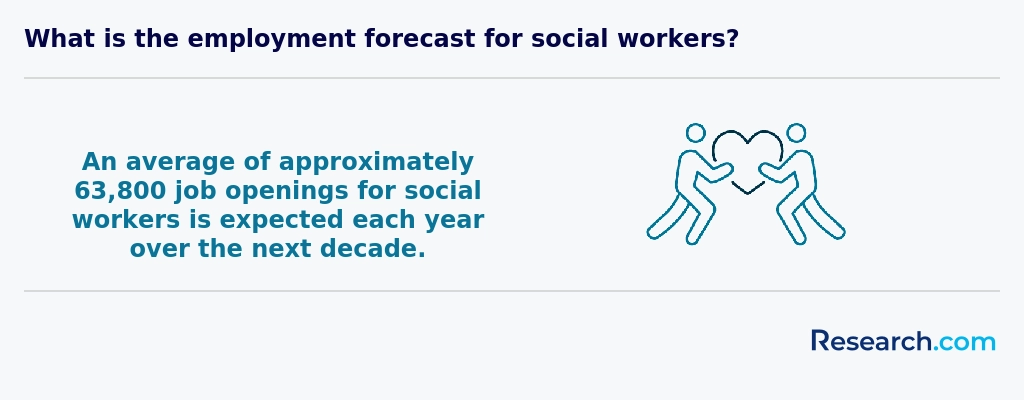
Graduates with an online human services degree in Virginia find themselves stepping into dynamic roles such as case managers, community outreach coordinators, and social services specialists. Many share experiences of working directly with diverse populations-from assisting at local non-profits in Richmond to supporting families through programs coordinated by universities like George Mason or Virginia Commonwealth University. This variety speaks to the rich potential in Virginia human services job opportunities, where every day can bring new challenges and rewards.
Looking ahead, emerging trends suggest increased demand for behavioral health technicians and rehabilitation counselors as wellness and holistic recovery gain focus. Graduates often describe the fulfillment found in helping at-risk youth or supporting individuals with mental health struggles, especially within expanding community health initiatives across Virginia.
Students balancing work and study have praised the flexibility of online programs, often highlighting how these programs prepare them for practical roles without sacrificing connection to Virginia's social service landscape. For those exploring finances, it's worth considering affordable online degrees for human services, which can make these career paths more accessible than ever before.
The job market for online human services jobs in Virginia shows strong potential as graduates find roles in diverse settings like local government, nonprofits, and healthcare. Graduates from popular Virginia colleges often share positive experiences of securing positions in community outreach or mental health support soon after completing their degrees. Many express satisfaction in contributing to impactful social service programs, reflecting the growing demand for skilled professionals in the state.
Virginia's human services degree employment outlook is promising, with projections indicating about an 8% growth in social and community service manager roles over the next decade. This growth offers new opportunities in family services, youth counseling, and addiction recovery, especially for those with certifications and practical experience. Students pursuing the masters in human services online degree programs can expect to benefit from this expanding landscape by connecting theoretical learning with real-world applications.
2027 Most Affordable Online Human Services Degree Programs Ranking in Virginia
Investing in your education is a significant decision that can profoundly impact your future, and the Research.com team recognizes the importance of making well-informed choices. To support prospective students in Virginia, we have carefully developed the "2027 Most Affordable Online Human Services Degree Programs Ranking." Our dedication to quality, credibility, and accuracy is demonstrated through thorough research and analysis carried out to produce this reliable ranking.
We utilized the following reputable data sources to ensure a comprehensive evaluation of human services programs:
By reviewing this ranking, readers will gain valuable insights into affordable and quality online human services degree programs in Virginia, empowering them to make confident decisions about their educational investments. For more information about how our rankings are created, please visit the Research.com methodology page.


# 5 position
University of Management and Technology
Master of Public Administration

Frequently Asked Questions About human services
Online human services degree students in Virginia can maximize their learning by actively engaging with coursework and leveraging available resources. Virginia's educational institutions often provide virtual tutoring, academic advising, and library services tailored for online learners. Participating in discussion forums and group projects helps build practical skills and professional networks.
Taking advantage of Virginia's extensive community and nonprofit organizations for internships or volunteer work complements online studies with real-world experience. According to the Virginia Department of Behavioral Health and Developmental Services, practical exposure is crucial to success in this growing field.
Additionally, staying organized and setting a consistent study schedule improves retention and progress in fully online programs.
The human services field in Virginia is rapidly evolving, with several emerging niches attracting attention. One significant growth area is gerontology, focusing on supporting the state's increasing elderly population. According to the Virginia Department of Aging and Rehabilitative Services, the 65+ demographic in Virginia is projected to grow by 30% by 2030.
Another promising niche is behavioral health, including substance abuse counseling, driven by the ongoing opioid crisis. Virginia's Department of Behavioral Health and Developmental Services reports a steady rise in demand for qualified professionals in this sector.
Additionally, community-based disaster response and crisis intervention are gaining importance due to frequent natural disasters in the region. These niches offer online human services degree students specialized career paths aligned with Virginia's community needs.
After completing an online human services degree in Virginia, preparing for the job market is crucial. Start by gaining practical experience through internships or volunteer work, which many Virginia agencies value. According to the Virginia Department of Social Services, candidates with hands-on experience have better employment prospects. Networking is also important-join local professional organizations like the Virginia Human Services Association to connect with employers and peers. Additionally, consider obtaining certifications such as the Certified Human Services Professional (CHSP) to enhance your credentials. Keep updated on Virginia's workforce trends; for example, the U.S. Bureau of Labor Statistics predicts a 13% growth in social and human service assistant roles locally by 2031.
Employers in Virginia seek several key skills from graduates with online human services degrees. Strong communication skills are essential, as professionals often work directly with vulnerable populations and collaborate with various agencies. Critical thinking and problem-solving abilities help graduates address complex social issues effectively. According to the Virginia Department of Social Services, cultural competence is increasingly important because of the state's diverse population. Additionally, knowledge of ethical standards and confidentiality builds trust between clients and human services workers. Practical experience gained through internships or fieldwork enhances job readiness, making graduates more attractive to employers in this growing sector.
Finding internships in Virginia related to a human services degree involves exploring multiple local resources and networks. Many universities with online human services programs in Virginia maintain partnerships with community organizations, social service agencies, and non-profits to offer internship placements.
The Virginia Department of Social Services provides listings and resources for positions that often accept interns. Additionally, websites such as Virginia Career Works can help students access internship opportunities tailored to human services fields.
Students should also consider contacting agencies like the Children's Services Act offices or counseling centers to inquire about internships. Building a professional network through LinkedIn or attending local Virginia human services conferences can increase chances of securing quality internships.
Obtaining an online human services degree in Virginia can significantly enhance career mobility and advancement opportunities. The state's growing demand for qualified human services professionals, driven by expanding social programs and community health initiatives, creates favorable conditions for degree holders. According to the Virginia Employment Commission, the human services sector is expected to grow by 7% through 2028.
Graduates with an accredited online human services degree gain essential skills in counseling, case management, and social work practices, which are highly valued by employers. Many roles in Virginia require at least a bachelor's degree for entry-level positions, making the degree a crucial credential.
Additionally, holding a degree can lead to higher salaries and eligibility for supervisory or specialized roles. For example, the median annual wage for human services workers in Virginia was approximately $44,000 in 2022 (BLS). Overall, an online degree supports both entry into and upward movement within the field.
Studying for a human services degree in Virginia equips students with skills essential for interdisciplinary roles by emphasizing collaboration across social work, psychology, healthcare, and criminal justice fields. Virginia's online human services programs often integrate courses in counseling, community outreach, and case management, fostering a versatile knowledge base.
According to data from the Virginia Department of Social Services, interdisciplinary cooperation is vital in addressing complex social issues, such as substance abuse and homelessness. Graduates are trained to work alongside professionals from diverse backgrounds, enhancing their ability to develop comprehensive support plans.
Moreover, many Virginia institutions align their curricula with national standards from the Council for Standards in Human Service Education (CSHSE), preparing students for certification and varied professional environments. This broad educational approach supports adaptability in Virginia's evolving human services sector.
When choosing between a thesis and a non-thesis online human services degree program in Virginia, consider your career goals first. A thesis program emphasizes research skills and prepares students for roles in policy development, academia, or advanced graduate studies. In contrast, non-thesis programs focus more on practical skills and fieldwork, which suits those aiming for immediate employment in direct human services roles.
Virginia's workforce demand for human services professionals is growing, with the Virginia Employment Commission projecting a 12% increase by 2030. Programs aligned with licensing requirements and internships can enhance job readiness. Consult specific university guidelines and Virginia Board of Social Work regulations to ensure your chosen path meets professional standards and personal aspirations.
Students based in Virginia seeking to study human services abroad often face limited direct options through Virginia institutions, as most online programs focus on domestic coursework. However, some universities in Virginia partner with international organizations or offer study abroad opportunities integrated into their human services degrees. These options tend to be short-term, such as summer internships or service projects, rather than full-degree programs.
Virginia is home to several accredited institutions offering online human services degrees with global perspectives included in their curricula. According to the Virginia Council of Higher Education, about 15% of students participate in study abroad programs during their undergraduate studies, though this percentage is lower for online students.
The emphasis remains on gaining culturally competent skills relevant to human services work in diverse settings. Students interested in extended study abroad experiences may need to explore institutions outside Virginia or combine their online education with travel and local placements abroad independently.
In Virginia, part-time job opportunities that complement an online human services degree often involve roles in social support and community outreach. Positions such as case aides, residential counselor assistants, and crisis hotline responders allow students to gain practical experience while studying. According to the Virginia Employment Commission, these roles can provide valuable exposure to client interaction and service coordination.
Working in non-profits or government agencies focused on mental health or family services is also common. These positions typically require strong interpersonal skills and offer flexible hours, accommodating a student's schedule. Pursuing such jobs can enhance a graduate's resume and improve job prospects in the human services field.
Online human services students in Virginia benefit from several networking opportunities designed to connect them with professionals and peers. Many Virginia schools offering these programs provide virtual career fairs and alumni networking events, helping students engage with experienced human services workers.
Professional organizations like the Virginia Human Services Network offer memberships and online forums where students can exchange ideas and find mentors. Additionally, internships and practicum placements, often coordinated by universities, allow students to build contacts within local agencies.
According to the Virginia Department of Social Services, over 40% of social service jobs are in Northern Virginia, making regional networking vital for career growth.
Alumni networks offer significant advantages for online human services degree students in Virginia. These networks provide mentorship opportunities from graduates working in local agencies and nonprofits, helping current students understand real-world challenges in human services fields. Connections through alumni can lead to internships and job placements, which are essential in a competitive Virginia job market where human services roles are projected to grow by 12% through 2030 according to the Virginia Employment Commission.
Moreover, alumni often share insights about state-specific licensing requirements and professional development resources. This guidance helps online students navigate Virginia's regulatory environment effectively. Active alumni communities also facilitate networking events and online forums that keep students informed about industry trends and funding opportunities.
Customizing an online human services degree program in Virginia allows students to align their education with specific career goals. Many Virginia institutions offer flexible curricula where students can choose electives focused on areas such as substance abuse, mental health, or social work.
Students may also select certificate options alongside their degree, enhancing specialized skills that local employers value. According to the Virginia Department of Social Services, demand for workers with expertise in child and family services is growing, which influences elective offerings.
Advisors typically assist students in tailoring course sequences and practicum placements to match professional interests, providing practical experience while studying online.
Online human services students in Virginia often face challenges balancing coursework with personal and professional responsibilities. Many learners juggle full-time jobs, family care, and studies, making time management crucial. Internet connectivity issues can also disrupt access to lectures and assignments, especially in rural parts of Virginia where broadband access remains limited.
Another challenge is the limited availability of local internship opportunities, which are important for practical experience in fields like mental health or social services. According to the Virginia Department of Social Services, agencies' capacity to accommodate interns can be constrained, affecting students' hands-on learning.
Additionally, navigating financial aid options tailored for online learners can be complex. Despite these hurdles, demand for human services professionals in Virginia continues to grow, emphasizing the importance of overcoming these obstacles.
With an online human services degree in Virginia, graduates can pursue several professional certifications that enhance career opportunities. The most commonly sought credential is the Certified Human Services Practitioner (CHSP), offered by the National Organization for Human Services (NOHS). This certification validates foundational knowledge and skills in the field.
Additionally, those focusing on social work or counseling often pursue the Licensed Social Worker (LSW) credential regulated by the Virginia Board of Social Work. Although an online human services degree may require additional coursework for licensing, it provides a solid foundation.
Other certifications include the Certified Case Manager (CCM) and certifications in substance abuse counseling, which are valuable in Virginia's expanding health and human services sectors. According to the Virginia Department of Health Professions, demand for certified human services professionals continues to grow steadily.
Applying to an online human services program in Virginia requires clear and focused preparation. Start by thoroughly researching accredited Virginia institutions offering online degrees in this field to ensure quality education recognized by employers.
Highlight your passion for helping communities and practical experience with vulnerable populations, which Virginia's growing social services sector values greatly. Incorporate any volunteer work, internships, or relevant jobs.
Craft a strong personal statement explaining why you want to pursue human services and how the program's specific features match your career goals.
Pay close attention to application deadlines and required documents, such as transcripts and letters of recommendation, to present a complete, professional submission.
The global perspective on a human services career emphasizes the importance of culturally competent care and collaboration across nations. Professionals in this field address social issues such as poverty, mental health, and community development with an understanding of diverse populations. In Virginia, human services practitioners benefit from U.S. standards aligned with international frameworks like those promoted by the United Nations.
According to the Virginia Department of Social Services, demand for skilled human services workers is growing, reflecting a broader global need for support professionals. Online degrees in human services prepare students for roles that contribute to both local communities and global welfare efforts.
Gaining practical experience while pursuing an online human services degree in Virginia is essential for career readiness. Many programs incorporate fieldwork or internships as part of their curriculum, allowing students to work with local agencies remotely or in-person. Virginia's strong network of social service organizations, such as the Department of Social Services and community non-profits, provide opportunities for hands-on learning.
Students should proactively contact Virginia-based agencies for internships, as these experiences often count toward degree requirements and develop vital skills. According to the Virginia Board of Social Work, supervised experience is crucial for licensure in the field.
Online students can also engage in virtual volunteering or telehealth support roles to broaden experience during studies.
Choosing the right concentration within an online human services degree program in Virginia depends on your career goals and the needs of the local community. Virginia's human services sector includes areas like mental health, substance abuse counseling, and social work. According to the Virginia Employment Commission, social and community service managers earn an average annual wage of around $70,000 in the state, reflecting demand for skilled professionals.
When selecting a concentration, consider job growth projections and available internships or partnerships with Virginia agencies. Research each area's licensure requirements, which vary by specialization. Prioritize programs offering practical experience and support for state certification.
- 2027 Most Affordable Online Human Services Degree Programs Ranking in Kentucky
- 2027 Most Affordable Online Human Services Degree Programs Ranking in Pennsylvania
- 2027 Most Affordable Online Human Services Degree Programs Ranking in Ohio
- 2027 Most Affordable Online Human Services Degree Programs Ranking in Georgia
- 2027 Most Affordable Online Human Services Degree Programs Ranking in New York
- 2027 Most Affordable Online Human Services Degree Programs Ranking in Florida
- 2027 Most Affordable Online Human Services Degree Programs Ranking in Alabama
- 2027 Most Affordable Online Human Services Degree Programs Ranking in Massachusetts
- 2027 Most Affordable Online Human Services Degree Programs Ranking in Missouri
- 2027 Most Affordable Online Human Services Degree Programs Ranking in Illinois
- 2025 Most Affordable Online Human Services Degrees https://www.onlineu.com/most-affordable-colleges/human-services-degrees
- Home https://www.husson.edu/online/blog/2025/10/benefits-of-alumni-networks
- Is a Human Services Degree Right for You? https://www.ucumberlands.edu/blog/is-a-human-services-degree-right-for-you
- How to Overcome the Top Challenges Social Workers Face https://www.pacificoaks.edu/voices/social-work/social-work-challenges/
- Professional Networking in Social Work: 2025 Complete Guide https://www.socialworkdegrees.org/professional-networking-in-social-work
- Guide to bachelor's in human services | edX https://www.edx.org/bachelors/human-services
- What Are My Career Options After a Course in Human Services? https://columbia.ca/career-options-after-a-course-in-human-services/
- What is Human Services https://www.nationalhumanservices.org/what-is-human-services/
- Human Services | New River Community College https://www.nr.edu/hms/
- Online Bachelor’s Degree in Human Services https://www.monroeu.edu/academics/undergraduate-programs/school-criminal-justice/online-bachelors-degree-human-services