2027 Easiest Online Human Services Degree Programs Ranking in Boston, MA

Co-Founder and Chief Data Scientist
Are you thinking about pursuing a human services degree but unsure which program is the best fit for you in Boston? This article introduces the 2027 Easiest Online Human Services Degree Programs Ranking in Boston, MA. Created by the Research.com team of data scientists, the ranking is designed to help you make an informed decision about your education options.
By exploring this guide, you can discover approachable programs that match your goals and lifestyle. Earning a human services degree opens doors to meaningful careers where you can truly make a difference in your community.
Key benefits of getting online human services degree in Boston
- Human services degree graduates in Boston often pursue careers like social work or counseling, with average salaries around $48,000 to $56,000 per year nationwide, offering meaningful and stable income opportunities.
- An example graduate from Boston University highlights diverse career paths such as case management, community outreach, and advocacy, showing how this degree opens doors to impactful roles in social support.
- Obtaining a human services degree online from institutions like Northeastern University allows flexible scheduling and the ability to balance work and study, creating a more accessible path to education without sacrificing quality.
- 2027 Easiest Online Human Services Degree Programs Ranking in Boston, MA
- What can I expect from online human services degree in Boston?
- Where can I work with online human services degree in Boston?
What can I expect from online human services degree in Boston?
The average cost of an online human services degree in Boston typically lands between $15,000 and $35,000, a range that graduates from esteemed institutions like Boston University and Suffolk University often mention when reflecting on their journeys. Imagine juggling late-night study sessions while sipping coffee from your favorite local café, all without the subway commute-and knowing that your investment is shaping your future in a city buzzing with social change.
Many grads recall how this flexible pricing opened doors for them to dive deep into culturally rich course content and hands-on practicums arranged with Boston's nonprofits or healthcare centers. The cost supports not just lectures but access to community engagement, which fuels their passion and readiness for a workforce hungry for empathetic professionals.
Ultimately, this price point balances quality education with real-world impact, offering students a chance to transform lives-starting with their own.
Where can I work with online human services degree in Boston?
With an online human services degree from Boston's vibrant universities, graduates often find themselves woven into the city's social fabric, working at places like Boston Medical Center or Eliot Community Human Services. Imagine stepping into a bustling community center, where your role as a case manager shapes real lives by connecting families to resources they desperately need. One graduate recalled the fulfillment of navigating the complex networks of the Massachusetts Department of Children and Families, where every day meant advocating for children's safety and well-being in ways textbooks never fully captured.
Others embrace roles within the nonprofit landscape-organizations like Vinfen or the Greater Boston Food Bank-that pulse with energy and purpose. Here, graduates channel empathy into action, developing programs that uplift the city's most vulnerable.
Boston's online human services programs also prepare students to join dynamic teams in youth mentoring or school-based support services, forging relationships that inspire lasting change. Envision collaborating with peers from Northeastern or UMass Boston, united by a shared mission to heal and empower communities facing poverty, addiction, or instability.
Every position unlocks a deeper connection to Boston's heartbeat-where your work becomes a catalyst for hope in neighborhoods that depend on compassionate, skilled human service professionals.
Graduates with an online human services degree in Boston find themselves stepping into a vibrant job market where starting salaries often hover between $40,000 and $45,000 annually. Imagine a recent graduate from a well-known Boston institution navigating their first role as a social and human service assistant, earning around $48,000 a year. This is a solid foundation, especially considering Boston's robust healthcare and nonprofit sectors eager for compassionate professionals.
Experience acts like an accelerator here. Graduates moving into specialized social work roles-armed with bachelor's or master's degrees-routinely push their earnings toward the $60,000 to $65,000 range. Picture someone working in a Boston community mental health center or a school system where these figures reflect both dedication and local demand.
Many feel the satisfaction of stable growth, with opportunities to enhance salaries through certifications or advancing within key institutions peppered throughout Boston's social services landscape. This blend of purpose and pay creates a uniquely motivating career path for online human services graduates.
- Tuition for online human services bachelor's degrees in Boston typically ranges from $15,000 to $30,000, which is higher than the national average due to local living costs.
- Many Boston institutions offer fully online or hybrid programs that allow students to study remotely while maintaining professional connections in the area.
- Entry-level human services specialists in Boston earn about $40,000 to $45,000 annually after graduation.
- Experienced human services professionals can expect to earn between $55,000 and $65,000 per year, especially in supervisory or specialized roles.
- Graduates often find jobs in non-profits, healthcare, government agencies, and educational institutions focused on social equity and community support.
- Accredited programs in Boston qualify students for federal financial aid and improve employment prospects locally and nationally.
Imagine juggling your job, family, and dreams of a human services degree from a Boston college like UMass Boston or Northeastern-all online. For many, the finish line appears at two years for an associate degree when studying full-time, like those graduates who appreciated the nimble pace of community colleges weaving foundational skills in counseling and case management into their busy lives.
Bachelor's hopefuls often find themselves dancing between four and six years, especially when life insists on a part-time rhythm. Graduates from Boston University's online programs recall unlocking flexibility by stretching the journey yet savoring courses in psychology and ethics that fit their schedules.
Some savvy students accelerate through credit transfers, entering as juniors and cutting study time to roughly two years-turning prior credits into stepping stones.
Graduate human services learners from schools such as Boston College glide through master's programs in one to two years, balancing ambition with life's realities-all while embracing the city's vibrant energy and the online world's freedom.
Imagine two human services students in Boston: one navigates the bustling campus of a well-known university, exchanging ideas face-to-face in cozy study lounges, while the other balances coursework from a sunlit corner of their home, laptop humming softly. On-campus programs pulse with energy-group projects spark in-person connections, internships unfold in local community centers, and the tactile rhythm of campus life fuels motivation. Yet, online learners at Boston's reputable institutions tap into a different kind of flexibility, weaving studies around work or family, accessing lectures whenever inspiration strikes. Graduates from both paths share pride in overcoming unique challenges; the campus student thrives on direct mentorship and vibrant resources, while the online counterpart embraces digital forums and self-driven discovery.
Cost-wise, online options sometimes ease financial pressure with lower fees, though Boston's private colleges may charge similar rates regardless of format. Practicum placements? On-campus students often find seamless connections with nearby nonprofits, while online peers craft their own internships, forging personalized career paths. Both routes merge toward the same goal: empowering compassionate professionals ready to impact Boston's communities.
Picture yourself diving into an online human services degree in Boston, where the average price tag hovers around $71,500 total. Graduates often reflect on the balance between cost and quality-knowing their investment at institutions like University of Massachusetts Boston or Boston College blends accessible in-state tuition with the advantages of a dynamic urban environment. This median cost encapsulates tuition, fees, and the full journey to a diploma, helping you map out your financial future with a clear target in mind.
For those searching for affordable human services degree programs Boston shines with options that don't sacrifice opportunity for economy. Public universities tend to be wallet-friendlier, stretching your dollar farther without skimping on the community support and career resources that graduates cherish. It's common to see stories from students who appreciate the tangible connection to local agencies and nonprofits developed alongside their studies, an experience not just about learning but about thriving in Boston's distinct human services landscape.
Considering the effort and heart poured into this field, it's reassuring to know financial aid often cushions tuition's impact, making this investment feel less daunting. The pursuit of a human services degree in Boston, especially through flexible online programs, is a practical path toward making a meaningful difference.
Interested learners should explore the best online masters in human services to find programs that align costs with goals and lifestyle.

Imagine a Boston online human services student balancing a busy day, relieved by the whisper of a Pell Grant easing tuition burdens-up to $7,395 annually-making dreams feel closer in reach. Federal aid, like the FSEOG, dances alongside for those with extra financial needs, painting a safety net beneath ambitious learners at institutions like Boston University or Northeastern.
Graduate seekers at Bouvé College discover Federal Graduate PLUS Loans offering a bridge into advanced study, while OSFA's MassGrant adds a local glow, gifting thousands based on true financial need, soothing worries for Massachusetts residents.
Scholarships from local nonprofits and school funds sprinkle magic dust over human services students' journeys, transforming challenges into triumphs. Employer tuition assistance from Boston's healthcare hubs often steps in, letting working professionals weave education seamlessly with career growth.
Graduates recall how scouring national private scholarships and savvy early applications unlocked doors, turning perseverance into possibility within the vibrant tapestry of Boston's social service scene.
To step into an online human services degree program in Boston, you first unlock the classic gateway: a high school diploma or its twin, a GED. Graduates from local colleges often recall how showing these basics opened doors to dynamic online classes, where Boston's lively social landscape shapes every lesson.
Next, imagine prepping at a university like Northeastern or Boston University-where some alumni remember brushing up on English or psychology before plunging into core human services studies. These general education courses act like sturdy bridges, helping learners connect theory with Boston's bustling community clinics and nonprofit hubs.
For those chasing advanced degrees, the path narrows. It's a call to present a relevant associate or bachelor's degree, backed by transcripts reflecting steady success (think a GPA threshold hovering between 2.5 and 3.0). One graduate described this step as a "ticket to meaningful fieldwork," making practicum placements in healthcare settings underpinned by trust built from criminal background checks and proof of immunizations.
Boston's practitioners also speak warmly of submitting personal statements or letters of recommendation-it's their chance to share passion and readiness, painting vivid portraits beyond numbers on a page. This blend of credentials and heartfelt commitments is what breathes life into the city's human services programs, crafting professionals ready to serve with empathy and skill.

Picture yourself diving into courses like Introduction to Human Services, where Boston graduates recall unraveling the layered history of social support systems, making the city's rich community backdrop feel alive. Ethics and Professionalism classes become more than theory-they evolve as real dilemmas faced by local agencies serving Boston's diverse neighborhoods.
Imagine mastering Counseling Techniques through virtual role-plays, echoing stories from alumni of well-known Boston colleges who describe these lessons as their 'secret weapon' when stepping into bustling clinics or nonprofit offices.
Human Behavior and Social Environment courses paint dynamic portraits of the city's socio-cultural tapestry, helping students grasp why a person's story in Chinatown or Roxbury might differ dramatically from another's.
- Case Management teaches you precise strategies used by Boston's social workers to tailor services for clients juggling housing or health challenges.
- Helping Diverse Populations immerses you in cultural competence, preparing you to engage respectfully with the city's rich immigrant communities.
- Substance Abuse and Mental Health courses confront real epidemics affecting Boston, arming you with tools shared by recent graduates who felt ready to support local recovery programs.
- Research Methods equip you with practical skills to analyze community data-just as Boston programs emphasize translating research into tangible social improvements.
In Boston, students diving into online human services degree specializations find themselves immersed in fields that pulse with real-world urgency and local relevance. Imagine exploring Substance Abuse Counseling where graduates from city colleges feel a deep connection to tackling the opioid crisis sweeping Massachusetts, inspired by over 2,200 opioid-related deaths reported in 2021.
Others focus on Gerontology, preparing to serve Boston's aging population - a group as vibrant as the city itself, growing rapidly like the community around historic university campuses. Case Management students narrate stories of coordinating vital resources for homeless populations, often meeting clients on chilly urban streets, turning their classroom lessons into heartfelt action.
Community Mental Health specialization resonates through halls of renowned Boston institutions, aligning tightly with stats showing 1 in 5 adults dealing with mental illness each year. Youth and Family Services graduates share how they empower young lives across neighborhoods, drawing strength from their online programs' customized Boston-centric curricula built for social empathy and local impact.
For those curious about carving out their own career with a social service degree, these human services career focus areas in Boston offer a compass pointing firmly to community transformation.
Choosing the best online human services degree Boston offers feels like navigating a bustling city maze-with each program a unique neighborhood full of opportunities and challenges. Graduates from local colleges often speak of immersive internships woven into their curriculum, turning theory into real-world impact amid Boston's vibrant social service landscape. Imagine yourself working alongside community leaders, learning case management skills tailored to urban realities, or debating ethical dilemmas inspired by Boston's diverse populations.
Financially smart students seek affordable human services programs Boston MA provides, weighing tuition costs against scholarship chances. Many find relief in flexible, asynchronous formats that fit around busy lives while still offering robust support-academic advisors who feel like personal guides, and career counselors connected to Boston's growing human service workforce. This balance of cost and convenience is essential for sustained motivation and success.
Look for programs accredited by trusted bodies and those boasting strong ties to local agencies. These connections open doors, feeding alumni networks and job pipelines right in Boston's human services sector. For a deep dive into careers with a human services degree, explore careers with a human services degree, where you'll find examples rooted in this dynamic city.
Graduates with an online human services degree in Boston find themselves stepping into roles that ripple through the community like sparks of change. Picture a graduate from a popular Boston college navigating the vibrant nonprofit landscape, acting as a case manager weaving together healthcare and social services for families in crisis. Or envision a social service assistant collaborating with local hospitals, bridging the gap between patient needs and accessible resources, fueled by the city's rich network of agencies.
Boston's unique environment nurtures careers ranging from substance abuse counseling to community outreach, letting graduates transform empathy into action. Those who earn their human services degree job opportunities Boston report fulfilling experiences advocating for homeless populations or designing mental health programs that touch lives daily. Online learners appreciate the flexibility to balance real-world challenges while advancing their careers, especially within Boston's bustling social service sectors. For more insight, explore the best careers to pursue with a human services degree.
The landscape for online human services degree jobs Boston is alive with promise, as local nonprofits, hospitals, and government programs eagerly seek graduates ready to dive into community support roles. Imagine a graduate from a well-known Boston college, stepping confidently into a position as a Human Services Specialist at a community health center, where every day brings new challenges and the chance to impact real lives. Roles like Case Manager or Behavioral Health Technician are not just jobs but invitations to collaborate on solutions for homelessness and addiction recovery within vibrant Boston neighborhoods.
Graduates report optimistic salary prospects, generally ranging from $42,000 to $50,000 annually, with upward mobility as experience deepens. These Boston human services career opportunities are supported by local initiatives and the state's awareness of the growing social needs. Students often balance studies with work, benefiting from programs offered by top schools that understand this dynamic.
Exploring an accelerated human services bachelor degree online can be a smart route to enter this thriving market swiftly and competently.
2027 Easiest Online Human Services Degree Programs Ranking in Boston, MA
Investing in your education is a significant decision that can shape your future, and the Research.com team understands the importance of making informed choices. To assist prospective students in Boston, MA, we have meticulously crafted the "2027 Easiest Online Human Services Degree Programs Ranking." Our commitment to quality, credibility, and accuracy is reflected in the extensive research and analysis conducted to compile this ranking.
We utilized the following reputable data sources to ensure a comprehensive evaluation of human services degree programs:
By exploring this ranking, readers will gain valuable insights into the easiest and most accessible online human services degree programs available in Boston, MA, helping them make well-informed decisions about their educational paths. For more details on our methodology, please visit our Research.com methodology page.


Frequently Asked Questions About human services
Online human services degree students in Boston can enhance their learning by actively engaging with local organizations. Boston has a strong network of social service agencies, including the Massachusetts Department of Mental Health and the Boston Public Health Commission, which often offer remote internships or volunteer opportunities. These experiences complement coursework and provide practical skills relevant to the region.
Students should also utilize academic resources such as virtual study groups and library services offered by Massachusetts universities. Connecting with peers and faculty through online platforms fosters collaboration and deeper understanding. According to the National Association of Social Workers, networking significantly improves career outcomes in human services.
Finally, staying informed about Boston's demographic trends and social challenges, using data from the U.S. Census Bureau and local research centers, can contextualize academic knowledge and prepare students for local human services roles.
The field of human services is evolving rapidly, with several emerging niches gaining attention. One such area is gerontology, driven by Boston's aging population, where professionals support elderly clients with healthcare navigation and social services. According to the Massachusetts Executive Office of Elder Affairs, the senior demographic in Boston is expected to grow by over 20% by 2030, increasing demand for specialized care.
Another growth area is behavioral health, particularly substance abuse counseling. The opioid crisis has highlighted the need for trained human services workers to provide intervention and support. Boston's health agencies report rising calls for addiction recovery counselors.
Additionally, community-based disaster response services are expanding, focusing on emergency preparedness and trauma counseling. Online degrees now prepare students for these dynamic roles with flexible coursework tailored to current needs.
After completing an online human services degree in Boston, preparing for the job market requires strategic steps. Begin by gaining practical experience through internships or volunteer roles, which many Boston-area organizations offer to human services students. This experience can help build local professional networks and improve employability.
Additionally, pursue relevant certifications such as the Certified Human Services Practitioner (CHSP), which enhances credibility in Massachusetts. Boston's human services sector is expected to grow by 12% through 2030, according to the U.S. Bureau of Labor Statistics, highlighting increasing job opportunities.
Networking with local agencies and attending industry events can also provide valuable insights and connections. Developing strong communication and cultural competency skills is essential to succeed in the diverse Boston community.
Employers in Boston seeking graduates with online human services degrees prioritize strong communication skills. The ability to effectively listen and convey information is essential when working with clients from diverse backgrounds. Critical thinking also ranks high, as professionals must assess complex social issues and develop appropriate support plans.
Boston's human services sector values cultural competence, given the city's diverse population. Graduates equipped to understand and respect various cultural perspectives are in greater demand. Additionally, organizational skills are crucial for managing caseloads and coordinating services efficiently.
According to the Massachusetts Department of Labor, employers increasingly look for graduates familiar with relevant software and data tracking tools, which aid in program management and reporting.
Finding internships in Boston for human services students involves leveraging local resources and networks. Boston hosts numerous nonprofits, healthcare providers, and social service agencies that offer internship opportunities focused on community support and social work.
Start by exploring university career centers and online platforms like Handshake and Idealist, which frequently list internships in the Boston area. The Massachusetts Department of Public Health and organizations such as Boston Medical Center often provide internship programs relevant to human services.
Networking through professional groups like the Massachusetts Human Services Coalition can also connect students to valuable opportunities. According to the Bureau of Labor Statistics, internships greatly improve employment chances in this growing field.
Obtaining an online human services degree in Boston can significantly enhance career mobility and advancement within the region's social services sector. Boston's growing demand for qualified human services professionals means that graduates with accredited degrees are better positioned for roles in counseling, case management, and program coordination.
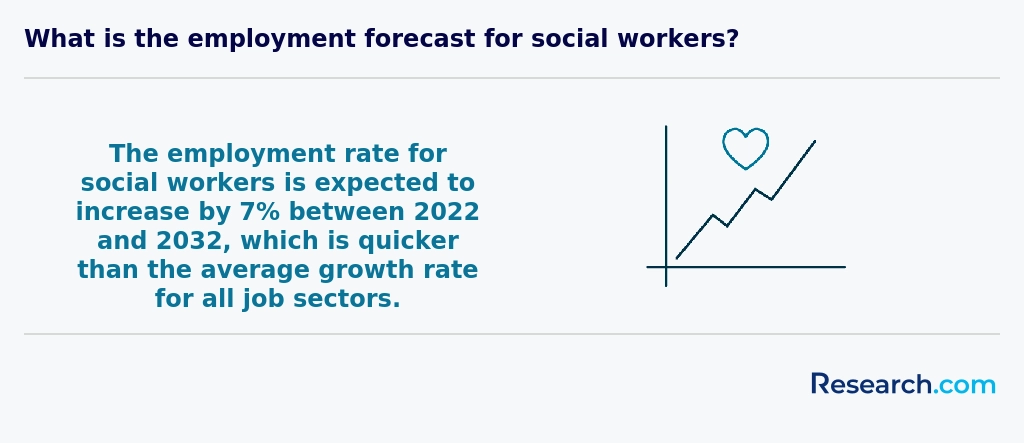
According to the Massachusetts Executive Office of Labor and Workforce Development, employment for social and human service assistants in Boston is projected to grow by 10% between 2022 and 2032, faster than the national average. An online degree allows working adults to gain credentials while maintaining their current jobs, increasing qualifications without career interruption.
Many local employers value the flexibility and self-discipline required to complete online programs, viewing graduates as adaptable and technologically capable. Additionally, earning a degree can open doors to supervisory positions, higher salaries, and specialization opportunities, supporting long-term professional growth within Boston's competitive human services field.
Studying for a human services degree in Boston equips students with skills to work across multiple disciplines, including social work, psychology, public health, and criminal justice. Boston's colleges emphasize collaborative learning, exposing students to diverse professional perspectives through online courses and practicum opportunities.
The curriculum often includes training in communication, case management, and community outreach, which are essential for interdisciplinary roles. For example, the Massachusetts Department of Elementary and Secondary Education notes an increasing demand for professionals who can navigate various social systems effectively.
Many programs also address urban challenges specific to Boston, such as housing instability and substance abuse, enabling graduates to apply integrated solutions in real-world settings.
Choosing between a thesis and a non-thesis online human services degree in Boston depends on your academic goals and career plans. A thesis option typically involves conducting original research and writing a substantial paper, which can prepare you for doctoral programs or research-focused roles.
Non-thesis programs usually emphasize coursework and practical skills, ideal for students aiming to enter the workforce directly or advance in clinical and social service settings. According to the Boston University School of Social Work, many local employers value hands-on experience alongside education.
Consider your time availability; thesis programs often require more commitment, while non-thesis paths can be completed faster. Reviewing specific Boston-based program requirements helps align your choice with long-term objectives.
Students based in Boston seeking to study human services abroad often explore online degree programs offered by accredited U.S. institutions with international partnerships. Many universities enable remote learning combined with optional study abroad or internship opportunities outside the country.
Within Massachusetts, Boston's strong network of colleges offers access to online human services degrees recognized nationally, facilitating credit transfer for study abroad experiences. The Council for Standards in Human Service Education (CSHSE) reports increasing online program availability, reflecting growing student demand for flexible global options.
Although dedicated Boston programs specifically for studying human services abroad are limited, students can leverage U.S.-based online courses and international practica arranged independently or through university affiliations. This approach ensures compliance with U.S. accreditation standards while gaining valuable global exposure.
Boston offers several part-time job opportunities that complement human services degree education. Positions such as case aides, peer support specialists, and community outreach workers allow students to gain practical experience while studying. These roles often involve supporting vulnerable populations and require strong communication and organizational skills.
According to the Massachusetts Executive Office of Labor and Workforce Development, Boston's health and social assistance sector grew by 5% from 2020 to 2023, highlighting increasing demand for human services workers. Part-time jobs in shelters, nonprofit organizations, and healthcare facilities provide valuable exposure to Boston's diverse communities.
Such positions not only enhance resumes but also reinforce classroom learning with real-world application, offering vital insight into human services careers.
Online human services students in Boston have several networking opportunities that help bridge the gap between virtual learning and professional connections. Many universities offering online programs, such as Northeastern University and Boston University, host virtual career fairs and alumni networking events specifically tailored for human services majors.
Local organizations like the Massachusetts Human Services Coalition provide workshops and community forums where students can meet professionals. Additionally, Boston's robust nonprofit sector offers internships and volunteer opportunities that enhance practical experience and foster connections.
Industry conferences held in Boston often include virtual attendance options, broadening access for online learners. According to the Boston Planning & Development Agency, over 20,000 people work in human services roles locally, reflecting a strong network of potential contacts.
Alumni networks offer significant advantages for students pursuing online human services degrees in Boston. These networks provide valuable connections with experienced professionals who understand the regional human services landscape.
Through alumni events and online platforms, students can access mentorship, job leads, and internship opportunities relevant to Boston's social work and community support sectors. According to the National Association of Social Workers (NASW), strong networking increases employment chances by up to 30% in this field.
Additionally, alumni can share insights into local employer expectations, licensing processes, and continuing education options that are crucial for human services roles in Massachusetts.
Customizing an online human services degree in Boston typically involves selecting electives and concentrations tailored to your career goals. Many accredited programs offer specializations in areas like substance abuse, mental health, or community outreach, allowing students to align their studies with local workforce needs. According to the Massachusetts Department of Labor, demand for human services professionals in Boston is expected to grow by 12% through 2030, emphasizing the value of targeted skills.
Students can also pursue internships or fieldwork hours at Boston-area agencies, which strengthens practical experience and networking opportunities. Online programs often provide academic advising to help map out a personalized curriculum within state licensure requirements.
Online human services students in Boston often face difficulties balancing coursework with work and family responsibilities. According to the National Center for Education Statistics, many adult learners juggle multiple commitments, leading to time management challenges. Additionally, limited in-person networking opportunities can make it harder to build professional connections, an important aspect in the human services field.
Technical issues and varying levels of digital literacy also present obstacles. This is particularly relevant for students unfamiliar with online learning platforms. Moreover, access to local internships and practicum placements in Boston's competitive market can be limited, affecting hands-on experience acquisition.
With an online human services degree, professionals in Boston can pursue several key certifications that enhance their career prospects. One of the most recognized is the Certified Human Services Professional (CHSP) credential, offered by the National Organization for Human Services (NOHS). This certification validates expertise in areas such as case management, advocacy, and agency administration.
Additionally, graduates might consider the Certified Alcohol and Drug Counselor (CADC) credential, which is valuable given Massachusetts' focus on substance abuse treatment. Local agencies often prefer candidates holding this certification. According to the Massachusetts Department of Public Health, the demand for certified counselors has increased by 15% over the last five years in the Boston area.
Other options include certifications in social work and gerontology, depending on specialization. These credentials are supported by national and state-level boards, ensuring professionals meet rigorous standards. Pursuing these certifications can significantly improve job opportunities at non-profits, healthcare providers, and government agencies in Boston.
To write a winning application for an online human services program in Boston, start by clearly articulating your motivation for entering the field. Highlight any relevant experience, such as volunteer work or jobs involving community support, which is valued in Boston's social service sector, known for its focus on public health and urban welfare.
Next, ensure your personal statement reflects an understanding of current challenges in human services locally, such as homelessness and substance abuse, issues prominently addressed by Boston's agencies, supported by data from the Boston Public Health Commission.
Additionally, tailor your resume to emphasize skills like communication, empathy, and crisis intervention, which Massachusetts employers prioritize. Include academic achievements and any certifications.
Finally, request strong recommendation letters from professionals familiar with your commitment to social equity or educational aptitude. Adhering to application deadlines and providing all required documents is also crucial.
Human services careers increasingly reflect global trends emphasizing cultural competence and community-based support. Professionals in this field must understand diverse populations and international best practices to address social challenges effectively. In the U.S., and specifically in Boston, human services workers benefit from training that incorporates these global perspectives.
Boston's human services programs often include curricula aligned with recommendations from the Council for Standards in Human Service Education (CSHSE), ensuring graduates can meet global workforce demands. According to the Massachusetts Department of Labor, employment in Boston's social and human services sector is projected to grow by 12% through 2030, indicating both local and global relevance.
Adopting international frameworks enables graduates from Boston's online programs to collaborate on transnational projects or engage with immigrant communities locally, which are substantial in Boston's metropolitan area. This dual focus strengthens career prospects across many human services arenas.
Gaining practical experience while studying for an online human services degree in Boston is essential for career readiness. Many programs integrate internships or fieldwork with local agencies, allowing students to work with diverse populations in settings like healthcare, social services, or nonprofit organizations.
Boston offers numerous opportunities through organizations such as the Boston Public Health Commission and local community centers. These partnerships give students hands-on experience while fulfilling degree requirements.
Additionally, students can pursue volunteer roles or paid positions that align with their studies, enhancing both skills and employability upon graduation. According to the Massachusetts Department of Higher Education, experiential learning significantly improves job placement rates in human services fields within the state.
Choosing the right concentration in an online human services degree program in Boston depends on your career goals and interests. Common concentrations include mental health, substance abuse, gerontology, and child welfare. Each area addresses specific community needs, with mental health and substance abuse services seeing growing demand due to Boston's focus on behavioral health initiatives (Massachusetts Department of Public Health, 2023).
Research local job market trends using sources like the Massachusetts Executive Office of Labor and Workforce Development. Some Boston programs offer practical internships aligned with their concentrations, so consider programs that connect theory with local community agencies.
Ultimately, prioritize a concentration that aligns with both your passion and Boston's evolving human services landscape.
- Bachelor's Degree - Human Services - Online https://www.monroeu.edu/academics/undergraduate-programs/school-criminal-justice/online-bachelors-degree-human-services
- Top Career Opportunities After a Human Services Program https://columbia.ca/career-options-after-a-course-in-human-services/
- Bachelor of Science in Human Services - Boston Location https://www.baypath.edu/academics/undergraduate-programs/human-services-bs-boston-location/
- MSW Programs in Massachusetts (2026 Update) https://www.masterofsocialwork.com/states/massachusetts/
- What do you learn in a bachelor's in human services? https://www.edx.org/resources/what-do-you-learn-in-a-bachelors-in-human-services
- Careers with a Degree in Human Services - MHA Online https://www.mhaonline.com/faq/careers-with-degree-in-human-services
- Human Services Associate Degree https://necc.edu/academics/credit-programs/human-services/human-services-associate-degree/
- Bachelor of Science in Human Services https://www.cambridgecollege.edu/academics/degrees-certificates/bachelors-degrees/human-services
- 2026 Most Affordable Online Human Services Degrees https://www.onlineu.com/most-affordable-colleges/human-services-degrees
- Human Services https://www.bhcc.edu/humanservices/