2027 Best Online Human Services Degree Programs Ranking in the Northeast

Co-Founder and Chief Data Scientist
Choosing the right online human services degree program is an important step for students in the Northeast. Our 2027 Best Online Human Services Degree Programs Ranking in the Northeast provides clear, data-driven guidance to help you make an informed decision.
Created by the Research.com team of data scientists, this ranking highlights programs that offer valuable skills and meaningful career opportunities. Reading the article can inspire confidence in your educational journey and open doors to rewarding roles in the human services field.
Explore options that fit your goals and start building a brighter future.
Key benefits of getting online human services degree in the Northeast
- Human services degree graduates in the Northeast often find rewarding careers with average salaries ranging from $30,000 to $45,000 annually, reflecting a meaningful income while making a positive community impact.
- Graduates from institutions like Syracuse University have diverse career paths, including social work, counseling, and program coordination, offering chances to support individuals and families directly.
- Completing an online human services degree from schools such as University of Massachusetts Amherst allows flexible study schedules and the ability to balance work or family, making education accessible and convenient without sacrificing quality.
- 2027 Best Online Human Services Degree Programs Ranking in the Northeast
- What can I expect from online human services degree in the Northeast?
- Where can I work with online human services degree in the Northeast?
What can I expect from online human services degree in the Northeast?
The average cost of an online human services degree in the Northeast can really vary depending on the school, but many students find it quite affordable compared to traditional on-campus options. For example, graduates from well-known regional colleges often share how they saved a lot on commuting and housing costs, which makes balancing work and study much easier. Tuition can range widely, but many programs fall somewhere between $10,000 and $25,000 for a bachelor's degree, especially when you factor in financial aid and scholarships designed just for online learners.
One common story you'll hear from grads is how flexible their programs were-letting them do internships close to home while still getting quality virtual classes. Schools focused on human services in the Northeast typically participate in federal aid programs, so a lot of students feel supported financially and emotionally, making the whole experience less stressful and more rewarding.
Where can I work with online human services degree in the Northeast?
If you earn an online human services degree in the Northeast, you'll find yourself with plenty of career paths to explore. Graduates from popular schools like universities in New York or Massachusetts often land jobs in local government agencies or nonprofit organizations dedicated to mental health, substance abuse, and eldercare. Imagine working in a busy city like Boston, helping people facing homelessness or supporting families affected by domestic violence-many grads share how rewarding that really feels.
Hospitals and rehab centers are also big employers. Some grads talk about how they coordinate patient care and connect folks with community resources, often right where they studied or close by. The healthcare and social assistance sector is booming in the Northeast, making it a solid place to grow your career.
Plus, lots of grads find satisfying roles in school districts or state agencies, supporting special education or child protective services. The mix of hands-on work and steady job growth makes it easy to stay motivated and feel like you're truly making a difference.
If you're earning an online human services degree in the Northeast, you can generally expect to start with salaries around $35,000 to $40,000, especially if you land entry-level roles like case aides or community outreach workers. Graduates from well-known schools such as those in Boston or Philadelphia often find steady work with salaries creeping up to the $45,000-$55,000 range once they step into positions like social service coordinators or human service specialists.
Many grads share how gaining certifications like the Certified Human Services Professional (CHSP) really boosted their paychecks, sometimes pushing earnings to $60,000 or more in bigger cities. For those landing specialized gigs in counseling or program management, wages can hit around $70,000, especially in urban hubs like New York and Boston where demand is strong.
Keep in mind, while city salaries come with a higher cost of living, many graduates appreciate the vibrant professional networks and career growth in these areas. It's a rewarding path, blending meaningful work with a growing salary that reflects your dedication and skills.
- Online human services degrees in the Northeast are available at associate, bachelor's, and master's levels from accredited institutions.
- Tuition for public universities ranges from $8,000 to $15,000 per year for in-state online students, while private schools charge between $20,000 and $30,000 annually.
- Employment in social and community service occupations is projected to grow by about 10% over the next decade in this region.
- Entry-level salaries for graduates average $38,000 to $45,000 per year, with mid-career wages between $50,000 and $65,000 depending on role and location.
- Top employers include nonprofits, healthcare providers, social service agencies, and government departments in major cities like New York, Boston, and Philadelphia.
- Programs focus on practical skills, ethics, and cultural competency, and students should ensure their program meets state licensure requirements for career advancement.
If you're wondering how long it takes to finish an online human services degree in the Northeast, it really depends on the type of degree and how you choose to study. For instance, associate degrees usually wrap up in about two years if you're going full-time, especially at community colleges in New York or Pennsylvania.
Now, if you're aiming for a bachelor's degree, schools like the University of Massachusetts or Rutgers offer programs designed to be completed in four years-though some students stretch that to five if they're juggling work or part-time classes. A lot of graduates appreciate the flexible pace; some used accelerated 6- to 8-week terms to finish faster, while others took their time to balance life and school without stress.
Many students also find that their prior work experience shortens the path, thanks to credit for professional skills. So, whether you're hustling through or taking it slow, Northeast programs give plenty of room to fit your lifestyle.
If you're juggling work or family commitments in the Northeast, an online human services degree can feel like a lifesaver. Imagine a student from a well-known university in Boston logging in late at night after their kids have gone to bed, catching up on coursework without the stress of a long commute. Online programs grant that kind of freedom, letting you study from anywhere-even from a cozy spot in rural Vermont or upstate New York.
On the flip side, some graduates from schools in New York have loved the buzz of on-campus life. Being able to chat face-to-face with professors or classmates adds a social spark that online classes just can't match. Plus, those in-person internships around Boston's community centers often come easier to on-campus students thanks to direct university connections.
Tuition-wise, both options tend to hover around $11,200 a year for in-state students in the Northeast, but going online can save you on parking fees and housing. Graduates often mention feeling proud choosing a path that fit their lifestyle while still gaining that crucial real-world experience.
The average cost of an online human services degree in the Northeast usually lands around $43,700 total, which fits nicely between what many students find at public and private schools. For example, graduates from well-known regional universities often share how in-state tuition around $36,500 made completing their degree manageable without piling on debt. Out-of-state students typically face costs in the low $42,700s, which might feel steep at first but is still competitive compared to national averages.
Many students appreciate finding schools with solid transfer agreements or community college partnerships to cut down expenses. Attending a state school with these programs feels like striking gold-affording that degree without all the financial stress. It's worth noting that tuition numbers don't always account for additional fees like technology or course access fees, which some schools add, so budgeting a bit extra helps avoid surprises.
Since the online human services degree tuition and fees Northeast can vary, it's smart to check specific schools' websites or reach out to admissions counselors directly. Many Northeastern institutions offer financial aid or scholarships that helped graduates keep their costs down while they focused on their studies. If you're curious about how programs stack up, you can explore more on what is a social service degree to decide if this path fits your goals and budget.

If you're diving into an online human services degree in the Northeast, there's good news: financial aid options can really make a difference. Many students from schools like those in New York and Massachusetts tap into federal aid by filling out the FAFSA, unlocking Pell Grants up to $7,395-money that doesn't need to be paid back. That's a relief when tuition can feel steep.
State aid is another game-changer, especially if you're a resident. For example, students in New York often use the Tuition Assistance Program (TAP), which can cover up to $5,665 per year. Graduates from Pennsylvania schools also rave about how combining state grants with federal loans made their education doable without drowning in debt.
On top of that, lots of colleges offer scholarships based on your background or achievements, and some employers chip in through tuition reimbursement. Graduates remember how these moments of support kept their goals within reach, turning challenges into real encouragement.
Plus, special scholarships from groups like the National Organization for Human Services help those committed to community work feel recognized and empowered while studying. It's a blend of help that can truly ease the Northeast's higher costs and keep your dreams alive.
Jumping into an online human services degree in the Northeast usually means you'll need a high school diploma or something similar like a GED. That's the basic starting point for most schools. For bachelor's programs, you'll often need to have taken some general education classes-think English and math-to show you can handle college-level work. A few schools in popular places like Boston or New York might still ask for SAT or ACT scores, but a lot are moving away from that test requirement, which is great news if standardized tests aren't your thing.
Graduates from well-known schools in the Northeast often mention how writing a personal statement really made them stop and think about why they chose human services. It's also a chance to show your passion. Getting letters of recommendation from people who know your dedication-maybe a teacher or someone you volunteered with-can really boost your application.
Some programs want proof you've had hands-on experience, like volunteering or internships in social service settings. It's a helpful way to prepare for the real-world stuff you'll face in your career. And since many Northeast schools tie in local practicum opportunities, you can gain valuable, nearby experience while studying online.
If you're looking into online human services degree programs in the Northeast, expect to dive into a mix of courses that really prepare you to make a difference. Graduates from popular schools often mention how classes like Introduction to Human Services lay the groundwork by covering the history and ethics of the field, which helped them understand their future roles better. Psychology and Human Behavior courses are a favorite too, because they shed light on why people act the way they do, making it easier to connect with clients.
Many students from colleges across New England and the Mid-Atlantic also highlight Sociology and Social Policy classes as eye-openers, since they explain how society influences individual challenges. Real-world skills come from Case Management and Counseling Techniques, which graduates say made them feel ready to handle actual client situations confidently.
Cultural competence is a big deal here, with plenty of emphasis on diversity to match the region's varied communities. Plus, courses in Substance Abuse, Crisis Intervention, and Research Methods round out the program, giving you the tools to support people facing tough situations every day.
If you're diving into an online human services degree in the Northeast, you'll find plenty of specializations that really match what the region needs. Graduates from popular universities here talk about how focusing on areas like Mental Health Services has given them the tools to support people dealing with substance abuse or mental illness-something incredibly vital in cities and towns across the Northeast. Others love specializing in Gerontology since the aging population in states like New York and Pennsylvania creates serious demand for elder care experts.
There's also Child and Family Services, which is perfect if you're passionate about helping vulnerable families thrive. Community Outreach and Development is another solid choice, especially if you want to work on improving local resources and making a difference on the ground. Disability Services rounds out the big options, focusing on support for individuals with physical or developmental disabilities. Many students find these specialized human services programs in Northeast online schools fit well with their goals and busy lives.
Wondering what jobs can i get with a human services degree? The right specialization can definitely point you in the right direction.
Picking the best online human services degree in the Northeast means paying attention to a few key things. Graduates from well-known colleges in the region often say that accreditation really matters-make sure the program is recognized by agencies like the Council for Standards in Human Service Education. That way, your degree will hold weight with employers and help you qualify for certifications. Tuition in the Northeast can be steep, so finding affordable human services degrees in the Northeast that fit your budget without sacrificing quality is a smart move. Many students love programs offering flexible schedules, especially those with options for synchronous or asynchronous classes, which makes juggling work or family easier.
Also, check if the school provides strong student support and connections for practicum placements-many grads talk about how these hands-on experiences shaped their careers. It's worth researching faculty backgrounds and graduation rates too, as those reflect the real value of the program. If you want to get a feel for career prospects after finishing, explore resources on masters of human services jobs.
Graduates with an online human services degree in the Northeast find a ton of career paths that really make a difference. Many jump right into direct client work, helping out in healthcare settings, rehab centers, or nonprofits where they support people dealing with mental health issues or substance abuse. Those who studied at popular schools in the region often share how rewarding it feels to work hands-on with clients, making real impacts in their communities.
Others take on administrative roles, becoming program coordinators or social service managers. These jobs, common in Northeast agencies and public health departments, give grads a chance to lead teams and manage projects that improve social welfare. There's also a growing demand for educators and advocates who create outreach programs related to poverty and homelessness-a perfect fit for people who love community engagement.
If you're curious about the quickest ways to get started, check out this shortest online human services degree options, which can open doors faster without sacrificing quality. Overall, the online human services degree careers Northeast offers are diverse and full of opportunity for those ready to jump in.
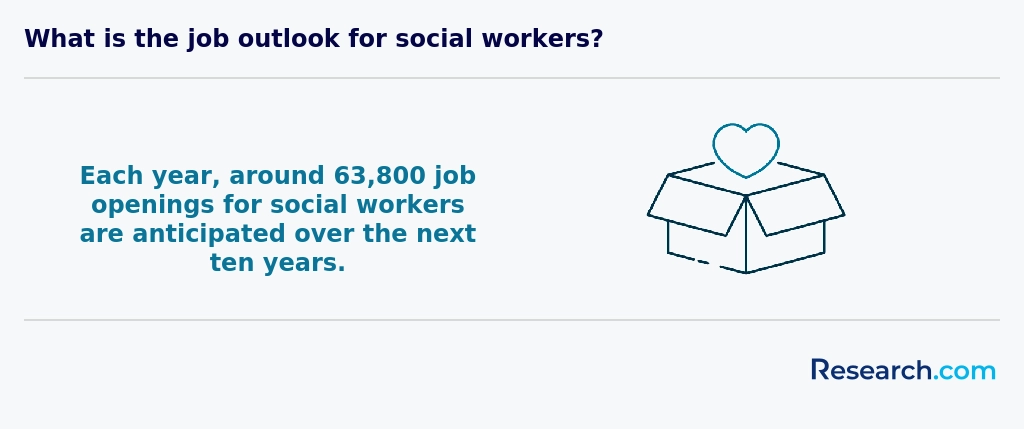
The job market for online human services degree jobs in the Northeast is buzzing with opportunities, especially for graduates from well-known universities and colleges in the area. Many grads find themselves working in healthcare centers, social service agencies, or local government programs, tackling real issues like mental health support or housing security. For example, a recent graduate from a popular Northeastern college shared how their internship through the school connected them directly to a community program, landing them a position soon after. This region's mix of urban and suburban communities creates a strong need for skilled professionals, making the outlook quite promising.
Those interested in the job outlook for human services graduates Northeast will be happy to know that salaries tend to be higher here compared to other parts of the country, usually between $40,000 and $50,000 annually. Plus, remote learning has really opened doors, letting students balance studies with real-life demands. If you're curious about where to start, you might want to explore online schools for human services degrees that align with local connections and certification opportunities.
2027 Best Online Human Services Degree Programs Ranking in the Northeast
Investing in your education is a significant decision that can shape your future, and the Research.com team understands the importance of making informed choices. To assist prospective students, we have meticulously crafted the "2027 Best Online Human Services Degree Programs Ranking in the Northeast." Our commitment to quality, credibility, and accuracy is reflected in the extensive research and analysis conducted to compile this ranking.
We utilized the following reputable data sources to ensure a comprehensive evaluation of human services programs:
By exploring this ranking, readers will gain valuable insights into the best online human services degree programs available in the Northeast, helping them make informed decisions about their educational paths. For more details on our methodology, please visit our Research.com methodology page.


# 6 position
Penn State University Park
Master of Public Administration


# 10 position
Penn State University Park
Bachelor of Political Science


# 16 position
John Jay College of Criminal Justice of the City University of New York
Master of Public Policy and Administration

# 17 position
St. Joseph's University, Brooklyn Campus
Master of Human Services/Human Services Leadership


Frequently Asked Questions About human services
Online human services degree students in the Northeast can maximize their learning by actively engaging with their coursework and community. Many accredited programs emphasize interactive components such as discussion boards, virtual internships, and group projects, which build practical skills. The National Association of Social Workers notes that 60% of Northeast agencies prefer candidates with field experience, so pursuing local internships-even remotely-can enhance employability.
Students should leverage regional networks and professional organizations like the New England Human Services Associations for mentorship and job placement. Additionally, staying updated on regional social issues through resources like the U.S. Department of Health & Human Services Northeastern reports can deepen understanding and context.
The human services field is evolving rapidly, with new niches emerging to meet changing community needs. In the Northeast, growing attention is given to gerontology, driven by an aging population. According to the U.S. Bureau of Labor Statistics, employment for social and human services assistants is expected to grow 17% nationally by 2030, with Northeast states like New York and Massachusetts seeing above-average demand.
Mental health advocacy and substance abuse counseling are also expanding, due in part to increasing awareness and funding for behavioral health programs. Additionally, trauma-informed care specialists are in demand, responding to heightened focus on addressing complex social issues.
Online human services degrees are incorporating these topics, preparing graduates to enter these specialized roles.
After earning an online human services degree in the Northeast, graduates should focus on building relevant skills and connections. Many employers in this region prioritize candidates with practical experience, so volunteering or internships within community organizations can be crucial. According to the Bureau of Labor Statistics, the Northeast has a strong demand for human services professionals, with job growth expected around 10% by 2031.
Networking through professional associations and local events can also help secure employment opportunities. Additionally, obtaining certification such as the Human Services-Board Certified Practitioner (HS-BCP) can enhance credibility. Finally, tailoring resumes to highlight regional needs boosts job prospects in this competitive market.
Employers in the Northeast highly value human services graduates who demonstrate strong communication and interpersonal skills. These abilities are essential for working effectively with diverse populations. According to the Bureau of Labor Statistics, human services roles in this region often require cultural competence and ethical decision-making, reflecting the area's demographic diversity.
Critical thinking and problem-solving skills also rank prominently. Graduates must assess client needs and develop appropriate intervention strategies. Additionally, familiarity with digital case management tools is increasingly important as agencies adopt modern technologies.
Leadership and teamwork capabilities support collaboration within multidisciplinary teams, a common workplace structure in Northeast human services organizations.
Finding internships in the Northeast relevant to a human services degree involves leveraging local resources and networks. Start by exploring partnerships between your online program and regional agencies. Many universities collaborate with nonprofits, healthcare facilities, and social service organizations.
The Northeast, especially states like New York and Massachusetts, offers numerous internship opportunities tied to government and community programs. According to the Bureau of Labor Statistics, human services fields in this region are growing about 5% annually, increasing internship availability.
Utilize online platforms such as Handshake or internships.com, filtering for Northeast locations and human services roles. Contact local agencies directly, as many listings might not appear online.
Networking through professional groups like the National Organization for Human Services' regional chapters can also open doors to hidden internships.
Obtaining an online human services degree can significantly enhance career mobility and advancement for professionals in the Northeast. This region has a growing demand for qualified human services workers due to expanding social programs and healthcare services. According to the U.S. Bureau of Labor Statistics, employment in social and community service occupations is expected to grow by about 12% from 2022 to 2032 nationally, with Northeastern states often exceeding this average.
Online programs offer flexibility, allowing students to continue working while earning credentials recognized by employers throughout the Northeast. Many employers value these degrees, especially from accredited institutions, which often lead to opportunities for higher salaries and supervisory roles.
Moreover, earning an online human services degree provides foundational knowledge and practical skills that meet regional licensing and certification requirements, crucial for advancing in specialized fields like substance abuse counseling or case management. Institutions in the Northeast frequently align their curricula with state regulations, facilitating smoother career progression.
Studying for a human services degree in the Northeast equips students with interdisciplinary skills essential for addressing complex social issues. Programs often integrate courses in psychology, sociology, public health, and social work, providing a broad knowledge base.
Northeastern institutions emphasize collaboration with local agencies and community organizations, offering practical learning experiences. According to the National Center for Education Statistics, the Northeast has a higher concentration of social service providers, which supports diverse field placements.
This region's human services degrees also focus on cultural competence and policy analysis, preparing graduates to work effectively across various sectors. Such interdisciplinary training enables graduates to adapt to roles spanning healthcare, education, and social welfare.
Choosing between a thesis and a non-thesis human services degree program in the Northeast depends largely on your career goals and learning style. Thesis options typically require original research and are suited for students considering doctoral studies or research roles. Non-thesis programs emphasize practical skills and often include internships, ideal for those seeking immediate employment in the field.
Data from the National Center for Education Statistics shows that about 40% of online human services programs in the Northeast offer thesis tracks, mostly at research-focused institutions. Students should consider faculty expertise and regional accreditation to ensure program quality.
Program length and flexibility also vary; thesis paths may demand more time, impacting working professionals. Reviewing these factors helps find the best fit.
Students based in the Northeast seeking to study human services abroad have limited direct options through local online programs. Most regionally accredited institutions focus on domestic curriculum and partnerships. However, some Northeastern universities offer exchange programs or study-abroad opportunities within broader social work or psychology degrees that may benefit human services majors. The Council for Standards in Human Service Education (CSHSE) notes that study-abroad remains uncommon but growing within accredited programs.
Many online human services degrees in this region emphasize practical, community-based learning within U.S. contexts. Financial and accreditation challenges typically restrict fully online study-abroad options.
Students interested can explore affiliated internships or practicum placements internationally, often arranged independently or through global nonprofit networks. According to the Association of Human Services (AHS), fewer than 10% of programs nationwide report formal abroad partnerships as of 2023.
Part-time job opportunities that complement human services degree education in the Northeast include roles such as case aides, community outreach workers, and peer support specialists. According to the U.S. Bureau of Labor Statistics (BLS) 2023 data, social assistance jobs in states like New York and Massachusetts are expected to grow by over 10% through 2030. These jobs provide practical experience working with vulnerable populations, which is valuable for human services students.
Many nonprofits and government agencies in the region offer flexible part-time positions. For example, community centers and local health departments often seek part-time employees to assist with client intake and resource coordination.
Such roles help students build soft skills and better understand systemic challenges faced by clients, making them highly relevant to their academic training and future careers in human services.
Online human services students in the Northeast benefit from diverse networking opportunities despite remote learning settings. Many accredited programs offer virtual career fairs, webinars, and discussion groups connecting students with industry professionals. Regional human services associations, like the New England Human Services Network, frequently host online and in-person events.
Additionally, students often access internship placements through university partnerships with local agencies in states such as New York and Massachusetts. According to the Bureau of Labor Statistics, the Northeast employs a significant 15% of the nation's social and human services workers, enhancing local networking potential.
These resources help students build connections essential for career advancement in the field.
Alumni networks play a crucial role for students pursuing online human services degrees in the Northeast by providing valuable professional connections. These networks often facilitate mentorship opportunities, allowing current students to gain insights and guidance from experienced graduates working in social work agencies, nonprofit organizations, and healthcare institutions common in this region.
According to the National Association of Social Workers (NASW), the Northeast hosts one of the highest concentrations of licensed social workers, amplifying the benefits of a strong alumni community for job placement and internships.
Moreover, alumni networks frequently share local job leads and continuing education resources tailored to the unique needs of Northeast communities, boosting students' career readiness and growth.
Customizing an online human services degree program in the Northeast allows students to align their education with specific career goals. Many institutions offer elective courses and specializations such as substance abuse, mental health, or community outreach. According to the National Association of Social Workers, tailoring coursework can improve job readiness in regional sectors like healthcare or social services.
Additionally, some programs incorporate internships or practicum opportunities in local agencies, providing practical experience in the Northeast job market. Flexible scheduling and credit transfer options help accommodate working professionals. Exploring programs accredited by the Council for Standards in Human Service Education ensures quality and relevance to evolving industry needs.
Online human services students in the Northeast often face unique challenges related to balancing work, family, and study commitments. According to the National Center for Education Statistics, adult learners make up a significant portion of online students, which means time management is essential. Connectivity issues can also impact remote learning, especially in rural parts of states like Maine and Vermont, where broadband access remains limited. Additionally, finding quality local internships or practicum placements for hands-on experience can be difficult due to competition and program restrictions. Financial concerns are another barrier; the average tuition for online human services programs in the Northeast tends to be higher than the national average, as reported by EducationData.org.
With an online human services degree, graduates in the Northeast can pursue several professional certifications to enhance their careers. One common option is the Certified Human Services Professional (CHSP) credential, which validates knowledge and skills in the field. This certification is nationally recognized and beneficial for those working in social services, counseling, or case management.
Additionally, many graduates pursue certifications such as the Certified Addiction Counselor (CAC), especially in states like New York and Massachusetts where demand for addiction services is high. Another valuable certification is the Licensed Social Work (LSW) credential, which often requires a human services degree plus additional supervised experience.
According to the National Organization for Human Services, individuals holding these certifications can expect better job prospects and a median wage increase of up to 15%, particularly in northeastern states where social service agencies are growing steadily.
To write a winning application for an online human services program in the Northeast, start by carefully reviewing each school's requirements, which may include transcripts, personal statements, and letters of recommendation. Highlight your commitment to community support and any relevant work or volunteer experience, as these programs value practical engagement. According to the National Organization for Human Services, Northeast programs often seek applicants who demonstrate both empathy and leadership potential.
Use clear, concise language in your personal statement to explain why human services matter to you personally and professionally. Mention your career goals aligned with regional social service needs. Finally, ensure your application is error-free and submitted before deadlines, usually between January and March for fall enrollment.
The human services field is increasingly viewed through a global lens, emphasizing cultural competence and diverse communities. Professionals with online human services degrees in the Northeast are positioned to address both local and international social challenges. According to the U.S. Bureau of Labor Statistics, the Northeast has a higher concentration of human services jobs compared to other regions, reflecting growing demand for culturally aware practitioners.
Global perspectives stress interdisciplinary approaches, integrating psychology, social work, and public health. This broad skill set is essential for tackling complex issues such as migration and mental health that cross borders.
Many degree programs in the region incorporate global case studies and collaborative projects, preparing students to work in multicultural environments. This experience is critical as U.S. agencies often coordinate with international organizations.
Gaining practical experience while pursuing an online human services degree in the Northeast is essential for career readiness. Many accredited programs incorporate supervised fieldwork or internships through local agencies. These placements allow students to apply classroom knowledge in real-world settings, such as community centers, social service organizations, or healthcare facilities.
Students often coordinate with their school's career services to find opportunities nearby. In states like New York and Massachusetts, there is a strong network of nonprofit organizations that regularly collaborate with universities for internships.
According to the National Organization for Human Services, practical experience boosts employability by 35% in this region.
Choosing the right concentration within an online human services degree program in the Northeast starts with understanding your personal and career goals. Common concentrations include substance abuse, social work, mental health, and community outreach. According to the National Association of Social Workers, demand for social services professionals in the Northeastern U.S. is projected to grow 12% through 2030, highlighting the importance of aligned specialization.
Researching job market trends in your state is crucial. For example, New York and Massachusetts have strong opportunities in mental health and addiction counseling fields due to regional healthcare priorities reported by the Bureau of Labor Statistics. Additionally, accreditation and faculty expertise in these specific concentrations can impact your learning quality.
Verify if concentrations offer internship or practicum placements within local agencies, which enhance practical experience and networking. Finally, consider program flexibility to balance studies with work or family commitments, ensuring your chosen concentration fits your lifestyle as well as your professional ambitions.
- Human and Family Services - Northeast Iowa Community College https://www.nicc.edu/academics/programs/human-and-family-services/
- 10 Effective Ways to Build Networking Skills in Community Services https://tsa.edu.au/ways-to-build-networking-skills-in-community-services/
- Online Bachelor’s Degree in Human Services https://www.monroeu.edu/academics/undergraduate-programs/school-criminal-justice/online-bachelors-degree-human-services
- Writing a Human Services Resume – WNY Jobs https://www.wnyjobs.com/writing-a-human-services-resume/
- Home https://www.husson.edu/online/blog/2025/10/benefits-of-alumni-networks
- Careers with a Degree in Human Services https://www.mhaonline.com/faq/careers-with-degree-in-human-services
- Best undergraduate courses in Human Services to study abroad - Edvoy https://edvoy.com/courses/undergraduate-human-services/
- How to Maximize the Impact of Alumni Networks https://www.careeros.com/resources/how-to-maximize-the-impact-of-alumni-networks
- 25 Best Online Human Services Degree Programs - Social Work Degree Center https://www.socialworkdegreecenter.com/best-online-human-services-bachelors/
- 6 Challenges of the Human Services Worker | Relias https://www.relias.com/blog/6-challenges-of-the-human-services-worker