2027 Fastest Online Bachelor's in Human Services Degree Programs Ranking in the USA

Co-Founder and Chief Data Scientist
Choosing the right online bachelor's degree in human services can feel overwhelming. That's why this article offers the 2027 Fastest Online Bachelor's in Human Services Degree Programs Ranking in the USA, developed by the Research.com team of data scientists.
This ranking helps you discover the fastest, high-quality programs designed to fit busy lifestyles. Earning a human services degree opens doors to meaningful careers dedicated to supporting communities and individuals in need.
Explore your options with confidence and take the first step toward a rewarding future.
Key benefits of getting online human services degree in America
- Human services graduates often find rewarding roles in social work or counseling, where typical salaries in the US range around $35,000 to $50,000 annually, offering a stable income while making a positive impact.
- Career paths include working in nonprofit organizations, community outreach, or healthcare support, as illustrated by graduates from popular schools like the University of Southern California who enjoy diverse and meaningful job opportunities.
- Online degrees, such as those from Arizona State University, provide flexibility to balance work and study, enabling students to advance their careers without interrupting their personal lives.
- 2027 Fastest Online Bachelor's in Human Services Degree Programs Ranking in the USA
- What can I expect from online human services degree in America?
- Where can I work with online human services degree in America?
What can I expect from online human services degree in America?
The average cost of an online human services degree in America typically ranges between $15,000 and $40,000 for the full program, depending on the school and whether it's a public or private institution. Graduates from well-known public universities often share how affordable tuition allowed them to balance work and study without overwhelming debt. For example, many students at large state universities find value in in-state tuition rates, which significantly reduce costs compared to private colleges.
Some human services programs also offer accelerated options or credit for prior experience, which can lower expenses by shortening time to graduation. This flexibility has empowered many to pursue their degrees while managing family commitments.
Students appreciate that beyond the price, the investment opens doors to careers dedicated to meaningful social impact-working in nonprofits, healthcare, and government agencies, making a difference every day. Knowing this practical outcome boosts motivation and confidence as they navigate tuition costs and study challenges.
Where can I work with online human services degree in America?
Graduates from respected programs like those at Arizona State University or the University of Central Florida often find themselves thriving in community-based social service agencies. Imagine helping a family secure stable housing or guiding someone through healthcare options-these are powerful, life-changing roles you can step into with your online human services degree.
Many alumni become case managers working in nonprofits or government agencies supporting mental health and child welfare. Their days might include coordinating resources and advocating for clients, which builds strong communication and organizational skills employers highly value.
Healthcare settings like hospitals and rehabilitation centers also offer rewarding opportunities. Graduates assist patients managing treatment plans and accessing social supports, a career path growing rapidly due to increasing integrated care needs.
Others choose to serve in criminal justice, helping probationers regain independence, or engage in education and advocacy roles promoting social justice and public health. Your degree opens doors across diverse sectors nationwide, empowering you to make a real difference.
Graduates from online human services programs in America often start their careers with roles like case managers or social service assistants, typically earning between $35,000 and $45,000 annually. Many find this range reflective of their early jobs, especially those who graduated from popular programs at universities such as Arizona State or Southern New Hampshire University. These real-world figures offer a solid foundation as you begin helping communities.
With experience, your earning potential grows. For instance, social and community service managers-positions many graduates achieve after gaining a few years of experience-made a median of $76,210 in 2022, according to the U.S. Bureau of Labor Statistics. This shows a clear path from entry-level jobs to more advanced positions that not only deepen your impact but also improve your financial stability.
Location matters too. Graduates who choose to live in high-cost states like California or New York often see salaries exceeding $90,000 in management roles. This is inspiring for many online students who started in rural settings but moved to cities seeking broader opportunities, proving the degree opens doors wherever you decide to build your career.
- Tuition for online human services bachelor's degrees ranges from $20,000 to $40,000, with public universities generally costing less than private ones.
- Employment for social and human service assistants is expected to grow 13% from 2022 to 2032, which is faster than the average for all occupations.
- Starting salaries for graduates are typically between $30,000 and $35,000 annually, rising to $45,000 to $60,000 with experience and further education.
- Regional accreditation and specific accreditation from the Council for Standards in Human Service Education (CSHSE) affect credit transfer, financial aid, and employer recognition.
- Most programs require practical experience like internships or fieldwork, which usually must be completed in-person at approved locations.
The journey to completing an online human services degree in America typically takes about four years for full-time students, mirroring the timeline at well-known institutions like Arizona State University or Portland State University. Many graduates recount balancing coursework alongside jobs or family, appreciating the flexibility of online programs that still offer a structured path to finish in this timeframe.
Some graduates share how accelerated options allowed them to complete their studies in as little as two and a half to three years by taking extra credits each term. On the other hand, part-time students often take five years or more, tailoring their pace around personal commitments. This adaptability makes it possible to succeed whether working full-time or managing other responsibilities.
Competency-based models, offered at colleges such as Capella University, encourage progressing by demonstrating real-world skills, helping motivated learners move faster. Knowing that a degree typically requires 120-130 credit hours can help you plan your schedule wisely and stay motivated.
Choosing between an online and an on-campus human services degree in America means deciding how you want to experience your education. Imagine attending a university like Arizona State or Syracuse-online students there praise the freedom to study after work or family commitments, which feels empowering for those balancing busy lives. This flexibility allows you to learn anywhere, turning your living room or a local coffee shop into your classroom.
On-campus students at institutions such as the University of Michigan find value in immediate connections with professors and peers, which fosters lively discussions and helps build strong networks. They benefit from access to campus centers and face-to-face internships arranged through university partnerships, making collaboration easier.
Tuition is an important factor too. Graduates from online programs often highlight cost savings, with public universities offering online degrees typically charging between $8,000 and $15,000 annually, a significant contrast to over $20,000 in on-campus tuition plus housing and fees.
Both paths require real-world internships, but online learners need to actively seek local opportunities themselves. Thinking about your preferred learning style and lifestyle will guide you towards the right choice for a fulfilling human services journey.
The average cost of an online human services degree in America varies depending on your residency and the institution you choose. For many students at well-regarded public universities known for their human services programs, such as those in state university systems, the median in-state total tuition might be around $34,800. Out-of-state students, meanwhile, often face higher costs, with median totals near $45,962. Private institutions, which tend to offer smaller class sizes and additional resources, may charge closer to the national median total of $49,338 or more for the entire program.
Graduates from popular human services programs often share how budgeting for these education costs was challenging but rewarding. One student from a respected public university recalled managing tuition alongside work and appreciated the flexibility an online format provided. Their investment translated into career success and fulfilling roles in community support. Understanding the total tuition and fees for online human services degree in the USA helps you plan effectively to access quality education while managing financial responsibilities.
When considering where to enroll, remember that many online programs also offer financial aid, grants, and scholarships-tools that can reduce your overall expenses and make your educational journey more affordable. It's inspiring to hear how some graduates secured scholarships by demonstrating commitment to social change and community welfare. If you're eager to explore more about the jobs you can get with a social service degree, knowing these costs frames your investment in a brighter professional future.

Many students pursuing an online human services degree in America find financial aid essential to making their dreams a reality. Federal aid, accessed through FAFSA, is a lifeline-grants like the Pell Award can cover thousands without adding debt, easing stress for students balancing work and study. Graduates from prominent online programs say these grants made a real difference when managing tuition at schools like Arizona State University or the University of Southern California.
Institutional scholarships are another powerful resource. Colleges often offer awards specifically for human services majors, rewarding both merit and financial need. For instance, students at flagship state universities often secure school-based grants, lightening tuition burdens while pursuing their passion for helping communities.
State aid programs, like New York's TAP, provide targeted tuition relief for residents enrolled in accredited online programs, a benefit many find invaluable. Work-study roles also offer practical experience paired with income, ideal for students eager to grow professionally while studying.
Finally, tapping into private scholarships from human services organizations or employer tuition assistance can unlock unexpected opportunities-graduates frequently share how these supports propelled their education forward with confidence and hope.
To enroll in an online human services degree program in America, the first essential step is having a high school diploma or GED. This foundational requirement opens doors at many respected schools like Arizona State University or Purdue University Global, where graduates often share how their journey began with this simple yet powerful credential. Some programs might ask for a minimum GPA around 2.0 to 2.5, giving you a clear target to aim for if you're still completing high school.
Standardized tests such as the SAT or ACT are becoming less critical, reflecting the evolving admissions landscape. Graduates recall how some programs waived these tests, focusing instead on their passion shown through transcripts, letters of recommendation, or personal statements. These tell your story and demonstrate your commitment to helping communities, a core value in human services education.
Since hands-on experience matters, some schools require background checks or immunization records when internships are involved-common at institutions like Penn State World Campus. This protects everyone and ensures you're ready to serve in real-world settings with confidence and care.
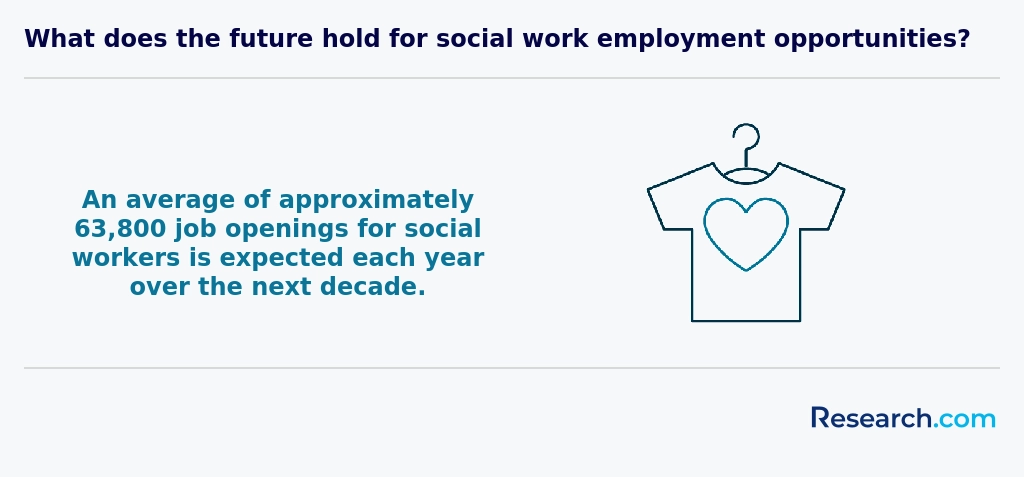
When pursuing an online human services degree in America, you'll encounter courses designed to build both your knowledge and practical skills. Graduates from well-known universities often recall how foundational courses like Introduction to Human Services and Case Management helped them understand real-world client needs, whether working with families facing economic hardship or individuals wrestling with addiction.
Core classes frequently include Psychology and Human Development, where you explore how people grow within their communities and environments. At popular colleges, students find studying Social Welfare Policy and Ethics in Human Services eye-opening-it's where they learn to advocate effectively for vulnerable populations while respecting diverse cultures.
Many highlight how courses like Crisis Intervention and Cultural Competency and Diversity prepared them to respond with empathy and professionalism during challenging moments. Some even gain confidence through Research Methods in Human Services, which equips them to analyze social issues critically.
These courses reflect the rich, real-life challenges you'll encounter, helping you transform your compassion into meaningful action within American communities.
If you're pursuing an online human services degree in America, you'll find that many specialized paths open doors to meaningful careers. Graduates from well-known colleges often choose specializations like Addiction and Substance Abuse Counseling, where they learn how to support individuals overcoming substance use disorders-one graduate reflected on their rewarding work at a community rehab center. Other popular options include Gerontology, which prepares you to assist the rapidly growing elderly population with healthcare and social services, especially vital as America's aging demographic expands.
Case Management is another practical specialization, training students to coordinate essential services for vulnerable clients-a skill highly valued in nonprofit organizations across the country. Mental Health Services focus on counseling and crisis intervention, resonating deeply with students passionate about helping those with mental illness navigate daily challenges. Youth and Family Services also attract many, equipping learners to work effectively with children and families facing social hurdles.
These specialized human services programs in America often reflect local community needs and career demands, helping you tailor your degree to a fulfilling future. For a clearer picture of what human services degree careers look like, explore human services degree careers.
When choosing the best online human services degree in America, start by prioritizing accreditation. Graduates from renowned universities often emphasize how accreditation from agencies like the Council for Standards in Human Service Education or regional bodies boosted their confidence in the quality and recognition of their education. This foundation opens doors to certification and employment in a competitive field.
Look closely at the curriculum and available specializations. Many students at popular colleges appreciate programs that offer courses in counseling, ethics, and case management, along with focused areas such as addiction or child welfare. These options help tailor your learning to your passion and career goals, making your studies feel truly meaningful and relevant.
Cost and flexibility matter greatly, especially for working adults. Affordable human services degree programs in America can vary widely in price, so consider tuition along with fees for books and internships. Online programs with asynchronous classes allow you to balance study, work, and life, a combination many graduates find empowering. Additionally, hands-on internships arranged locally provide vital experience and networking opportunities, turning theory into action and preparing you for real-world challenges in human services.
To explore your future career possibilities, review jobs for masters degree in human services via trusted resources like this detailed guide, which numerous graduates have found invaluable in mapping their professional path.
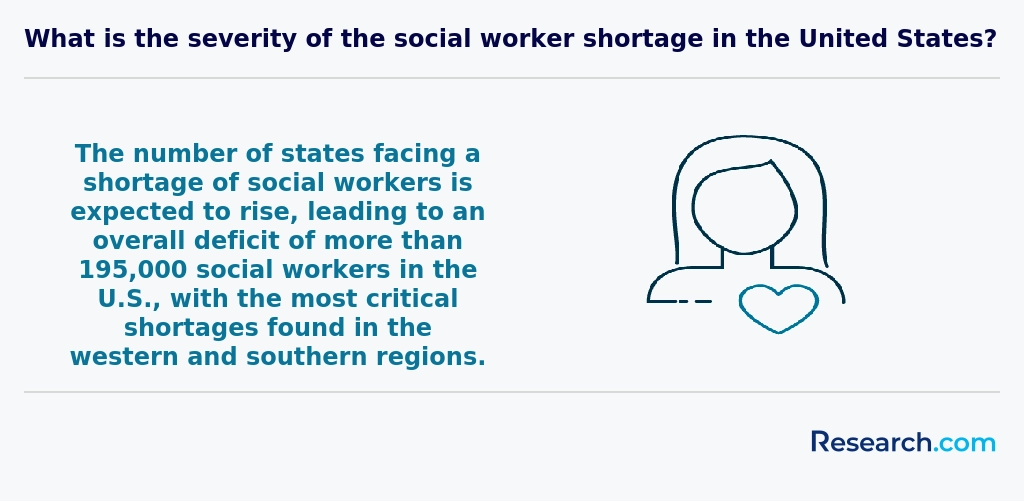
Graduates with an online human services degree in America find themselves well-positioned for numerous rewarding roles. Many step into careers as case managers or social service coordinators, guiding families through challenges by connecting them with housing, food assistance, and healthcare. Students from well-known programs at respected universities often share how this work brings a deep sense of fulfillment, knowing they make a tangible impact in people's lives.
Others pursue positions as behavioral health technicians or mental health aides, supporting patients under licensed professionals' supervision. This growing field taps into the increasing awareness around mental health challenges nationwide. Jobs like community outreach specialist, youth counselor, substance abuse counselor, and rehabilitation specialist offer diverse options that graduates from top human services colleges in America pursue eagerly.
For those motivated by such pathways, exploring accelerated human services online programs can open doors faster, making it easier to join this vital workforce in the US. These online human services career opportunities USA provide a practical way to build a meaningful profession in social support.
The job market for graduates with an online human services degree in America is vibrant and expanding, especially for those ready to work in dynamic roles like case management and client advocacy. Graduates from respected institutions often share how their education prepared them to meet growing demands in community agencies and healthcare settings. Many have found that pursuing an accredited human services online degree opens doors in both urban centers and underserved rural areas where support is critical.
One inspiring aspect of the online human services jobs in USA is the emphasis employers place on digital communication and familiarity with case management software, skills frequently honed in online programs at popular colleges. Graduates report feeling confident moving into varied positions such as counseling assistance or program coordination, roles that are increasingly vital amid rising social and mental health challenges.
For American students, understanding the job market for human services degree America means recognizing that while starting salaries may be modest, advancement opportunities grow with experience and certification. State-specific licenses often boost both employability and wages, empowering graduates to make a meaningful impact in their communities.
2027 Fastest Online Bachelor's in Human Services Degree Programs Ranking in the USA
Investing in your education is a significant decision that can shape your future, and the Research.com team understands the importance of making informed choices. To assist prospective students, we have meticulously crafted the "2027 Fastest Online Bachelor's in Human Services Degree Programs Ranking in the USA." Our commitment to quality, credibility, and accuracy is reflected in the extensive research and analysis conducted to compile this ranking.
We utilized the following reputable data sources to ensure a comprehensive evaluation of human services programs:
By exploring this ranking, readers will gain valuable insights to identify the fastest online bachelor's programs in human services, empowering them to make informed decisions about advancing their education efficiently. For more details on our methodology, please visit our Research.com methodology page.


# 9 position
Bethel University, Minnesota
Bachelor of Human Services



# 12 position
Florida State College at Jacksonville
Bachelor of Human Services

# 13 position
Seminole State College of Florida
Bachelor of Public Safety Administration

# 14 position
Central Michigan University
Bachelor of Community Development - Public Administration


Frequently Asked Questions About human services
Online human services degree students in America can maximize their learning experience by actively engaging with their coursework and peers. Participating in discussion boards and virtual group projects helps build practical communication skills critical for human services careers. According to the National Organization for Human Services, hands-on experience is essential, so students should seek internships or volunteer opportunities approved by their programs.
Time management is also vital. Setting a consistent study schedule encourages steady progress, which is especially important in self-paced courses. Many accredited programs, recognized by the Council for Standards in Human Service Education (CSHSE), offer resources like academic advising and career services to support student success.
Staying informed about current US social policies enhances understanding of sector challenges. Following US Bureau of Labor Statistics data reveals growing demand for human services professionals, reinforcing the importance of thorough preparation.
The human services field is evolving rapidly with several emerging niches appealing to students pursuing online degrees in the U.S. A notable growth area is telehealth and virtual counseling, driven by increased demand for remote mental health services. According to the U.S. Bureau of Labor Statistics, jobs in social and community service occupations are projected to grow 17% from 2021 to 2031, much faster than average.
Another developing niche is elder care coordination, as America's aging population grows. Human services professionals trained in aging services help seniors navigate healthcare, housing, and social support.
Trauma-informed care and crisis intervention are also gaining prominence, addressing needs caused by social upheavals and public health emergencies. These specializations often require knowledge of policy, advocacy, and cultural competence.
After completing an online human services degree in America, preparing for the job market involves several focused steps. First, gaining practical experience through internships or volunteer work can significantly boost employability. Many U.S. employers value hands-on experience alongside academic credentials.
Networking is also crucial; joining professional organizations such as the National Organization for Human Services (NOHS) can connect graduates with industry professionals and job leads.
Additionally, obtaining relevant certifications, like the Certified Human Services Professional (CHSP), can enhance career prospects. According to the U.S. Bureau of Labor Statistics, human services occupations are projected to grow 17% from 2022 to 2032, highlighting strong job opportunities.
Employers in the American human services field prioritize a mix of interpersonal and technical skills when hiring graduates. Strong communication abilities are essential, as 85% of job roles involve direct client interaction, according to the U.S. Bureau of Labor Statistics. Critical thinking and problem-solving skills also rank highly, helping professionals navigate complex social and emotional issues.
Additionally, cultural competence is vital due to the diverse populations served. Employers seek candidates skilled in crisis intervention and case management software, reflecting the increasing digitalization of services. According to the National Organization for Human Services, teamwork and ethical decision-making remain key skills for successful career entry in this sector.
Finding internships relevant to a human services degree in America requires a strategic approach. Start by consulting your online program's career services, which often maintain partnerships with local agencies. According to the National Organization for Human Services (NOHS), internships typically involve placements in social service agencies, healthcare facilities, or community outreach programs.
Networking is crucial; join professional groups such as the American Public Human Services Association (APHSA) for access to internship listings. Additionally, use platforms like Handshake and Internships.com to find opportunities specific to human services. Many states mandate internships for licensure, so verify requirements with your state's licensing board.
Internship hours can range from 100 to over 600, depending on program and licensure needs. Early planning and communication with academic advisors increase success in securing quality internships.
In America, earning an online human services degree significantly enhances career mobility and advancement opportunities. The U.S. Bureau of Labor Statistics projects a 17% growth in social and human service assistant roles from 2021 to 2031, faster than the average for all occupations. This growth creates more job openings accessible to degree holders.
Online degrees offer flexibility, enabling working professionals to upskill without interrupting their careers. Many employers in human services value candidates with formal education, which can lead to higher-paying and supervisory roles.
According to the National Organization for Human Services, a bachelor's degree is often a minimum requirement for leadership positions in the field.
Studying for a human services degree in America equips students with skills for interdisciplinary roles by integrating knowledge from psychology, social work, public health, and counseling. Programs emphasize collaboration across various sectors, preparing graduates to work with diverse populations in healthcare, education, and social services.
According to the Bureau of Labor Statistics, the human services field expects a 17% growth from 2022 to 2032, reflecting increasing demand for professionals who can navigate complex social systems.
Curricula often include case management, ethics, and cultural competency, essential for bridging gaps between fields. Online programs add flexibility, attracting working professionals from many backgrounds, thereby fostering diverse interdisciplinary perspectives.
When choosing between thesis and non-thesis human services degree programs in America, consider your career goals and learning preferences. Thesis programs typically demand original research, appealing to students pursuing advanced study or academic careers. Non-thesis tracks focus on practical skills and applied knowledge, often requiring internships or comprehensive exams instead.
According to the Council for Standards in Human Service Education (CSHSE), most accredited programs offer both options, recognizing distinct professional pathways. In 2023, nearly 60% of online human services graduates in the U.S. opted for non-thesis degrees, valuing faster completion and hands-on experience.
Assess whether you aim to enter research, policy development, or direct service roles, as these influence your choice.
American students interested in studying human services abroad have several options, mainly through online degree programs with international partnerships or study abroad components. Some U.S. universities offer online human services degrees that include opportunities for internships or fieldwork in other countries, allowing students to gain global experience while earning credits.
Direct enrollment in foreign institutions is less common among U.S. students pursuing human services due to accreditation and licensure requirements tied closely to U.S. standards. According to the Council for Standards in Human Service Education (CSHSE), programs accredited by U.S. agencies ensure meeting American professional standards.
Students should verify whether an abroad program's curriculum aligns with U.S. competencies if they plan to work domestically after graduation. The National Organization for Human Services (NOHS) provides resources to compare programs and maintain professional certification.
Overall, hybrid and exchange options through U.S. schools are the most reliable and recognized pathways for studying human services abroad while maintaining a degree relevant to the American job market.
Part-time job opportunities that complement a human services degree in America often include roles like case aides, social work assistants, and community outreach workers. These positions provide hands-on experience with vulnerable populations and help develop essential skills such as communication and crisis intervention. According to the U.S. Bureau of Labor Statistics (BLS), social and human service assistants earn a median hourly wage of approximately $18.50 and are expected to grow around 13% from 2022 to 2032, faster than average.
Other common roles include peer support specialists and entry-level counseling aides, which expose students to client advocacy and resource coordination. Working part-time in nonprofit organizations or healthcare facilities also offers valuable insight into systemic challenges faced by various communities. These roles enhance a student's resume while supporting ongoing academic learning in human services.
Online human services students in America have various networking opportunities designed to support their academic and professional growth. Many accredited programs offer virtual career fairs, connecting students with agencies and nonprofits across the country. According to the National Organization for Human Services (NOHS), strong networking through online platforms can lead to higher job placement rates in the sector.
Students also access specialized online forums and social media groups, where they share resources and discuss industry trends. Additionally, many programs encourage participation in internships or practicum placements in local communities to build essential in-person connections despite studying remotely.
Alumni networks provide valuable support for students pursuing online human services degrees in America. Graduates often gain access to mentorship opportunities, connecting with experienced professionals who can offer career guidance and advice.
These networks also help students build professional relationships that are crucial in the human services field, which relies heavily on community connections and referrals.
According to the National Organization for Human Services, strong networking can improve job placement rates, which is vital as the U.S. Bureau of Labor Statistics projects a 17% growth in human services jobs from 2020 to 2030.
Many alumni groups offer exclusive job listings and continuing education discounts, enhancing career advancement possibilities for members.
Many online human services degree programs in America offer customizable options that allow students to align their studies with specific career goals. For example, students can often select from various concentrations such as addiction counseling, case management, or community outreach. This flexibility enables graduates to target roles within government agencies, nonprofit organizations, or healthcare settings.
Elective coursework and internship placements also play a crucial role in customization. According to the Council for Standards in Human Service Education (CSHSE), programs accredited for human services emphasize practical skills tailored to diverse populations.
Additionally, students may choose to integrate certificates or minors related to mental health, social work, or healthcare administration, enhancing their qualifications and job market adaptability.
Online human services students in America often face challenges related to balancing coursework with personal and professional responsibilities. Many students juggle full-time jobs or family care alongside their studies, which can impact their academic progress. According to a 2022 report by the National Center for Education Statistics, nearly 75% of online learners are employed while studying.
Another significant challenge is limited access to hands-on experiences like internships, which are crucial for human services careers. Students may find it difficult to secure local placements or community connections remotely. Additionally, some report feelings of isolation and less engagement compared to in-person programs, affecting motivation and networking opportunities.
Technical issues and varying levels of digital literacy also pose obstacles, especially for older students.
Graduates with an online human services degree in the USA can pursue several professional certifications to enhance their careers. One prominent certification is the Certified Human Services Practitioner (CHSP) offered by the National Organization for Human Services (NOHS). This credential verifies a baseline of knowledge and ethics in the field.
Other notable certifications include the Certified Case Manager (CCM) and National Certified Counselor (NCC), depending on your career focus. Many states also offer licensure options such as Licensed Social Worker (LSW) or Licensed Professional Counselor (LPC), which may require additional qualifications.
According to the Bureau of Labor Statistics, obtaining certifications can improve job prospects and salary potential in human services roles.
To write a winning application for an online human services program in America, start by clearly demonstrating your passion for community support and social change. Admissions committees look for candidates with strong communication skills and empathy.
Include detailed examples of any relevant volunteer or work experience. According to the National Organization for Human Services, practical experience greatly strengthens applications. Highlight your understanding of human service principles and your career goals.
Ensure your personal statement is focused, error-free, and tailored to the specific program. Also, submit all required materials on time, including transcripts and recommendation letters, as timely applications increase acceptance chances.
Human services careers in the United States reflect a growing global recognition of the field's importance. Internationally, professionals address social challenges such as poverty, mental health, and aging populations, which are also critical issues in America.
The U.S. Bureau of Labor Statistics projects a 12% employment growth for human services workers from 2022 to 2032, emphasizing demand domestically and aligning with global trends of addressing social welfare.
American online degrees in human services often incorporate global perspectives, preparing graduates to work in diverse cultural settings and understand international policies.
According to the Council for Standards in Human Service Education, aligning curricula with worldwide best practices enhances career mobility for U.S. graduates.
Gaining practical experience while studying for an online human services degree in America is essential for career readiness. Many accredited programs include supervised internships or field placements with local agencies, allowing students to apply classroom knowledge in real-world settings.
These internships often involve working with vulnerable populations, offering services such as counseling or case management. According to the Council for Standards in Human Service Education (CSHSE), more than 70% of human services programs require a field experience component to meet accreditation standards.
Additionally, students can seek volunteer opportunities in nonprofit organizations or community centers, which help develop communication and organizational skills crucial for human services careers.
Choosing the right concentration within an online human services degree program in America depends on your career goals and interests. Popular concentrations include social work, addiction counseling, and nonprofit management. According to the U.S. Bureau of Labor Statistics, social and community service roles are projected to grow by 13% from 2022 to 2032, indicating strong demand. Consider which population you want to serve, such as families, the elderly, or those facing addiction. Also, examine the curriculum and practical training opportunities to ensure they align with your goals. Accreditation status and potential certifications are key factors too, as they affect employment prospects in the U.S.
- Is a thesis always mandatory in a master's degree program? - EFMU: The Euler-Franeker Memorial University and Institute https://euler.euclid.int/is-a-thesis-always-mandatory-in-masters-degree-program/
- Professional Networking in Social Work: 2025 Complete Guide https://www.socialworkdegrees.org/professional-networking-in-social-work
- Guide to bachelor's in human services | edX https://www.edx.org/bachelors/human-services
- Associate Degree - Human Services - Online | Monroe University https://www.monroeu.edu/academics/undergraduate-programs/school-criminal-justice/online-associate-degree-human-services
- Social Work Overview https://explorehealthcareers.org/careers/social-work/
- What is Human Services https://www.nationalhumanservices.org/what-is-human-services/
- OSU Alumni Colleges, Groups and Networks https://www.fororegonstate.org/get-involved/groups-and-networks
- Study Social Work Abroad | Go Overseas https://www.gooverseas.com/study-abroad/social-work
- Home https://www.husson.edu/online/blog/2025/10/benefits-of-alumni-networks
- Social Work Networking Nights - National Association of Social Workers https://www.naswma.org/page/218