2027 Fastest Online Human Services Degree Programs Ranking in Minnesota

Co-Founder and Chief Data Scientist
Exploring a future in human services is an exciting step for Minnesota students ready to make a real difference. This article introduces the 2027 Fastest Online Human Services Degree Programs Ranking in Minnesota, developed by the Research.com team of data scientists.
The ranking helps you easily find programs that combine quality education with a flexible online format. Whether you're starting fresh or advancing your career, a human services degree opens doors to meaningful work helping others.
Reading this guide empowers your decision with trusted data, supporting your journey toward a rewarding and impactful profession.
Key benefits of getting online human services degree in Minnesota
- Human services degree graduates in Minnesota can expect competitive salaries in related fields across the US, where the median annual wage is about $48,000 to $55,000, offering a stable financial future.
- Graduates from universities like the University of Minnesota often pursue rewarding careers in social work, community outreach, and counseling, opening many doors to help others and make a difference locally.
- Completing a human services degree online through schools such as Minnesota State University provides flexible learning schedules, allowing students to balance work and family while gaining practical skills efficiently.
- 2027 Fastest Online Human Services Degree Programs Ranking in Minnesota
- What can I expect from online human services degree in Minnesota?
- Where can I work with online human services degree in Minnesota?
What can I expect from online human services degree in Minnesota?
The average cost of an online human services degree in Minnesota varies by institution and degree level, but students can generally expect tuition to range from about $10,000 to $25,000 for a full associate's or bachelor's program. For example, graduates from colleges known for their human services programs report balancing affordable tuition with financial aid options, making the investment manageable. Attending a state school often means lower costs compared to private institutions, which some graduates highlight as a key reason they chose programs at places like Metropolitan State University or St. Cloud State University.
Many online students appreciate the flexibility to continue working while studying, which helps offset expenses without sacrificing progress. Since programs require between 60 and 120 credit hours, budgeting for roughly $300 to $500 per credit hour-often lower for in-state residents-provides a clear financial picture. Graduates emphasize how this cost structure, combined with scholarships and employer tuition assistance, enabled them to complete their degree without excessive debt.
Where can I work with online human services degree in Minnesota?
Graduates with an online human services degree from Minnesota colleges like Metropolitan State University or Bemidji State University find diverse job opportunities across public agencies, nonprofits, and healthcare. Many secure positions at the Minnesota Department of Human Services (DHS), working as case managers or client advocates supporting vulnerable groups such as seniors and youth. These roles often involve applying what they learned about social policies and community resources in practical ways every day.
Others take roles in community nonprofits such as The Link or Project for Pride in Living, where outreach coordination and casework create meaningful impacts on mental health and homelessness. Working in healthcare settings is another common path-graduates serve as patient navigators or discharge planners, linking patients to vital services while improving healthcare outcomes.
Educational institutions and juvenile justice programs also hire human services graduates to support at-risk youth. Many who studied in Minnesota report feeling fulfilled knowing their work directly improves lives across the state. Practical experience gained through internships during their online studies often opens doors to these rewarding careers.
Graduates with an online human services degree in Minnesota can expect starting salaries around $30,000 to $35,000 per year in entry-level roles such as human service assistants. For example, those who completed programs from well-known schools like the University of Minnesota or Metropolitan State University often begin by supporting social workers or case managers, gaining valuable hands-on experience.
With further experience and additional credentials, graduates can move into specialized positions like mental health counselors or community service managers, where salaries typically range from $50,000 to $60,000 annually. Community service managers, in particular, earn median wages closer to $65,000, thanks to their supervisory responsibilities and required certifications.
Many graduates find that earning certifications or licenses alongside their degree enhances their earning potential, allowing them to qualify for higher-paying administrative or clinical roles. Urban locations like Minneapolis and St. Paul tend to offer higher wages, reflecting stronger demand and greater living costs.
This practical progression shows that investing in an online human services degree in Minnesota makes steady, meaningful income growth entirely achievable through targeted education and experience.
- The average annual cost for an online human services bachelor's degree in Minnesota ranges from $10,000 to $15,000 for in-state students.
- Human services jobs in Minnesota are expected to grow by about 8% over the next decade, similar to the national average.
- Entry-level salaries for graduates typically range between $35,000 and $40,000 per year, with experienced professionals earning $50,000 to $60,000 annually.
- Many programs include practicum or internship requirements to support certification and licensure in fields like LPC and LADC.
- Financial aid, scholarships, and employer tuition reimbursement are commonly available for Minnesota residents studying human services online.
Completing an online human services degree in Minnesota typically takes between two and four years, depending on your chosen program and pace. Many students start with an associate degree, which usually requires about 60 credit hours and can be finished in two years if studying full time. For example, graduates from community colleges in Minnesota appreciate the flexibility that suits working adults balancing family and jobs.
Bachelor's degrees demand around 120 credit hours, with a full-time student generally finishing in four years. However, universities like Minnesota State University Moorhead and Metropolitan State University offer accelerated tracks, allowing students to complete faster-sometimes in just three years-by taking courses year-round.
Some students shorten their timeline further by transferring credits from prior coursework or using competency-based learning. Part-time study is common too, extending completion to five or more years, but it gives valuable flexibility for those managing busy schedules.
This step-by-step approach helps students create a plan that fits their life while steadily advancing toward their human services career goals.
Online human services degrees in Minnesota deliver flexibility crucial for students juggling work or family, letting you study anytime via platforms from colleges like Metropolitan State University. Graduates often appreciate how this freedom removes travel barriers-especially if you live far from campus-and enables tailored pacing. But it requires strong self-discipline to stay on track without regular in-person check-ins.
In contrast, on-campus programs at places like the University of Minnesota offer scheduled classes and face-to-face interactions that foster immediate connections with professors and peers. Many students find this community atmosphere motivating and helpful for networking, especially during hands-on internships typically arranged through university partnerships.
Cost-wise, both formats hover around $13,000 annually for in-state tuition, but online students might save on housing and transport, though watch for extra tech fees. Practical internships remain mandatory in both, but online students take initiative to organize placements locally.
Ultimately, choosing depends on your learning style and life situation-whether you thrive in structured settings with direct support or prefer the convenient, self-paced path many Minnesotans successfully follow.
The average cost of an online human services degree in Minnesota tends to center around $20,640 for the total program. For many students attending schools like Metropolitan State University or University of Minnesota Crookston, this figure represents a realistic estimate they can plan for when budgeting their education journey. These graduates often highlight that while tuition is a significant expense, choosing a reputable public university in Minnesota helps balance quality education with affordability.
Community colleges such as Minneapolis Community and Technical College offer more affordable pathways, especially for those pursuing associate degrees, typically costing between $5,000 and $10,000. Graduates from these programs appreciate the accessible pricing which enables them to enter the workforce quickly or transfer credits toward a bachelor's degree without excessive financial strain. This accessibility is a key consideration for many Minnesotan students exploring the average cost of online human services degree in Minnesota.
It's important to remember that tuition is only one piece of the puzzle. Additional fees, textbooks, and technology requirements can add several hundred to a few thousand dollars annually. Students wisely factor these into their financial planning to avoid surprises. For those considering programs beyond Minnesota or seeking advanced studies, exploring an online master's degree in human services may offer further career opportunities, though costs vary.

Students pursuing online human services degrees in Minnesota can tap into a range of financial aid options that make education more affordable. Most start by completing the FAFSA to access federal aid like Pell Grants, which offer up to $7,395 annually for eligible low-income students. Many graduates of programs at institutions such as Metropolitan State University note how these grants eased their financial burdens significantly.
State-specific support comes from the Minnesota Office of Higher Education's State Grant program, providing need-based funding that students do not have to repay. This grant helped several online learners at St. Cloud State University stretch their budgets while balancing work and study. Additionally, scholarships from organizations like the Minnesota Association for Children's Mental Health reward academic merit and community involvement, offering tailored support to students focused on social work and counseling.
Some students benefit from employer tuition reimbursement, especially those working in healthcare or social services who attend schools like Hamline University. Combining these resources with manageable payment plans at most Minnesota colleges creates a practical financial pathway for completing an online human services degree.
To enroll in an online human services degree in Minnesota, you'll first need a high school diploma or a GED. Graduates from Minnesota's community colleges and public universities often recall that meeting this baseline was straightforward but crucial for moving forward. For bachelor's programs, schools like Metropolitan State University or Saint Cloud State expect more: official transcripts showing at least a 2.0 GPA, and sometimes higher, reflect academic readiness. Many students found submitting a personal essay about their passion for helping communities made a meaningful impression on admissions officers.
Some programs also ask for letters of recommendation, often from supervisors or mentors, highlighting your ethical commitment and reliability. Having volunteer or work experience in social services-even informal roles at places like local shelters or clinics-significantly strengthens your application by showing practical skills.
Standardized tests like the SAT are less commonly required now, which relieved many prospective students who'd been out of school awhile. Ultimately, clear academic records combined with real-world experience open doors to online human services programs across Minnesota's respected institutions.
Online human services degree programs in Minnesota typically include courses designed to build practical skills and a strong theoretical foundation. Graduates from popular institutions like Metropolitan State University or Normandale Community College often highlight starting with Introduction to Human Services, which grounds them in the profession's ethics and history, essential for anyone entering this field.
Core courses such as Case Management and Counseling Techniques teach assessment methods and communication skills, crucial for helping clients effectively. For example, many students recall applying crisis intervention strategies learned in class during their internships at local social service agencies, which helped them build confidence in real situations.
Students also study Psychology Fundamentals and Social Welfare Policy, topics that clarify how mental health issues and government programs shape support services in Minnesota communities. Electives like substance abuse or gerontology courses tailor learning to local needs, making graduates feel ready to serve diverse populations.
Online human services programs Minnesota frequently offer specializations that align with the state's social needs. Graduates often choose addiction and substance abuse counseling, reflecting Minnesota's ongoing efforts to address these challenges. This specialization equips students to engage directly with individuals seeking recovery, a practical skill praised by many who have completed their degrees at Twin Cities universities.
Another common track is gerontology, ideal for those motivated by Minnesota's growing aging population. Students learn to support seniors with tailored social and healthcare interventions, a focus that alumni from regional colleges find deeply fulfilling and relevant in local community settings.
Students can also specialize in mental health services to assist clients dealing with anxiety and depression, areas identified as critical by the Minnesota Department of Human Services. Child and family services represent another popular option, preparing graduates for roles in those protective fields that remain in steady demand across the state's agencies. Prospective students can explore career outcomes related to these fields by checking resources like social services degree jobs.
Start by confirming the program is accredited by recognized bodies like the Council for Standards in Human Service Education (CSHSE), a key step Minnesota graduates highlight as vital for career credibility. Consider program flexibility; some students from well-known Minnesota colleges appreciated accelerated online tracks that fit their work schedules, while others preferred courses with live sessions for real-time interaction. Cost matters, too-public universities in Minnesota often offer affordable human services degrees online Minnesota residents find budget-friendly, complemented by financial aid and employer tuition reimbursement.
Next, evaluate curriculum relevance. Graduates who specialized in case management or counseling valued programs offering hands-on internships arranged through local partnerships, which made their transition into jobs smoother. Look for schools emphasizing practical experience you can apply immediately in community outreach roles. Finally, investigate graduation outcomes; connecting with alumni from top Minnesota programs confirms strong employer networks and steady demand reported by the Minnesota Department of Employment and Economic Development. For more insights on careers, explore jobs with human services degree.

Graduates with an online human services degree in Minnesota find practical career paths readily available across various settings such as nonprofit organizations, healthcare facilities, and government agencies. Many start as social and human service assistants, roles that involve directly connecting clients with essential community resources. For instance, graduates from well-known Minnesota colleges appreciate the steady demand for these jobs, which offer fulfilling work supporting vulnerable populations.
Others move into case management, coordinating care plans that help clients navigate housing, mental health, or addiction services. This pathway is common among those from universities with robust human services programs, who develop strong organizational skills valued by employers. Another popular option is becoming a community service manager, leading programs and overseeing budgets, which appeals to graduates seeking leadership roles in Minnesota's nonprofit sector.
Additional careers include substance abuse counselors and youth counselors working with at-risk groups. Many human services students in Minnesota have reported positive outcomes and a strong sense of purpose in these roles. For those considering further advancement, exploring masters degree in human services jobs offers informed guidance on growth opportunities aligned with long-term goals.
These career opportunities for human services graduates Minnesota offer clear, actionable steps to build rewarding professions that impact individuals and communities directly.
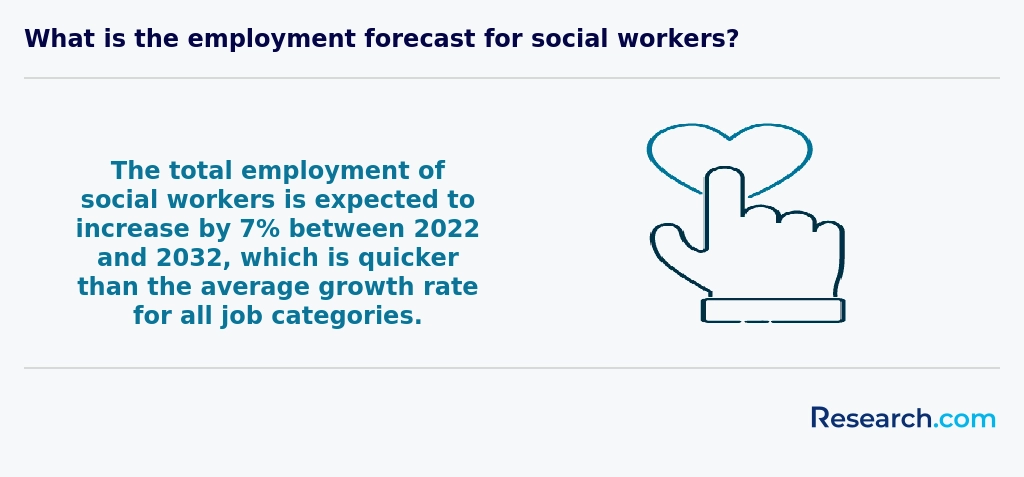
The job market for graduates with an online human services degree in Minnesota is strong and growing. Employment for social and human service assistants is projected to increase by about 12% between 2020 and 2030, faster than many other fields. This growth reflects the ongoing need for support roles in nonprofits, state agencies, healthcare, and educational services throughout the state. Many graduates from Minnesota's popular universities share how their online studies allowed them to balance work and family while gaining credentials that employers recognize and trust.
With Minnesota's supportive social welfare programs, the employment outlook for human services graduates is promising, especially in urban centers and community organizations. Typical positions offer median wages near $38,000, with higher earnings available for specialized counseling roles. Those considering this path should also explore flexible programs tailored to adults, including the shortest human services online degree options, which enhance access to education without sacrificing quality.
Beyond wages, graduates find meaningful careers assisting vulnerable populations and enjoy the personal satisfaction of contributing to community well-being. For anyone seeking online human services job opportunities in Minnesota, the combination of growing demand and accessible education makes this an excellent field to enter.
2027 Fastest Online Human Services Degree Programs Ranking in Minnesota
Investing in your education is a significant decision that can shape your future, and the Research.com team understands the importance of making informed choices. To assist prospective students in Minnesota, we have meticulously crafted the "2027 Fastest Online Human Services Degree Programs Ranking in Minnesota." Our commitment to quality, credibility, and accuracy is reflected in the extensive research and analysis conducted to compile this ranking.
We utilized the following reputable data sources to ensure a comprehensive evaluation of human services degree programs:
By exploring this ranking, readers will gain valuable insights into the fastest online human services degree programs available in Minnesota, helping them make informed decisions about their educational paths. For more details on our methodology, please visit our Research.com methodology page.
# 1 position
Bethel University, Minnesota
Bachelor of Human Services


# 3 position
Walden University
Master of Human Services

# 4 position
Walden University
Bachelor of Human Services
# 5 position
Walden University
Doctor of Human Services
Frequently Asked Questions About human services
Students pursuing online human services degrees in Minnesota can enhance their learning experience by leveraging local resources and state-specific opportunities. Engaging with Minnesota-based organizations such as the Minnesota Organization for Human Services offers networking and internship options, which complement coursework effectively.
Utilizing Minnesota's well-established libraries and digital archives provides access to regional data essential for practical assignments. Students should also take advantage of the state's growing demand for human services professionals, with job growth projected at 10% from 2022 to 2032, according to the Minnesota Department of Employment and Economic Development (DEED).
Active participation in virtual study groups and consistent communication with faculty advisors helps maintain motivation and academic progress in fully online formats.
The human services field in Minnesota is evolving, with emerging niches reflecting changing community needs and technological advances. One growing area is digital mental health support, where professionals use online platforms to provide counseling and crisis intervention services. This is crucial in a state like Minnesota, where rural communities can lack easy access to in-person care.
Another niche is aging services, driven by Minnesota's increasing elderly population. Specialists focus on coordinating care, managing chronic conditions, and supporting family caregivers. According to the Minnesota Department of Health, the 65+ population is expected to nearly double by 2040.
Finally, substance abuse recovery services continue to expand as the opioid crisis persists, with a focus on innovative treatment programs and peer support systems adapted for virtual environments.
After completing an online human services degree in Minnesota, graduates should actively prepare for the job market by gaining relevant experience through internships or volunteer opportunities. Minnesota's health and social assistance sector employed over 210,000 people in 2023, making it a significant local employer (Minnesota DEED data).
Networking is essential; joining local professional organizations like the Minnesota Community Human Services Association can help build connections. Obtaining certifications such as the Certified Human Services Practitioner (CHSP) increases employability in this competitive field.
Additionally, understanding specific state licensing requirements for roles in social work or counseling may be necessary, depending on career goals. Regularly checking job boards, including those of Minnesota DEED, can provide insights into in-demand skills and emerging opportunities in human services.
Employers in Minnesota value human services graduates who demonstrate strong communication and interpersonal skills. These abilities are essential for effective client interaction and collaboration with agencies. According to the Minnesota Department of Employment and Economic Development, problem-solving and critical thinking are also highly sought after, enabling professionals to address complex social issues.
In addition, cultural competence is crucial in Minnesota's diverse communities. Graduates should understand and respect different backgrounds to provide sensitive and inclusive support. Organizational skills and knowledge of ethical practices are important for managing caseloads and adhering to professional standards.
Overall, employers prioritize graduates who combine practical skills with empathy and adaptability to serve Minnesota's varied human services needs.
Finding internships in Minnesota relevant to a human services degree involves leveraging state-specific resources and networks. The Minnesota Department of Human Services offers listings and partnerships with agencies where students can gain practical experience. Many universities with online human services programs have dedicated career centers that connect students to local organizations.
Additionally, nonprofits and government agencies in Minnesota, including social service organizations in Minneapolis and St. Paul, commonly provide internship opportunities. Websites like MinnesotaWorks.net and Idealist.org list internships explicitly available in the state.
According to the Bureau of Labor Statistics, Minnesota's demand for human service workers is expected to grow by 13% through 2031, increasing internship availability.
Students should also consider professional associations such as the Minnesota Human Services Coalition for networking and internship leads.
In Minnesota, earning an online human services degree significantly enhances career mobility and advancement opportunities. The state's growing demand for qualified human service professionals-projected to increase by 11% from 2020 to 2030 according to the Minnesota Department of Employment and Economic Development-creates openings for skilled workers.
Online degrees offer flexibility, enabling students to balance education with work or family commitments. Graduates often qualify for roles such as case managers, social service coordinators, or community outreach specialists, positions that frequently require at least a bachelor's degree.
Many Minnesota employers value the combination of relevant coursework and practical experience, which online programs emphasize through internships or applied learning. This practical knowledge supports upward mobility in nonprofit organizations, government agencies, and healthcare facilities.
Overall, an accredited online human services degree in Minnesota provides a critical credential that aligns with both local labor market needs and licensure requirements for advanced roles.
Studying for a human services degree in Minnesota equips students with skills applicable to interdisciplinary roles by emphasizing collaboration across healthcare, social work, and community agencies. Minnesota's online programs often integrate coursework in psychology, public health, and social policy to foster holistic understanding.
The state's focus on community-based approaches aligns with national trends encouraging multifaceted problem-solving. According to the Minnesota Department of Health, professionals with interdisciplinary training contribute effectively to improving access to mental health and social support services.
These programs also stress communication and ethical decision-making, preparing graduates to work alongside diverse professionals in complex environments. This broad preparation is vital considering Minnesota's diverse population and growing social service needs.
When choosing between a thesis and a non-thesis human services degree program in Minnesota, consider your career goals and learning preferences. Thesis programs emphasize original research, which suits students aiming for advanced degrees or research-based roles. Non-thesis options focus on practical skills through coursework and internships, ideal for immediate work in social services or administration.
In Minnesota, several accredited online programs offer both formats. The Minnesota Department of Employment and Economic Development reports a steady growth in human services jobs, making practical experience valuable. Programs requiring theses often take longer to complete, generally 6-12 months more, compared to non-thesis tracks.
Evaluate faculty expertise, program flexibility, and available support services when making your decision.
Students based in Minnesota who wish to study human services abroad have several pathways to consider, primarily through online programs with international partnerships or study-abroad opportunities integrated into U.S. degree programs. Many accredited Minnesota institutions offer online human services degrees with options for international internships or virtual collaborations, which provide global experience without relocating. According to the Minnesota Private College Council, these hybrid models help students gain cross-cultural skills crucial in the human services field.
Additionally, some U.S. colleges have articulation agreements with foreign universities, allowing credit transfer and joint degree options. However, direct enrollment in foreign universities usually requires meeting international admission standards and visa regulations. Students should carefully evaluate program accreditation and state licensure requirements before pursuing overseas studies.
In Minnesota, part-time job opportunities that complement a human services degree include roles such as case aides, community outreach assistants, and behavioral health technicians. These positions provide practical experience working directly with diverse populations, an essential component of human services education.
According to the Minnesota Department of Employment and Economic Development, behavioral health technician roles in the state are expected to grow by 12% through 2030, reflecting increased demand for mental health support services.
Community centers, non-profits, and social service agencies frequently offer part-time roles that align with coursework in counseling, social work, and crisis intervention.
Such positions enhance students' skills in client interaction, data collection, and program support, crucial for future full-time human services careers.
Online human services students in Minnesota have a variety of networking opportunities despite the distance learning format. Many universities encourage virtual attendance at professional conferences such as those hosted by the Minnesota Human Services Coalition. These events allow students to connect with practitioners and potential employers across the state.
Students can also join state chapters of national organizations like the National Association of Social Workers (NASW), which offers online forums and local meetups. According to the Minnesota Department of Human Services, internships used for degree credits often foster professional relationships in practical settings.
Additionally, some schools facilitate online peer groups and alumni networks specific to human services majors, boosting collaboration and support.
Alumni networks play a vital role for online human services degree students in Minnesota by providing valuable professional connections. These networks often include graduates working across social service agencies, nonprofit organizations, and government programs throughout the state.
Access to an alumni network can help students find internships and job opportunities more easily, enhancing their career prospects in a competitive market. According to the Minnesota Department of Employment and Economic Development, human services roles in the state are expected to grow by 10% through 2030, making networking essential.
Additionally, alumni often offer mentorship and guidance, helping students navigate challenges specific to human services careers. This support system can be especially important for online students, who may have fewer in-person interactions.
Customizing an online human services degree in Minnesota is possible by selecting electives and concentrations aligned with your career goals. Many Minnesota institutions offer specializations such as substance abuse counseling, mental health, or social work foundations. Choosing relevant practicum or internship opportunities within local agencies can also enhance practical skills and professional networks.
The flexibility of online programs allows students to balance work and study while tailoring their coursework. According to Minnesota's Department of Employment and Economic Development, careers in human services are projected to grow 10% through 2030, highlighting the importance of aligning your education with in-demand skills.
Additionally, consider programs accredited by the Council for Standards in Human Service Education (CSHSE) to ensure quality and recognition in the field.
Online human services students in Minnesota often face challenges balancing coursework with work and family responsibilities. According to the Minnesota Office of Higher Education, many students enroll part-time, extending their time to degree completion. Technical issues also arise, as stable internet access can be inconsistent in rural areas. Additionally, maintaining motivation without in-person support can impact retention rates; the National Center for Education Statistics notes that online programs generally see higher dropout rates. Access to hands-on practicum experiences is another hurdle, as human services fields require practical skills often gained through field placements, which can be harder to arrange remotely.
With an online human services degree in Minnesota, graduates can pursue several recognized professional certifications to enhance their career prospects. One prominent option is the National Certified Human Services Professional (NCHSP) credential offered by the National Organization for Human Services. This certification validates practical skills and knowledge in the field.
Additionally, Minnesota human services professionals often seek licensure as Chemical Dependency Counselors (CDCs) or Social Service Supervisors, which require specific training and supervised experience. According to the Minnesota Board of Behavioral Health and Therapy, these licenses improve job opportunities in state agencies.
Other certifications include Certified Case Manager (CCM) and Certified Rehabilitation Counselor (CRC), which can be valuable for specialized roles.
To write a winning application for an online human services program in Minnesota, start by clearly demonstrating your commitment to serving diverse communities. Strong applications highlight relevant volunteer or work experience in social services, mental health, or community outreach. Minnesota values practical engagement, so detail how your background aligns with local needs.
Focus on a well-crafted personal statement that connects your goals with the state's growing emphasis on social equity and mental health support. According to Minnesota's Department of Human Services, demand for trained professionals in this sector is expected to rise by over 7% through 2030.
Be sure to meet all application deadlines and submit transcripts from accredited institutions. Excellent recommendations from supervisors or mentors familiar with your human services work can also strengthen your application.
Human services careers are increasingly viewed through a global lens, reflecting the interconnected challenges of health, welfare, and social support. Professionals trained in Minnesota's online human services programs are part of a broader U.S. workforce that interacts with diverse populations and emerging international best practices. According to the U.S. Bureau of Labor Statistics, jobs in human services are growing by 13% nationally, reflecting demand for expertise in case management, counseling, and community outreach, skills valued worldwide.
Global perspectives emphasize cultural competence and ethical standards, important in Minnesota's multicultural communities. Institutions often incorporate international frameworks, preparing graduates for roles that address social issues on both local and global scales. This helps students remain competitive in a labor market influenced by global migration trends and humanitarian needs.
Gaining practical experience while studying for an online human services degree in Minnesota is essential to building career-ready skills. Many programs encourage or require students to complete internships or practicum placements at local social service agencies, healthcare facilities, or nonprofit organizations. These opportunities allow students to apply classroom knowledge in real-world settings.
Students can connect with Minnesota's extensive network of human services providers, including those supported by the Minnesota Department of Human Services, which offers resources for internships and volunteer work.
Additionally, some online programs facilitate partnerships with state-certified organizations to ensure students meet experiential learning requirements.
Practicum hours typically range from 400 to 600 hours, aligning with professional certification standards in Minnesota.
Choosing the right concentration within an online human services degree in Minnesota involves aligning your interests with local workforce needs. Areas like substance abuse, mental health, and community outreach are in demand, reflecting Minnesota's ongoing focus on behavioral health services, as reported by the Minnesota Department of Employment and Economic Development.
Consider your career goals and which population you want to serve. For example, a concentration in gerontology suits those aiming to work with aging adults, a growing demographic in Minnesota. Reviewing program curricula and available internships can help assess practical experience opportunities.
Accreditation and faculty expertise also influence program quality and your future employability. Accredited programs meet state standards supporting licensure or certification pathways, important in human services careers.
- 2027 Fastest Online Human Services Degree Programs Ranking in Iowa
- 2027 Fastest Online Human Services Degree Programs Ranking in North Dakota
- 2027 Fastest Online Human Services Degree Programs Ranking in Illinois
- 2027 Fastest Online Human Services Degree Programs Ranking in Missouri
- 2027 Fastest Online Human Services Degree Programs Ranking in Michigan
- 2027 Fastest Online Human Services Degree Programs Ranking in Kansas
- 2027 Fastest Online Human Services Degree Programs Ranking in Ohio
- 2027 Fastest Online Human Services Degree Programs Ranking in Colorado
- 2027 Fastest Online Human Services Degree Programs Ranking in Kentucky
- 2027 Fastest Online Human Services Degree Programs Ranking in Arkansas
- Human Services https://minneapolis.edu/academics/school-education-and-public-and-human-service/human-services
- 25 Best Online Human Services Degree Programs - Social Work Degree Center https://www.socialworkdegreecenter.com/best-online-human-services-bachelors/
- What do you learn in a bachelor's in human services? | edX https://www.edx.org/resources/what-do-you-learn-in-a-bachelors-in-human-services
- How To Navigate Human Services Challenges in 2026 https://nctinc.com/blog/how-to-navigate-human-services-challenges-in-2026/
- How To Solve the Key Challenges Faced by Community Social Workers https://www.casebook.net/blog/how-to-solve-the-key-challenges-faced-by-community-social-workers/
- Home https://www.nationalhumanservices.org/
- Is a thesis always mandatory in a master's degree program? - EFMU: The Euler-Franeker Memorial University and Institute https://euler.euclid.int/is-a-thesis-always-mandatory-in-masters-degree-program/
- Study Social Work Abroad | Go Overseas https://www.gooverseas.com/study-abroad/social-work
- Health and Human Services Career Guide https://www.ultimatemedical.edu/blog/hhs-guide/
- 6 Trends in Human Services That Will Change the Face of the Field | ANCOR https://www.ancor.org/connections/6-trends-human-services-will-change-face-field/