2027 Best Human Resources Degree Programs Ranking in Philadelphia

Co-Founder and Chief Data Scientist
Are you considering pursuing a human resources degree in Philadelphia? This article presents the 2027 Best Human Resources Degree Programs Ranking in Philadelphia, created by the Research.com team of data scientists. It's designed to help you make an informed decision about which programs truly stand out in quality and value.
Choosing the right degree can shape your future career and open doors to exciting opportunities. Exploring this ranking will give you confidence and clarity as you plan your educational journey in human resources.
Investing in your education is a positive step toward professional growth and fulfillment.
Key benefits of getting human resources degree in Philadelphia
- Human resources graduates in Philadelphia can expect competitive salaries, such as $76,060 annually for roles like Recruitment Coordinator or Human Resources Generalist, offering strong financial stability.
- Graduates from popular Philadelphia colleges often explore diverse career paths including Employee Relations Specialist or Training and Development Coordinator, enjoying opportunities to grow and impact workplace culture.
- Earning a human resources degree online from a reputable Philadelphia institution provides flexibility and convenience, allowing students to balance work and study while gaining the same valuable skills as on-campus programs.
- 2027 Best Human Resources Degree Programs Ranking in Philadelphia
- What can I expect from human resources degree in Philadelphia?
- Where can I work with human resources degree in Philadelphia?
What can I expect from human resources degree in Philadelphia?
The average cost of pursuing a human resources degree in Philadelphia typically ranges between $20,000 and $40,000 per year, depending on the institution and program level. Graduates from well-known universities and colleges in Philadelphia often mention how this investment led to hands-on experiences that far surpassed their expectations.
Students frequently share stories of engaging internships with local companies, where lessons in labor law and organizational behavior come alive. One graduate described the excitement of applying conflict resolution techniques during a real workplace mediation, a testament to Philadelphia's emphasis on experiential learning.
Looking ahead, rising demand for HR professionals in the city's diverse sectors might encourage institutions to offer more flexible pricing or enhanced scholarships. Philadelphia schools are also exploring hybrid learning models, which could lower expenses and expand access while maintaining strong ties to the bustling local HR job market.
Overall, the cost reflects an education designed to prepare students for dynamic careers in HR within Philadelphia's thriving economy.
Where can I work with human resources degree in Philadelphia?
Graduates with a human resources degree in Philadelphia often find exciting career opportunities across healthcare, education, corporate sectors, and government agencies. Many students from Temple University and Drexel University share how their internships at major hospital systems like the University of Pennsylvania Health System opened doors to roles in recruitment and employee relations. These experiences create a strong foundation for managing workforce needs in Philadelphia's vibrant healthcare industry.
Others have expressed enthusiasm about working with educational institutions such as Temple and local community colleges, where HR professionals help shape supportive environments for faculty and staff. This path offers a chance to directly influence organizational culture and engagement.
Looking ahead, human resources grads are eager to enter Philadelphia's booming corporate scene, including companies like Comcast and Lincoln Financial Group, where innovative HR practices are evolving around employee wellness and diversity initiatives.
Government HR roles also attract grads intent on public service, focusing on policy implementation and employee benefits. The dynamic job market here encourages students to envision impactful careers tailored to Philadelphia's unique economic landscape.
Graduates holding a human resources degree from Philadelphia institutions, such as Temple University or Drexel University, often find themselves stepping into roles with competitive salaries reflective of the city's dynamic job market. For example, starting as a Human Resources Assistant, one can earn a mean annual wage of around $76,060, according to recent BLS data. This figure is encouraging for many fresh graduates eager to launch their careers in HR.
Those who specialize or gain experience may move into roles like Recruitment Coordinator or Employee Relations Specialist, both boasting mean salaries near $76,060 annually, with hourly wages around $36.57. These salaries illustrate the stable earning potential early in an HR career within Philadelphia's vibrant economy.
Graduates frequently share positive feedback about how their hands-on internships and cooperative education programs at respected Philadelphia colleges have boosted their confidence and financial outlook. With ongoing demand across sectors such as healthcare and technology, the future of HR in Philadelphia promises increasing compensation and growth opportunities.
- Human resources degrees in Philadelphia are available at associate, bachelor's, and master's levels from both public and private institutions.
- Bachelor's tuition costs range from $15,000 to $35,000 per year, with public universities generally charging less than private colleges.
- Philadelphia's job market employed over 12,000 human resources specialists in 2023, with a projected growth of about 7% by 2030.
- Entry-level HR specialists earn between $50,000 and $60,000 annually, while experienced professionals with five or more years can make $75,000 to $85,000.
- Internships and cooperative education programs in Philadelphia offer valuable practical experience through partnerships with local businesses and nonprofits.
Completing a human resources degree in Philadelphia typically ranges from two to four years, depending on the program and personal circumstances. For example, graduates from well-known local institutions pursuing a bachelor's degree often celebrate finishing in about four years. Many recall balancing vibrant campus life with internships downtown, which enriched their experience despite a steady pace.
Associate degree holders from some community colleges in Philadelphia talk about achieving their goals in two years, often feeling motivated by the practical skills gained quickly. Those advancing to graduate studies note that a master's in human resource management or an MBA with an HR focus usually spans one to two years full time. Flexibility is key-part-time learners working at firms in the city sometimes extend their studies but appreciate the ability to earn income while advancing knowledge.
Innovations like accelerated courses or online formats at Philadelphia universities are reshaping how soon students graduate. Many express excitement about tailoring their schedule, feeling optimistic about completing degrees in a timeframe that fits modern lifestyles.
Choosing a Human Resources program with recognized accreditation ensures that your education meets industry standards and enhances your credibility with employers. In Philadelphia, look for programs accredited by the Society for Human Resource Management (SHRM) and recognized by the HR Certification Institute (HRCI). SHRM-accredited programs integrate the SHRM Body of Applied Skills and Knowledge (BASK), preparing students for the SHRM-CP and SHRM-SCP exams through targeted coursework in talent acquisition, employee relations, and strategic HR management. Similarly, HRCI-aligned curricula focus on the PHR and SPHR certification objectives, providing practical case studies and exam preparation workshops. Accredited programs often offer dedicated certification prep courses, mock exam sessions, and partnerships with local HR chapters, giving you a competitive edge when pursuing credentials. Faculty who serve as SHRM or HRCI recertification providers can guide you through the application and continuing education processes, ensuring you stay current with evolving HR laws and best practices. When evaluating online alternatives, verify regional accreditation by bodies such as the Middle States Commission on Higher Education (MSCHE) and ensure alignment with SHRM or HRCI standards-this is crucial for eligibility to sit for national exams. Beyond Philadelphia, students seeking affordable, accredited pathways can explore cost-effective online options. For a broader perspective on budget-friendly accredited programs, review the Cheapest Online Bachelor's in Human Resources Degree Programs Ranking in Gorham, ME. By prioritizing accreditation and certification alignment, you’ll graduate with a degree that not only opens doors but also positions you as a qualified HR professional ready to lead in any organizational setting.
Graduates from Philadelphia's Drexel University often recall the energizing in-person discussions and networking events that shaped their HR careers, highlighting how on-campus programs cultivate strong professional connections through face-to-face interactions. These students appreciate access to campus resources like career counseling and local internships, which seamlessly integrate with the city's bustling HR job market. Conversely, alumni of Temple University's online HR program share how their flexible schedules allowed them to balance demanding jobs while advancing their education, especially valuing the ability to learn through video lectures and interactive digital platforms.
Looking ahead, online programs in Philadelphia may increasingly incorporate virtual reality and AI-driven simulations, making remote collaboration feel as immediate as in-person experiences. Meanwhile, on-campus education could evolve to blend more hybrid formats, offering students both the dynamic energy of classroom engagement and the convenience of digital tools. This evolving landscape ensures that no matter the path, HR students here can tailor their journey to fit their lifestyles and career ambitions in a city actively hiring HR professionals.
The average cost of a human resources degree in Philadelphia typically reflects a median total expense of around $70,660, with in-state students usually incurring about $53,260. Graduates from public institutions, such as Temple University, often share that their investment felt balanced given the quality of education and affordable tuition fees compared to private college counterparts. Those who pursued studies at private universities experienced higher tuition but also recognized the extensive resources and networking opportunities available, which often justify the premium price.
Many students noticed community colleges like the Community College of Philadelphia provided an accessible and cost-effective starting point for human resources education, allowing for smoother transfers into four-year programs. This pathway often alleviates financial stress for students seeking real-world experience while keeping tuition fees manageable.
Looking ahead, students exploring Philadelphia human resources degree tuition and fees might find emerging hybrid and online program options attractive, potentially lowering overall costs while delivering flexible learning environments. These developments cater especially well to working students who balance education with personal commitments, inspired by peers who found such programs empowering.
For prospective students wanting to compare costs and locate an affordable path, exploring an affordable human resources school in pennsylvania remains a practical step before committing. Many graduates highlight that carefully researching tuition fees, combined with an understanding of extra expenses like books and certification exams, helped them plan smartly for the future.
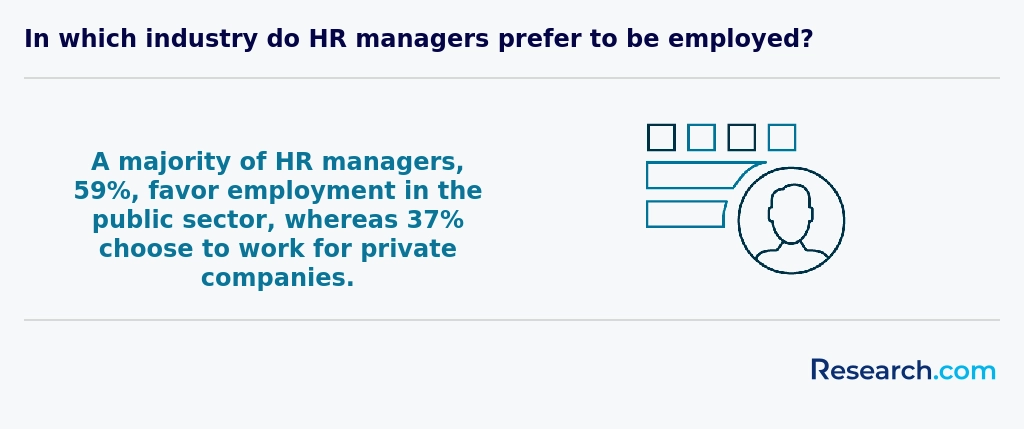
Philadelphia’s top Human Resources programs not only offer a robust academic curriculum but also foster a vibrant campus culture that can significantly enhance your educational journey. Beyond classroom learning, students benefit from dynamic networking events, career fairs, and HR-focused clubs that bridge the gap between theory and real-world practice. Universities in the region host guest lectures, industry workshops, and mentorship programs where seasoned professionals share insights and offer guidance, all of which contribute to a supportive community focused on career success. Moreover, engaging campus life plays a pivotal role in developing soft skills such as communication, teamwork, and leadership. Many institutions in Philadelphia offer dedicated career support centers that provide personalized advising, resume-building sessions, and internship placement assistance. For budget-conscious students seeking a quality education, exploring options like an affordable human resources school in pennsylvania can be a strategic decision that balances cost with comprehensive support services. By immersing yourself in this holistic educational environment, you can build lasting connections and acquire practical knowledge that will serve as a foundation for a successful career in Human Resources.
Students pursuing human resources degrees in Philadelphia frequently tap into a variety of financial aid sources that ease the burden of tuition and living expenses. For example, graduates from well-known institutions like Temple University often describe how securing the Pell Grant-which can offer up to $7,395 annually-was a game changer, allowing them to focus on studies without constant financial stress. Pennsylvania's State Grant Program adds another layer of support for in-state students, often covering significant portions of tuition at public universities.
Many students in Philadelphia also benefit from merit-based scholarships provided by their colleges, sometimes surpassing $10,000 per year, especially when maintaining strong academic records. Some recipients recall how these scholarships enabled participation in specialized HR workshops and networking events, enhancing their career prospects.
Looking ahead, professional organizations such as the Society for Human Resource Management (SHRM) may expand scholarship offerings and mentorship programs locally, further connecting students with industry leaders in Philadelphia's thriving job market. Work-study opportunities continue to evolve, blending on-campus roles with virtual experiences that build both income and practical skills in HR settings. This financial aid landscape fosters a hopeful outlook for aspiring HR professionals in Philadelphia.
To enroll in a human resources degree in Philadelphia, students typically need a high school diploma or equivalent with strong grades in English and social sciences, reflecting a foundation in communication and human behavior. Graduates from popular local colleges often share how their early focus on these subjects helped them thrive in HR courses that demand understanding of people and policies.
For advanced degrees, like a Master's in Human Resources, universities usually require a bachelor's degree and sometimes relevant work experience. Many graduates recall how submitting thoughtful recommendation letters and statements of purpose showcased their passion and readiness, boosting their confidence during admissions.
Philadelphia programs often emphasize practical readiness, encouraging applicants to demonstrate internships or cooperative education linked to local businesses. This hands-on experience aligns with the city's dynamic job market, inspiring students to connect theory with real HR challenges.
As institutions evolve, future prerequisites might include digital literacy and data analysis skills, reflecting HR's growing role in technology and analytics-traits current students at Philly's top schools are already excited to develop. This blend of academic and experiential learning makes pursuing HR degrees here both vibrant and rewarding.
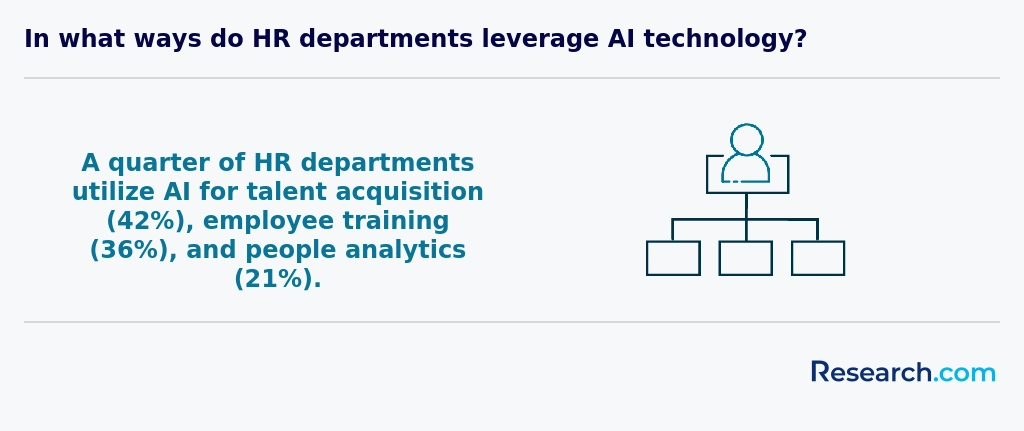
Typical human resources degree programs in Philadelphia blend foundational courses with emerging topics to prepare students for a rapidly evolving workplace. Graduates from well-regarded local institutions often reflect on classes like Introduction to Human Resources Management, Employment Law, and Compensation and Benefits as essential for understanding core HR functions. At universities popular in the Philadelphia area, students appreciate hands-on experiences in Recruitment and Staffing Strategies or Labor Relations, where they navigate real-life labor negotiations through simulations.
Looking ahead, many programs are incorporating strategic analytics courses, such as HR Information Systems and Data-Driven Decision Making, reflecting Philadelphia's growing emphasis on tech-driven workforce planning. Students frequently share excitement about projects involving predictive hiring models used by finance and healthcare employers in the city, which make theoretical learning immediately practical and relevant.
Electives focusing on diversity, inclusion, and workplace wellness are increasingly common, with graduates praising how these classes sparked personal growth and empathy, essential for today's global and diverse work environments. Capstone projects and internships with Philadelphia-area companies provide immersive experiences that build confidence and readiness for dynamic HR careers.
Human resources degree specializations Philadelphia students pursue often reflect the dynamic needs of local employers and evolving workplace trends. Graduates from popular colleges in the city frequently highlight concentrations like Talent Acquisition and Recruitment, which equips them to excel in Philadelphia's competitive job market by mastering how to find and keep top talent. This specialization is especially relevant to areas with diverse workforces like Philadelphia, where recruiters play a crucial role.
Other students thrive studying Employee Relations and Conflict Resolution, a focus that prepares them to foster positive, inclusive cultures in companies throughout Philadelphia. Many have praised their coursework for helping them navigate real-world scenarios involving workplace disputes and team dynamics, key skills in this region's varied job sectors. Given the strong healthcare and education industries here, concentrations such as Healthcare Human Resources and Compensation and Benefits Management offer targeted expertise that graduates find rewarding and practical.
Looking ahead, HR Analytics is an emerging specialization gaining traction. Students eager to harness data in shaping workforce strategies often study this concentration, which aligns well with Philadelphia's growing demand for professionals who understand both people and numbers. Prospective students balancing cost concerns might explore options like the Cheapest Online Bachelor's in Human Resources Degree Programs Ranking in Gorham, ME for affordable pathways.
Philadelphia human resources management concentrations are increasingly refining career pathways, allowing students to connect classroom theory with hands-on experience in local industries, setting a positive and empowering foundation for their futures.
Choosing the best human resources degree in Philadelphia means looking beyond traditional criteria and anticipating how HR roles will evolve. Graduates from well-known Philadelphia colleges often highlight the advantage of programs aligned with SHRM standards, which not only prepare them for certification but also give a clear edge in navigating the growing complexities of workforce technology and diversity management.
Many aspiring professionals find that programs incorporating internships with local businesses or nonprofits create an invaluable bridge between theory and practice. Imagine attending evening classes at a Philadelphia university known for flexible scheduling while simultaneously engaging in real-world HR projects-it's a balance many students appreciate as it fits their busy lives.
Cost remains a pressing concern when exploring affordable HR degrees in Philadelphia, but alumni frequently emphasize the long-term benefits of investing in institutions with strong career support. For those seeking accelerated advancement, considering a 1 year masters program could be a strategic move to quickly enhance skills and credentials.
Ultimately, students choosing the best human resources degree programs Philadelphia have to offer should focus on curriculum relevance, practical exposure, and future-proof skills, all while enjoying the vibrant, supportive community the city's universities provide.
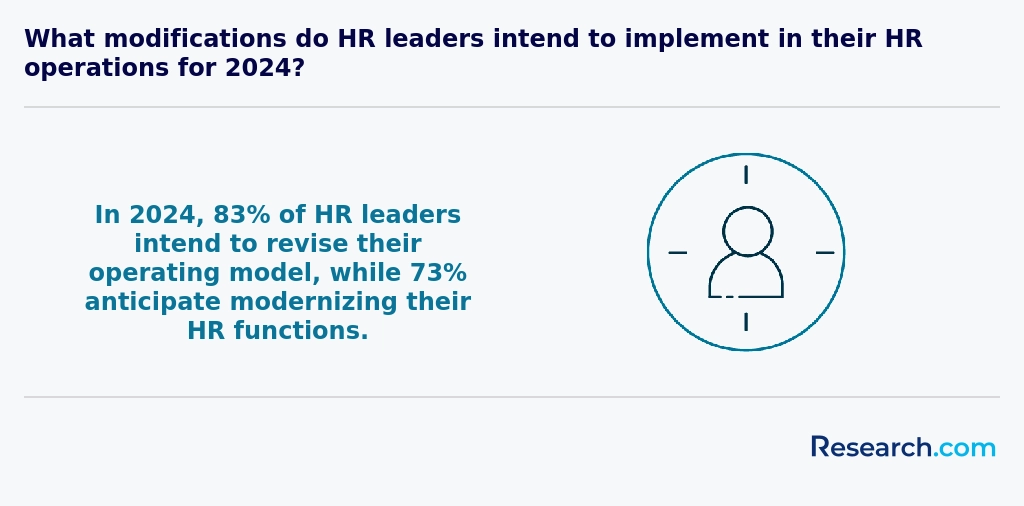
Graduates with a human resources degree in Philadelphia can pursue diverse career paths that reflect the city's evolving workplace dynamics. Many find roles as HR specialists or generalists, thriving in Philadelphia's healthcare, finance, and education sectors. For example, graduates from local universities often share how their hands-on experiences helped them confidently manage recruitment and employee relations, skills highly valued in Philadelphia's competitive labor market.
Emerging trends suggest growing opportunities in consulting and specialized fields such as diversity and inclusion coordination or training development. Several HR degree graduates express excitement about shaping organizational culture in Philadelphia's institutions. As companies embrace these roles, the demand for innovative HR solutions grows, broadening career opportunities.
Leadership roles, including HR manager positions, remain attractive and attainable for ambitious graduates. Those familiar with Philadelphia's robust economy foresee rising wages and influence for HR professionals. For students considering advanced education paths, exploring affordable online doctoral programs could further enhance prospects in these competitive human resources jobs in Philadelphia.
Career opportunities for HR degree Philadelphia graduates are diverse and promising, reflecting both traditional foundations and future-focused innovation.
The job market for human resources degree holders in Philadelphia shows promising opportunities, especially for graduates from universities like Temple University and Drexel University. Many alumni share stories of moving quickly into roles within major healthcare networks or financial institutions, highlighting the region's dynamic employment landscape. The area's diverse economy ensures HR specialists are in demand, managing recruitment and organizational development in sectors ranging from technology to non-profits.
Those entering the field often find that networking is vital to gaining a foothold, with groups like the local SHRM chapter playing a key role in connecting talent to employers. The job market outlook for HR degrees Philadelphia suggests steady growth fueled by rising compliance requirements and emphasis on diversity. Graduates note that pursuing certifications along with their degrees enhances their competitive edge and salary prospects.
Tuition costs remain a consideration, but many students view investment in a human resources degree as worthwhile due to the robust demand. For those exploring alternatives, quick college degrees that pay well could offer additional pathways to stable employment in the region.
2027 Best Human Resources Degree Programs Ranking in Philadelphia
Investing in your education is a significant decision that can shape your future, and the Research.com team understands the importance of making informed choices. To assist prospective students, we have meticulously crafted the "2027 Best Human Resources Degree Programs Ranking in Philadelphia." Our commitment to quality, credibility, and accuracy is reflected in the extensive research and analysis conducted to compile this ranking.
We utilized the following reputable data sources to ensure a comprehensive evaluation of human resources programs:
By exploring this ranking, readers will gain valuable insights into the best human resources degree programs available in Philadelphia, helping them make informed decisions about their educational paths. For more details on our methodology, please visit our Research.com methodology page.

# 2 position
Saint Joseph's University - Philadelphia
Bachelor of Science in Human Resource Management


Frequently Asked Questions About human resources
Human resources degree students in Philadelphia can maximize their learning by engaging with local industry networks and professional organizations such as the Society for Human Resource Management (SHRM) Philadelphia chapter. Internship opportunities in Philadelphia's diverse business sectors offer practical experience that is crucial for skill development. According to the Bureau of Labor Statistics, the Philadelphia metropolitan area is expected to increase HR specialist jobs by 7% from 2021 to 2031, highlighting growing opportunities for students.
Students should also utilize university career services and attend HR-focused workshops and seminars offered in the city. Building relationships with alumni and mentors adds valuable insight into regional HR challenges and practices. Staying informed about Pennsylvania labor laws through local government resources further enriches academic knowledge with real-world application.
The human resources field is expanding to include several emerging niches that reflect current workplace trends. One growing area is HR analytics, where professionals use data to improve hiring and retention strategies. According to the Society for Human Resource Management (SHRM), companies that leverage analytics see a 12% increase in workforce productivity.
Another niche gaining traction is diversity, equity, and inclusion (DEI). Philadelphia businesses, particularly in healthcare and education sectors, emphasize DEI to create more inclusive work environments.
Additionally, remote workforce management is becoming critical. The Philadelphia Business Journal reports that nearly 40% of local employers plan to maintain hybrid or fully remote models, increasing demand for specialists in this area.
Graduates with human resources degrees in Philadelphia should prioritize building practical skills and professional networks to enter the job market successfully. Many employers in the region value experience with HR software, employment law knowledge, and strong communication abilities. Internships and cooperative education programs available through local universities offer vital hands-on opportunities.
The Philadelphia metropolitan area hosts over 8,000 human resources professionals, according to the U.S. Bureau of Labor Statistics (2023). To stand out, students should also pursue HR certifications such as SHRM-CP or PHR, recognized nationally and respected by Philly employers. Networking through local organizations like the Philadelphia Society for Human Resource Management (SHRM) chapter can enhance job prospects considerably.
Employers in Philadelphia seek specific skills from graduates with human resources degrees to meet local business needs. Strong communication abilities are essential, as HR professionals must effectively interact with diverse workforces and manage employee relations.
Analytical skills are highly valued, enabling graduates to interpret workforce data and contribute to strategic planning. Knowledge of federal and Pennsylvania labor laws is critical to ensure compliance and avoid legal issues, according to the Pennsylvania Department of Labor & Industry.
Additionally, expertise in conflict resolution and talent management supports Philadelphia's competitive job market. According to the U.S. Bureau of Labor Statistics, HR specialists in the Philadelphia-Camden-Wilmington metro area earn a median annual wage of approximately $68,000, reflecting the demand for these competencies.
Finding internships in Philadelphia relevant to a human resources degree involves several strategic steps. Start by exploring local universities' career centers such as those at Temple University and the University of Pennsylvania, which offer internship listings and networking events specifically for HR students.
Additionally, use platforms like Handshake and LinkedIn to search for HR internship opportunities in Philadelphia. The city's strong corporate presence, including companies like Comcast and Aramark, provides numerous openings for HR roles.
The Philadelphia HR Association frequently hosts career fairs and workshops that can connect students with employers. According to the Bureau of Labor Statistics, the Philadelphia metro area employs over 12,000 HR specialists, signaling strong internship prospects.
Networking through professional organizations and maintaining an updated resume tailored to HR positions are key to securing valuable internships.
In Philadelphia, earning a human resources (HR) degree significantly enhances career mobility and advancement opportunities. According to the U.S. Bureau of Labor Statistics, HR specialists in the Philadelphia-Camden-Wilmington metro area saw a 7% growth rate from 2020 to 2030, signaling expanding job prospects. A formal HR education equips graduates with critical skills in labor law, talent management, and organizational behavior, which are highly valued by local employers across healthcare, education, and finance sectors.
Many Philadelphia businesses prefer or require candidates with a bachelor's or master's degree in HR for mid- to senior-level roles. Additionally, HR certification exams like PHR or SHRM-CP, often more accessible to degree holders, further boost promotion potential. Universities in Philadelphia offer degree programs aligned with industry needs, creating a strong pipeline of qualified professionals. Overall, holding a human resources degree in Philadelphia improves access to better roles and higher salaries in a competitive market.
Studying for a human resources degree in Philadelphia equips students with multidisciplinary skills essential for diverse organizational roles. Philadelphia's universities integrate coursework in business, law, psychology, and communication, reflecting the collaborative nature of HR functions. This approach prepares graduates to handle legal compliance, employee relations, and talent management effectively.
Interdisciplinary training also includes practical experience tied to local industries such as healthcare, education, and technology, which are prominent employers in Philadelphia. According to the U.S. Bureau of Labor Statistics, the Philadelphia metropolitan area employs over 40,000 HR specialists, highlighting strong demand for adaptable professionals.
Furthermore, many programs emphasize data analysis and technology, preparing students to utilize HR software and analytics tools. This integration enables graduates to collaborate across departments, enhancing strategic decision-making within organizations.
Choosing between a thesis and a non-thesis human resources degree program in Philadelphia depends on your career goals and learning preferences. Thesis programs typically require original research and are ideal for students considering a PhD or careers in research or academia. Non-thesis options focus more on practical skills and coursework, suitable for those planning to work directly in HR management or consulting.
According to the U.S. Bureau of Labor Statistics, Philadelphia's HR job market is expected to grow by 7% through 2030, emphasizing applied skills. Local universities offering these programs may have different credit requirements and time commitments, so consider your schedule and professional needs carefully.
Students based in Philadelphia interested in studying human resources abroad have several options through partnerships and exchange programs offered by local universities. Institutions such as Temple University and Drexel University frequently collaborate with international schools, enabling students to earn credits overseas while specializing in human resources management.
Many programs offer short-term study abroad opportunities in countries with strong HR education, including the United Kingdom, Canada, and Australia. These options enhance global HR competencies, which are valuable given Philadelphia's robust job market where HR roles are expected to grow by 10% through 2028, according to the U.S. Bureau of Labor Statistics.
Furthermore, some students opt for dual degree or certificate programs combining Philadelphia-based study with international coursework, broadening practical and cultural understanding in HR practices.
Part-time job opportunities in Philadelphia that complement a human resources degree include roles such as HR assistant, recruiting coordinator, and payroll clerk. These positions offer practical experience in employee relations, talent acquisition, and benefits administration.
Philadelphia's job market for HR-related roles has grown steadily, with the Bureau of Labor Statistics projecting a 7% national increase in HR specialist jobs from 2022 to 2032. Local companies, including healthcare providers and educational institutions, frequently hire part-time workers for HR tasks, allowing students to gain valuable skills while studying.
Internships and work-study programs at universities in Philadelphia also provide opportunities to apply HR theories in real-world settings, enhancing employability upon graduation.
Philadelphia offers rich networking opportunities for human resources (HR) students through local professional organizations and university connections. The Greater Philadelphia Society for Human Resource Management (SHRM) chapter hosts regular events, workshops, and conferences where students can meet HR professionals and employers.
Several universities in Philadelphia partner with local businesses, offering internships and career fairs that enhance real-world networking. According to SHRM, the Philadelphia region employs over 30,000 HR specialists, providing a robust community for engagement and mentorship.
Students can also access alumni networks and participate in local HR roundtables, fostering valuable professional relationships early in their careers.
Alumni networks play a significant role for human resources degree students in Philadelphia by offering access to experienced professionals in the local job market. These connections can lead to internships, mentorships, and job opportunities within Philadelphia's diverse industries, including healthcare, education, and finance. According to the Society for Human Resource Management (SHRM), strong professional networks increase hiring chances by up to 70%.
Philadelphia universities often maintain active alumni groups, hosting events and workshops that help students develop skills related to HR trends. This support system also provides guidance on certification pathways such as SHRM-CP or PHR, both highly valued by employers in the city.
Customizing a human resources degree program in Philadelphia allows students to align their studies with specific career goals. Many local universities offer elective courses in labor relations, diversity management, and organizational development, enabling focused skill-building. Philadelphia's strong corporate and healthcare sectors provide relevant internship opportunities, which enhance practical experience and networking prospects.
Additionally, students can pursue certifications alongside their degree, such as SHRM-CP or PHR, recognized nationally and valued by Philadelphia employers. Custom concentrations or minors in business analytics or psychology often complement HR studies.
Research from the Philadelphia Workforce Development Corporation highlights that tailored education improves job placement in the city's competitive HR market.
Human resources students in Philadelphia often face challenges related to balancing academic demands with practical experience. Many programs require internships or cooperative education, which can be competitive due to the city's dense job market. According to the Pennsylvania Department of Labor, Philadelphia's HR job sector is growing modestly, increasing pressure on students to gain relevant credentials.
Additionally, students report difficulties navigating the evolving legal landscape of employment law, a core HR subject. Courses must keep pace with changes in regulations like Title VII and ADA, which can be complex for newcomers. Access to up-to-date resources and expert faculty is vital for comprehension.
Financial strain is another concern. Philadelphia's average tuition for HR-related degrees ranges widely, and students must often seek scholarships or part-time jobs to afford studies.
With a human resources degree, you can pursue several professional certifications to enhance your career prospects. The most recognized certification is the Professional in Human Resources (PHR), offered by the HR Certification Institute. It focuses on operational HR management and is highly regarded nationwide, including in Philadelphia.
Another important certification is the SHRM Certified Professional (SHRM-CP) from the Society for Human Resource Management. This credential emphasizes both technical and behavioral competencies.
Philadelphia's growing corporate sector values these certifications. According to the Philadelphia Chamber of Commerce, HR professionals with certifications can expect up to a 15% higher salary than non-certified peers.
Other options include the Certified Compensation Professional (CCP) and the Talent Acquisition Specialty Credential, which cater to specialized HR functions.
When applying to human resources programs in Philadelphia, start by clearly demonstrating your passion for HR and understanding of its role in business success. Admissions committees often look for applicants who highlight relevant experiences such as internships, part-time jobs, or volunteer work related to employee relations or organizational development.
Include a well-crafted personal statement that connects your career goals with what the specific program offers. Philadelphia's competitive market makes it essential to showcase knowledge of local industry trends; for example, the Philadelphia Business Journal notes a growing demand for HR professionals skilled in diversity and compliance.
Strong letters of recommendation from supervisors or professors familiar with your skills can greatly enhance your application. Additionally, ensure your academic records reflect strong communication and business coursework, as these are key for HR success nationwide.
Testing requirements vary by institution, but a solid GRE or GMAT score can strengthen applications where required. Finally, tailor your application to each school, referencing Philadelphia's unique economic and workforce characteristics to show your commitment to contributing locally.
The global perspective on a human resources (HR) career highlights its increasing importance across diverse industries. In the United States, including Philadelphia, the Bureau of Labor Statistics projects a 7% employment growth for HR specialists from 2022 to 2032, reflecting steady demand. Globally, HR professionals focus on managing multicultural workplaces, adapting labor laws, and promoting diversity and inclusion.
Philadelphia's status as a metropolitan hub enhances opportunities for HR careers, with companies emphasizing global workforce strategies. Local universities often integrate international HR practices into their curricula to prepare graduates for these challenges.
Understanding global labor trends and technology integration is now essential, making HR degrees valuable for those aiming for leadership roles in international settings.
Gaining practical experience during a human resources degree in Philadelphia is important for career readiness. Many local universities encourage students to participate in internships with companies headquartered in the city, such as Comcast, Aramark, and Jefferson Health. These internships offer real-world exposure to HR practices like recruitment and employee relations.
Some schools also have partnerships with the Society for Human Resource Management (SHRM) Philadelphia Chapter, providing networking and volunteer opportunities. Additionally, students can join on-campus HR clubs or attend career fairs, which often attract regional employers.
According to the U.S. Bureau of Labor Statistics, Philadelphia's HR job market is growing steadily, supporting the value of practical experience during study.
Choosing the right concentration within a human resources degree program in Philadelphia involves understanding local industry demands and your career goals. Philadelphia's economy includes strong sectors such as healthcare, education, and finance, which often require HR professionals specialized in labor relations, talent development, or compensation management.
Research shows that HR roles focusing on employee relations and organizational development are growing by 10% nationally, with Philadelphia following this trend due to its diverse industries (U.S. Bureau of Labor Statistics, 2023). Picking a concentration aligned with growing sectors can improve job prospects.
Evaluate program offerings in Philadelphia schools, considering specialized tracks that match your interests, such as workforce analytics or diversity and inclusion, both increasingly important in urban workplaces.
- 2027 Best Human Resources Degree Programs Ranking in New York
- 2027 Best Human Resources Degree Programs Ranking in Washington
- 2027 Best Human Resources Degree Programs Ranking in Virginia Beach
- 2027 Best Human Resources Degree Programs Ranking in Providence
- 2027 Best Human Resources Degree Programs Ranking in Pittsburgh
- 2027 Best Human Resources Degree Programs Ranking in Cleveland
- 2027 Best Human Resources Degree Programs Ranking in Columbus
- 2027 Best Human Resources Degree Programs Ranking in Cincinnati
See What Experts Have To Say About Studying Human Resources
Read our interview with Human Resources experts


Chester S. Spell
Human Resources Expert
Professor of Management
Rutgers University

Rick Hackett
Human Resources Expert
Professor, Human Resources & Management
McMaster University

- Choosing a bachelor's in human resource management | edX https://www.edx.org/resources/how-to-choose-a-bachelors-in-human-resource-management
- Introducing HR University: A new era of professional development for Human Resources staff | Office of Human Resources https://www.phila.gov/2025-06-09-introducing-hr-university-a-new-era-of-professional-development-for-human-resources-staff/
- International HR Perspectives (MHR104) https://www.uis.no/en/course/MHR104
- Online Education Vs. Traditional Education In HR - CFR Group https://www.cfr-group.com/online-education-vs-traditional-education-in-hr/
- Salary Guide for Future HR Managers https://www.allbusinessschools.com/human-resources/salary/
- How a Human Resources Management Degree Can Boost Your Career | BSBI https://www.berlinsbi.com/blog/how-a-degree-in-human-resources-can-boost-your-career-a-guide-for-aspiring-professionals
- 4 tips for leveraging alumni networks for recruitment https://www.eaie.org/resource/leveraging-alumni-networks-recruitment.html
- Top 10 HR Networking Groups for Professionals https://www.myhubintranet.com/hr-networking-groups/
- Human Resources Scholarships | Undergraduate and Graduate Scholarships in HR Management https://career-performance.com/human-resources-scholarships/
- SUSSEX-WARREN HUMAN RESOURCE MANAGEMENT ASSOCIATION https://studenthrcommunity.org/