
2027 Easiest Online Healthcare Degree Programs Ranking in Green Bay, WI

Co-Founder and Chief Data Scientist
Choosing the right healthcare degree can be challenging, especially with so many options available. This article presents the 2027 Easiest Online Healthcare Degree Programs Ranking in Green Bay, WI, created by the Research.com team of data scientists to help students like you make informed decisions.
Whether you're starting fresh or looking to advance your career, this ranking highlights programs that balance quality education with flexibility. Exploring these options can bring you closer to a rewarding healthcare career that fits your lifestyle and goals.
Investing in your education is a positive step toward a fulfilling future in healthcare.
Key benefits of getting online healthcare degree in Green Bay
- Salary Benefits: Graduates can expect competitive wages like $43,350 annually for Medical Assistants or up to $103,150 for Quality Improvement Coordinators, making healthcare degrees a smart financial investment in Green Bay.
- Career Paths: Many healthcare degree holders from local colleges in Green Bay find rewarding roles such as Patient Care Technicians or Health Information Technicians, offering diverse opportunities to grow in the healthcare field.
- Online Degree Advantages: Earning your healthcare degree online from a Green Bay school provides flexibility and convenience, allowing you to balance work and study while still accessing quality education.
- Key benefits of getting online healthcare degree in Green Bay
- What can I expect from online healthcare degree in Green Bay?
- Where can I work with online healthcare degree in Green Bay?
- How much can I make with online healthcare degree in Green Bay?
- 2027 Easiest Online Healthcare Degree Programs Ranking in Green Bay, WI
- Key Findings
- How long does it take to complete online healthcare degree in Green Bay?
- Typical Courses and Curriculum Overview
- What's the difference between online and on-campus healthcare degree?
- Typical Courses in Online Healthcare Programs
- What is the average cost of online healthcare degree in Green Bay?
- Accreditation and Licensure Requirements
- What financial aid is available to online healthcare degree students in Green Bay?
- Accreditation and Licensure Preparation
- What are the prerequisites for enrolling in online healthcare degree program in Green Bay?
- Certification and Continuing Education Opportunities
- What courses are typically in online healthcare degree programs in Green Bay?
- What types of specializations are available in online healthcare degree programs in Green Bay?
- How do you choose the best online healthcare degree in Green Bay?
- What career paths are available for online healthcare degree students in Green Bay?
- What is the job market for online healthcare degree in Green Bay?
- Top Trending Healthcare Rankings
- See What Experts Have To Say About Studying Healthcare
What can I expect from online healthcare degree in Green Bay?
Online healthcare degrees in Green Bay typically offer competitive tuition rates, especially when students qualify for in-state tuition at institutions like the University of Wisconsin-Green Bay. Many learners report feeling relieved and motivated by the affordability of these programs compared to traditional on-campus options. Costs are often balanced with financial aid opportunities, such as federal loans and scholarships tailored to healthcare careers, helping students focus on their goals without overwhelming financial stress.
Graduates from these programs share how the manageable tuition allowed them to pursue their passion for patient care and healthcare management without sacrificing family time or financial stability. With the support of accredited online programs, students can engage fully in their studies while benefiting from flexible scheduling and valuable clinical experiences or simulations tied to local healthcare providers.
This balance of cost, quality, and flexibility empowers students in Green Bay to confidently advance their careers in growing healthcare fields, making the investment in their education feel truly worthwhile.
Where can I work with online healthcare degree in Green Bay?
Graduates with an online healthcare degree in Green Bay find rewarding opportunities across a vibrant range of workplaces. Many step confidently into roles at local hospitals and medical centers, such as Bellin Health or Aurora BayCare Medical Center, where they work as medical technologists or patient care coordinators, applying skills gained through flexible online programs at colleges like the University of Wisconsin-Green Bay.
Others thrive in outpatient care centers and clinics, managing practices or supervising clinical teams. Graduates appreciate how their education prepares them to meet the growing demand for healthcare services outside traditional hospital settings, mirroring the positive experiences shared by alumni from Northeast Wisconsin Technical College.
Long-term care facilities and nursing homes offer meaningful career paths, where professionals provide compassionate care to an aging population. Many graduates find fulfillment in roles such as licensed practical nurses or facility administrators, knowing their work truly makes a difference in community health.
Community health departments also welcome these graduates, giving them a chance to lead wellness programs and promote disease prevention, often inspired by real-world training tied to Green Bay's unique public health initiatives.
How much can I make with online healthcare degree in Green Bay?
Graduates from online healthcare programs in Green Bay often step into rewarding roles with promising salaries. For example, medical assistants earn a mean annual wage of about $43,350, providing a solid starting point for those eager to enter the healthcare field quickly. Patient care technicians enjoy a higher average, earning around $60,790 annually, reflecting their vital role in supporting patient treatment.
Health information technicians, another popular career choice for online degree holders, make roughly $43,380 a year, blending technology skills with healthcare knowledge. Additionally, clinical research coordinators earn about $43,350 annually, contributing to groundbreaking medical studies right from the heart of Wisconsin.
Some graduates aim for leadership positions, such as quality improvement coordinators, who receive a rewarding mean salary of $103,150 annually. Many Green Bay graduates from recognized institutions feel inspired knowing their education paves the way to fulfilling careers with strong financial stability and growth potential.
Studying healthcare online in Green Bay opens doors to vibrant, well-paying careers where compassionate professionals make a real difference every day.
2027 Easiest Online Healthcare Degree Programs Ranking in Green Bay, WI
How do we rank schools?
Investing in your education is a significant decision that can profoundly impact your future, and the Research.com team fully recognizes the importance of making well-informed choices. To support prospective students in Green Bay, WI, we have carefully developed the "2027 Easiest Online Healthcare Degree Programs Ranking in Green Bay, WI." Our dedication to quality, credibility, and accuracy is demonstrated through thorough research and rigorous analysis behind this ranking.
We utilized the following reputable data sources to ensure a comprehensive evaluation of healthcare degree programs:
By exploring this ranking, readers will gain valuable insights into accessible and high-quality online healthcare degree programs tailored to Green Bay, WI, enabling them to confidently select the best option. For further information on our research process, please visit our Research.com methodology page.
# 1 position
University of Wisconsin-Green Bay
Bachelor of Health Information Management & Technology

Key Findings
- Online healthcare degrees in Green Bay typically cost between $15,000 and $30,000 for a bachelor's program, with public institutions offering lower tuition rates.
- Students may qualify for federal financial aid, scholarships, and employer tuition assistance to help cover costs.
- Healthcare jobs in Green Bay are growing fast, with a projected 14% increase in Wisconsin through 2031, outpacing many other fields.
- Starting salaries for healthcare graduates generally begin around $50,000 annually, rising to $75,000 or more with experience.
- Many online programs may require some on-site clinical hours or internships, so verifying these requirements before enrolling is important.
- Accreditation by agencies like CCNE or ACEND is essential for program quality and licensure eligibility in Wisconsin.
How long does it take to complete online healthcare degree in Green Bay?
Completing an online healthcare degree in Green Bay is an exciting journey that adapts to your life and goals. Graduates from local institutions like the University of Wisconsin-Green Bay share how associate degrees can be earned in about two years, opening doors to entry-level healthcare roles or smooth transfers into bachelor's programs. Many celebrate the accelerated bachelor's degree options, which allow busy professionals to finish in as little as 18 to 24 months-turning dreams into reality faster than expected.
For those pursuing advanced degrees, like a Master's in Nursing through online programs offered by colleges in Green Bay, completion typically takes 1.5 to 3 years. Alumni often express how flexible pacing balanced with rigorous curriculum helped them succeed without putting life on hold.
Real-life Green Bay students appreciate how transfer credits, part-time study options, and program formats tailor the timeline to individual needs, making the achievement of a healthcare degree feel within reach and genuinely empowering.
Typical Courses and Curriculum Overview
A robust online healthcare degree program in Green Bay, WI is designed to provide a comprehensive curriculum that blends foundational theory with practical application. Students typically explore courses ranging from introductory healthcare concepts, medical terminology, and human anatomy to specialized subjects such as clinical procedures, healthcare ethics, and digital patient management. Many programs also offer modules focused on healthcare management, where learners might delve into topics like hospital administration, policy analysis, and the integration of technology in patient care. For those looking to expand their expertise in healthcare leadership, combining your clinical studies with an affordable online mba in healthcare management can be a strategic choice. By engaging with a well-rounded curriculum, students not only acquire vital medical knowledge but also develop the critical decision-making skills necessary for thriving in today’s dynamic healthcare environment.
What's the difference between online and on-campus healthcare degree?
Online healthcare degrees in Green Bay empower students to balance life's demands with learning, offering the freedom to study anytime, anywhere. Graduates from University of Wisconsin-Green Bay often share how this flexibility allowed them to excel while working or caring for family. Imagine completing coursework at your own pace, logging in after a busy day, and still connecting with instructors through interactive platforms.
Meanwhile, traditional on-campus programs at institutions like Northeast Wisconsin Technical College provide rich, hands-on experiences through classes and clinical rotations at local places like Bellin Health. Students benefit from face-to-face mentorship and vibrant campus communities, creating lasting friendships and professional networks within Green Bay's healthcare scene.
Both pathways lead to rewarding careers, with online options offering convenience and accessibility, while on-campus programs provide immersive, practical training. Whichever you choose, you're joining a thriving healthcare community dedicated to your success and growth.
Typical Courses in Online Healthcare Programs
Online healthcare degree programs in Green Bay, WI, offer a dynamic curriculum designed to equip students with both foundational knowledge and practical skills needed in the modern healthcare environment. This section outlines the core courses and electives that you can expect in these programs, ensuring you’re well-prepared for your career journey. • Fundamentals of Healthcare: Courses that introduce healthcare systems, medical terminology, patient safety, and the basics of clinical practice provide a solid foundation for more advanced studies. • Anatomy and Physiology: Detailed explorations of the human body, its systems, and functions enable students to understand the scientific principles behind patient care and treatments. • Medical Ethics and Law: Focused on healthcare ethics, patient rights, and legal responsibilities, these courses prepare students for the professional and ethical challenges of clinical environments. • Healthcare Informatics: As digital record-keeping and data management become integral to healthcare, courses covering electronic health records, data analytics, and cybersecurity ensure graduates can navigate modern technological demands. • Clinical Simulation and Hands-On Training: Interactive modules, including virtual labs and patient simulation exercises, allow students to practice clinical decision-making and improve their technical skills before entering real-world settings. • Specialized Electives: Depending on your chosen pathway, you might explore electives in public health, healthcare management, or specialized nursing topics, providing tailored knowledge that matches your career goals. By integrating theoretical coursework with interactive and practice-based learning, these typical courses not only build your confidence and competence but also demonstrate a comprehensive approach ensuring that every graduate is ready to thrive in the fast-paced healthcare industry.
What is the average cost of online healthcare degree in Green Bay?
The average cost of an online healthcare degree in Green Bay reflects a balanced investment in a promising career path. Graduates from popular institutions like the University of Wisconsin-Green Bay often share how the tuition, typically ranging around $33,000 in total, feels manageable when compared with the life-changing opportunities the degree unlocks. Public university programs, especially for in-state students, offer affordable tuition per credit hour, making it possible to complete a comprehensive healthcare education without overwhelming debt.
Many students pursuing affordable online healthcare degree programs Green Bay 2027 find that additional expenses, such as textbooks and technology fees, are reasonable and well worth the convenience of learning from home. These costs are often supplemented by scholarships and Workforce Development programs, which support students stepping into healthcare roles committed to community impact. Such financial aid options significantly lighten the load, encouraging students to focus on achieving their goals.
Those enrolled in graduate-level healthcare degrees at local colleges often describe their experiences as highly rewarding despite slightly higher tuition rates. With motivated peers and expert faculty, the tuition investment helps fuel confident journeys to leadership in healthcare. To explore specialized paths, prospective students can consider dual nurse practitioner programs Texas offered through online study, expanding future opportunities while benefiting from high-quality education tailored to their needs.

Accreditation and Licensure Requirements
Ensuring your online healthcare program meets recognized accreditation standards and aligns with state licensure mandates is critical to your career success. Accredited programs guarantee academic quality, eligibility for federal financial aid, and qualification for professional certification exams. For nursing tracks, look for accreditation by bodies such as the Commission on Collegiate Nursing Education (CCNE) or the Accreditation Commission for Education in Nursing (ACEN). Health informatics programs should hold CAHIIM accreditation, while public health degrees often seek CEPH approval. Always verify that your institution is recognized by the U.S. Department of Education and participates in the National Council for State Authorization Reciprocity Agreements (NC-SARA). In Wisconsin, state licensure requirements generally include completion of an accredited program, a criminal background check, and successful passage of the NCLEX for nurses or equivalent certification exams for other specialties. Graduates should consult the Wisconsin Board of Nursing or the relevant state board for detailed application procedures, continuing education obligations, and renewal cycles. If you’re evaluating cost-effective program options beyond Green Bay, consider the Inexpensive Online Healthcare Degree Programs Ranking in Mississippi for insights into accredited, budget-friendly pathways that uphold rigorous educational standards. Choosing an accredited program aligned with licensure requirements not only safeguards your investment but also streamlines your transition from student to certified healthcare professional, enhancing your employability across clinical, administrative, and public health roles.
What financial aid is available to online healthcare degree students in Green Bay?
Students pursuing an online healthcare degree in Green Bay often find financial support within reach, making their educational dreams attainable and encouraging their passion for caring professions. Many graduates from local institutions have successfully accessed federal financial aid by completing the FAFSA, unlocking Pell Grants that can cover up to $7,395 per year-relieving the burden of tuition costs while they focus on their studies.
Wisconsin residents benefit from state grants like the Wisconsin Higher Education Grant, which awards between $1,500 and $3,000 annually to deserving healthcare students enrolled in online programs at colleges around Green Bay. These grants have transformed the journeys of many who started with financial worries but gained confidence through this assistance.
Moreover, numerous online healthcare programs in Green Bay offer institutional scholarships tailored specifically for nursing, health information management, and other vital disciplines. Graduates often recall the pride of receiving such scholarships, fueling their commitment to excel.
Local employers also play a key role, offering tuition reimbursement programs that make continuing education feasible while working. With Green Bay's healthcare sector projected to grow by 15% in the next decade, these opportunities inspire both students and professionals to advance their careers with strong financial backing.
Private scholarships and nonprofit programs add extra layers of support, connecting motivated Green Bay students to resources that make earning their healthcare degrees not just a goal, but a vivid, achievable reality.
Accreditation and Licensure Preparation
Choosing an accredited program ensures your degree is recognized by employers and qualifies you for certification or licensure exams in Wisconsin. Verify both regional accreditation and program-specific approval before enrolling.
- Regional accreditation by agencies like the Higher Learning Commission (HLC)
- Program accreditation from
- ACEN or CCNE for nursing
- CAHIIM for health informatics
- CAAHEP for allied health specialties
- State board approval (e.g., Wisconsin Board of Nursing) to meet clinical practicum requirements and sit for licensure exams
- Review reported licensure exam pass rates on each school’s website to gauge program quality
- Consider the fastest lpn program if you aim to streamline your path to clinical licensure and enter the workforce quickly
What are the prerequisites for enrolling in online healthcare degree program in Green Bay?
To embark on an online healthcare degree in Green Bay, students embrace clear and achievable prerequisites that set them up for success. Most commonly, you'll need a high school diploma or GED to begin, paving the way for further studies in esteemed local institutions like the University of Wisconsin-Green Bay or Northeast Wisconsin Technical College. Graduates often share how preparing foundational courses in biology, chemistry, and anatomy helped them feel confident tackling complex healthcare topics.
Many programs encourage applicants to bring relevant college credits or degrees, especially for advanced degrees, ensuring you build on a strong academic base. Local healthcare facilities like Bellin Health inspire students by offering volunteer and work opportunities, enriching their learning with real-world experience and deepening their passion.
Stable internet and reliable technology create a seamless connection to interactive online learning, bringing the dynamic healthcare community in Green Bay right to your screen. This empowering blend of preparation and opportunity opens doors to a thriving healthcare career.
Certification and Continuing Education Opportunities
Earning an online Healthcare degree in Green Bay, WI often serves as the foundation for pursuing industry-recognized certifications and lifelong learning-key factors that boost employability, confidence, and earning potential. Upon graduation, many students elect to sit for professional exams such as the Certified Professional Coder (CPC), Certified Coding Associate (CCA), or Registered Health Information Technician (RHIT). These credentials validate technical proficiency and demonstrate commitment to quality patient care and data integrity. Most top-ranked programs integrate focused exam-prep modules and offer continuing education units (CEUs) that satisfy recertification requirements. Common certification pathways include: • Certified Professional Coder (CPC) – administered by the AAPC; ideal for roles in medical billing and coding. • Certified Coding Specialist (CCS) – managed by AHIMA; designed for health information management positions. • Registered Health Information Technician (RHIT) – ensures competence in electronic health records and data analytics. To further specialize, students can explore online medical billing and coding with financial aid, combining affordability with expert instruction. Additionally, reputable programs often partner with professional associations to provide discounted or free access to workshops, webinars, and virtual conferences-maintaining your credentials and staying abreast of regulatory changes. By strategically aligning your online degree with certification and continuing education, you not only meet industry standards but also position yourself for accelerated career growth, higher salary brackets, and leadership roles within Green Bay’s dynamic healthcare sector.
What courses are typically in online healthcare degree programs in Green Bay?
Online healthcare degree programs in Green Bay offer an inspiring blend of courses designed to empower students for rewarding careers in medical and health services. Graduates from local institutions often share how foundational classes in human anatomy and physiology helped them truly understand the complexity and beauty of the human body, fueling their passion for patient care in real-world settings.
Courses in healthcare ethics and legal issues prepare students to navigate the evolving healthcare landscape with confidence and integrity-skills highly valued by employers in Green Bay hospitals and clinics. Many students recall how studying healthcare informatics equipped them with the know-how to manage electronic health records, directly supporting advancements in digital care technologies throughout the region.
Those pursuing leadership roles benefit from healthcare management classes, which cover budgeting and organizational behavior. This practical knowledge elevates graduates, enabling them to step into impactful administrative positions as the local healthcare sector grows. Immersive clinical experiences offered by popular Green Bay colleges further connect theory with hands-on practice, building skills and community ties that inspire lifelong dedication.
What types of specializations are available in online healthcare degree programs in Green Bay?
Exploring online healthcare degree specializations in Green Bay WI reveals a range of exciting options tailored to meet local and national demands. Graduates from popular colleges here often highlight Nursing as a rewarding path, with many completing their RN to BSN online while working in Green Bay's vibrant healthcare community. The strong local need for nurses brings both stability and fulfillment as graduates step confidently into roles at hospitals like Bellin Health.
Healthcare Administration attracts students eager to lead and innovate within Green Bay's expanding network of care facilities. Online programs build skills in leadership and finance, empowering graduates to shape healthcare delivery in meaningful ways. Public Health degrees also inspire many, connecting learners to community efforts against chronic diseases pervasive in Wisconsin, helping graduates feel truly impactful.
Other encouraging specialties include Health Informatics and Medical Coding, where students thrive managing vital healthcare data. Interested in the duration for practical nursing? Check out the Delaware lpn program duration as a helpful comparison for planning your journey toward a career in allied health.
Choosing the best healthcare online programs Green Bay Wisconsin offers means joining a community dedicated to compassionate, quality care - a path filled with hope and opportunity.
How do you choose the best online healthcare degree in Green Bay?
Choosing the best online healthcare degree in Green Bay means focusing on programs that blend quality education with real-world relevance. Graduates from local colleges often describe their journey as empowering, especially when courses offer flexible schedules that fit busy lives. Many highlight the value of gaining hands-on experience in Green Bay's healthcare facilities, which boosts confidence and readiness for rewarding careers.
Affordability is another exciting aspect for students pursuing affordable healthcare degrees online Green Bay. With tuition fees often competitive and financial aid options available, it's possible to invest in your future without overwhelming debt. Plus, understanding academic standards in nursing programs helps ensure you choose a school that meets high expectations and prepares you thoroughly for licensure and employment.
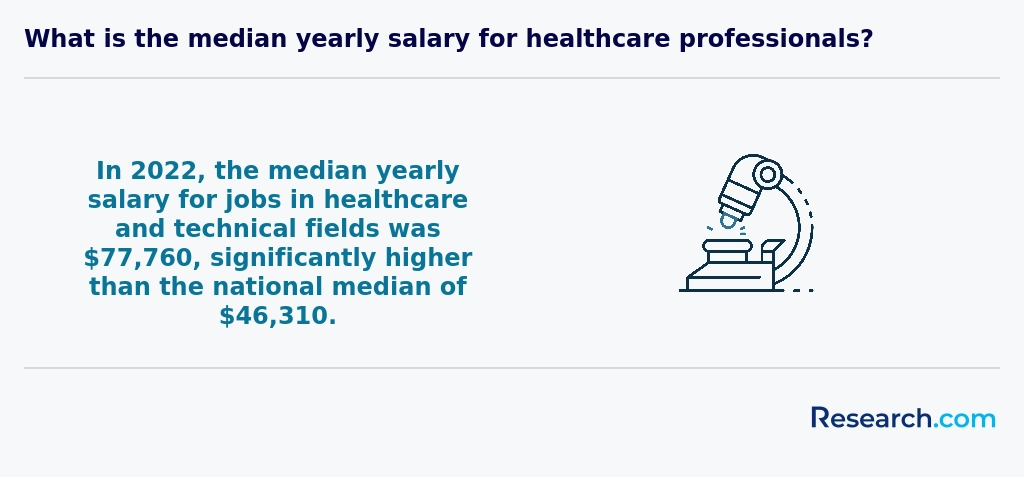
Finally, envision finishing your degree and thriving in Green Bay's vibrant healthcare community, where median wages reflect the value of your skills. Choosing wisely opens doors to meaningful work and a fulfilling career that brings both personal satisfaction and a positive impact on your community.
What career paths are available for online healthcare degree students in Green Bay?
Graduates with an online healthcare degree in Green Bay find themselves stepping into a world of meaningful and rewarding career paths. Whether pursuing a role as a Registered Nurse (RN), healthcare administrator, or health information manager, students from popular colleges in the area often share the pride they feel working in Green Bay's vibrant healthcare community. The growth of local facilities like Aurora BayCare and Bellin Health means ample opportunities to apply skills learned in programs designed to support success in real-world scenarios.
Many graduates have experienced the excitement of passing the NCLEX-RN licensure exam, unlocking doors to positions in hospitals and clinics. For those interested in administration, the chance to contribute to efficient, digital healthcare systems is especially motivating. Students often discover that Green Bay healthcare degree job opportunities also include promising roles as medical assistants, radiologic technologists, and public health professionals, with strong regional demand echoing national trends.
Studying in Green Bay offers not just career chances but also a deep connection to the local community. Prospective students can explore quality metrics in healthcare to ensure their training aligns with the region's needs and future growth. With online healthcare degree careers in Green Bay WI, graduates feel empowered to build fulfilling futures while making a positive impact every day.
What is the job market for online healthcare degree in Green Bay?
The job market for graduates with an online healthcare degree in Green Bay is vibrant and promising. Local healthcare institutions like Bellin Health and Prevea Health are actively hiring, recognizing the value of both traditional and online credentials. Graduates from popular programs at area colleges often share how their education opened doors to rewarding roles such as registered nurses, healthcare administrators, and allied health professionals, with many securing positions quickly after completing their studies. This strong demand reflects the growing and aging population in Green Bay, which consistently drives a 15% healthcare job growth projection through 2030.
Many students pursuing healthcare degrees online appreciate the affordability and flexibility these programs offer, often paying between $15,000 and $40,000 while balancing work and family. Starting salaries in Green Bay are competitive, with registered nurses earning median wages near $65,000 and healthcare managers averaging around $90,000. Students interested in advancing further often explore options like an affordable online mba in healthcare management to boost their career trajectory in the region's expanding healthcare sector.
Job opportunities in Green Bay provide an encouraging landscape for those seeking healthcare degree employment opportunities Green Bay WI, backed by established healthcare systems, growing demand, and strong employer acceptance of online learning.
Frequently Asked Questions About healthcare
Online healthcare degree students in Green Bay can enhance their learning by actively engaging with local healthcare facilities for practical experience. Green Bay is home to several respected hospitals, such as Bellin Health and St. Vincent Hospital, which offer opportunities for internships and clinical placements. According to the Wisconsin Department of Health Services, practical exposure significantly improves student retention and job readiness.
Students should also leverage digital resources like virtual labs and simulation software, which many accredited programs provide. Time management and maintaining regular communication with instructors help ensure steady progress. Joining online study groups within Wisconsin's healthcare networks can further enrich understanding and networking.
The healthcare field is rapidly evolving with several emerging niches attracting attention from students and professionals alike. In Green Bay, Wisconsin, demand is growing for specialists in telehealth due to increased remote care options. According to the Wisconsin Department of Health Services, telehealth visits have surged by over 50% since 2020, highlighting the need for trained providers in this area.
Another promising niche is healthcare informatics, which combines data analysis with patient care to improve outcomes. The U.S. Bureau of Labor Statistics projects a 15% growth in this field by 2030, driven by the need for efficient electronic health record management.
Additionally, geriatric care is expanding as Green Bay's population ages. The area's healthcare systems require more professionals skilled in elderly care coordination and chronic disease management.
After completing an online healthcare degree in Green Bay, it is essential to develop a targeted job search strategy. Begin by researching local healthcare employers such as Aurora BayCare Medical Center and Bellin Health, which employ a large portion of the city's healthcare workforce. According to the Wisconsin Department of Workforce Development, healthcare jobs in Green Bay are expected to grow by 10% through 2030, highlighting strong demand.
Networking plays a critical role; consider joining regional professional associations like the Wisconsin Healthcare Association or attending virtual job fairs. Additionally, obtaining relevant certifications beyond your degree can improve your marketability. Tailor your resume to emphasize practical skills gained through internships or clinical experiences related to Green Bay's healthcare priorities.
Employers in Green Bay highly value healthcare degree graduates who demonstrate strong communication skills. Clear, compassionate interaction with patients and colleagues is essential in this community-focused region. Critical thinking and problem-solving abilities are also top priorities, as healthcare professionals frequently face complex cases requiring quick, informed decisions.
Technical proficiency with electronic health records (EHR) systems is increasingly important. According to the Wisconsin Department of Health Services, local facilities have adopted EHR technologies extensively, creating demand for tech-savvy graduates.
Additionally, teamwork and adaptability stand out as key skills. Green Bay's healthcare sector involves interdisciplinary collaboration, making graduates who excel in flexible, cooperative environments more competitive.
Knowledge of regulatory compliance and patient safety standards, aligned with federal and state requirements, rounds out the core skills employers seek in this region's healthcare workforce.
Finding healthcare internships in Green Bay involves targeting local hospitals, clinics, and healthcare organizations. Major employers like Bellin Health and Aurora BayCare Medical Center often offer internship programs for students pursuing medical and allied health degrees.
Students should first consult their online program's career services, which often coordinate with local partners to place interns in practical settings. Green Bay's healthcare sector is strong, with over 9,000 jobs in healthcare support roles as per the Wisconsin Department of Workforce Development, indicating many potential opportunities.
Additionally, checking websites like Indeed or Handshake with a location filter set to Green Bay can reveal available internships in healthcare. Networking through professional associations such as the Wisconsin Healthcare Association also helps in securing placements.
Obtaining an online healthcare degree in Green Bay can significantly enhance career mobility and advancement in the local job market. The healthcare industry in Green Bay is growing, with the Wisconsin Department of Workforce Development projecting a steady increase in healthcare roles through 2028. Employers often prefer candidates with formal education, and an accredited online degree provides flexibility for working professionals to gain credentials without relocating.
Graduates with online healthcare degrees can access diverse roles across hospitals, clinics, and social service agencies, including nursing, health administration, and medical technology. According to the Green Bay Chamber of Commerce, healthcare jobs in the area offer competitive salaries and advancement opportunities linked to higher education levels.
Additionally, online education programs frequently include up-to-date curricula aligned with industry needs, which can improve graduates' readiness for leadership or specialized positions. For those balancing work and study, online degrees provide a feasible pathway to expand qualifications and climb the professional ladder within Green Bay's healthcare sector.
Studying for a healthcare degree in Green Bay offers strong preparation for interdisciplinary roles by integrating diverse healthcare topics. Local programs emphasize collaboration between nursing, public health, and allied health professions, reflecting the growing demand in Wisconsin's healthcare job market. According to the Wisconsin Department of Health Services, Green Bay's healthcare sector is expanding, requiring professionals skilled in teamwork across multiple disciplines.
Online curricula often include case studies and virtual simulations promoting communication among varied healthcare roles. This approach equips students with skills to coordinate care, manage resources, and improve patient outcomes within dynamic healthcare settings.
These programs also comply with national accreditation standards, ensuring graduates meet competencies needed for interdisciplinary practice.
Choosing between a thesis and a non-thesis healthcare degree program in Green Bay depends largely on your career goals and learning preferences. Thesis options typically require original research, making them ideal for students interested in advanced studies or research roles. Non-thesis programs focus more on coursework and practical skills, suited for those aiming to enter or advance quickly in the healthcare workforce.
In Green Bay, healthcare employers often value hands-on experience, which non-thesis degrees emphasize. According to the Wisconsin Department of Workforce Development, healthcare jobs in the area are projected to grow 14% by 2030, with demand for practical skills rising.
Consider your time commitment as well. Thesis programs often take longer and require strong self-motivation to complete the research successfully. Non-thesis paths can offer more flexibility and faster completion, a key advantage for working professionals in Green Bay's busy healthcare sector.
Students in Green Bay seeking to study healthcare abroad have several viable options through accredited online programs offered by international institutions. These programs allow flexibility while meeting U.S. educational standards, which is crucial for certification and licensure in healthcare professions. Notably, students should ensure their chosen degree is recognized by bodies such as the Commission on Accreditation of Allied Health Education Programs (CAAHEP) or the Council for Higher Education Accreditation (CHEA).
While Green Bay's healthcare sector grows-projected to add over 2,000 jobs by 2030 according to the Wisconsin Department of Workforce Development-studying abroad online can broaden perspectives.
Popular fields include nursing, healthcare administration, and public health. Programs may require clinical hours completed locally, often coordinated through partnerships with Green Bay healthcare facilities verified by the institution. This blend of international curriculum and local practical experience offers students a global healthcare education without relocating.
Green Bay offers several part-time job opportunities that can complement healthcare degree education. Many students find roles as medical assistants or patient care technicians in local clinics and hospitals. These jobs provide valuable hands-on experience and often offer flexible schedules suitable for studying.
The healthcare sector in Green Bay is growing steadily, with the Bureau of Labor Statistics projecting a 15% employment increase in healthcare occupations across Wisconsin through 2030. Part-time work in administrative roles at healthcare facilities can also enhance organizational skills critical for healthcare professionals.
Caregiver positions, such as home health aides, are widely available and help students gain practical knowledge about patient interaction and care. These roles offer an average hourly wage of $12-$15 according to Wisconsin Department of Workforce Development data, making them accessible and beneficial for students balancing school and work.
Online healthcare students in Green Bay benefit from a variety of networking opportunities despite studying remotely. Local healthcare organizations, such as Bellin Health and Aurora BayCare, often collaborate with online programs to offer internships and virtual networking events. These partnerships enable students to connect with healthcare professionals in the city's growing medical sector.
Additionally, Green Bay hosts several professional associations, including the Wisconsin Nurses Association, which offer local chapters and online meetings welcoming students. Attending these events can help build connections for future employment.
The presence of the University of Wisconsin-Green Bay and its alumni network also supports online learners by providing access to career fairs and mentorship programs tailored to healthcare fields.
Alumni networks play a crucial role for online healthcare degree students in Green Bay by providing strong professional connections. Graduates can tap into these networks to find job opportunities, mentorships, and career advice within the local healthcare industry. The Green Bay area employs over 15,000 healthcare workers, making networking essential for entry and advancement.
These networks often offer virtual events, discussion groups, and job boards tailored to healthcare fields, helping students stay informed about local trends. Access to alumni who work at major Green Bay hospitals, like Bellin Health, can significantly boost a graduate's chances of employment.
Strong alumni ties also support skill development and professional growth through shared experiences and guidance, which is vital in the evolving healthcare sector.
Customizing an online healthcare degree program in Green Bay allows students to align their education with specific career goals. Many universities offer various concentrations such as nursing, health administration, or public health, letting students select courses that match their interests.
Green Bay's healthcare sector is growing, with a 7% increase in job openings projected through 2030 according to the Wisconsin Department of Workforce Development. This growth creates opportunities in specialized areas like healthcare informatics or clinical management.
Students should also consider programs offering flexible electives and certifications to enhance their skills. Engaging with local healthcare networks can provide practical experience and professional connections tailored to Green Bay's market.
Advising services and career counseling available through online programs can further help tailor the degree to individual ambitions, ensuring relevance in a dynamic healthcare environment.
Online healthcare students in Green Bay often face challenges related to balancing coursework with personal and professional responsibilities. Many learners in this region are working adults, making time management a critical issue. According to data from the Wisconsin Department of Workforce Development, healthcare jobs in Green Bay are projected to grow by 12% through 2030, increasing the demand for flexible education options.
Another common difficulty is limited access to local clinical placements, which are essential for practical experience. Coordinating internships within Green Bay's healthcare facilities can be competitive and complex.
Technical issues and varying levels of online learning preparedness also affect student success rates.
With an online healthcare degree, Green Bay students can pursue several recognized professional certifications to boost their careers. Popular certifications include Certified Nursing Assistant (CNA), Registered Health Information Technician (RHIT), and Certified Medical Assistant (CMA). These credentials are often required or preferred by employers across Wisconsin's healthcare facilities, including those in Green Bay, where healthcare jobs grew by 5% in recent years per the Wisconsin Department of Workforce Development.
For those interested in specialized roles, certifications like Certified Professional Coder (CPC) or Licensed Practical Nurse (LPN) are also accessible with an online healthcare background. Many programs prepare students to meet national exam requirements while offering flexibility for working adults in Green Bay.
Additionally, certifications like the Certified Healthcare Safety Professional (CHSP) may appeal to graduates aiming for administrative or safety roles in local hospitals. Overall, an online healthcare degree offers diverse pathways to achieve credentialing aligned with regional job demands and growth trends.
Applying for an online healthcare degree program in Green Bay requires clear focus and preparation. Start by researching programs accredited by recognized bodies such as the Commission on Accreditation of Allied Health Education Programs (CAAHEP) or the Accreditation Commission for Education in Nursing (ACEN). Accreditation ensures the program meets quality standards and improves your chances of licensure and employment.
Highlight your motivation for entering healthcare, emphasizing any relevant experience or volunteer work in local Green Bay healthcare facilities. According to the Wisconsin Department of Workforce Development, healthcare is among the fastest-growing sectors in Green Bay, with demand for trained professionals rising steadily.
Carefully follow application instructions and submit all required documents timely. Strong recommendation letters from employers or healthcare mentors in Green Bay can increase your application's impact. Lastly, write a concise personal statement that reflects your goals and understanding of healthcare challenges in your community.
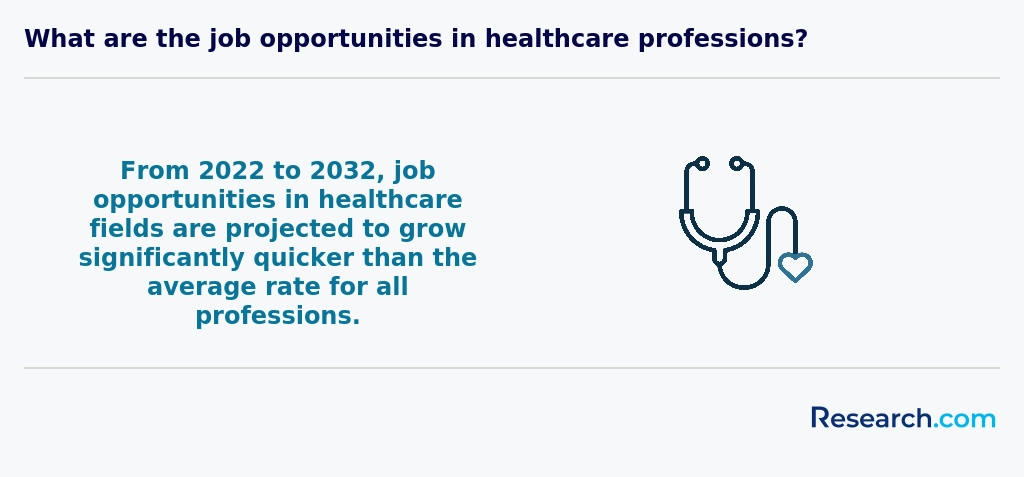
The global perspective on healthcare careers emphasizes the rising demand for skilled professionals due to aging populations and evolving medical technologies. In the United States, healthcare employment is expected to grow 13% from 2021 to 2031, much faster than average, according to the Bureau of Labor Statistics.
For students in Green Bay, online healthcare degrees provide access to this expanding market while offering flexibility. The city's healthcare sector is bolstered by facilities like Bellin Health and Aurora Baycare Medical Center, which contribute to job growth locally.
Worldwide, healthcare careers often require cultural competence and adaptability, skills that are integrated into U.S. programs to prepare graduates for diverse environments. This international outlook enhances the value of degrees obtained through accessible online education.
Gaining practical experience while pursuing an online healthcare degree in Green Bay is essential for career readiness. Many programs encourage students to complete internships or clinical rotations at local healthcare facilities. Green Bay offers opportunities through hospitals like Bellin Health and Aurora BayCare, both of which serve a combined population of over 300,000 in the region, providing diverse clinical settings. Additionally, students can engage in volunteer work or part-time roles to build hands-on skills. Online programs often assist with placing students in nearby practicum sites, ensuring compliance with accreditation requirements. This blend of virtual coursework and real-world experience helps students prepare effectively for healthcare careers.
Choosing the right concentration within an online healthcare degree program in Green Bay requires understanding local job market needs and personal interests. According to the Wisconsin Department of Workforce Development, healthcare occupations in the Green Bay area are expected to grow by over 15% through 2030, especially in fields like nursing, health information management, and public health.
Students should consider concentrations aligned with these growing sectors to enhance job prospects. Exploring curriculum details and certification opportunities is crucial, as some concentrations lead to in-demand credentials. Additionally, evaluating program flexibility and support services helps ensure a suitable fit for individual learning styles and career goals.
Related Healthcare Rankings for Nearby Cities
- 2027 Easiest Online Healthcare Degree Programs Ranking in Mequon, WI
- 2027 Easiest Online Healthcare Degree Programs Ranking in Milwaukee, WI
- 2027 Easiest Online Healthcare Degree Programs Ranking in Madison, WI
- 2027 Easiest Online Master's in Healthcare Degree Programs Ranking in Grand Rapids, MI
- 2027 Easiest Online Healthcare Degree Programs Ranking in Chicago, IL
- 2027 Easiest Online Healthcare Degree Programs Ranking in Berrien Springs, MI
- 2027 Easiest Online Healthcare Degree Programs Ranking in Romeoville, IL
- 2027 Easiest Online Healthcare Degree Programs Ranking in Hammond, IN
- 2027 Easiest Online Healthcare Degree Programs Ranking in Joliet, IL
- 2027 Easiest Online Master's in Healthcare Degree Programs Ranking in St. Paul, MN
Top Trending Healthcare Rankings
See What Experts Have To Say About Studying Healthcare
Read our interview with Healthcare experts

References
- Healthcare Degrees https://teach.com/online-ed/healthcare-degrees/
- Health Management Careers https://www.ache.org/Career-Resources/Start-Your-Career/Health-Management-Careers
- How to Choose a Health Administration Program https://www.healthadministrationdegrees.com/articles/choosing-a-program/
- Impact of working conditions on healthcare professionals ... https://learning-gate.com/index.php/2576-8484/article/download/7761/2655/10452
- 20 healthcare investment niches and 3 things to know: The evolution of ... https://blackbookmarketresearch.com/20-healthcare-investment-niches-and-3-things-to-know-the-evolution-of
- Academics - Bellin College https://www.bellincollege.edu/academics/
- Advancing Your Career in Healthcare: Tips and Strategies https://www.sunshinecarenetwork.com/blog/advancing-your-career-in-healthcare-tips-and-strategies
- Career Opportunities in Healthcare Without a Medical Degree https://www.just-medical.ch/en/blog/medical-careers-without-formal-education
- How Much Can I Make With an Online Bachelor's of Public Health? - MPH Online https://www.mphonline.org/salary-bachelors-public-health/
- Challenges for Medical Students - Health Action Research Group https://www.healthactionresearch.org.uk/mental-health/challenges-for-medical-student/


