2027 Fastest Online Doctorate in Healthcare Management Degree Programs Ranking in the South

Co-Founder and Chief Data Scientist
Are you considering advancing your career with a doctorate in healthcare management? This article introduces the 2027 Fastest Online Doctorate in Healthcare Management Degree Programs Ranking in the South, developed by the Research.com team of data scientists. It's designed to help you navigate the many options and find programs that fit your goals and lifestyle.
Earning a healthcare management degree can open doors to leadership roles and impactful work in a growing field. Exploring this ranking will give you valuable insights to make an informed, confident decision about your education journey.
Key benefits of getting online healthcare management degree in the South
- Healthcare management graduates in the South often step into roles like medical and health services managers, earning an average hourly wage around $48, highlighting strong financial potential in this rewarding field.
- A degree from universities such as the University of Florida opens doors to diverse careers including hospital administration, health policy analysis, and healthcare consulting, offering exciting opportunities to make a real impact.
- Completing a healthcare management degree online from schools like the University of South Carolina provides flexibility for working students, allowing them to balance life and studies while gaining skills that employers highly value.
- 2027 Fastest Online Doctorate in Healthcare Management Degree Programs Ranking in the South
- What can I expect from online healthcare management degree in the South?
- Where can I work with online healthcare management degree in the South?
What can I expect from online healthcare management degree in the South?
The average cost of an online healthcare management degree in the South typically ranges between $10,000 and $30,000 total. Public universities like those in Texas and Florida often provide more affordable tuition for in-state students, making it easier to manage expenses while balancing family or job commitments. Graduates from Southern colleges frequently mention the relief of manageable tuition combined with flexible payment plans and financial aid that significantly reduce out-of-pocket costs.
For working professionals, this cost upfront often feels like a worthwhile investment, especially as many programs integrate capstone projects or internships with local hospitals and healthcare organizations. These experiences add tremendous value without extra charges, opening doors to opportunities in diverse healthcare settings common in the South, from rural clinics to large urban systems.
Choosing a CAHME- or SACSCOC-accredited program ensures you are paying for a degree respected by employers, increasing your chances of career advancement within the region's growing healthcare market.
Where can I work with online healthcare management degree in the South?
Graduates with an online healthcare management degree in the South often find rewarding career paths in diverse settings like hospitals, outpatient clinics, and nursing homes. For example, graduates from prominent programs at universities such as the University of Texas or Florida State University have stepped confidently into leadership roles overseeing hospital operations or coordinating patient services.
Many alumni share how working in long-term care facilities has been fulfilling, especially in states like Florida where a large elderly population requires dedicated management. Handling daily operations and improving resident care creates a meaningful impact that graduates value deeply.
Others have found success in health insurance companies and managed care organizations, where their expertise helps navigate policy complexities and claims processing. Universities in the South prepare students well for these roles by combining practical case studies with regulatory knowledge.
Public health departments and telehealth providers offer expanding opportunities, especially as rural health access and digital healthcare grow in this region. Graduates often describe these positions as dynamic and impactful, blending administration with community service.
Graduates with an online healthcare management degree from Southern institutions often find starting salaries around $60,000, especially those entering entry-level roles in hospitals or clinics near popular schools like the University of South Carolina or Florida State University. As they gain experience managing departments or healthcare projects, their earnings typically grow to between $90,000 and $120,000 annually, reflecting responsibilities similar to those reported by professionals working in larger Southern cities such as Houston or Atlanta.
Many Southern graduates report satisfaction knowing their salaries, while somewhat modest compared to coastal metro areas, come with a lower cost of living, allowing a better lifestyle balance. Bonuses and profit-sharing can add an additional 5% to 15% to base pay, helping those working in specialized roles like healthcare informatics or quality assurance achieve upwards of $120,000. This range encourages graduates from universities like Louisiana State University to pursue specialized certifications to boost their earnings and career growth within Southern healthcare systems.
- Online healthcare management degrees in the South cover hospital management, healthcare policies, finance, and leadership.
- Bachelor's programs cost between $15,000 and $35,000, while master's degrees range from $20,000 to $50,000.
- Healthcare management jobs in Southern states like Texas, Florida, and Georgia are expected to grow faster than the national average.
- Entry-level salaries average around $60,000, increasing to $90,000-$110,000 with experience, and executive roles can exceed $130,000.
- Programs often include internships or local partnerships to provide practical experience within the community.
- Southern online programs are accredited by organizations such as CAHME or regional accreditors to ensure quality standards.
Online healthcare management degrees in the South typically take from 1.5 to 5 years, depending on the degree level and program structure. For example, graduates from popular Southern schools like the University of Florida or Texas A&M often complete associate degrees in about two years, which lays a strong foundation for career entry or further study.
Bachelor's degrees usually require 3 to 4 years but many students appreciate accelerated formats offered by institutions such as Georgia Southern University, allowing completion in around three years. These programs fit well with busy schedules and help candidates enter the workforce faster without sacrificing quality.
Master's degrees tend to last 1.5 to 3 years. Graduates report that programs from schools like the University of Texas Health Science Center cater to working professionals by offering intensive sessions or increased credits per term, helping them manage family and job commitments.
Doctoral programs demand 3 to 5 years, combining research and coursework. Southern universities often provide streamlined curricula, which graduates find motivating as they balance academic goals with career advancement.
The main difference between online and on-campus healthcare management degrees in the South is how students engage with their studies. Online programs, popular at many Southern universities, allow students-like busy professionals in Texas or Georgia hospitals-to access coursework remotely and on their own schedules. This flexibility means they can manage work shifts and family life without sacrificing career progress.
On-campus programs, offered by institutions in states like Florida, provide direct interaction with faculty and peers, fostering immediate feedback and networking, which some graduates find invaluable for hands-on learning and mentorship. For example, graduates recall onsite workshops and face-to-face collaboration as highlights of their experience.
Cost-wise, online degrees often reduce expenses such as commuting and housing. Many Southern students appreciate this benefit, with total program costs typically ranging from $15,000 to $30,000 online versus $35,000+ for on-campus. Ultimately, successful graduates emphasize choosing based on personal circumstances-balancing flexibility, budget, and preferred learning style is key to thriving in either format.
The average online healthcare management degree cost in the South typically centers around a median total of $43,260. Many students find that public universities in this region offer more affordable tuition, with programs from schools like the University of Florida or the University of North Carolina system often costing between $12,000 and $18,000 for the entire degree. Graduates from these programs frequently express satisfaction with the balance between cost and quality, highlighting that these institutions provide excellent value without sacrificing academic rigor.
Those pursuing degrees at private universities can expect higher costs, sometimes exceeding $30,000 annually, which can add up quickly. Understanding these differences encourages prospective students to explore financial aid opportunities, scholarships, and employer tuition reimbursement, all of which have helped many Southern healthcare management students manage their expenses effectively.
Considering the total tuition and fees for Southern online healthcare management doctorate students, graduates often emphasize the importance of budgeting for additional costs such as textbooks, technology fees, and exam expenses. By planning ahead and seeking out support programs, many students successfully complete their degrees without excessive financial strain.
For those interested in career outcomes, researching the healthcare management mba degree career path can provide insight into potential return on investment, underscoring the value of making informed decisions when selecting a program.

Online healthcare management students in the South can access various financial aid options tailored to ease tuition costs. Many graduates from Southern universities like the University of Texas or Georgia State have benefited from federal aid through FAFSA, unlocking grants such as the Pell Grant, which covers up to $7,395 annually. These grants lighten the financial burden for low-income students and provide peace of mind during their studies.
State scholarships also play a crucial role. For example, healthcare management students in Texas often receive support from the Texas Workforce Commission grants, while those in Georgia tap into the HOPE Scholarship and HOPE Grant programs. These funds help students cover part of their tuition, making higher education more attainable.
Institutional scholarships from universities are common, with awards for merit or financial need, and working professionals frequently use employer tuition reimbursement programs-something more than half of healthcare sector employers offer. Veterans also have access to benefits like the GI Bill, which past students have found invaluable for covering online program expenses.
To enroll in an online healthcare management degree program in the South, most universities expect applicants to hold a bachelor's degree from an accredited institution, often in healthcare administration, business, public health, or science. Graduates from Southern schools frequently mention how meeting this criterion made their transition smoother, especially when their undergraduate work aligned with healthcare topics.
Applicants should maintain a minimum GPA, usually between 2.5 and 3.0, and provide official transcripts during the application process. Many programs ask for one to three years of professional experience in healthcare-related roles-such as nursing support or health services administration-which helps admissions teams recognize practical leadership potential.
Letters of recommendation and a clear, purpose-driven personal essay are critical to stand out. While some schools in the South have relaxed GRE or GMAT requirements, competitive programs may still request these scores to evaluate skills. Online learners often appreciate this transparency, enabling better preparation and confidence when applying.
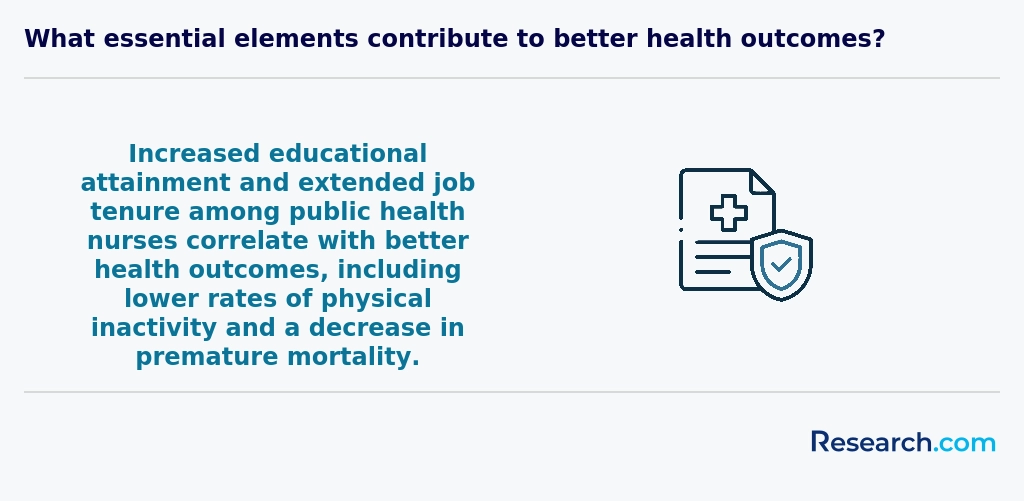
Online healthcare management degrees in the South typically include courses that combine management skills with healthcare knowledge tailored for states like Texas and Florida, where healthcare is rapidly growing. Graduates from well-known Southern universities often highlight courses like Healthcare Management and Leadership, which taught them how to lead teams effectively in hospitals and clinics. Practical lessons in Health Policy and Ethics helped them navigate complex regulations affecting Southern healthcare systems.
Students also benefit from classes in Healthcare Finance that provide hands-on experience managing budgets and resources, a necessity for clinical administrators. Healthcare Information Systems courses show how to use technology to organize patient data securely and efficiently.
Quality Improvement and Patient Safety courses prepare students to implement strategies that reduce medical errors-a crucial skill praised by graduates working in Georgia's healthcare facilities. Electives such as epidemiology and healthcare marketing are popular for those looking to specialize and meet regional demands, especially as many Southern states serve aging populations.
Online healthcare management specializations South programs typically include concentrations such as Healthcare Informatics, Healthcare Finance, Health Policy and Management, Patient Safety and Quality, and Long-term Care Administration. Graduates from popular colleges in the South often share how Healthcare Informatics helped them confidently manage the growing adoption of electronic health records, essential in today's tech-driven healthcare environments.
Many students find programs focused on Long-term Care Administration especially relevant, given the Southern region's higher elderly population. These specializations prepare graduates for leadership roles in managing nursing homes and senior care facilities, directly addressing local healthcare demands. Public universities in states like Texas and Florida tailor their healthcare management degree concentration options Southern US to reflect these industry needs, making these paths both practical and promising.
For those seeking accelerated learning, some explore accelerated mba healthcare management online programs to quickly enter the workforce with specialized skills, which many find motivating and rewarding in competitive healthcare job markets.
Focusing on accreditation is essential when selecting the best online healthcare management degrees in the South. Graduates from programs at well-known Southern universities with CAHME or SACSCOC accreditation consistently report feeling confident about their education's credibility and value in the job market. Many students find that a curriculum blending healthcare policy, finance, and leadership, like those offered at regional universities, provides practical tools they immediately apply in their workplaces.
Affordability matters greatly, especially for working professionals balancing family and career. Prospective students often discover that Southern schools offer more accessible tuition rates compared to other regions. Those seeking affordable online doctorate programs in Southern healthcare management appreciate programs providing local scholarships and financial aid, easing their financial concerns.
Flexibility is another key factor. Graduates from Southern programs often praise the asynchronous classes tailored to busy schedules, which allow them to study without sacrificing work commitments. Exploring options like affordable mba healthcare management programs can uncover both cost-effective and flexible choices aligned with their goals.
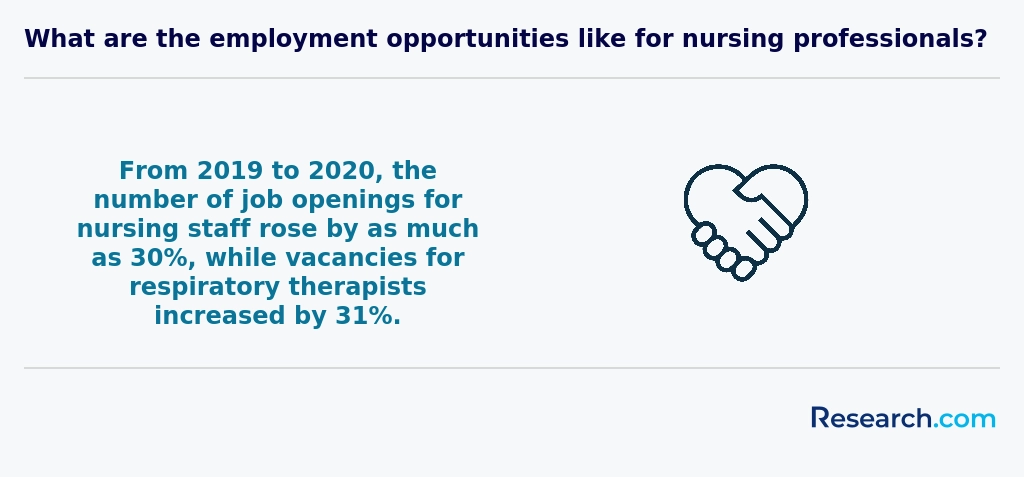
Graduates who pursue an online healthcare management degree in the South find diverse career paths available to them, ranging from hospital administrator to healthcare consultant roles. Many graduates from well-known Southern colleges secure jobs managing day-to-day operations in hospitals, clinics, and nursing homes, applying practical skills learned online. Others move into specialized roles like health informatics, which is rapidly growing as Southern healthcare providers adopt new technologies for electronic health records and telemedicine. This hands-on experience brings fulfillment by directly improving patient care and operational efficiency. For those seeking variety, healthcare management job opportunities Southern US include practice manager or health information manager, where leadership and compliance with healthcare laws are key responsibilities. Many students from these programs report feeling confident and ready to meet regional challenges, such as improving rural healthcare access. Considering affordability, prospective students often seek an affordable healthcare administration degree online accredited through reputable Southern institutions to maximize their return on investment.
The online healthcare management job market in the South is thriving, offering strong career opportunities for graduates from popular programs at universities such as the University of Florida and Texas A&M. These graduates often find themselves quickly employed in expanding healthcare facilities like hospitals and outpatient centers, driven by the region's aging population and healthcare infrastructure growth. Practical experience gained through internships at Atlanta's major medical centers helps students translate classroom knowledge into management skills that employers highly value.
Healthcare management career opportunities Southern US require staying updated on evolving policies and technology. Graduates praise the adaptable online curriculum that prepares them to handle financial management and compliance challenges confidently. With competitive salaries ranging from $90,000 to $115,000 in cities like Miami and Dallas, many find this degree a worthwhile investment compared to tuition costs.
For those evaluating return on investment, consulting reliable sources on healthcare mba salary can provide insight. Graduates often recommend balancing tuition expenses with networking and certification efforts to maximize employability and career growth.
2027 Fastest Online Doctorate in Healthcare Management Degree Programs Ranking in the South
Investing in your education is a significant decision that can profoundly impact your career and personal growth, and the Research.com team recognizes the importance of providing reliable information to guide you. To support those seeking advanced degrees in healthcare management, we have carefully developed the "2027 Fastest Online Doctorate in Healthcare Management Degree Programs Ranking in the South." Our dedication to quality, credibility, and accuracy is demonstrated through rigorous research and data analysis.
We utilized the following reputable data sources to ensure a comprehensive and trustworthy ranking:
By reviewing this ranking, readers will gain valuable insights into the fastest and most credible online doctorate programs in healthcare management across the South, empowering them to make well-informed decisions aligned with their goals. For comprehensive details on how this ranking was created, please visit our Research.com methodology page.


# 3 position
Eastern Virginia Medical School
Doctor of Health Sciences

Frequently Asked Questions About healthcare management
Online healthcare management degree students in the South can enhance their learning by actively engaging with regional healthcare challenges. Understanding the unique needs of Southern healthcare systems, such as rural health disparities affecting nearly 20% of the population according to the CDC, offers practical context. Students should leverage virtual networking opportunities provided by Southern universities and professional organizations like the Southern Healthcare Management Association.
Utilizing internships or practicum placements within local healthcare facilities helps bridge theory and practice. Choosing programs accredited by CAHME ensures curriculum quality and recognition in the Southern job market. Additionally, staying updated with Southern state healthcare policies supports informed decision-making skills relevant to regional healthcare administration.
The healthcare management field is rapidly evolving, with several emerging niches gaining traction, especially in the Southern United States. One key area is health informatics, which involves managing patient data and using analytics to improve care delivery. According to the U.S. Bureau of Labor Statistics, jobs in this niche are expected to grow faster than average through 2031.
Population health management is another growing sector focused on improving health outcomes for communities through coordinated care and preventive services. The South has a high demand for these specialists due to its diverse and aging population, as reported by the CDC.
Lastly, telehealth administration is expanding, driven by the increased use of virtual care. Southern states have invested significantly in telehealth infrastructure, creating opportunities for healthcare managers who can navigate digital platforms and policies.
After completing an online healthcare management degree in the South, preparing for the job market involves strategic planning. Start by obtaining relevant certifications, such as Certified Healthcare Manager (CHM) or Fellow of the American College of Healthcare Executives (FACHE), which can boost employability.
Networking is essential; engage with regional healthcare associations like the Southern Healthcare Executives Network for connections and job leads. Internships or part-time roles during study provide practical experience, which employers value highly.
Understand the job market trends in the South, where healthcare management roles are projected to grow by 20% through 2030, according to the U.S. Bureau of Labor Statistics.
Finally, tailor your resume to highlight leadership skills and familiarity with Southern healthcare systems to stand out to recruiters.
Employers in the Southern United States prioritize several key skills when hiring graduates from online healthcare management programs. Leadership and effective communication are essential, as many roles require managing diverse healthcare teams and coordinating patient services. Analytical skills also rank high, helping graduates interpret data and improve hospital operations.
Knowledge of healthcare laws and regulations specific to Southern states is increasingly important due to evolving local policies. According to the Bureau of Labor Statistics, healthcare management jobs in the South are expected to grow by 18% from 2022 to 2032, emphasizing the need for adaptability and strategic thinking.
Financial management skills are also critical, especially as healthcare organizations face tighter budgets while maintaining quality care.
Finding internships in the South for healthcare management students begins with targeting hospitals, clinics, and healthcare organizations in states like Texas, Florida, and Georgia. These regions have a strong healthcare industry presence, driven by large medical centers and growing populations. According to the Bureau of Labor Statistics, healthcare management jobs in the South are expected to grow by 15% through 2030, creating many internship openings.
Students should use university career centers, professional associations like the American College of Healthcare Executives (ACHE), and local health departments. Networking through LinkedIn and attending regional healthcare conferences also increases internship opportunities.
Additionally, many Southern universities partner with local health systems to provide paid internships, which can enhance practical experience and lead to job offers.
An online healthcare management degree can significantly enhance career mobility and advancement opportunities in the South. According to the U.S. Bureau of Labor Statistics, healthcare management jobs in this region are projected to grow by 20% from 2022 to 2032, faster than the national average. This growth increases demand for qualified professionals who understand both healthcare systems and business operations.
Graduates with online degrees benefit from flexible learning while gaining credentials recognized by Southern employers. This flexibility enables working professionals to upskill without interrupting employment, which is crucial in a competitive job market.
Furthermore, Southern states such as Texas, Florida, and Georgia host numerous healthcare organizations, increasing job availability for degree holders. Earning an accredited online degree often leads to higher earning potential and qualifies individuals for managerial or executive roles, supporting upward career trajectories.
Studying for a healthcare management degree in the South equips students with skills to work effectively across multiple disciplines. Southern programs emphasize collaboration between healthcare, business, and technology fields, reflecting the region's diverse healthcare needs. According to the Southern Regional Education Board, over 60% of healthcare management graduates in the South find roles demanding cross-functional expertise.
Courses often cover healthcare policy, informatics, and organizational behavior, preparing students for teamwork with clinicians, IT specialists, and administrators. Many Southern schools partner with regional hospitals, offering practical experience in interdisciplinary settings. This approach mirrors the growing trend in the US healthcare industry, where integrated care and data-driven decisions are key to improving patient outcomes.
Choosing between a thesis and a non-thesis healthcare management degree program in the South depends on your career goals and learning preferences. A thesis program involves conducting original research, which is ideal if you aim for roles in academia, policy development, or research. It can take more time but deepens your analytical skills.
Non-thesis programs focus on practical skills and coursework, preparing students for immediate leadership roles in hospitals, clinics, or health organizations. According to the Southern Regional Education Board, nearly 60% of Southern healthcare managers prefer practical experience.
Consider your long-term plans and whether you want to engage in research or practice-oriented work when making your decision.
Students based in the South seeking to study healthcare management abroad have limited options if they want to maintain online flexibility. Most U.S. healthcare management programs with international partnerships focus on in-person experiences or exchanges rather than fully online degrees offered abroad. However, some Southern universities provide dual-degree or study-abroad opportunities linked with institutions in Europe or Canada, supporting global perspectives in healthcare leadership.
Regionally, states like Georgia and Texas rank high in healthcare management employment, with 8% growth rates projected through 2030 by the Bureau of Labor Statistics, highlighting demand for globally aware professionals. Students should explore accredited programs with international components or virtual internships overseas to gain cross-cultural expertise while benefiting from Southern institutions' strong regional ties.
Part-time job opportunities in the South that complement a healthcare management degree often include roles such as medical office assistant, patient services coordinator, and healthcare administrative support. These positions provide practical exposure to healthcare operations and improve organizational skills essential for management careers. According to the Bureau of Labor Statistics, healthcare support occupations in Southern states like Texas and Florida are projected to grow by over 15% through 2030, reflecting strong demand.
Additionally, internships or part-time roles in hospital administration or outpatient clinic management offer valuable experience with budgeting and personnel oversight. Such jobs also help students build professional networks within Southern healthcare systems.
Online healthcare management students in the South have access to various networking opportunities essential for career growth. Many Southern universities offering online degrees encourage participation in virtual career fairs and alumni events. Organizations like the Southern Healthcare Management Association (SHMA) host regional conferences that students can attend to connect with professionals and peers.
In addition, Southern states employ about 20% of the nation's healthcare managers, according to the Bureau of Labor Statistics, making local networking valuable for job placement. Students often join LinkedIn groups specific to Southern healthcare management to exchange insights and opportunities.
Alumni networks provide substantial benefits to online healthcare management degree students in the South by fostering valuable professional connections. These networks often include graduates working in hospitals, clinics, and health organizations throughout southern states like Texas, Florida, and Georgia. According to the Southern Regional Education Board, strong alumni engagement can increase job placement rates by up to 15%.
Members access mentoring opportunities, industry insights, and exclusive job postings tailored to healthcare management roles in the region. Such connections help students understand local healthcare challenges and regulations, making them more competitive in the southern job market.
Networking events and online platforms maintained by universities also support ongoing learning and career advancement.
Students pursuing online healthcare management degrees in the South can tailor their programs through elective courses and concentration areas, such as health informatics, finance, or policy. Southern universities often allow flexibility in choosing these tracks to align with career goals in hospital administration, insurance, or public health.
Many programs include internship or practicum options, enabling hands-on experience in Southern healthcare settings, which enhances practical skills and networking. According to the Southern Regional Education Board, the demand for healthcare managers in this region is projected to grow by 18% through 2030, highlighting the value of specialized expertise.
Additionally, accredited programs frequently offer part-time study options, allowing students to balance work and education effectively.
Online healthcare management students in the South often face unique challenges related to balancing rigorous coursework with professional and personal responsibilities. Many students juggle full-time healthcare jobs, which can limit the time available for study and engagement. Broadband access also remains a concern in rural Southern areas; according to the FCC, nearly 23% of rural households in the South lack reliable high-speed internet, complicating access to live lectures and timely coursework submission.
Additionally, regional variations in healthcare regulations require students to understand state-specific policies, which can differ widely and impact curriculum relevance. Networking opportunities are sometimes limited compared to on-campus programs, affecting professional growth. These factors collectively shape the online learning experience for Southern healthcare management students.
With an online healthcare management degree, professionals in the South can pursue several respected certifications to advance their careers. Common options include the Certified Professional in Healthcare Management (CPHM) and the Certified Healthcare Administrative Professional (cHAP). These credentials demonstrate expertise in healthcare operations and leadership.
The region's healthcare sector is rapidly expanding, with states like Texas and Florida creating thousands of new management roles each year, according to the U.S. Bureau of Labor Statistics. Earning certifications like the Fellow of the American College of Healthcare Executives (FACHE) further enhances credibility.
Many universities in the South offer tailored exam preparation resources for these certifications, helping graduates meet stringent competency requirements and boost job prospects.
To write a winning application for an online healthcare management program in the South, start by clearly showcasing your relevant experience. According to the Southern Regional Education Board, applicants with healthcare or administrative backgrounds typically stand out.
Highlight your academic achievements, especially in business, healthcare, or related fields. Include any certifications such as Certified Medical Manager (CMM), which can strengthen your profile.
Write a compelling personal statement that explains your career goals and why you chose the South for your studies. Mention how the program's flexibility fits your professional and personal life.
Strong letters of recommendation from healthcare professionals or supervisors add credibility. Finally, ensure all application materials are error-free and submitted before deadlines to increase your chances in this competitive market.
The healthcare management career holds significant value globally, reflecting the increasing demand for skilled leaders who can navigate complex healthcare systems. In the US, especially the South, healthcare management roles are expected to grow by 32% from 2020 to 2030, according to the U.S. Bureau of Labor Statistics. This growth outpaces many other regions, driven by a rising population and expanded health services.
Globally, professionals with a healthcare management degree are recognized for their ability to improve healthcare quality and operational efficiency. In the South, online degree programs align with international standards, offering curricula that emphasize leadership, policy, and technology management.
This global outlook enhances career mobility, giving graduates opportunities beyond regional boundaries, supported by strong networks in healthcare organizations and professional associations.
Gaining practical experience during an online healthcare management degree in the South is essential for career readiness. Many Southern universities partner with local healthcare facilities, offering internships or practicum placements that allow students to apply classroom knowledge.
These opportunities often include administrative roles in hospitals or public health organizations, providing exposure to real-world challenges. According to the Southern Regional Education Board, about 65% of healthcare management students in the region engage in such hands-on experiences.
Additionally, networking with regional healthcare professionals through virtual workshops and conferences enhances practical learning. Some programs incorporate case studies and simulations tailored to Southern healthcare systems, reflecting regional trends and policies.
Choosing the right concentration within an online healthcare management degree program in the South involves assessing your career goals and the region's healthcare priorities. Specializations like health informatics, finance, or policy are popular due to the South's growing healthcare industry, which employs over 2 million people as reported by the Bureau of Labor Statistics (2023). Consider concentrations aligned with local demand, such as rural health management, reflecting the South's large rural population documented by the CDC. Research programs that offer relevant internships or partnerships with Southern healthcare systems to gain practical experience. Accreditation and faculty expertise also ensure a credible education tailored to your interests.
- What Are the Prerequisites for a Degree in Healthcare ... https://www.healthcare-management-degree.net/faq/what-are-the-prerequisites-for-a-degree-in-healthcare-management/
- Online MHA Programs Ranked by Affordability (2026) https://www.mhaonline.com/blog/affordable-online-mha-programs-ranked
- Healthcare Administration Salary https://www.healthcare-administration-degree.net/salary/
- Bachelor of Science in Healthcare Management https://www.southuniversity.edu/degree-programs/healthcare/healthcare-management-bs
- Best Health Care Management Degrees Online 2026 https://www.onlineu.com/degrees/healthcare-management
- Future Students - AUPHA Main https://www.aupha.org/resourcecenter/futurestudents
- Degree Specialization In Healthcare Management https://csuglobal.edu/academic-programs/undergraduate-specializations/undergraduate-specialization-healthcare-management
- Advanced Certificate in Health Management https://online.foundation.co.za/course/Advanced-Certificate-in-Health-Management
- Online Resources & Scholarships for Healthcare ... https://www.edumed.org/financial-aid/scholarships/healthcare-administration-degrees/
- How a Healthcare Management Degree Can Boost Your ... https://www.straighterline.com/blog/how-a-healthcare-management-degree-can-boost-your-career-prospects