2027 Health Informatics Degree Clinical Placement Report: Hours, Site Access, and Completion Bottlenecks

Co-Founder and Chief Data Scientist
Clinical placement can be the difference between finishing a health informatics degree on time and watching graduation slip. The issue matters because the U.S. Bureau of Labor Statistics projects 29% growth for medical and health services managers from 2023 to 2033, making applied healthcare data experience more valuable. This guide is for students comparing campus, hybrid, and online programs. You will learn how hours, site assignments, supervision, costs, and bottlenecks work so you can choose a program with realistic completion support.
Key Things You Should Know
- Health informatics "clinical placement" usually means a supervised applied experience such as an electronic health record (EHR) implementation practicum, data analytics internship, hospital IT rotation, or capstone with a healthcare facility; many programs use 150 to 300 hours, but requirements vary by school and degree level.
- The biggest completion bottlenecks are limited approved sites, background or onboarding delays, strict HIPAA compliance and medical clearance restrictions, incompatible work schedules, and programs that require students to find their own placement without strong clinical or health IT partnerships.
- Placement quality matters for return on investment because the BLS lists $67,310 as the May 2024 median pay for health information technologists and medical registrars, but students generally need demonstrable database management experience, medical coding exposure, systems analysis skills, and supervisor evaluations to compete for entry-level informatics roles.
- What Clinical Placement Requirements Do Health Informatics Degree Programs Have?
- How Are Clinical Placement Sites Assigned in Health Informatics Degree Programs?
What Clinical Placement Requirements Do Health Informatics Degree Programs Have?
A health informatics clinical placement is a supervised field experience where students apply coursework in real healthcare, public health, payer, vendor, or data-governance settings. Programs may call it a practicum, internship, professional practice experience, applied project, capstone, or clinical affiliation. Unlike nursing or pharmacy rotations, health informatics placements usually focus less on direct patient care and more on information systems, workflow, data quality, privacy, analytics, and operational improvement.
Clinical requirements depend on degree level, accreditation expectations, employer partners, and whether the program is health informatics, health information management, biomedical informatics, or healthcare analytics. Students comparing a health informatics degree with a more clinically intensive path, such as a pharmacy degree online, should understand that the placement model, supervision, and hour burden can be very different.
The table below summarizes common placement patterns by program type. Use it as a comparison tool, not as a universal rule, because each school sets its own curriculum and site requirements.
| Program type | Common applied requirement | Typical hour range | Common placement focus | Completion risk level |
| Undergraduate certificate | Applied project, short practicum, or simulated experience | About 40 to 120 hours when required | Introductory EHR, coding, data quality, or workflow tasks | Low to moderate |
| Associate degree in HIM or health information | Professional practice experience or practicum | About 40 to 160 hours | Health records, coding support, release of information, compliance | Moderate |
| Bachelor's degree in health informatics or HIM | Internship, practicum, or capstone with external partner | About 120 to 400 hours | Analytics, EHR optimization, quality reporting, privacy, project management | Moderate to high |
| Master's degree in health informatics | Practicum, consulting project, thesis alternative, or capstone | About 120 to 240 hours when field-based | Strategic analytics, interoperability, AI governance, population health, leadership | Moderate |
Students should also check whether the program is accredited or aligned with a professional standard. For health information management programs, CAHIIM accreditation can matter for RHIT or RHIA exam eligibility pathways, but clinical hours alone do not create certification eligibility. Always confirm the exact credential rules with the school and credentialing body before enrolling.
How Are Clinical Placement Sites Assigned in Health Informatics Degree Programs?
Clinical placement assignment usually follows one of three models: school-arranged, student-arranged with school approval, or employer-based for students already working in healthcare. The best model depends on your location, work schedule, professional network, and tolerance for administrative risk.
The table below compares the major assignment models. It helps you identify which arrangement is likely to be most reliable for your situation.
| Placement model | How it works | Best fit | Main risk |
| School-arranged | The program uses existing healthcare partners and assigns or matches students to sites. | Students who need structure, live near partner sites, or are new to healthcare. | Site availability may be limited during peak terms. |
| Student-arranged with approval | The student identifies a site, but the school must approve the supervisor, duties, and affiliation agreement. | Online students, rural students, and working adults with local healthcare contacts. | Affiliation agreements and onboarding can take longer than expected. |
| Employer-based | The student completes approved informatics work at a current employer, often outside normal job duties. | Students already employed in hospitals, clinics, payers, public health, or health IT. | The employer may not allow the project, data access, or supervisor arrangement needed. |
| Virtual or simulated | The program uses remote projects, case data, EHR training environments, or vendor-based tools. | Students in programs where competencies can be met without a physical site. | Some employers may value external field experience more than simulation alone. |
A strong placement process usually starts months before the field experience begins. The coordinator verifies eligibility, confirms the site, completes legal agreements, reviews the project scope, and ensures the student can meet privacy and compliance requirements. Programs with established healthcare partners can often move faster because contracts, onboarding steps, and supervisor expectations are already familiar.
If the program expects students to find their own site, ask for written rules before paying a deposit. A vague promise that "students usually find something locally" is not the same as structured placement support.
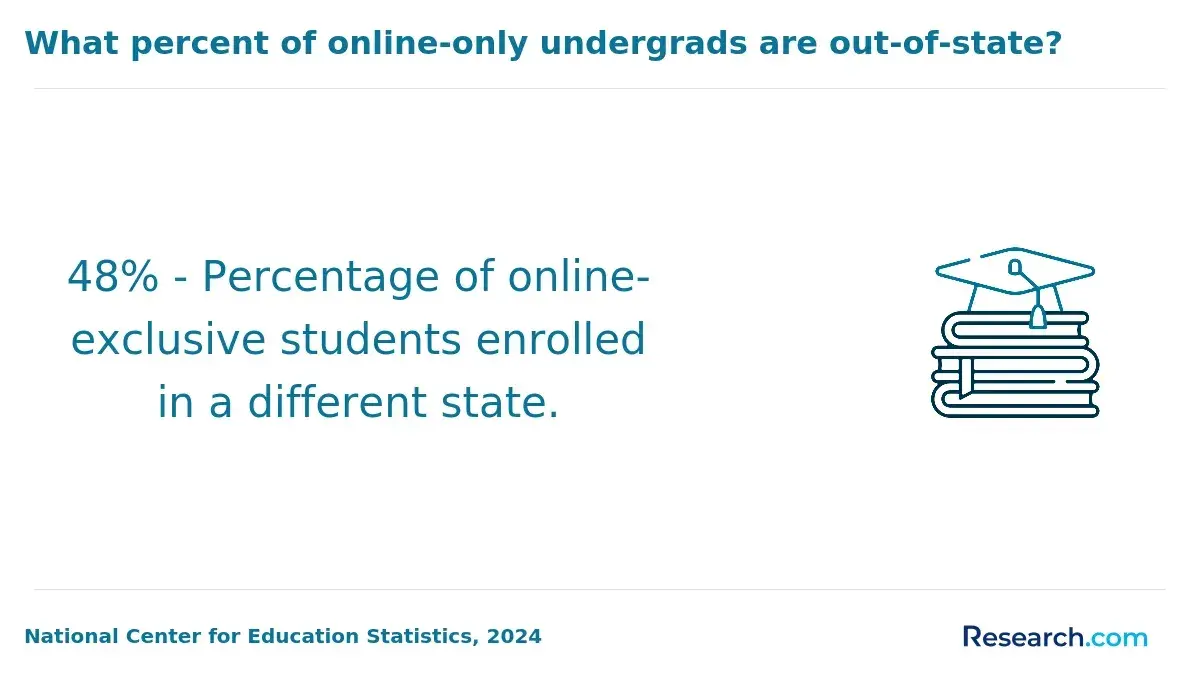
Placement bottlenecks happen when a student is academically ready but cannot begin or finish fieldwork because a site, supervisor, schedule, clearance, or project approval is missing. These bottlenecks are especially frustrating because they often occur near the end of a degree, when students have already completed most coursework.
The table below shows common bottlenecks and how they can affect completion timing. It is useful when comparing programs because it reveals which questions to ask before enrollment.
| Bottleneck | Why it happens | Possible effect on completion | What to verify before enrolling |
| Limited site capacity | Hospitals and clinics may restrict student slots because of staffing, compliance, or competing programs. | Student may need to wait for the next term. | Number of active partners and how sites are prioritized. |
| Slow affiliation agreements | Legal review between the school and site can take weeks or months. | Start date may move even if the site is willing. | Whether the school already has agreements in your area. |
| Incomplete onboarding | Background checks, immunizations, drug screens, HIPAA training, or system access may be late. | Student may lose the assigned start date. | Exact deadlines and whether reminders are provided. |
| Supervisor mismatch | The available site contact may not have the expertise or authority required by the program. | Project approval may be denied or delayed. | Supervisor qualification requirements. |
| Weak project scope | The site offers observation but not meaningful informatics work. | Hours may not count, or the student may need a new project. | Examples of approved past projects. |
Students can reduce risk by treating placement preparation like a separate course. The following steps are most useful when the program allows or requires student involvement in site selection.
- Ask the clinical coordinator for the placement timeline, required forms, and deadlines at least two terms before the planned experience.
- Confirm whether your preferred site already has an affiliation agreement with the school before assuming it will be approved.
- Complete background checks, health documentation, HIPAA training, and drug screening as soon as the program allows.
- Prepare a short project proposal that connects your coursework to a real operational need, such as data validation, dashboard design, EHR workflow review, or quality reporting.
- Keep a backup list of possible sites in case a supervisor leaves, a department freezes student access, or a project loses approval.
Common mistakes include assuming an online program has no in-person or site-based requirement, waiting until the final term to ask about placement, and choosing a school without asking how many students were delayed by placement issues. A transparent program should be able to explain its process without overpromising a guaranteed outcome.
Supervision standards exist to make sure the placement is educational, ethical, and safe for the healthcare organization. In health informatics, supervision usually focuses on project scope, confidentiality, data access, professional conduct, competency development, and final evaluation rather than bedside clinical performance.
Most programs use a combination of faculty oversight and site supervision. The faculty member confirms that the experience meets academic objectives, while the site supervisor verifies attendance, professionalism, project progress, and the quality of work performed in the organization.
Students should expect several layers of evaluation during a formal placement. These elements matter because incomplete evaluation paperwork can delay grade posting even after all hours are finished.
- Learning agreement: a written document describing the site, supervisor, objectives, required hours, deliverables, confidentiality rules, and evaluation method.
- Time tracking: a log or digital record that documents completed hours and is verified by the site supervisor.
- Competency assessment: a rubric tied to skills such as data governance, workflow analysis, compliance, communication, project management, or analytics.
- Final deliverable: a report, presentation, dashboard, policy review, process map, or other product showing what the student completed.
- Professional conduct review: feedback on communication, reliability, privacy awareness, teamwork, and responsiveness to supervision.
Privacy expectations are especially important. Students may need HIPAA training, organization-specific confidentiality agreements, and limits on what data can be exported, stored, or discussed in class presentations. If a placement involves AI tools, predictive analytics, or patient-level data, students should ask how the site handles de-identification, model governance, and data-use approvals.
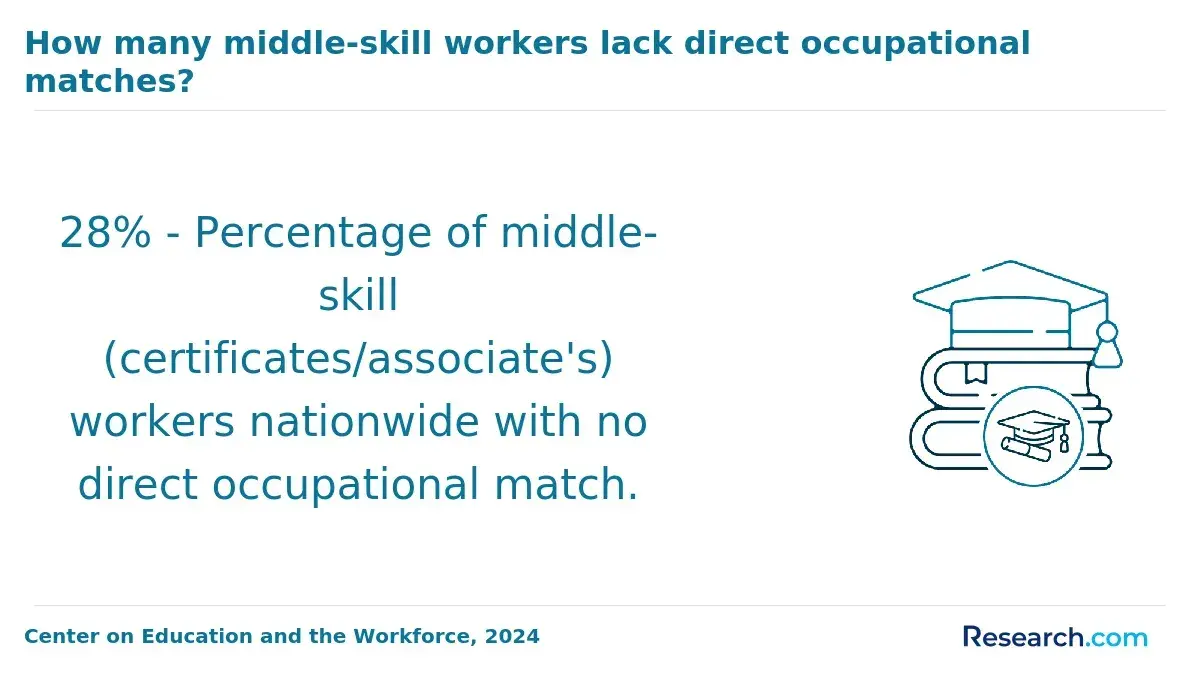
Many health informatics students can complete placements part-time, online-supported, or near home, but this depends on the program and the site. Online coursework does not automatically mean the practicum is virtual. Some schools approve remote projects, while others require fieldwork with a healthcare organization that has a qualified supervisor.
Students comparing health programs should be careful not to generalize from one field to another. For example, fast track LPN programs often require hands-on clinical training in direct patient care settings, while health informatics placements may focus on data, systems, and administrative workflows.
The table below compares common scheduling formats. It can help you decide whether a program is realistic for your location and weekly availability.
| Placement format | How it usually works | Advantages | Limitations |
| Part-time weekday | Student completes a small number of hours each week during business hours. | Good for working adults with flexible jobs. | May be hard if the employer does not allow daytime availability. |
| Full-time block | Student completes many hours over a shorter period. | Can finish quickly and build immersion. | May require reduced work hours or unpaid time off. |
| Remote project | Student works on approved data, documentation, reporting, or systems tasks online. | Useful for rural students or those outside a school's local partner network. | Not all sites allow remote access to systems or data. |
| Employer-based | Student completes a new approved project at a current workplace. | Reduces travel and can align with career goals. | Normal job duties usually cannot simply be counted as practicum hours. |
| Hybrid | Student combines remote project work with meetings or limited on-site time. | Balances flexibility with real organizational exposure. | Still requires supervisor availability and site approval. |
If staying near home is essential, ask the school whether it has approved placements in your state, whether it can create new affiliation agreements, and whether state authorization rules affect field experiences. Online students should also ask whether they are responsible for finding a site within a specific radius or whether the school provides local search support.
Clinical placement costs are often separate from tuition, and they can surprise students near the end of a program. The biggest costs usually involve background checks, drug screening, immunizations, transportation, parking, professional clothing, technology, and lost work time. College Board data for 2024-25 placed average published tuition and fees at $11,610 for in-state students at public four-year institutions, which makes it important to look beyond tuition when estimating total program cost.
Placement expenses vary by school and site, but students should plan for these categories before the practicum term begins.
- Screening and compliance costs: background check, drug screen, immunization records, TB testing, CPR or safety training if required, and document-management fees.
- Travel costs: gas, public transportation, parking, tolls, rideshare use, or temporary lodging if the approved site is far from home.
- Work-schedule costs: unpaid time off, reduced shifts, childcare, eldercare, or schedule changes needed to attend daytime meetings.
- Technology costs: laptop requirements, secure internet access, webcam, EHR training platform fees, or software needed for analytics projects.
- Professional costs: business-casual clothing, badge fees, transcript fees, liability coverage if required by the school, and conference-style presentation materials.
The table below separates direct costs from indirect costs. This distinction matters because indirect costs are often the reason a placement becomes difficult even when tuition is already covered by financial aid.
| Cost type | Examples | Why it matters | Question to ask the program |
| Direct required fees | Background check, drug screen, compliance platform, health clearance. | These may be due before the term starts and may not be refundable. | What placement-related fees are mandatory? |
| Transportation | Parking, fuel, transit, travel to multiple sites. | A distant site can turn a low-tuition program into a higher-cost choice. | How far are students typically placed from home? |
| Lost income | Reduced work hours or unpaid leave. | This can be the largest hidden cost for adult learners. | Are evening, weekend, remote, or part-time placements available? |
| Technology | Analytics software, secure equipment, learning platforms. | Some projects require tools not used in earlier courses. | Which software or hardware costs are not included in tuition? |
It may be worth paying more for a program with strong placement coordination if it reduces travel, prevents delayed graduation, or helps you use your current employer as an approved site. The key is not simply price; it is the total cost of completing the degree without preventable delays.
Clinical placements can strengthen career readiness because they turn classroom knowledge into evidence of workplace performance. In health informatics, employers often want proof that candidates can work with clinical stakeholders, protect sensitive information, interpret messy healthcare data, and translate technical findings into operational decisions.
Salary potential varies by role, experience, region, and education level. For context, the U.S. Bureau of Labor Statistics reported a May 2024 median annual wage of $117,960 for medical and health services managers; that figure includes a broad management category and should not be treated as a starting salary for every health informatics graduate. Students researching career paths can also compare health information management jobs salary information to understand how informatics, HIM, compliance, and operations roles may differ.
The strongest placements usually produce portfolio-ready work. Examples include a dashboard, process map, data-quality audit, privacy-risk review, EHR workflow recommendation, interoperability assessment, or quality-improvement report. These artifacts can help students discuss real problems in interviews, as long as confidential information is removed and the site approves what can be shared.
Different placement settings build different career signals. The table below shows how site type can shape skill development and job readiness.
| Placement setting | Typical work exposure | Career value | Best fit for students interested in |
| Hospital or health system | EHR workflows, quality measures, reporting, clinical operations. | Strong exposure to complex systems and cross-functional teams. | Clinical informatics, EHR analyst, quality analyst, project coordinator. |
| Community clinic | Care coordination data, population health, access barriers, reporting constraints. | Strong practical understanding of resource-limited environments. | Population health, public health informatics, community health operations. |
| Health IT vendor | Product workflows, implementation, client support, data integration. | Good exposure to technology delivery and customer-facing informatics. | Implementation specialist, product analyst, interoperability roles. |
| Payer or insurance organization | Claims data, utilization review, risk adjustment, reporting. | Useful for analytics and finance-oriented healthcare roles. | Healthcare analytics, revenue cycle, payer operations. |
| Public health agency | Surveillance data, reporting systems, registry work, population-level analysis. | Strong fit for students interested in policy and community outcomes. | Public health informatics, data reporting, registry analytics. |
A placement does not guarantee employment, but it can reduce the experience gap for students changing careers. The best strategy is to choose a project that aligns with the role you want next, not merely the site that is easiest to schedule.
Clinical placement opportunities in health informatics are changing as healthcare organizations adopt more digital tools and become more cautious about data access. EHR optimization, interoperability, cybersecurity, AI governance, quality reporting, and patient-access technology are creating new project possibilities, while privacy and compliance concerns can make site approval more complex.
AI is one of the clearest shifts. Students may encounter projects involving clinical decision support, documentation automation, predictive analytics, or governance policies for algorithmic tools. However, many sites limit student access to live data or production systems, so schools increasingly use de-identified data, simulation environments, or narrowly scoped quality projects.
Another trend is the rise of hybrid placement work. Some tasks, such as dashboard development, documentation review, workflow mapping, and literature-supported policy analysis, can be done remotely. Other tasks, such as stakeholder interviews, EHR observation, and implementation meetings, may still require scheduled site interaction.
Students should expect employer expectations to keep rising. A basic placement that only proves attendance is less competitive than one showing applied skills in SQL, data visualization, workflow analysis, privacy, project management, or communication with clinical users. Programs that update practicum options around current healthcare technology are more likely to offer relevant experience.
Clinical placement quality should be part of your program comparison, not an afterthought. A degree that looks affordable or flexible on paper may become harder to complete if it has weak site partnerships, unclear practicum rules, or limited coordinator support.
Use placement quality as a decision filter alongside tuition, accreditation, curriculum, faculty expertise, transfer credit, and career services. Students comparing related online health degrees, including the best exercise science degree online, should apply the same principle: the best program is not only convenient, but also realistic to complete with the applied experience required for the field.
The table below shows features that reduce placement risk. It can help you compare programs during admissions calls or advising meetings.
| Program feature | Why it matters | Green flag | Red flag |
| Dedicated placement coordinator | Students need someone who manages timelines, site communication, and paperwork. | Named office or staff member with published process. | Admissions staff cannot explain who supports placement. |
| Active site partnerships | Existing relationships can shorten approval time. | Program can describe partner types and geographic reach. | School says students are fully responsible without clear guidance. |
| Transparent hour requirements | Students must know the weekly time commitment before enrolling. | Handbook lists hours, terms, prerequisites, and deliverables. | Requirements are vague until late in the program. |
| Flexible formats | Working adults may need part-time, remote, employer-based, or hybrid options. | Multiple approved formats with clear approval criteria. | Only daytime weekday placements with no alternatives. |
| Backup-site policy | Sites can cancel because of staffing, mergers, compliance, or supervisor changes. | Program explains how replacement placements are handled. | No stated plan if a site falls through. |
| Relevant project examples | Project quality affects career readiness. | Examples include analytics, EHR, privacy, interoperability, quality, or governance work. | Past placements are mostly observation or clerical tasks. |
Before choosing a program, ask specific questions and listen for concrete answers. The following questions are useful because they reveal whether the school has a real placement system or only general advising.
- How many clinical or practicum hours are required, and can they be spread across more than one term?
- Does the school arrange sites, help students find sites, or require students to secure their own placements?
- How far from home are students typically placed, especially in online programs?
- Are remote, hybrid, evening, weekend, part-time, or employer-based placements allowed?
- What background checks, immunizations, drug screens, trainings, or onboarding steps are required before placement?
- How long do affiliation agreements usually take, and what happens if a site's legal department delays approval?
- What percentage of students experience placement-related delays, and what are the most common reasons?
- What types of recent practicum projects have students completed, and which skills did they demonstrate?
The best choice is usually the program that matches your career goal, location, schedule, and risk tolerance. If you are new to healthcare, school-arranged placement may be worth a higher tuition price. If you already work in healthcare and have a supportive employer, a program that permits employer-based projects may offer the fastest and least disruptive path.
Clinical hours affect degree completion because they must be scheduled around site availability, supervisor time, student work obligations, and academic calendars. A 120-hour practicum may sound manageable, but it can still require 10 to 12 hours per week across a full term, plus onboarding, meetings, documentation, and final deliverables.
Hour requirements are not automatically better when they are higher. More hours can create deeper experience, but only if the student is doing meaningful work. A shorter, well-designed analytics or EHR optimization project may be more valuable than a longer placement built mostly around observation.
The table below shows how hour loads translate into realistic scheduling pressure. This can help working adults estimate whether they need to reduce work hours, choose a part-time placement, or delay other commitments.
| Required hours | Approximate pace over 15 weeks | Student workload implication | Best suited for |
| 60 hours | About 4 hours per week | Usually manageable with full-time work if the site allows flexible scheduling. | Certificates, short practicums, focused projects. |
| 120 hours | About 8 hours per week | Requires a consistent weekly block and early supervisor coordination. | Many bachelor's and master's applied experiences. |
| 240 hours | About 16 hours per week | May be difficult for students working full time unless spread over more than one term. | Intensive internships or leadership projects. |
| 400 hours | About 27 hours per week | Can resemble a major part-time job and may affect income, childcare, or transportation. | Highly structured professional practice models. |
Completion risk rises when a program offers only one practicum start date per year or requires daytime weekday attendance. Students with unpredictable work schedules should prioritize programs that publish multiple placement windows, allow part-time completion, or approve employer-based projects when appropriate.
One practical rule is to evaluate the clinical hour requirement together with the school's support model. A high-hour program with guaranteed coordinator involvement may be less risky than a lower-hour program that leaves students to negotiate site access alone.
Other Things You Should Know About Health Informatics
No. Some require a practicum, internship, professional practice experience, or capstone, while others use simulations or project-based courses. Always check the curriculum and graduation requirements before enrolling.
Many programs fall somewhere between about 40 and 400 applied hours, depending on degree level and school policy. Certificates may require fewer hours, while bachelor's and some intensive professional programs may require more.
Sometimes. Many schools allow employer-based placements only if the project is new, supervised, academically approved, and different from routine job duties. Your employer must also agree to the required documentation and evaluation.
Common causes include limited site availability, late background checks or health clearances, slow affiliation agreements, supervisor changes, and projects that do not meet program requirements. Starting the placement process early is the best way to reduce risk.
- How Long Does It Take to Obtain a Degree in Health Informatics? https://www.healthinformaticsdegrees.org/faq/how-long-does-it-take-to-obtain-a-degree-in-health-informatics/
- Clinical Placements for Graduate Students: Challenges and Best Practices https://eimpartnerships.com/articles/clinical-placements-for-graduate-students-challenges-and-best-practices
- Masters in Health Informatics - Opportunities and Scope - The BridgeWay Firm https://www.bridgewayfirm.com/masters-in-health-informatics
- Clinical Placement Bottlenecks Are Limiting Advanced Practice Nursing Growth https://healthmanagement.org/c/hospital/guest-post/clinical-placement-bottlenecks-are-limiting-advanced-practice-nursing-growth
- Best Practices for Managing Nursing Clinical Placements https://inplacesoftware.com/blogs/best-practices-for-managing-clinical-placements/
- Managing clinical placements for online programs https://corehighered.com/en/blog/managing-clinical-rotations-for-online-programs
- Health Informatics - CAHIIM https://www.cahiim.org/accreditation/health-informatics/
- Health Informatics Careers and Jobs https://www.publichealthdegrees.org/careers/health-informatics/
- Schools with Health Informatics Degree Programs https://www.medicaltechnologyschools.com/health-informatics
- View of Factors influencing provision of clinical placements ... https://fohpe.org/FoHPE/article/view/562/341